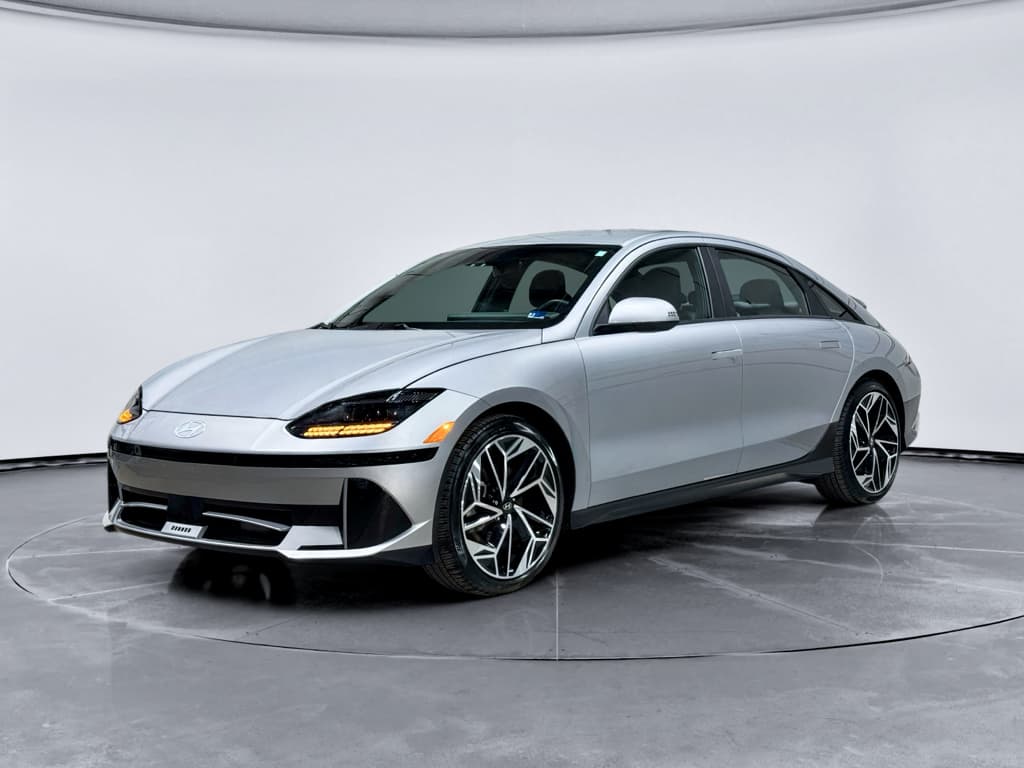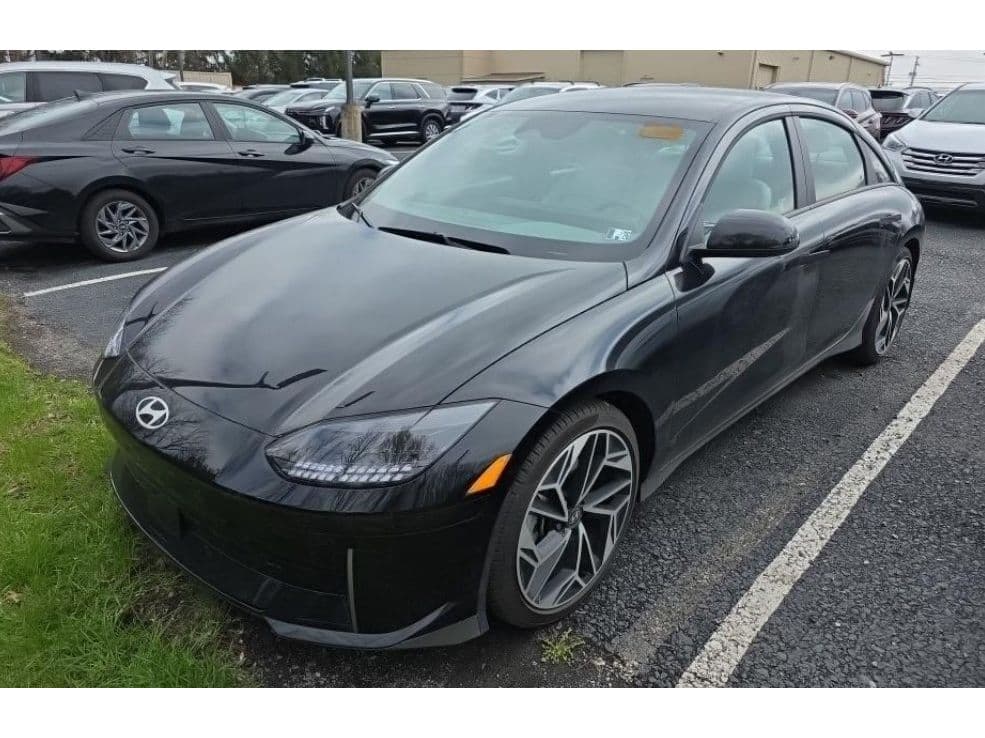
If you own a Hyundai IONIQ 6, you’re driving one of the most distinctive electric sedans on the road. But EV prices move fast, and timing your sale can mean the difference between squeezing out a few extra thousand dollars and leaving money on the table. Let’s walk through the best time to sell a Hyundai IONIQ 6, what actually drives its value, and how to make the market work for you instead of against you.
Quick answer
Why timing matters for your IONIQ 6 sale
Every car depreciates, but modern EVs – including the Hyundai IONIQ 6 – live in a fast‑shifting market. New EV price cuts, federal and state incentives, and tech improvements (like longer‑range batteries or standard Tesla NACS fast‑charging ports) can all push your car’s value up or down, sometimes in a single quarter. If you understand those forces, you can plan your exit before a big drop – or hold a bit longer to avoid selling into a buyer’s market.
Hyundai IONIQ 6 value snapshot
Why waiting too long hurts
How the Hyundai IONIQ 6 depreciates
The IONIQ 6 launched with pricing in the high‑$30,000s to low‑$50,000s depending on trim, then Hyundai aggressively cut MSRPs for 2024 and beyond. That’s great news for new buyers, but it compresses used values. On top of that, EVs tend to lose value faster in the first few years because new models bring more range, faster charging, and better tech every model year.
- Front‑loaded depreciation: Like most new cars, the IONIQ 6 takes its biggest hit in the first 12–24 months, especially once it’s no longer "nearly new."
- Price‑cut shockwaves: Hyundai’s new‑car price reductions make used examples look less of a bargain, dragging used prices down to compete.
- Battery and tech race: Longer‑range rivals, NACS fast‑charging support, and newer driver‑assist features push buyers toward fresher model years.
- Incentives vs. used prices: When new EVs qualify for tax credits or heavy rebates and used EVs don’t, shoppers often cross‑shop new, capping what they’ll pay for your car.
Trim and options matter
Best timeframes to sell a Hyundai IONIQ 6
You’re really asking two questions: "When is my IONIQ 6 still attractive to buyers?" and "When am I avoiding big upcoming value drops?" Here’s how that looks over time if you bought new or nearly new.
When to sell your Hyundai IONIQ 6 by age
General guidance based on typical EV depreciation patterns and current IONIQ 6 pricing trends.
| Vehicle age | Market perception | Pros of selling now | Risks of waiting |
|---|---|---|---|
| 0–12 months | Nearly new | Highest possible price; easy to sell as "like‑new" | You’ve barely used what you paid for; you may still be upside‑down on a loan. |
| 12–24 months | Sweet‑spot modern EV | Strong demand, most tech still current; warranty and battery health look excellent | New‑model updates or further price cuts can start to pull values down. |
| 24–36 months | Value play for buyers | Often the best balance of price vs. tech for used shoppers; still inside most warranties | Depreciation is still active; buyers get more sensitive to mileage and cosmetic flaws. |
| 36–60 months | Older but still modern | You’ve squeezed a lot of use from the car; can still attract budget‑minded EV shoppers | Battery‑health questions loom larger; rivals may offer much more range and faster charging. |
Use this as a directional guide; your local market, mileage, and trim will shift the specifics.
Rule of thumb
Seasonal and market timing factors
Clock time matters too. You don’t sell a sleek electric sedan the same way you’d unload a snowblower. The best time to sell your Hyundai IONIQ 6 isn’t just about model year – it’s also about the season and what’s happening in the EV market around you.
How seasons and market swings affect IONIQ 6 demand
Use both the calendar and the headlines to your advantage.
Late spring & early summer
Often the best window. Shoppers plan road trips, commute changes, and are more willing to test‑drive and buy.
- Tax refunds in hand for some buyers
- Better weather for photos and inspections
- Range worries drop as temperatures warm up
Deep winter
Demand can soften in colder climates as range drops and buyers worry about winter performance.
- You may face more price haggling
- Snow and road salt highlight cosmetic issues
- But: fewer competing listings can help you stand out
News and incentives
Big headlines move prices:
- New tax credits for new EVs can pull buyers away from used
- Price cuts or new trims on IONIQ 6 or close rivals
- Announcements about NACS fast‑charging or big range increases
Timing tip
Mileage, battery health and warranty milestones
With any EV, buyers are really shopping for remaining life – in the battery, the warranty coverage, and the miles they can put on before something expensive happens. Your Hyundai IONIQ 6 has some natural "cliff edges" you should know about before deciding when to sell.
Key milestones that affect your IONIQ 6’s resale value
Approaching 30,000–36,000 miles
Many shoppers see anything under about 36,000 miles as "lightly used." If you’re close, consider selling before you cross that line – it looks better in listings and on appraisal tools.
Crossing 50,000–60,000 miles
Once you’re into what buyers see as "well‑used" territory, questions about wear, tire life, and suspension comfort get louder. Values tend to step down noticeably around this point.
Battery health report
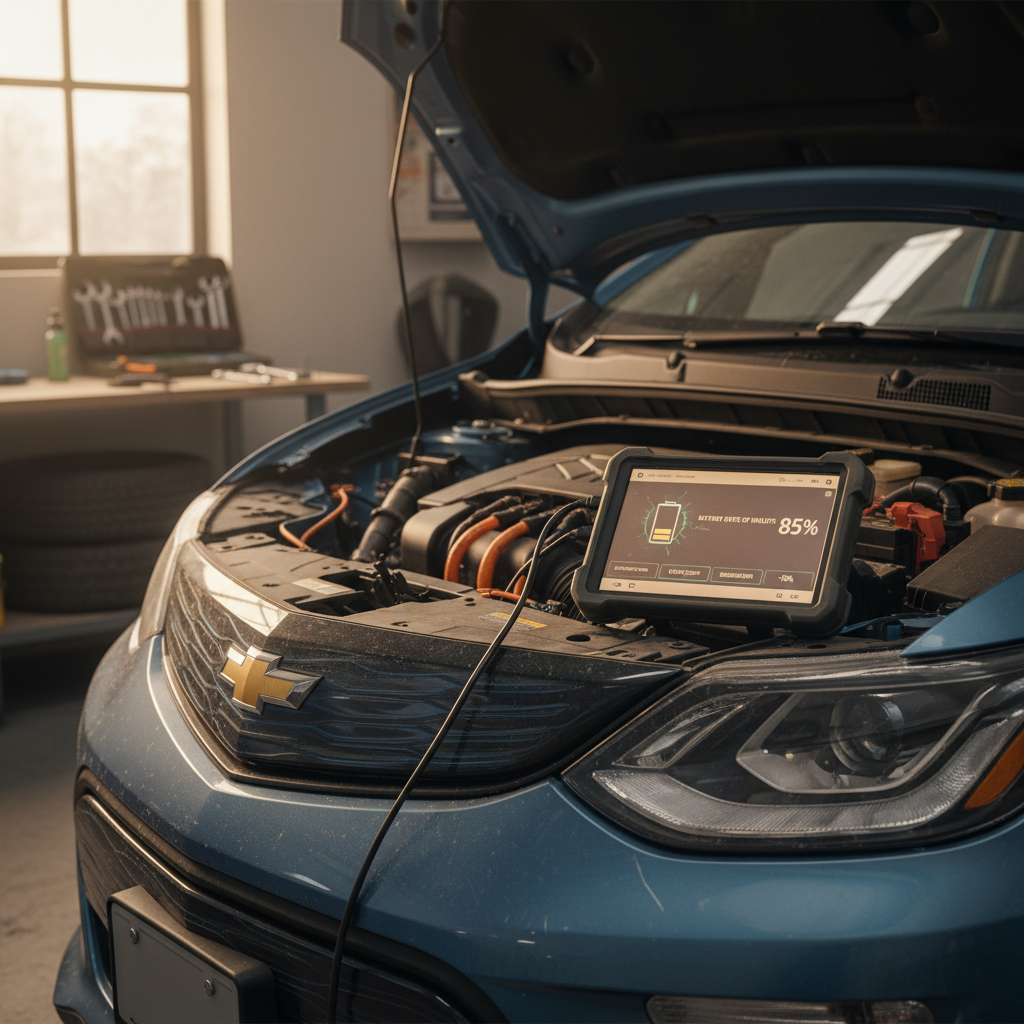
A strong state‑of‑health reading and consistent fast‑charging behavior can reassure buyers. That’s why Recharged includes a <strong>Recharged Score battery report</strong> with every vehicle – documentation beats guesswork.
High‑voltage battery warranty timeline
Hyundai’s long battery‑warranty coverage is a selling point. You’ll often get the best price when plenty of that coverage remains, so consider selling several years <em>before</em> the end date, not after.
Cosmetic condition vs. age
Door dings, curb rash, and stained upholstery don’t matter much on a 10‑year‑old commuter. On a 2‑year‑old EV, they do. Sell before cosmetic wear tells a different story than the model year does.
Personal-life signals it’s the right time to sell
The math matters, but so does your life. The "best" time to sell your Hyundai IONIQ 6 on paper may not be the right time for you if your circumstances are changing. Here are the personal signals that should nudge you toward listing the car sooner rather than later.
- Your needs changed. Maybe you bought the IONIQ 6 as a commuter and now you’re doing kid‑duty or long‑distance mountain trips. Forcing the wrong car to fit a new life can cost more than switching early.
- Your commute disappeared. If remote work turned your 15,000‑mile‑a‑year sedan into a second car, you might be better off capturing its value now, before sitting unused hurts the 12‑volt battery and tires.
- You’re upside‑down but closing the gap. Many EV buyers financed when prices were higher. If your loan balance is finally near market value, that’s a moment to evaluate a sale before further depreciation widens the gap again.
- You want newer tech. If built‑in NACS support, bigger range, or better driver‑assist features matter to you, selling your existing IONIQ 6 while it’s still desirable helps fund the upgrade.
Don’t chase perfection
Where to sell your IONIQ 6: options compared
Once you’ve decided it’s the right time to sell, you still have to choose how to sell. With an EV like the Hyundai IONIQ 6, the sales channel matters because many buyers want reassurance about battery health and fast‑charging history, not just a shiny paint job.
Ways to sell your Hyundai IONIQ 6
Each path to selling your EV trades convenience for price in different ways.
| Option | Pros | Cons | Best for |
|---|---|---|---|
| Traditional dealer trade‑in | Fast, convenient; easy to roll into a new‑car deal. | Often the lowest offer, especially for EVs they don’t know how to price. | Drivers prioritizing speed over every dollar. |
| Instant online offer | Quick quotes and simple logistics; minimal haggling. | Offers can be conservative; not all platforms really understand EV battery value. | Owners who want to be done in a day or two. |
| Private sale | Potentially highest price; you control the story of your IONIQ 6. | You handle marketing, test drives, paperwork, and tire‑kickers. | Sellers with time, comfort meeting buyers, and a good local EV market. |
| Recharged marketplace & consignment | EV‑specialist pricing, Recharged Score battery health report, nationwide audience, and help with financing and paperwork. | Takes a bit more time than a wholesale instant offer – your car is marketed to the right buyer, not just sent to auction. | Owners who want strong value with expert EV support and minimal hassle. |
Think about how much time you’re willing to invest – and how much risk you’re comfortable carrying.
EVs are different
How to prepare your IONIQ 6 for sale
No matter when you sell, a clean, well‑documented Hyundai IONIQ 6 will attract more serious buyers and stronger offers. You don’t have to turn into a professional detailer, but you do want your car to read as "well cared for" at a glance and on paper.
Pre‑sale checklist for your Hyundai IONIQ 6
1. Gather service and charging records
Pull together service receipts, recall paperwork, and any records from DC fast‑charging sessions if you have them. Documentation that you’ve followed Hyundai’s recommendations builds confidence.
2. Get a battery health assessment
If you’re selling through <strong>Recharged</strong>, your car will receive a <strong>Recharged Score battery health report</strong>, giving buyers clear insight into pack condition and expected range. If you’re selling elsewhere, consider an independent EV health check.
3. Fix inexpensive cosmetic issues
Touch‑up paint for small chips, a professional interior detail, and repairing curb‑rashed wheels often cost much less than the price drop buyers mentally assign to a "rough" car.
4. Restore factory charging gear
Make sure the original charge cable, adapters, and manuals are present and in good shape. Missing charging equipment is a red flag and a negotiation lever for buyers.
5. Choose honest, flattering photos
Clean the car, shoot in soft light (early morning or late afternoon), and showcase range, interior tech, and charging ports. Be honest about blemishes – serious buyers appreciate transparency.
6. Write an EV‑savvy description
Highlight battery size, EPA‑rated range, your typical real‑world range, and charging habits. Many buyers are moving from gas; clear, plain‑language explanations build trust.
Smart pricing strategy for a used IONIQ 6
Pricing your Hyundai IONIQ 6 is part science, part storytelling. You need to know where the market sits for your trim and mileage, and then you need to justify why your car deserves the top of that range.
Step 1: Map the market
- Check several pricing tools and marketplaces for your model year, trim, and mileage.
- Look at both asking prices and recent sale prices, if available.
- Pay attention to how long similar cars have been listed – stale listings usually mean overpricing.
Step 2: Adjust for EV‑specific factors
- Battery health: A documented healthy pack can justify a higher ask.
- Charging compatibility: If your IONIQ 6 has up‑to‑date fast‑charging support and software, say so clearly.
- Region: EVs often command higher prices in metro areas with strong charging networks than in rural markets.
- Start toward the upper half of your researched range, but leave room to negotiate.
- If you’re in a hurry, price near the lower middle of the range to attract more early interest.
- Be ready to adjust after 10–14 days with little activity – the market is telling you something.
- For trade‑ins and instant offers, get multiple quotes the same week; values can move quickly in the EV segment.
Avoid the "emotional price" trap
How Recharged helps you time and sell smarter
If you’d rather not become an amateur EV market analyst, this is where a specialist marketplace earns its keep. Recharged is built around making used EV ownership – and selling – simple and transparent for cars exactly like the Hyundai IONIQ 6.
Why sell your Hyundai IONIQ 6 with Recharged
Get expert EV support without giving up all your equity.
Verified battery health
Data‑driven pricing
Flexible ways to sell
Nationwide buyers, local ease
Financing for your buyer
In‑person support if you want it
Ready to find your next EV?
Browse VehiclesPair smart timing – around that 18‑ to 36‑month mark, before big mileage or warranty cliffs – with the right way to present and sell your Hyundai IONIQ 6, and you’ll give yourself the best shot at a smooth sale and a healthy check at the end.
Hyundai IONIQ 6 selling FAQ
Frequently asked questions about selling a Hyundai IONIQ 6
Selling a Hyundai IONIQ 6 is part timing, part prep, and part picking the right partner. Aim for that 18‑ to 36‑month window while your sedan still feels cutting‑edge, keep mileage and cosmetic wear in check, and lean on real battery‑health data instead of guesswork. Whether you trade in, list it yourself, or tap into Recharged’s EV‑specialist marketplace, approaching the sale with a plan will help you move on to your next chapter with more money in your pocket and fewer what‑ifs in your rearview mirror.