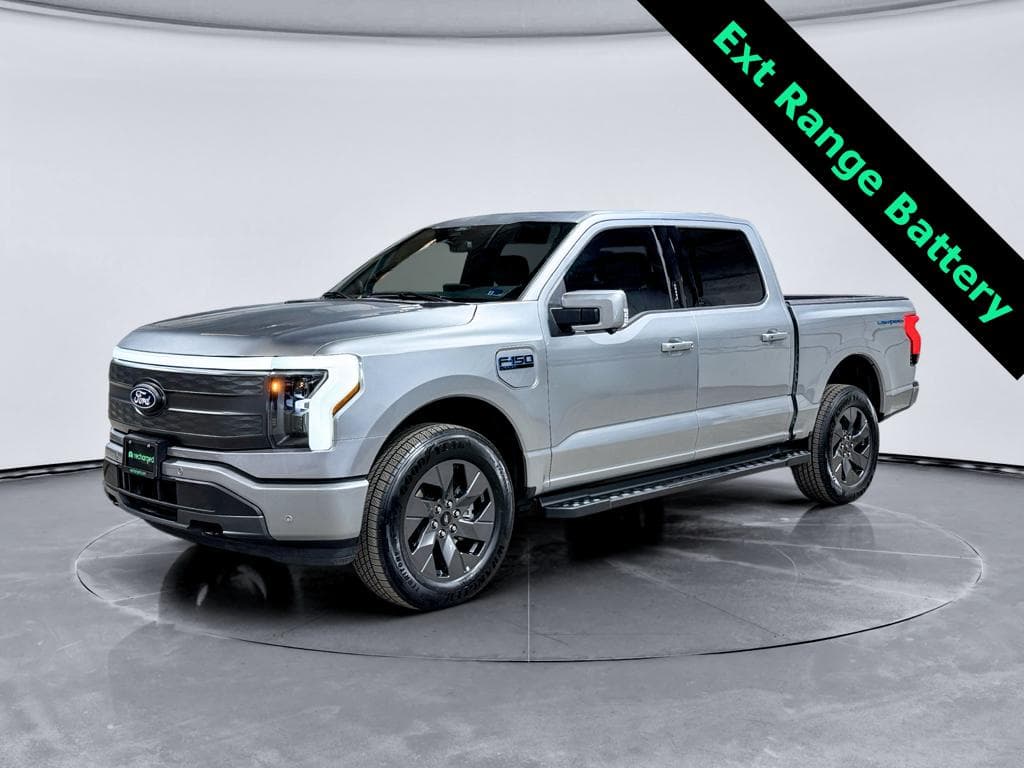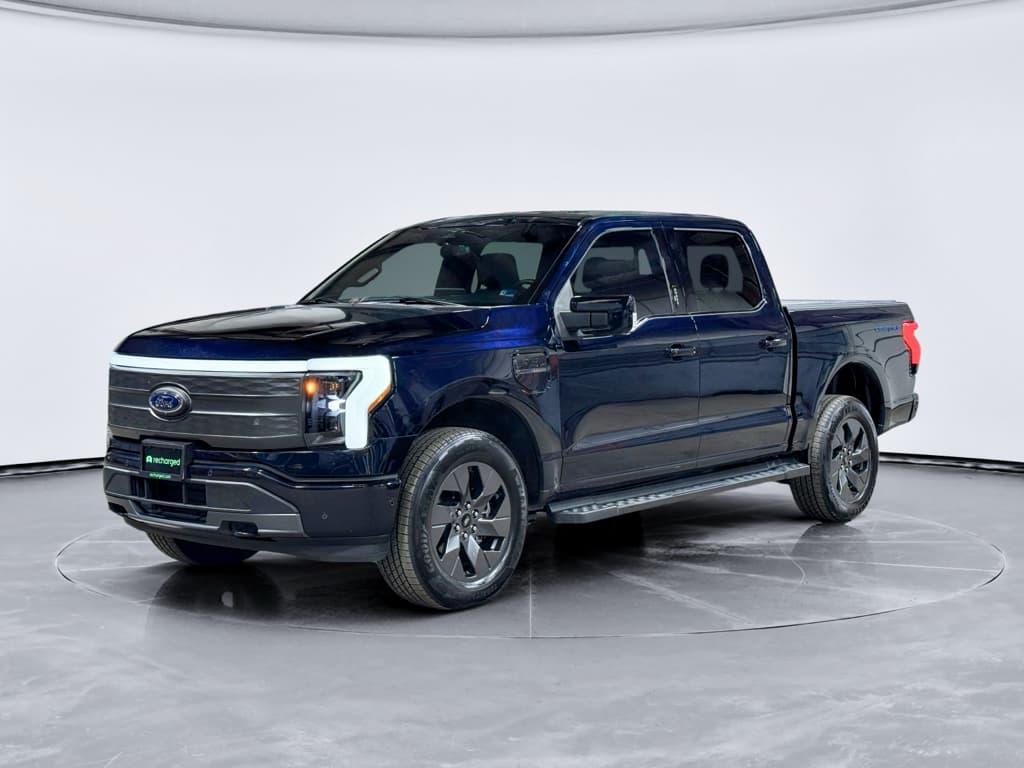
If you own a Ford F‑150 Lightning, you’re sitting on one of the most talked‑about trucks of the last few years, and one of the most volatile when it comes to value. With Ford cutting back EV investment and planning to end Lightning production in favor of a range‑extended hybrid successor, many owners are now asking the same thing: what’s the best time to sell a Ford F‑150 Lightning so you don’t get caught on the wrong side of the market?
Quick answer
Why timing matters for F-150 Lightning sellers
Timing the sale of any vehicle is about beating the steepest part of the depreciation curve. With the F‑150 Lightning, there are three extra wild cards:
- Ford’s public pivot away from full EV trucks and toward hybrids and extended‑range models, which changes future demand and buyer perception.
- Aggressive price moves on new Lightnings over the last few years, which undercut used prices when discounts appear on dealer lots.
- Rapid improvements in EV range and charging tech, which make older trucks feel outdated faster than a comparable gas F‑150.
The good news is that Lightning hasn’t fallen off a cliff the way some early EVs have. It has actually earned strong resale‑value projections compared with other EVs, but the market is shifting under your feet. Selling a little earlier, before big policy or product announcements hit, can be the difference between a solid check and a painful haircut.
The F-150 Lightning market reality in 2026
Ford F‑150 Lightning used-market snapshot
In plain English: your truck is still desirable, but we’re past the honeymoon phase. New‑truck pricing has bounced around, incentives appear and disappear, and Ford’s strategy change has spooked some buyers while intriguing others.
Why Ford’s pivot matters to you
How the F-150 Lightning depreciates over time
Let’s talk about the part nobody loves: depreciation. Online valuation tools that track millions of transactions suggest a typical F‑150 Lightning loses a big chunk of value in the first three years, then tapers off.
Illustrative F‑150 Lightning depreciation curve
Approximate retained value vs. original MSRP based on early resale‑value forecasts and used‑EV market behavior. Your specific truck may vary by trim, options, mileage, and condition.
| Years in service | Approx. % of original MSRP remaining | What that usually means |
|---|---|---|
| Year 1 | ~64%–70% | Big initial hit; you’ve paid sales tax and driven off the lot. |
| Year 2 | ~52%–60% | Value stabilizes somewhat; still highly desirable for used buyers. |
| Year 3 | ~48%–55% | End of the steepest slide for many Lightnings. |
| Years 4–5 | ~44%–50% | Slower losses; older tech and out‑of‑warranty concerns start to show up in pricing. |
The steepest drop is in the first 3–4 years, exactly when many owners still have strong equity.
For most owners, that means the sweet spot to sell is after the worst of year‑one depreciation, but before the warranty clock and tech curve really catch up, roughly years 2–4.
Rule of thumb
Best time to sell by model year (2022–2026)
Timing recommendations by model year
Use this as a starting point, then layer on your own mileage, condition, and needs.
2022 F‑150 Lightning
Age in 2026: 4 years old.
- You’re past the steep early‑EV hype phase.
- Tech and range now lag newer trucks.
- Many 2022s are marching toward warranty expiration.
Recommendation: If you plan to sell in the next few years anyway, sell in 2026–2027. Waiting longer likely means chasing buyers who want newer batteries and updated tech.
2023 F‑150 Lightning
Age in 2026: 3 years old.
- Still in the heart of the sweet spot.
- Strong appeal to buyers who want a truck that still feels “new” but don’t want new‑truck pricing.
Recommendation: Peak window is late 2025 through 2027. If your mileage is low and options are strong, listing sooner gives you the widest buyer pool.
2024 F‑150 Lightning
Age in 2026: 2 years old.
- Benefited from price corrections and feature tweaks like an improved heat‑pump system.
- Attractive to buyers wanting a relatively fresh build.
Recommendation: You can comfortably hold into 2027–2028 if you like the truck, but if Ford’s range‑extended successor arrives with big range or towing gains, expect used 2024 values to adjust down.
2025–2026 F‑150 Lightning
Age in 2026: 0–1 year old.
- Final pure‑EV model years, likely with standard longer‑range battery on many trims.
- Short‑term demand may spike from buyers who specifically want an all‑electric F‑150 before it’s gone.
Recommendation: If you bought early and incentives were generous, flipping in the first 24–30 months can make sense. Otherwise, plan to enjoy it 3–5 years before selling.
Equity check
Seasonal and short-term timing: month-by-month strategy
Big‑picture timing is one thing; the month you choose to sell your F‑150 Lightning also matters. Electric trucks don’t follow seasons quite as dramatically as convertibles, but there are still patterns.
Best seasons to sell a Lightning
- Late winter to early spring (Feb–April): Tax refunds hit, people shop for vehicles before summer road‑trip season, and inventory is still relatively tight after the holidays.
- Early fall (Sept–Oct): Families and contractors re‑evaluate their vehicles after summer towing and camping, but before winter weather complicates test drives in some regions.
Times to be cautious
- Late December–early January: Many buyers are distracted or cash‑strapped from the holidays. Dealers may be buried in year‑end trades.
- Right after big EV policy or product news: If a new, longer‑range truck or a major tax‑credit change is announced, used prices can wobble. If possible, either sell before the news hits the mainstream, or wait a few months for the market to settle.
List early in the month
How mileage, battery health, and features affect your timing
Two otherwise identical F‑150 Lightnings can be thousands of dollars apart depending on mileage, battery health, and options. That’s why timing isn’t just about the calendar; it’s about where your truck sits on those curves.
Three value levers that change your best time to sell
If two of these are trending in the wrong direction, don’t wait.
Mileage
Lightning buyers care about miles because they’re a proxy for how hard the battery and drivetrain have worked.
- Values typically soften in noticeable steps around 30k, 60k, and 90k miles.
- If you’re close to one of those breakpoints, consider selling before the odometer rolls over.
Battery health
Unlike a gas truck, perceived battery health can make or break an EV sale.
- Buyers love to see documented range and diagnostic reports.
- Independent tools like the Recharged Score battery health diagnostics can give shoppers confidence and support a higher asking price.
Options & software
Features like extended‑range battery, tow package, BlueCruise, and spray‑in bedliners all add value.
- Well‑optioned trucks tend to hold value longer, so you might not have to rush.
- Lightly optioned base models are more exposed when new‑truck pricing drops, so selling earlier can protect you.
How Recharged can help showcase your truck
Personal timing: 7 signs it’s the right time for you to sell
The market may be shouting one thing, but your life might be whispering another. Here are signs that, regardless of model year, now is probably the best time to sell your F‑150 Lightning.
Signs it’s time to move on from your Lightning
1. Your payoff is lower than what buyers are offering
If trade‑in or instant‑offer quotes are comfortably above what you owe, you’re looking at positive equity. That’s prime time to capture cash or roll equity into your next vehicle.
2. Your driving needs have changed
Maybe you’re towing more than you planned, moving somewhere with limited charging, or your commute disappeared with remote work. When your use case no longer matches what the Lightning does best, it’s often better to exit while values are still healthy.
3. You’re nervous about post‑warranty repairs
Ford’s EV tech is still evolving, and some owners simply sleep better with full warranty coverage. Selling while you’re still under bumper‑to‑bumper and battery warranty can be a rational, not emotional, decision.
4. You’re eyeing the next generation of trucks
If a range‑extended Lightning successor or another brand’s long‑range EV truck has your attention, you don’t have to wait until it’s on every corner. Selling before the new model floods the market can leave you with more down payment power.
5. Charging doesn’t fit your life anymore
If home charging isn’t an option at your new place, or public charging is too thin on your regular routes, your daily frustration will cost you more than a slightly lower sale price.
6. Insurance and payment pressure are real
Electric trucks often carry higher purchase prices and, in some areas, higher insurance premiums. If the monthly squeeze is tight, the best time to sell is before you fall behind or burn through savings.
7. You simply don’t love it anymore
It sounds soft, but it matters. When you no longer enjoy driving your Lightning, or you’ve realized a different vehicle would fit you better, holding out in hopes of squeezing an extra few hundred dollars from the market rarely pays off.
Where and how to sell your F-150 Lightning
Choosing how to sell matters almost as much as when. EV trucks are still new territory for many buyers and dealers, which can work for you, or against you, depending on the path you take.
Selling options for your Lightning
Pros and cons of the main paths to cashing out.
Trade-in at a dealer
Best when: You want minimal hassle and are buying something else immediately.
- Fast and easy; one set of paperwork.
- Dealers may under‑value EVs if they don’t fully understand the market.
- Great if state incentives or dealer discounts stack on your new purchase.
Private-party sale
Best when: You want to squeeze out top dollar and can handle some legwork.
- Often yields the highest sale price.
- You’ll handle advertising, test drives, and paperwork.
- Be ready to explain charging, range, and software to EV‑newcomer buyers.
Specialist EV marketplace (like Recharged)
Best when: You want a strong price and an EV‑savvy process.
- Marketplaces that focus on EVs understand Lightning demand and options.
- Recharged can help with financing, trade‑in, instant offers or consignment, plus nationwide delivery for buyers.
- A Recharged Score report showcases your truck’s battery health to serious shoppers.
Why consider selling through Recharged
Ready to find your next EV?
Browse VehiclesStep-by-step checklist before you list or trade in
Whether you’re walking into a Ford store or listing your truck online, doing a little homework first will put real money in your pocket. Work through this checklist, then decide exactly when to pull the trigger.
Pre‑sale checklist for your F‑150 Lightning
1. Pull real‑world value estimates
Use multiple tools, trade‑in calculators, instant‑offer sites, and EV‑focused marketplaces, to get a range of what your Lightning is worth. Don’t rely on a single number.
2. Check your payoff and equity
Log into your lender’s portal and get the exact payoff quote. Subtract that from realistic sale offers to understand how much equity (or negative equity) you have.
3. Document battery health and range
Take fresh photos of your range estimate at a full charge, gather any service records, and if possible, get a third‑party or Recharged Score battery report. This reassures buyers and supports your price.
4. Fix small, high‑impact items
Touch‑up paint, a professional detail, fresh wiper blades, and a clean interior do wonders. Bigger repairs, like collision work, are a judgment call; get quotes and consider whether you’ll recoup the cost.
5. Gather charging and accessory gear
Buyers love a complete package. Include the mobile charge cord, wall‑charging documentation if applicable, bed accessories, and both keys. Make a list in your listing description.
6. Time your listing
Aim for early in the month, and ideally late winter/early spring or early fall. If major EV tax‑credit or product news is breaking, you can speed up or delay listing by a few weeks to avoid the noisiest period.
7. Decide your walk‑away numbers
Before you get offers, decide what you’ll accept as a minimum trade‑in value and a minimum private‑party price. That way, you’re making decisions with a clear head, not in the heat of negotiation.
FAQ: Ford F-150 Lightning selling questions
Frequently asked questions about selling a Ford F-150 Lightning
Bottom line: When is the best time to sell?
If you strip away the noise, the best time to sell a Ford F‑150 Lightning is when the truck is still young enough to feel modern, your equity position is strong, and your life is nudging you toward a different solution. For most owners, that’s somewhere between years 2 and 4 of ownership, with an eye on mileage milestones and Ford’s evolving truck lineup.
From there, your job is to control what you can: keep miles reasonable, document battery health, choose the right season, and pick a selling partner who understands EVs. If you’re ready to explore your options, a platform like Recharged can help you get a transparent value, showcase your Lightning’s strengths with a Recharged Score Report, and connect you with buyers nationwide who are specifically shopping for used electric trucks.