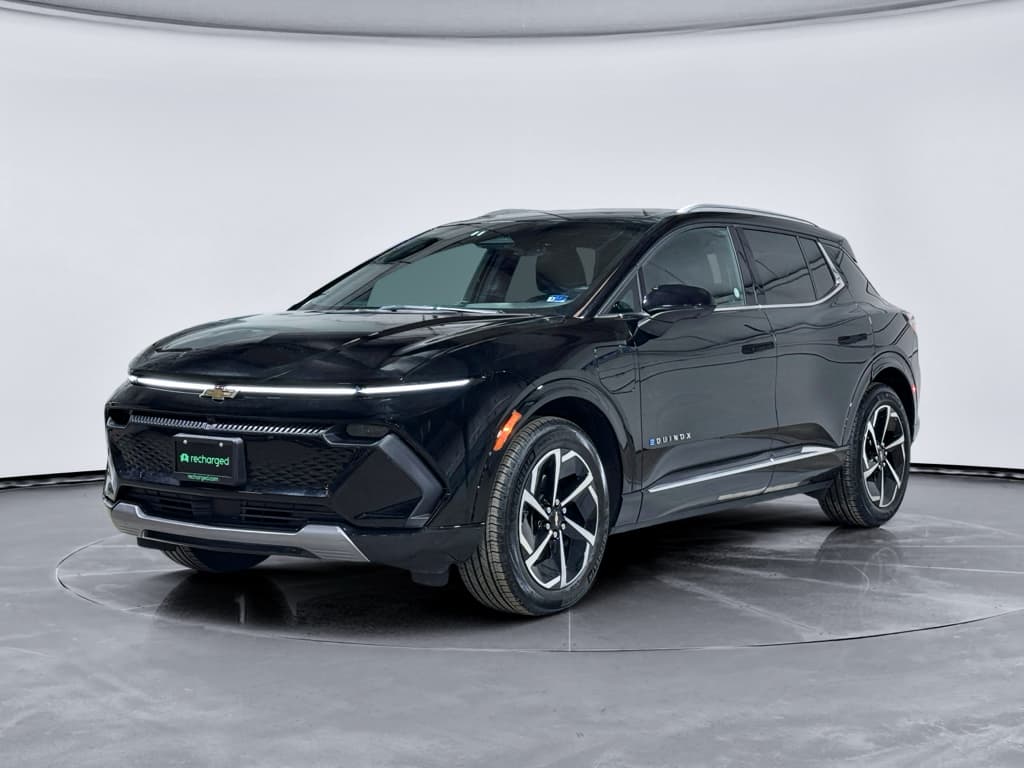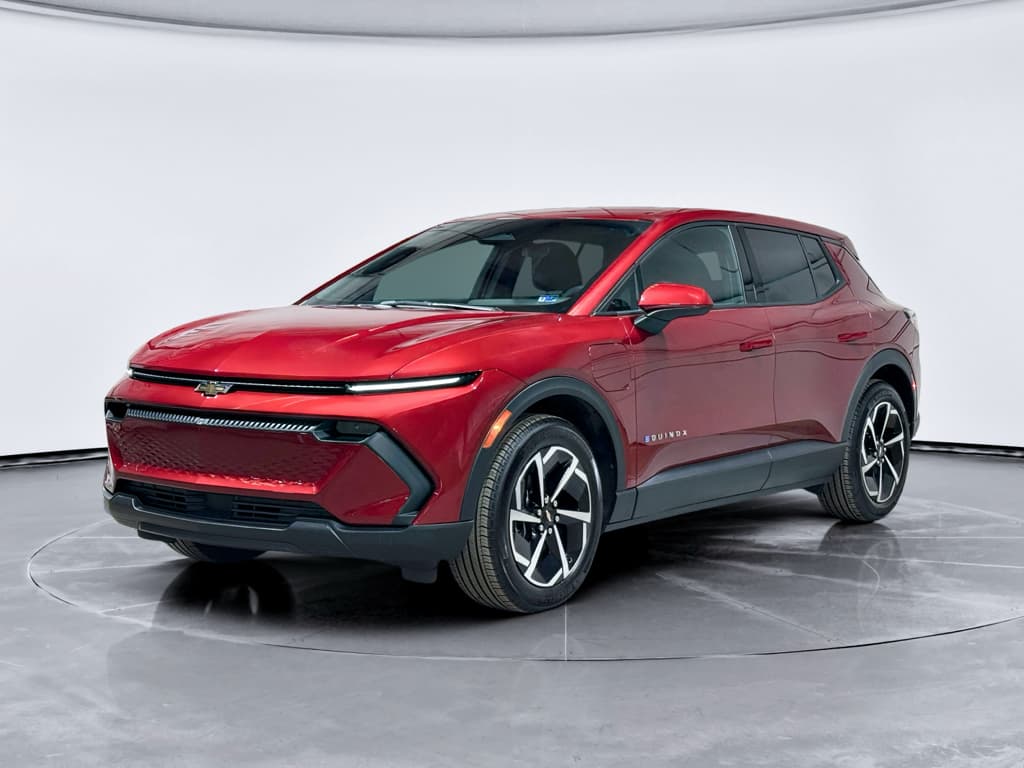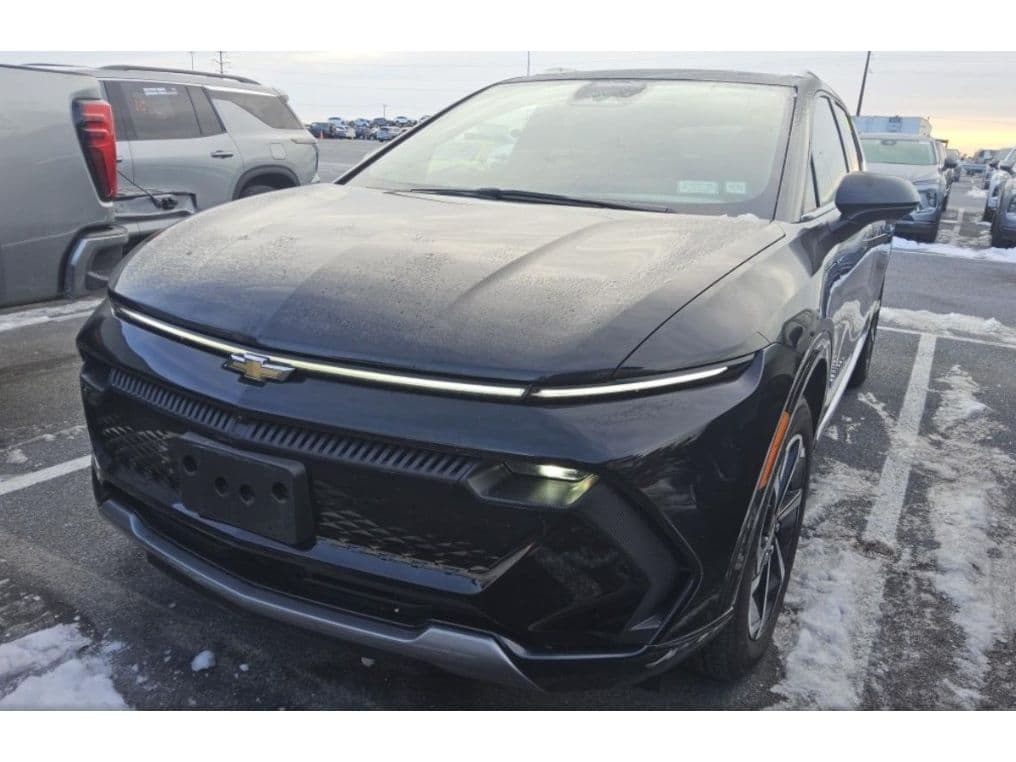
If you own a Chevrolet Equinox EV, you’re driving straight through one of the most volatile used-car markets in decades. Prices for used EVs have swung wildly since 2023, and early Equinox EVs are already showing sharp depreciation. Choosing the best time to sell a Chevrolet Equinox EV isn’t a matter of vibes; it’s timing your exit before the next price drop.
Quick answer
Why timing matters for Equinox EV sellers
EVs don’t depreciate like gas SUVs
Traditional crossovers like the gas Equinox drift down the value curve with the predictability of gravity. EVs, especially newer models like the Equinox EV, live on a roller coaster driven by battery tech, incentives, and supply shocks. One quarter, your car is the hot new thing; a year later, GM cuts MSRPs or a new Ultium sibling arrives and your book value takes a haircut.
Equinox EV is in a crowded, fast-moving segment
Chevy aimed the Equinox EV squarely at the heart of the market: compact electric SUV, family-friendly range, and aggressive pricing compared with Tesla Model Y and Hyundai Ioniq 5. That’s good for buyers, but for sellers it means constant competitive pressure from new models, lease deals, and leftover inventory.
Reality check
How the Chevrolet Equinox EV depreciates
Early Equinox EV depreciation at a glance
Forecasts for early model years of the 2024–2025 Chevrolet Equinox EV suggest roughly 57–60% depreciation after five years for typical use and mileage, in line with many mass‑market EVs rather than premium outliers. That’s the gentle version. In practice, EV depreciation has been lumpy: a change in federal incentives, a round of discounting on new inventory, or a wave of lease returns can shove prices down in a matter of months.
- Year 1–2: Fastest fall as early adopters move on and new trims/price cuts arrive.
- Year 3–4: Depreciation slows, especially if range and tech still feel current.
- Year 5+: Values hinge heavily on battery health, remaining warranty, and how crowded the segment has become.
Think in equity, not just mileage
Best months to sell a Chevrolet Equinox EV in 2026
Used EV prices in the U.S. have been historically jumpy, but one seasonal pattern keeps showing up: spring is when buyers come out of hibernation. Tax refunds, better weather, and a fresh crop of lease‑end shoppers conspire to push demand, and prices, higher.
2026 calendar: How timing affects Equinox EV demand
Seasonal demand patterns for selling a Chevrolet Equinox EV in the U.S. during 2026. “Good to sell?” reflects typical conditions, not a guarantee of pricing.
| 2026 period | Buyer demand | Price environment | Good time to sell? |
|---|---|---|---|
| Late March – June | High (tax refunds + spring shoppers) | Relatively strong for used EVs | ★ Best overall window |
| July – August | Moderate (vacations, heat) | Can soften in very hot markets | Decent if your car is standout clean |
| September – early October | Medium | Back‑to‑school budgets, less impulse buying | Neutral; focus on sharp pricing |
| Late October – December | Low–medium | Holiday spending + model‑year changeovers | Only great if you’re undercutting market |
| January – early March | Low–medium | Weather + post‑holiday budgets suppress demand | List only if you must or you’re priced aggressively |
Use this as a directional guide; local market conditions can override national patterns.
If you want one simple rule for 2026…
Mileage and age “sweet spots” to sell
Age and mileage guidelines for Equinox EV sellers
These are guidelines, not laws, condition and battery health still rule.
0–2 years old
Best if you’re still in strong equity. If you bought with big incentives or a low MSRP and the market hasn’t slid too far, selling within the first two years can leave you surprisingly whole.
Great time to sell if:
- You’re under ~25,000 miles.
- You’re sitting on positive equity.
- You plan to upgrade to something with more range or features.
3–4 years old
The practical sweet spot. Depreciation has slowed a bit, but your Equinox EV still feels “current,” especially on range and tech.
Ideal conditions:
- 25,000–45,000 miles.
- Battery health test still shows strong capacity.
- 4+ years of battery warranty remaining.
5–7 years old
Warranty-clock anxiety begins. As you move closer to the 8‑year/100,000‑mile battery warranty limit, buyers start mentally pricing in battery risk.
Better to sell if:
- You will cross 100,000 miles within 12–18 months.
- You’re doing high annual mileage or lots of DC fast charging.
- You’d rather pass the risk to the next owner.
Resale cliff to avoid
How EV tax-credit changes affect when you should sell
From 2023 through late 2025, federal EV tax credits quietly did half the work of the sales staff. New and used buyers were structuring their deals around that money. The Previously‑Owned Clean Vehicle Credit of up to $4,000 for qualifying used EVs applied only to vehicles purchased on or before September 30, 2025. On the new‑car side, the One Big Beautiful Bill Act removed federal credits for EV purchases after that same date.
So what does that mean if you’re trying to sell a Chevrolet Equinox EV in 2026? In broad strokes:
- Some 2024–early‑2025 buyers paid effectively less thanks to credits and discounts; they may be able to accept lower resale prices and still come out fine.
- Post‑credit buyers in late 2025 and 2026 are eating more of the depreciation themselves, which can make them price‑sensitive and delay selling.
- Dealers can no longer lean on federal money to make monthly payments work, so they’ll be more conservative on trade values if demand softens.
How credits shape your personal "best time"
Battery health and warranty milestones that move your price
For a used EV buyer, the real question is never “How many owners?” It’s “How healthy is the battery, and how long is it protected?” GM backs the Equinox EV’s high‑voltage pack with an 8‑year / 100,000‑mile limited battery warranty. That coverage acts as a financial shock absorber for the second owner, and a pricing fulcrum for you.
Battery and warranty checkpoints before you list
1. Check remaining warranty in years and miles
Buyers care less about the original expiration date printed on a brochure and more about the remaining coverage. Spell it out in your ad: “Battery warranty remaining: 5 years / 60,000 miles (approx.).”
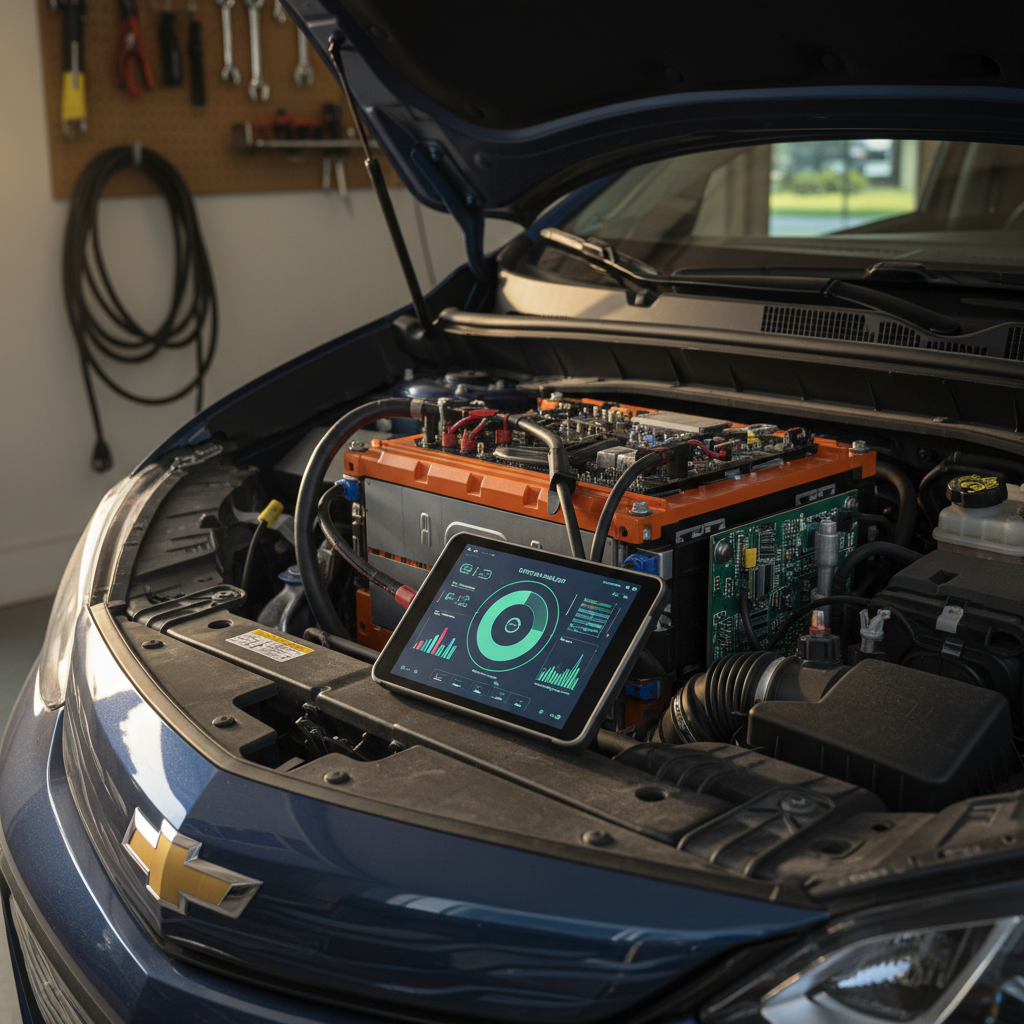
2. Get an objective battery health report
Have your Equinox EV scanned for battery health before you sell. With Recharged, every vehicle gets a <strong>Recharged Score Report</strong> with verified battery diagnostics that make buyers more comfortable paying top of market.
3. Gather your charging history
If most of your charging has been slow Level 2 at home, say so. Heavy DC fast‑charging isn’t a dealbreaker, but buyers may mentally adjust their offers if they see mostly fast‑charge usage.
4. Fix the visible stuff first
Curb rash, a cracked windshield, or a chorus of warning lights cheapen your car faster than a few percent of battery loss. Clean the story your car tells before you invite offers.
5. Sell before warranty anxiety peaks
If you’re 5–6 years into ownership and piling on miles, consider selling while a future buyer still gets at least 2–3 years of battery coverage. Waiting until the final year of warranty often forces you to discount more aggressively.
Market signals to watch before you list
4 signals that it’s a good time to sell your Equinox EV
Think like a small hedge fund with heated seats.
1. New Equinox EV incentives or price cuts
If Chevy and dealers slash new‑car prices or stack rebates, used values usually follow downhill within a quarter or two.
- If big discounts are announced but not yet on lots, consider listing immediately.
- If discounts are already everywhere, you may need to price sharply or wait for inventory to clear.
2. Surging local inventory
Scan your local listings: if you suddenly see a dozen Equinox EVs (or close Ultium siblings) sitting for weeks, that’s downward pressure on your price.
Conversely, if yours is one of only one or two in your area, that scarcity supports stronger asking prices.
3. News about tariffs, interest rates, or credits
Tariff fears, rate cuts, or any hint that incentives might return can shake the market in both directions.
- If borrowing gets cheaper, more buyers can stretch for your car.
- If tariffs threaten new EV prices, used EVs may get a short‑term bump as buyers rush in.
4. Used EV index trends
Industry trackers and pricing guides often show when used EV prices are stabilizing or sliding. If they’re flattening after a big drop, that’s a fine time to exit, you’re not trying to hit the absolute top, just avoid the next leg down.
Use multiple valuation tools, not just one
Getting top dollar: trade-in vs private sale
The right time to sell your Equinox EV is only half the story; how you sell can swing thousands of dollars either way. EVs reward informed buyers, and they punish the ones who feel out of their depth on batteries and charging. That’s where you can either win big or accept a convenience discount.
Trade-in vs private sale vs selling through Recharged
How your choice of sales channel interacts with timing and resale value.
| Channel | Typical pricing vs private sale | Pros | Cons |
|---|---|---|---|
| Traditional dealer trade-in | Lower (–$1,500 to –$4,000) | Fast, simple; good if you’re rolling into another purchase; no need to educate buyer about EVs. | Dealers may undervalue EVs they don’t understand; offers can swing suddenly when book values change. |
| Private party sale | Highest potential | You control pricing and presentation; great if your Equinox EV is clean with strong battery documentation. | Takes time; you field questions about charging and battery health; some buyers are still EV‑shy. |
| Sell to / through Recharged | Near top of market, with less hassle | Instant offer or consignment options; nationwide EV‑focused audience; every car gets a Recharged Score Report with battery diagnostics and fair‑market pricing. | Might net slightly less than a unicorn private sale, but designed to beat typical dealer trade‑in numbers. |
Convenience, control, and price rarely align perfectly; decide which matters most to you.
Where Recharged fits in
Ready to find your next EV?
Browse VehiclesHow Recharged can help you time and simplify your sale
The chess game of when to sell a Chevrolet Equinox EV is complicated enough without loan payoffs, title transfers, and strangers taking test drives in your driveway. That’s exactly the mess Recharged is built to clean up.
- Instant offer or consignment: Get a fast baseline price, or let Recharged handle the listing, buyer screening, and paperwork while you keep driving until it sells.
- Recharged Score Report: Every vehicle includes verified battery health diagnostics, pricing analysis, and condition details that build buyer confidence, especially important in a jittery used EV market.
- Financing and nationwide reach: Recharged connects your Equinox EV with buyers across the country and can arrange financing and delivery, expanding your pool far beyond local shoppers.
- Trade‑in and upgrade paths: If you’re moving into another EV, Recharged can help with trade‑in valuations and even route you to their Experience Center in Richmond, VA for a hands‑on look at alternatives.
In a perfect world, you’d list your Chevrolet Equinox EV in spring 2026, at 2–4 years old, under 45,000 miles, with plenty of battery warranty left and a healthy Recharged Score in your back pocket. In the real world, the right time to sell is when your life says “it’s time”, and the sooner you align that decision with favorable seasons, market signals, and strong documentation, the more of your Equinox EV’s value you’ll keep. If you’re even thinking about selling, get a data‑driven number today and use it as your north star before the market moves again.