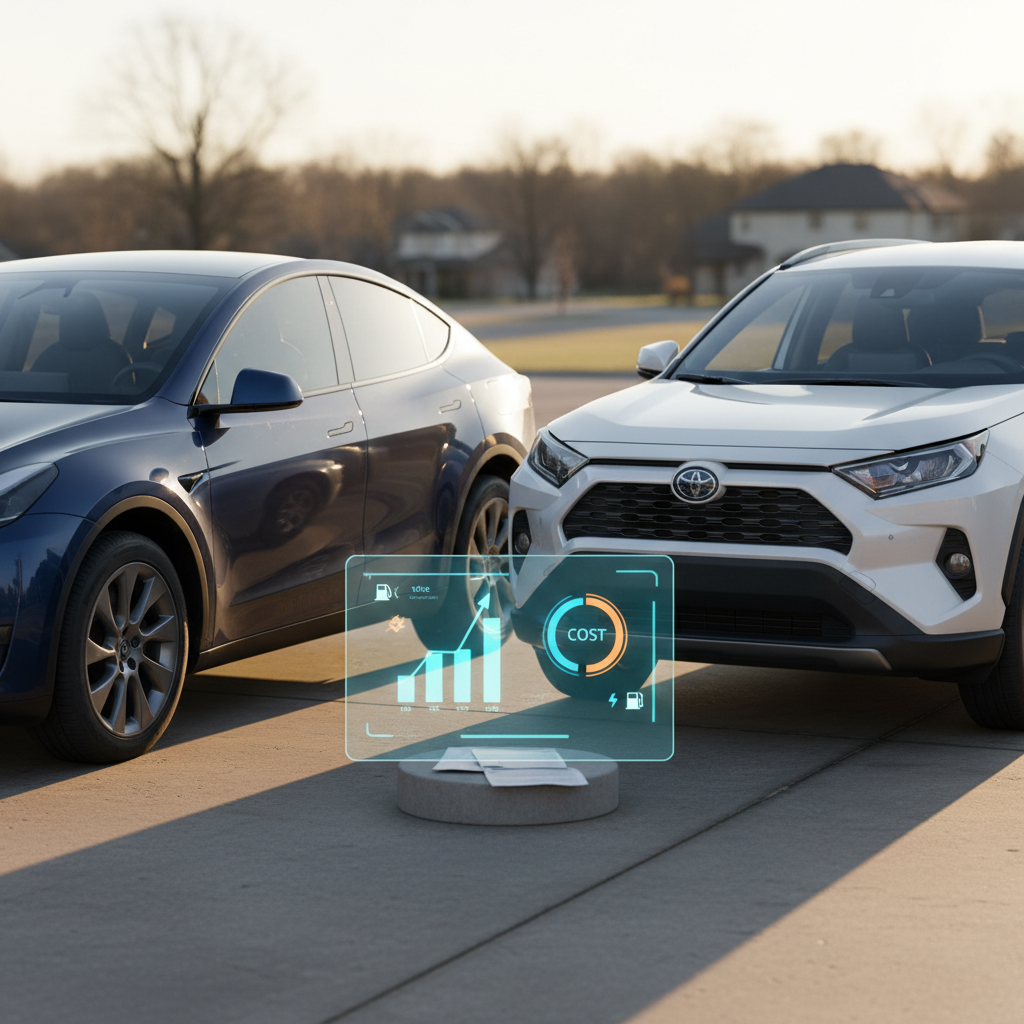
If you own a Chevrolet Bolt EV, you’re sitting on one of the most interesting assets in the used‑EV world. It’s affordable, efficient and discontinued (for now), which means the best time to sell a Chevrolet Bolt EV can swing its value by thousands of dollars depending on when you pull the trigger.
Why this timing question is tricky
Why timing your Chevrolet Bolt EV sale matters
Used EV prices in general have cooled since their 2021–2022 peak, with average electric values off sharply by 2024–2025 as new EV supply grew and incentives shifted. The Bolt EV got hit twice: first by price cuts on new cars, then by the well‑publicized battery recall. But demand hasn’t disappeared; it’s just gotten more price‑sensitive and battery‑health‑sensitive.
- Sell too early and you may leave money on the table if a buyer surge hits when gas prices spike or a new Bolt announcement lands.
- Wait too long and you run into higher miles, expiring warranties and the next wave of cheaper EVs that can undercut your asking price.
- Time it just right and your Bolt looks like a bargain next to new EVs while still feeling modern and low‑risk to buyers.
Use timing to offset depreciation
Quick answer: the best time to sell a Chevrolet Bolt EV
Let’s start with a simple framework. For most owners in the U.S. in 2026, the best time to sell a Chevrolet Bolt EV is when three things line up: strong battery story, favorable market conditions, and your own life timing.
Your ideal sell window in one glance
1. Right after good battery news
The sweet spot is within 3–9 months after a recall battery replacement or clean dealer inspection. You can truthfully advertise a fresh or verified pack while the paperwork and extended warranty dates are still recent.
2. During high‑demand months
Late spring through early fall (roughly May to September) tends to be stronger for used‑car demand, especially EVs people plan to road‑trip or commute in for the warm months.
3. Before major milestones
Aim to sell before your Bolt crosses 60k or 75k miles, or before its 8‑year/100k‑mile battery warranty window begins to look short on the calendar.
4. Ahead of the next big announcement
GM has publicly committed to a next‑generation Bolt on its Ultium platform. Selling before detailed pricing and range numbers hit the headlines can help your current‑gen Bolt feel less “old news.”
5. When incentives aren’t propping up new EV prices
If new‑EV tax credits shrink or get more restrictive, used EVs often look relatively better. If lawmakers re‑open generous new‑EV incentives, that can temporarily make used EVs, including Bolts, a tougher sell.
The 2026 market for used Chevy Bolt EVs
To time your sale, you need to understand what’s happening to Bolt values right now. In 2022–2023, GM slashed new‑Bolt MSRPs and built record volumes. That gave America an abundant supply of cheap, cheerful Bolts, and pushed used prices down as thousands of off‑lease cars and ex‑rental units hit the market. By late 2024, one analysis pegged the average used Bolt EV around the high‑teens, reflecting an 18% year‑over‑year drop.
Chevy Bolt EV by the numbers
The useful takeaway for you: values have already fallen a lot compared with the pandemic boom. You’re no longer trying to catch the top; you’re trying to avoid the next big leg down as newer, faster‑charging EVs and a next‑generation Bolt arrive.
Discontinuation cuts both ways
How battery health & recalls shape the best time to sell
The Bolt’s battery recall is the ghost in every conversation. Nearly all 2017–2022 cars were touched by it in some way: software limits, module swaps or full pack replacements. For buyers, that’s either a giant red flag or a hidden bonus. For you as a seller, it’s your biggest timing lever.
Case A: Your Bolt has a brand‑new recall battery
If your car received a full pack replacement in late 2024 or 2025, you’re holding the golden ticket. The new pack typically restores or even improves range, and it comes with a fresh warranty clock.
- Best timing: Sell within 6–12 months of the replacement date.
- Why: You can advertise it as effectively a "new battery" car while the date stamps still look recent.
- How to market it: Include service paperwork, photos of range at 100%, and a clear note about the new warranty end date.
Case B: Your Bolt hasn’t had recall work yet
Some owners are still waiting on parts or haven’t scheduled service. That uncertainty hurts resale. A buyer doesn’t want to inherit an unresolved recall with limited fast‑charge performance.
- Best timing: Get the recall work completed, then wait 1–3 months and sell.
- Why: The car feels "de‑risked" to the next owner. Days‑old paperwork is more convincing than vague promises.
- Bridge strategy: If you must sell before recall work, price aggressively and be painfully transparent about the status.
Let the battery report do the talking
Even if you sell privately, timing your listing right after a clean diagnostic scan or dealer inspection is smart. Screenshots of state‑of‑health numbers and range at full charge are worth far more than another sentence about how you “mostly drove it gently.”
Seasonal timing, gas prices, and demand spikes
Car markets still have seasons, even in the era of online everything. EVs are no exception. You’ll get different buyers, and different offers, in January than you will in July.
How seasons influence when to sell your Bolt EV
Think in terms of demand, not just weather
Spring (March–May)
Why it’s good: Tax‑refund money, nicer weather, and pre‑summer planning all push shoppers into the market.
For Bolts, this is a sweet spot: your car feels like an affordable way to cut gas bills before road‑trip season.
Summer (June–September)
Why it’s strong: Peak driving season. Families shop for road‑trip and back‑to‑school cars, commuters feel those fuel costs.
List in early summer for maximum attention, especially if gas prices are rising.
Fall & Winter (October–February)
Why it’s mixed: Holiday budgets and cold‑weather range anxiety can dampen EV enthusiasm.
On the other hand, determined value‑seekers shop in the off‑season and may be less price‑sensitive if you present a clean, well‑documented Bolt.
Watch the gas‑price headlines
The other seasonal wild card is policy. When used‑EV tax credits are generous and easy to qualify for, buyers may stretch to newer cars. If those credits tighten or vanish, shoppers come back to practical, older EVs like the Bolt. If you hear that incentives for new EVs have just been cut, that can temporarily make your used Bolt more attractive by comparison.
Mileage and model‑year milestones that affect value
The odometer is the oldest story in car pricing, but on an EV it tells buyers two things at once: general wear and tear, and how much life might be left in the battery. Most used‑car shoppers still think in gasoline terms, so certain round numbers feel scarier than others.
Key mileage and age milestones for Bolt EV sellers
Plan your sale so your car looks younger and less risky on paper.
| Milestone | What buyers assume | Timing advice for sellers |
|---|---|---|
| Under 30,000 miles | "Basically new" commuter or second car | If you don’t love your Bolt, this is a premium exit point. Consider selling now rather than adding years of depreciation. |
| Around 60,000 miles | "Well used but fine" | EV shoppers start to ask more pointed questions about battery degradation. Selling just before you cross 60k can help. |
| 75,000–80,000 miles | "Close to warranty cliff" | GM’s Bolt battery warranty is typically 8 years/100k miles. Somewhere in this band, buyers start to do math on remaining coverage. |
| Over 100,000 miles | "High‑miler, bargain only" | Still very usable cars, but most mainstream buyers retreat. Expect a more niche audience and lower price. |
These aren’t hard cutoffs, but they strongly influence buyer psychology.
Don’t ignore the calendar
When you combine mileage and model year, the overarching rule is simple: sell while your Bolt still reads as “modern and low‑risk” to a non‑EV geek. That usually means before 10 model years have passed and before the odometer rolls too far past the mid‑60k band.
Personal timing: life events, upgrades, and risk tolerance
The market is one thing; your life is another. The “perfect” month on a chart is irrelevant if your needs change before then. The right time to sell your Chevrolet Bolt EV is also when it no longer cleanly fits your reality.
- Family changes: If you’re outgrowing the Bolt’s interior or cargo space, selling before you force it into an SUV’s job will keep it feeling like the right car to the next owner.
- Commute changes: A dramatically shorter commute might make you comfortable keeping the car longer. A much longer one, especially with winter highway driving, might push you toward selling sooner for something with faster DC fast‑charging.
- Financial priorities: If you’re sitting on equity and have higher‑interest debt, the best time to sell might simply be “as soon as you can get a clean, fair offer.”
- Tech expectations: If you know that once you drive a newer EV with faster charging and more driver‑assist features you’ll be spoiled forever, there’s an argument for upgrading while your Bolt is still appealing and not yet pushed further down the value curve by next‑gen models.
Leverage a guaranteed offer as a decision tool
Ready to find your next EV?
Browse VehiclesShould you sell your Bolt EV or trade it in?
Once you’ve pegged the right window, you still have to pick a lane: private sale, online marketplace, or old‑fashioned dealer trade. Timing works differently in each channel.
Private sale / marketplace
Upside: Highest potential price if you’re patient and know how to present the car. EV‑savvy buyers are specifically hunting for well‑documented Bolts.
Timing angle: Best when the market is hot, spring/summer, gas‑price spikes, right after recall work. You can afford to wait for the right offer.
Effort level: You’ll need to photograph, list, respond to messages, and be ready to explain battery history in detail.
Trade‑in or instant offer
Upside: Fast, low‑friction exit. You can align the sale perfectly with the arrival of your next car.
Timing angle: Useful if you think the market will soften further or if you’re nearing a mileage or warranty milestone. A slightly lower but guaranteed number today can beat an uncertain market tomorrow.
Effort level: Minimal. With Recharged, you can get an offer, share your Bolt’s battery data via a Recharged Score, and arrange pickup or trade without leaving home in many cases.
Think in terms of net cost to upgrade
How to prep your Chevrolet Bolt EV to sell for more
Timing puts the wind at your back, but condition still matters. A shabby Bolt listed in the perfect month will not out‑earn a well‑presented Bolt listed in an average one. Before you list, take a weekend to get the car and its paperwork into fighting shape.
Pre‑sale checklist for Chevy Bolt EV owners
Document your battery story
Gather recall paperwork, service invoices, and screenshots of full‑charge range. If you’ve had a full battery replacement, highlight the date and the new warranty period.
Get a fresh inspection or Recharged Score
A recent inspection or a third‑party battery‑health report, like the Recharged Score, reassures cautious buyers and helps justify your asking price.
Fix obvious, cheap issues
Address easy wins: tire pressure, warning lights, wiper blades, deep cleaning. Leaving small problems unresolved encourages lowball offers.
Clean like a dealer would
Detail the interior, wash and clay the exterior, and consider touch‑up paint for obvious chips. The Bolt is an honest car; a clean one feels like a smart, not desperate, buy.
Photograph with care
Shoot in soft daylight, with the car clean and uncluttered. Include photos of the instrument cluster at full charge, the charging port, and the infotainment screen to show software/up‑to‑date maps.
Write an honest, EV‑savvy ad
Mention charging habits, average energy consumption, included cables/adapters, and any DC fast‑charging behavior you’ve noticed. A sophisticated, transparent description attracts exactly the buyers willing to pay more.
FAQ: best time to sell a Chevrolet Bolt EV
Common questions about Chevy Bolt EV timing
Bottom line: when to sell your Chevy Bolt EV
You don’t control the macro picture, new EV launches, policy changes, gas prices, but you do control when your Bolt hits the market and how convincingly you tell its story. The best time to sell a Chevrolet Bolt EV is when its battery history is freshly documented, its mileage and model year still read as modern and low‑risk, and broader conditions (season, fuel prices, incentives) nudge more shoppers to consider an efficient, well‑priced EV.
If you’re within that window now, don’t over‑optimize yourself into paralysis. Get a few real‑world numbers, instant offers, marketplace comps, maybe a Recharged Score battery report, and treat timing as a dial, not a religion. A well‑priced, well‑presented Bolt listed in a good but not “perfect” month will still find a home quickly. And if you want help turning timing, condition and battery health into a smooth sale, Recharged can guide you through valuation, prep, listing or trade‑in from start to finish.