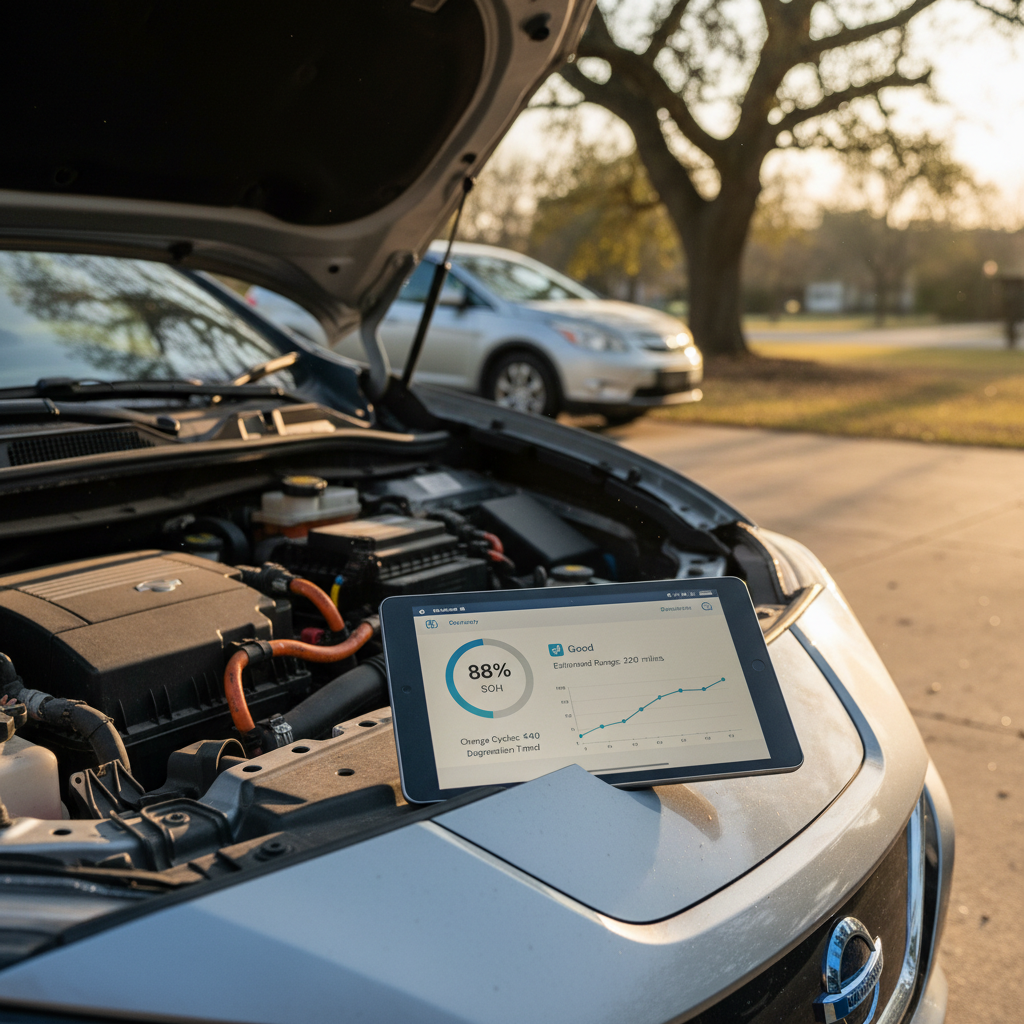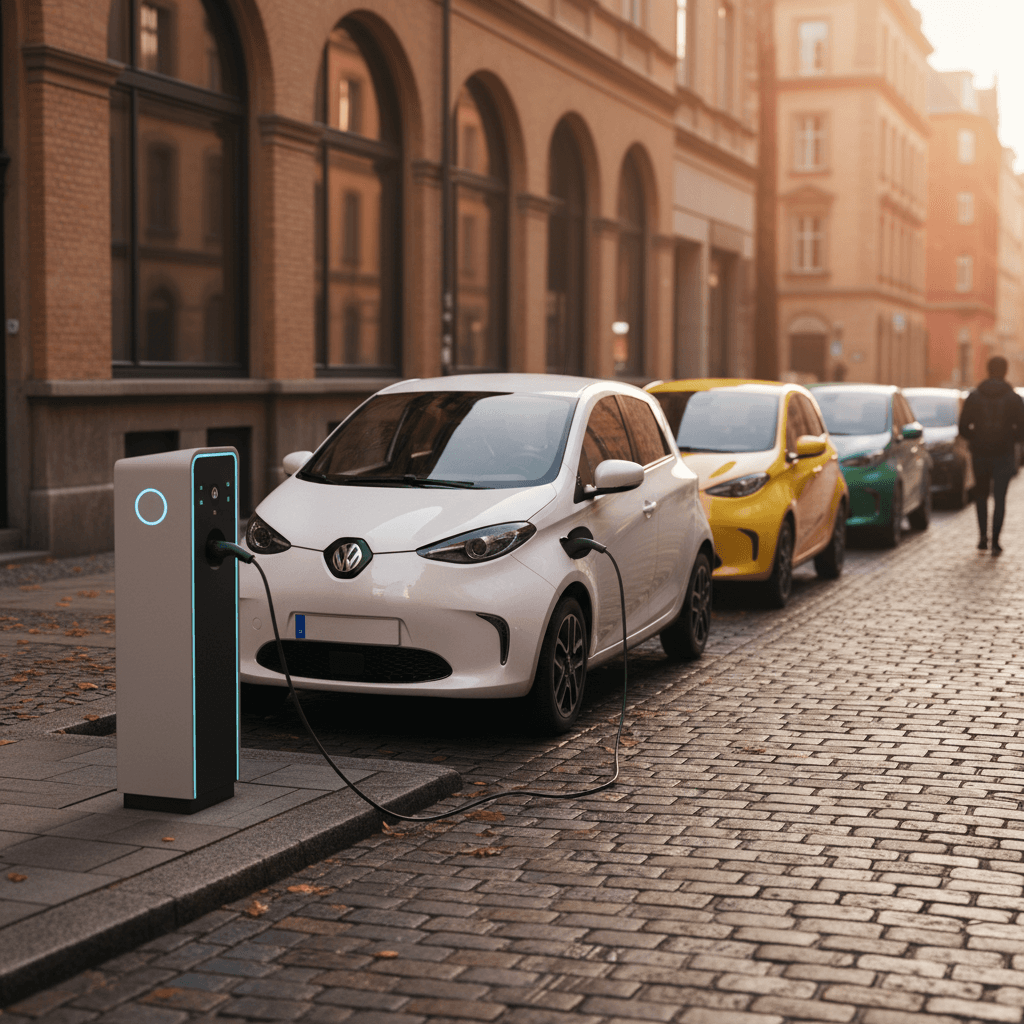
If you mostly drive in town, the best small electric car will do more for your life than a massive SUV ever could. Small EVs are easier to park, cheaper to run, and usually more fun in the real world, yet the market is noisy and full of specs that don’t tell you how they actually feel to live with.
Who this guide is for
Why small electric cars matter in 2025
Small EVs: why they’re suddenly so important
The days when EVs were all giant, expensive tech statements are over. Carmakers are finally focusing on right-sized electric cars that fit into city parking spots and suburban garages without feeling like a compromise. In parallel, used small EVs are becoming some of the cheapest ways to go electric, if you know what to look for in battery health and charging.
What actually counts as a “small” electric car?
Different reviewers define “small” differently, which is why you’ll see everything from tiny city cars to compact crossovers in roundups of the best small electric cars. For this guide, we focus on EVs that are reasonably easy to maneuver and park, but still usable as primary transportation for at least one or two adults.
- City cars & subcompacts: Shorter than roughly 160 inches, tight rear seats, best for solo drivers or couples in urban areas.
- Compact hatchbacks: Around 160–175 inches long, with usable back seats and cargo for daily life.
- Small crossovers: Still compact, but a bit taller and easier to get in and out of. Think of them as hatchbacks with a better view out.
US vs Europe: availability gap
Best small electric cars of 2025: quick shortlist
If you just want the headline picks before diving into details, here’s a simplified look at the best small electric cars available or realistically findable in the US used market as of late 2025:
Small EV winners for different buyers
Use this as a shortcut, then read the detailed breakdown below.
Best overall small EV (US-friendly)
Hyundai Kona Electric (2023–2025)
Compact size, solid efficiency, and good value used. The refreshed 2024+ models feel more modern inside, but earlier years can be bargains.
Best fun-to-drive compact EV
Mini Cooper SE (hardtop 2‑door)
Tiny footprint, sharp handling, premium interior. Range is modest, so it’s perfect as a city runabout or second car.
Best value used small EV
Chevrolet Bolt EV (2017–2023, and relaunch from 2027)
One of the most space‑efficient small EVs ever sold in the US, with excellent range for the size. Earlier used examples can be very affordable.
Easiest first small EV
Nissan Leaf (2nd gen)
Plentiful, simple, and often inexpensive used. Great as a local commuter if you understand its air‑cooled battery limitations in hot climates.
Best small crossover vibe
Kia Niro EV (2023+)
Sits between a hatchback and SUV. Taller seating and generous efficiency without feeling bulky.
Best tiny city EV (if you’re in Europe)
Renault 5 E‑Tech / similar B‑segment EVs
These retro‑styled superminis show where small EV design is headed, even if the US doesn’t get them yet.
Best small electric cars: detailed breakdown
Let’s dig into how these cars actually stack up on size, range, and practicality, and how they feel in day‑to‑day use. Remember: the right answer for you depends far more on your parking situation and daily miles than on who has the biggest battery.
Key specs: popular small electric cars (US-focused)
Approximate figures for representative trims; always check the specific year and configuration you’re shopping.
| Model | Size category | Approx. EPA range | Notable strengths | Key tradeoffs |
|---|---|---|---|---|
| Hyundai Kona Electric | Compact crossover | ~200–260 mi | Efficient, good value, improved interior in newer models | Not the roomiest rear seat; ride is more comfort than sporty |
| Chevrolet Bolt EV | Compact hatchback | ~238–259 mi | Excellent use of space, strong efficiency, widely available used | Older models had battery recall campaigns; upright seating not for everyone |
| Mini Cooper SE | Subcompact hatch | ~110–120 mi | Very fun to drive, premium feel, tiny footprint | Short range makes it best as a city or second car |
| Nissan Leaf (2nd gen) | Compact hatchback | ~150–226 mi | Often cheapest way into a small EV, simple to operate | Air‑cooled battery can degrade faster in hot regions; CHAdeMO fast charging is fading |
| Kia Niro EV | Small crossover | ~239–253 mi | Practical cabin, efficient, comfortable daily driver | Pricing can be higher than Leaf/Bolt on the used market |
| Fiat 500e (new gen) | City car | ~150 mi | Tiny, stylish, easy to park. | Limited availability in the US and smaller interior; range geared to urban use. |
Small EVs compared on range, size, and character.
Don’t obsess over 0–60 mph
Hyundai Kona Electric: the do‑it‑all compact
The Hyundai Kona Electric has quietly become one of the most rational compact EVs. It’s small enough to park in tight urban spaces but roomy enough to function as your only car. Earlier model years offered about 258 miles of EPA‑rated range; the refreshed 2024+ version in the US still targets roughly 200 miles or more depending on configuration, and it’s more polished inside.
- Smooth, easygoing ride that suits commuting and school runs.
- Good efficiency, so your electricity bill stays low.
- Plenty of active safety tech and a modern infotainment system in newer model years.
- Not the most exciting steering feel, but predictable and relaxing.
Chevrolet Bolt EV: king of space efficiency
On paper, the Chevrolet Bolt EV looks like a subcompact, but on the inside it’s one of the most space‑efficient small EVs ever sold in the US. You sit upright, the cabin is tall, and the hatchback packaging makes the most of every inch. Earlier cars delivered roughly 238 miles of range; later ones nudged that closer to the 259‑mile mark.
About the battery recalls
Mini Cooper SE: the tiny fun one
If you want your EV to feel playful, the Mini Cooper SE hardtop is hard to beat. It’s short, light, and eager to turn; think go‑kart more than appliance. The tradeoff is range: roughly 110–120 miles in real‑world mixed driving. For many city households with off‑street parking, that’s completely fine, especially as a second car.
- Premium interior and styling that actually feels special.
- Ultra‑compact footprint that fits tight street spaces and older garages.
- Fast enough to be entertaining, not just adequate.
- Range demands honest self‑assessment of your daily driving and charging access.
Nissan Leaf: the value workhorse
The second‑generation Nissan Leaf is one of the most common used EVs in the US, especially in states that pushed early EV incentives. It’s a straightforward compact hatch, with earlier models offering around 150 miles of range and later "Plus" versions stretching into the ~220‑mile ballpark.
Leaf battery quirks
Kia Niro EV: small crossover sweet spot
The Kia Niro EV is for drivers who like the idea of a small EV but don’t want to feel like they’re in a tiny car. It sits a bit taller than a typical hatchback, with comfortable seating and plenty of range for most trips. The latest generation (from 2023 on) also brings a cleaner interior design and more tech.
Range and charging: how much do you really need?
Manufacturers love leading with big range numbers, but in a small electric car that spends its life in town, you may not need as much as you think. A right‑sized battery keeps costs down, charges faster at home, and is often more efficient in stop‑and‑go traffic.
Start with your weekly miles
Add up your typical weekly driving rather than fixating on one long trip you might take once a year. Many urban drivers don’t crack 150 miles in a normal week.
- If you can charge at home, a car with 150–180 miles of real range can be perfectly adequate.
- If you rely on public charging, you’ll appreciate 200+ miles so you’re not constantly planning sessions.
Think in charging sessions, not gallons
Most small‑EV owners end up plugging in overnight once or twice a week, topping up rather than "filling" from empty. A Level 2 home charger (240 V) will usually refill a compact EV from 20% to 80% in a few hours.
If you’re new to EVs, it’s worth reading a deeper primer on EV charging basics so you understand what Level 1, Level 2, and DC fast charging actually mean.
Right‑sizing your battery
New vs used small electric cars
A lot of the best small electric cars for value are no longer sold new, or they’re about to return in updated form. That’s exactly where the used market, and Recharged, comes in.
New vs used small EVs: how they compare
Most buyers will find that a well‑vetted used car makes more sense than chasing the latest facelift.
Why consider used?
- Lower upfront price: Depreciation hits EVs quickly, especially older tech interiors.
- Proven reliability: Common issues and recalls are well‑documented by now.
- Real‑world range data: It’s easier to know what you actually get, not just what the brochure claims.
What to watch on used EVs
- Battery health: This is the heart of the car, capacity loss impacts range and value.
- Charging standard: CHAdeMO vs CCS vs NACS affects your fast‑charge options.
- Software & support: Make sure the OEM still provides updates and service coverage.
How Recharged helps with used small EVs
Ready to find your next EV?
Browse VehiclesHow to choose the right small EV for you
Instead of asking "What’s the best small electric car?", flip the question: "What’s the best small EV for the way I actually live?" Here’s a structured way to answer that.
5‑step checklist for choosing a small EV
1. Map your parking and charging reality
Do you have a driveway or garage with access to power? Shared parking? Street only? This one decision shapes everything else, range needs, ideal battery size, and whether DC fast charging is a must‑have or a nice‑to‑have.
2. Log a normal week of driving
Track your miles for a typical week, not your annual vacation. If your longest regular day is 50–70 miles, a 150‑mile EV is fine with home charging. If you regularly drive 120+ miles in a day, you’ll want more buffer.
3. Decide who and what you carry
If it’s usually just you and a bag, tiny hatchbacks like a Mini or Fiat 500e feel great. If you regularly carry kids or adults and gear, look at slightly larger options like the Kona Electric or Niro EV.
4. Be honest about budget vs tech lust
A well‑priced used Bolt or Leaf may be a smarter buy than a brand‑new small crossover with fancy ambient lighting. Prioritize battery health, safety features, and charging compatibility over cosmetic gadgets.
5. Consider how long you’ll keep it
If you tend to swap cars every 3–4 years, you may care more about monthly payment than long‑term battery life. If you’re planning to keep the car a decade, a healthy pack and strong service support matter more.
Common pitfalls when buying a small EV
Most small‑EV regrets have less to do with the car and more to do with mismatched expectations. Here are the traps to avoid.
- Buying on range alone: A Hyundai Kona Electric with slightly less range but better battery health is a smarter buy than a higher‑mileage car with a bigger, tired pack.
- Ignoring charging standards: Small EVs like older Leafs use CHAdeMO fast charging, which is slowly being phased out in favor of CCS and NACS. That doesn’t make them unusable, but it changes your long‑trip options.
- Assuming every used EV is a deal: Some small EVs have held value surprisingly well. Make sure the price reflects the battery’s remaining life, not just the odometer.
- Underestimating space needs: A tiny city car may feel perfect on a test drive but cramped once you add strollers, pets, or roommates’ luggage.
- Skipping an independent battery health check: This is the electric equivalent of buying a gas car without checking the engine. Always insist on real data, not just an instrument‑cluster guess.
Don’t skip the battery report
FAQ: best small electric car
Frequently asked questions about small electric cars
The bottom line on the best small electric car
There isn’t a single "best small electric car" for everyone. The right choice depends on whether your life looks more like a dense city, a spread‑out suburb, or a mix of both; whether you can plug in at home; and how much you’re willing to trade absolute range for easy parking and lower costs. Small EVs work best when they’re sized to your real mileage and charging reality, not your anxieties.
If you’re ready to put a small EV in your driveway, consider starting with a used, well‑diagnosed car rather than chasing the latest body style. Recharged’s Recharged Score Report, EV‑specialist support, and fully digital buying experience make it much easier to compare options like the Kona Electric, Bolt EV, Leaf, and Niro EV based on what really matters: battery health, fair pricing, and how the car fits your life, not just its spec sheet.