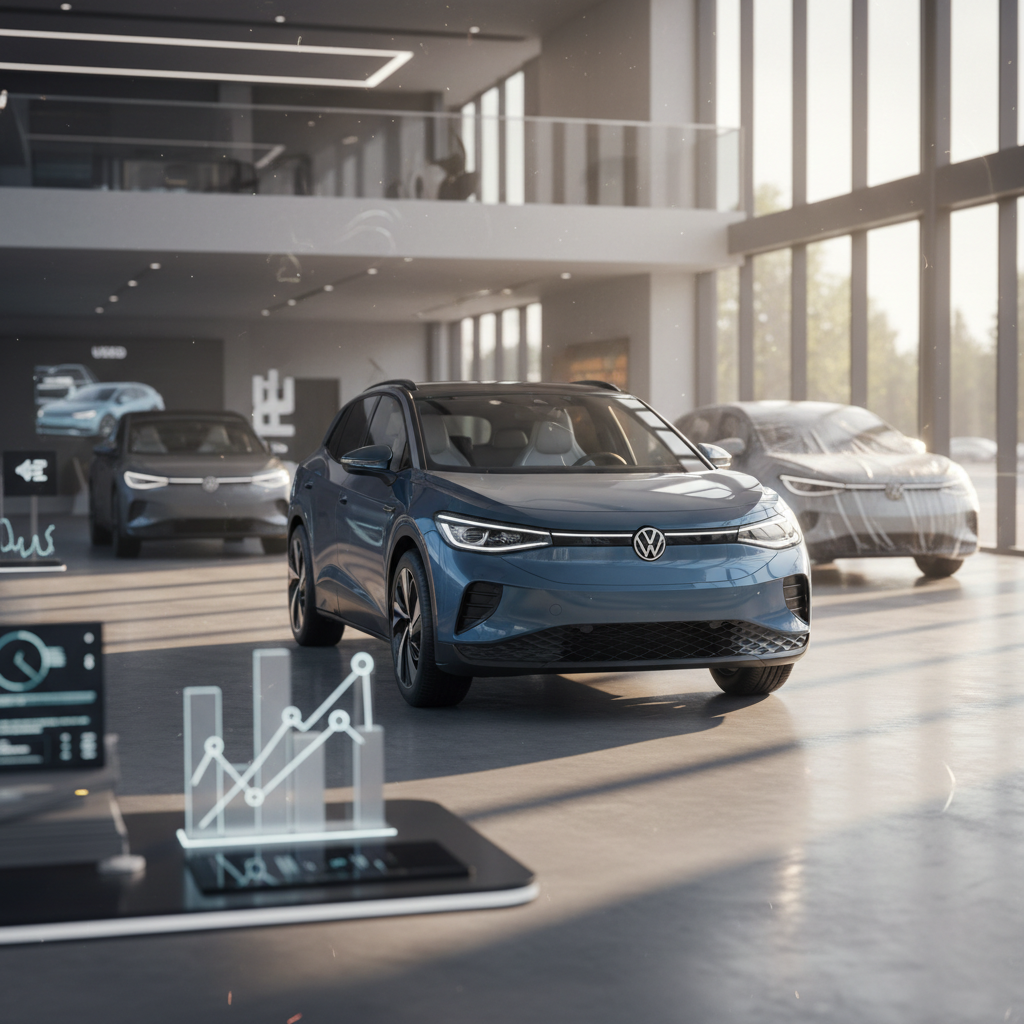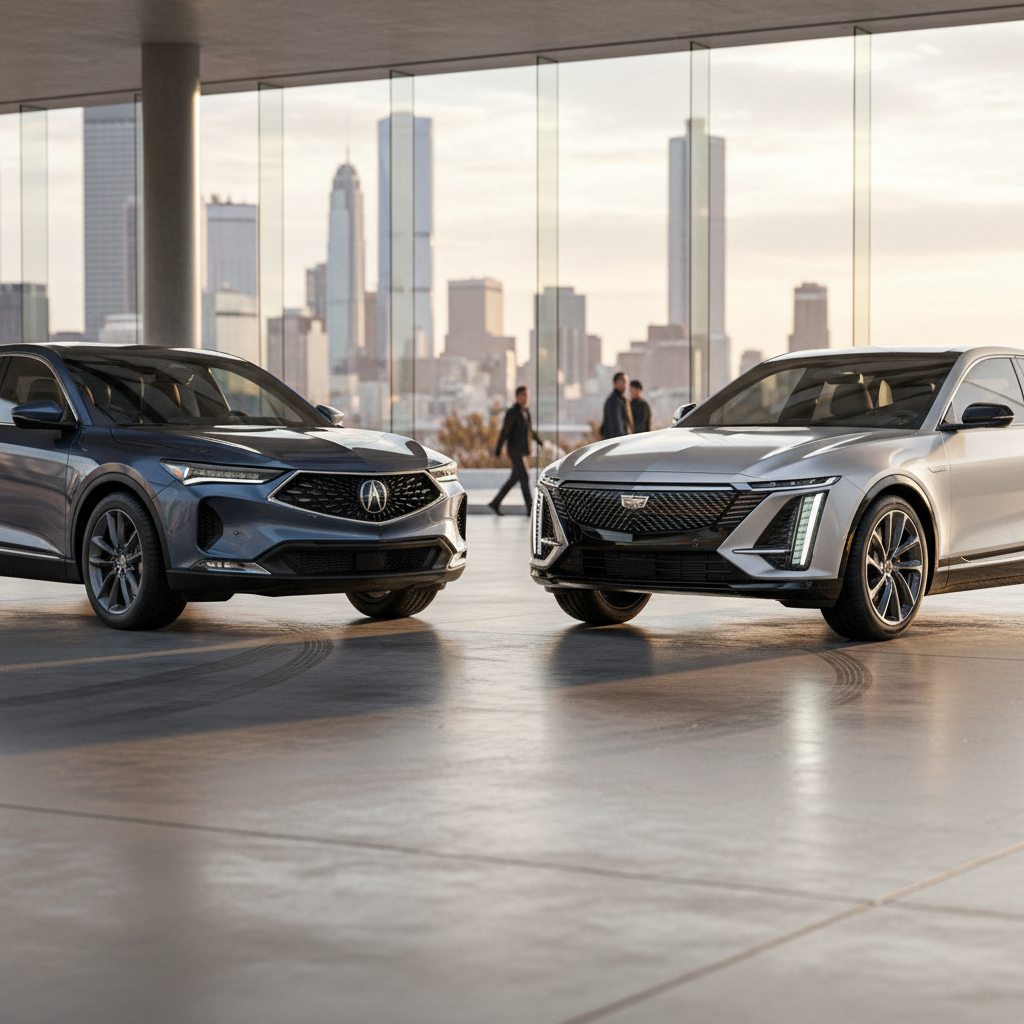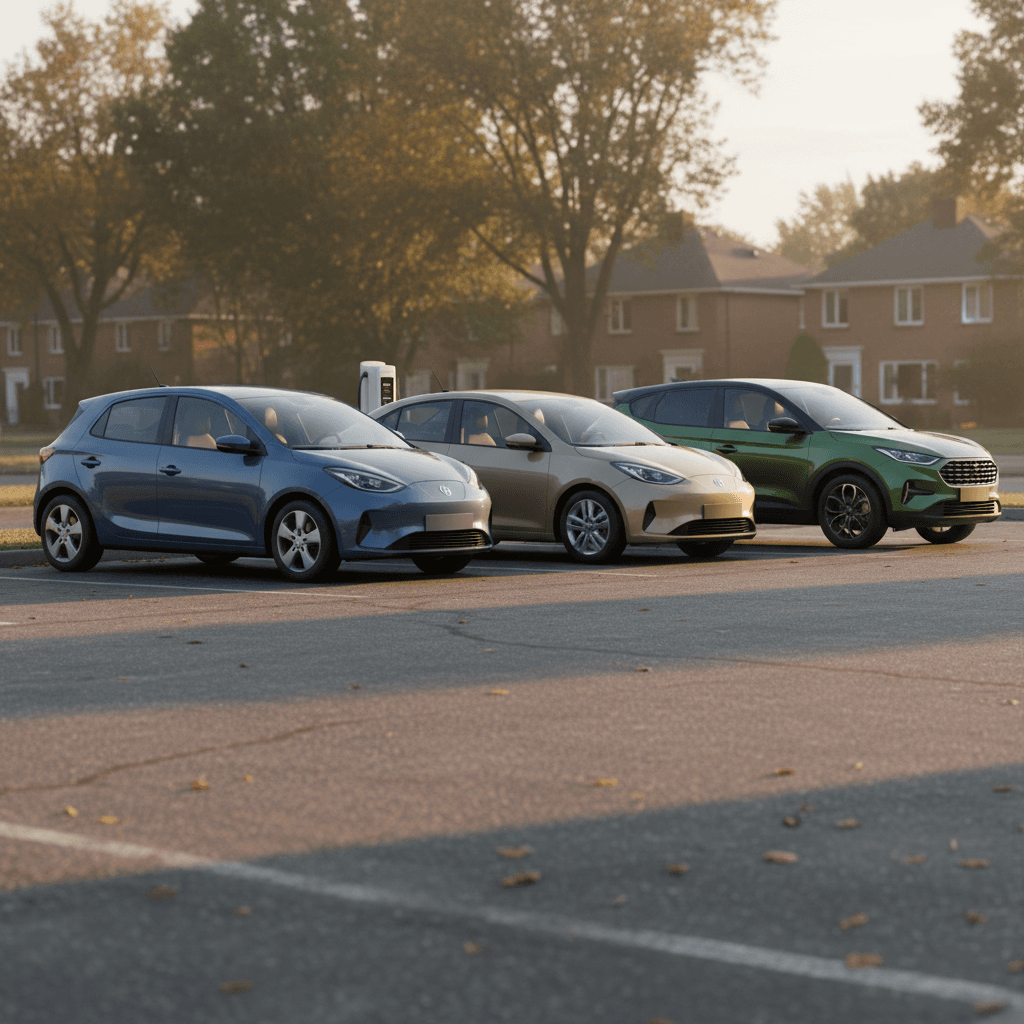
If you’re shopping for the best rated inexpensive cars in 2026, you’ve probably noticed two things: prices have crept up, and “cheap” doesn’t always mean good. The real sweet spot is a car that’s highly rated for safety and reliability, reasonably fun to live with, and won’t swallow your entire paycheck, whether it runs on gas, hybrid power, or electrons.
What “inexpensive” really means in 2026
Why “best rated” and “inexpensive” is hard to find in 2026
Car shoppers in 2026 face a squeeze from both sides. Safety rules, tech content, and inflation have pushed prices up, while many automakers have quietly walked away from their cheapest small cars. At the same time, safety and crash‑test groups like the Insurance Institute for Highway Safety (IIHS) keep raising the bar, so only a handful of budget‑friendly models earn the very top scores.
Affordability snapshot for 2026 shoppers
That’s why this list doesn’t chase the absolute rock‑bottom sticker. Instead, it’s about best rated inexpensive cars: models that balance price, crash‑test performance, long‑term running costs, and real‑world owner satisfaction. Then we’ll show you where used electric cars, especially those sold with verified battery health, like you’ll find at Recharged, can quietly outsmart even the cheapest new gas car.
How we picked the best rated inexpensive cars for 2026
Our ranking criteria for “best rated inexpensive”
Safety and long‑term value matter more than a bargain‑bin MSRP.
Top safety ratings
We prioritized cars with strong results from major safety agencies, including vehicles earning 2025–26 IIHS Top Safety Pick or better in their class, plus available active‑safety features like automatic emergency braking and lane keeping.
Real affordability
MSRP is just the start. We looked at fuel or energy costs, maintenance, insurance, and likely resale value to identify cars that stay affordable through the years, not just on day one.
Owner and expert reviews
We cross‑checked professional reviews and early owner feedback for comfort, noise levels, everyday usability, and reliability. A cheap car that beats you up over potholes or lives at the service bay doesn’t make this list.
Tip: Don’t ignore total cost of ownership
Top new gas and hybrid bargains for 2026
If you’re not ready for an EV, or you just want the simplest possible ownership experience, these 2026 compact cars and small SUVs stand out for mixing strong ratings with realistic prices. Exact transaction prices will vary, but these are among the easiest ways to get into a safe, comfortable, inexpensive new car.
Best rated inexpensive gas & hybrid cars for 2026
Representative trims and starting prices in early 2026; always confirm current pricing and incentives locally.
| Model (2026) | Type | Approx. Starting Price | Why it’s a best rated inexpensive pick |
|---|---|---|---|
| Toyota Corolla | Compact sedan/hatchback | Low–mid $20,000s | Legendary reliability, good safety tech, efficient engines; an easy default choice if you just want something that works. |
| Honda Civic | Compact sedan/hatchback | Mid $20,000s | Excellent crash‑test scores, refined ride, and strong resale value keep long‑term costs low. |
| Toyota Camry Hybrid | Midsize hybrid sedan | Around $29,000 | Pricier than some compacts but often the best fuel economy and value among midsize sedans; every 2025–26 Camry is now hybrid‑only. |
| Nissan Sentra | Compact sedan | Low $20,000s | Freshened interior and features for 2026 while remaining one of the most attainable new sedans. |
| Nissan Kicks | Subcompact SUV | Low $20,000s | A 2026 “Best Subcompact SUV for the Money” award winner, with surprising cargo space and very friendly pricing. |
| Kia K4 / Hyundai Elantra | Compact sedans | Low–mid $20,000s | Strong feature content, long warranty, and recent safety upgrades make them compelling budget picks. |
Compact cars and small SUVs where safety, value, and price all line up.
Watch equipment levels on base trims
Best rated inexpensive EVs for 2026
If you’re willing to plug in, inexpensive electric cars are finally starting to look genuinely appealing, not like penalty boxes. Purchase prices are still higher than equivalent gas cars, but lower fuel and maintenance costs can tip the math in your favor, especially if you drive more than 10,000 miles a year or have access to cheap home charging.
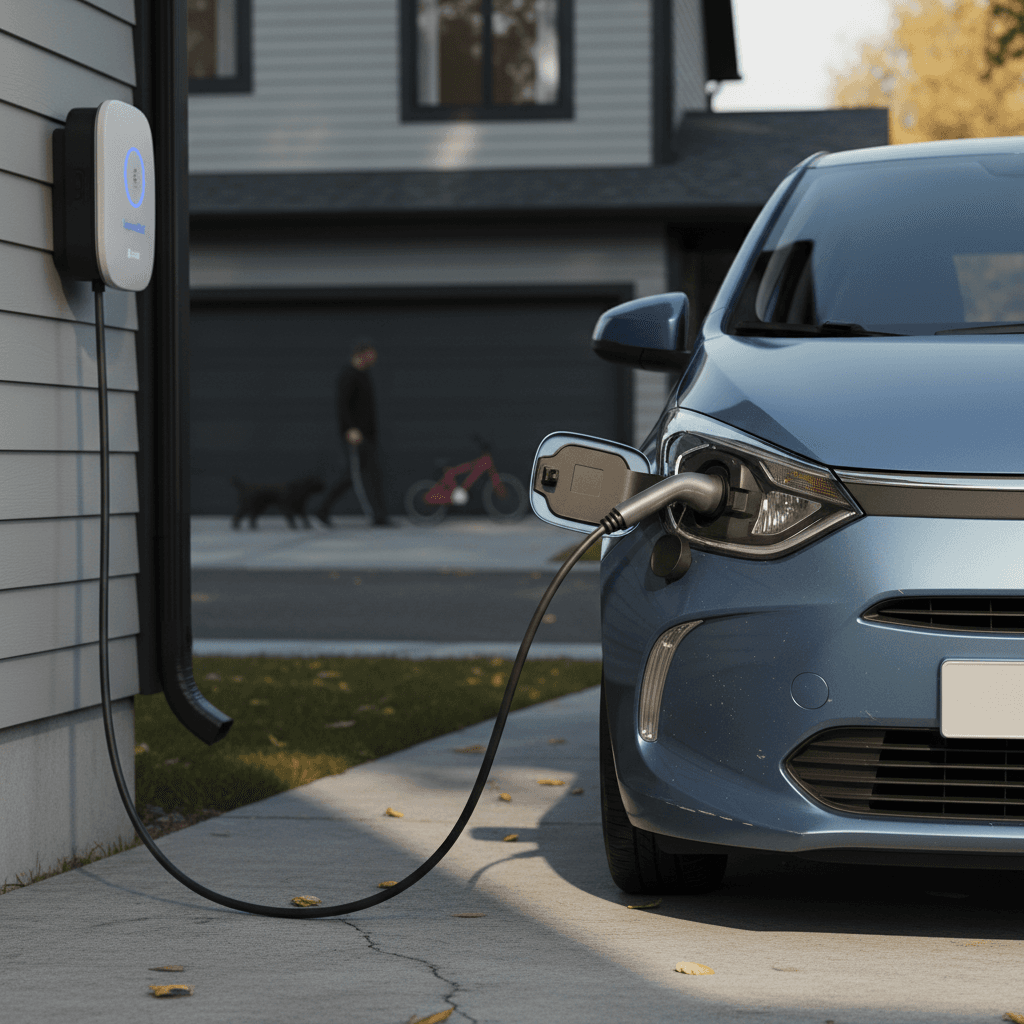
Best rated inexpensive EVs for 2026
Illustrative snapshot of value‑oriented EVs available or announced for the 2025–26 model years.
| Model (2025–26) | Segment | Approx. Starting Price | Range (EPA est.) | Value highlight |
|---|---|---|---|---|
| Nissan Leaf (next generation) | Compact hatchback EV | High $20,000s | Around 250–300 mi | A redesigned Leaf undercuts most rivals on price while finally offering competitive range and modern tech. |
| Hyundai Kona Electric | Subcompact SUV EV | Mid $30,000s | 200+ mi | Strong efficiency and a well‑tuned chassis make it a great urban and commuter EV. |
| Chevrolet Equinox EV | Compact SUV EV | Low–mid $30,000s | 250+ mi | One of the most affordable family‑size EV SUVs with generous standard equipment. |
| Kia Niro EV | Subcompact SUV EV | Mid $30,000s | 240+ mi | Practical layout, easy‑driving manners, and decent range in a small footprint. |
Electric cars that prioritize value without skimping on safety tech.
Why a “mid‑$30K” EV can still be inexpensive
When a used EV beats a new “cheap” car
Here’s the twist: in 2026, some of the best rated inexpensive cars on the road are not the newest models, but lightly used electric vehicles that started life as premium machines. As early EV adopters trade up for longer range or new tech, they leave behind 3–6‑year‑old cars with comfortable cabins, advanced safety gear, and still‑healthy batteries, often for compact‑car money.
Used EV advantages
- Luxury tech for less: Big touchscreens, adaptive cruise control, premium audio, and quiet cabins are common even on older EVs.
- Low running costs: Electricity is usually far cheaper per mile than gas, and EVs don’t need oil changes or complex transmission service.
- Depreciation already happened: Previous owners ate the biggest value drop, so you get more car for your dollar.
Used EV watch‑outs
- Battery health varies: Two identical cars can have very different remaining range depending on climate and charging habits.
- Fast‑charging speed: Early EVs may charge slower on road trips than newer models.
- Warranty status: Check remaining battery and powertrain coverage before you buy.
How Recharged de‑risks used EVs
Used EV checklist: making a smart inexpensive buy
1. Start with range you actually need
Look at your longest typical day, then add a buffer. If you rarely exceed 60–80 miles a day, a used EV with 180–220 miles of real‑world range can be more than enough.
2. Verify battery health, don’t guess
Ask for data, not just “it seems fine.” At Recharged, battery diagnostics are built into the Recharged Score so you can see degradation and projected range before you commit.
3. Check charging compatibility
Make sure the car’s connector (NACS or CCS) works with public charging near you, and understand whether you need an adapter during the industry’s transition years.
4. Compare total 5‑year cost
Run numbers on payment, insurance, energy, maintenance, and expected resale. A used EV that costs more upfront can still win when you include fuel savings.
5. Look for modern safety tech
Prioritize used EVs with forward‑collision warnings, automatic emergency braking, and blind‑spot monitoring, they’re your best defense in daily traffic.
Quick comparison: best rated inexpensive cars 2026
To make the 2026 shopping landscape easier to digest, here’s a high‑level look at how some standout choices stack up. This isn’t every good car on the market, but it’s a solid cross‑section of the most compelling inexpensive options.
Snapshot: standout best rated inexpensive cars for 2026
Representative models across gas, hybrid, and EV, with an eye toward safety and value.
| Model | Powertrain | Strengths | Best for |
|---|---|---|---|
| Toyota Corolla | Gas | Low operating costs, long‑term reliability, wide dealer network. | Drivers who just need a rock‑solid compact sedan or hatchback on a budget. |
| Honda Civic | Gas | Top‑tier safety ratings, strong resale value, refined drive. | Commuters who want inexpensive to own without feeling “basic.” |
| Nissan Kicks | Gas | Low entry price, good cargo space, upright seating. | City drivers who want SUV shape and hatchback running costs. |
| Toyota Camry Hybrid | Hybrid | Outstanding fuel efficiency, comfort, and safety tech. | Families or heavy commuters who want midsize comfort at compact‑car fuel bills. |
| Nissan Leaf (new generation) | EV | Truly budget‑oriented EV with competitive range and modern cabin. | Drivers ready to go electric without spending luxury‑car money. |
| Used compact EV (e.g., Kona Electric, Niro EV) | EV (used) | Luxury‑level quietness and tech for compact‑car pricing when bought pre‑owned. | Value hunters willing to buy used to maximize tech and comfort per dollar. |
How our top inexpensive contenders compare at a glance.
How to choose the right inexpensive car for you
Model lists are helpful, but the right best rated inexpensive car for your neighbor might be the wrong one for you. Start with your life, not the spec sheet.
Different paths to the right inexpensive car
Urban and suburban commuters
Prioritize compact sedans and hatchbacks like Corolla and Civic for easy parking and great fuel economy.
If you have a driveway or garage, run the math on a budget EV or used EV, home charging can make everything easier.
Look for advanced driver‑assist systems that ease rush‑hour fatigue, like adaptive cruise and lane keeping.
Budget‑conscious families
Consider a small SUV like Nissan Kicks or a compact/midsize hybrid sedan with a roomy back seat.
Focus on crash‑test performance, rear‑seat safety, and LATCH anchors if you have kids in car seats.
Balance monthly payment with fuel savings, hybrids and efficient EVs can pay back quickly with family mileage.
First‑time buyers or students
Keep your maximum budget (including insurance) front and center before you walk onto a lot.
Used EVs can be tempting; just make sure you have a reliable place to charge and understand battery health.
Don’t forget basics like seat comfort, visibility, and simple controls, they matter more than fancy screens on a tight budget.
High‑mileage drivers
Put fuel or energy costs at the top of your spreadsheet; hybrids and EVs usually win here.
Check real‑world highway range if you’re considering an EV and your routes involve long stretches between chargers.
Think about long‑term durability and warranty coverage, not just the cheapest possible monthly payment.
Do a “day in your life” test drive
Financing and ownership costs on a budget
An inexpensive car that’s financed poorly can become an expensive mistake. Before you sign anything, make sure you understand the full picture: rate, term, total interest, insurance, and realistic maintenance or charging costs.
Smart money moves for inexpensive cars
1. Focus on out‑the‑door price, not just payment
Salespeople can always stretch the loan term to hit a payment target. Make sure you know the total sale price, interest rate, and total interest paid over the life of the loan.
2. Pre‑qualify before you shop
Getting pre‑qualified, something Recharged can help with for used EVs, gives you a benchmark interest rate and keeps the focus on the car’s value, not just the monthly note.
3. Add fuel or charging into your budget
For gas cars, estimate monthly fuel bills at current prices. For EVs, compare your home electricity rates with public charging; home Level 2 usually wins by a mile.
4. Consider ownership horizon
If you tend to keep cars for 8–10 years, a slightly bigger upfront investment in a safer, more efficient model can pay off. If you swap every 3 years, think harder about depreciation.
5. Don’t skip an inspection (especially used)
For any used car, gas or electric, insist on an independent inspection. With a used EV, battery diagnostics like Recharged’s Score Report are your best protection against surprises.
FAQ: Best rated inexpensive cars 2026
Frequently asked questions about the best rated inexpensive cars in 2026
In 2026, finding the best rated inexpensive car means looking beyond the cheapest sticker on the lot. The smart money goes toward cars, gas, hybrid, or electric, that protect you and your passengers, keep running costs predictable, and still feel like something you’re happy to drive every day. A thoughtfully chosen compact sedan, small SUV, or used EV with verified battery health can hit that target. And if you’re curious how far your budget can stretch in the used electric world, Recharged is built to make that search simpler, more transparent, and a lot less stressful.