If you’re hunting for the best inexpensive vehicles in 2025, you’ve probably noticed something frustrating: everything feels expensive. The average new car now hovers around the high‑$40,000 range, yet there are still smart, budget‑friendly vehicles, gas and electric, that won’t wreck your finances. The trick is knowing which ones deliver real value, not just a low sticker price.
Inexpensive vs. Cheap
Why “Inexpensive” Doesn’t Have to Mean “Cheap”
A bargain that breaks down isn’t a bargain. A truly inexpensive vehicle has three things going for it: a reasonable purchase price, low running costs, and the ability to do what you need every day without drama. That might be a basic new sedan, a lightly used compact SUV, or a used electric vehicle with low maintenance costs and a healthy battery.
- Safe enough to protect you and your passengers in a crash
- Efficient enough that fuel or electricity costs don’t sting every month
- Reliable enough that you’re not on a first‑name basis with your tow truck driver
- Simple enough that insurance and maintenance stay reasonable
Think Total Cost, Not Just Price
How Much Is a “Cheap” Car in 2025?
What “Inexpensive” Means in 2025
With the average new vehicle brushing $49,000 and even three‑year‑old used cars averaging just over $30,000, the definition of “cheap” has shifted. In this guide, we’ll call a vehicle inexpensive if it lands well below those averages and keeps ownership costs in check, typically under about $25,000 for new and often less for used, depending on what you’re buying.
Best Inexpensive New Vehicles in 2025
If you want a warranty, zero prior owners, and the least hassle, the cheapest new vehicles are still mostly small gas cars and crossovers. They’re not glamorous, but they get the job done for students, commuters, and families on tight budgets.
Stand‑Out Inexpensive New Cars
Great picks if you want new‑car peace of mind without the luxury price tag
Nissan Versa
Why it’s here: The Nissan Versa is consistently the cheapest new car in America, with base models starting below $20,000 in 2025 and still including modern safety tech.
- Excellent fuel economy
- Simple, low‑cost maintenance
- Best for: city drivers, students, rideshare work
Hyundai Venue & Chevy Trax
Why they’re here: These are among the least‑expensive new crossovers, typically around the low $20,000s, with good space and everyday comfort.
- Higher seating position than a sedan
- Great for small families or dog owners
- Strong warranty coverage on the Hyundai
Kia Soul
Why it’s here: The Soul blends hatchback practicality with SUV‑like room at a budget price, often in the low‑$20k range.
- Boxy shape = easy cargo loading
- Good tech for the money
- Best for: urban families, gig‑economy drivers
Beware of Stripped Base Models
Sample Pricing: Best Inexpensive New Vehicles
Approximate starting MSRPs including destination for 2025 models (actual pricing varies by dealer, region, and incentives).
| Model | Type | Approx. Starting Price | Why It’s a Smart Cheap Pick |
|---|---|---|---|
| Nissan Versa | Subcompact sedan | Under $20,000 | Rock‑bottom entry price with solid safety tech. |
| Hyundai Venue | Subcompact crossover | Just over $21,000 | City‑friendly crossover with low 5‑year costs. |
| Chevrolet Trax | Subcompact crossover | Low $22,000s | Roomy interior and up‑to‑date infotainment. |
| Kia Soul | Compact hatch/crossover | Low $22,000s | Big cargo space and distinctive style for the money. |
| Nissan Sentra / Hyundai Elantra | Compact sedans | Low–mid $23,000s | Comfortable commuters with good highway mileage. |
Use this as a directional guide, not a quote, always check local pricing.
Best Inexpensive Used Vehicles (Including EVs)
Because new cars got so pricey during the pandemic years, late‑model used vehicles aren’t the screaming bargains they once were. Still, you can find excellent inexpensive used cars, and, increasingly, used electric vehicles, if you’re willing to shop around and avoid trendy models with sky‑high resale values.
High‑Value Used Vehicle Categories
Where the real used‑car deals usually hide
Compact & Midsize Sedans
Unloved, unfashionable, and perfect for buyers who want value. Think older Toyota Corolla, Honda Civic, Mazda3, Hyundai Elantra, Kia Forte/K4.
Why they’re cheap: Everyone wants SUVs; you don’t.
Non‑Luxury Small Crossovers
Models like the previous‑generation Honda CR‑V, Toyota RAV4, Hyundai Tucson, or Subaru Crosstrek often hit a sweet spot of reliability and practicality.
Watch for: Fleet histories and crash damage.
Early Mass‑Market EVs
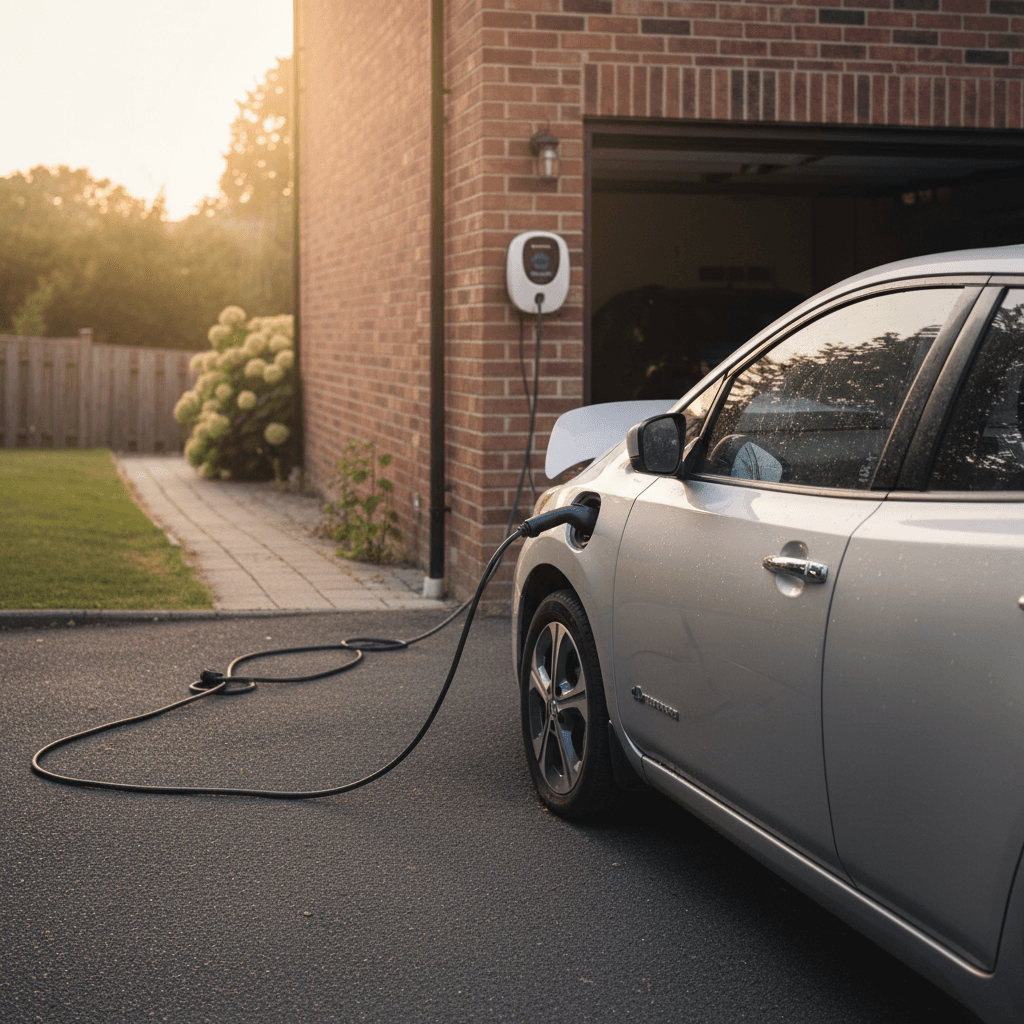
Cars like the Chevy Bolt EV, early Hyundai Kona Electric, older Nissan Leaf, and similar models can be surprisingly affordable if the battery checks out.
Bonus: Minimal oil‑change and brake costs.
“The best cheap car is the one you don’t have to think about. It just starts, drives, and quietly saves you money every month.”
When a Used EV Is Actually the Best Inexpensive Vehicle
New EVs still carry a price premium, but used electric cars have taken a hit on depreciation. That’s tough for first owners, and good news for you. In many markets, a used EV can undercut a comparable gas crossover or hybrid while offering far lower maintenance costs.
Why Used EVs Can Be a Bargain
Good Used EV Candidates
- Chevrolet Bolt EV / EUV: Often among the least‑expensive used EVs with solid range for commuters.
- Nissan Leaf (later years): Especially if you find one with a larger battery and documented battery health.
- Hyundai Kona Electric / Kia Niro EV: Compact crossovers with good range and practicality.
What to Watch Out For
- Unclear fast‑charging history or heavy DC‑fast‑charge usage on road‑trip rentals.
- Vehicles from extremely hot climates without active battery cooling in early designs.
- Range that no longer fits your real‑world daily needs with a buffer.
This is where a professional battery health report becomes essential.
How Recharged Helps With Used EVs
Ready to find your next EV?
Browse VehiclesNew vs Used vs Used EV: Cost Comparison
To figure out the best inexpensive vehicle for you, you need to look beyond sticker prices. Let’s compare three realistic budget‑friendly scenarios: a cheap new gas car, a mainstream used gas car, and a used EV purchased at a discount thanks to depreciation.
Sample 5‑Year Cost Snapshot (Very Simplified)
Three common budget choices for a U.S. commuter. Numbers are rounded and illustrative, not quotes.
| Scenario | Example Vehicle | Purchase Price | Fuel / Energy Costs* | Maintenance & Repairs* | Estimated 5‑Year Total* |
|---|---|---|---|---|---|
| A: New Cheap Gas Car | New subcompact sedan (e.g., Versa) | $20,000 | Higher (gas, ~35 mpg) | Low initially, rising as it ages | Lowest short‑term payment, modest long‑term cost |
| B: Used Gas Compact | 3‑year‑old compact (e.g., Civic/Corolla) | $24,000–$26,000 | Moderate (good mpg) | Moderate but predictable | Higher payment, but nicer car and strong reliability |
| C: Used EV | 3‑ to 5‑year‑old EV hatch or crossover | $22,000–$28,000 | Low (home charging, little maintenance) | Very low but battery‑health dependent | Can be cheapest to own if the battery is solid |
Always run your own numbers with current local pricing, fuel, electricity, and insurance rates.
The Big Wild Card: Battery Replacement
How to Shop for the Best Inexpensive Vehicle
Step‑By‑Step: Finding a Great Inexpensive Vehicle
1. Define your real budget
Decide how much you can truly spend each month, including payment, insurance, fuel or charging, parking, and maintenance. A car you can barely afford isn’t inexpensive, it’s risky.
2. Decide what you actually need
List your must‑haves: number of seats, cargo space, commute length, weather conditions, and whether you’ll tow or road‑trip. This keeps you from overbuying “just in case.”
3. Shortlist vehicle types, not just models
Start with categories, subcompact sedan, compact sedan, small crossover, used EV, then identify 3–5 models in each. This opens up more options when inventory is tight.
4. Check total cost of ownership
Use calculators and insurance quotes to estimate five‑year costs. Include fuel or electricity, tires, routine service, expected repairs, and registration fees, not only the payment.
5. Inspect and test‑drive carefully
On used cars, get a pre‑purchase inspection. On EVs, pay special attention to indicated range and charging behavior. If buying through Recharged, review the Recharged Score report in detail.
6. Be willing to walk away
If the numbers don’t add up, the history is sketchy, or the seller pressures you, walk. The best inexpensive vehicles are the ones you don’t regret later.
Look Where Other Shoppers Aren’t
Financing & Trade‑Ins: Stretching a Tight Budget
Even the best inexpensive vehicle can become expensive if the financing is wrong. Rising interest rates and longer loan terms have pushed many buyers into monthly payments that strain their budgets. The goal is to find a vehicle that fits your life, and a payment that fits your income.
Smart Financing Moves
- Aim for a payment that keeps all car costs (payment, insurance, fuel/charging) at a comfortable slice of your monthly income.
- Shorter terms (48–60 months) usually cost more per month but save you thousands in interest versus ultra‑long loans.
- Get pre‑qualified so you know your realistic price range before you fall in love with the wrong car.
How Recharged Can Help
- Financing options: Get matched with competitive lenders for used EVs.
- Trade‑in or sell: Get an instant offer for your current vehicle or choose consignment to maximize your return.
- Expert guidance: EV‑specialist support helps you understand how charging, range, and battery health affect your real costs.
Pre‑Qualify With No Pressure
Frequently Asked Questions: Best Inexpensive Vehicles
Common Questions About Cheap but Good Cars
The Bottom Line on the Best Inexpensive Vehicles
In a market where the “average” new car now costs nearly $50,000, the best inexpensive vehicles are the ones that quietly meet your needs and protect your wallet over time. For some drivers, that’s a brand‑new basic sedan with a factory warranty. For others, it’s a well‑kept compact crossover or a used EV with a verified strong battery and low running costs.
If you’re EV‑curious and want to keep your budget in check, a used electric vehicle with trustworthy battery data can be one of the smartest inexpensive options on the road. That’s exactly where Recharged focuses: helping you understand battery health, total cost of ownership, and fair pricing so you can choose a vehicle that fits your life and your budget, without any expensive surprises down the road.