If most of your miles are on freeways and interstates, the **best EVs for highway driving in 2025** aren’t necessarily the ones with the flashiest 0–60 numbers. What matters is a calm, quiet cabin, confident passing power, real-world range at 70–80 mph, and charging that doesn’t derail your day. This guide breaks down which electric cars and SUVs actually deliver on fast, comfortable highway travel, and how to choose the right one, especially if you’re shopping used.
Highway vs city in an EV
What Makes an EV Great for Highway Driving?
Key Highway EV Priorities
Look beyond brochure range numbers and 0–60 times.
Stable at Speed
Real-World Range
Fast DC Charging
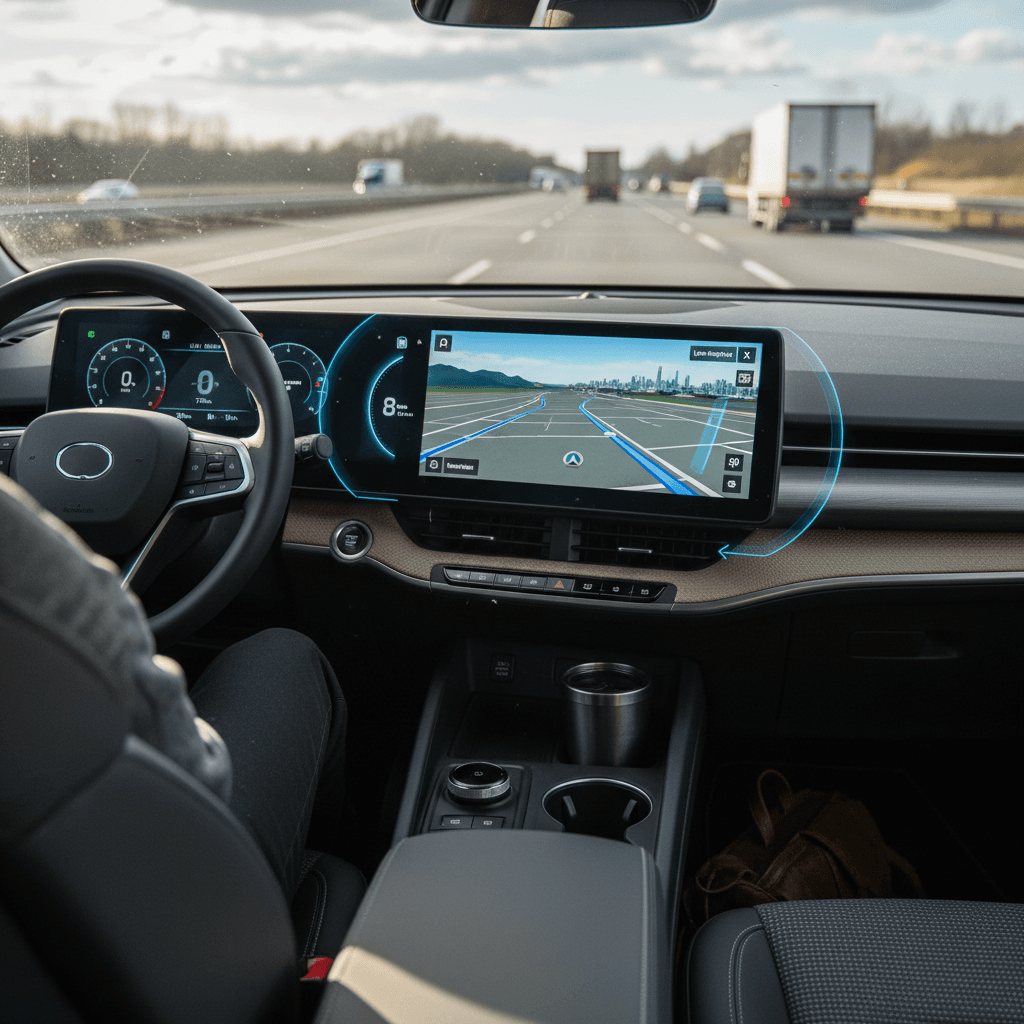
Driver-Assistance
Other details matter too: **seat comfort**, cabin noise, storage for luggage, and how well the infotainment and navigation handle charging stops. If you’re buying used, battery health and charging behavior are just as important as the original window-sticker range, which is where tools like the Recharged Score come in.
Highway EV Reality Check in 2025
Best EVs for Highway Driving in 2025
Instead of dumping a top‑20 list on you, we’ll group the **best EVs for highway driving in 2025** into clear categories: luxury cruisers, mainstream and family workhorses, and strong used picks. Within each, you’ll see why a model stands out for highway use, not just on paper, but in how it actually behaves at speed.
Best Luxury EVs for Long Highway Trips
Lucid Air (Grand Touring & Touring)
Lucid’s Air remains the range benchmark. Top trims offer **500+ miles of EPA range** and real‑world highway numbers that comfortably clear 400 miles when new. Its sleek aerodynamics and 900‑volt architecture mean excellent efficiency and DC fast‑charging that can add hundreds of miles in roughly 20 minutes on a compatible high‑power charger.
- Highway strengths: exceptional range buffer, quiet and airy cabin, precise but relaxed steering.
- Who it’s for: Drivers doing frequent long‑distance interstate travel who’d rather over‑buy on range than constantly think about charging.
Tesla Model S Long Range
The Model S doesn’t dominate headlines the way it used to, but as a long‑distance tool it’s still extremely effective. EPA ratings in the low‑400‑mile range, strong efficiency at speed, and baked‑in access to Tesla’s Supercharger network make this one of the easiest EVs to just get in and drive across multiple states.
- Highway strengths: mature Supercharger network, solid real‑world range, good seats, and an efficient drivetrain.
- Watch for: Suspension and tire choices that can hurt ride comfort, plus the learning curve of Tesla’s unique controls.
Other Standout Luxury Highway EVs
Comfort, refinement, and tech that take the sting out of long miles.
Mercedes-Benz EQS 450+
BMW i5 & i7
Porsche Taycan (incl. Turbo GT)
Luxury isn’t always efficient
Best Mainstream & Family EVs for Highway Use
You don’t need a six‑figure budget to get an EV that’s competent, and even relaxing, on the highway. Several 2025 mainstream models deliver enough range, charging performance, and comfort to handle serious freeway duty.
Highway-Friendly Mainstream EVs
Good range, modern driver‑assist, and (relatively) accessible pricing.
Hyundai Ioniq 6
Chevrolet Equinox EV
Ford Mustang Mach‑E (Extended Range)
Cadillac Lyriq
The Lyriq is one of the better‑sorted luxury‑leaning highway cruisers in the midsize SUV space. Rear‑wheel‑drive versions post EPA ranges in the low‑ to mid‑300‑mile range, and DC fast‑charging can add a substantial chunk of range in under an hour.
- Highway strengths: Comfortable, quiet interior; available Super Cruise hands‑free driving on mapped highways; smooth, unhurried power delivery.
- Consider if: You want a true long‑legged highway SUV but don’t need three rows.
Hyundai & Kia 800‑V SUVs (Ioniq 5, EV6, etc.)
Hyundai and Kia’s E‑GMP‑based crossovers pair decent range with **exceptional DC fast‑charging**. The ability to reliably charge from ~10–80% in the 18–25‑minute window can make up for slightly lower range than sedan rivals.
- Highway strengths: Strong mid‑range acceleration for passing, comfortable seats, and efficient charging sessions.
- Watch for: Boxier shapes and big wheels can eat into highway efficiency.
Think in legs, not just miles
Best Used EVs for Highway Driving
If you’re cost‑conscious, or just understand EV depreciation, you can get a fantastic highway EV on the used market. The key is **battery health**, not age alone. That’s where a Recharged Score battery report and transparent pricing help you avoid surprises.
Used EV All-Stars for the Highway
Models that tend to age well and still feel solid at 70–80 mph.
Tesla Model 3 Long Range
Tesla Model Y Long Range
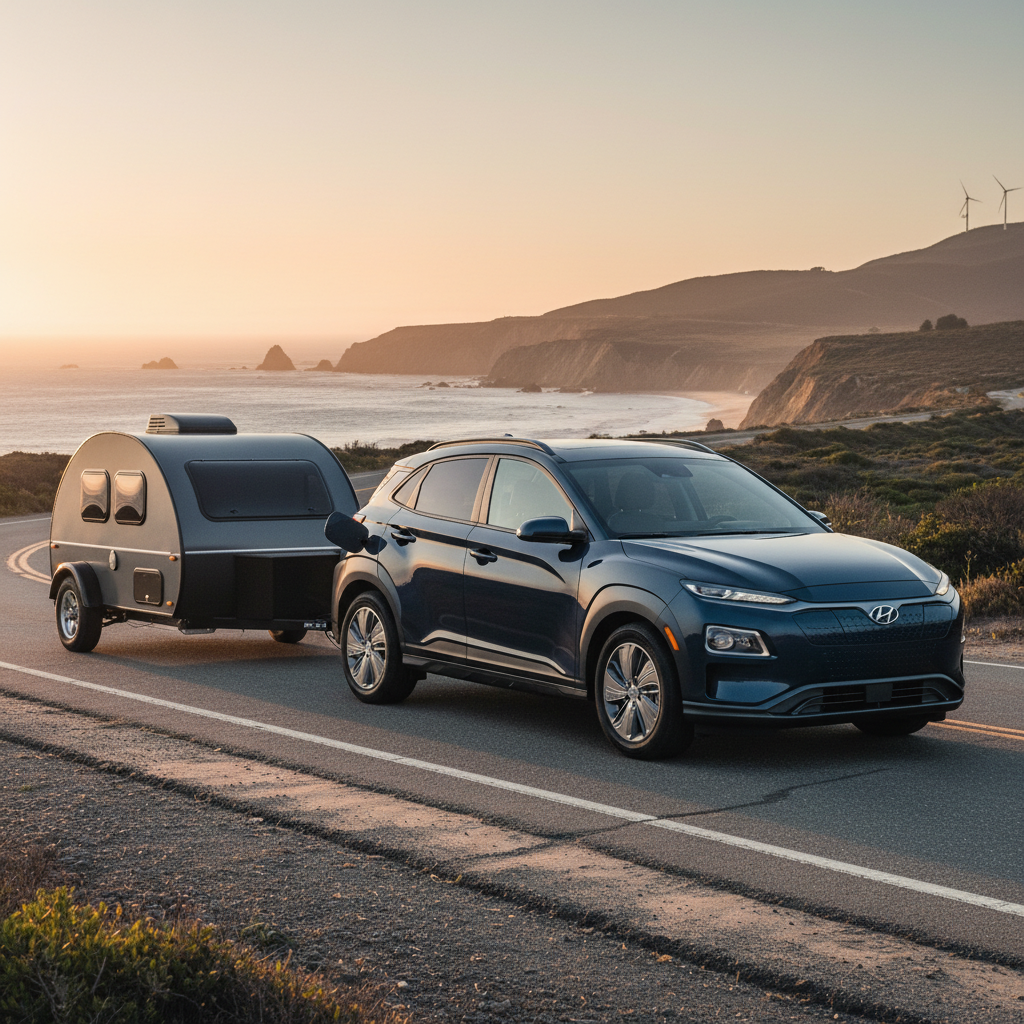
Hyundai Kona Electric & Kia Niro EV (2nd gen)
How Recharged helps on the used side
Comparison Table: Highway EV Range & Charging
Specs change quickly, and exact numbers vary by wheel size, trim, and testing cycle. Still, this snapshot gives you a sense of how some key highway‑friendly EVs stack up on paper for range and DC fast‑charging capability.
Representative Highway-Oriented EV Specs (2025)
Approximate EPA range and peak DC fast-charging capability for popular highway EVs. Always confirm exact specs for your chosen trim and year.
| Model | Class | Approx. EPA Range (mi) | Peak DC Charge Power | Notable Highway Strength |
|---|---|---|---|---|
| Lucid Air Grand Touring | Luxury sedan | ≈500+ | Up to ~300 kW | Class-leading range & very fast charging |
| Tesla Model S Long Range | Luxury sedan | ≈400+ | Up to ~250 kW (Supercharger) | Excellent Supercharger access & efficiency |
| Mercedes EQS 450+ | Luxury sedan | ≈350–400 | Up to ~200 kW | Extremely quiet, comfortable ride |
| Hyundai Ioniq 6 (Long Range) | Midsize sedan | Up to mid‑300s | Up to ~235 kW | Highly efficient aero & 800‑V fast-charging |
| Chevrolet Equinox EV (FWD) | Compact SUV | ≈320+ | Up to ~150–170 kW | Practical family packaging with solid range |
| Cadillac Lyriq (RWD) | Midsize SUV | ≈320–330 | Up to ~190+ kW | Refined highway cruiser with Super Cruise |
| Tesla Model 3 Long Range | Compact sedan | ≈330–360 | Up to ~250 kW (Supercharger) | Great efficiency & abundant fast-charging |
| Ford Mustang Mach‑E Ext. Range | Compact SUV | Low‑300s | Up to ~150–170 kW | Comfortable ride; improved charging behavior |
Use this as a starting point, then cross-check specific trims and wheels when you’re ready to buy.
Don’t buy off the table alone
Highway EV Buying Checklist
Evaluate an EV for Heavy Highway Use
1. Confirm realistic highway range
Look for independent 70‑mph range testing and owner reports, not just the EPA combined rating. Aim for a usable highway range that leaves at least a 15–20% buffer between stops.
2. Study the charging curve, not just the peak
A car that screams to a big kW number but immediately tapers can be slower overall than one with a lower peak but a flatter curve. Look for 10–80% times in the ~20–35‑minute range.
3. Sit in the seats for at least 20 minutes
Highway driving exposes so‑so seats quickly. Pay attention to thigh support, lumbar support, and the ability to keep a comfortable posture over time.
4. Test driver-assist on a real freeway
Try adaptive cruise and lane‑centering at speed. The best systems feel natural and reduce fatigue; bad tuning will have you turning them off.
5. Check noise and ride with your actual wheel size
Big wheels and performance tires might look great, but they often add road noise and harsher impacts. Drive the exact configuration you plan to buy.
6. For used EVs, get a battery health report
Avoid surprises by getting a quantified view of remaining capacity and fast‑charging behavior. With Recharged, the Recharged Score gives you a transparent snapshot before you sign anything.
Tips to Get the Most from an EV on the Highway
Plan Charging Like a Pro
- Use EV‑aware routing: Apps and in‑car navigation that understand charging stops will usually outperform manual planning.
- Target 10–20% to 60–80% state of charge: That’s where DC fast‑charging is quickest on most EVs.
- Prefer reliable networks: If your car has NACS access, Superchargers are still the gold standard for reliability in many regions. Otherwise, identify well‑reviewed third‑party sites along your route.
Drive for Efficiency Without Suffering
- Moderate speeds help: Dropping from 80 to 70 mph can meaningfully extend range without ruining your trip.
- Use climate smartly: Precondition while plugged in and leverage seat/steering‑wheel heaters so you can run the cabin slightly cooler in winter.
- Watch tire pressure: Under‑inflated tires hurt efficiency and stability; check before big trips.
Leverage your home base
Frequently Asked Questions About EVs on the Highway
Highway EV FAQ
Bringing It Together: Picking the Right Highway EV
The **best EVs for highway driving in 2025** share a common formula: honest real‑world range, predictable charging, and a cabin that stays calm and supportive after hours behind the wheel. For some drivers that looks like a Lucid Air or Tesla Model S that shrugs off cross‑country distances; for others it’s a more attainable Ioniq 6, Cadillac Lyriq, or a well‑vetted used Model 3.
As you shop, focus less on marketing range claims and more on **how the car behaves at 70–80 mph**, what its charging curve looks like, and how well its driver‑assist and seating fit your body and brain. If you’re browsing used, a transparent battery‑health report like the Recharged Score, fair market pricing, and expert EV guidance can turn a complex decision into a straightforward one.
Get those fundamentals right, and an EV can be one of the most relaxing tools for high‑mileage freeway driving, quiet, quick to pass, and easy to live with, whether you’re commuting daily or knocking out 600‑mile road‑trip days a few times a year.