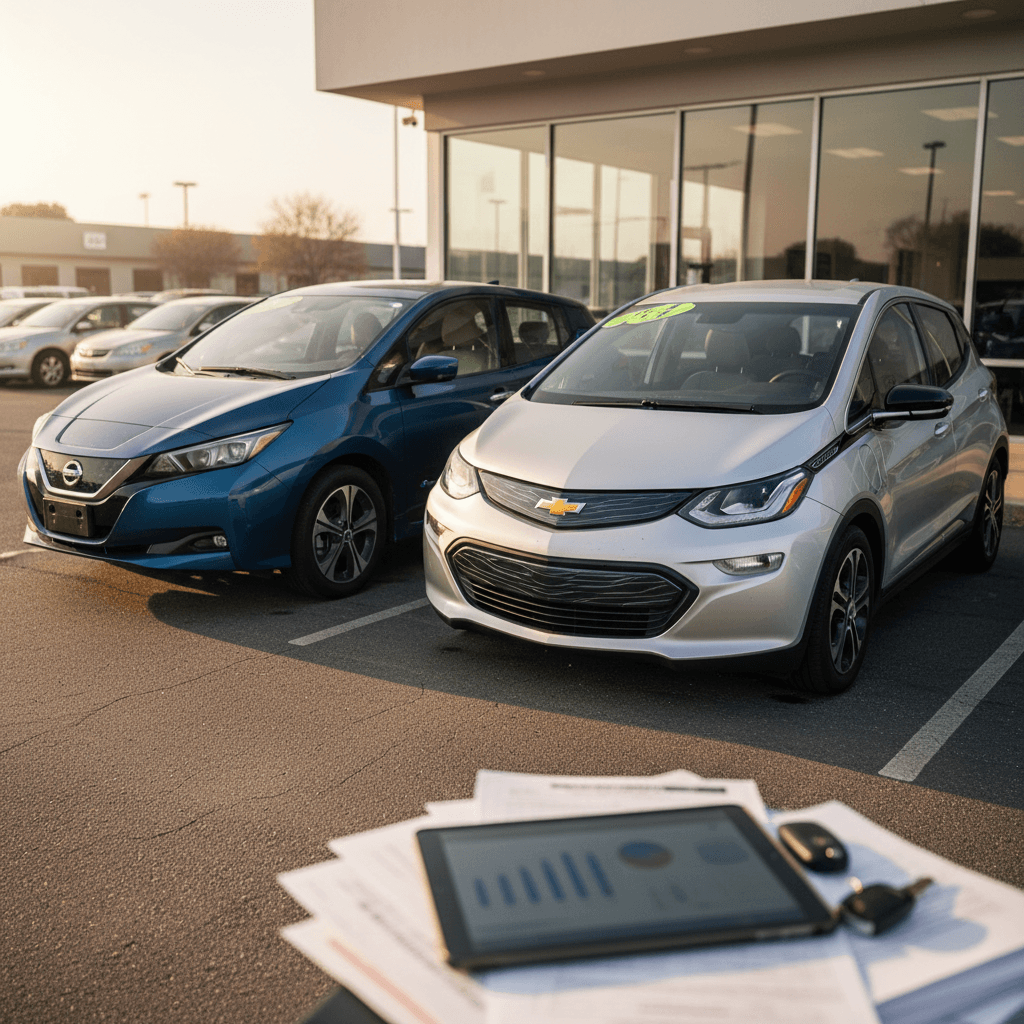
If you’re hunting for the best EV under $25,000 in 2026, you’re looking in the sweet spot of today’s electric-car market. Used EV prices have fallen sharply since 2022, and that $25k threshold is also where the federal used clean vehicle tax credit can kick in, if you and the car qualify.
Why this budget matters
Why used EVs under $25k are so attractive in 2026
The 2026 sub-$25k used EV landscape
A few years ago, sub-$25k electric cars were mostly aging short‑range compliance cars. In 2026, that same budget can get you a 60–75 kWh pack, 200+ miles of range, DC fast charging, and modern safety tech. Depreciation has hit early EVs hard, and automakers have been discounting new models, which pulls used prices down as well.
The catch
Quick answer: Best EVs under $25,000 in 2026
Here are the standout used EVs you’re most likely to find under $25,000 in 2026, based on real U.S. listing data and typical transaction ranges:
- Chevy Bolt EV (2019–2023) – The value benchmark: 200+ miles of range, compact hatchback practicality, and aggressive used pricing in the mid-teens to low‑20s.
- Chevy Bolt EUV (2022–2023) – Slightly more space than the Bolt EV, often just under or around $25k depending on miles and options.
- Hyundai Kona Electric (2019–2022) – 258‑mile EPA range when new, efficient and reliable, commonly in the high‑teens to low‑20s.
- Kia Niro EV (2019–2022) – One of the best all‑around used EVs: small crossover form factor, ~240‑mile range, many examples between ~$20k and $24k.
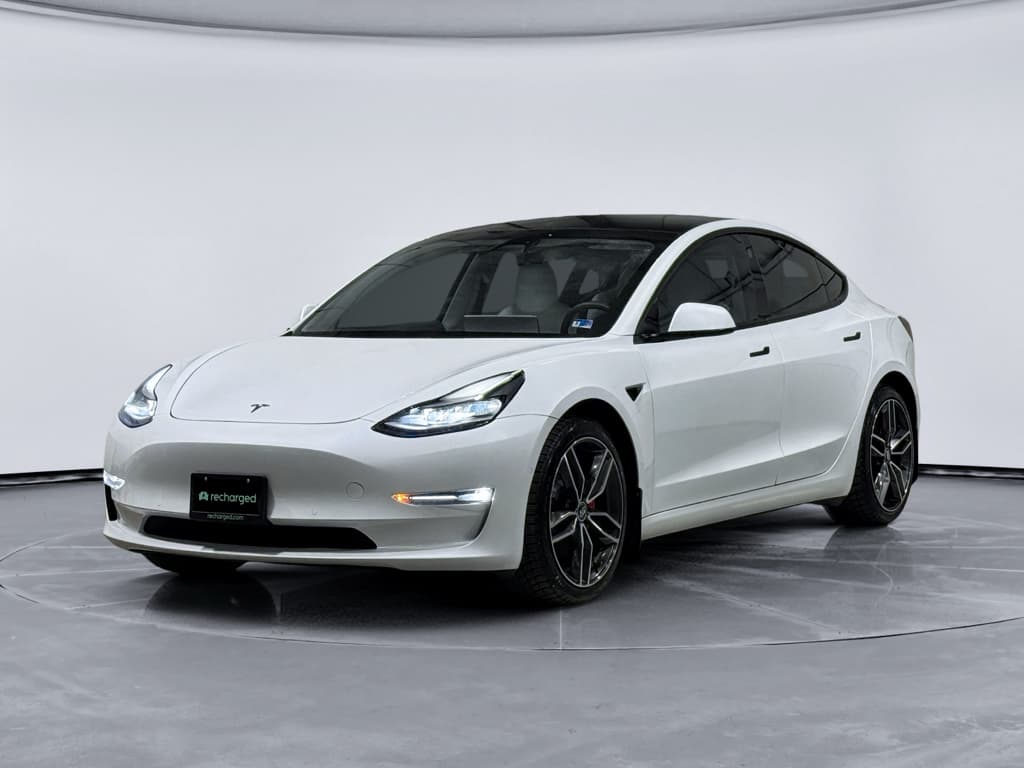
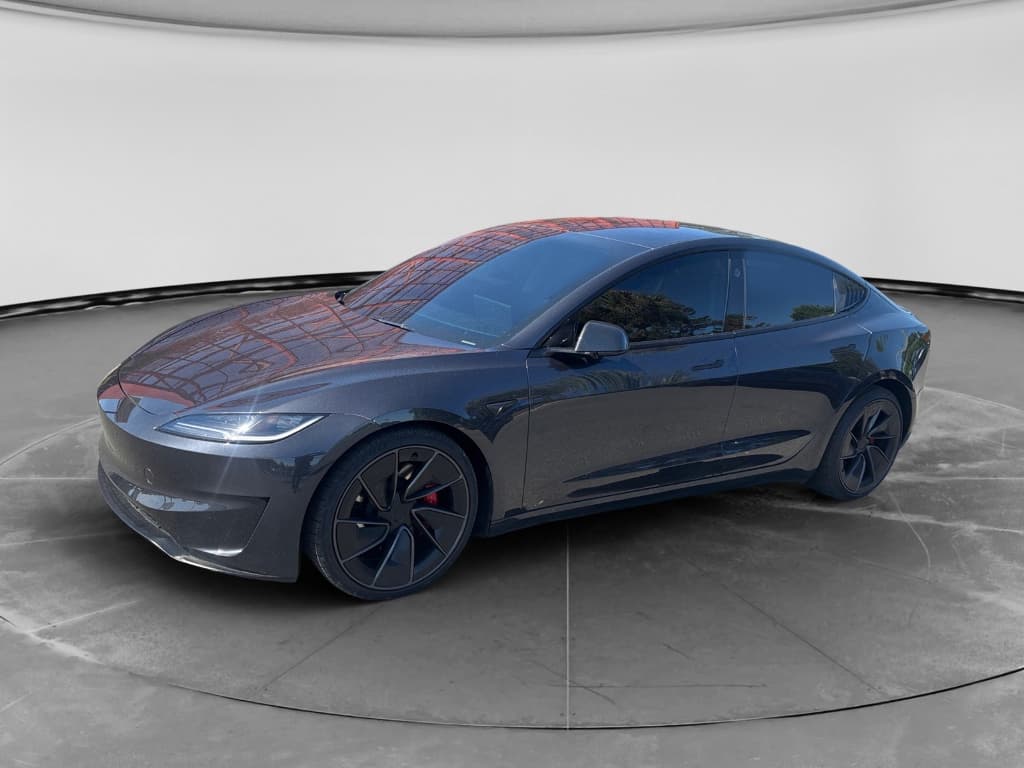
- Tesla Model 3 (2017–2021) – The most aspirational pick here; higher‑mileage or earlier cars often land in the $22k–$25k band, occasionally lower in softer markets.
- Nissan Leaf Plus (2019–2022) – 60 kWh "Plus" models with ~215–226 miles of range often price from the low‑teens to low‑20s; older 40 kWh Leafs are cheaper but primarily city cars.
- BMW i3 (2017–2021, BEV or REx) – Quirky premium compact that’s now frequently well under $20k; great for urban use, but range is shorter than newer rivals.
Most versatile choice
How far do they go? Range and usable battery
On paper, many of these EVs advertise 200–260 miles of range when new. In reality, a seven‑year‑old EV that’s lived its life on DC fast chargers in Phoenix is not the same as a low‑mileage commuter from Seattle. The question isn’t just "What’s the EPA number?"; it’s how much of that battery is still usable today.
Typical real‑world range buckets for sub‑$25k EVs
What you can reasonably expect from a healthy example in 2026
City/commuter specialists
~90–140 miles usable in moderate weather.
- Examples: Older 24–30–40 kWh Nissan Leaf, early BMW i3.
- Best for: Short commutes, second cars, urban use.
Do‑everything compacts
~170–220 miles usable for mixed driving.
- Examples: Leaf Plus, BMW i3s (42 kWh), some early Kona and Niro EVs with minor degradation.
- Best for: Most daily driving, occasional longer trips.
Road‑trip capable
~220–260+ miles usable, plus decent fast charging.
- Examples: Chevy Bolt EV/EUV, Kona Electric, Niro EV, many Tesla Model 3s.
- Best for: Highway commuters and regional trips.
Look at battery health, not odometer alone
Understanding the $25,000 used EV tax credit rule
The federal used clean vehicle credit can be worth up to $4,000 off a qualifying used EV in 2026, but it comes with strings attached. One of the most important: the sale price must be $25,000 or less, and that figure generally includes dealer fees that are part of the transaction price.
Key IRS rules for the used EV credit at $25k
High‑level overview only; always verify current IRS guidance before you buy.
| Requirement | High‑level rule |
|---|---|
| Sale price | Must be $25,000 or less including mandatory dealer fees to qualify. |
| Vehicle age | Model year at least 2 years older than the calendar year of purchase. |
| First resale | Vehicle must not have previously been sold as a used clean vehicle with this credit. |
| Buyer income | Adjusted gross income must be under IRS limits (varies by filing status). |
| Dealer | Car must be bought from a licensed dealer who can handle the credit transfer. |
| Credit amount | Whichever is less: $4,000 or 30% of the sale price. |
Rules summarized as of early 2026; details can change with new IRS guidance.
Watch the fine print on pricing
Model-by-model: Top picks under $25,000
Let’s look at the most compelling sub‑$25k EVs one by one, focusing on how they actually work as used buys in 2026, not just how they looked on a spec sheet when new.
Chevy Bolt EV (2019–2023)
The Bolt EV is the poster child for used‑EV value. Many examples now list in the $14,000–$20,000 range, with later low‑mileage cars creeping toward $23k–$24k.
- EPA range when new: 238–259 miles depending on year.
- Strengths: Long range for the price, compact size, good efficiency, simple ownership.
- Weak spots: DC fast‑charging speed is modest by 2026 standards; early models were affected by a well‑publicized battery recall (good examples should have new packs).
Chevy Bolt EUV (2022–2023)
The Bolt EUV is the slightly larger, more crossover‑ish sibling to the Bolt EV. It shares the same battery and drivetrain but offers more rear‑seat and cargo room.
- Typical 2026 price band: About $20,000–$25,000 depending on trim and mileage.
- Strengths: Roomier cabin, available Super Cruise on some trims, value pricing versus small crossovers.
- Weak spots: Same relatively slow DC fast charging; ride and interior feel more "economy" than rivals.
Hyundai Kona Electric (2019–2022)
The Kona Electric quietly became one of the best real‑world EVs: efficient, comfortable enough, and easy to live with.
- EPA range when new: 258 miles for most U.S. trims.
- Typical 2026 price band: Roughly $17,000–$23,000.
- Strengths: Excellent efficiency, solid reliability track record, usable DC fast charging for road trips.
- Weak spots: Rear seat and cargo space are only OK; some early cars had battery‑recall work done, verify it.
Kia Niro EV (2019–2022)
The Niro EV takes Kona’s powertrain and wraps it in a more practical body. It’s one of the few sub‑$25k EVs that truly feels like a small family car.
- EPA range when new: About 239–253 miles.
- Typical 2026 price band: Commonly $18,000–$24,000, with outliers above.
- Strengths: Great blend of range, practicality, and efficiency; popular with value‑minded EV shoppers.
- Weak spots: Interior is functional rather than flashy; DC fast charging is good, not cutting‑edge.
Tesla Model 3 (2017–2021)
Because of Tesla’s brand power and Supercharger access, the Model 3 is frequently named the best used EV overall. In 2026, earlier cars, especially high‑mileage rear‑wheel‑drive and some Long Range trims, are regulars around the $22,000–$27,000 mark, with occasional finds under $25k.
- EPA range when new: Roughly 220–325 miles depending on variant and year.
- Strengths: Access to Tesla’s Supercharger network, strong performance, OTA updates, huge community.
- Weak spots: Build‑quality variability, more complex repair ecosystem, insurance can be higher than for compact non‑luxury EVs.
If you can find a clean sub‑$25k Model 3 that passes a thorough battery and body inspection, it’s one of the strongest all‑around EVs you can buy at this budget.
Nissan Leaf Plus (2019–2022)
The standard‑battery Leaf is city‑car territory, but the Leaf Plus (60 kWh) is a different story, with 200+ miles of range when new and very attractive pricing.
- EPA range when new: Around 215–226 miles depending on trim.
- Typical 2026 price band: Often $13,000–$20,000.
- Strengths: Low purchase price, simple driving experience, decent space.
- Weak spots: Uses CHAdeMO fast charging, which is slowly being phased out in North America; air‑cooled battery can suffer more degradation in hot‑climate cars.
BMW i3 (2017–2021, BEV or REx)
The BMW i3 is a niche pick that makes sense for some buyers. It’s a lightweight carbon‑fiber city car with a premium interior and very distinctive styling.
- Usable range: Later 42 kWh cars can deliver ~140–160 miles in real‑world driving; earlier packs less.
- Typical 2026 price band: Frequently $10,000–$18,000.
- Strengths: Fun to drive, compact, upscale cabin, some models include a small gasoline range‑extender (REx) for backup.
- Weak spots: Limited range versus newer rivals; narrow tires and unusual parts can make some repairs pricier.
Other honorable mentions
If you’re shopping aggressively, you may also encounter:
- VW e‑Golf – Great city car with familiar Golf driving feel, but short range compared with Bolt/Kona.
- Fiat 500e – Fun, tiny city runabout; think of it as an electric scooter with doors and airbags.
- First‑gen compliance EVs (Spark EV, Focus Electric, etc.) – Very cheap, but range‑limited. Buy only if you truly understand your daily miles and charging access.
These can be bargains for specific use cases, but they’re not the default answer to “best EV under $25k” if you need flexibility.
Comparison table: Best EVs under $25k (2026)
Core contenders under $25,000 in 2026
Approximate U.S. used‑market ranges and specs for typical examples in good condition.
| Model (years) | Typical 2026 used price | Original EPA range (mi) | Body type | Best for |
|---|---|---|---|---|
| Chevy Bolt EV (2019–2023) | $14,000–$24,000 | 238–259 | Compact hatchback | Value commuters, first EV buyers |
| Chevy Bolt EUV (2022–2023) | $20,000–$25,000 | 247 | Small crossover | Small families, road‑trip curious |
| Hyundai Kona Electric (2019–2022) | $17,000–$23,000 | 258 | Subcompact crossover | Efficiency‑minded drivers, mixed use |
| Kia Niro EV (2019–2022) | $18,000–$24,000 | 239–253 | Small crossover | One‑car households, practicality |
| Tesla Model 3 (2017–2021) | $22,000–$27,000 | ~220–325 | Sedan | Long‑distance drivers, tech‑focused buyers |
| Nissan Leaf Plus (2019–2022) | $13,000–$20,000 | 215–226 | Hatchback | Budget buyers, suburban commuters |
| BMW i3 (2017–2021) | $10,000–$18,000 | Up to ~153 (BEV) | City car | Urban drivers, short‑trip use |
Prices and ranges are approximate and vary by mileage, trim, region, and battery health.
Why some great EVs don’t make this list
Battery health: What makes a used EV a good buy?
For ICE cars, you worry about engines and transmissions. For EVs, the traction battery is the main event. It’s designed to last for years, but degradation is highly sensitive to heat, charging habits, and how full the battery was kept day‑to‑day.
Battery health: green flags vs red flags
What to look for before you sign anything
Green flags
- Car lived mostly in moderate climates (not baking in desert heat).
- Owner primarily used Level 2 home/work charging instead of constant DC fast charging.
- Battery rarely left sitting at 100% charge for long periods.
- Pack has documented recall fix or warranty work, where applicable (e.g., Bolt recall).
- Third‑party or dealer diagnostic shows healthy state of charge and balanced cells.
Red flags
- Unusually rapid range loss reported by owner or in reviews.
- Frequent DC fast‑charging use (e.g., rideshare, long‑distance commercial use).
- Car spent its life in very hot regions and was parked outside.
- Mismatch between displayed range and what you see on a test drive.
- Seller won’t provide any battery health data or service records.
Where Recharged fits in
5-step checklist before you buy a used EV
Smart buyer checklist for EVs under $25k
1. Map your real daily driving
Track your actual miles for a couple of weeks. If you rarely exceed 60–80 miles in a day, even a degraded 150‑mile EV can work. If road trips or 150‑mile winter commutes are common, focus on Bolt, Kona, Niro, or Model 3 territory.
2. Decide how important DC fast charging is
If you’ll mostly charge at home, you can live with slower fast‑charging EVs like Bolt or Leaf Plus. If you spend a lot of time on interstates, prioritize EVs with more robust fast‑charging curves and, ideally, access to large networks like Tesla Superchargers (via native port or adapter).
3. Check for open recalls and service history
Search VINs for recalls (e.g., Bolt and Kona battery campaigns) and confirm work was performed. Ask for service records, especially for any high‑voltage battery or charging‑system work.
4. Get real battery health data
Don’t rely solely on the dash range estimate. Use a seller that provides <strong>pack‑level diagnostics</strong>, like the Recharged Score Report, or have an EV‑savvy shop pull battery data with the right tools.
5. Run the numbers with and without the tax credit
Make sure the deal still makes sense even if you <em>don’t</em> get the federal used EV credit. Confirm that the sale price (including fees) is at or below $25,000 and that you meet the IRS income and other eligibility rules before counting on that $4,000.
Don’t buy an EV just because it’s cheap
How Recharged helps you shop smarter
The used EV market in 2026 is finally big enough that you have genuine choice, but also noisy enough that it’s easy to get lost. That’s exactly the problem Recharged was built to solve.
- Verified battery health with the Recharged Score – Every car on Recharged gets pack‑level diagnostics, so you can compare battery health, not just mileage and photos.
- Fair market pricing – We benchmark our listings against real‑world sale data, so you can see when a Bolt, Niro EV, or Model 3 is actually a good deal for its condition.
- Expert EV guidance, not generic sales talk – Our specialists help you choose between, say, a low‑miles Leaf Plus and a higher‑miles Bolt EV based on your climate, commute, and charging options.
- Financing and trade‑in options – Handle your financing, trade‑in, or instant offer online, with transparent numbers and no surprise add‑ons.
- Nationwide delivery + Richmond, VA Experience Center – Shop fully online or visit our Experience Center in Richmond, Virginia if you want to see and drive before you buy.
Why this matters at $25k
FAQ: Best EV under $25,000 in 2026
Frequently asked questions
Bottom line: Choosing the right EV under $25k
In 2026, the question isn’t whether you can find an EV under $25,000, it’s which one best matches your daily life, climate, and charging reality. For most shoppers, a well‑vetted Kona Electric, Niro EV, or Chevy Bolt EV/EUV delivers the best balance of price, range, and practicality. If you’re willing to hunt and inspect more carefully, a Tesla Model 3 under $25k can be a compelling all‑rounder with road‑trip capability and strong charging infrastructure.
The key is to treat battery health and total cost of ownership as seriously as the sale price. Use objective diagnostics like the Recharged Score Report, understand how the $25,000 tax‑credit cap really works, and be honest about how you’ll use the car. Do that, and a sub‑$25k EV in 2026 can be not just a cheap way into electric driving, but an upgrade over the gas car you’re leaving behind.