If you’re hunting for the best EV lease deals in Illinois in 2026, you’ve probably noticed two things: there are some shockingly low advertised payments, and the fine print is absolutely brutal. Between Illinois’ changing rebate rules, federal tax credits that mostly flow to the lessor, and rapidly moving EV prices, it’s easy to sign a lease that looks great on paper but ages badly in the real world.
What this guide covers
How EV leasing works in Illinois in 2026
Before you chase specific lease specials, it helps to understand the basic math. A lease payment is driven by three levers: cap cost (the effective selling price after rebates and fees), the residual value (what the bank thinks the car will be worth at lease-end), and the money factor (essentially the interest rate). Illinois adds its own twist with how sales tax and rebates are handled.
The three numbers that make or break an EV lease
You don’t need to be a spreadsheet nerd, but you do need to know these terms.
Cap cost (selling price)
This is the starting price of the lease after any discounts and rebates but before you add taxes and some fees. A lower cap cost usually means a lower payment, which is why EV bonus cash and federal tax credits passed through by the lender matter so much.
Residual value
The residual is the bank’s projection of what the EV will be worth at the end of the lease. High residuals mean you’re paying for less depreciation, which makes for a cheaper lease even on an expensive car. Rapidly falling EV prices are why residuals have become the whole ballgame.
Money factor (interest)
The money factor is the lease equivalent of an APR. In 2026, many captive finance arms are using very low money factors on EVs to move inventory, which is why leases can beat purchase financing even when the monthly payment looks similar.
Ask for a full lease worksheet
Key Illinois and federal incentives that affect EV leases
In 2026, incentive timing matters. Illinois is in the middle of retooling its EV rebate program, and several federal benefits are changing hands as well. Not all of these incentives are available, or even useful, on a lease, so you need to understand where the money actually goes.
Illinois EV incentive snapshot through mid‑2026
- Illinois EV Rebate Program (IEPA): Residents who meet income limits and buy or lease a qualifying new or used all‑electric vehicle from an Illinois dealer have been eligible for a state rebate, historically up to $4,000, with lower tiers kicking in after mid‑2026 and strict funding caps.
- Federal clean vehicle credit: On a lease, the clean vehicle credit is typically claimed by the lessor (the finance company). They may use it as lease cash to lower your cap cost, but it rarely appears as a line item labeled “tax credit.”
- Local and utility incentives: Some Illinois utilities and municipalities offer home‑charger rebates or off‑peak rate discounts. They don’t change your lease payment directly, but they do cut your total cost of driving.
Don’t assume you’ll personally get the tax credit
Which EVs tend to have the best lease deals in Illinois (2026)
Specific advertised payments change weekly, but the patterns don’t. In early 2026, the strongest EV lease value in Illinois is clustered around mass‑market crossovers where automakers are fighting hardest for share, and where residuals are still relatively optimistic.
2026 EV segments that usually lease well in Illinois
Think in categories first, then shop individual offers within each group.
Mainstream compact crossovers
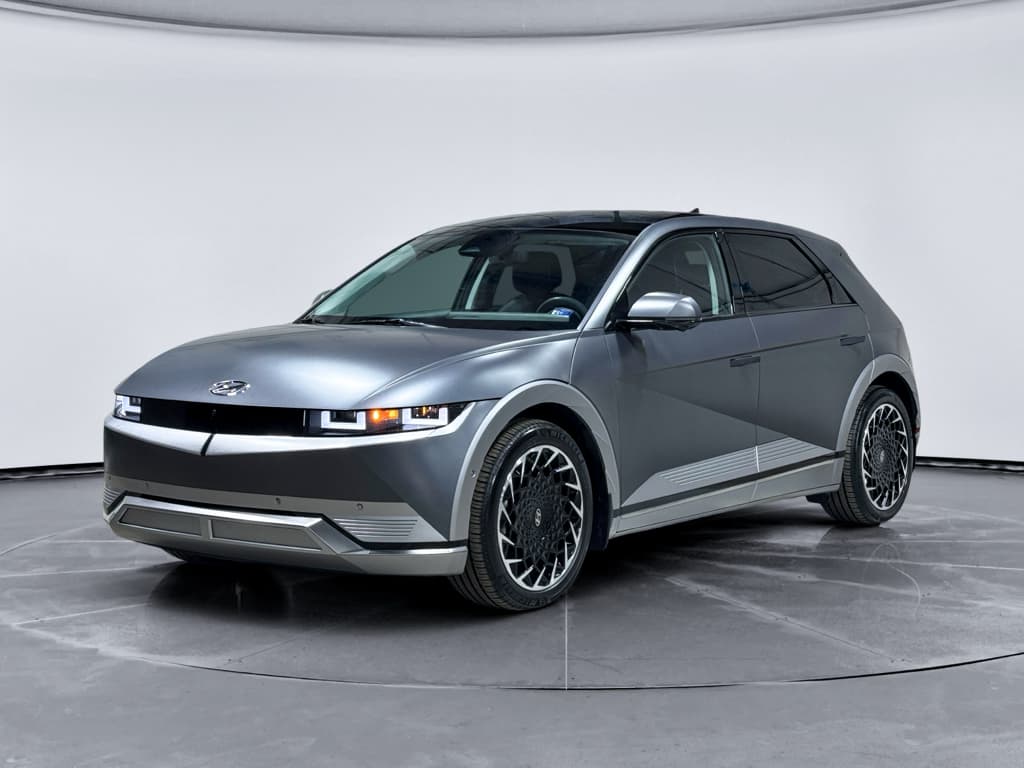
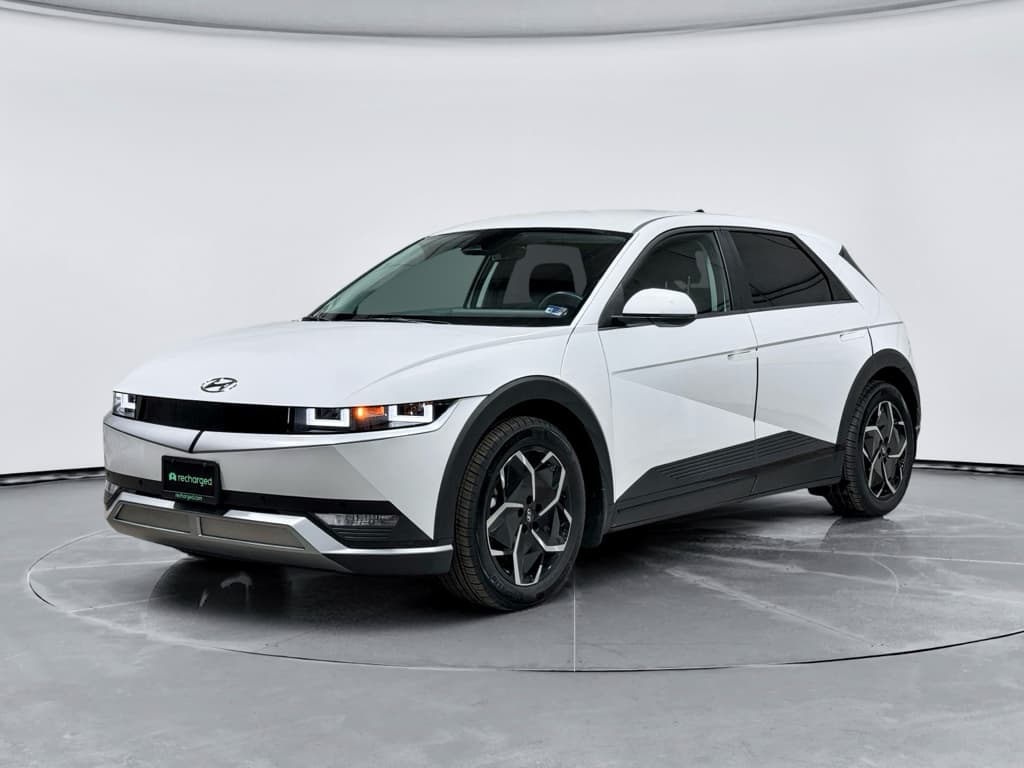
Examples: Chevy Equinox EV, Hyundai Ioniq 5, Kia EV6, Volkswagen ID.4.
These are the sweet spot in 2026. Automakers need volume, federal credits often apply at the bank level, and captive lenders are posting aggressive residuals and low money factors. In leasing forums you’ll regularly see real‑world deals on well‑equipped trims landing in the high‑$200s to $400s per month with reasonable drive‑offs, especially when conquest or loyalty cash is stacked.
Leftover or slow‑moving 2025–early‑2026 inventory
Examples: Prior‑model‑year Ioniq 5/EV6, earlier ID.4s, or first‑run Equinox EVs.
Dealers hate carrying aging EV inventory, and the market knows that last year’s battery tech and range figures go stale quickly. That combination often produces heavy discounts plus factory lease cash, turning slow movers into some of the best payment‑per‑range deals in the state.
Luxury EVs with inflated residuals
Examples: Certain BMW i4/i5 trims, Mercedes EQE/EQS, Cadillac Lyriq depending on the month.
High‑end EVs are where you see the wildest difference between leasing and buying. Transaction prices can be soft, but captive lenders sometimes keep residuals high and money factors near zero. The result is a monthly payment that often undercuts what a bank loan on the same MSRP would cost, even if the car depreciates faster than the residual suggests.
Models with heavy conquest/loyalty cash
Examples: Chevy Equinox EV targeting non‑GM owners, Kia and Hyundai chasing Tesla drivers, and vice versa.
When a brand is trying to pull you out of a competitor’s lease, the extra conquest cash usually can only be used on leases. That money directly lowers your cap cost and can be the difference between a meh deal and a truly standout payment.
Models Illinois shoppers are frequently scoring strong leases on
Sample 2026 EV lease scenarios for Illinois drivers
To put all of this into context, let’s walk through simplified sample scenarios based on the kinds of offers Illinois shoppers are actually seeing in 2026. These are illustrations, not quotes, your exact numbers will depend on MSRP, discounts, incentives, credit tier, and local taxes and fees.
Illustrative 2026 EV lease examples for Illinois shoppers
All scenarios assume excellent credit and typical Illinois taxes and fees. Payments are rounded and for comparison only.
| Scenario | Vehicle Type | Term / Miles | Drive‑off | Approx. Payment | Why it works (or doesn’t) |
|---|---|---|---|---|---|
| Value commuter | Mainstream compact crossover (e.g., Equinox EV LT1 or Ioniq 5 SE) | 36 mo / 10k mi | First payment + fees (~$1,500) | $320–$400/mo | High residual, factory lease cash, and the lessor using the federal credit make the math work. These are often the true "sweet‑spot" leases in 2026. |
| Aggressive one‑pay | Same segment as above, prior‑model‑year unit | 24 mo / 10k mi | Single one‑pay around $5,000–$6,000 | Effectively low‑$200s per month | Deep discount plus stacked rebates and a short term create unusually low total cost if you have the cash upfront. |
| Luxury experiment | Premium EV sedan/SUV (e.g., BMW i4, Mercedes EQE) | 36 mo / 7.5–10k mi | First payment + fees (~$3,000) | $800–$1,200/mo | MSRP is high, but subsidized money factor and optimistic residuals can make a lease much less painful than a purchase, even if you’d never pay MSRP in cash. |
| So‑so deal | Small EV with weak support | 36 mo / 12k mi | First payment + fees (~$2,000) | $450–$550/mo | Modest residuals and little factory support leave you paying for real‑world depreciation. Often not worth it unless you absolutely want that specific model. |
Use this table as a reality check when you see unusually low or high advertised payments.
How to benchmark a quote quickly
How to stack Illinois rebates with an EV lease
Illinois’ EV rebate program is generous on paper but tricky in practice. Funding windows are limited, income caps apply, and many buyers and lessees don’t realize the rebate is something you claim after the fact, not money that directly lowers your monthly payment at signing.
1. Confirm your eligibility
Before you assume an Illinois rebate will improve your lease economics, check three things:
- Income limits: Your household income must fall under program caps, and low‑income status is now determined by county‑level median income.
- Vehicle price cap: The vehicle’s base purchase price must be under the state’s maximum (historically around the $80,000 mark, but verify current rules).
- Dealer requirements: The EV must be purchased or leased from an Illinois‑licensed dealer and properly registered in the state.
2. Understand timing and cash‑flow
The Illinois rebate historically arrives months after you take delivery. You still pay the full down payment and monthly lease amount upfront, then apply for the rebate within the program window.
Think of the state rebate as a back‑end check, not a discount at signing. Many smart lessees earmark that money to offset future payments or to fund a home Level 2 charger rather than counting on it for day‑one affordability.
Funding runs out
Negotiating the best EV lease deal in Illinois
Lease programs are set by the lender, but your total cost is still very negotiable. In a market where EV inventories have grown faster than demand, especially in the Midwest, dealers are often more flexible than the advertised special suggests, if you’re prepared.
Step‑by‑step playbook for a strong Illinois EV lease
1. Decide your term and mileage first
Figure out whether you truly need 12,000–15,000 miles per year, or if 10,000 covers your driving in Chicago or downstate. Every extra 2,500–5,000 miles per year can noticeably bump the payment.
2. Shop multiple dealers for the same car
Email or text at least three Illinois dealers for written quotes on the same trim and lease structure. Make it clear you want a full worksheet, not just a monthly number, and that you’re comparing offers.
3. Negotiate the selling price, not the payment
Ask each dealer what discount from MSRP they’re offering before incentives. EVs often have thousands of dollars of room between MSRP and what a motivated dealer will actually sell or lease them for.
4. Verify money factor and residual
Request the exact money factor and residual % being used. Then cross‑check them against current data from lease‑focused forums or subscription tools. If a dealer is marking up the MF, you’ll see it immediately.
5. Ask how the federal credit is applied
On eligible models, ask, “How much of the federal clean vehicle credit is being used as lease cash in this quote?” You may not get a perfect answer, but evasiveness is a red flag.
6. Watch fees and add‑ons
In Illinois, dealers sometimes pad doc fees, add unwanted protection packages, or slip in marked‑up money factors. Be ready to say no to paint sealants, VIN etching, and other high‑margin extras that don’t improve the lease math.
Leverage end‑of‑month and end‑of‑quarter pressure
Leasing a used EV alternative in Illinois with Recharged
New‑car lease specials get the headlines, but a lot of the real value in 2026 is in the used EV market. Rapid price drops over the last few years mean you can often finance a late‑model used EV for a monthly cost that competes directly with new‑car lease payments, without mileage caps or surprise disposition fees.

Why a used EV can beat a flashy lease
- Depreciation already priced in: The steepest first‑owner depreciation is behind you, so your monthly payment often reflects more realistic long‑term value.
- No mileage anxiety: You can drive as much as you need without negotiating mileage upfront or fearing expensive overage charges.
- Flexible exit options: You’re not handcuffed to a fixed lease term with a high early‑termination penalty. If your situation changes, you can sell or trade much more easily.
How Recharged helps Illinois shoppers
Through Recharged, you can shop a curated inventory of used EVs, many the same models you’re considering new, backed by a Recharged Score Report that includes verified battery health, fair‑market pricing, and a clear view of total cost of ownership.
You can finance digitally, get an instant offer on your trade‑in, and arrange nationwide delivery, all with EV‑specialist support that can walk you through whether a used purchase or a new lease makes more sense for your real‑world budget and driving.
When a used EV is usually the smarter play
Ready to find your next EV?
Browse VehiclesCommon pitfalls with Illinois EV leases
Most bad EV leases in Illinois don’t come from one obvious mistake. They come from a handful of small oversights that add up over three or four years. Here are the traps I see drivers fall into most often.
Avoid these costly EV lease mistakes in 2026
Each one looks small on paper; all of them get expensive in real life.
Counting on the Illinois rebate to make the lease affordable
If the only way a lease looks doable is by assuming you’ll get a full state rebate check, you’re on thin ice. Funding can run out, paperwork can be denied, and future program changes can shift amounts. Make sure the deal works on your actual, guaranteed monthly payment.
Ignoring excess wear and mileage risk
EV torque plus Midwest winters are hard on tires, and city driving is rough on wheels and bumpers. If you routinely curb wheels or drive 15,000+ miles per year, build realistic damage and mileage overages into your math, or strongly consider a used EV purchase instead.
Letting the dealer roll negative equity into the lease
Rolling thousands of dollars from a previous car into a new EV lease is a quiet way to turn a good program into a bad deal. On a three‑year lease, that negative equity hardly has time to amortize before you’re upside‑down again.
Treating drive‑offs as “free money”
Huge down payments make advertised lease payments look pretty, but if the car is stolen or totaled, that money is usually gone. Keep your drive‑off lean and focus on the true total cost over the full term instead of the lowest possible monthly ad headline.
Read the lease‑end section carefully
Illinois EV lease FAQ (2026)
Frequently asked questions about EV leases in Illinois (2026)
Is an EV lease your best move in 2026?
In 2026, the best EV lease deals in Illinois tend to cluster around mainstream crossovers with strong factory support and captive lenders willing to lean on low money factors and optimistic residuals. If you can line up one of those programs, keep your drive‑off modest, and avoid banking on uncertain state rebates, an EV lease can be a smart way to enjoy the latest tech while off‑loading long‑term battery and resale risk to the finance company.
But leasing is no longer the automatic answer it appeared to be a few years ago. With EV prices resetting and used values stabilizing, you owe it to yourself to compare a transparent used EV from Recharged, with verified battery health and clear total‑cost math, against the flashiest lease deal your local Illinois dealer can muster. When you view both options through the same lens of monthly cost, risk, and flexibility, the right choice for your situation usually becomes obvious.