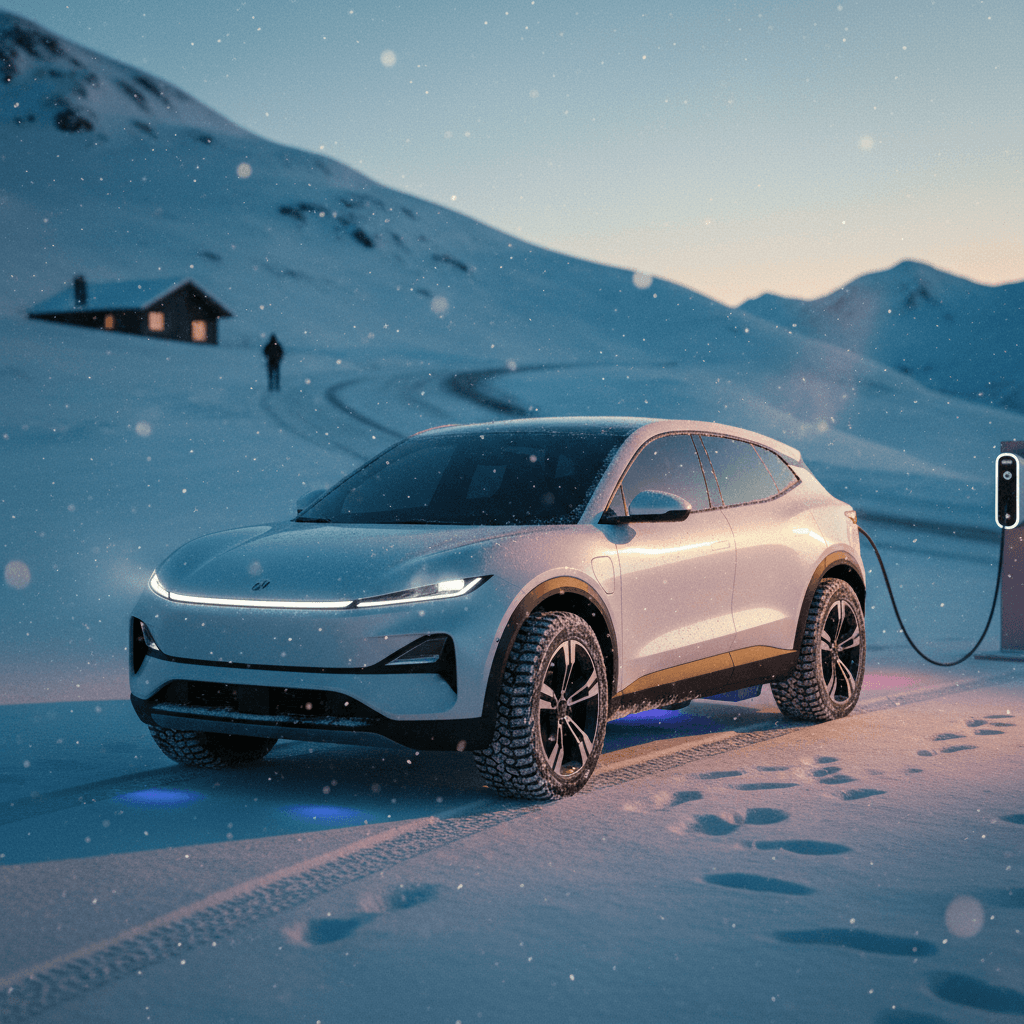
If you live where winter means real snow, sub‑freezing mornings, and the occasional blizzard, you don’t want an electric car that merely **survives** the cold. You want one that actually feels *built* for it. In 2026, the best EVs for cold weather combine strong real‑world winter range, smart battery pre‑conditioning, a heat pump, and confident all‑wheel drive. This guide pulls from independent winter tests, owner feedback, and real‑world data to show you which models stand out, and how to shop wisely, especially if you’re considering a used EV.
Quick answer
Why cold weather is tough on EVs
1. Batteries hate the cold
Lithium‑ion cells work best in a Goldilocks zone, roughly room temperature. When it’s cold, internal resistance goes up and chemical reactions slow down. The result: less usable energy and slower charging. That’s why a car rated for 300 miles in lab conditions might struggle to deliver 200–220 miles at 0°F on the highway.
2. You’re heating a house on wheels
Gas cars warm the cabin with waste heat from the engine. EVs are very efficient, so there’s not much waste heat; the car has to spend battery energy to warm the cabin and battery pack. If it uses old‑school resistive heaters instead of a heat pump, you can burn a surprising number of kilowatt‑hours just to stay comfortable.
What winter range loss really looks like
What makes an EV great in winter
Key features of a good cold‑weather EV
Don’t just shop range; shop winter hardware and software.
Efficient winter range
A strong winter EV doesn’t just have a big battery. It holds onto its rated range better than rivals when temps fall. Look for models that perform well in independent winter range tests and owners’ real‑world reports rather than just boasting huge WLTP or EPA numbers.
Heat pump & pre‑conditioning
A heat pump uses less energy than resistive heaters, especially between about 10°F and 40°F. Add battery and cabin pre‑conditioning, often triggered automatically when you set navigation to a DC fast charger, and you get faster winter charging and a warm cabin with minimal range penalty.
Snow‑savvy chassis & tires
Dual‑motor AWD, good weight distribution, and well‑tuned stability control matter as much as the badge. Ground clearance and underbody protection help in deep snow. And no magic software can compensate for bad rubber, so quality winter or all‑weather tires are essential.
How to read winter test results
Best EVs for cold weather in 2026: the shortlist
Quick picks: best EVs for cold weather 2026
Best EVs for cold weather in 2026: core contenders
These are the stand‑out EVs for cold climates, balancing winter range, traction, and price. Specifications are representative; always check the exact model year and trim you’re considering.
| Model | Body type | Drivetrain | Heat pump | Approx. EPA range (mi) | Winter sweet spot |
|---|---|---|---|---|---|
| Lucid Air (GT / Pure) | Large sedan | RWD / AWD | Yes | 390–410 | Long‑distance highway driving in deep winter |
| Tesla Model S Long Range | Large hatch | AWD | Yes | 390–405 | High‑speed, high‑mileage commuters in cold climates |
| Hyundai Ioniq 5 (77 kWh) | Compact SUV | RWD / AWD | Yes* | 260–303 | All‑round family use; great DC fast‑charging on trips |
| Kia EV6 (77 kWh) | Compact SUV | RWD / AWD | Yes* | 260–310 | Sportier alternative to Ioniq 5 with similar winter tech |
| Tesla Model Y Long Range | Compact SUV | AWD | Yes | 303–330 | Snowbelt family SUV with strong network support |
| Subaru Solterra / Toyota bZ4X AWD | Compact SUV | AWD | Yes | 214–228 | Bad‑road, bad‑weather duty; traction over range |
| Volvo EX30 / EC40 | Subcompact / compact SUV | RWD / AWD | Yes | 265–293 | Scandinavian‑tuned EVs oriented around real winters |
| Chevrolet Equinox EV (LT / 2RS) | Compact SUV | FWD / AWD | Yes | 280–320 | Value‑oriented family SUV that doesn’t wilt in the cold |
Approximate specs shown for popular U.S. configurations.
About those asterisks
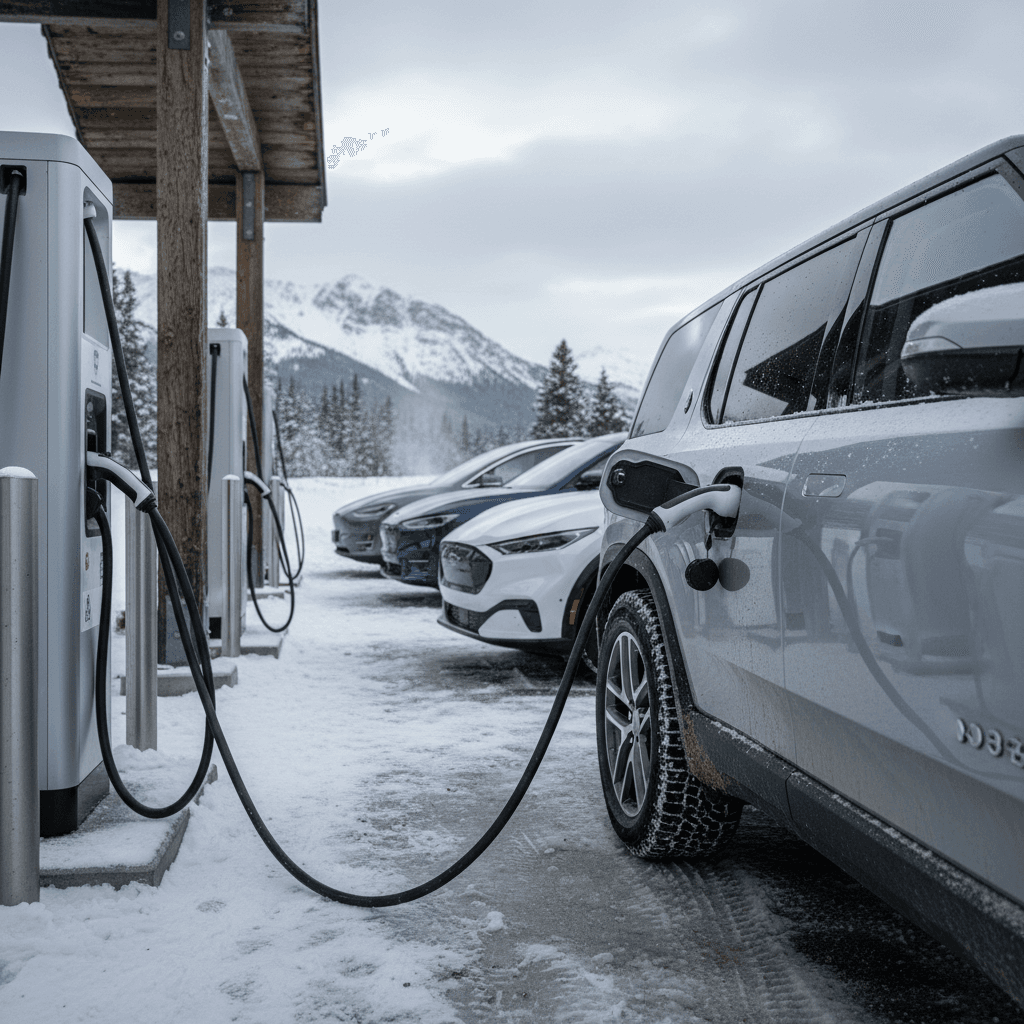
Range kings in real winter driving
Talk to people commuting across Minnesota in January or hammering along Norwegian highways in February, and a pattern emerges: some EVs hang onto their range in the cold much better than others. The headline grabbers here are the big‑battery luxury sedans, but a few more attainable models also punch above their weight.
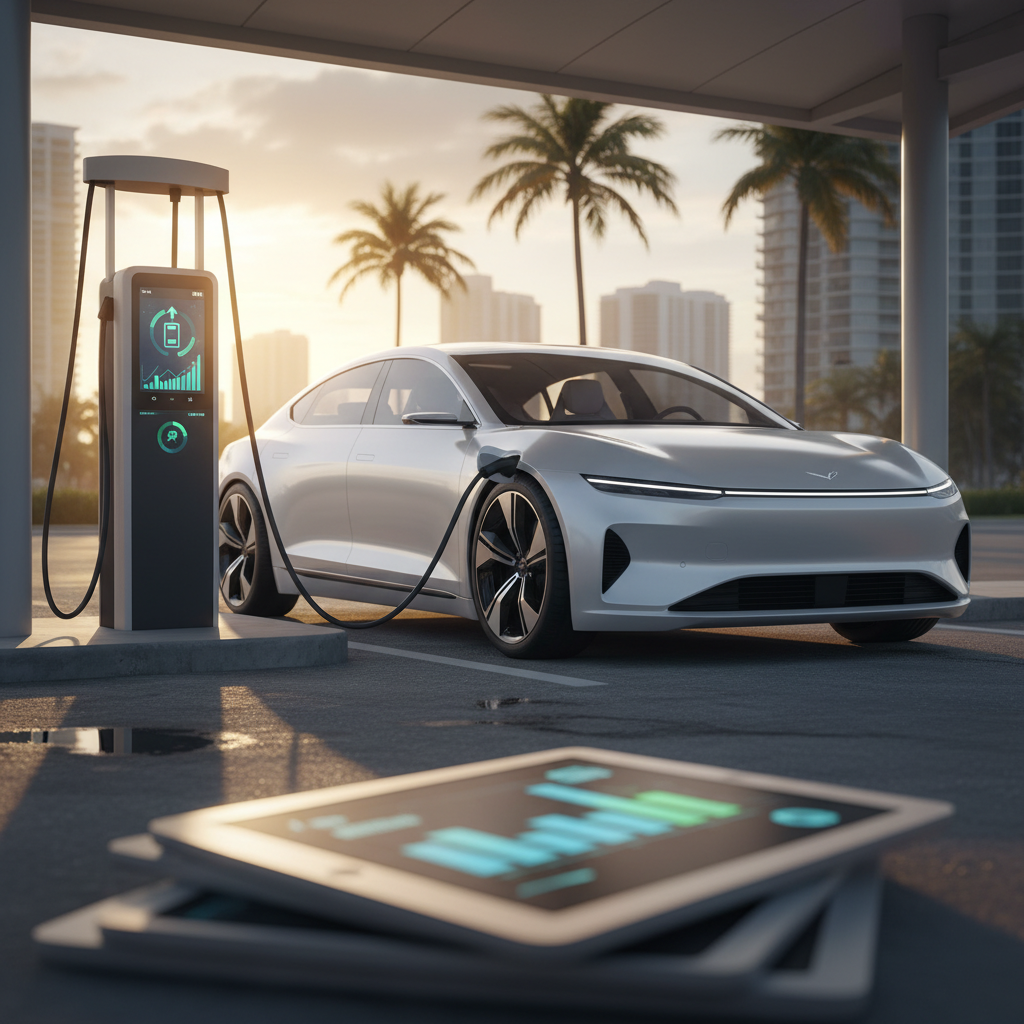
- Lucid Air – Consistently one of the longest‑lasting EVs in independent winter range tests, thanks to a huge pack and very efficient drivetrain. The downside: it’s large, pricey, and arguably overkill if your typical winter day is a 30‑mile school‑run loop.
- Tesla Model S Long Range – Another long‑legged highway car that loses less real‑world range in winter than most rivals. Software‑driven battery pre‑conditioning and a strong Supercharger network make it a formidable cold‑climate tourer.
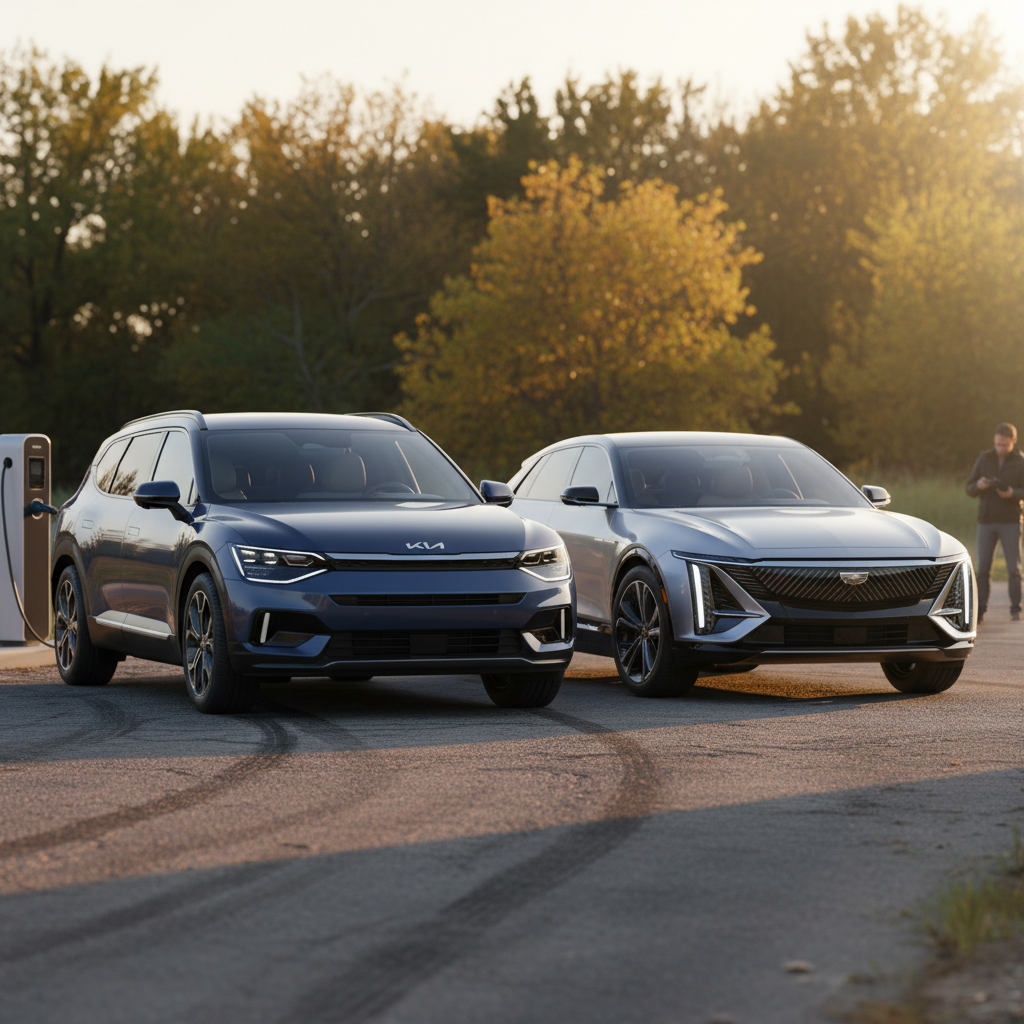
- Hyundai Ioniq 5 / Kia EV6 – These crossovers may not match the Lucid or Model S in absolute miles, but they’re stand‑outs when you factor in realistic pricing, superb DC fast‑charge speed, and relatively modest winter losses when properly warmed.
- Polestar 3, Volvo EC40/EX40 – The Scandinavian brands take cold weather seriously. Their mid‑size and compact SUVs have done well in independent winter tests, often deviating less from rated range than fashionably styled but less efficient rivals.
- Kia EV4 and newer compact EVs – The latest wave of compact crossovers, like Kia’s EV4, are engineered with winter performance on the spec sheet, not as an afterthought, with efficient heat pumps and careful aero optimization.
When to prioritize winter range
Best AWD electric SUVs for snow and ice
Range is only half the story. On a slushy Tuesday in February, what you care about is whether the car claws its way out of your unplowed driveway and tracks straight on a slick freeway. Some EV SUVs are simply better winter companions than others because of their ride height, traction systems, and how their power is delivered.
Stand‑out winter‑ready electric SUVs
AWD, ground clearance, and winter tuning matter as much as the logo.
Subaru Solterra / Toyota bZ4X (AWD)
Co‑developed twins aimed squarely at folks who live where plows sometimes arrive late. They offer:
- Subaru‑style AWD tuning with X‑MODE for deep snow.
- Respectable ground clearance versus most crossovers.
- A heat pump and efficient cabin pre‑heat in modern trims.
Their downside is modest range, so think of these as snow‑belt commuters and mountain‑town specials, not cross‑country winter road‑trip machines.
Tesla Model Y Long Range / Performance
The default choice for many cold‑climate families, with:
- Dual‑motor AWD and decent ground clearance.
- Strong winter software, including battery pre‑conditioning.
- Access to one of the densest DC fast‑charging networks for ski trips.
On proper winter tires, a Model Y is a very confidence‑inspiring winter tool; on worn all‑seasons, it’s merely a powerful rear‑biased crossover.
Volvo EX30 / EC40 / EX40
Engineered by people who think an ice scraper is standard equipment, these Volvos offer:
- Strong stability control calibration on ice.
- Available dual‑motor AWD and quick‑acting traction software.
- Cozy cabins that warm quickly with heat pumps.
If you want a Scandinavian‑flavored winter EV with a smaller footprint than the big luxury SUVs, these are compelling.
Hyundai Ioniq 5 / Kia EV6 / Kia EV9
Hyundai and Kia’s E‑GMP platform is well‑sorted on slick roads and offers:
- Rear‑biased AWD that feels planted yet playful.
- Fast winter DC fast‑charging when pre‑conditioned.
- Generous creature comforts for frozen passengers.
If you’re towing snowmobiles or hauling the whole hockey team, the larger Kia EV9 adds three rows and serious presence.
AWD is not a magic spell
Budget‑friendlier EVs that still like winter
Not everyone is shopping six‑figure sedans or brand‑new luxury SUVs. The good news is that several more attainable EVs hold up well in cold climates, especially if your daily driving is under, say, 120 miles.
- Chevrolet Equinox EV – Chevrolet’s compact SUV aims straight at the heart of the American market. With a heat pump, available AWD, and a usable EPA range that remains practical even with winter losses, it’s shaping up as a strong value play for snow‑belt families.
- Hyundai Kona Electric (2nd gen) – Smaller than an Ioniq 5 but improved in range, interior space, and tech compared with the original. It’s efficient, relatively affordable, and well‑suited to urban winters.
- Nissan Ariya – Especially in e‑4ORCE AWD trims, the Ariya is a comfortable, winter‑capable crossover. Range isn’t class‑leading, but the ride comfort and quiet cabin make February feel less grim.
- Used Tesla Model 3 / Model Y – On the used market, these are often your most cost‑effective tickets into a well‑proven winter EV ecosystem, provided you verify battery health and, ideally, source a car from a climate similar to your own.
Where used EVs shine in cold climates
How much range you really lose in winter
This is the uncomfortable part of the conversation. Even the best EVs for cold weather lose a meaningful chunk of their rated range when the thermometer dives. But if you understand the numbers, you can plan for it instead of being surprised.
Typical winter range loss scenarios
Illustrative examples assuming steady highway speeds, sub‑freezing temps, and heat on. Your exact results will vary by model, speed, elevation, and how aggressively you heat the cabin.
| Rated EPA range (mi) | Mild winter (~32°F) | Harsh winter (0°F or below) | Comments |
|---|---|---|---|
| 250 | ~190–200 | ~150–165 | Plan on roughly 30–40% loss at highway speeds in harsh conditions. |
| 300 | ~220–235 | ~180–195 | Realistic for many mid‑size crossovers with heat pumps. |
| 350 | ~260–280 | ~210–230 | Gives real margin for rural commutes and ski trips. |
| 400+ | ~300+ | ~240–260+ | Large‑pack sedans and SUVs offer serious winter touring capability. |
Plan winter trips assuming the lower end of these ranges, not the best‑case.
The real danger is not the cold, it’s the guesswork
How to choose a used EV for cold climates
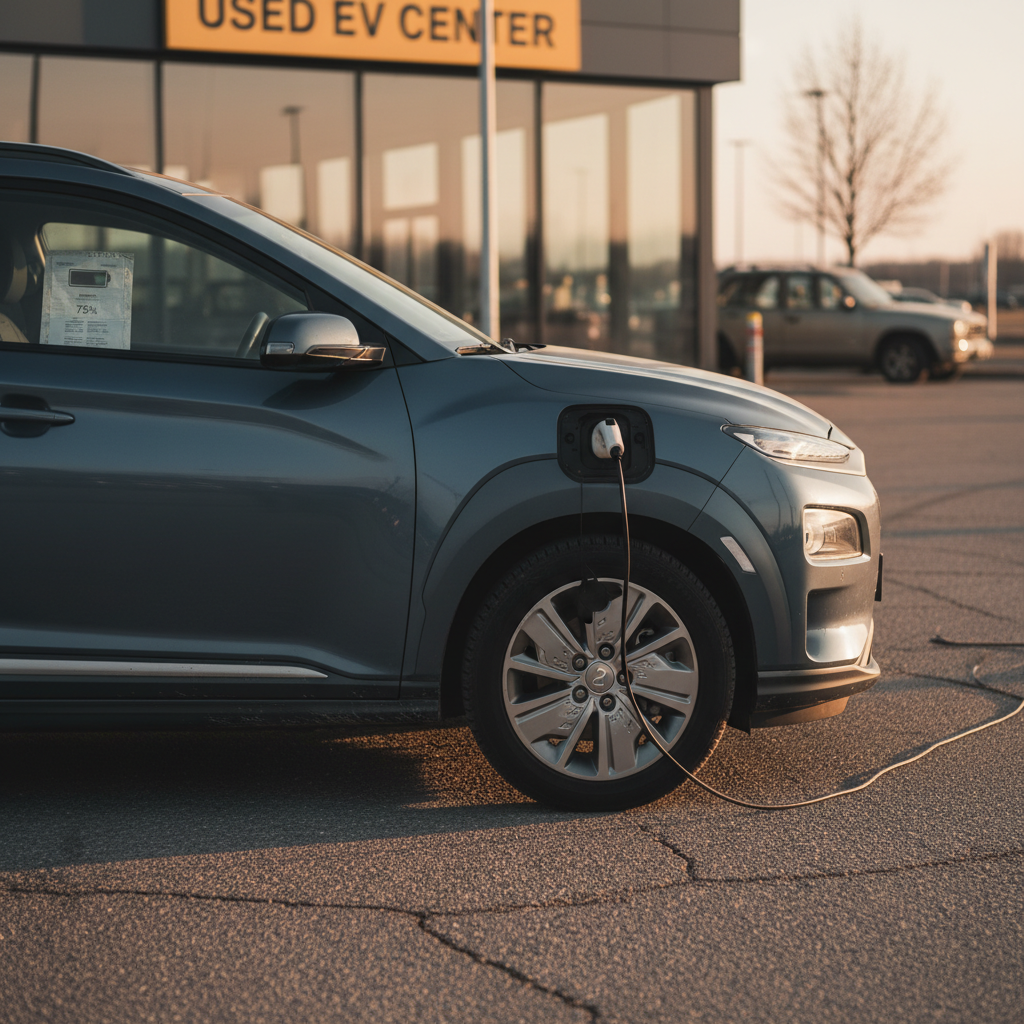
Shopping new is easy: you order the spec sheet you want. Shopping used in a cold climate takes more detective work. The same model can be a winter hero or a headache depending on battery health, options, and how it was driven and charged by previous owners.
Checklist: buying a winter‑ready used EV
Confirm it has a heat pump
Ask directly and verify. On some popular EVs, especially earlier model years, the heat pump was optional or trim‑dependent. Without it, you’ll spend more range just staying warm.
Check real battery health, not just the dash gauge
The in‑car range estimate can be optimistic. A proper diagnostic, like the <strong>Recharged Score battery health report</strong> on every vehicle sold through Recharged, gives you an objective view of remaining capacity before you ever sign paperwork.
Look for winter‑friendly trims and options
Seek dual‑motor AWD if you regularly drive in snow, and prioritize cars with heated seats, heated steering wheel, and, ideally, heated windshield or wiper park areas. These comfort features actually let you turn the cabin temp down and save range.
Favor cars from similar or milder climates
An EV that has spent its life in an extremely hot region may show more battery degradation than one from a temperate climate. When possible, choose cars with service and registration histories in climates similar to where you’ll drive now.
Review DC fast‑charging history
Frequent high‑power DC fast‑charging isn’t fatal, but it does stress the pack. Ask for service records or a third‑party report that summarizes fast‑charge usage so you’re not guessing.
Test it on a cold day, if you can
Nothing replaces a real test drive. On a chilly morning, note how quickly the cabin warms, whether windows fog, how the traction systems behave on slick patches, and whether the car allows pre‑conditioning from the app.
How Recharged simplifies cold‑climate EV shopping
Ready to find your next EV?
Browse VehiclesWinter ownership tips to protect range and battery
1. Pre‑heat while plugged in
Use scheduled departure or your phone app to warm the cabin and, when supported, the battery before you unplug. That way the grid, not your battery, pays most of the heating bill, and you roll out with a toasty pack that charges and accelerates more efficiently.
2. Use seat and wheel heaters first
Heated seats and steering wheels sip energy compared with cranking the cabin heater. You can run a slightly cooler cabin temperature while staying just as comfortable, which adds a surprising amount of real‑world winter range.
3. Slow down and plan your stops
Cold air is dense, and drag rises with the square of speed. Dropping from 75 mph to 65 mph can claw back double‑digit percentage points of range in winter. Combine that with planned fast‑charge stops at stations that your car can pre‑condition for.
- Park in a garage or at least out of the wind when possible; even a few degrees helps.
- Brush snow off the roof and hood, not just windows; extra weight and disrupted aero both cost energy.
- Avoid running the battery down to nearly zero in sub‑zero weather, leave a buffer so the pack can manage its own temperature.
- If you can choose between multiple DC fast chargers, favor the fastest units your car supports, but only after the battery has had time to warm up.
Don’t fear some winter degradation
FAQ: best EV for cold weather 2026
Common questions about winter EVs in 2026
Bottom line: choosing the right winter EV
The best EV for cold weather in 2026 is the one that matches **your actual winter reality**. Highway warriors in northern states may gravitate toward big‑battery sedans and crossovers that stay composed when the mercury bottoms out. Urban and suburban drivers might be better served by efficient compact SUVs with heat pumps, good tires, and honest, predictable winter behavior rather than eye‑popping range figures.
If you’re shopping new, prioritize a heat pump, battery pre‑conditioning, and the right drivetrain and tire package for your climate. If you’re shopping used, the homework is more intricate, but you don’t have to do it alone. Recharged was built to make EV ownership simple and transparent: every used EV comes with a Recharged Score Report for verified battery health and expert guidance on what its winter range will really look like where you live. Get those fundamentals right, and winter stops being a reason to avoid an EV, and starts being the season when you’re quietly glad you made the switch.