Ask three EV owners what the **best EV driver assistance system in 2025** is and you’ll get three different answers, usually said with religious fervor. One swears by Super Cruise, another lives for BlueCruise, and a third insists Tesla Autopilot is the only real game in town. The truth is less romantic: today’s systems are impressive, flawed, and wildly different in how much they help, or distract, you.
Quick definition: ADAS vs. “self-driving”
Why EV driver assistance matters in 2025
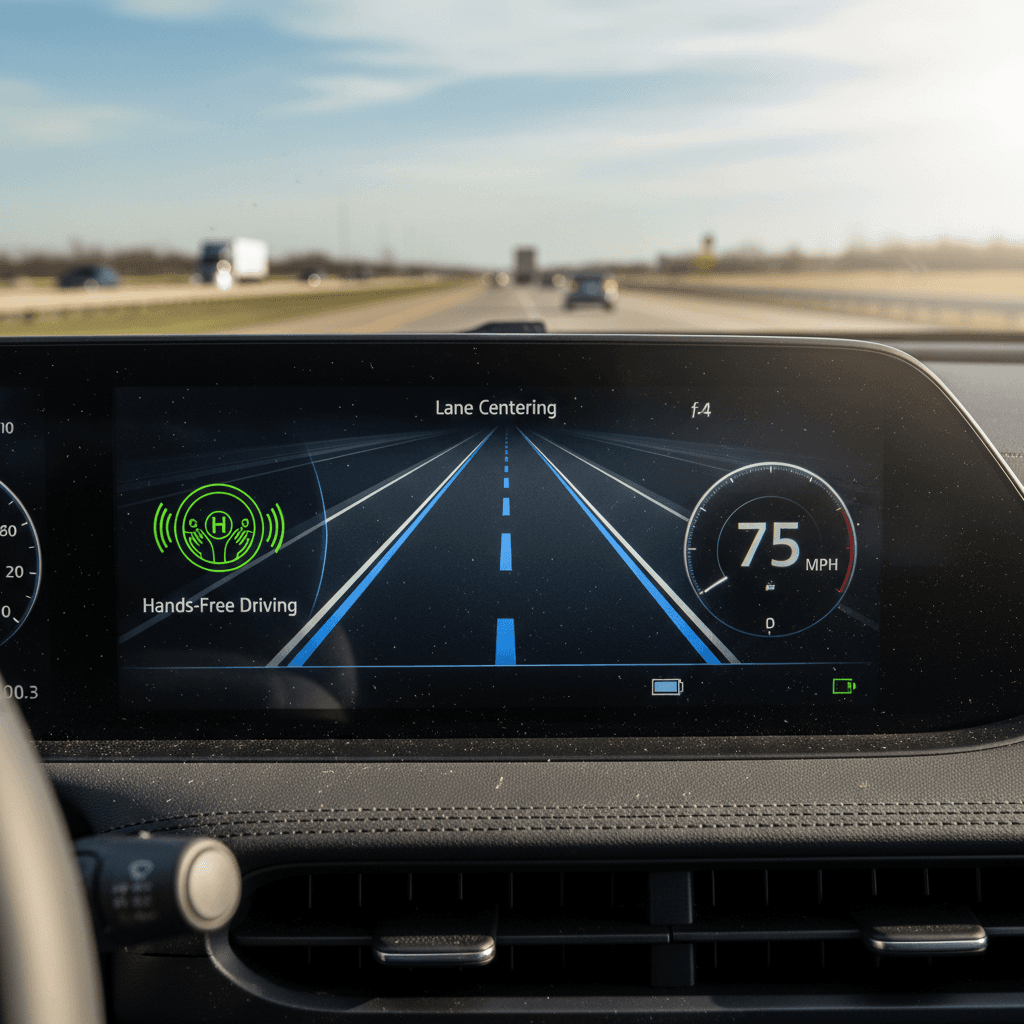
If you spend serious time on highways, modern EV driver assistance can feel like discovering cruise control all over again. Systems that handle lane centering, follow distance, and even hands‑free driving on mapped roads dramatically reduce fatigue. For commuters crawling through traffic, or families knocking out 500‑mile road trips in a day, a good system is the difference between arriving relaxed and arriving wrung out.
- EVs are software‑defined cars, so driver assistance features evolve quickly via over‑the‑air updates.
- Many 2025 systems now support **hands‑free driving** in specific zones, not just lane‑keep and adaptive cruise.
- Safety organizations like IIHS and Euro NCAP are finally grading how *well* these systems keep you involved, not just how flashy they are.
- On the used market, advanced driver assistance can be a key differentiator between two similar EVs.
The paradox of comfort
What actually makes an EV driver assistance system “the best”?
Ranking the **best EV driver assistance systems 2025** isn’t just about which one feels nicest when it’s working. The serious testers, Consumer Reports, IIHS, Euro NCAP, judge them on how they behave in the gray areas: bad weather, confusing lane lines, bored drivers, inattentive owners, and the marketing hype that led them there.
How experts judge assisted driving systems
It’s not just lane centering and a catchy brand name.
1. Capability & smoothness
How well does the system hold lane, modulate speed, and manage cut‑ins and curves? Does it feel human, or like a nervous student driver?
2. Driver monitoring
Does it track your **eyes and head**, or just look for steering wheel torque? Good systems know if you’re actually watching the road.
3. Safeguards & honesty
Can it safely pull over if you stop responding? Are the name and interface clear that this is **assistance, not autonomy**?
Why safeguards matter more than bragging rights
How to read marketing names
Top EV driver assistance systems for 2025
With that in mind, here’s how the **best EV driver assistance systems in 2025** generally stack up, focusing on electric models you can actually buy (or shop used) in North America and Europe. This isn’t an exhaustive list of every brand, but a look at the systems that are genuinely moving the conversation.
Rivian Universal Hands-Free: biggest coverage, big ambitions
Rivian’s new **Universal Hands‑Free** system is the fresh disruptor in 2025. The headline number is audacious: coverage on roughly **3.5 million miles of roads** across the U.S. and Canada, including not just interstates, but suburban arterials and other well‑marked roads. That’s a vastly larger operating domain than most rivals and it’s rolling out to Rivian’s second‑generation R1S, R1T and smaller R2‑family vehicles via software.
Rivian Universal Hands-Free at a glance
Why almost every reviewer is suddenly paying attention.
Where it works
- Mapped **3.5M+ miles** of U.S. and Canadian roads, not just limited‑access highways.
- Handles hands‑free lane centering, speed, and lane changes in marked areas.
- Behavior refinements in recent updates: smoother lane changes, more natural braking, better gap selection.
How it feels
- Driving style skews confident but not reckless, less ping‑ponging within the lane than early systems.
- Driver‑monitoring camera insists your eyes stay on the road; look away too long and it nags, then disengages.
- Sold as a **software unlock** (one‑time fee or subscription), so used‑market Rivians may or may not have it active.
Best for tech‑forward road‑trippers
GM Super Cruise: benchmark for polished highway hands-free
GM’s **Super Cruise** has spent years as the segment’s North Star: rock‑steady lane control, crisp lane changes, and a very grown‑up human‑machine interface. For 2025, it remains one of the most respected systems, with coverage on roughly **750,000 miles** of mapped divided highways in North America and availability on EVs like the Chevy Equinox EV and Cadillac Lyriq.
Where Super Cruise shines
- Excellent **hands‑free lane centering** with minimal wobble.
- LiDAR‑mapped highways mean the car knows what’s coming, curves, hills, interchanges.
- Steering‑wheel light bar makes system status obvious: green, blue, or red, even in your peripheral vision.
Where it trails Rivian
- Domain is limited to mapped divided highways; it does not wander into everyday city streets.
- Hands‑free use is constrained by map coverage, lane markings, and weather conditions.
- IIHS currently rates its safeguards as **“marginal”** overall, mainly because it could do more to keep the driver actively engaged.
Consumer value note
Ford BlueCruise: mainstream hands-free you can actually afford
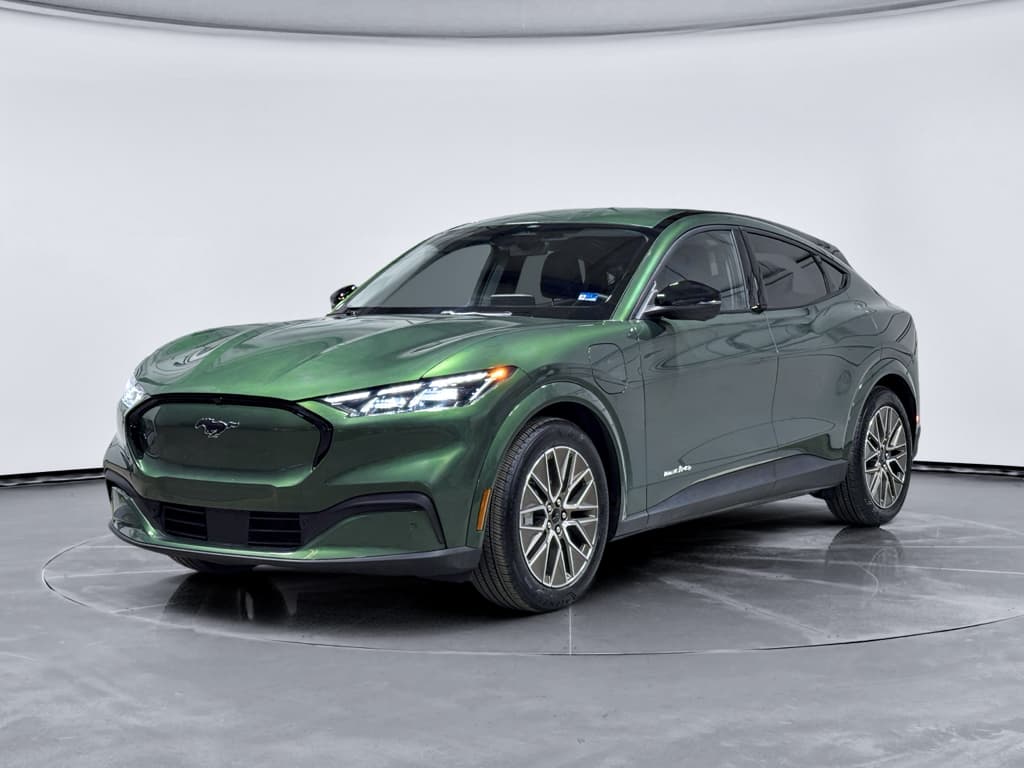
Ford’s **BlueCruise** is the egalitarian of the group: slightly less fancy than Super Cruise on paper, but rapidly spreading across bread‑and‑butter models like the Mustang Mach‑E, F‑150, and F‑150 Lightning. Consumer Reports has consistently ranked BlueCruise at or near the top of its active‑driving‑assistance tests, and Ford continues to iterate with versions like **BlueCruise 1.3 and 1.4**, improving lane‑keeping, curve behavior, and performance in poor visibility.
BlueCruise in 2025: strengths and limits
The people’s hands‑free system.
Why drivers like it
- Hands‑free operation on tens of thousands of miles of mapped **"Blue Zones"** divided highways.
- More natural steering and speed control with each over‑the‑air update.
- Often available as a subscription on vehicles already on the road, which matters for **used buyers**.
What to watch for
- Coverage is more limited than Rivian or GM; think major highways, not every secondary road.
- IIHS currently scores its safeguards as **poor** overall, mainly for relying heavily on wheel torque rather than deeper driver‑monitoring.
- Feature set and performance depend heavily on software version, 1.4 behaves noticeably better than early releases.
Tesla Autopilot & FSD: powerful, polarizing, and pricey
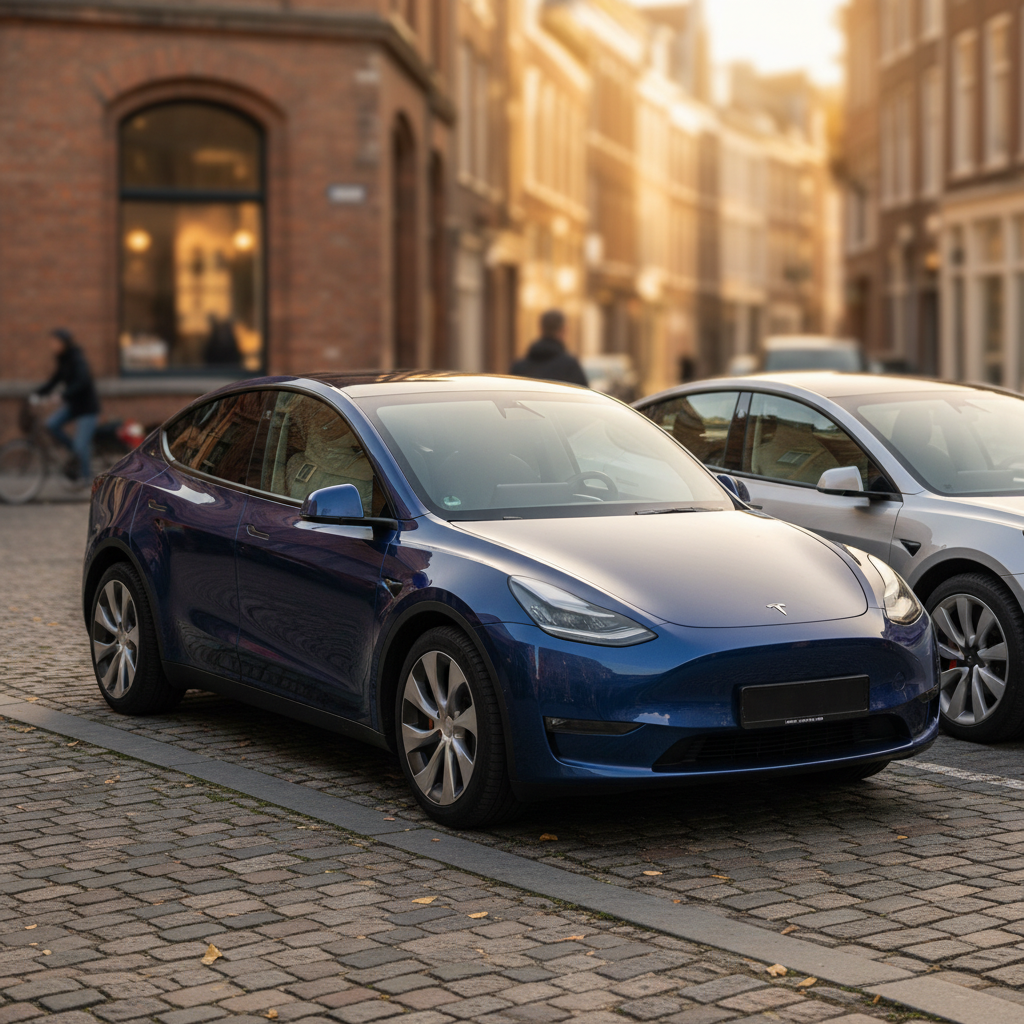
Tesla’s **Autopilot** and the pricier **Full Self‑Driving (FSD)** option remain the most famous and controversial systems on the road. On paper, the tech is formidable: billions of driven miles informing the neural nets, rapid over‑the‑air updates, and the ability to navigate city streets, make unprotected turns, and respond to complex traffic. On the ground, results vary wildly by region, software build, and your tolerance for occasional robot weirdness.
Why people love it
- High capability envelope: from highway lane‑keeping to city‑street navigation in supported markets.
- Constant software updates can dramatically improve performance overnight.
- Works on a very wide range of roads, not just pre‑mapped highways.
Why safety groups are skeptical
- IIHS rates Tesla’s partial‑automation safeguards as **poor** for both Autopilot and FSD on current‑generation cars.
- Euro NCAP criticizes Autopilot’s branding: the name and marketing suggest autonomy that the hardware simply does not deliver.
- System will happily operate in many conditions where driver expectations and system limits don’t match, creating false confidence.
About that name…
Kia EV3, Renault 5, Toyota bZ4X: Euro NCAP’s assisted-driving darlings
In 2025 Euro NCAP started grading how well manufacturers implement assisted driving, not just whether they have it. Surprise: the best‑balanced systems weren’t the flashiest brands, but cars like the **Kia EV3**, **Renault 5**, and **Toyota bZ4X**. All earned a top‑tier “Very Good” rating for assisted driving, praised for how clearly they communicate, how well they monitor the driver, and how gracefully they hand control back.
What Euro NCAP liked about these systems
Less swagger, more partnership.
Clear communication
Instrument cluster and HUD explain what the car is doing, when it can help, and when it can’t, without burying you in hieroglyphics.
Engaged driver
Eye‑ and head‑tracking cameras ensure you’re actually watching the road; warnings ramp up sensibly before the system bows out.
Safety backup
If you ignore repeated alerts, the system slows down and can bring the car to a safe stop, rather than soldiering on blindly.
Other notable systems
- **Nissan ProPILOT Assist / ProPILOT 2.0** – More conventional lane‑centering and adaptive cruise on EVs like the Ariya. Solid and approachable, with newer “2.0” versions adding limited hands‑off capability in some markets.
- **Hyundai / Kia / Genesis Highway Driving Assist 2 (HDA2)** – Widely available on Korean EVs, combining lane‑centering, adaptive cruise, and lane‑change assist. Often scores well in Consumer Reports testing for ease of use.
- **Volvo Pilot Assist (and LiDAR‑equipped variants)** – Traditionally conservative tuning with an emphasis on collision avoidance. Recent LiDAR‑supported versions add earlier warning and more confidence‑inspiring interventions, especially in cluttered traffic.
Safety first: what IIHS and Euro NCAP are worried about
For years, the industry talked about how well cars could drive themselves. In 2024–2025, the safety conversation flipped: **how well do these systems keep you from forgetting that you’re still the driver?** Organizations like IIHS and Euro NCAP now test not just lane‑keeping, but also boredom, confusion, and marketing spin.
Key safeguard features in partial automation
If a system skimps on these, it’s not truly “best,” no matter how impressive the demo.
| Safeguard | Why it matters | What good looks like |
|---|---|---|
| Driver monitoring | Prevents you from zoning out or using the system irresponsibly. | Tracks **eyes and head**, not just steering‑wheel torque; warns early and escalates reasonably. |
| Clear limits | Avoids overconfidence and misuse. | UI and owner’s manual spell out where you can use it and what it can’t handle (construction zones, bad weather). |
| Graceful failure | What happens when the system reaches its limits. | Instead of snapping off, it slows, warns loudly, and can come to a safe stop if you don’t respond. |
| Speed & feature constraints | Keeps the car from doing too much, too fast. | Won’t allow hands‑free use above sensible speeds or with other safety features disabled. |
| Brand & marketing honesty | Prevents drivers from assuming it’s “self‑driving.” | Names and advertising that emphasize **assistance**, not autonomy, and match real capabilities. |
Use this as a mental checklist when you try an EV’s driver assistance on a test drive.
Don’t confuse comfort with safety
Shopping checklist: choosing the right driver assistance for your EV
Practical checklist for evaluating driver assistance
1. Start with your real driving
List your typical week: highway commuting, school runs, city traffic, rural night drives. A system like Rivian’s shines if you’re often on varied roads, while Super Cruise thrives on long interstate slogs.
2. Research independent scores
Look at **IIHS safeguard ratings**, **Euro NCAP Assisted Driving** grades, and **Consumer Reports** active‑driving rankings. Treat those as a sanity check against brand hype.
3. Confirm where it works
Ask the dealer, or the seller, if you’re buying used, to pull up the coverage map in the app or infotainment. Hands‑free zones may be nonexistent on your daily route.
4. Test the driver monitoring
On a test drive, use the system correctly, then briefly look away or glance at the passenger. See how quickly it warns you and what happens if you ignore it.
5. Check software version and subscriptions
Many systems are **software‑gated**. BlueCruise, Rivian Universal Hands‑Free, and Tesla FSD can be turned on or off via subscription or one‑time payments. Verify what’s actually active on the car you’re considering.
6. Understand the fine print
Read the driver assistance section of the manual (or an online PDF) before you sign anything. If the language sounds like a legal disclaimer written in fear, that’s because it is, take it seriously.
Pro move: bring a second person
Driver assistance in used EVs: what actually matters
On the used market, driver assistance tech can be a **quiet value multiplier**, or an expensive line item you don’t really need. Because software has matured, a well‑optioned 2‑ or 3‑year‑old EV can now drive better than it did when new, thanks to updates. That’s great news if you buy used, but only if you know what’s really enabled on the car.
Questions to ask when buying a used EV
- Which driver assistance packages were originally optioned, base, mid, or full hands‑free?
- Is the fancy stuff (BlueCruise, FSD, Universal Hands‑Free) **currently active**, or did the previous owner cancel the subscription?
- What software version is the car on, and are over‑the‑air updates still supported?
How Recharged helps
When you shop a used EV through Recharged, every car comes with a Recharged Score Report. Alongside verified battery health and fair‑market pricing, our EV specialists walk you through the car’s software, including major driver‑assistance features, what’s active now, and what can be activated later. That’s especially useful with subscription‑based systems.
Why this matters more than trim badges
Future trends: what’s coming after 2025
If 2025 is the year hands‑free systems went mainstream, 2026–2030 will be the years regulators and insurers start grading them like crash tests. Expect more IIHS‑style safeguard ratings, stricter rules for driver‑monitoring, and perhaps some gentle side‑eye at brands whose marketing gets ahead of their engineering.
Where EV driver assistance is heading
Spoiler: more boring safety, less sci‑fi sizzle.
Regulated honesty
Expect clearer rules around naming (“Autopilot” may not cut it) and required disclaimers, especially for hands‑free use.
Better driver monitoring
Eye‑tracking, attention scoring, even personalized alerts will become standard, not just on luxury EVs.
Cloud‑based brains
Systems will lean even more on shared data, crowdsourced maps, hazard reports, and fleet‑learned edge cases.
FAQ: EV driver assistance systems in 2025
Frequently asked questions about 2025 EV driver assistance
Bottom line: don’t buy the logo, buy the behavior
The **best EV driver assistance systems of 2025** share a common trait: they’re more interested in keeping you honest than showing off. Rivian’s Universal Hands‑Free, GM Super Cruise, Ford BlueCruise, and the Euro‑approved setups on Kia, Renault, and Toyota might disagree on branding, but they all push toward the same goal, less stress when you drive, without pretending the car is something it’s not.
When you’re shopping, especially in the used EV market, treat driver assistance as one chapter in the story, not the whole book. Look at **battery health, charging speed, safety ratings, and software support** alongside whatever glowing ring of light circles the steering wheel. If you want help decoding all of that, Recharged’s EV specialists and **Recharged Score Reports** exist for exactly this reason: to separate real capability from clever marketing, so you end up with an EV that makes every mile easier, not just the first demo drive.