Hunting for the best EV car lease deals in late 2025 is a very different exercise than it was even six months ago. Federal tax-credit rules have changed, automakers are throwing around big incentive dollars, and monthly payments on the same electric car can swing by hundreds of dollars depending on how the deal is structured.
Context: what’s changed in 2025
Why EV lease deals look different in late 2025
1. Tax credits changed the math
For several years, leasing was a backdoor way to access the $7,500 commercial EV credit, even on models that didn’t qualify for the retail credit. In 2025 that commercial credit has effectively ended for many situations, but some automakers are using their finance arms to temporarily replicate the benefit on in‑stock inventory.
2. Automakers are using incentives instead
To keep payments palatable and clear out 2025 inventory, brands like Hyundai, Kia, Ford and others are stacking lease cash, bonus cash and subsidized APR. On paper the MSRP hasn’t moved much, but the effective cost to you can be dramatically lower than the sticker suggests, especially on leases with short 24‑month terms.
EV leasing snapshot, late 2025
Don’t just chase the lowest monthly
Headline new EV lease deals to know about
OEM programs change monthly and can be highly regional, but a few advertised offers in November 2025 illustrate what the best electric car lease deals look like right now. These aren’t offers from Recharged, we focus on used EVs, but they’re useful benchmarks when you’re shopping.
Sample advertised EV car lease deals – November 2025
Representative national or regional offers current around November 2025. Your local pricing, credit approval and inventory will affect what you actually qualify for.
| Model (Trim) | Headline payment | Term / miles | Due at signing | Effective monthly* | Notes |
|---|---|---|---|---|---|
| 2025 Ford Mustang Mach-E Select RWD | $219/mo | 24 mo / 10.5k | $4,499 | ≈$406 | Includes substantial lease cash; some regions include home charger or bonus cash options. |
| 2025 Kia Niro EV Wind | $209/mo | 24 mo / 10k | $3,999 | ≈$375 | Mainstream crossover EV; some offers pair with 0% APR purchase financing instead of lease cash. |
| 2025 Kia EV6 Light LR RWD | $309/mo | 24 mo / 10k | $3,999 | ≈$475 | Often stacked with large bonus cash; good range and charging speed for the money. |
| 2025 Hyundai Ioniq 6 SE | $229/mo | 24 mo / 10k | $3,999 | ≈$392 | Sedan with strong efficiency; many programs also advertise 0% APR if you prefer to buy. |
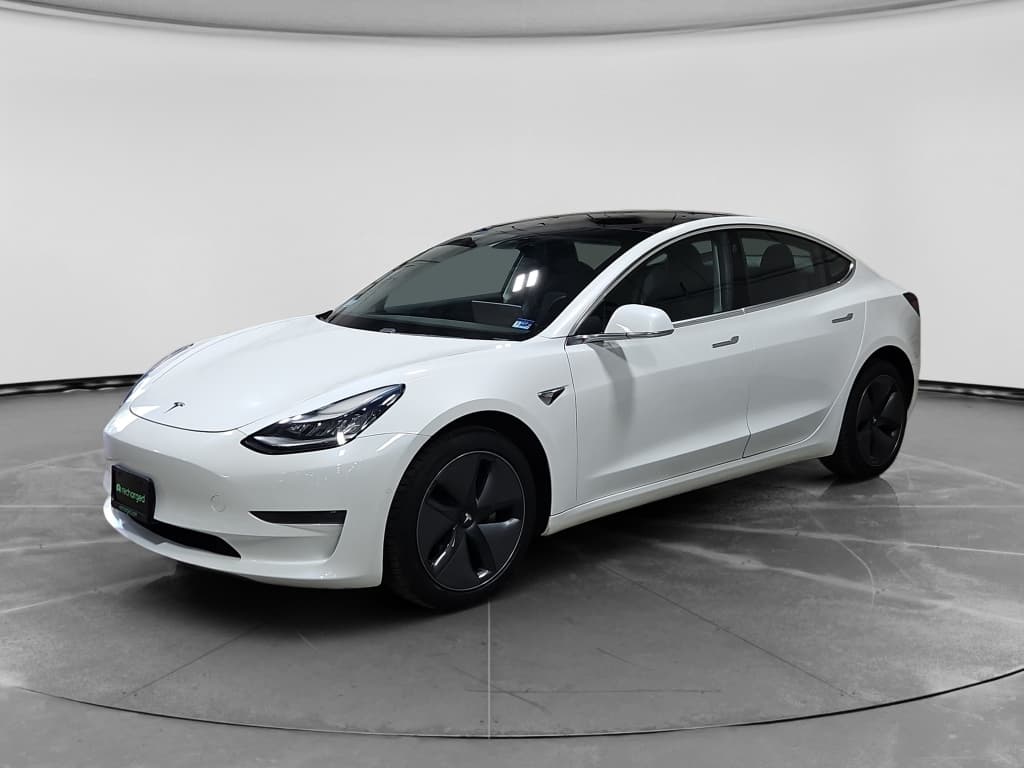
| 2026 Tesla Model 3 RWD | $329/mo | 24 mo / 10k | $3,000 | ≈$454 | Tesla has raised lease prices since fall; effective cost remains competitive given Supercharger access. |
Use these as rough benchmarks, not guarantees, always verify current programs with a local dealer.
How to read “effective monthly cost”
How to compare EV lease deals the right way
Six numbers that make or break an EV lease
Use these to quickly separate strong EV lease deals from forgettable ones.
1. Effective monthly cost
Ignore the billboard and do the math:
- Add upfront costs (including taxes and dealer fees) to total monthly payments.
- Divide by the number of months.
That final number is your real cost per month.
2. Mileage allowance
Most EV leases sit at 10,000–12,000 miles per year. If you drive more, either negotiate extra miles upfront or budget for over‑mileage penalties that can run $0.20–$0.30 per mile.
3. Money factor / APR
Ask the dealer for the money factor (lease interest rate). Multiply by 2,400 for an approximate APR. If that number looks high given your credit, you may be able to negotiate or seek alternative financing.
4. Residual value
This is the bank’s prediction of what the EV will be worth at lease end. A higher residual lowers your payment but may make a buyout less attractive. A lower residual increases the payment but can make buying the car at the end a bargain.
5. Wear‑and‑tear terms
EVs tend to have fewer mechanical issues, but cosmetic standards can be strict. Read how the lessor defines "excess" wear, tire depth requirements and what counts as chargeable damage.
6. Fees and add‑ons
Acquisition fees, doc fees, dealer add‑ons and marked‑up money factors can quietly erase thousands of dollars in value. Ask for a clean worksheet and be ready to say no to extras you don’t need.
Pro tip: shop payment, not price
Best EV car lease deals by driver type
Match an EV lease deal to how you drive
Payment‑driven shoppers (lowest monthly)
Look at compact mainstream EVs like <strong>Kia Niro EV</strong> or <strong>Hyundai Ioniq 6</strong> that frequently advertise sub‑$250 payments with about $4,000 due at signing.
Focus on 24‑month terms where OEMs sometimes stack the most lease cash.
Be flexible on color and options; the best programs usually target specific trims and in‑stock VINs.
Tech‑oriented early adopters
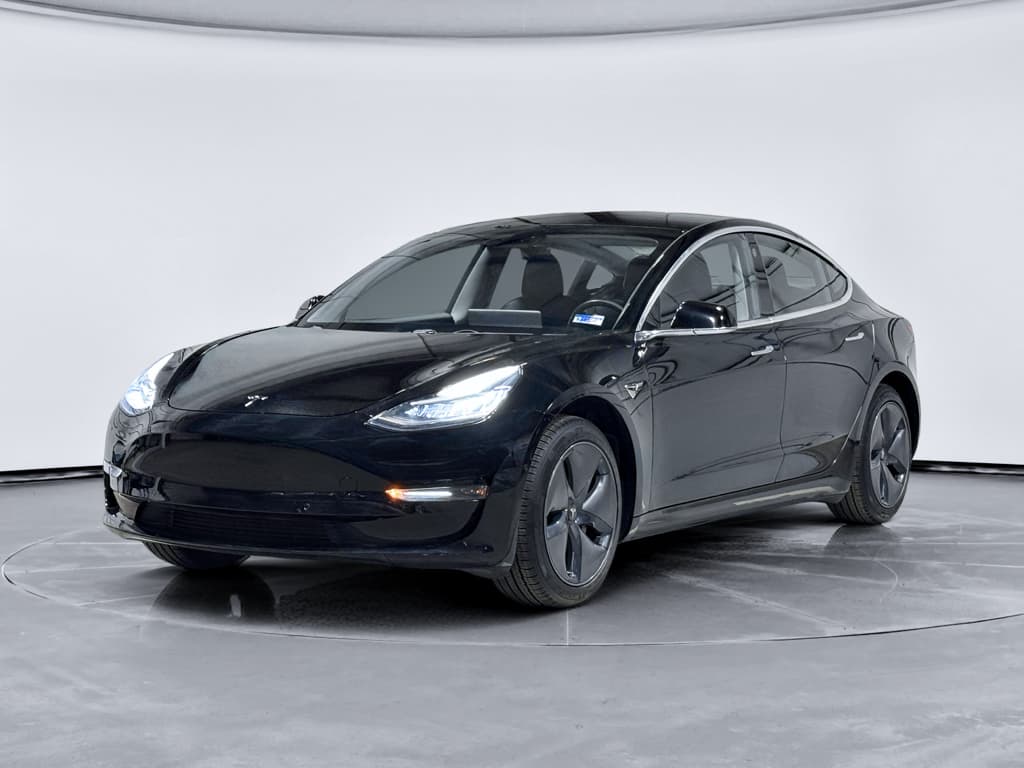
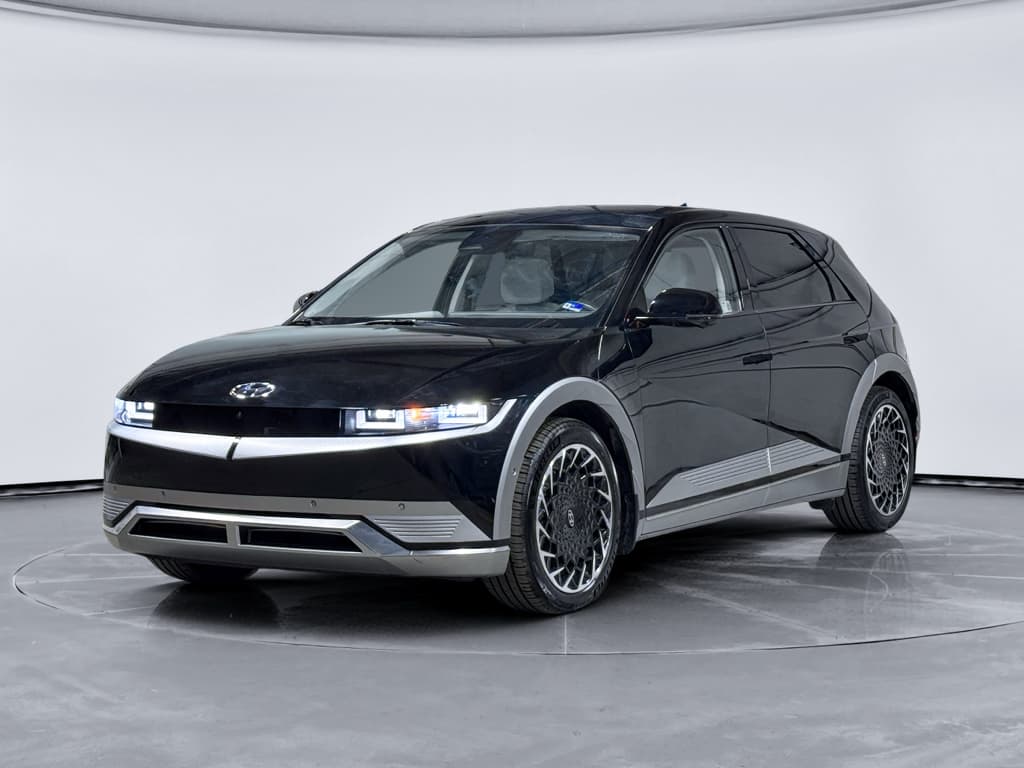
Consider higher‑content models like <strong>Hyundai Ioniq 5</strong>, <strong>Kia EV6</strong>, or a <strong>Tesla Model 3</strong>, payments will be higher but so will range and charging speed.
Leasing keeps you flexible as charging standards (like NACS) and software features evolve.
Watch for loyalty and conquest cash if you’re moving from another brand.
High‑mileage commuters
A low‑payment 10,000‑mile lease can backfire if you drive 15,000+ miles a year.
Either negotiate a higher mileage allowance upfront or compare a <strong>used EV purchase</strong>, where you’re not paying per‑mile penalties.
Models with excellent efficiency (Ioniq 6, some Tesla trims) can keep your energy costs down as you pile on miles.
Growing families
Three‑row or larger EV SUVs, such as Kia EV9 or upcoming GM electric crossovers, carry higher MSRPs and lease payments.
You may find more value in a <strong>plug‑in hybrid</strong> lease if you need flexibility on long trips.
Alternatively, a roomy used EV crossover purchased at today’s softened prices can be cheaper over 5–7 years than leasing new every 2–3 years.

When a used EV might be smarter than leasing new
New‑car lease ads grab attention, but with EV prices softening and tax credits shifting, buying a used EV can be the better money move, especially if you plan to keep the car longer than three years.
Advantages of leasing a new EV
- Access the latest battery tech, software and charging standards.
- Shift long‑term battery and resale risk to the lender.
- Often enjoy lower payments than a comparable new‑car loan, thanks to factory support.
- Easy turn‑in at the end, no private sale or trade‑in hassle.
Advantages of buying a used EV
- Today’s used EV prices often sit well below their original MSRPs, especially for 2–4‑year‑old models.
- No mileage penalties, drive as much as you want.
- You can refinance, sell, or trade when it suits you, instead of being locked into a lease term.
- On platforms like Recharged, every car comes with transparent battery‑health data via the Recharged Score, which helps you compare long‑term value, not just monthly payment.
Where Recharged can help
How Recharged fits into your EV leasing decision
Recharged doesn’t write leases on new cars. Instead, it exists to make used EV ownership as simple and transparent as possible, so you can decide whether the best EV car lease deals you’re seeing really beat the economics of a pre‑owned electric vehicle.
Ways to compare a lease against a used EV from Recharged
If you’re on the fence, line up the two offers side‑by‑side.
Battery health vs. lease term
Every vehicle on Recharged comes with a Recharged Score and battery‑health diagnostics. You can line up projected range loss over time against a 24‑ or 36‑month lease term and decide which risk profile you prefer.
Total 3–5 year cost
Take the effective cost of a lease over 3 years and compare it to a 3–5 year ownership horizon on a used EV from Recharged (including financing, insurance and charging). You might be surprised how often the used EV wins on total cost.
Trade‑in and instant offer options
Already driving a car? Recharged can give you an instant offer or consignment option, and in many cases arrange nationwide delivery of your next EV. That simplifies the move from gas to electric, lease or no lease.
Expert EV guidance
Recharged EV specialists can walk you through range needs, charging at home vs. public networks, and what to look for in a used battery pack. That way, you’re not just comparing monthly payments, you’re choosing the right car and ownership model.
Ready to find your next EV?
Browse VehiclesChecklist before you sign any EV lease
Pre‑signing checklist for EV leases
1. Calculate your real monthly cost
Add up total payments, upfront cash, taxes and expected fees, then divide by the number of months. If that number makes you flinch, keep shopping.
2. Confirm mileage fits your life
Compare the lease’s annual mileage allowance with your actual driving over the last year. If you’re consistently over, price out extra miles or consider buying used instead.
3. Ask who keeps the tax benefit
If the dealer is touting a $7,500 incentive, clarify whether it’s baked into the discount or simply padding their margin. Get the numbers in writing.
4. Read battery and warranty language
Know exactly what happens if the pack has an issue, how long the factory battery warranty runs, and what’s considered normal degradation vs. a defect.
5. Inspect for software and charging limitations
Some EVs have paid software unlocks, charging‑speed restrictions or plan‑specific perks. Make sure you understand what’s included in the lease and what costs extra.
6. Compare with a used EV scenario
Before you sign, pull up a comparable used EV on Recharged and run the numbers on a 3–5‑year ownership plan. If the used‑EV math looks better, it’s worth a serious look.
FAQ: Best EV car lease deals
Frequently asked questions about EV lease deals
Bottom line on the best EV car lease deals
The best EV car lease deals in 2025 aren’t just the ones with the lowest headline payment. They’re the leases that pair a fair effective monthly cost with enough miles, honest fees and a vehicle that actually fits the way you drive. With federal incentives changing and automakers leaning harder on lease cash and bonus programs, doing a bit of homework can be worth thousands of dollars over a three‑year term.
Before you sign anything, put that lease next to a used EV option with verified battery health. A transparent marketplace like Recharged, backed by a Recharged Score report, expert EV support, financing and nationwide delivery, gives you a clean comparison. Once you can see total cost and ownership risk side‑by‑side, it becomes much easier to decide whether your next move should be a sharp new‑car EV lease or a smart pre‑owned electric that you’ll be happy to keep for years.