If you’re driving for Uber or Lyft in 2026, an electric car isn’t just a nice-to-have, it’s quickly becoming table stakes. Between rising fuel prices, Uber’s new EV bonuses, and city rules nudging ride‑hail fleets toward zero emissions, choosing the best electric car for Uber drivers in 2026 can make or break your earnings.
Why this year matters
Why EVs Make Sense for Uber Drivers in 2026
As a rideshare driver, you’re not a typical commuter. You live in your car, and every minute you’re offline is money you’re not making. EVs shine here because energy and maintenance costs scale down as your miles scale up. There’s no oil to change, no transmission to service, and regenerative braking dramatically slows brake wear. The catch is that not every EV is optimized for 8–10‑hour shifts, so you need to be picky.
What Makes an Electric Car Good for Uber or Lyft?
Before we name specific models, it’s worth defining what “best” actually means for an Uber or Lyft driver. A car that’s fun for weekend canyon carving often makes a terrible work tool. For rideshare, you’re looking for a very specific mix of efficiency, comfort, and low operating cost.
Key Criteria for an Uber‑Friendly EV
These matter more than 0–60 times or panoramic sunroofs.
Real‑World Range
Look for at least 230–250 miles of usable range in mixed driving, not just the headline EPA number. That gives you one full shift with only a brief fast‑charge top‑up, even with highway speeds and some HVAC use.
Fast, Repeatable Charging
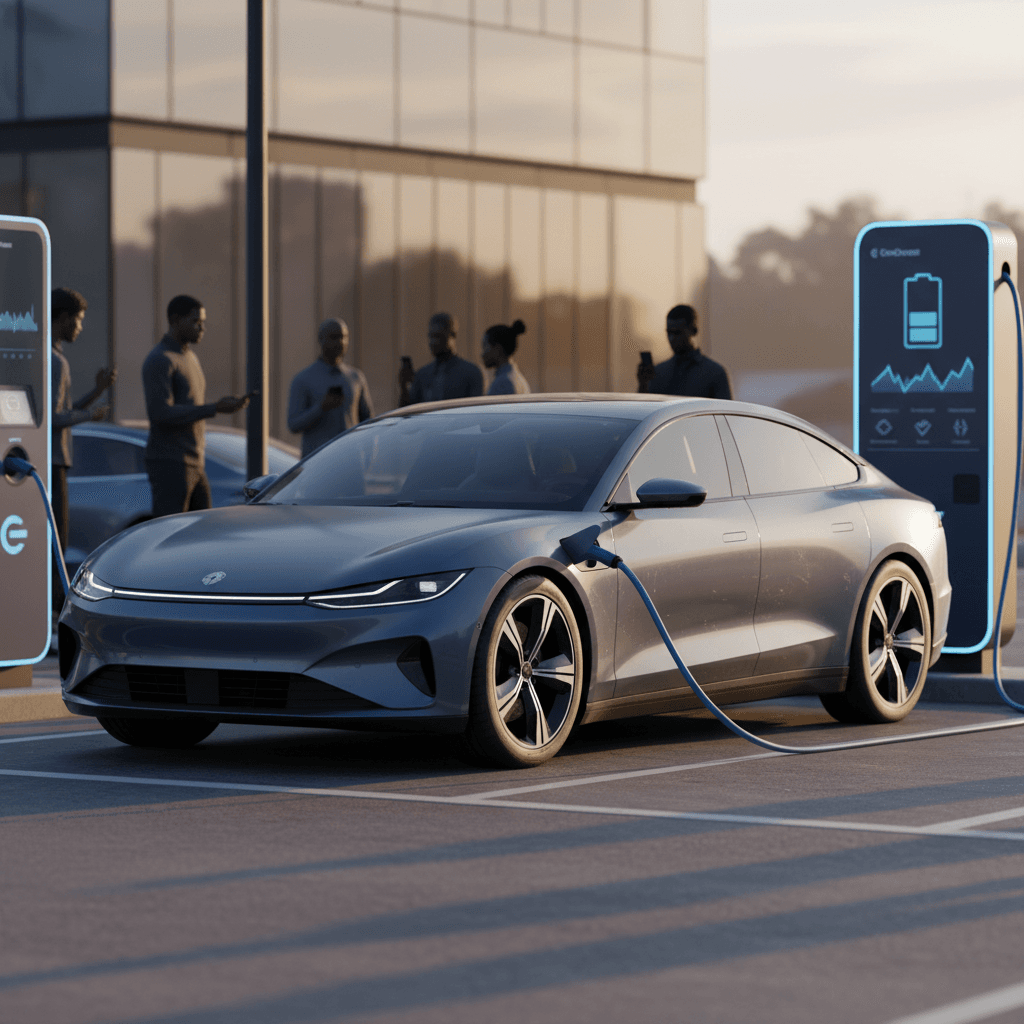
A good Uber EV can add 150+ miles in 20–30 minutes on DC fast charging and, more importantly, hold those speeds repeatedly without overheating or throttling.
Rear Comfort & Cargo
Passengers notice legroom, headroom, and trunk space for luggage or strollers. A flat rear floor, wide door openings, and a big hatch or trunk are everyday quality‑of‑life features for drivers.
Low Total Cost
Sticker price is just the start. Consider depreciation, insurance, tire costs, and anticipated battery health. Used EV pricing has reset lower since 2023, which is a huge opportunity.
Reliability & Warranty
Downtime kills earnings. Favor models with solid reliability records, long battery warranties, and easy access to service. For used cars, a verified battery health report is invaluable.
Driver Tech & Apps
Good phone integration, easy‑to‑use driver displays, and support for Apple CarPlay/Android Auto reduce stress when you’re juggling navigation, Uber/Lyft apps, and passenger messages.
Think like a fleet manager
Best Electric Cars for Uber Drivers in 2026
No single EV is perfect for every driver or market. Instead, think in tiers: efficient sedans for pure economics, roomier crossovers for comfort and luggage, and premium models that unlock Uber Comfort Electric rates. Below are the stand‑out choices that balance efficiency, passenger experience, and acquisition cost in 2026, with a bias toward used examples that offer the best ROI.
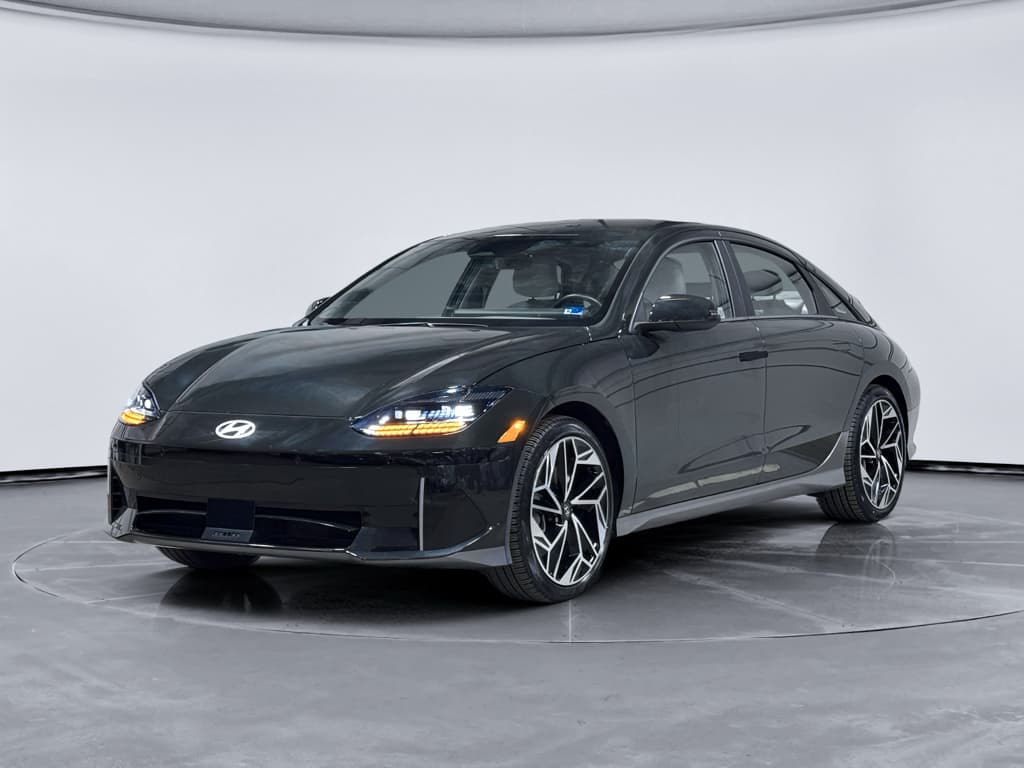
1. Hyundai Ioniq 6 – The Efficiency Champ for Full‑Time Drivers
If your priority is squeezing every cent of profit from long shifts, the Hyundai Ioniq 6 is hard to beat. The long‑range rear‑wheel‑drive model on 18‑inch wheels is EPA‑rated up to the mid‑300‑mile range, and independent tests have shown it matching or beating those numbers on the highway thanks to its slippery aerodynamics and efficient 800‑volt E‑GMP platform.
- Real‑world efficiency in the 3.5–4.0 mi/kWh range when driven reasonably, which keeps energy costs near the floor.
- 800‑volt architecture that supports very fast DC charging sessions, ideal for adding 150–200 miles over a short coffee break.
- Low, quiet ride and a comfortable back seat that doesn’t feel like an economy car, which helps with ratings on longer airport or Comfort‑eligible rides.
- Hyundai’s long battery warranty, plus relatively affordable used pricing compared with equivalent‑range Teslas.
Watch the wheel and trim choices
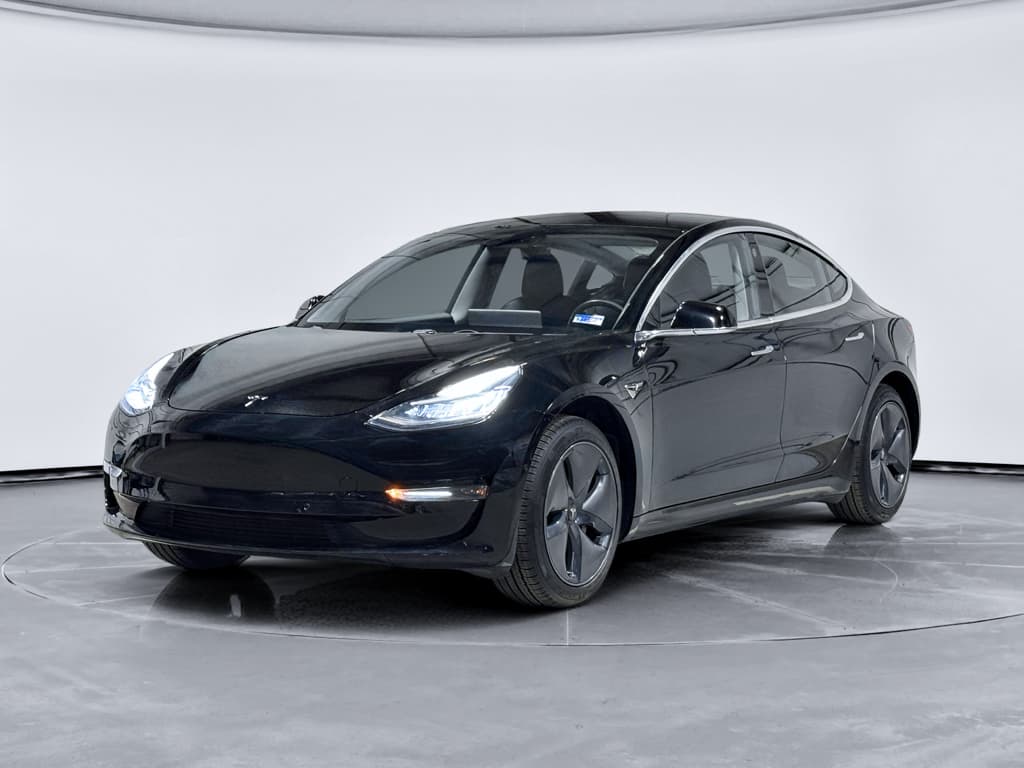
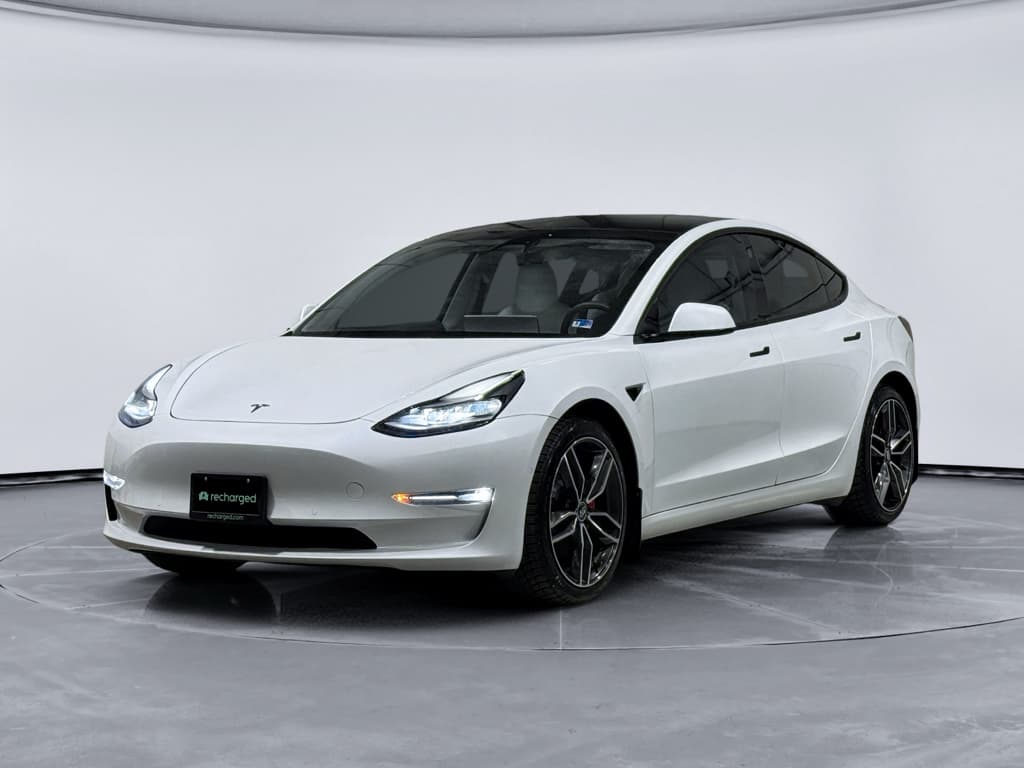
2. Tesla Model 3 (RWD & Long Range) – Network and Familiarity
The Tesla Model 3 remains a default choice for many Uber and Lyft drivers, and for good reason. Its combination of range, efficiency, and access to the Supercharger network makes it one of the easiest EVs to live with if you’re constantly on the move between suburbs, airports, and city centers.
- The Long Range variant comfortably supports 250–300 miles of real‑world mixed driving, enough for a long shift plus a short top‑up.
- Supercharger access drastically reduces the friction of public charging, especially in markets where non‑Tesla DC fast chargers are unreliable.
- Passengers are familiar with Teslas and often perceive them as premium, which can help with tips and ratings, especially on Uber Comfort Electric trips.
- Used Model 3 prices have fallen sharply since peak pandemic values, and many 2019–2022 cars now sit in a sweet spot of depreciation vs remaining battery warranty.
Mind the warranty and mileage
3. Chevrolet Bolt EV / Bolt EUV – Budget Workhorses
If you’re budget‑constrained but still want to go electric, the Chevrolet Bolt EV and Bolt EUV are some of the best values on the used market. They’re not glamorous, but they are efficient, cheap to run, and surprisingly roomy for city and suburban rides.
- Typical real‑world range around 220–250 miles for later‑model Bolts, which is enough for most part‑time shifts or split‑shift strategies.
- Simple, upright cabin with good visibility, plus decent rear legroom in the EUV for airport and luggage runs.
- One of the lowest total cost‑of‑ownership profiles in the EV space today, thanks to aggressive used pricing and relatively cheap parts.
- Newer packs (post‑recall) come with fresh battery warranties, which helps de‑risk high‑mileage work.
Where the Bolt fits best
4. Kia Niro EV & Hyundai Ioniq 5 – Compact Crossovers for Comfort
If your riders routinely bring big suitcases or you frequently run to the airport, a compact crossover like the Kia Niro EV or Hyundai Ioniq 5 can strike the right balance between space and efficiency. They cost more than a Bolt, but the passenger experience and cargo flexibility can be worth it, especially if you’re aiming for Comfort tiers.
- Upright seating position and higher roofline make it easier for passengers to get in and out, which matters for older riders or late‑night trips.
- Hatchback cargo area swallows large suitcases, strollers, and delivery bags in a way sedans simply can’t match.
- Ioniq 5 uses the same fast‑charging E‑GMP platform as the Ioniq 6, making highway fast‑charge top‑ups efficient.
- Used pricing has cooled after early hype, making well‑optioned examples more accessible for rideshare drivers who need a bit more flexibility.
5. Premium Picks for Uber Comfort Electric: Tesla Model Y, Polestar 2, Others
If your market supports Uber Comfort Electric and you’re willing to invest more upfront, stepping into a premium EV like a Tesla Model Y or Polestar 2 can unlock higher per‑trip fares. The math only works if your market has consistent premium demand, but in some cities, that extra revenue more than offsets higher payments.
When premium pays off
Quick Comparison: Best EVs for Uber & Lyft in 2026
Here’s a high‑level comparison of the EVs we’ve just covered. Exact numbers vary by trim, wheel size, and weather, but this table gives you a realistic sense of how they stack up for rideshare work.
Best Electric Cars for Uber Drivers in 2026 – At a Glance
Approximate figures for common trims in typical U.S. conditions; always verify exact specs for the specific car you’re considering.
| Model | Typical usable range | DC fast charge (10–80%) | Strengths for Uber/Lyft | Potential drawbacks |
|---|---|---|---|---|
| Hyundai Ioniq 6 LR RWD (18" wheels) | 260–320 miles | ~20–25 minutes on 800V charger | Exceptional efficiency, low energy cost per mile, comfortable cabin | Low roofline can feel tight for very tall passengers; trim confusion on used market |
| Tesla Model 3 Long Range | 250–300 miles | ~25–30 minutes on Supercharger | Supercharger access, strong passenger appeal, good highway range | Ride quality can be firm; service access varies by region |
| Chevy Bolt EV / EUV | 200–250 miles | ~30–40 minutes, slower taper | Low acquisition cost, great for city work, easy to park | Smaller pack and slower charging limit long highway shifts |
| Kia Niro EV | 220–260 miles | ~30–40 minutes | Practical hatchback cargo, comfortable seating position | Not as efficient as Ioniq 6; DC charging speeds vary by model year |
| Hyundai Ioniq 5 | 230–280 miles | ~18–25 minutes on 800V charger | Fast charging, spacious cabin, good for airport runs | Boxier shape = slightly lower efficiency vs Ioniq 6 |
| Tesla Model Y Long Range | 260–300 miles | ~25–30 minutes | Roomy, popular with Comfort Electric riders, strong network | Higher purchase price, tire wear can be costly |
| Polestar 2 (updated pack) | 230–270 miles | ~30 minutes | Premium interior feel, good highway manners | Charging network less seamless than Tesla; depreciation still finding its level |
Range and charging estimates assume mixed city/highway driving with moderate HVAC use.
New vs Used: Which EV Strategy Works Best for Uber?
When a New EV Makes Sense
- Heavy mileage and long hours: If you plan to run 40,000+ miles per year, a fresh full warranty and the latest range and charging tech can be worth the higher payment.
- Access to new incentives: Some Uber Go Electric bonuses and local programs are easier to capture with new purchases or leases.
- Predictable uptime: Fewer surprises in the first 3–4 years, which matters if you depend on every weekend and holiday.
Why Many Uber Drivers Go Used
- Lower monthly payment: Used EV prices have reset since 2023, and depreciation has already hit, which keeps your fixed costs low.
- Comparable tech: A 2–4‑year‑old Ioniq 5/6, Model 3, or Bolt still offers plenty of range and charging speed for rideshare work.
- Better risk‑reward: If your market or personal plans shift, you’re not locked into a huge payment on a brand‑new EV.
Non‑negotiables for a used Uber EV
Range & Charging Strategies That Keep You Online
The best electric car for an Uber driver in New York might be different from what works in Phoenix or Minneapolis. What doesn’t change is the playbook: you want to minimize dead time at chargers and avoid situations where you’re nursing a low state‑of‑charge at the exact moment a surge pops up.
Build a Charging Strategy Around Your Shift
1. Start at or near 100%
Whenever possible, begin your main shift with a full battery. For full‑timers, that usually means overnight Level 2 charging at home or at a reliable public charger near where you live.
2. Plan a single fast‑charge stop
Instead of lots of short top‑ups, plan <strong>one well‑timed DC fast‑charge session</strong> in the middle of your shift, ideally when demand is low or during your meal break.
3. Align routes with chargers, not the other way around
Know which high‑speed chargers are near common hot spots (airports, downtown, hotels) so you can top up with minimal dead‑heading when you’re already in the area.
4. Respect winter range limits
In cold climates, assume <strong>20–40% less range</strong>. Favor EVs with buffer (Ioniq 6, Model 3 LR, Model Y LR) and don’t push the pack to 0% just to squeeze in one more ride.
5. Mind battery health
Fast charging is fine, but living at the extremes (0–5% and 95–100%) all the time will stress any pack. For day‑to‑day use, hovering in the 20–80% band is a good compromise between longevity and uptime.
6. Use downtime intentionally
Think like an airline: scheduled, predictable downtime is much better than unpredictable failures. Use slower weekday periods to test new chargers and tighten your plan before busy weekends.
Charging apps can be a second job
How Recharged Helps High‑Mileage Rideshare Drivers
Shopping for an Uber‑ready EV shouldn’t feel like a gamble, especially when your income depends on it. That’s why every vehicle on Recharged comes with a Recharged Score Report that includes verified battery health, pricing benchmarks, and key EV‑specific checks that matter more to rideshare drivers than casual commuters.
Why Buy Your Rideshare EV Through Recharged
Less guesswork, more uptime, and support from EV specialists.
Verified Battery Health
Our diagnostics go deeper than a basic OBD scan. You see how the pack has aged, not just the odometer, so you can choose an Ioniq 6, Model 3, Bolt, or Niro EV that still has the range you need for long days.
Transparent, Fair Pricing
Recharged benchmarks every used EV against the market so you don’t overpay for hype, or accidentally buy a car with hidden issues just because it’s cheap.
Built for Remote Buyers
With a fully digital process, nationwide delivery, and an Experience Center in Richmond, VA, you don’t have to live near a coastal EV hotspot to access good inventory.
EV‑Specialist Support
Our team lives and breathes EVs. If you’re unsure whether an Ioniq 6 or a Model 3 fits your specific Uber/Lyft pattern better, you can talk through the tradeoffs before you buy.
Trade‑In & Selling Options
Already driving a gas or hybrid rideshare car? Recharged offers trade‑ins, instant offers, and consignment options so you can flip into an EV with less drama.
Financing Without Guesswork
Recharged helps you line up financing that fits real‑world rideshare income volatility, and you can even pre‑qualify with no impact to your credit at the end of this article.
Ready to find your next EV?
Browse VehiclesFAQ: Best Electric Car for Uber Drivers in 2026
Frequently Asked Questions
Bottom Line: Choosing the Best EV for Uber in 2026
If you’re serious about ride‑hail income, you should treat your next car like a business decision rather than a passion purchase. For most full‑time Uber and Lyft drivers in 2026, the Hyundai Ioniq 6 Long Range and Tesla Model 3 Long Range offer the best combination of range, efficiency, charging speed, and passenger appeal. Budget‑focused drivers will find a lot to like in the Chevy Bolt EV/EUV and Kia Niro EV, while airport and Comfort‑tier specialists may be better served by a Tesla Model Y or Ioniq 5.
Whatever you choose, the fundamentals don’t change: know your market, model your costs, and don’t guess about battery health. A used EV with a strong Recharged Score Report, fair market pricing, and expert guidance will almost always beat a shiny new car you’re not sure you can afford. Get the work tool right, and your EV stops being just a car, and becomes a more profitable, less stressful way to run your rideshare business.