If you live on a gravel road, haul feed or firewood, and your nearest big-box store is an hour away, the "best electric car" lists you see online can feel written for someone else. The best electric car for rural drivers in 2026 has to handle distance, dirt, snow, and sketchy cell service, *and* fit a real-world budget. This guide cuts through the hype to highlight EVs that actually work for country life, including smart used options you can find through platforms like Recharged.
Rural EV reality check
Why rural drivers need a different EV checklist
EVs and charging in rural vs. suburban America
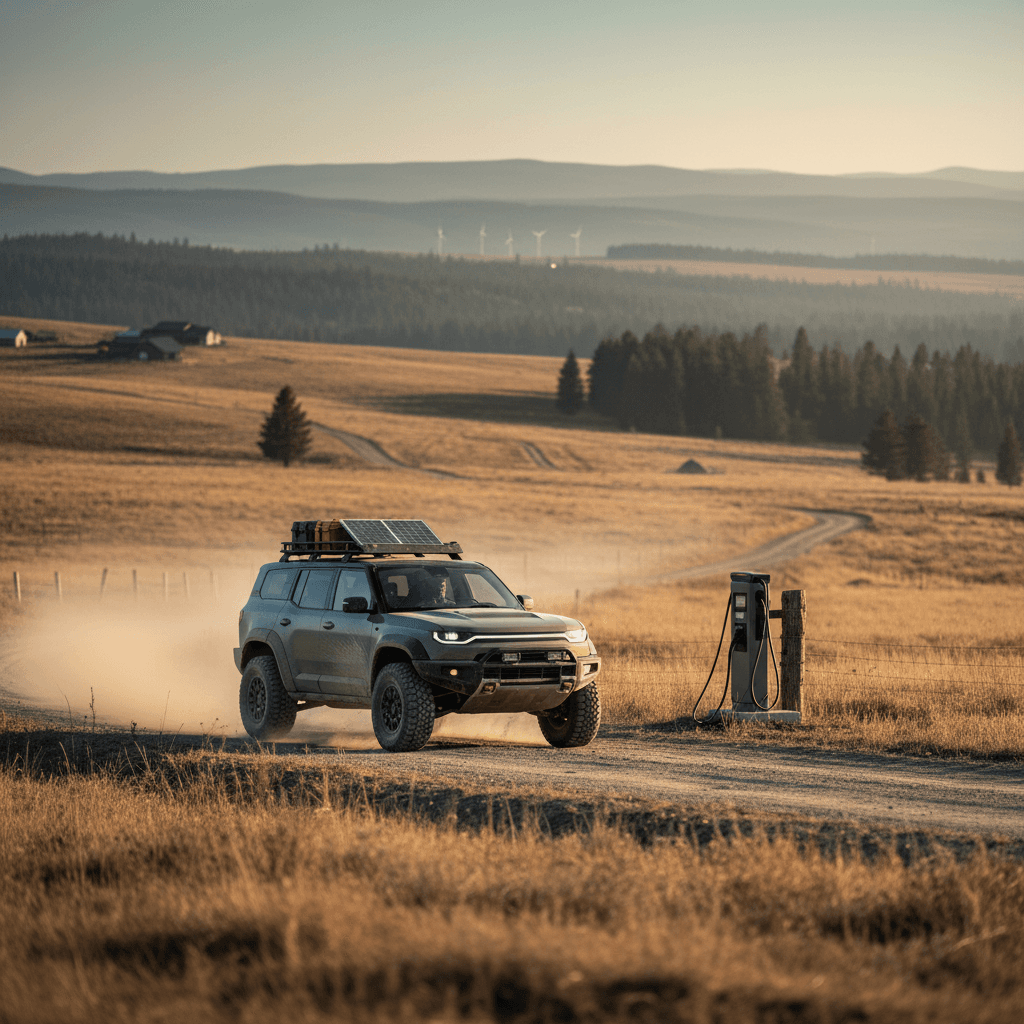
For rural drivers, the question isn’t just, “Can an EV work?” It’s, “Will this EV still work when the highway closes, I’m on a rutted backroad, and the temperature just dropped to 10°F?” That’s a very different use case than a 15‑mile commute with a fast charger near the office.
- Long, uninterrupted stretches of highway or two-lane roads between towns.
- Rough surfaces: washboard gravel, mud, snow ruts, and driveway washouts.
- Limited charging options, especially DC fast chargers, outside of interstate corridors.
- Heavier loads: trailers, tools, fencing, hay, or kids + dogs + gear.
- Weather extremes that hit range harder, especially cold snaps and heat waves.
Don’t shop by range alone
Key features that matter most off the beaten path
6 must-have traits in the best electric car for rural drivers
Use this as your short list before you fall in love with a paint color.
1. Real-world range
2. Ground clearance
3. All-weather traction
4. Charging flexibility
5. Utility & cargo space
6. Battery health & durability
Country‑smart spec tip
Best new electric cars and SUVs for rural drivers in 2026
There’s no single "best" electric car for every rural driver in 2026, but a handful of models stand out for their mix of range, clearance, and real utility. Availability and pricing will vary, but these are the nameplates worth a close look if you’re buying new or nearly new.
New 2026 EVs that make sense for rural drivers
Approximate specs; always check final EPA ratings and towing limits for the exact trim you’re considering.
| Model | Type | Est. Range (mi) | Drivetrain | Ground Clearance* | Why it works rurally |
|---|---|---|---|---|---|
| Hyundai Ioniq 5 (2026) | Compact SUV | Up to ~300 | RWD/AWD | ~7–8 in | Balanced range, roomy interior, strong DC fast charging, now with NACS on newer builds. |
| Hyundai Ioniq 9 (2026) | Midsize 3‑row SUV | ~280–300 | AWD | ~7+ in | Big family and cargo space, AWD traction, solid winter manners when equipped with proper tires. |
| Toyota bZ Small Crossover / bZ4X update (2026) | Compact SUV | Up to ~314 (FWD) | FWD/AWD | ~8 in | Toyota’s improved battery management, heat pump in many trims, and decent ride height for backroads. |
| Chevrolet Blazer EV (2025–26) | Midsize SUV | Up to ~330 | FWD/RWD/AWD | ~7.8 in | Strong range, NACS adoption, and available AWD; feels at home on long interstates to town. |
| Kia EV6 / EV9 (2025–26) | Compact & large SUVs | ~280–304 | RWD/AWD | ~7–8+ in | Excellent fast‑charging, good winter behavior when preconditioned, and SUV practicality. |
| Rivian R1S (2025–26) | Off‑road SUV | Up to ~390 | AWD | Up to ~14 in | Serious off‑road chops, air suspension, great clearance, and strong towing for trails and farm tracks. |
EPA ranges are estimates and can drop significantly with cold weather, heavy loads, or high speeds.
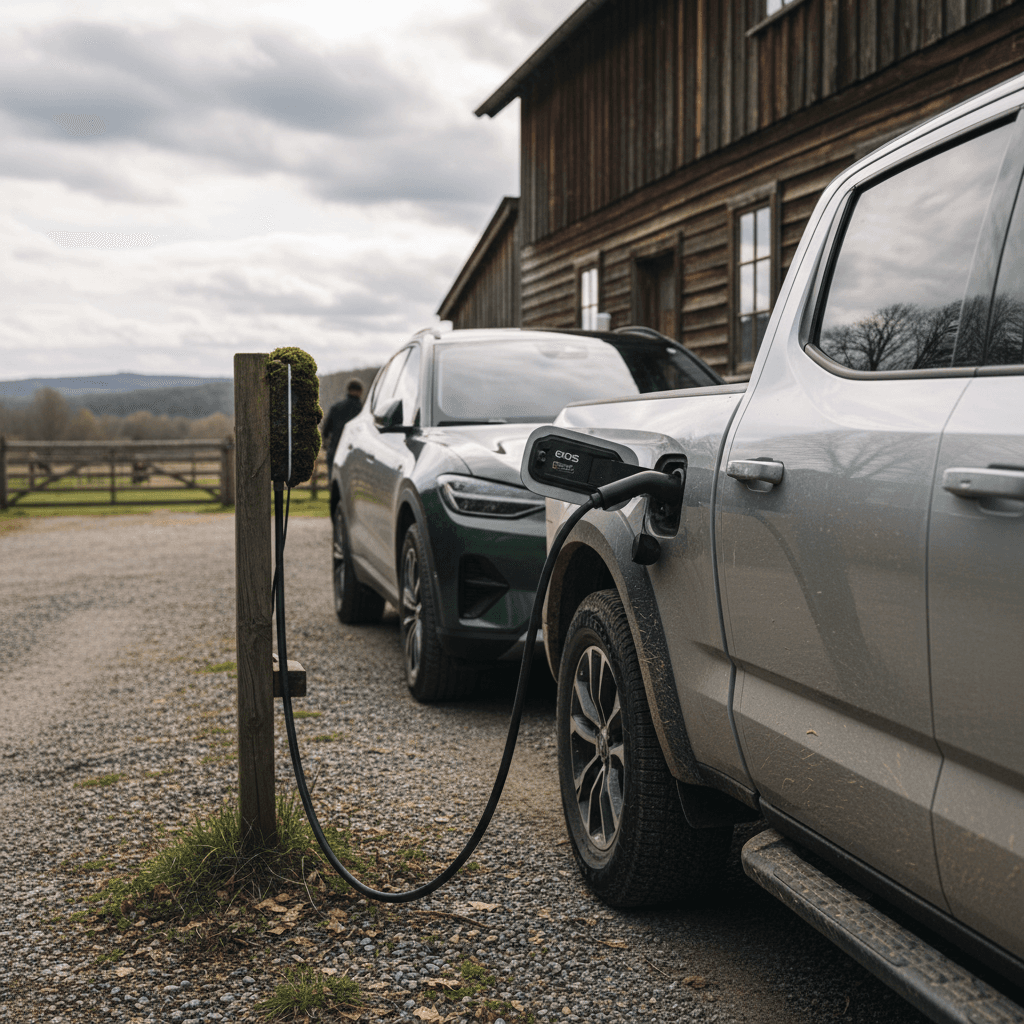
Why ultra‑long‑range sedans aren’t always ideal
Flagship sedans like the Lucid Air or Mercedes EQS grab headlines with 400+ miles of range, but many ride low and wear low‑profile tires. They’re fantastic highway machines, but deep mud, ruts, or unplowed driveways can quickly become a problem.
Why crossovers and trucks shine rurally
Electric SUVs and trucks sacrifice a bit of range and aerodynamics for clearance, suspension travel, and tire sidewall. For country customers, that trade is usually worth it, especially when the nearest tow truck is 60 miles away.
If you want a simple answer
Smart used EV picks for rural life (and budget)
If you’d rather let someone else eat the first three years of depreciation, the best electric car for rural drivers in 2026 may be a used model with the right options and a healthy battery. This is exactly the niche Recharged was built for: used EVs with verified battery health and transparent pricing, shipped nationwide.
Used EVs that can work well in rural areas
Focus on trims with bigger batteries and, where needed, AWD.
Tesla Model Y Long Range (2021–2024)
• Decent clearance, available AWD
• Strong Supercharger network (many rural interstates)
Best for: Rural highway commuters and families who mostly stay on paved or well‑graded roads.
Hyundai Kona Electric (2019–2023)
• Compact but tall enough for most gravel
• Great efficiency; often attractively priced used
Best for: Solo drivers or couples in mild‑climate rural areas who value efficiency over size.
Ford F‑150 Lightning (2022–2024)
• 4x4 traction, usable bed, Pro Power Onboard
• Range drops with heavy towing, but near‑farm use is excellent
Best for: Farm and acreage owners who already loved gas F‑150s and mostly tow within 50–70 miles of home.
Rivian R1T (2022–2024)
• Huge ground clearance and clever off‑road drive modes
• Great for forest service roads and hunting spots
Best for: Rural drivers with serious off‑road access needs and bigger budgets.
Nissan Leaf Plus (2019–2022)
• Affordable used, especially in SV/SL Plus trims
• CHAdeMO fast charging is fading, but for home‑base use it can be a bargain
Best for: Budget‑minded buyers with home Level 2 charging and modest distance needs.
Subaru/Toyota EV twins (Solterra, bZ4X, early years)
• AWD on Subaru‑branded versions
• Known ground clearance and snow manners
Best for: Rural snowbelt drivers who prioritize traction over outright range.
Use battery health to your advantage
Charging an EV in rural America in 2026
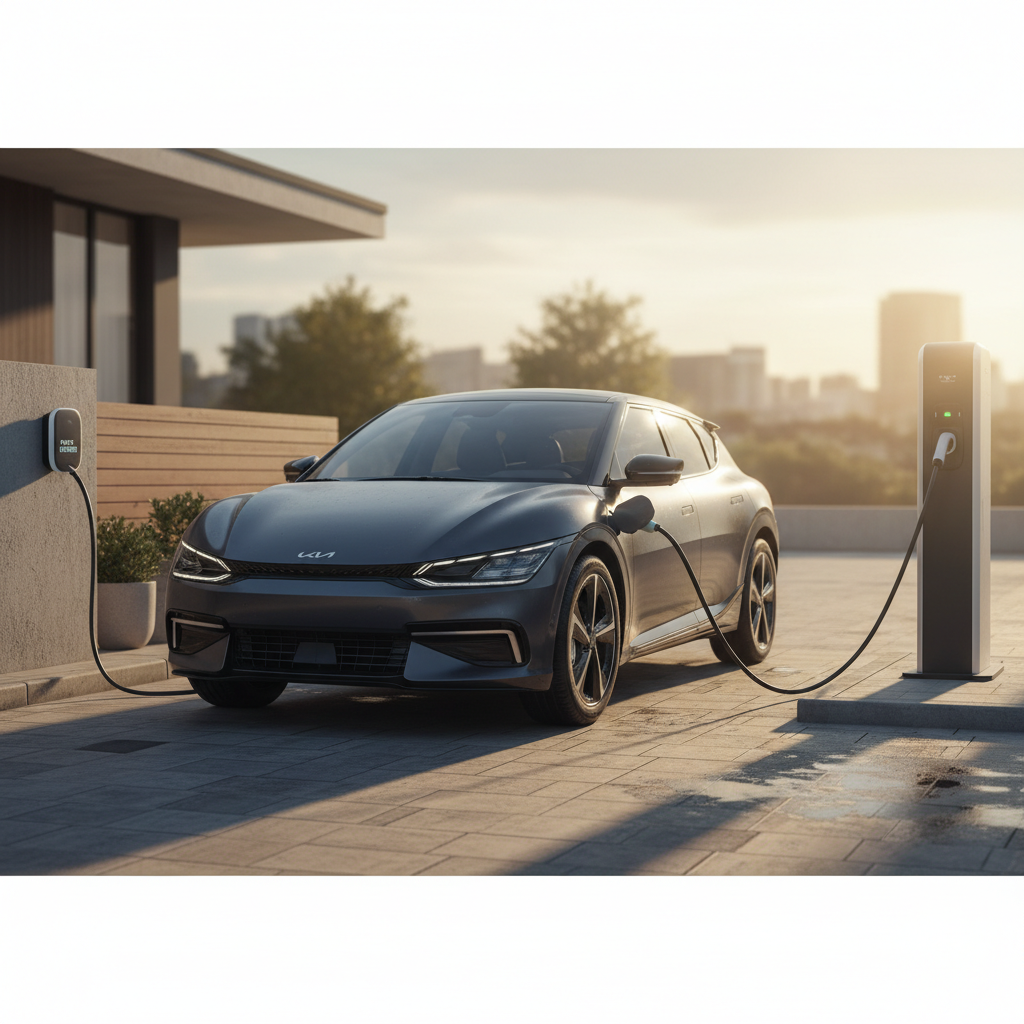
Rural EV ownership lives or dies on charging. The good news: if you own your home or land, you’re already ahead. Most rural EV miles are covered by slow, steady charging where the car sleeps, your house, your barn, or your shop.
Rural charging game plan
1. Install (or plan for) Level 2 at home
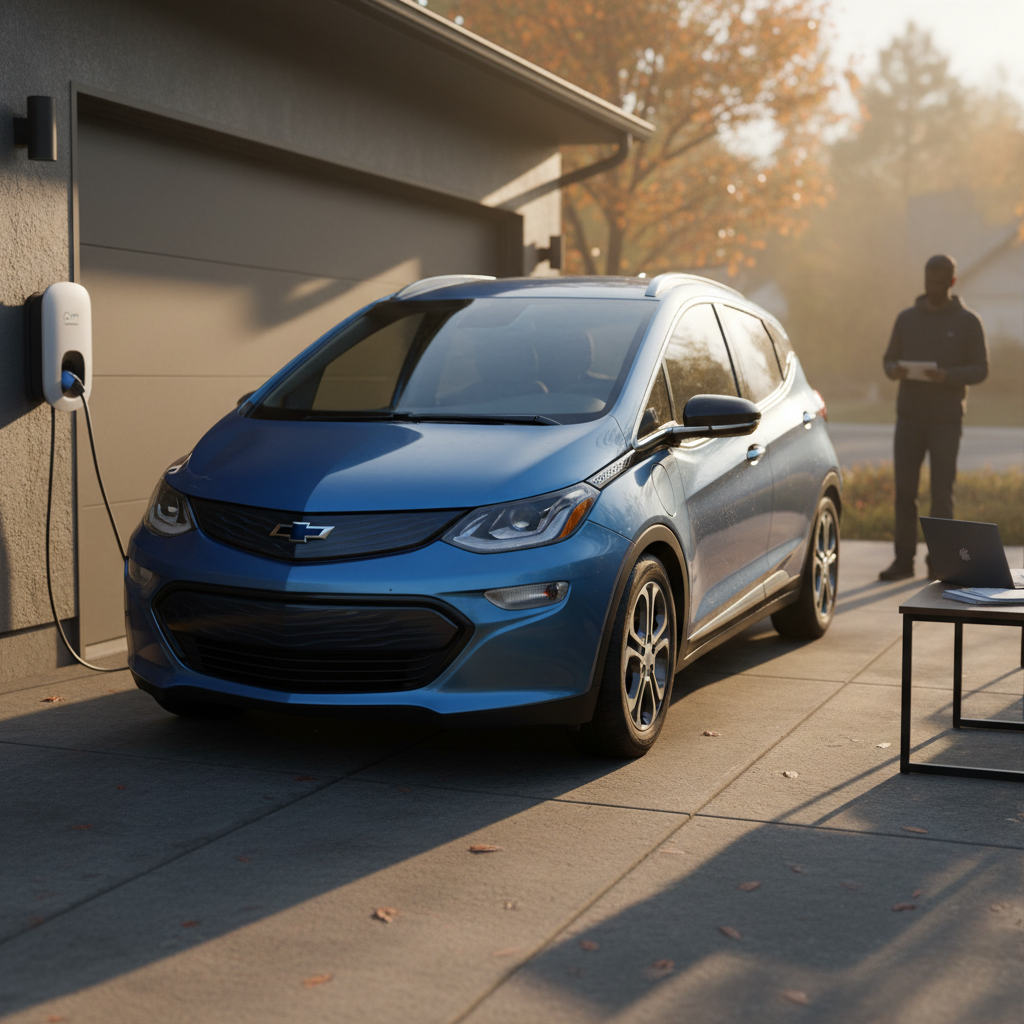
A 240‑volt Level 2 charger or hard‑wired EVSE turns any overnight into 150–250+ miles of refilled range, depending on your car. Work with a licensed electrician; many rural homes already have suitable panels for a 40–50 amp circuit.
2. Map your reliable fast chargers
Even if they’re an hour away, identify DC fast chargers you’d actually use, along interstates, near regional hospitals, or by stores you visit monthly. Save these in your nav apps for bad‑weather and emergency planning.
3. Plan for weather penalties
In deep cold, your winter range can drop 25–40%. Budget your daily routes so you’re rarely using more than 60–65% of your usable battery, and pre‑condition the battery before fast charging in low temps when your car supports it.
4. Use NACS & CCS wisely
By 2026, many new EVs in the U.S. will ship with the Tesla‑style NACS connector or an adapter for it. That opens more highway fast‑charging options, but don’t assume every rural Supercharger has easy access or pull‑through lanes for trailers.
5. Backstop with Level 1
In a pinch, a standard 120V outlet adds 3–5 miles of range per hour. It’s not a daily solution, but for a tractor shed or friend’s barn stay, it can be the difference between stuck and safe.
Don’t rely on public chargers alone
Winter, farm work, and towing: what to expect
If your current truck spends its life dragging hay wagons, hauling water, and creeping along in 4‑Low, you’ll want to be very clear about what an EV can and can’t replace in 2026.
Winter in the country
- Range drops: Plan on losing a quarter to a third of your rated range in sustained cold, especially below 20°F.
- Heated features help: Heated seats and wheel use less energy than blasting cabin heat.
- Tires matter more than torque: A good set of winter tires on an EV with modest ground clearance will beat an all‑season‑shod "off‑road" tire package on ice.
Towing and heavy hauling
- Expect 40–50% range loss when towing enclosed or tall trailers at highway speeds.
- Keep heavy towing local: Many rural owners use EV pickups like the F‑150 Lightning or Rivian R1T for 20–70 mile tow jobs close to home and keep an older gas or diesel rig for the big hauls.
- Watch tongue weight: EVs often have high GVWRs but can be limited by payload and tongue weight caps, check the door jamb sticker, not just marketing claims.
Farm‑use expectations
How to choose the right EV for your rural lifestyle
Rural EV buyer’s checklist
1. Define your true worst‑case route
Write down your longest regular day: home to work, feed store, school, or appointments and back, with detours. Add winter and towing penalties. Shop for a car that covers that comfortably, not just your average Tuesday.
2. Decide sedan vs. SUV vs. truck
If you rarely leave pavement and don’t need cargo height, a long‑range sedan may work. If your driveway floods, you hunt, or you haul tools, an SUV or truck with higher clearance is usually smarter.
3. Check range, then clearance, then charging
Prioritize in this order: usable range, ground clearance and tires, then charging speed and connector type. A blazing‑fast charger is pointless if your car bottoms out on your lane.
4. Shop battery health, not just miles
For used EVs, insist on a <strong>third‑party battery health report</strong>. With Recharged’s Score Report, you can compare cars by remaining capacity, past fast‑charging behavior, and temperature history, things you can’t see in a typical listing.
5. Test on your real roads when possible
If a test drive never leaves smooth pavement, you’re missing the point. Try to run the car over gravel, up your driveway, or at least on similar roads to check ride, noise, and traction.
6. Run the numbers on fuel and maintenance
Rural drivers rack up miles. Even with higher initial cost, the fuel and maintenance savings of an EV, no oil changes, fewer moving parts, add up fast when you’re covering 20,000+ miles a year.
"For rural families, the right EV doesn’t replace everything in the yard on day one, but it can quietly take over 70–80% of your miles and fuel bill if you choose wisely."
FAQ: Best electric car for rural drivers in 2026
Common questions from rural EV shoppers
Bottom line: Which EV is best for rural drivers in 2026?
The best electric car for rural drivers in 2026 isn’t the wildest spec sheet on the internet. It’s the one that shrugs off your driveway, makes winter a non‑event, and quietly cuts your fuel bill on every trip to town. For many country buyers, that means a compact or midsize electric SUV, new or used, with solid range, decent ground clearance, and AWD. If your life is more fence lines than freeways, an off‑road‑capable EV truck or SUV like a Rivian or F‑150 Lightning can be a game‑changer close to home.
Wherever you land, shop with your roads, your weather, and your longest days in mind. And if you’re browsing used, lean on tools like the Recharged Score Report, expert EV‑specialist guidance, and nationwide delivery from Recharged to find an electric car that’s honest about its battery, fairly priced, and ready for life at the end of a dirt road.