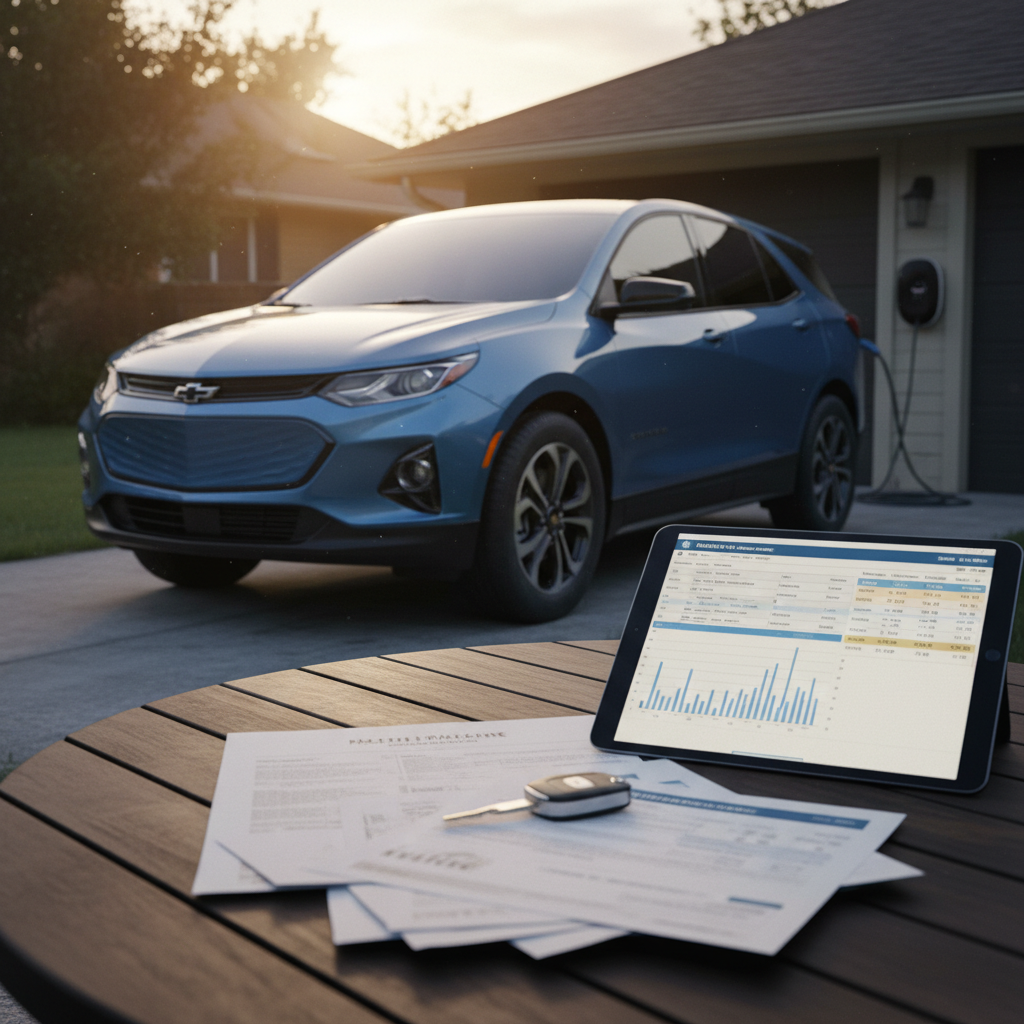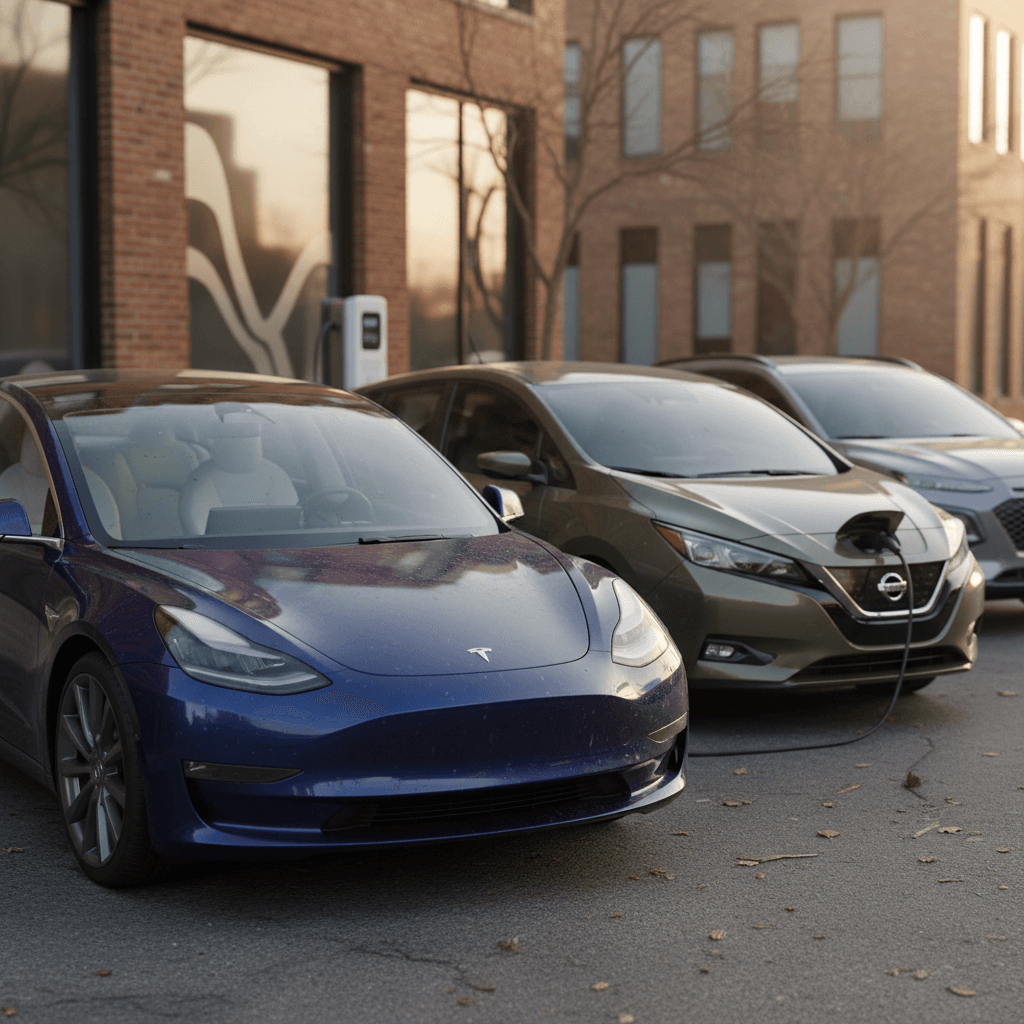
If your main question is **“What’s the best electric car for commuting in 2026?”**, you’re already thinking about EVs the right way. A great commuter doesn’t need supercar acceleration or a six‑figure price tag, it needs **comfortable range, predictable costs, and minimal drama** on the days when traffic is bad and your calendar is worse.
Commuter mindset vs. road‑trip mindset
Why “best electric car for commuting” is its own category in 2026
A **commuter EV** has a different job than a weekend toy or family road‑trip rig. You care less about brag‑worthy specs and more about whether it will **start charged every morning, feel calm in traffic, and keep your monthly costs predictable**.
Why EVs fit commuting so well in 2026
By 2026, **most mainstream EVs easily cover a full workweek of commuting on one charge**, but that doesn’t mean you should just buy whatever’s on the lot. Different models hit very different sweet spots for **price, comfort, efficiency, and charging behavior**, especially once you factor in the fast‑maturing used EV market.
How to choose the best commuter EV for your routine
Four factors that actually matter for commuting
Stop shopping specs you’ll never use and focus on these instead.
1. Your real commute distance
Start with a **one‑way distance and weekly pattern**, not just EPA range numbers.
- Add detours: daycare, gym, errands.
- Account for winter range loss in cold climates.
- Multiply worst‑case day by 2 for a round trip.
If your worst‑case day is 70–80 miles, you don’t "need" 350 miles of range, but you probably want **at least 180–200 miles** of real‑world capability.
2. Charging access at home or work
Nothing makes an EV commute easier than **reliable overnight charging**.
- Home Level 2 (240V) is the gold standard.
- Regular workplace charging can substitute.
- If you rely on public DC fast charging, prioritize **faster‑charging models** and robust networks.
Your charging reality will narrow or expand which cars make sense, especially older, slower‑charging used EVs.
3. Comfort and noise on bad‑traffic days
EV reviews often obsess over 0–60 times. Commuters care more about **seat comfort, quietness**, and **driver‑assist that actually reduces stress**.
Look for:
- Supportive seats and good visibility.
- Adaptive cruise plus lane‑centering that behaves predictably.
- Simple, responsive infotainment, not a laggy science experiment.
4. Total cost, especially if you buy used
For a pure commuter, **depreciated used EVs are often the best value in 2026**.
- They’ve already taken the big first‑owner hit.
- You still get cheap energy and low maintenance.
- Battery health matters more than model year sticker.
That’s exactly why tools like the Recharged Score, with verified battery diagnostics and fair‑market pricing, are so important when you comparison‑shop used commuter EVs.
Pro tip: sanity‑check your needs
Best budget used electric cars for commuting in 2026
If you’re mainly looking to **slash fuel costs and avoid repair‑shop roulette**, a well‑chosen used EV is often the best electric car for commuting in 2026. These aren’t the flashiest options, but they deliver **a ton of range per dollar** and are widely available on the used market.
Budget used commuter EVs to target
Approximate real‑world numbers for typical trims; always verify exact specs for the car you’re considering.
| Model | Typical used model years | Approx. EPA range when new | Best if you… | Key commuter watch‑outs |
|---|---|---|---|---|
| Chevrolet Bolt EV / Bolt EUV | 2017–2023 | ~238–259 miles (EV), ~247 (EUV) | Want a compact, efficient hatchback with strong range on a budget. | Confirm battery recall work, check DC fast‑charge behavior, note modest rear legroom for carpool duty. |
| Nissan Leaf (40–62 kWh) | 2018–2024 | ~149–226 miles depending on battery | Have a shorter commute and can charge at home, want very low purchase price. | Older Leafs use CHAdeMO fast charging and have more range loss in hot climates, battery health check is critical. |
| Hyundai Kona Electric | 2019–2023 | ~258 miles | Want strong range in a small footprint and don’t need a huge back seat. | Check for recalls and software updates; charging curve isn’t class‑leading but is fine for commuting. |
| Kia Niro EV (first gen) | 2019–2023 | ~239 miles | Prefer a taller driving position and wagon‑like practicality. | Infotainment and driver‑assist feel a bit older, but that’s rarely a deal‑breaker for commuting. |
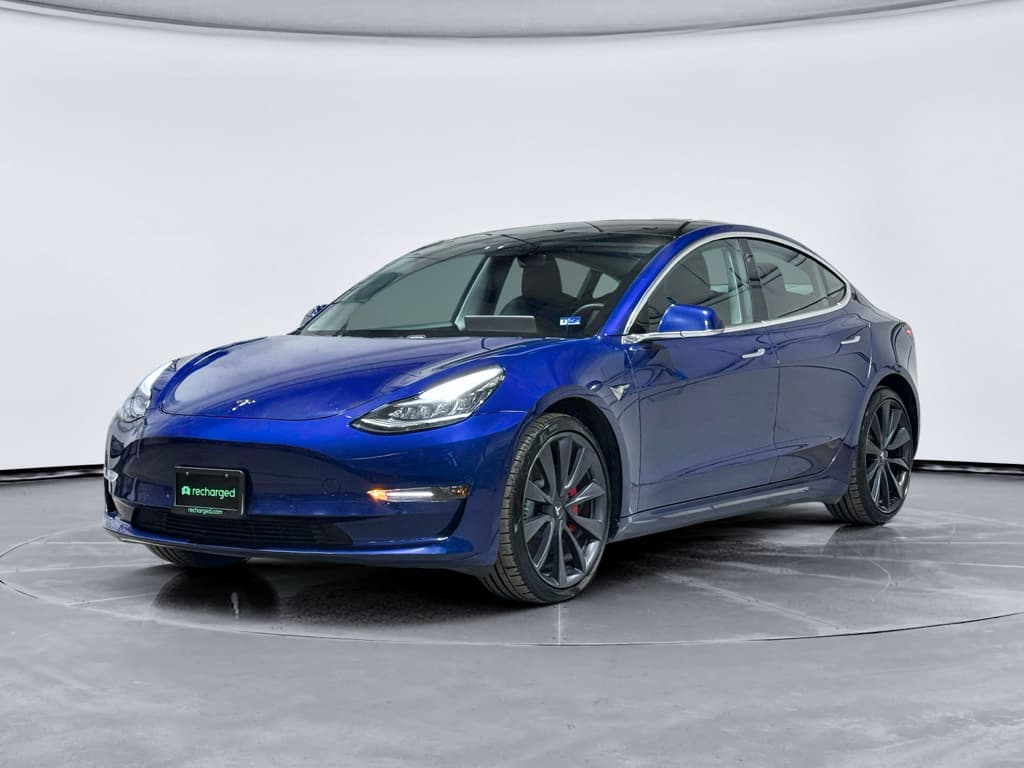
| Tesla Model 3 (Standard Range / RWD early cars) | 2018–2020 | ~220–250 miles | Want access to the Supercharger network and a very efficient platform at a used‑car price. | Earlier build quality can be variable; inspect interior wear and alignment, and understand out‑of‑warranty repair costs. |
Older compact EVs can make excellent 2026 commuters if you validate battery health and charging speed.
Used commuter EVs live or die by battery health
Best mainstream electric cars for commuting in 2026
If you’re cross‑shopping new and nearly‑new EVs, you’re in the sweet spot where **modern driver‑assist, excellent range, and livable pricing** overlap. These are the models that repeatedly show up in 2025–2026 “best EV” lists and owner surveys for overall satisfaction and daily usability.
Stand‑out mainstream commuter EVs for 2026
A mix of sedans and crossovers that fit typical American commutes.
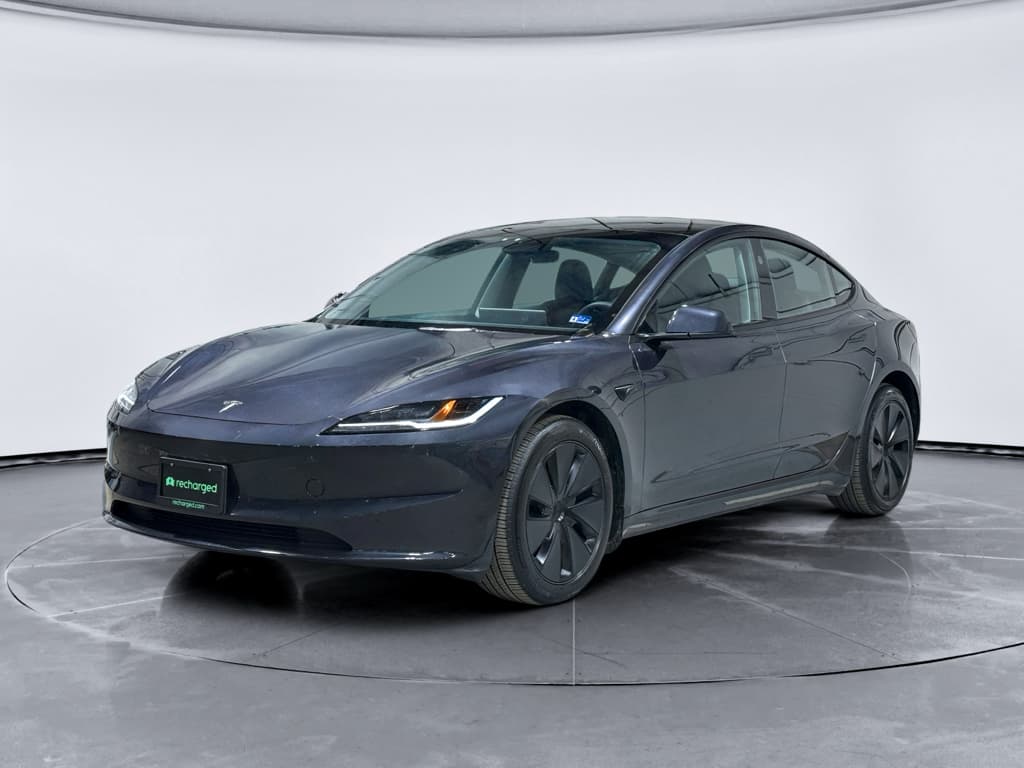
Tesla Model 3 (updated)
Why it works for commuting: Extremely efficient, long range, and access to Tesla’s vast Supercharger network, which is increasingly open to non‑Tesla brands too.
- Updated 2025–2026 versions improve cabin quietness and comfort.
- EPA ranges commonly in the 270–340 mile ballpark depending on trim.
- Excellent one‑pedal driving and smooth acceleration make stop‑and‑go traffic easier.
Best for: Drivers with longer commutes or irregular schedules who want to charge less often and value efficiency above all.
Hyundai Ioniq 6
Why it works for commuting: One of the most aerodynamically efficient EVs on the market, with EPA ranges north of 300 miles in many trims.
- Low, slippery sedan shape translates into quiet highway cruising.
- Hyundai’s driver‑assist suite (HDA) is well‑tuned for highway commuting.
- Ultra‑fast DC charging is a bonus for the occasional long trip.
Best for: Daily freeway sloggers who want a calm, efficient cocoon and don’t need SUV cargo space.
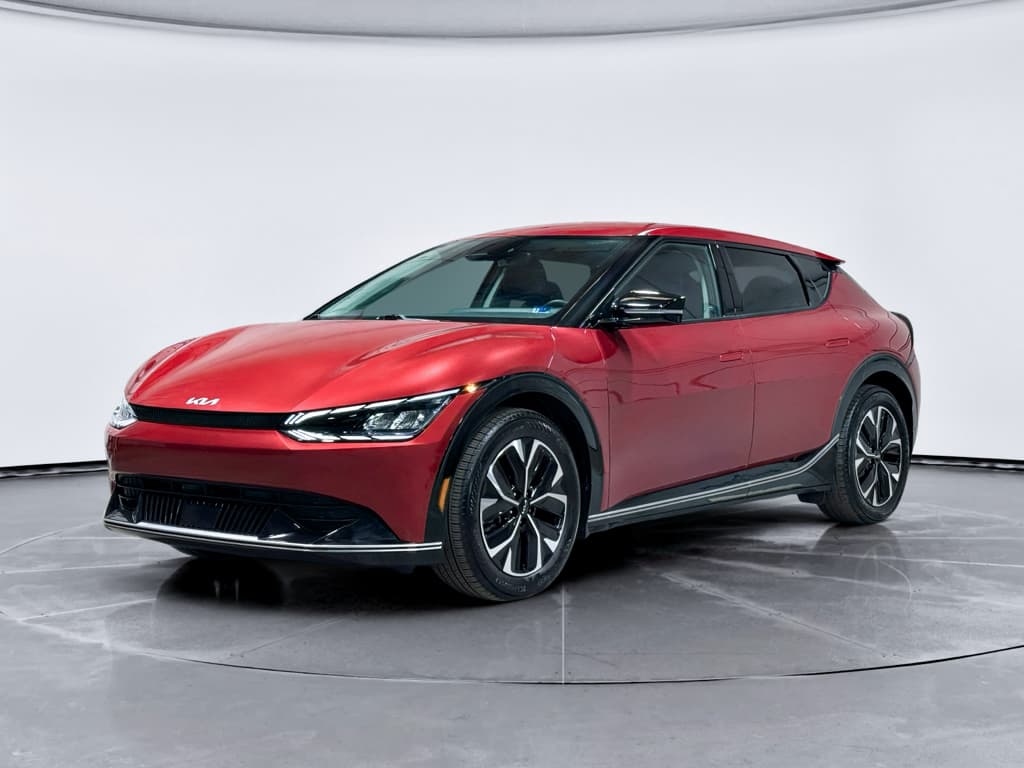
Hyundai Ioniq 5 & Kia EV6
Why they work: Compact crossovers on the same E‑GMP platform, with quick DC fast‑charging, distinctive styling, and plenty of range for weekly commuting.
- Comfortable seating position and good visibility for urban and suburban driving.
- Plenty of range (~250–300+ miles on many trims) for multi‑day commutes.
- Flat floor and good rear space for carpool duty.
Best for: Drivers who want an all‑rounder: commute during the week, family errands and trips on weekends.
Chevrolet Equinox EV (and upcoming new Bolt)
Why they work: GM’s newer Ultium‑based small crossovers put **value and range** front and center, with Equinox EV trims targeting ~300 miles at relatively approachable MSRPs. A redesigned Bolt is slated to return as an affordable option as well.
- Compact footprint but usable interior for daily life.
- Modern safety and tech versus older budget EVs.
- Good fit if you want a familiar American badge.
Best for: Budget‑conscious commuters who still want a new‑ish vehicle and plan to keep it for many years.
Nissan Ariya & next‑gen Leaf
Why they work: Nissan has a long EV track record, and the Ariya’s comfortable ride and quiet cabin make it a solid commuter crossover. A redesigned Leaf pushes the brand further for 2026.
- Calm, comfort‑first tuning instead of performance posturing.
- Plenty of range for typical suburban commutes.
- More traditional controls may appeal if you’re EV‑curious but tech‑skeptical.
Best for: Drivers who want a no‑drama, comfort‑biased commute with a mainstream badge.
Compact EV SUVs like Volvo EX30
Why they work: Newer small crossovers such as the Volvo EX30 deliver big‑car refinement in a compact footprint that’s easy to park and thread through city traffic.
- Enough range (~230–260 miles) for commuting plus errands.
- Upscale interior and strong active‑safety tech.
- Small outside, surprisingly roomy inside for solo commuters or couples.
Best for: Urban and inner‑suburban commuters who value premium feel and parking ease over giant‑SUV space.
Quick rule of thumb for 2026 mainstream EVs
Best premium electric cars for stress-free commuting
Not everyone wants to stretch for a premium EV, but if your commute is long, stressful, or a big part of your day, **spending more on comfort and refinement can make sense**. Think of these as rolling offices and relaxation pods that just happen to be battery‑powered.
When a premium EV doesn’t make sense
Comparison table: top commuter EVs for 2026
Representative commuter EV choices for 2026
Approximate numbers for typical trims; always check the exact configuration you’re considering.
| Model (representative trim) | Type | Approx. EPA range | Typical use‑case sweet spot | Why it’s a strong commuter pick |
|---|---|---|---|---|
| Chevy Bolt EV (used) | Compact hatchback | ~238–259 mi | Budget‑focused commuters up to ~60 mi/day with home charging | Low entry price, simple to drive, plenty of range for daily use if battery health checks out. |
| Hyundai Kona Electric (used) | Subcompact crossover | ~258 mi | Short‑to‑medium freeway commutes in cities with tight parking | Strong efficiency and small footprint without feeling like a penalty box. |
| Tesla Model 3 RWD / Long Range | Sedan | ~270–340 mi depending on trim | Drivers with long or unpredictable commutes, or who frequently stack errands on top of work trips | Excellent efficiency, wide fast‑charging access, and a mature platform by 2026. |
| Hyundai Ioniq 6 RWD | Sedan | 300+ mi on many trims | High‑mileage highway commuters who value quiet and efficiency | Slippery aerodynamics and fast DC charging make it ideal for heavy use. |
| Hyundai Ioniq 5 / Kia EV6 | Compact crossover | ~250–300+ mi | Mixed city/highway commuters who also need weekend versatility | Crossover practicality plus long range and very fast charging. |
| Chevy Equinox EV | Compact crossover | ~250–300 mi depending on battery | Drivers wanting a new‑tech, mainstream‑brand commuter with space for family | Ultium platform efficiency and modern driver‑assist at approachable price points. |
| Volvo EX30 | Small premium crossover | ~230–260 mi | Urban commuters who want a small footprint and upscale feel | Compact size for city parking with premium cabin and safety tech. |
Think in terms of your own use case, budget, distance, and comfort, rather than chasing the absolute highest range.
Charging strategy: make your commute boring (in a good way)
The **best electric car for commuting in 2026 isn’t just about the car**, it’s about how you charge it. Get your charging strategy right and your EV quickly becomes the most boring thing in your life, in the best possible way.
Commuter charging game plan
1. Lock in reliable Level 2 if you can
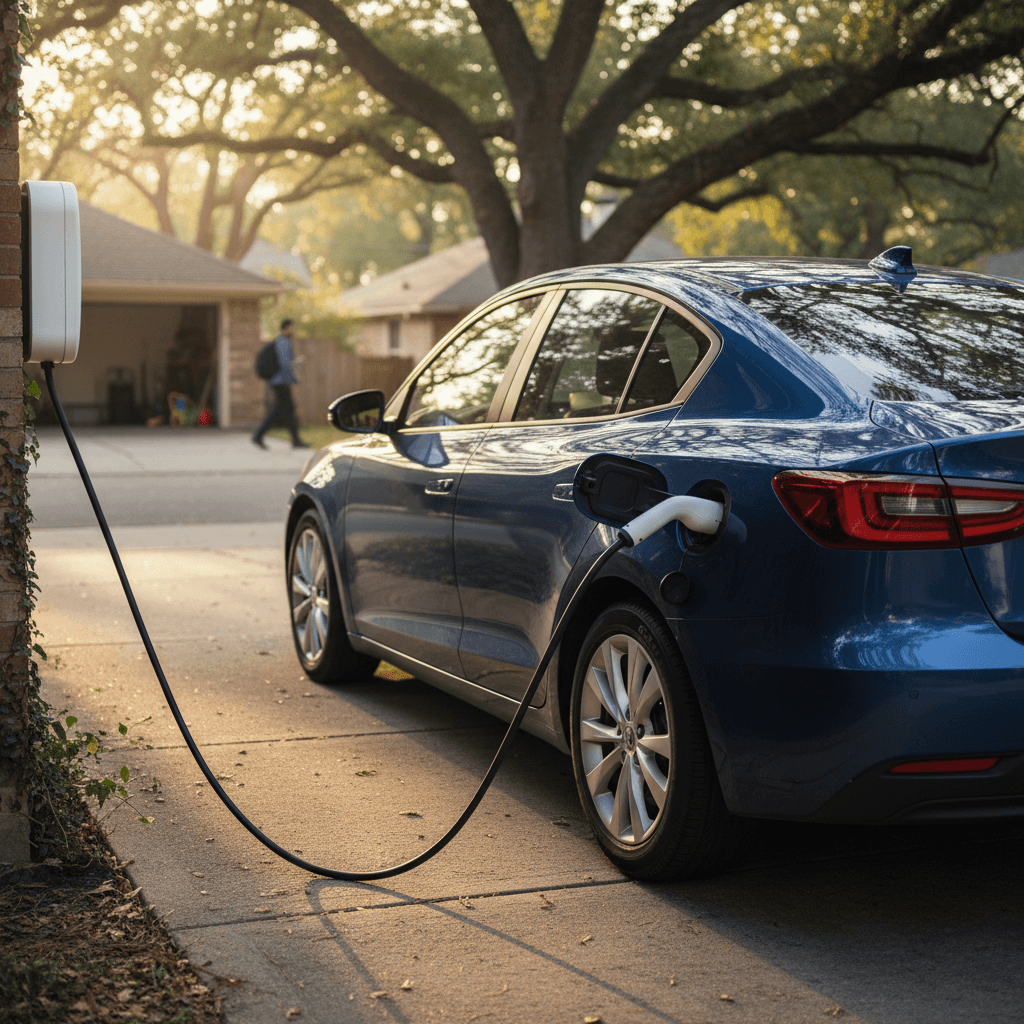
If you own your home or have cooperative housing, installing a 240V Level 2 charger is almost always worth it. A typical 7–11 kW home charger adds **25–40 miles of range per hour**, so a full day’s commute can be replenished in under two hours.
2. Set a sensible daily charge limit
For most modern EVs, routinely charging to **70–80%** for daily commuting balances convenience and long‑term battery health. Save 100% charges for days when you actually need full range.
3. Time charging for off‑peak rates
Many utilities offer cheaper overnight rates. Use your car or charger’s scheduling features so your EV **fills up while you sleep** and your costs drop.
4. Rely on DC fast charging sparingly
Using DC fast chargers occasionally on road trips is fine, but if you’re relying on them several times a week to cover your commute, you may have the wrong car or the wrong charging setup. It’s doable, but less convenient and potentially harder on the battery.
5. Know your winter and summer range
In cold or very hot climates, expect **15–30% swings in real‑world range**. Plan your charge targets and commute buffer with the worst case in mind so bad weather doesn’t become a daily range‑anxiety trigger.
6. Practice “arrive with 20–30%” planning
A healthy daily pattern is leaving home around 70–90% and arriving at work or back home still above ~20–30%. If you’re consistently scraping into the single digits, consider a higher‑range model or better charging access.
Battery health, mileage and depreciation on a commuter EV
Daily commuting piles on miles, which makes some shoppers worry that an EV will **degrade faster** than a gas car. In reality, **most modern EV batteries are holding up well**, but commuting does change what you should look at when you shop, especially used.
- For commuting, **age plus mileage plus charging pattern** matter more than mileage alone.
- High‑mileage highway commuters who **mostly charged at home on Level 2** often show excellent battery health.
- Cars that spent years on DC fast chargers or in very hot climates can have more noticeable range loss.
What “good” battery health looks like for a commuter EV
The challenge for a normal buyer is that **most seller listings don’t include objective battery data**, just odometer mileage and maybe a photo of the range estimate. That’s where Recharged’s model of the used‑EV marketplace is different.
How the Recharged Score helps commuter buyers
Battery‑first diagnostics, not just shiny photos.
Verified battery diagnostics
Fair market commuter pricing
EV‑specialist guidance
Ready to find your next EV?
Browse VehiclesHow Recharged helps you pick the right commuter EV
Because Recharged is built around **used electric vehicles and battery health**, it’s inherently tuned to commuter use‑cases: high miles, predictable patterns, and the need for long‑term confidence in a car that’s already lived a prior life.
Shopping and ownership made simple
- Recharged Score Report: Every car includes transparent battery‑health diagnostics and pricing context.
- Financing and trade‑in: Fold your commuter upgrade into a predictable monthly payment, with options for trading in your current car.
- Nationwide delivery: Find the right commuter EV for your situation, then have it delivered to your door.
- Experience Center (Richmond, VA): If you’re nearby, you can see vehicles in person and talk through your commute with EV specialists.
Why this matters specifically for commuters
- You’re putting **steady mileage** on the car, so buying the right battery and range profile up front matters.
- You may be **juggling school runs, office trips, and errands**, so reliability and comfort matter more than flashy specs.
- You probably don’t want to become an EV hobbyist. A curated, transparent used‑EV marketplace lets you treat this like any smart appliance purchase: understand the key specs, then get on with your life.
If you know roughly how far you drive and what you can install for home charging, Recharged can help you **reverse‑engineer the right commuter EV** instead of guessing model by model.
FAQ: Best electric car for commuting in 2026
Frequently asked questions about commuter EVs
Bottom line: which electric car should you commute in?
The best electric car for commuting in 2026 isn’t simply the one with the biggest battery or the flashiest badge. It’s the car that **covers your longest realistic day with margin, charges easily where you live or work, and keeps your monthly costs predictable**. For many drivers, that means a sensible used EV like a **Chevy Bolt EV, Hyundai Kona Electric, or early Tesla Model 3**. For others, it’s a newer mainstream model such as the **Hyundai Ioniq 6, Ioniq 5, Kia EV6, or Chevy Equinox EV** that can double as the family’s do‑everything car.
If you’d rather not turn this into a full‑time research project, that’s what **Recharged** is built for: a curated, transparent marketplace of used EVs with **battery‑health‑driven Recharged Scores, fair market pricing, financing, trade‑in support, and nationwide delivery**. Bring your commute details, and you can drive away with an EV that makes every weekday feel easier, and quietly saves you money mile after mile.