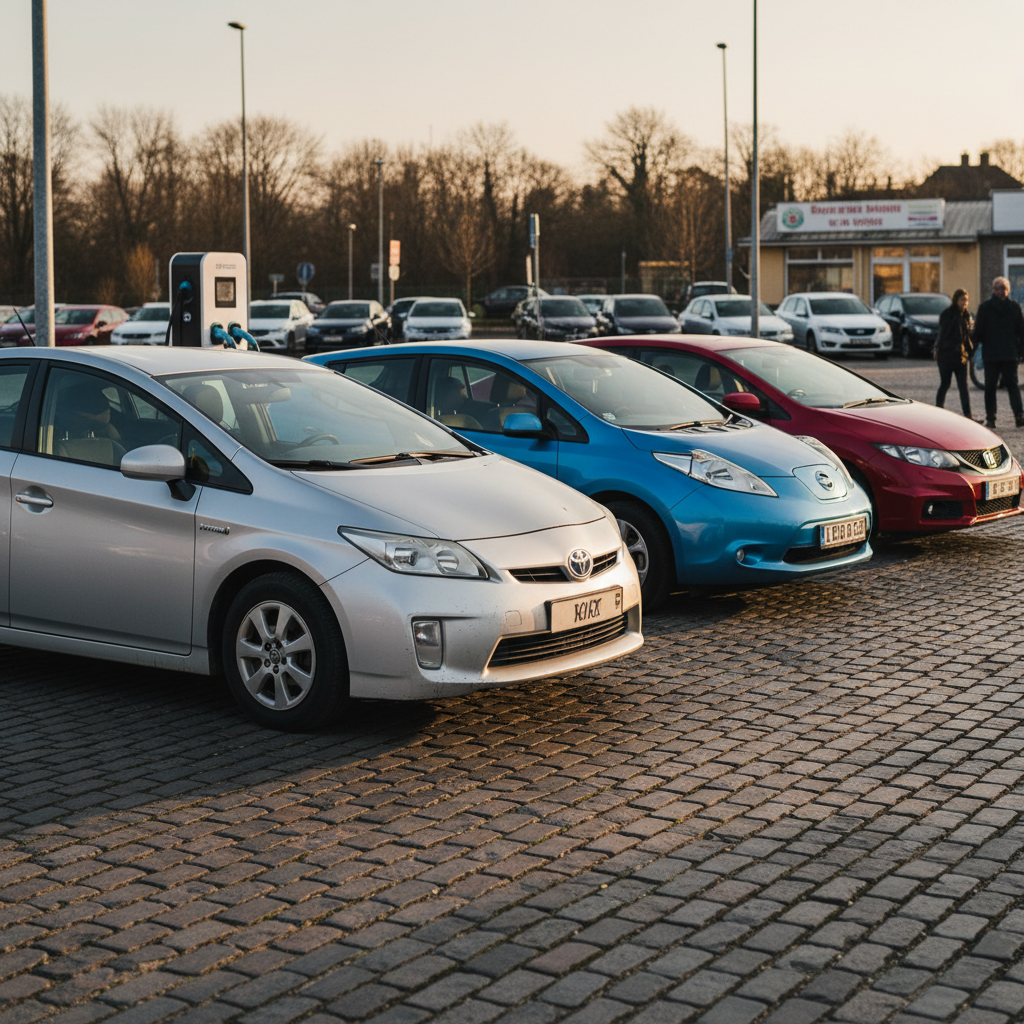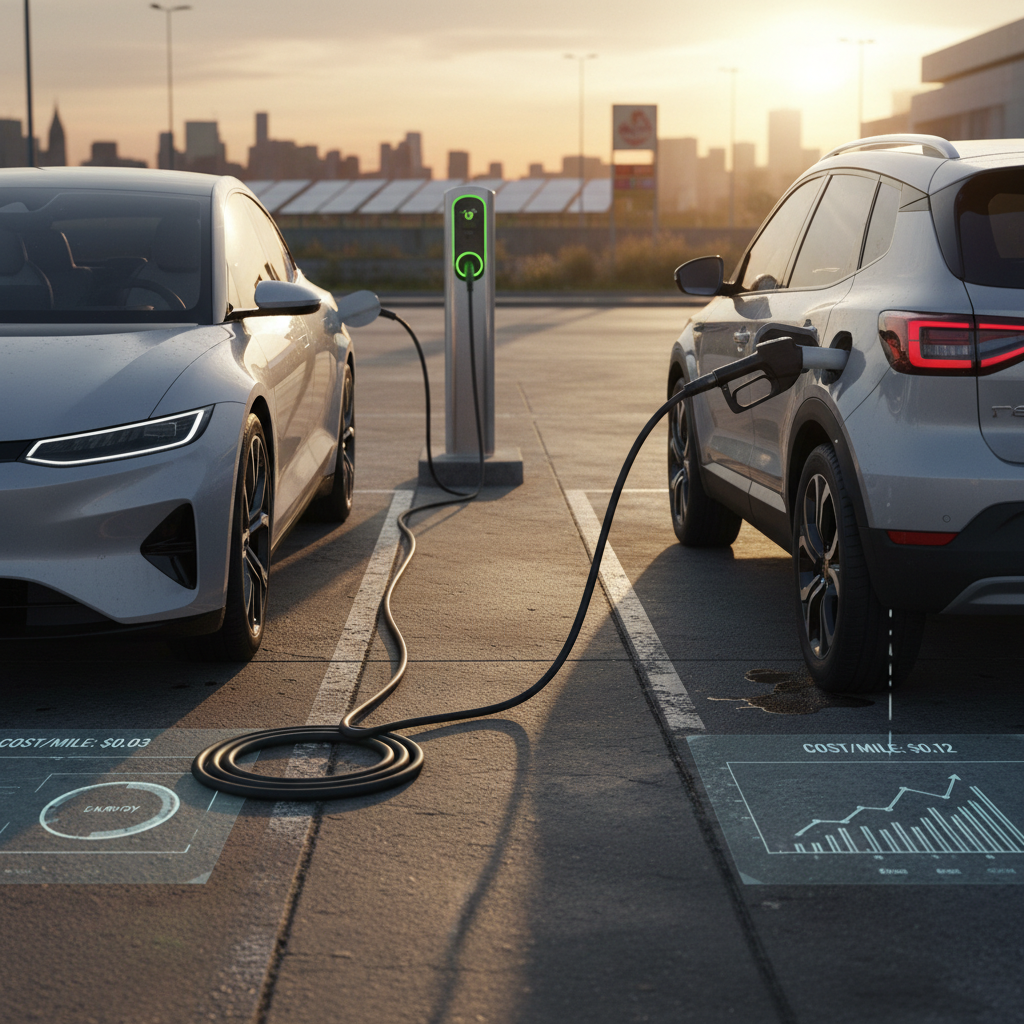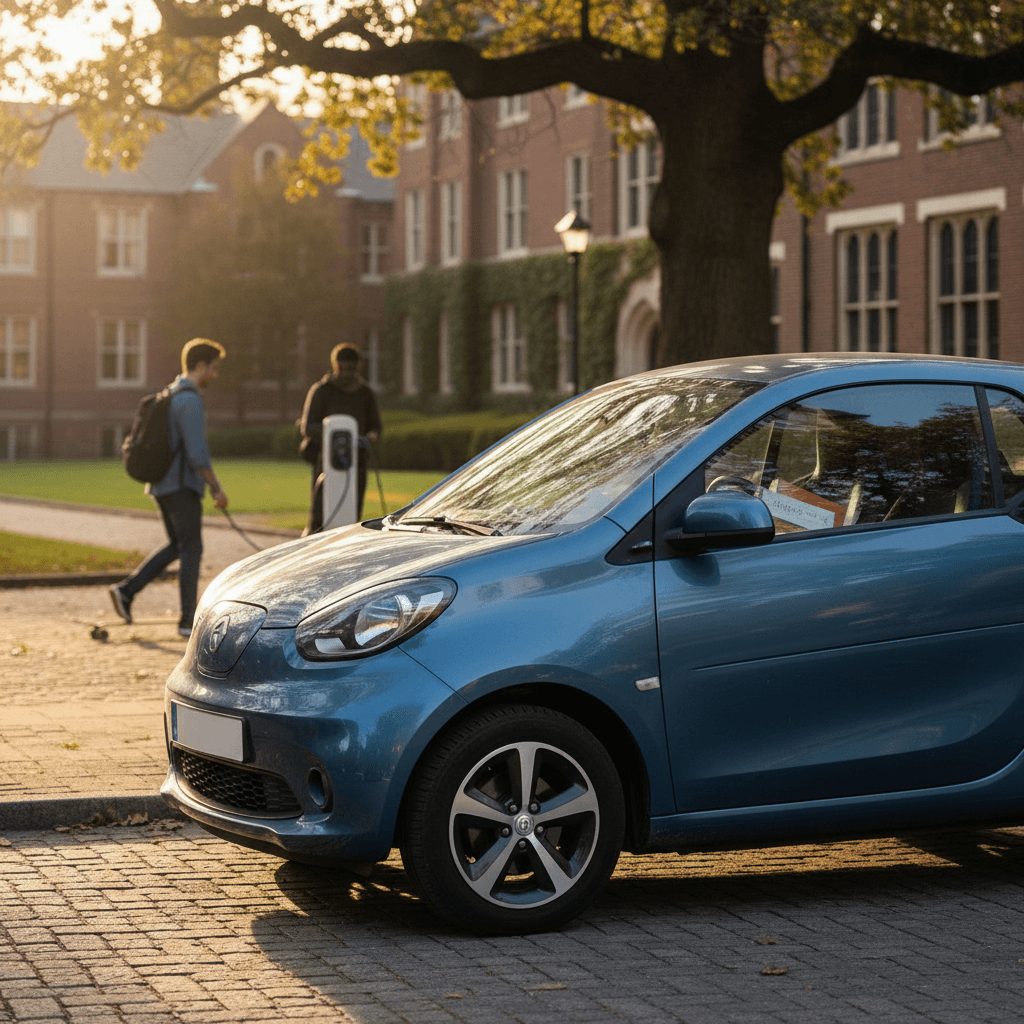
If you’re trying to figure out the best electric car for college students in 2026, you’re juggling more than just price. You care about monthly payments, insurance, range for weekend trips home, and whether you’ll actually find a place to plug in near campus. This guide cuts through the hype and focuses on real‑world EVs that work on a student budget, especially smart used choices.
Quick take
Why EVs make sense for college students in 2026
EV ownership advantages that matter in college
In 2026, EVs are no longer just tech toys; they’re practical commuter cars. Most students drive short, repeatable routes, campus, work, groceries, social life, well within the 150–250 mile real‑world range of today’s affordable EVs. Charging can often be done overnight at home or slowly on campus rather than at expensive fast chargers.
Think in monthly cost, not just purchase price
How to choose the best electric car for college
Key factors when choosing a student EV
Start with how you’ll actually use the car, not just what looks cool on TikTok.
1. Daily driving + trips
Estimate your real use:
- Daily commute (campus, work, gym)
- Weekend trips home or to friends
- Road trips a few times per year
Aim for 200+ miles EPA range if you often drive home on weekends; 150+ miles can work for pure in‑town use.
2. Charging access
- Is there Level 2 charging on or near campus?
- Can you plug in at home (driveway/garage)?
- Do you rely on public DC fast charging?
The less access you have, the more range and speed you should prioritize.
3. Total monthly budget
Look beyond the sticker:
- Loan or lease payment
- Insurance (young drivers pay more)
- Charging costs
- Parking and campus permits
Build a realistic monthly number you can live with.
Student EV needs checklist
Confirm your parking + charging situation
Before you shop, know exactly where the car will live at night and whether you’ll have access to a regular outlet or a Level 2 charger.
Decide how far you really drive
Track a typical week with a mapping app. If you’re consistently under 40–60 miles a day, almost any modern EV will work; long weekend trips push you toward 200+ mile models.
Set a firm monthly budget
Factor in payment, charging, parking, and a realistic insurance quote. That number should dictate the cars you consider, not the other way around.
Prioritize safety and tech
Look for features like automatic emergency braking, lane‑keeping, and modern crash ratings. You’ll keep the car beyond college, so safety is non‑negotiable.
Plan for roommates and stuff
If you’ll be hauling friends and moving dorm rooms every year, a slightly larger hatchback or small SUV EV is worth it over a tiny city car.
Best used electric cars for college students in 2026 (shortlist)
Top student‑friendly used EVs in 2026
Approximate ranges and used price brackets assume U.S. market conditions as of early 2026. Local pricing will vary.
| Model | Typical used model years for students | Est. real‑world range | Typical used price bracket* | Why it works for students |
|---|---|---|---|---|
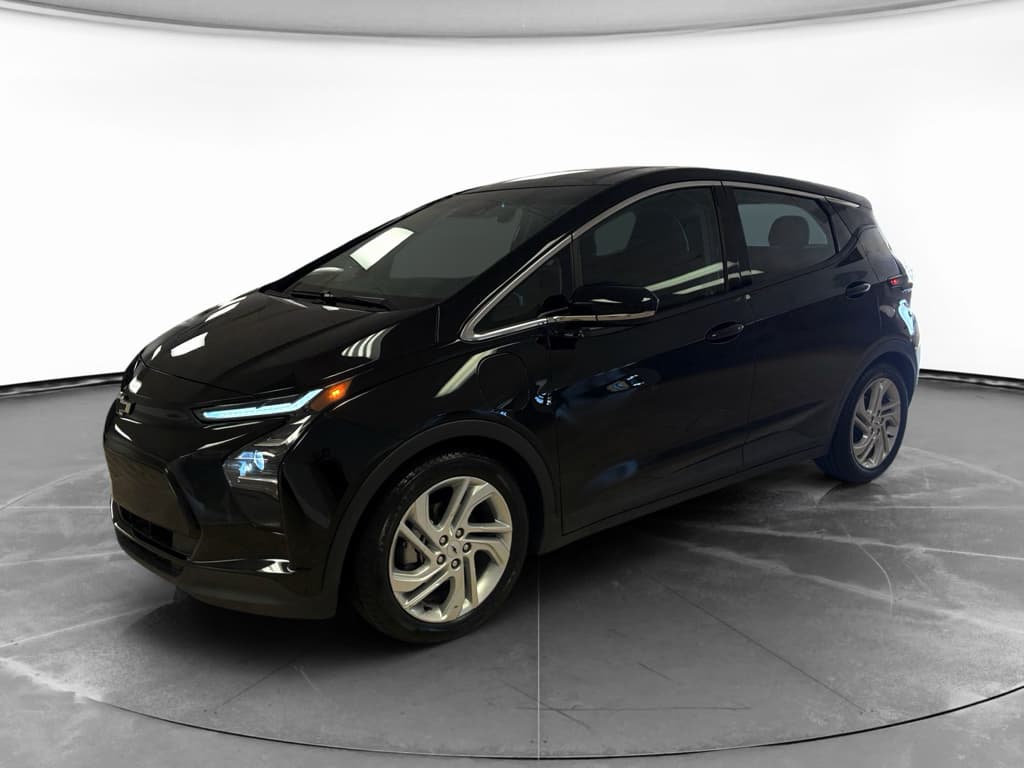
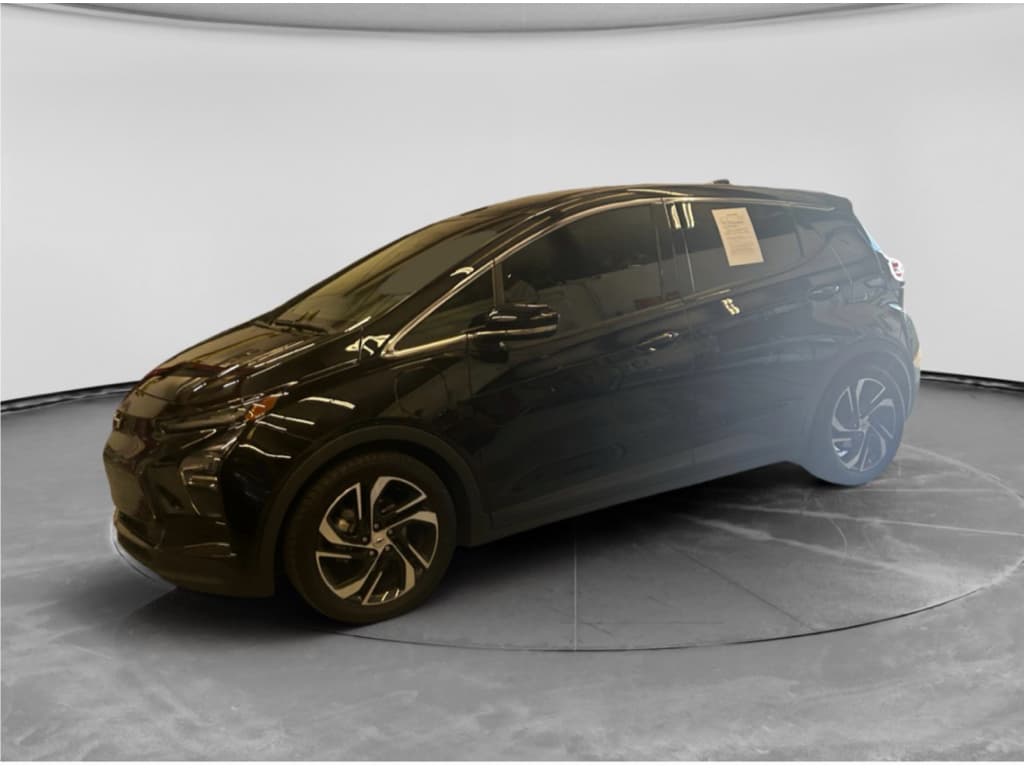
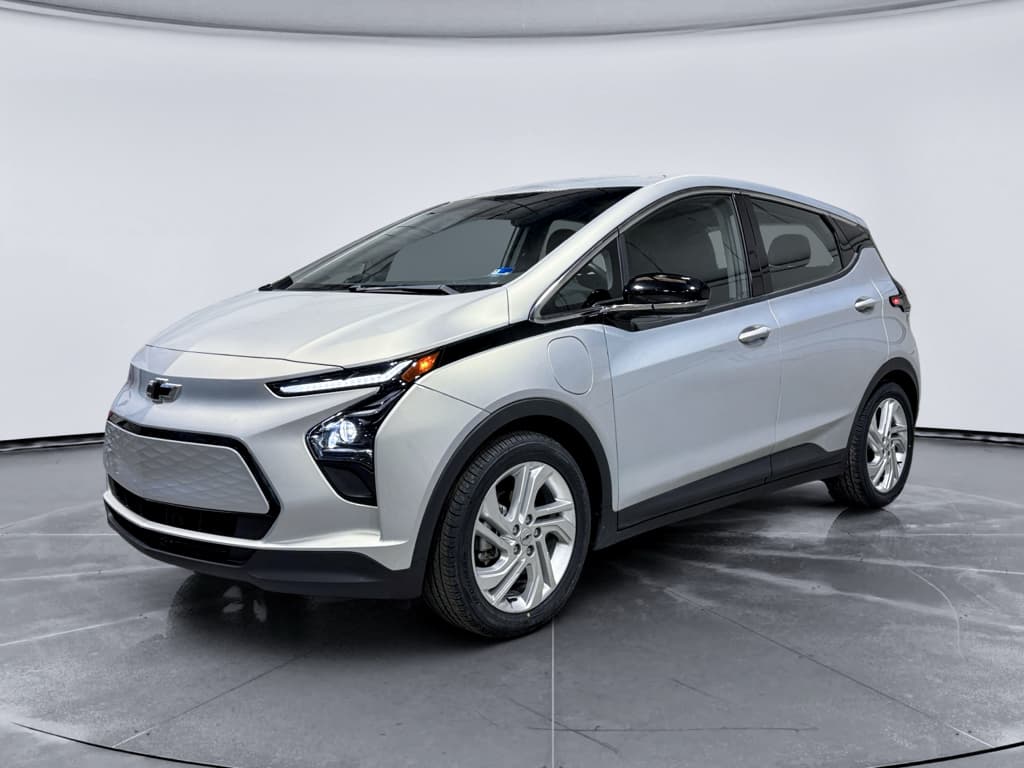
| Chevrolet Bolt EV / EUV | 2020–2023 | 220–250 mi | $15,000–$24,000 | Compact, efficient, many received new batteries under recall, great for commuting and trips home. |
| Hyundai Kona Electric | 2020–2023 | 230–260 mi | $17,000–$25,000 | Strong range, efficient, small SUV shape fits campus life and road trips. |
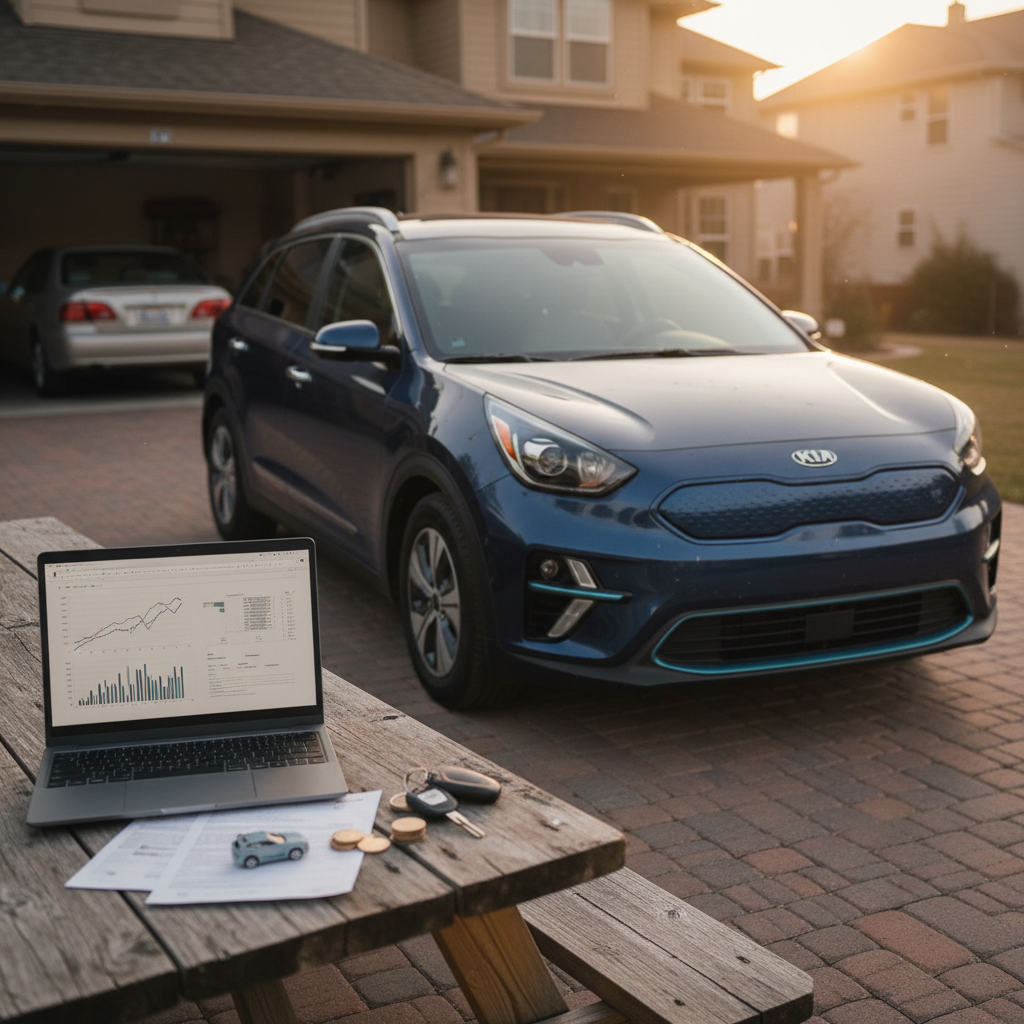
| Kia Niro EV | 2019–2022 | 210–240 mi | $16,000–$23,000 | Roomy hatchback, practical cargo space for moves, good all‑rounder. |
| Nissan Leaf (62 kWh versions) | 2019–2022 | 170–220 mi | $11,000–$18,000 | Often the cheapest used EV with usable range; best for city and short‑to‑medium drives. |
| Hyundai Ioniq Electric (hatchback) | 2019–2021 | 120–150 mi | $10,000–$16,000 | Ultra‑efficient and cheap to run; works if you mostly stay near campus. |
| Volkswagen ID.4 (early years) | 2021–2023 | 210–240 mi | $22,000–$30,000 | More space and comfort; good for students who carpool or travel a lot. |
Focus on battery health and condition first, especially on older, cheaper cars.
About federal tax credits in 2026
Model breakdowns: top student‑friendly EVs
Chevrolet Bolt EV / EUV (2020–2023)
The Bolt is arguably the default answer to “what’s the best electric car for college students in 2026?” It’s compact, easy to park, and many 2022–2023 cars had their battery packs replaced under GM’s recall program, giving you effectively a newer battery in a used car.
- Why it’s great for students: 220–250 miles of usable range, surprisingly roomy interior, and some of the lowest energy costs per mile.
- Watch for: Confirm that recall work and software updates were completed, and review a recent battery health report rather than trusting the dash gauge alone.
Hyundai Kona Electric (2020–2023)
The Kona Electric gives you similar range to the Bolt with a slightly higher driving position and a small‑SUV stance. That’s handy for snow states, campus speed bumps, and hauling friends.
- Why it’s great for students: 230–260 miles of range, good reliability record, and a cabin that feels more "grown up" than many subcompact gas cars.
- Watch for: Tire wear from the instant torque, and verify that the battery and high‑voltage components are still under warranty if you’re buying a newer used example.
Kia Niro EV (2019–2022)
The Niro EV is a great "one‑car‑does‑everything" choice. It’s a compact crossover with enough cargo room for dorm moves and weekend getaways without feeling bulky in tight campus parking lots.
- Student‑friendly strengths: Versatile interior, good safety scores, and a comfortable ride for longer drives.
- Good for: Students who regularly drive home 100–150 miles each way, or have off‑campus jobs that require more highway time.
Nissan Leaf (40 kWh vs. 62 kWh)
Earlier Nissan Leafs are often the cheapest way into EV ownership, which is why they show up on almost every student‑budget list. The catch: earlier batteries can degrade more quickly, especially in hot climates, and older models use a CHAdeMO fast‑charging connector that’s slowly disappearing from networks.
- Best student value: 2019–2022 Leafs with the larger 62 kWh battery, look for SV or SL Plus trims.
- Use case: Ideal if you stay mostly in town and have reliable home or campus charging. Less ideal if your life involves frequent long highway trips and fast charging.
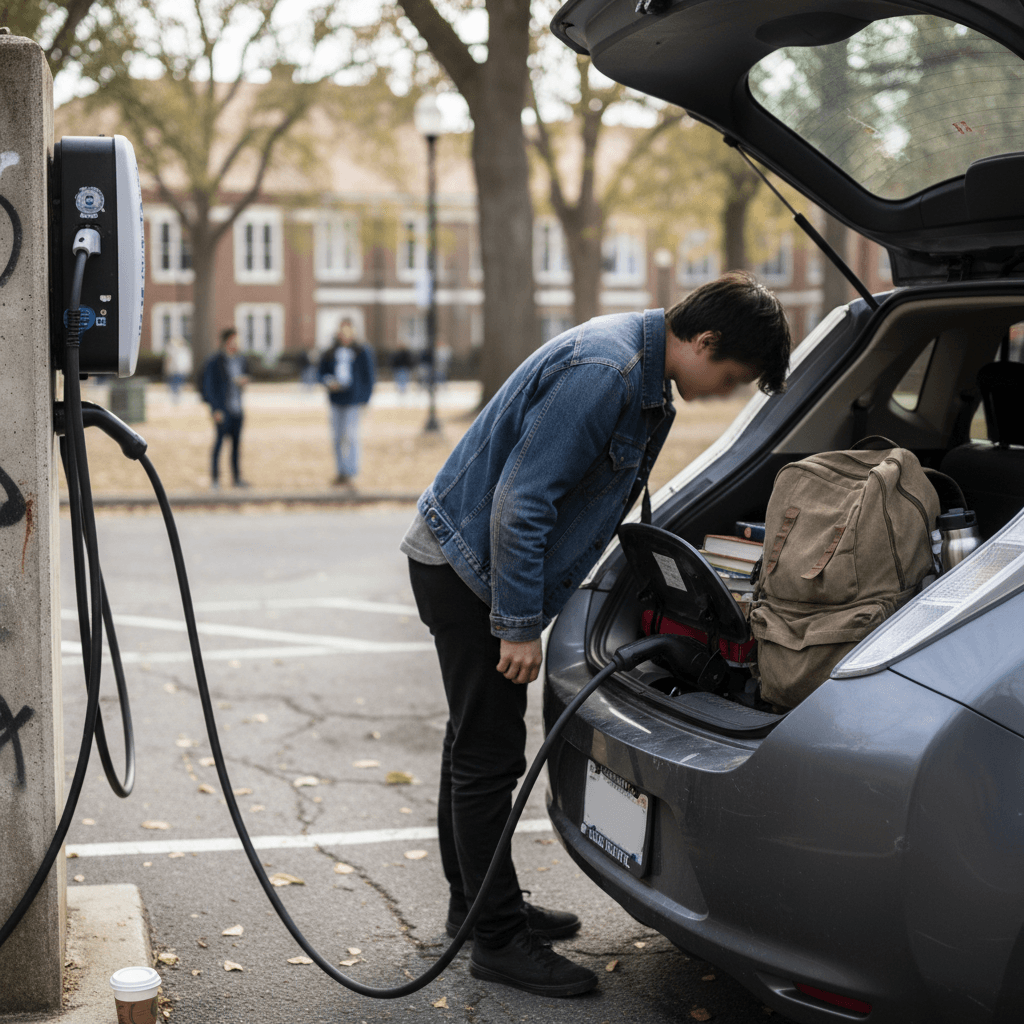
Don’t skip a battery health check
Costs to budget for beyond the sticker price
Your real monthly EV cost in college
Sticker price is just the start. Here’s what actually hits your bank account each month.
Loan or lease payment
Used EVs in the $12,000–$22,000 range often translate to mid‑$200s to mid‑$300s per month with a typical student co‑signed loan, depending on term and credit.
Tools like Recharged’s financing options can help you see payments up front and compare terms with no impact to your credit.
Charging (your "fuel" bill)
If you can charge at home off‑peak or on campus, expect many commutes to cost the equivalent of $30–$60/month. Relying heavily on public DC fast charging can push that higher, so plan your routine around slower, cheaper charging when possible.
Insurance for young drivers
Insurance can be the surprise line item. EVs sometimes cost more to insure, and under‑25 drivers already pay a premium.
- Stay on a parent’s policy when possible.
- Ask about good student discounts and telematics programs.
- Get quotes on specific VINs before you commit.
Parking, permits & fees
Campus parking permits, city parking, or garage spots can easily add $30–$150/month. Some schools discount or reserve spots for EVs with chargers, which can partially offset fuel savings.
Avoid the "all my money went into the car" trap
Charging on campus and at home
An EV only works for college life if you can charge it consistently without turning your schedule into a logistics puzzle. The good news: most students don’t actually need a fast charger. They need predictable access to any charger.
- Best‑case scenario: Level 2 (240V) charging in your dorm or apartment parking lot, or a driveway/garage where you can install a home charger.
- Still workable: Several Level 2 public chargers within walking distance of campus where you can leave the car for a few hours between classes.
- Hard mode: Relying entirely on DC fast charging across town. It’s possible, but it eats time and usually costs more per kWh.
Level 1 might be enough for some students
Build your personal charging plan in three steps
Map chargers around campus
Use apps like PlugShare, ChargePoint, or your utility’s map to find Level 2 and DC fast chargers near your dorms, classrooms, and job.
Match range to your routine
If you can only charge every few days, lean toward 200+ mile EVs so you’re not living at the charger. Short‑range city EVs work better when you can plug in nightly.
Ask housing & facilities about EV support
Some schools are quietly adding chargers or offering special parking for EVs. Email housing or facilities; you might find a program that doesn’t show up on public maps yet.
Leasing vs. buying an EV in college
When leasing can make sense
Leasing a new or nearly new EV can give you the latest range and tech with a lower upfront cost. It’s appealing if you:
- Know you’ll only be in school for 3–4 years in one place.
- Want a car that’s always under warranty.
- Can stay under the annual mileage limits.
But in 2026, many of the lease‑related tax advantages have narrowed as federal EV credits expired. Always compare the total 3‑year cost of the lease (down payment + monthly payments + fees) against buying a used EV and keeping it through your early career.
Why buying used often wins for students
Buying a used EV, especially a well‑vetted Bolt EV, Kona Electric, Niro EV, or Leaf, often gives you:
- Lower total cost over 4–6 years if you keep the car.
- More flexibility if you change schools, move states, or take a gap year.
- A real asset you can later trade in or sell.
For many students, a solid used EV with known battery health is the sweet spot between reliability and affordability.
Read the fine print on leases
How Recharged helps students shop smarter for used EVs
Used EVs can be a fantastic deal for college students, but only if the battery is healthy and the price reflects real‑world value. That’s exactly the gap Recharged is built to solve.
Why students and parents like shopping used EVs with Recharged
Transparent battery health, fair pricing, and support from people who actually understand EVs.
Recharged Score battery report
Fair market pricing
EV‑specialist support
Nationwide delivery
Financing & trade‑ins
Experience Center (Richmond, VA)
Ready to find your next EV?
Browse VehiclesFAQ: Best electric car for college students in 2026
Common student EV questions, answered
Bottom line: picking the right EV for your campus life
The best electric car for college students in 2026 isn’t the one with the flashiest badge; it’s the one that quietly fits your budget, your charging reality, and your actual driving. For many students, that means a used compact EV like the Chevrolet Bolt EV, Hyundai Kona Electric, Kia Niro EV, or a carefully vetted later‑model Nissan Leaf.
If you focus on battery health, realistic range, and total monthly cost rather than just the sticker price, an EV can make college life cheaper and less stressful than a comparable gas car. And if you’d rather not decode battery reports and incentive fine print on your own, Recharged’s combination of Recharged Score diagnostics, fair‑market pricing, financing support, and nationwide delivery can help you and your family make a decision that still feels smart long after graduation.