If your round‑trip commute is about 40 miles a day, you’re in the electric car sweet spot. That distance is long enough that gas gets expensive, but short enough that almost any modern EV can handle it comfortably. The real question isn’t “can an EV do 40 miles?”, it’s which electric car makes that 40‑mile commute painless, cheap, and still fun on a random Tuesday in February.
Why 40 miles is an EV sweet spot
Do you really need a lot of range for a 40‑mile commute?
Range reality check for a 40‑mile commute
For a 40‑mile commute, the enemy isn’t range, it’s inconvenience. You want an EV that shrugs off bad weather, traffic, and the occasional grocery detour without forcing you to think about state of charge. That’s why, in practice, anything with a real‑world range around 180–250 miles feels effortless for most drivers. You’ll charge at home overnight, wake up with a “full tank,” and commute without drama.
When limited range becomes a problem
Key features that matter for a 40‑mile EV commute
What actually makes an EV great at commuting?
Spoiler: it’s not 0–60 bragging rights.
Comfort & noise
Predictable range
Easy charging
- Safety and driver‑assist (adaptive cruise, lane centering) can turn a brutal stop‑and‑go slog into something approaching peace and quiet.
- Cabin tech that’s easy to live with: responsive infotainment, wireless CarPlay/Android Auto, climate controls that don’t bury basic functions in menus.
- Total cost per mile, purchase price plus electricity, maintenance, and insurance, which is where many used EVs quietly beat shiny new crossovers.
Think in “commute days,” not just range
Best electric cars for a 40‑mile commute: our top picks
Let’s talk metal. Below are EVs that make a 40‑mile commute feel easy, with an emphasis on real‑world value and availability in the U.S. market. We’ll start with models that are strong new or lightly used buys, then move to pure used‑EV heroes.
Top EVs for a 40‑mile commute (new or lightly used)
Approximate EPA ranges are for popular trims; exact numbers vary by year, battery, and wheels.
| Model | Typical Used/New Price* | EPA Range (mi) | Why it’s great for a 40‑mile commute |
|---|---|---|---|
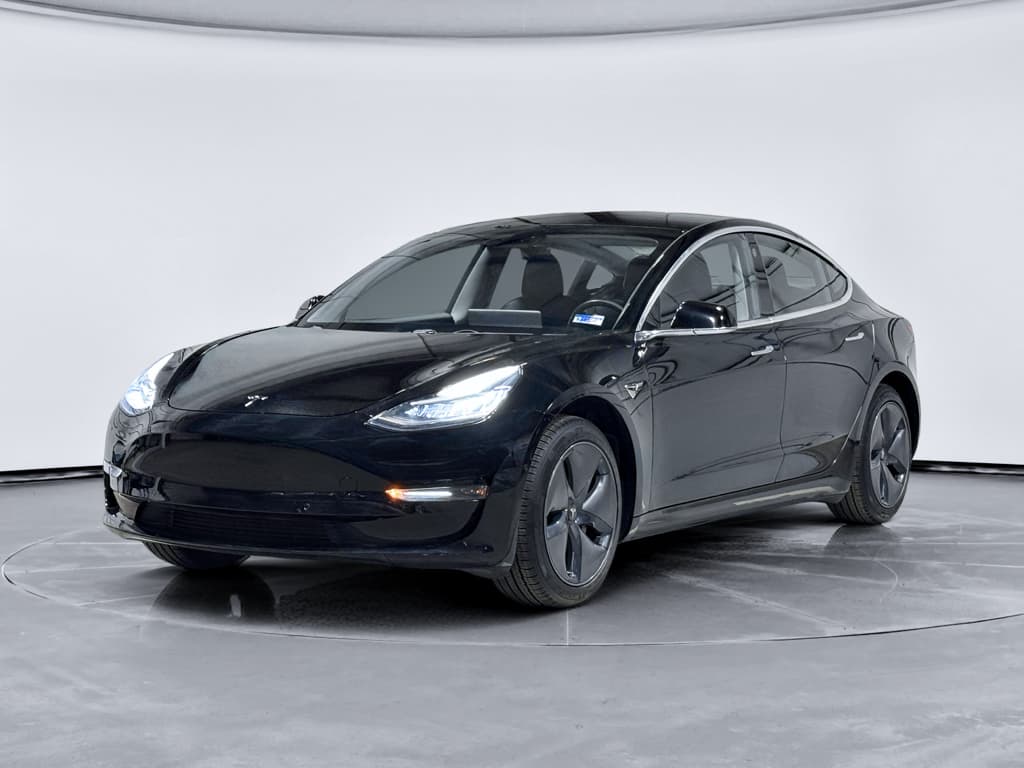
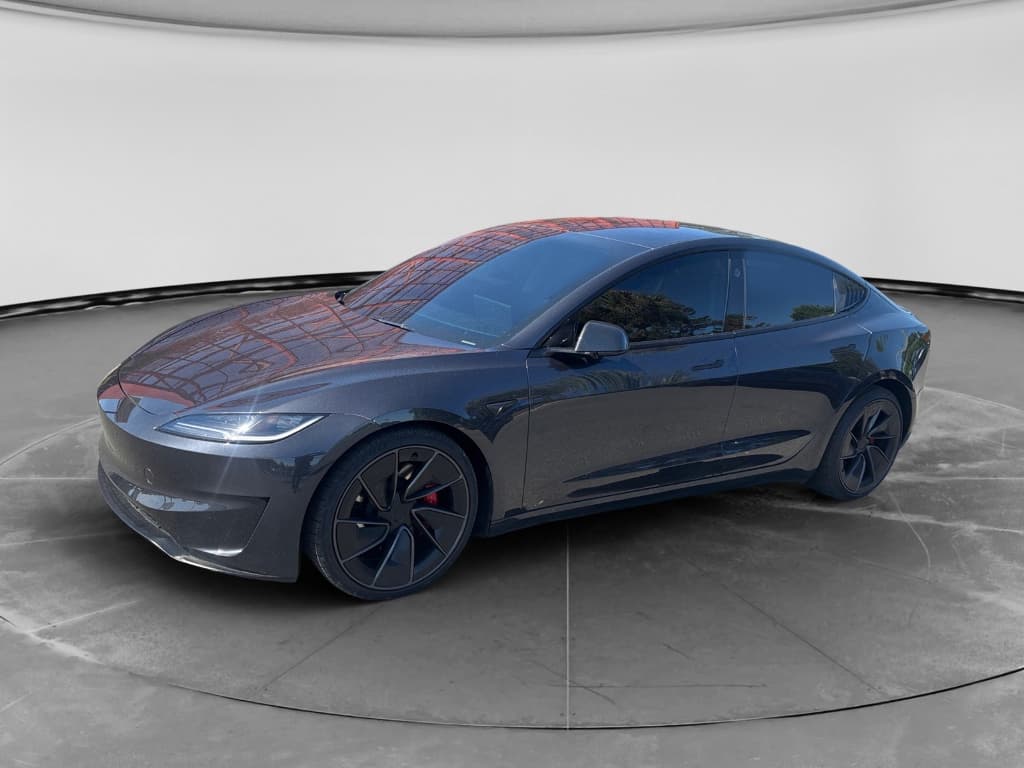
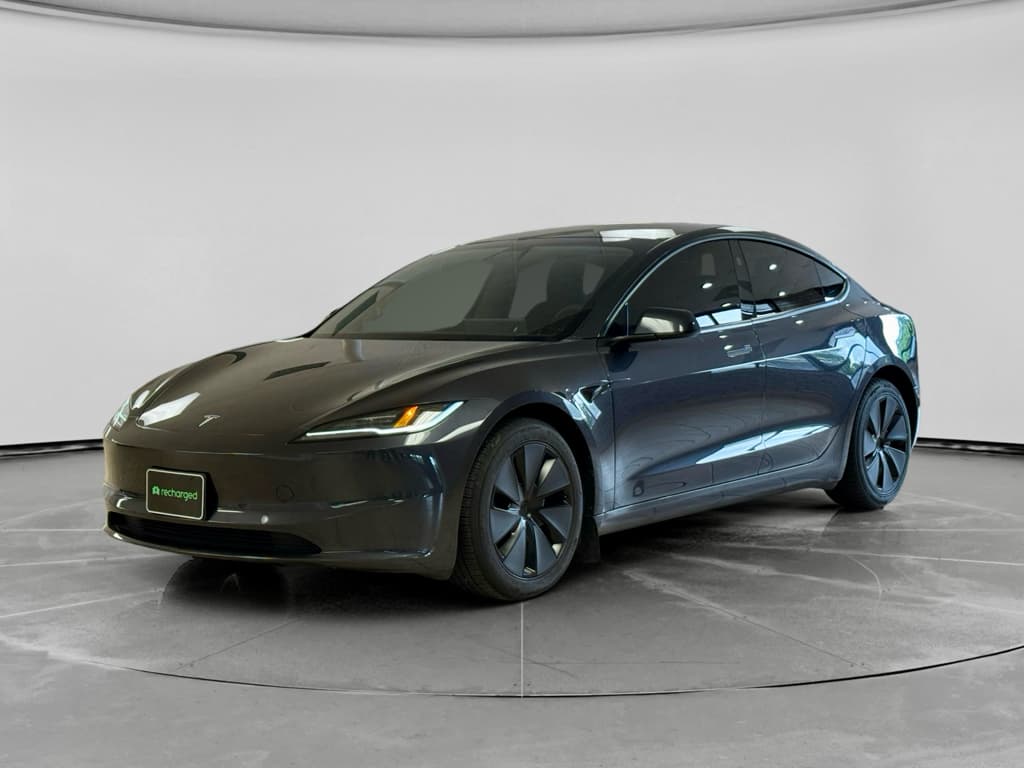
| Tesla Model 3 (RWD/Long Range) | ~$24k–$40k used, higher new | ~260–340 | Excellent efficiency, strong fast‑charging network, rock‑solid for long and short commutes alike. |
| Chevrolet Bolt EV / EUV (2019–2023) | ~$13k–$24k used | ~238–259 | Outstanding value, compact footprint, easy to park, enough range to skip some charging days. |
| Hyundai Kona Electric | ~$18k–$32k used/new | ~230–260 | One of the most efficient EVs tested, sips electrons on highway and city drives. |
| Hyundai Ioniq 5 / Kia EV6 | ~$30k–$45k used/new | ~220–310 | Roomy, comfortable, with very fast DC charging for longer trips beyond your commute. |
| Nissan Leaf Plus (62 kWh) | ~$12k–$20k used | ~215–226 | Affordable hatchback with enough range for daily duty; best if you mostly charge at home and drive locally. |
All of these vehicles can comfortably handle a 40‑mile daily commute with plenty of buffer.
About prices
Used EV superstars for commuters
Because your commute is so predictable, a well‑chosen used EV can be the smartest play. You let someone else pay the steepest part of the depreciation curve, but you still get a battery that easily handles your 40‑mile loop.
3 standout used EVs for a 40‑mile commute
All make more sense to your wallet than yet another compact gas SUV.
Chevrolet Bolt EV
Tesla Model 3 RWD
Nissan Leaf Plus
How Recharged can help on the used side
How much does an electric commute really cost?
Electricity vs gas for 40 miles
Assume you drive 40 miles a day, 5 days a week, about 10,000 work‑miles a year once you add a few errands. A typical efficient EV does around 3.5 mi/kWh in mixed commuting. That means you’ll use roughly:
- 40 miles ÷ 3.5 mi/kWh ≈ 11–12 kWh per day
- About 55–60 kWh per work week
If your home electricity rate is $0.15/kWh, that’s around $1.70–$1.80 per day, or less than $9 a work week. Many commuters spend that on coffee.
What a similar gas commute costs
Now imagine a 30‑mpg compact gas car doing the same 40‑mile round trip:
- 40 miles ÷ 30 mpg ≈ 1.33 gallons per day
- At $3.50/gal, that’s about $4.65 per day
Over a typical work year, you’re looking at roughly $900–$1,000 in gas versus maybe $350–$400 in electricity, before any time‑of‑use discounts. That gap only widens in stop‑and‑go traffic, where EVs are at their most efficient.
Where used EVs quietly win
Battery health matters more than original range
For a 40‑mile commute, the shape of your battery’s life matters more than an extra 20 miles of EPA range on paper. A five‑year‑old EV that left the factory with 240 miles but now realistically does 190 miles is still more than enough, as long as that degradation is well‑understood and stable.
Battery questions every commuter EV buyer should ask
1. What’s the real usable range today?
Look beyond the original EPA number. Ask for recent full‑to‑low‑charge data or a third‑party battery report so you know how far the car actually goes now.
2. How quickly does the state of charge drop on the highway?
Some EVs are efficient in the city but thirsty at 75 mph. If your 40‑mile commute is mostly freeway, test‑drive at your real cruising speed and watch the projected range.
3. Has the pack had any warranty repairs?
Battery replacements or module repairs aren’t necessarily bad, but you want paperwork. It tells you if known issues have already been addressed.
4. How is DC fast‑charge behavior?
Even if you’ll mostly charge at home, a pack that throttles to a crawl at 30% isn’t fun on road trips. Healthy batteries sustain stronger charge rates for longer.
5. Is there a recent independent health score?
On Recharged, every vehicle includes a <strong>Recharged Score</strong> with battery health diagnostics. Elsewhere, consider a pre‑purchase inspection from an EV‑savvy shop.
Don’t ignore early fast‑charging abuse
Home charging strategies for a 40‑mile commute
Here’s the quiet luxury of a 40‑mile commute in an EV: you rarely need public charging at all. Get home, plug in, wake up to a full battery. The main decision is whether Level 1 (a normal 120‑volt outlet) is enough, or if you should invest in Level 2 (240‑volt) at home.
Is Level 1 enough for your commute?
Approximate numbers for a typical efficient EV; exact miles per hour vary by model and weather.
| Charging type | Miles of range added per hour | Overnight (8 hours) | Good fit for… |
|---|---|---|---|
| Level 1 (120V, ~12A) | ~3–4 mi/hr | ~25–35 miles | Very short or flexible commutes, backup option if you can occasionally top up elsewhere. |
| Level 2 (240V, 32–40A) | ~20–35 mi/hr | Full charge from low | Most 40‑mile commuters who want plug‑and‑forget convenience and faster recovery after long days. |
| Workplace / public Level 2 | Similar to home Level 2 | Depends on access | Great backup if your landlord won’t install home charging but your office has stations. |
Level 1 can work for many 40‑mile commuters, but Level 2 gives headroom and convenience.
Why Level 2 is worth it for most commuters
Which EV should you choose? Quick matching guide
Match your 40‑mile life to the right EV
Budget‑first commuter
Look for a used <strong>Chevy Bolt EV/EUV</strong> or <strong>Nissan Leaf Plus</strong> with documented battery health.
Prioritize lower purchase price and solid maintenance history over fancy options packages.
If you can install Level 2 at home, charger cost plus a good used EV often beats the payment on a new gas crossover.
Tech & comfort enthusiast
Target a <strong>Tesla Model 3</strong> or a gently used <strong>Hyundai Ioniq 5 / Kia EV6</strong>.
Spend time in the seats and test the driver‑assist, these will define your day‑to‑day experience.
Consider a heat pump option if you live in a cold climate; it preserves winter range and cabin comfort.
Apartment or street parker
First, audit your charging reality: workplace chargers, nearby public Level 2, any chance of a dedicated spot.
Prefer EVs with <strong>strong efficiency and good DC fast‑charging</strong>, like Kona Electric, EV6, or Model 3.
Be honest: if reliable charging is scarce, a plug‑in hybrid might be a better stepping stone for now.
Road‑trip‑plus‑commute driver
Your 40‑mile commute is the easy part, your car also needs to crush 300‑mile weekends.
Look at longer‑range models (Ioniq 6, Model 3 Long Range, newer crossovers) with robust fast‑charge curves.
Don’t overbuy range “just in case”, but do make sure your real‑world buffer fits your longest regular trip.
Frequently asked questions about 40‑mile EV commutes
40‑mile EV commute: common questions
Bottom line: the best electric car for your 40‑mile commute
For a 40‑mile commute, the “best” electric car isn’t the one with the biggest battery or wildest acceleration. It’s the one that disappears into your routine, starts every morning full, glides through traffic without drama, and costs less to run than your streaming subscriptions.
If you want a single all‑around answer, a used Tesla Model 3, Chevy Bolt EV, or Hyundai Kona Electric will cover a 40‑mile commute with ease while keeping ownership costs sane. The key is to buy on verified battery health, comfort, and charging fit, not just on the biggest number on the spec sheet. And if you’re shopping used, a platform like Recharged, with its Recharged Score battery diagnostics, transparent pricing, financing, trade‑in options, and even an Experience Center in Richmond, VA, makes it much easier to choose the EV that turns your 40‑mile grind into the best part of your workday.