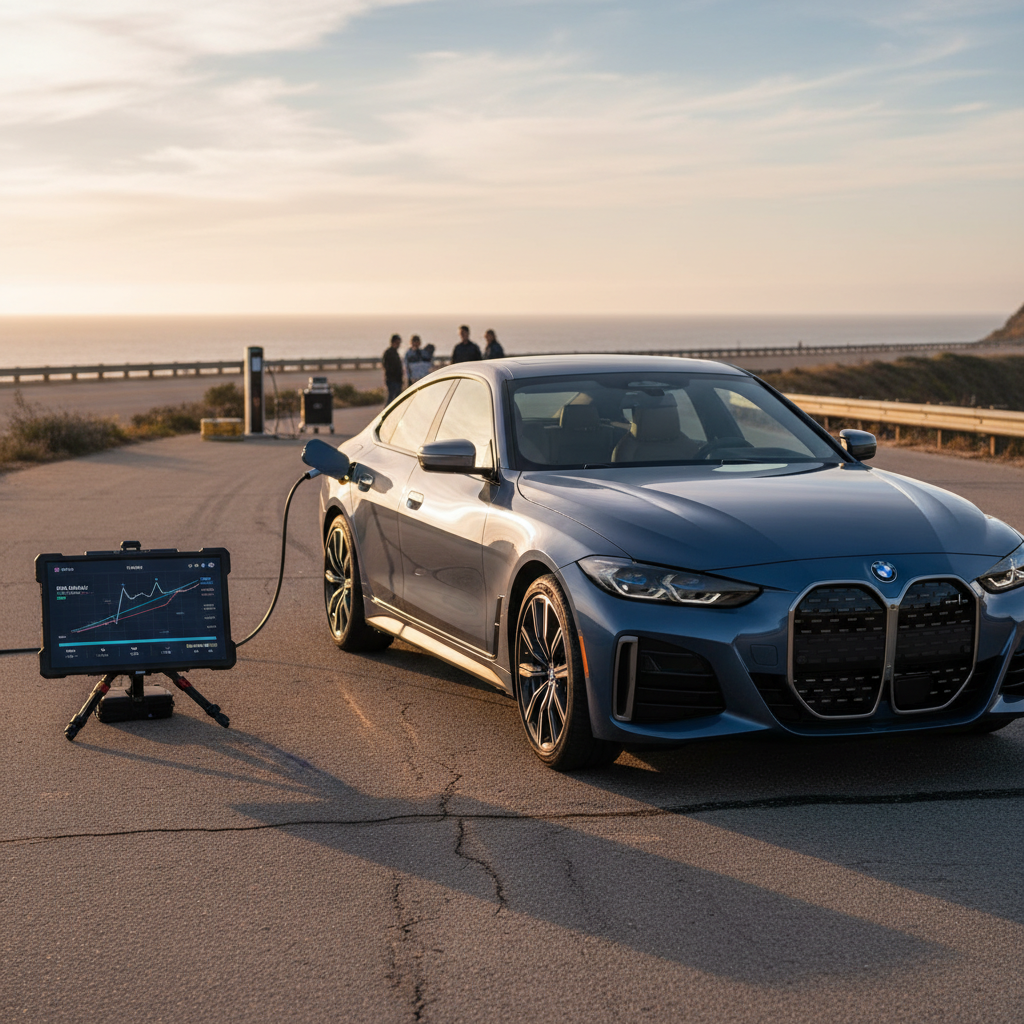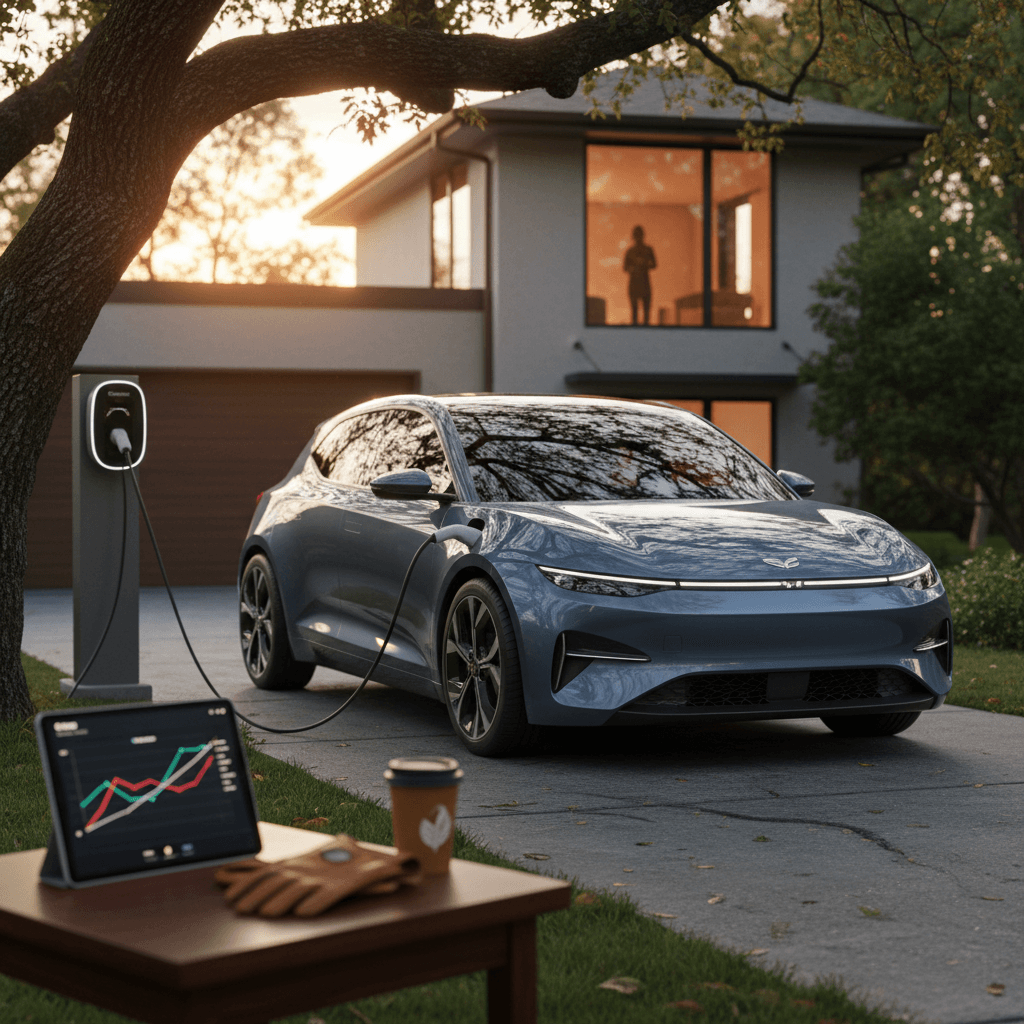
If you drive about 30 miles a day, you’re in the sweet spot for electric vehicles. The best electric car for a 30‑mile commute isn’t the one with the biggest battery or wildest performance, it’s the one that delivers the range, comfort, and cost savings you need without overpaying for capability you’ll never use. This guide walks you through how much range you really need, which models shine as commuter cars (especially used EVs), and how to keep your daily drive cheap, easy, and stress‑free.
Who this guide is for
How much EV do you really need for a 30‑mile commute?
30‑mile commute by the numbers
For most drivers, a 30‑mile daily commute is trivial for almost any modern EV. Even an older electric hatchback with 100–120 miles of usable range can handle that distance comfortably with a safety buffer, as long as you can plug in regularly. Your focus shouldn’t be on chasing maximum range, it should be on reliability, comfort, and total cost over several years of ownership.
Think weekly, not just daily
How much range is enough for a 30‑mile commute?
Range anxiety sells big batteries, but for a 30‑mile commute, you don’t need 300+ miles of range to be comfortable. What you do need is enough range to cover your daily drive, plus a buffer for weather, detours, and battery aging.
Good: 120–150 miles rated range
If you can charge most nights at home, a smaller‑battery EV with 120–150 miles of EPA range can be a perfectly practical commuter. You’ll use only a fraction of the battery each day, which is ideal for longevity.
- Best for: Short‑trip drivers with reliable home charging.
- Examples: Older Nissan Leaf, early BMW i3, some Fiat 500e and similar compact EVs.
Better: 200–260 miles rated range
If you’d like more flexibility for errands or occasional longer drives, an EV with roughly 200–260 miles of range hits a sweet spot. You’ll still save money over big‑battery models but gain room for weather and aging.
- Best for: Drivers who can’t charge every night or face cold winters.
- Examples: Chevrolet Bolt EV, Kia Niro EV, Hyundai Kona Electric, early Tesla Model 3 RWD.
When you really might want 280+ miles
New vs. used: What makes sense for a short commute
A 30‑mile commute is where used electric cars really shine. You’re not stressing the battery, and you don’t need the latest long‑range flagship to get to work and back. Instead, you can let the first owner pay for most of the depreciation and step into a capable commuter for the price of a modest gas compact.
New vs. used EVs for a 30‑mile commute
Which path fits your budget, risk tolerance, and plans?
Why a used EV often wins
- Lower purchase price: Short‑range and first‑generation EVs take a bigger depreciation hit, which is your opportunity.
- Plenty of capability: Even 5–7‑year‑old EVs often have 80–150 miles of real‑world range, more than enough for 30‑mile days.
- Cheap to run: You enjoy near‑new running costs at a fraction of the sticker price.
- Ideal use case: Short, predictable commutes are easy on aging packs.
When a newer EV makes sense
- Longer trips: If you regularly road‑trip, later‑generation EVs have faster DC charging and better efficiency.
- Advanced safety tech: Newer models bundle adaptive cruise, lane‑keep assist, and better crash protection.
- Warranty coverage: A newer EV may still have a factory battery and bumper‑to‑bumper warranty.
- Latest charging standards: Some 2025–2026 models add NACS connectors and better public‑charging compatibility.
How Recharged de‑risks used EVs
Best used electric cars for a 30‑mile commute
You have many good options, but a handful of used EVs stand out for a 30‑mile daily drive because they balance price, efficiency, and comfort. Here we’ll focus on widely available models you’re likely to find on the used market in the U.S.
Used EVs that excel on a 30‑mile commute
Approximate EPA ranges are for common trims; real‑world numbers vary with weather, speed, and age. Always check the specific car’s battery health report.
| Model | Typical used price band* | EPA range (approx.) | Why it’s great for 30 miles | Potential watch‑outs |
|---|---|---|---|---|
| Chevrolet Bolt EV (2017–2023) | Low–mid | ~238–259 mi | Excellent efficiency, compact size, easy one‑pedal driving, plenty of range for a full week of commuting on one charge. | Earlier recall units should have completed battery replacement; confirm recall work and check DC fast‑charge behavior. |
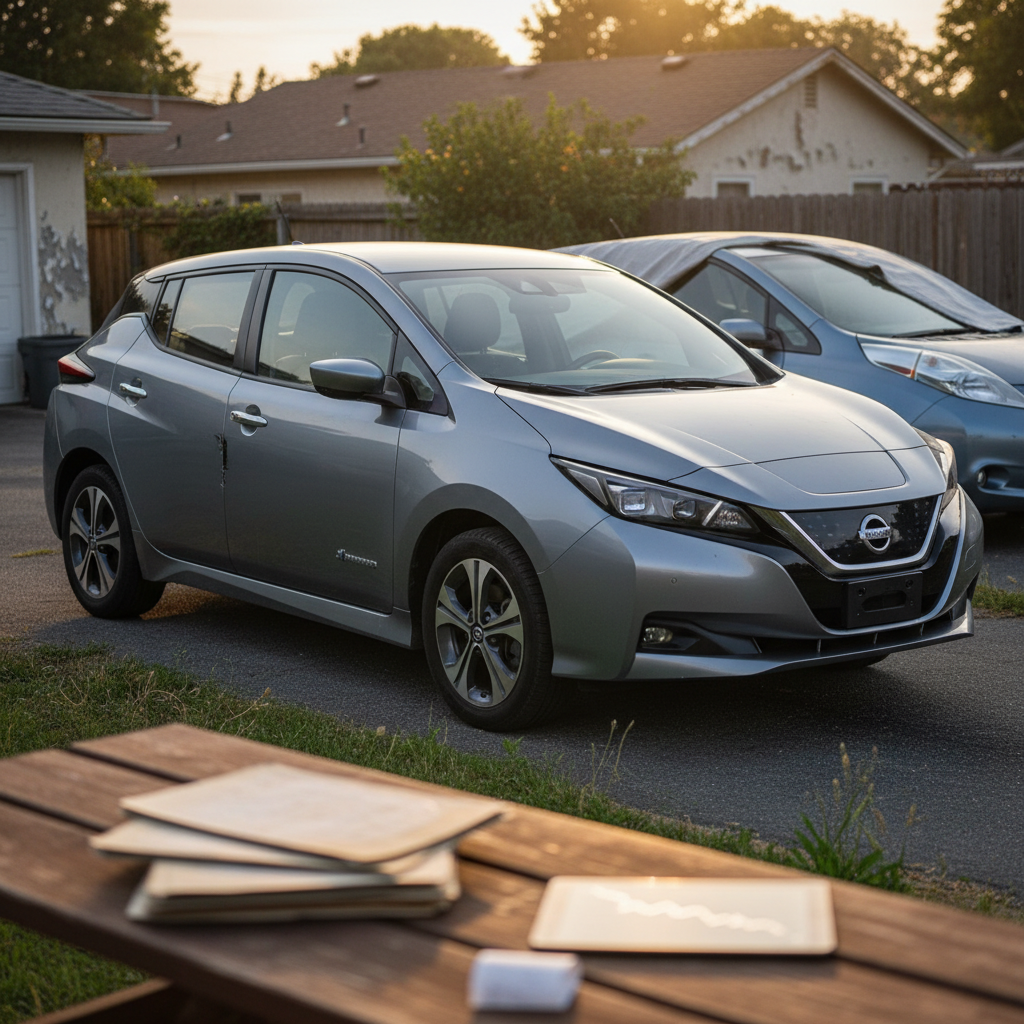
| Nissan Leaf (2nd gen 40 kWh, 2018–2022) | Low | ~149 mi | Often very affordable, smooth and quiet, ideal if you can charge nightly and mostly drive in town. | Air‑cooled pack can lose range faster in very hot climates; CHAdeMO fast‑charging standard is slowly fading. |
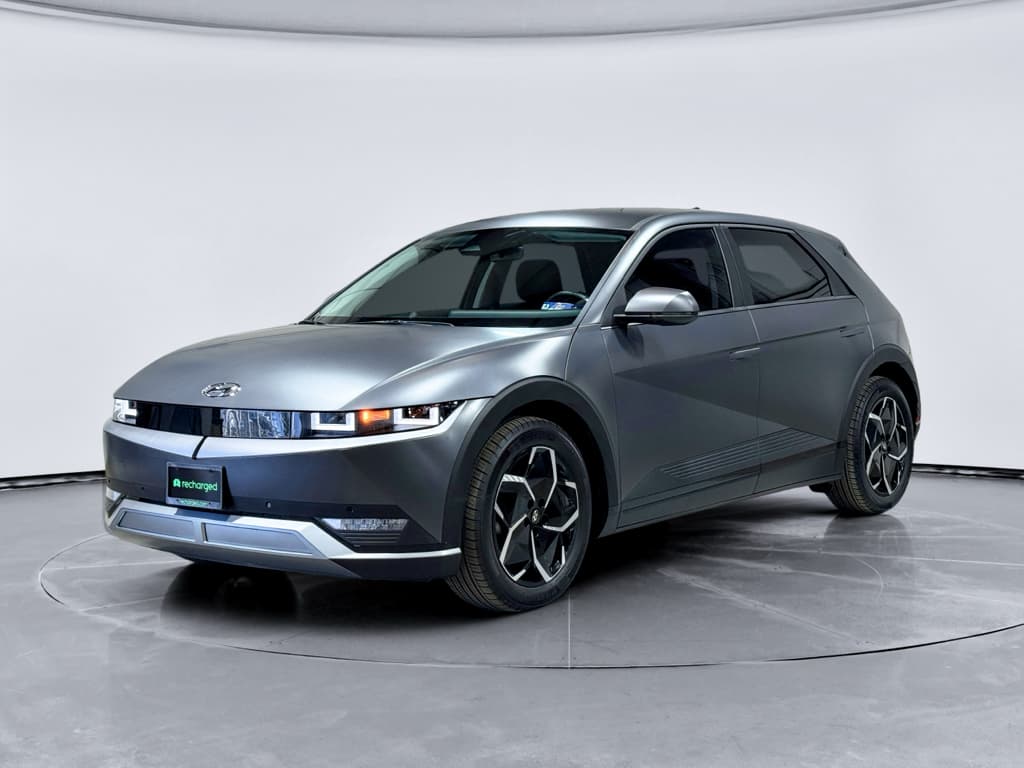
| Hyundai Kona Electric (2019–2023) | Mid | ~258 mi | Strong efficiency, small footprint that’s easy to park, good safety tech for its age. | Limited rear legroom; confirm maintenance history and any software updates. |
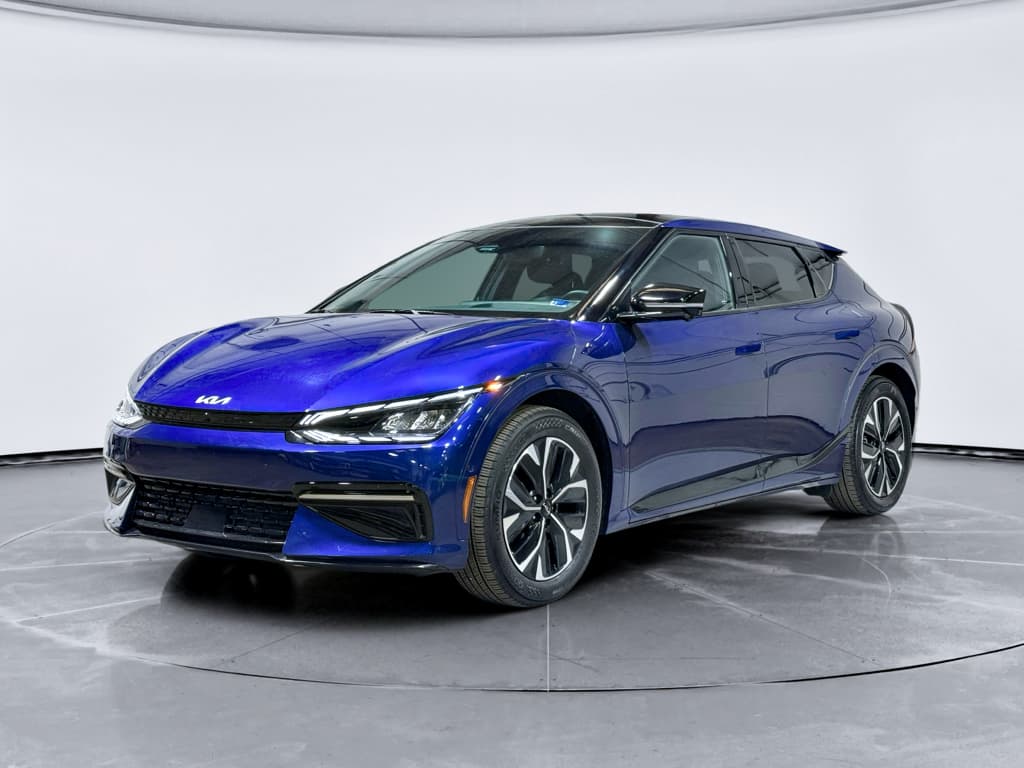
| Kia Niro EV (2019–2023) | Mid | ~239 mi | More upright seating and cargo space than a hatchback but still compact enough for city commutes. | As with Kona, rear legroom is modest; DC fast‑charging isn’t the very latest, but it’s fine for occasional trips. |
| Tesla Model 3 RWD/Standard Range (2018–2021) | Mid–higher | ~220–250 mi | Refined ride, strong efficiency, excellent app experience and driver‑assist tech, especially if you ever stray beyond your commute. | Higher purchase price; factor in insurance costs and make sure you’re comfortable relying on Tesla’s ecosystem. |
| Fiat 500e & other city EVs | Low | ~80–120 mi | Tiny footprint and fun to drive in dense traffic; easy to park and great if your commute truly is short and urban. | Very limited range and cargo; often better as a second car strictly for city use. |
You don’t need 300 miles of range to be happy on a 30‑mile route, these used EVs prove it.
Don’t ignore battery condition
Key features to look for in a commuter EV
Once you’ve narrowed your range and budget, focus on features that directly affect your commute: comfort, safety, and how easy the car is to live with every single weekday.
Must‑have vs. nice‑to‑have commuter features
Prioritize what you’ll notice at 7:30 a.m., not just what looks cool on a spec sheet.
Comfort basics (must‑have)
- Supportive seats: Your back will thank you in stop‑and‑go traffic.
- Quiet cabin: EVs are naturally hushed; some do it better than others.
- Good visibility: Wide mirrors and clear sightlines reduce stress.
Safety & driver assists
- Automatic emergency braking and lane‑keep assist.
- Adaptive cruise control for highway stretches.
- Blind‑spot monitoring if you’re in dense traffic.
Charging & convenience
- Included Level 1 or Level 2 cable that fits your home setup.
- Simple charge scheduling to use off‑peak power rates.
- Heat pump (in cold states) to reduce winter range loss.
Try your actual commute on a test drive
Charging strategy for a 30‑mile‑a‑day driver
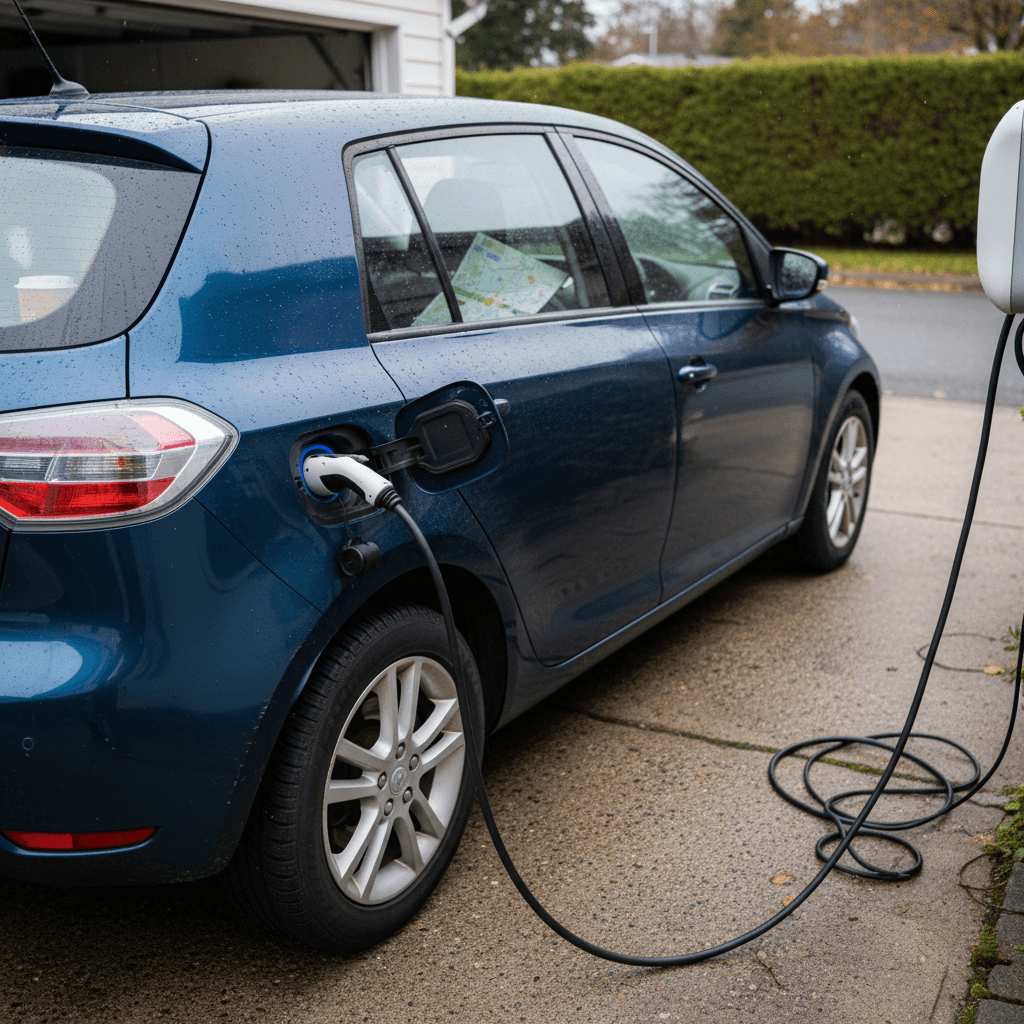
With only 30 miles to cover per day, you have a lot of flexibility in how often you charge. Many commuters overcomplicate this. The goal is not to be at 100% every morning, it’s to stay in a healthy middle band of the battery and make charging almost invisible to your daily routine.
- If you have Level 2 at home, plugging in every night with a charge limit set around 80% is simple and easy.
- If you only have a 120V outlet, you can still add 30–40 miles overnight with many EVs, enough to “refill” your commute while you sleep.
- If you can charge at work, you may only need to plug in at home on weekends or before longer trips.
- Public DC fast charging is overkill for daily commuting; think of it as an occasional tool, not a routine.
How often should you charge?
What you’ll actually spend: Cost per mile and savings
Where an EV really earns its keep on a short commute is operating cost. Electricity is cheap, EVs are efficient, and 30 miles simply isn’t that far. Over a year or two, the pennies per mile add up.
Typical cost for a 30‑mile daily commute
If your current gas car averages 28 mpg and fuel costs $3.50 per gallon, you’re paying about 12.5¢ per mile. An efficient EV charged at home might cost around 5¢ per mile. On a 30‑mile commute, that’s roughly $2.–$4 saved per workday, or several hundred dollars per year, before factoring in lower maintenance and oil‑change savings.
Want to run your own numbers?
Ready to find your next EV?
Browse VehiclesBattery health: Are short commutes bad for EVs?
The way you use and charge an EV matters more to battery health than how many miles you drive each day. Short commutes are generally gentle on packs, as long as you avoid a couple of bad habits.
Healthy habits for a commuter EV
- Live in the middle: Day‑to‑day, try to keep the battery between roughly 20% and 80% state of charge.
- Slow and steady charging: Use Level 1 or Level 2 for routine charging; reserve DC fast charging for trips.
- Let it rest cool: Parking in the shade or a garage, especially in hot climates, helps the battery stay happy.
Habits to avoid
- Regularly charging to 100% and then letting the car sit for many hours.
- Frequent deep discharges to near zero, especially in very hot or very cold weather.
- Relying on DC fast charging multiple times per week when a simple overnight Level 2 session would do.
How Recharged quantifies battery health
Checklist: Choosing the best EV for your 30‑mile commute
Step‑by‑step commuter EV buying checklist
1. Map your real daily and weekly miles
Write down your typical round‑trip distance, plus side trips for errands, school runs, and weekend activities. This anchors how much range you actually need instead of what marketing suggests.
2. Decide how often you want to charge
Would you rather plug in most nights, or only a couple of times per week? If nightly charging is fine, you can confidently shop EVs with 120–180 miles of rated range; if not, look more toward 200–260 miles.
3. Confirm your home (or work) charging plan
Check what outlets you have in your garage or parking area and what it would take to install a Level 2 charger. If that’s not practical, look for workplace charging or very nearby public options.
4. Set a realistic budget and prioritize used
For a 30‑mile commute, a smartly chosen used EV often delivers the best value. Decide what you’re comfortable spending monthly, then compare that with used EV offerings and financing options.
5. Shortlist 3–5 models that fit your life
Use this guide to assemble a short list, perhaps a Bolt EV, a second‑gen Leaf, a Kona Electric, a Niro EV, or an entry‑level Model 3. Consider size, cargo needs, and how each will feel in your parking and traffic environment.
6. Check battery health and history
Before buying, review a battery health report (like the Recharged Score), maintenance records, and any open recalls. For commuter duty, you want a pack that still offers comfortable real‑world range even in winter.
7. Test drive your actual route if possible
If a dealer or marketplace allows, drive at least a big portion of your normal commute. Evaluate seat comfort, noise levels, driver assists, and how natural it feels to plug in where you’ll actually charge.
8. Compare total monthly cost vs. your current car
Look at payment, insurance, and estimated electricity costs side‑by‑side with what you’re currently paying for fuel and maintenance. A well‑priced used EV often wins over a similar‑price gas car on total cost, especially for steady commuters.
FAQ: Best electric car for a 30‑mile commute
Frequently asked questions about 30‑mile EV commutes
Bottom line: The “best” EV for your 30‑mile commute
For a 30‑mile commute, the best electric car is rarely the flashiest one on the lot. It’s the EV that gives you enough range with room to spare, fits your parking and charging situation, rides comfortably in traffic, and doesn’t stretch your budget. In practice, that often means a well‑chosen used compact EV, a Chevrolet Bolt EV, Hyundai Kona Electric, Kia Niro EV, second‑generation Nissan Leaf, or similar, with verified battery health and simple home charging.
If you approach the decision with your real daily miles and charging reality in mind, you’ll find that a 30‑mile commute is almost tailor‑made for electric ownership. And if you’d like help picking the right used EV, evaluating battery health, or arranging financing and delivery, Recharged is built to make that entire journey simple, transparent, and commuter‑friendly.