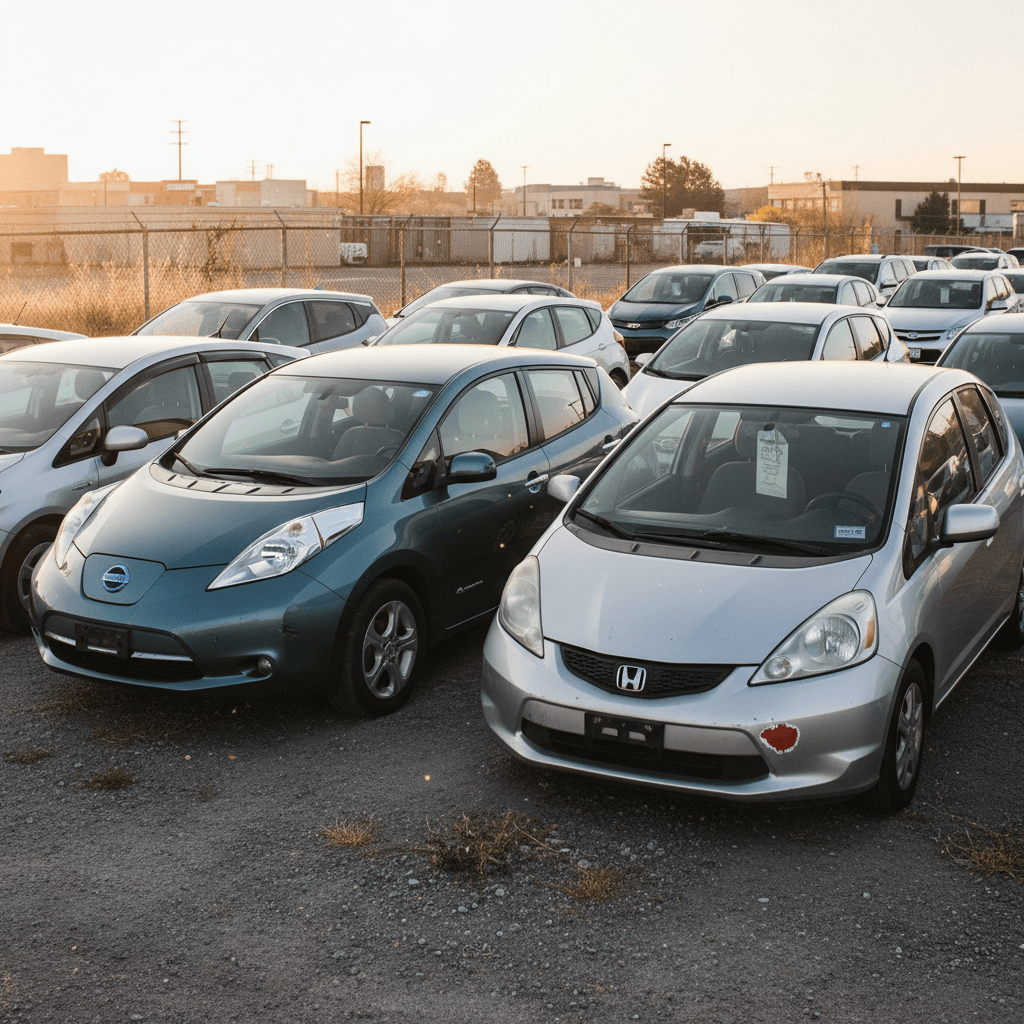
If you’re hunting for the best cheap used cars in 2025, you’ve probably noticed something frustrating: prices don’t feel very “cheap” anymore. The average used vehicle in the U.S. is now hovering around the high-$20,000s, with many late‑model cars topping $30,000. That makes it even more important to know which models still offer solid reliability, low running costs, and real value at lower price points.
Affordability reality check
Why “cheap” used cars are hard to find in 2025
Before we get into specific picks, it helps to understand why affordable used cars feel scarce. Several forces are at work: pandemic‑era production cuts reduced the supply of newer used vehicles, tariffs and higher new‑car prices are pushing more shoppers into the used market, and many owners are holding onto their cars longer. All of that keeps pressure on prices, especially for safe, fuel‑efficient models that budget shoppers want most.
Used-car affordability snapshot
Where true value hides
Price targets: what “cheap” really means today
Given today’s price levels, it’s more useful to think in realistic budget brackets instead of chasing unicorn deals. Here’s how we’ll define the “best cheap used cars” in this guide:
- Under $10,000: Older but still solid commuter cars and compact SUVs, typically with 90,000–140,000 miles.
- $10,000–$15,000: The sweet spot for many buyers, newer body styles, better safety tech, and often under 100,000 miles.
- $15,000–$20,000: Not truly “cheap,” but where you’ll find the best mix of newer models, used EVs and hybrids, and lower risk of big repair bills.
Don’t forget total cost of ownership
Best cheap used sedans for tight budgets
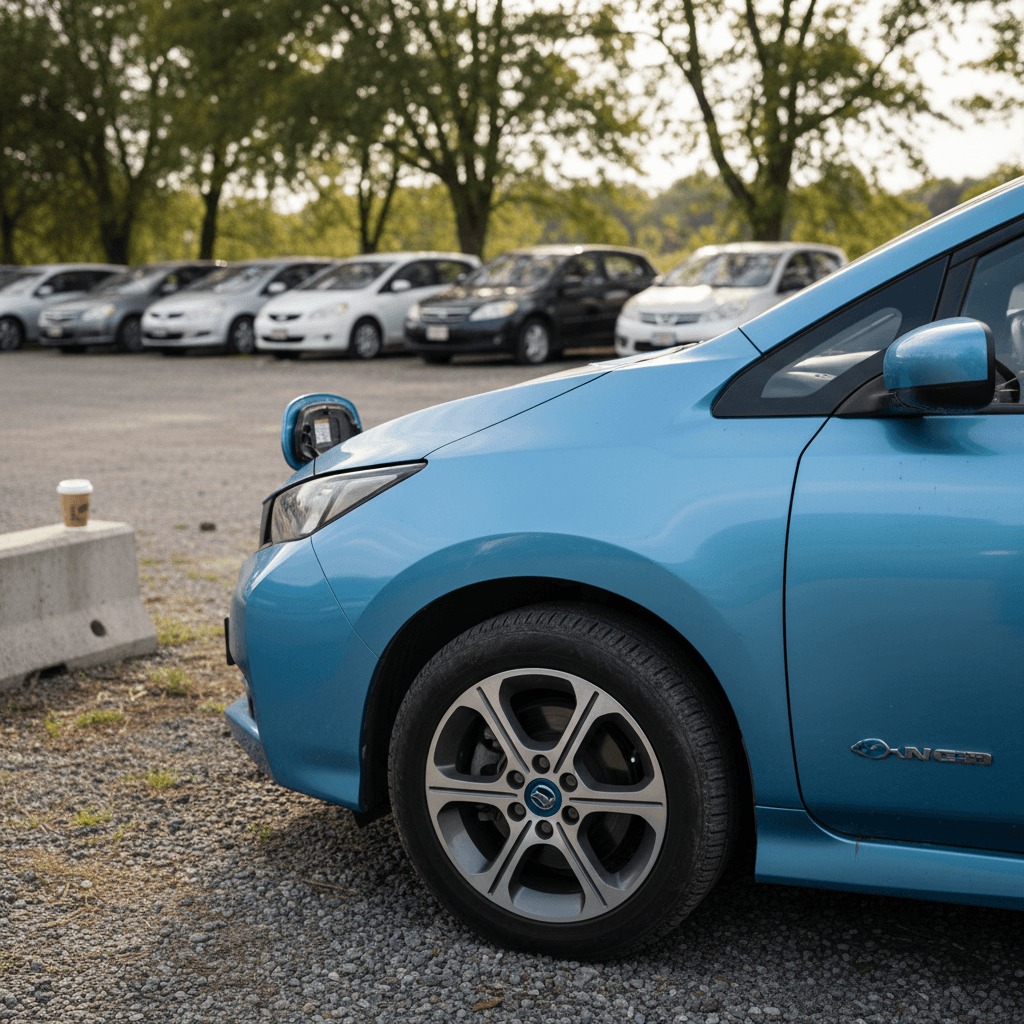
Sedans are where you’ll find the best cheap used cars for pure dollar‑per‑mile value. SUVs are still trendy, and that keeps their prices higher. If you can live without the extra ride height, these used sedans should be near the top of your list.
Top budget-friendly used sedans
Reliable commuters that still feel modern
Mazda3 (2014–2018)
Why it’s great: Sporty to drive, strong reliability scores, and often overlooked compared with Corolla/Civic, which keeps prices in check.
- Typical budget: $8,000–$13,000 depending on year/miles
- Look for: 2.0L engine, documented service history
- Avoid: Heavy rust areas, neglect on oil changes
Toyota Corolla (2012–2016)
Why it’s great: Legendary reliability, easy to maintain, and plentiful parts. Not exciting, but very cheap to own long‑term.
- Typical budget: $9,000–$14,000
- Look for: Clean accident history, basic LE or S trim
- Avoid: Modified or rideshare‑heavy vehicles
Hyundai Elantra (2017–2019)
Why it’s great: More features for the money, heated seats, modern infotainment, and active safety tech at compact‑car prices.
- Typical budget: $11,000–$16,000
- Look for: SEL or higher trims with safety packages
- Avoid: Spotty maintenance, especially on turbo models
If your budget ceiling is closer to $10,000, focus on slightly older, well‑cared‑for examples with higher miles, rather than stretching for a newer car with a sketchy history. A 2016 sedan with 120,000 highway miles and full records is often a safer bet than a 2019 model with missing maintenance and accident damage.
Best cheap used SUVs and crossovers
If you need more cargo space, all‑weather capability, or a higher seating position, small SUVs and crossovers can still be affordable, especially if you’re flexible on age and mileage. Just expect to pay a premium over a comparable sedan.
Small SUVs that still fit a small budget
Practical picks that won’t crush your payment
Honda CR-V (2010–2014)
Why it’s great: One of the most reliable compact SUVs ever built, with good crash scores and strong resale value.
- Typical budget: $9,500–$15,000
- Look for: Single‑owner vehicles, regular fluid changes
- Avoid: Rust‑belt models with underbody corrosion
Subaru Outback (2012–2016)
Why it’s great: Standard AWD, wagon‑like practicality, and strong safety scores. Ideal for snow states and outdoor lifestyles.
- Typical budget: $10,000–$16,000
- Look for: Proven head‑gasket repair on older 2.5L engines
- Avoid: Modified suspensions, heavy towing history
Ford Escape / Chevy Equinox (2015–2018)
Why they’re great: Mainstream compact crossovers with decent reliability and lots of availability, which helps keep prices in check.
- Typical budget: $10,000–$17,000
- Look for: Non‑turbo base engines if you prioritize simplicity
- Avoid: Overloaded towing, overdue transmission service
Think smaller to save more
Best cheap used electric cars
Here’s some good news if you’re EV‑curious: used electric vehicles have dropped faster in price than comparable gas cars over the last couple of years. That means some of the best cheap used cars right now are actually electric, especially if you have access to home charging and don’t need road‑trip range every weekend.
Standout cheap used EVs
Great entry points into electric driving
Chevrolet Bolt EV (2017–2019)
Why it’s great: Real‑world range around 200+ miles, compact size, and significantly lower prices than when new thanks to rapid depreciation.
- Typical budget: $11,000–$18,000 depending on miles and battery warranty coverage
- Look for: Cars with completed recall battery replacements
- Avoid: Early cars without documentation of recall work
Nissan Leaf (2015–2019, 30–40 kWh)
Why it’s great: One of the most common used EVs on the market, with simple mechanicals and low running costs. Ideal if your daily driving is under 80–100 miles.
- Typical budget: $7,000–$14,000
- Look for: Higher‑capacity 30 or 40 kWh packs, many battery bars remaining
- Avoid: Very hot‑climate cars with marked battery degradation
Hyundai Ioniq Electric & Kia Soul EV
Why they’re great: Often overlooked but highly efficient, with modern interiors and strong efficiency ratings. Range is modest, but pricing can be very attractive.
- Typical budget: $10,000–$18,000
- Look for: Remaining factory battery warranty where possible
- Avoid: Cars with incomplete fast‑charging histories or salvage titles
Where Recharged fits in
Ready to find your next EV?
Browse VehiclesAt-a-glance comparison: top cheap used cars
Quick comparison of popular cheap used picks
Approximate U.S. pricing and highlights as of late 2025. Actual prices vary by region, mileage, and condition.
| Model | Type | Typical Price Range | Strengths | Watch-outs |
|---|---|---|---|---|
| Mazda3 (2014–2018) | Compact sedan | $8,000–$13,000 | Fun to drive, efficient, often under the radar | Rust, lack of maintenance records |
| Toyota Corolla (2012–2016) | Compact sedan | $9,000–$14,000 | Top‑tier reliability, cheap to own | High‑mile fleet cars, accident damage |
| Hyundai Elantra (2017–2019) | Compact sedan | $11,000–$16,000 | Newer tech and safety, good value | Deferred maintenance on higher‑trim engines |
| Honda CR‑V (2010–2014) | Compact SUV | $9,500–$15,000 | Proven reliability, strong resale | Rust, worn suspension on high‑milers |
| Subaru Outback (2012–2016) | AWD wagon/SUV | $10,000–$16,000 | All‑weather capability, cargo space | Oil leaks, head‑gasket history on older engines |
| Chevy Bolt EV (2017–2019) | Electric hatchback | $11,000–$18,000 | Excellent range for price, low running costs | Battery recall status, charging availability |
| Nissan Leaf (2015–2019) | Electric hatchback | $7,000–$14,000 | Very low operating costs, city‑friendly | Battery degradation in hot climates, limited range |
Use this table as a starting point, then verify local prices and vehicle history for any car you’re serious about.
Financing tips for low‑priced used cars
Even when you’re buying a cheap used car, the loan terms can make or break the deal. Interest rates on used‑car loans have been running higher than many shoppers expect, and a lot of buyers end up with 6–11% APR, even though most say they want to stay under 5%. Here’s how to tilt the math in your favor.
Smart money moves before you buy
1. Know your maximum monthly payment
Work backward from your budget, not the car’s sticker price. Include insurance, maintenance, and fuel or charging costs in your monthly number.
2. Check your credit before you shop
Pull your credit report and score so you know where you stand. Small improvements, like paying down a card, can bump you into a better APR tier.
3. Get pre-approved with no surprises
Shop for pre‑approvals from banks or credit unions before visiting a dealer. This gives you a benchmark APR and keeps the focus on the car price, not just the payment.
4. Keep loan terms as short as practical
Stretching to 72 or 84 months might make the payment look friendly, but it increases total interest and the risk of being upside‑down on an older car.
5. Avoid rolling negative equity forward
If you’re trading in a car with an existing loan, make sure you’re not quietly adding old debt onto your new loan. That’s how buyers end up owing more than the car is worth for years.
How Recharged can help on payments
How to shop smart for a cheap used car
1. Start with the right targets
List 3–5 models that fit your needs and budget, rather than fixating on a single nameplate. For example, instead of only hunting for a Civic, consider Corolla, Mazda3, Elantra, or Sentra as well.
Cast a slightly wider geographic net too, sometimes the best deals are 50–150 miles away, especially in metro areas with more competition.
2. Use data, not just gut feeling
When you spot a candidate, compare its price to similar listings in your region, taking mileage and trim into account. A car that looks like a bargain may simply have undisclosed issues or thin service history.
For EVs, pay particular attention to battery health data, fast‑charge history, and whether the car is still under any factory battery warranty.
Quick pre‑purchase inspection checklist
Check the title and history report
Look for clean title status, no serious accidents, and consistent mileage. Multiple accidents or salvage branding are big red flags, especially on EVs.
Scan for warning lights and odd noises
On a test drive, pay attention to ABS, airbag, and check‑engine lights, plus transmission shudder, slipping, or clunks over bumps.
Inspect tires, brakes, and fluids
Uneven tire wear can hint at alignment or suspension issues. Dark or burnt‑smelling fluids suggest overdue maintenance.
Confirm key features work
Test all windows, locks, infotainment, climate control, and safety tech like backup cameras and parking sensors. Fixing electronics can get pricey fast.
For EVs: verify battery and charging
Ask for any available battery health reports, test both home and DC fast charging if possible, and check that all included charge cables and adapters are in good shape.
Why an expert eye matters
Common pitfalls to avoid with cheap used cars
- Chasing the absolute lowest price and ignoring total cost of ownership. A $7,000 car that needs a $3,000 transmission isn’t a deal.
- Skipping the vehicle history report or failing to read it carefully. Look for repeated accidents, odometer discrepancies, and title brands.
- Buying on payment alone instead of checking the total amount financed and APR. A low payment can still hide a very expensive loan.
- Overlooking safety. Check crash‑test scores and whether the car has basic modern safety tech like stability control and side airbags.
- Underestimating EV charging needs. For used EVs, make sure you have a realistic plan for home or workplace charging, plus access to public chargers where you drive.
Walk away from these red flags
FAQ: best cheap used cars
Frequently asked questions about cheap used cars
Cheap used cars and used EVs: next steps
Finding the best cheap used cars in 2025 takes more work than it used to, but it’s far from impossible. Sedans and compact crossovers are still where the best values live, and used EVs have quietly become one of the most compelling options if you can charge at home. The key is to stay flexible on specific models, be ruthless about condition and history, and avoid stretching your budget with long, high‑interest loans.
If you’re curious about going electric on a budget, Recharged can help you compare used EV options with transparent battery health data, fair‑market pricing, and financing that fits your situation. Whether you end up in a gas car, hybrid, or EV, the right cheap used car is the one that keeps your payment manageable, your repair bills predictable, and your daily drive stress‑free.