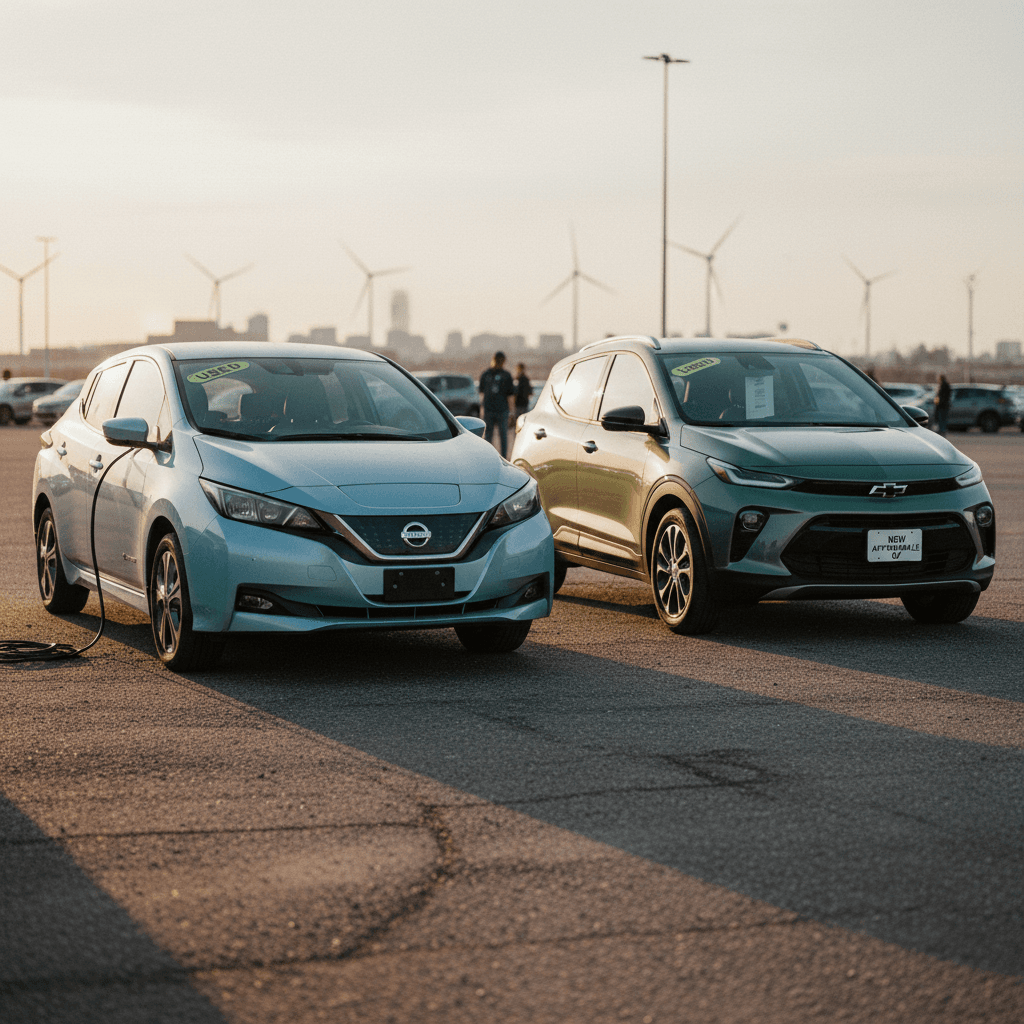
If you’ve been waiting for the best cheap EV to finally show up, 2025 might be your moment. Used electric-vehicle prices have fallen hard over the past two years, and a small group of sub-$30,000 new EVs is pushing the market down from the other side. The result: you can get into a capable electric car today for less than the price of the average used gas vehicle, and often with far lower running costs.
Cheap EVs are no longer rare unicorns
Why “cheap EV” means something very different in 2025
A few years ago, “cheap EV” meant a short‑range compliance car or a ten‑year‑old Nissan Leaf with a tired battery. In 2025, falling EV prices and a maturing used market mean cheap now often includes 200+ miles of range, DC fast‑charging, and modern safety tech, if you know where to look.
EV affordability snapshot in 2025
Think “value EV,” not just “cheap EV”
How much does a cheap EV really cost in 2025?
When shoppers say “cheap EV,” they usually mean under $30,000 out‑the‑door for a new car, or under the mid‑$20,000s for a used one. Thanks to the market reset, both are realistic targets in 2025, especially if you’re flexible on brand, body style, and options.
What “cheap” looks like for new EVs
- Entry band: $28,000–$32,000 MSRP before tax, fees, or incentives.
- Actual driveway price: Typically low‑$30Ks after destination; lower with state rebates or dealer discounts.
- Typical examples: Nissan Leaf, Hyundai Kona Electric, smaller imports and city EVs.
Federal EV tax credits have changed and may not apply to every model or buyer, but many states still offer rebates or HOV perks that improve the math.
What “cheap” looks like for used EVs
- Sweet spot band: $18,000–$28,000 for 2–6‑year‑old EVs with usable range.
- Deep‑value band: Under $18,000 for older Leafs, Bolts, and some first‑gen luxury EVs.
- Reality check: The lowest prices often come with shorter range or out‑of‑warranty batteries. This is where a verified battery‑health report matters.
Because used EV prices have fallen faster than used gas cars, you may find more value stepping up a trim or range package without blowing your budget.
Watch the fee stack
Best cheap new EVs in 2025 (around $30K)
If you want a brand‑new car with full factory warranty and modern tech, your cheapest options cluster around the $30,000 mark. Here are the standouts U.S. shoppers should have on their radar in late 2025.
Notable cheap new EVs for 2025 (U.S.)
Approximate base MSRPs and key specs for some of the most affordable new EVs on the U.S. market in 2025. Always confirm current pricing and incentives in your state.
| Model | Approx. Base Price (MSRP) | Est. Range (EPA) | Body Style | Best For |
|---|---|---|---|---|
| Nissan Leaf (2025) | ~$29,000 | 149–212 mi | Compact hatchback | Lowest new‑EV entry price, short commutes |
| Hyundai Kona Electric SE | ~$29,900 | ~260 mi | Subcompact SUV | Strong value, modern tech, good range |
| Mini Cooper SE (2025) | ~$30,000 | ~145 mi | Subcompact hatch | City driving and short‑range urban use |
| Affordable imported city EVs | Low $30Ks | <200 mi | Tiny hatch/city car | Tight budgets, second car around town |
Prices are approximate and can vary by region, trim, incentives, and dealer discounts.
Don’t chase the very lowest sticker at all costs
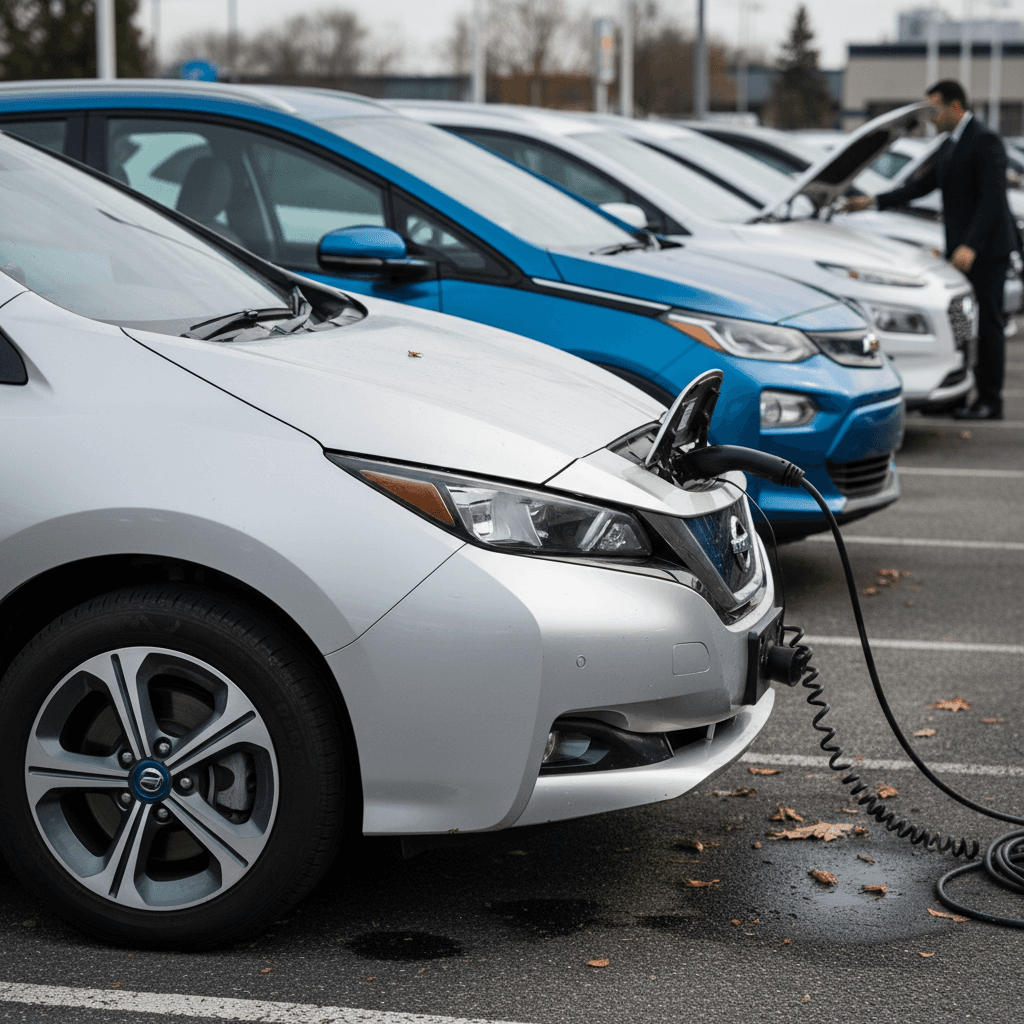
Why a used model is often the best cheap EV
For pure value, used is where the best cheap EV deals live in 2025. Used EV prices have dropped far faster than used gas vehicles, and depreciation has been especially sharp on early luxury models and mass‑market cars that sold in big numbers.
New vs. used: why used usually wins on value
You’re trading that “new car smell” for thousands in upfront savings.
Steep early depreciation
Battery warranties carry over
Lower monthly cost
“Used EV prices have flipped the script: what was once a niche, high‑price segment is now where some of the biggest bargains in the used‑car market live, if buyers know how to judge battery health and charging needs.”
Best cheap used EV picks to target
Model availability and pricing will vary by region, but several nameplates consistently show up as strong cheap‑EV candidates on dealer lots and online marketplaces. Here’s how to think about the short list.
Target models for the best cheap EV deals (used)
These are categories, not hard rules, always verify individual cars carefully.
1. Nissan Leaf (2018–2024)
If you’re shopping under $20,000, especially for city or suburban driving, the Leaf is usually the first stop.
- Plenty of supply keeps prices low.
- Later models offer 200+ miles of range (Leaf Plus).
- Note the older CHAdeMO fast‑charging standard, which is slowly disappearing.
Leafs are an excellent value when priced right, but be extra careful about battery health and your local fast‑charging options.
2. Chevrolet Bolt EV / EUV
Often one of the absolute best cheap EVs on the used market.
- Real‑world range often 200+ miles.
- Compact hatchback practicality, decent DC fast‑charging.
- Battery recall work on many cars effectively reset their pack life.
Bolts typically deliver more range per dollar than almost anything else in the sub‑$25K bracket.
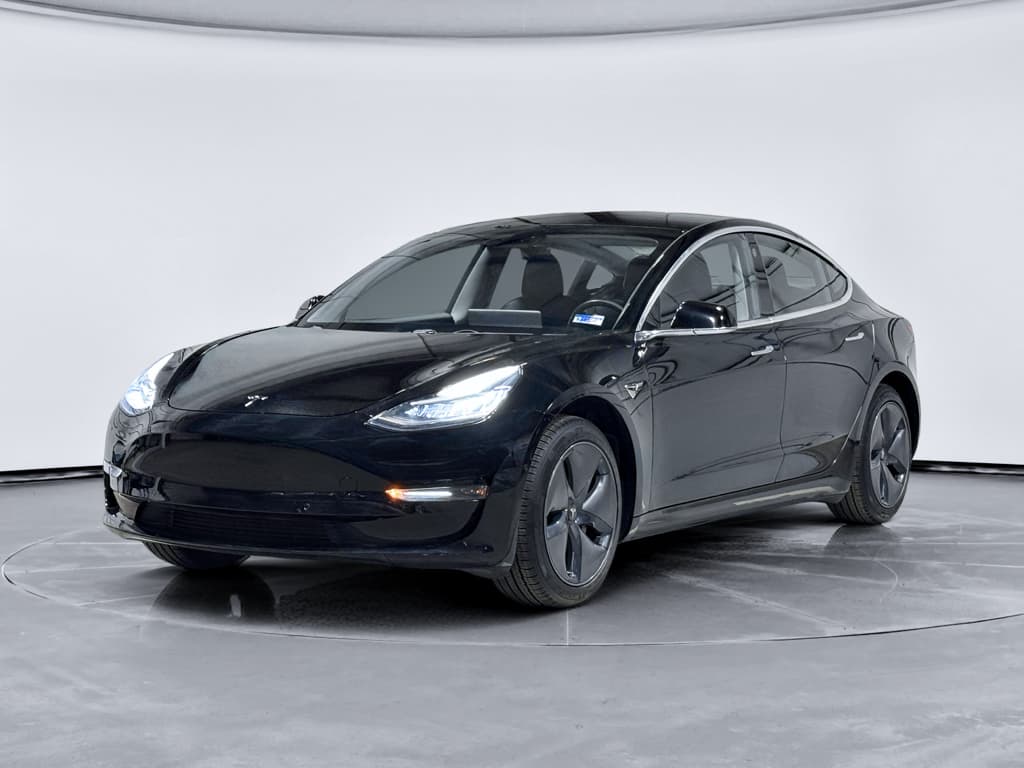
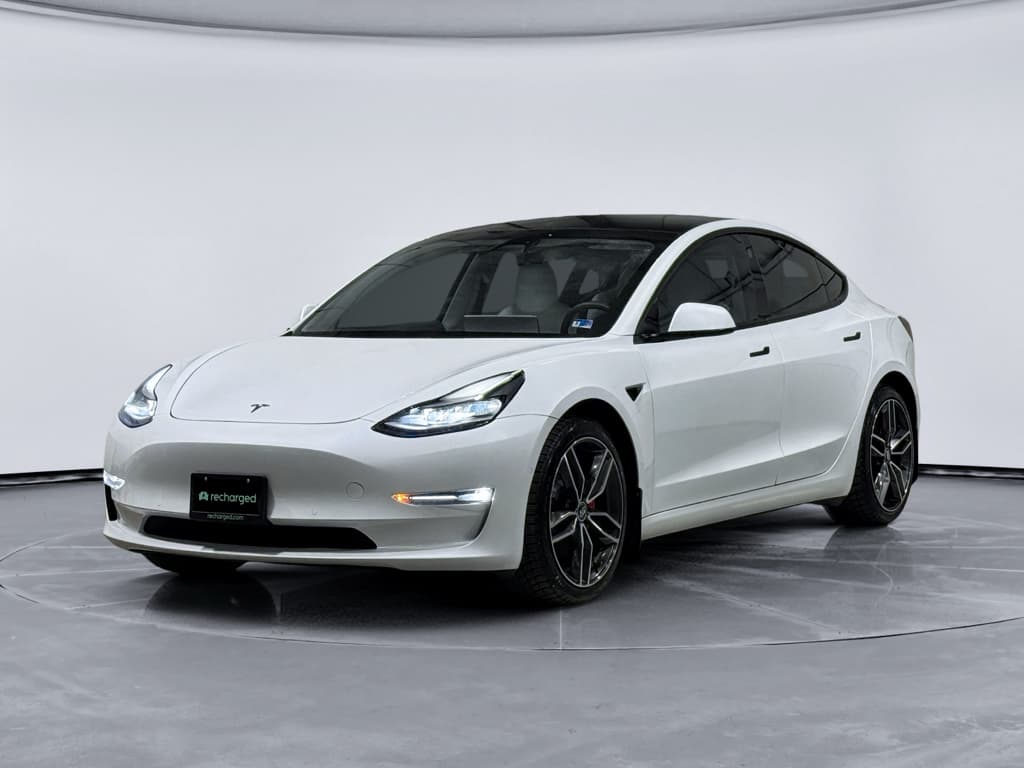
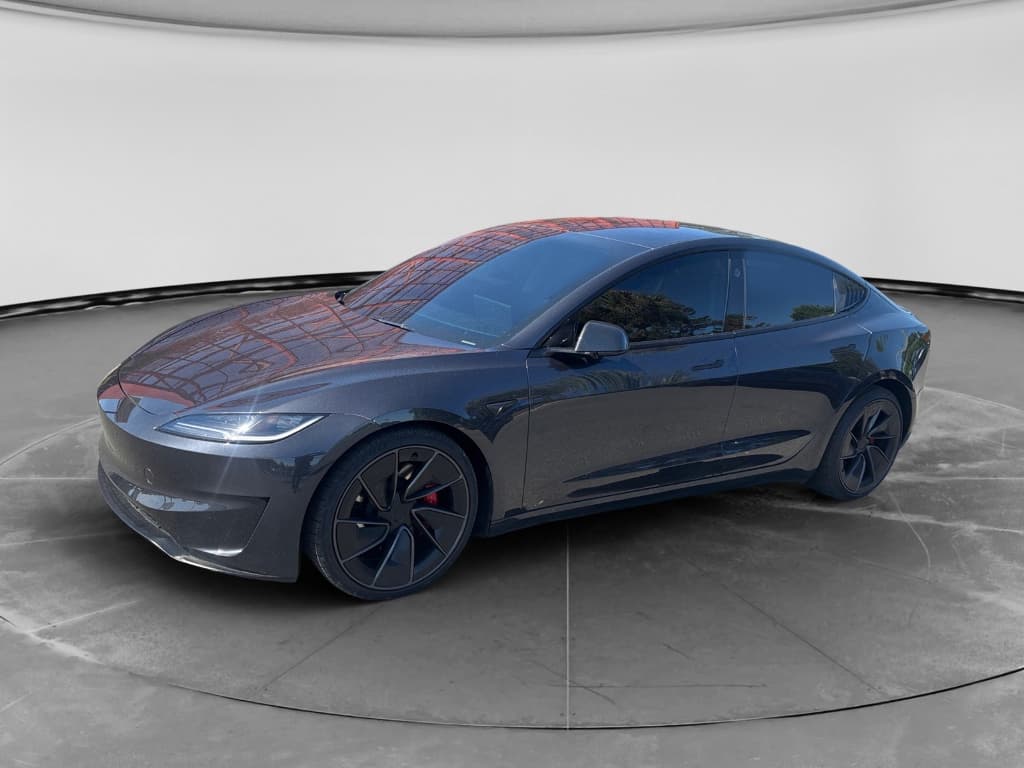
3. Tesla Model 3 (2017–2022)
As prices have fallen, early Model 3s now regularly overlap with well‑equipped mainstream sedans.
- Strong charging network access (Supercharger where supported).
- Good efficiency and software‑heavy feature set.
- Higher insurance and repair costs versus economy EVs.
A used Model 3 isn’t the very cheapest EV you can buy, but it’s often the best value luxury‑leaning cheap EV.
4. “Undervalued” early luxury EVs
First‑generation luxury EVs, like early Jaguar I‑Pace, Audi e‑tron, or Porsche Taycan, can sometimes be found at surprisingly low prices due to steep depreciation.
- Premium interiors and strong performance.
- Range and efficiency may lag newer rivals.
- Out‑of‑warranty repair costs can be high.
These can be fun “enthusiast bargains,” but they’re rarely the cheapest EV to own overall.
Where Recharged fits in
Ready to find your next EV?
Browse VehiclesBattery health: the make-or-break factor for cheap EVs
You can negotiate on price, trim, and even color. Battery health is different. It dictates how far you can actually drive and how quickly the car will lose value. Two identical‑looking cheap EVs can be worlds apart if one has lost 10% of its usable capacity and the other has lost 30%.
Signs of a healthy EV battery
- Range close to original EPA rating in similar conditions.
- Consistent DC fast‑charging speeds (no sudden throttling when the pack is cool and low).
- No battery‑related warning lights or reduced‑power messages.
- Service records showing battery recall or software updates were completed.
In day‑to‑day use, a little degradation is normal. You’re looking for evidence that the pack has aged smoothly, not been abused.
Red flags on a cheap EV
- Seller advertises “120 miles of range” on a car that was rated for 200+ miles new.
- Fast‑charging tops out well below spec, even when warm and low on charge.
- Missing or incomplete service records on a model with known recall campaigns.
- Car sat at high state‑of‑charge for long periods (fleet, storage, or auction lot).
If a deal looks too good to be true, assume you’re paying for hidden degradation, unless you have a trusted battery‑health report.
Why battery health reports matter more than Carfax
Financing and total cost: stretching your EV budget
The best cheap EV isn’t just the lowest price on the window sticker, it’s the car that keeps your monthly cash outlay and lifetime costs under control. That means paying attention to interest rates, charging costs, maintenance, and resale value.
4 levers that make a cheap EV truly affordable
Pull all four and you may spend less per month than you would on a comparable gas car.
1. Smart financing
2. Home charging rates
3. Low maintenance
4. Future resale
How Recharged can help you run the numbers
Checklist: what to check before buying a cheap EV
Before you pull the trigger on that tempting listing, walk through this quick checklist. It’s designed for budget‑minded shoppers who still want a car they can live with for years, not months.
10‑point cheap‑EV buying checklist
1. Confirm your daily range needs
Add up your regular commute, errands, and weekend trips. If you rarely exceed 80–100 miles a day, a shorter‑range EV can work; if you road‑trip often, target 200+ miles of real‑world range.
2. Check original vs. current range
Look up the model’s original EPA range, then compare it with what the car shows at 100% charge. A modest drop is normal; a massive gap is a red flag.
3. Verify battery warranty status
Find out when the battery warranty started and how long it lasts. Many EVs carry 8‑year / 100,000‑mile coverage or more from the in‑service date.
4. Review charging standards and networks
Make sure the car’s fast‑charging port (CCS, NACS, or CHAdeMO) matches the networks you’ll actually use along your routes.
5. Inspect the charging history, if available
Cars that fast‑charge daily at very high states of charge may age faster. Occasional road‑trip fast‑charging is fine; constant abuse is not.
6. Test‑drive and fast‑charge
If possible, plug into a DC fast‑charger during the test drive. Watch how quickly the car ramps up and whether charging speed aligns with spec.
7. Scan for recall and software updates
Models like the Chevy Bolt had major battery recalls. Confirm those repairs and updates are done; they can be a big plus when shopping used.
8. Budget for a home charging solution
Even a cheaper Level 2 charger and a 240‑volt outlet will transform your ownership experience. Ask your electrician for a quote before you buy.
9. Compare total monthly cost, not just price
Take into account loan payment, insurance, electricity, and maintenance. A slightly pricier EV that’s cheap to run can beat a rock‑bottom car with high insurance or repair costs.
10. Get a third‑party or Recharged battery report
Whenever possible, rely on <strong>independent battery diagnostics</strong>, like the Recharged Score, rather than gut feel or guesswork.
FAQ: Best cheap EV questions, answered
Frequently asked questions about cheap EVs
The bottom line: what’s the best cheap EV for you?
In 2025, the best cheap EV isn’t a single model, it’s the one that lines up with your budget, your routes, and your tolerance for compromise. For many shoppers, that means a used Chevy Bolt or Nissan Leaf as a low‑cost commuter, or a well‑priced Tesla Model 3 if you want something more upscale without new‑car money. The key is not chasing the lowest sticker, but chasing the best combination of battery health, range, charging fit, and total cost of ownership.
If you’d rather not decode all of that alone, a used‑EV specialist such as Recharged can help you compare options, verify battery health with a Recharged Score Report, line up financing, and even arrange nationwide delivery. With prices where they are today, the right cheap EV can be one of the smartest buys in the used‑car market, so long as you buy it with your eyes open.