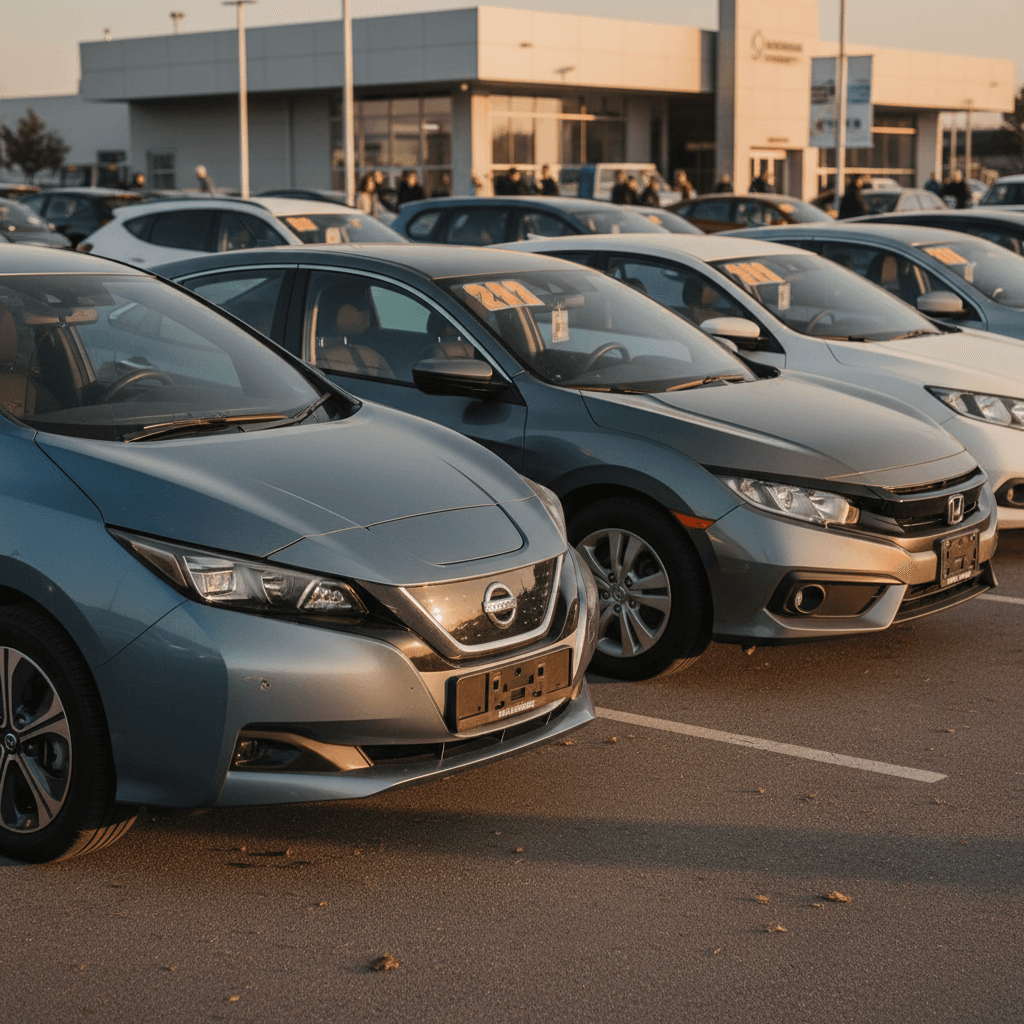
If you’re shopping for the best cars around $20K in late 2025, you’re in a much better spot than buyers a few years ago. Used car prices have cooled, used EV prices have dropped sharply, and $20,000 can now buy everything from a low-mileage Honda Civic to a well-equipped used Tesla or Chevy Bolt, if you know where to look and how to evaluate the deal.
What this guide covers
Why $20K Is a Sweet Spot in 2025
The $20K Used-Car Landscape in 2025
In 2019, the average used car in the U.S. cost about $20,000. By late 2024, that figure had climbed closer to $30,000 as supply shocks and pandemic-era distortions rippled through the market. Today, $20K sits just below the sweet spot for 1–5‑year‑old cars, which is why it matters: you’re shopping a value tier where depreciation has already done much of its work, but solid choices are still plentiful.
Reality check on expectations
EV vs. Gas at $20K: Which Offers More Value?
Used EVs around $20K
- Pricing tailwind: Used EV prices have fallen much faster than gas cars since 2023, pushing models like the Chevrolet Bolt, Nissan Leaf, and some Tesla Model 3 trims toward the $20K mark.
- Lower running costs: Electricity is typically cheaper per mile than gasoline, and EVs have fewer moving parts, no oil changes, timing belts, or exhaust systems, so maintenance can be lower.
- Caveats: Range degradation, battery warranties, and charging access matter more than sticker price. An inexpensive EV with a weak battery or no home charging can be a bad deal.
Gas & hybrid cars around $20K
- Proven reliability: Models like the Honda Civic and Toyota Corolla have long track records for going 200K+ miles with basic maintenance.
- Refueling convenience: Gas stations are everywhere, and you can drive cross‑country with zero planning.
- Caveats: You’ll spend more on fuel and maintenance over time, and you miss out on the latest EV incentives and HOV perks where offered.
Quick rule of thumb
Best Used EVs Around $20K
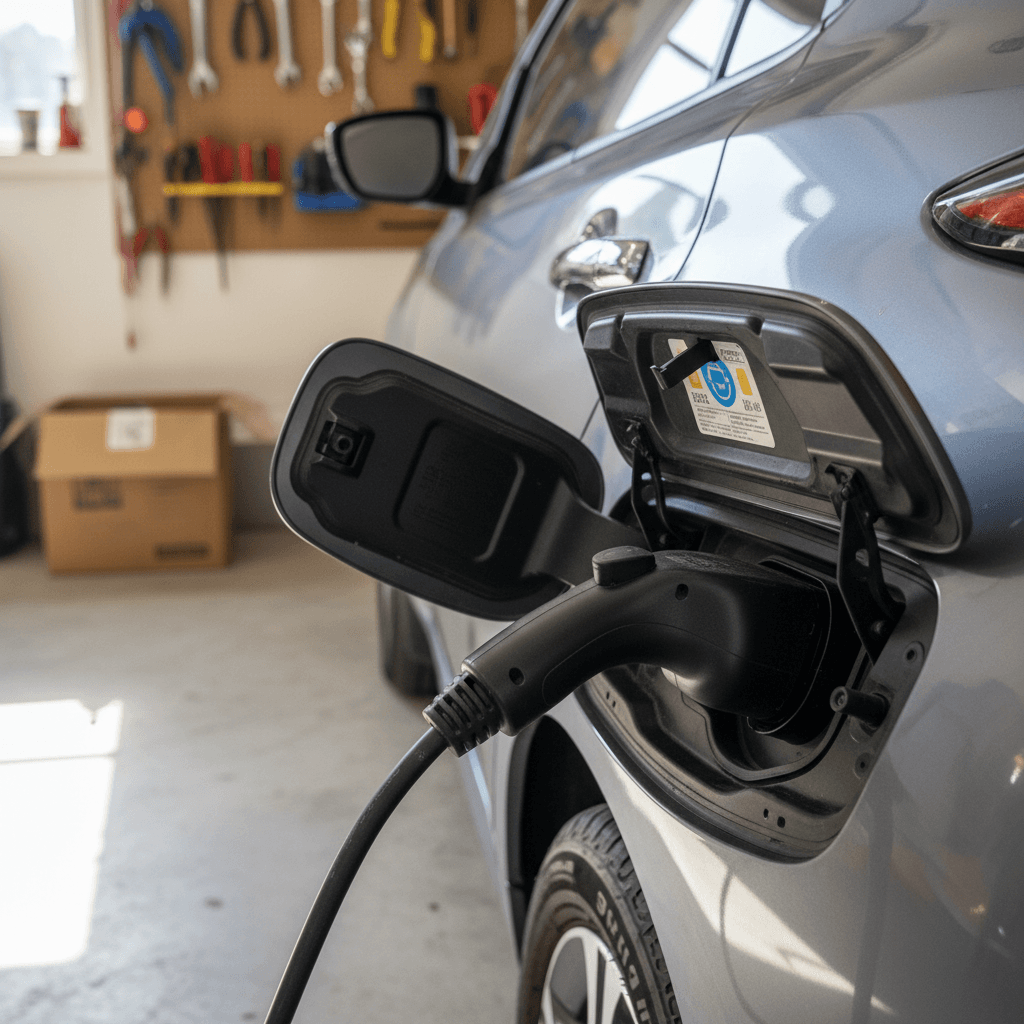
Thanks to steep depreciation, there are now several used electric cars around $20K that weren’t even close to this price just a few years ago. Exact numbers vary by mileage and region, but these models routinely show up in or near the $18K–$22K window nationwide.
Standout Used EV Picks Near $20K
Strong range, falling prices, and relatively low running costs
Chevrolet Bolt EV (2017–2022)
Why it’s a standout: The Bolt combines 230–259 miles of range with hatchback practicality and one‑pedal driving. Battery recall work on many earlier cars means you may get a refreshed pack.
- Typical price band: often high teens to low $20Ks depending on mileage and trim.
- Strengths: Compact footprint, big range for the money, modern tech.
- Watch for: Proof of recall/battery replacement, DC fast‑charging behavior, and tire wear.
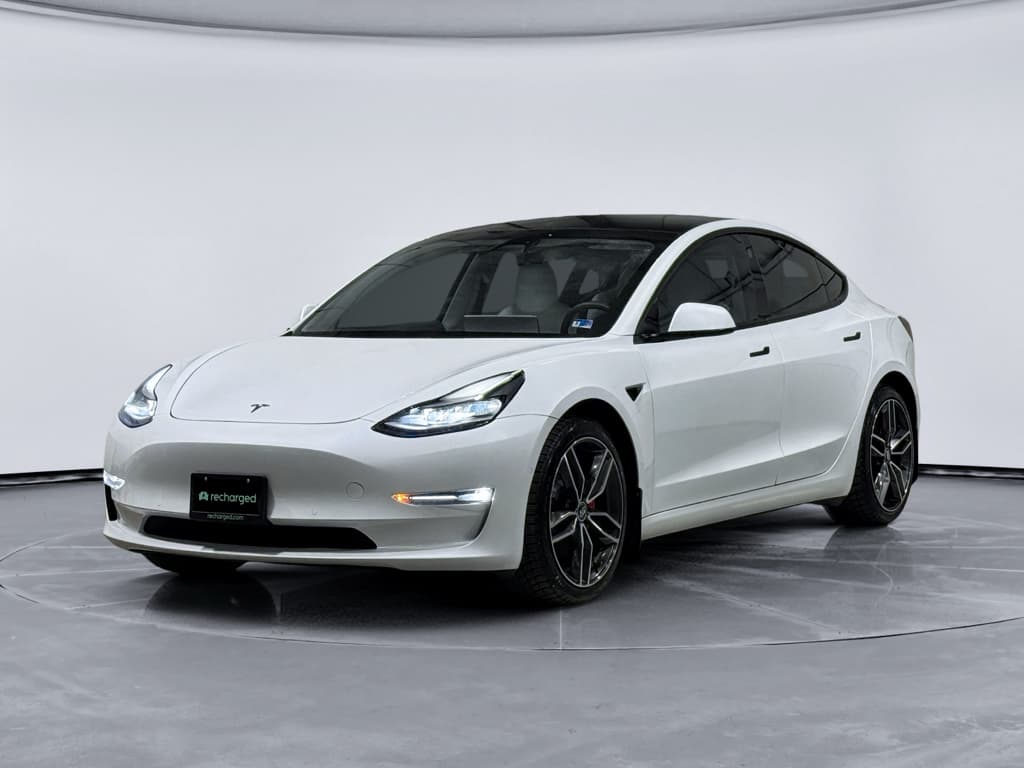
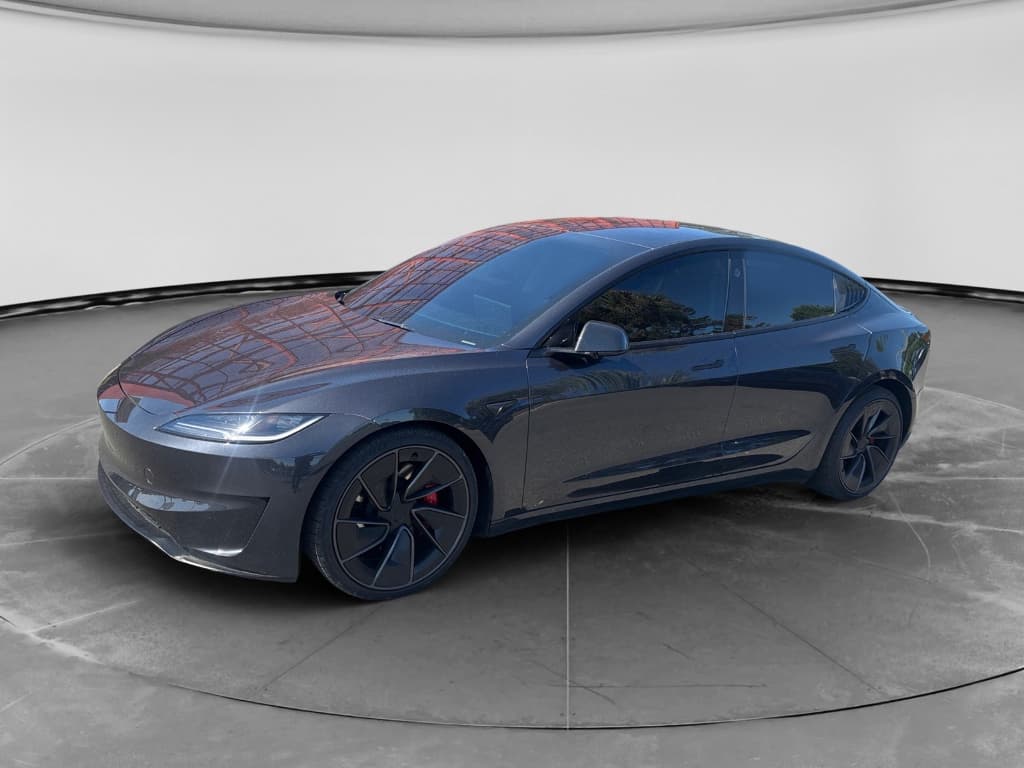
Tesla Model 3 (2017–2020, higher‑miles)
Why it’s a standout: Used Tesla prices have fallen sharply, and early, higher‑mileage Model 3s are edging toward the $20K line in many markets.
- Typical price band: low‑ to mid‑$20Ks nationally; $20K is realistic for higher miles or rear‑wheel‑drive trims.
- Strengths: Access to the Supercharger network (and NACS shift), over‑the‑air updates, strong efficiency.
- Watch for: Battery and motor warranty status, accident repairs, and uneven panel gaps or water leaks on early builds.
Nissan Leaf (2018–2022, 40–62 kWh)
Why it’s a standout: The second‑generation Leaf is one of the most affordable used EVs on the market, with many examples well under $20K.
- Typical price band: mid‑teens to low $20Ks depending on battery size and equipment.
- Strengths: Soft ride, simple controls, low running costs.
- Watch for: Range loss on older 40 kWh packs, heat‑related degradation in hot climates, and CHAdeMO fast‑charge compatibility as networks shift to CCS/NACS.
Other Used EVs Worth a Look
Usually hovering just above $20K but worth stretching for if the numbers work
Hyundai Kona Electric / Kia Niro EV
Subcompact crossovers like the Kona Electric and Niro EV pair usable range (typically 239–258 miles) with a handy hatch and good efficiency.
- Price watch: Often in the low‑$20Ks; $20K is possible on earlier model years and higher mileage.
- Key checks: DC fast‑charge history, service records, and any open recalls.
Early Volkswagen ID.4 & other newcomers
As more 2021–2023 EVs age out of their first ownership cycle, some early compact electric SUVs are descending toward the $20K band, especially where EV demand has cooled.
- Price watch: Still region‑dependent, but trending down as inventory builds.
- Key checks: Software updates, warranty transfers, and fast‑charge behavior.
Battery health is the make‑or‑break
Best Gas & Hybrid Cars Around $20K
If electric doesn’t fit your life just yet, the best cars around $20K on the gas side are mostly compact and midsize sedans and a few compact SUVs. The most compelling picks share three traits: proven reliability, strong fuel economy, and cheap parts.
Rock‑Solid Gas & Hybrid Picks Around $20K
Safe bets for long‑term ownership or high‑mileage commuting
Honda Civic (2019–2022)
Why it’s a go‑to: Frequently cited at the top of “best used sedans under $20K” lists, the Civic blends reliability, efficiency, and decent fun-to-drive factor.
- Typical price band: high‑teens to around $20K for well‑equipped EX/EX‑L trims.
- Strengths: 30+ MPG real‑world, strong resale, widely available parts.
- Watch for: Accident repairs on heavily modified examples and missing maintenance history.
Toyota Corolla (2020–2023 gas & hybrid)
Why it’s a safe bet: Corolla is the benchmark for long‑term dependability, and recent models add better tech and safety.
- Typical price band: late‑model gas Corollas often sit just under $20K; hybrids may be slightly higher.
- Strengths: Excellent fuel economy, especially in hybrid form; robust safety tech.
- Watch for: Fleet‑car histories with high mileage and basic trims lacking features you want.
Nissan Altima (2019–2021)
Why it’s worth a look: Altima offers more space than a Civic/Corolla, optional AWD, and comfortable “zero‑gravity” seats, often at a discount to rivals.
- Typical price band: mid‑ to high‑teens for clean, well‑equipped examples.
- Strengths: Roomy cabin, available all‑wheel drive, good highway manners.
- Watch for: CVT servicing, and avoid earlier years if reviews flag transmission issues.
Compact SUVs & Other Notables
When you need more space than a sedan offers
Toyota RAV4 / Honda CR‑V (older but proven)
Clean, mid‑2010s RAV4 and CR‑V models regularly trade near $20K, especially with higher mileage. They’re popular for a reason: they just work.
- Strengths: Space for families, strong reliability record, big parts ecosystem.
- Trade‑offs: You may need to accept higher mileage or fewer features to stay under $20K.
Hybrids: Prius, Corolla Hybrid, Insight
For pure fuel savings, it’s hard to beat a used hybrid from Toyota or Honda.
- Strengths: 45–50+ MPG, long‑running hybrid systems, lower fuel spend.
- Trade‑offs: Some buyers dislike CVT feel, and cargo space can be tighter in hatchbacks.
Comparison Table: Top Cars Around $20K
Snapshot: Best Cars Around $20K in 2025
Approximate national pricing and strengths will vary by region, mileage, and condition, but this gives you a ballpark comparison.
| Model | Powertrain | Typical Price Band* | Est. Range / MPG | Best For |
|---|---|---|---|---|
| Chevy Bolt EV (’17–’22) | EV | $18K–$22K | 230–259 miles | Commuters who want cheap, efficient electric miles |
| Tesla Model 3 (early RWD, high‑miles) | EV | $20K–$26K | 220–310 miles (when new) | Tech‑minded drivers who road‑trip and value Supercharging |
| Nissan Leaf (’18–’22) | EV | $15K–$22K | 150–226 miles | Short‑range commuters and second‑car households |
| Honda Civic (’19–’22) | Gas | $17K–$21K | 30–35 MPG | Anyone who wants long‑term reliability and low running costs |
| Toyota Corolla / Hybrid (’20–’23) | Gas/Hybrid | $18K–$22K | 32–50 MPG | Fuel‑conscious buyers who favor durability over flash |
| Nissan Altima (’19–’21) | Gas | $16K–$20K | 27–32 MPG | Drivers needing midsize space and available AWD |
| Older RAV4 / CR‑V | Gas | $18K–$22K | 25–30 MPG | Small families needing cargo space and all‑season versatility |
Use this table as a starting point, then verify local pricing, mileage, and condition for any specific vehicle you’re considering.
About those price bands
How to Evaluate a $20K Car Like a Pro
7 Steps to Vet Any $20K Car
1. Start with the vehicle history report
Pull a Carfax or similar report to check for accidents, flood damage, salvage titles, odometer rollbacks, and repeated auction runs. If the history is messy and the discount is small, walk away.
2. Check for open recalls and completed campaigns
Both EVs and gas cars can have major recall campaigns, Chevy Bolt battery replacements, airbag recalls, etc. Make sure recall work is completed or budget time to get it done.
3. Inspect battery health on EVs
Don’t rely solely on the dash range estimate. Look for <strong>third‑party battery diagnostics</strong> or a provider like Recharged that includes a verified battery‑health report as part of the purchase.
4. Have a trusted mechanic inspect gas and hybrid cars
For non‑EVs, a pre‑purchase inspection is cheap insurance. Ask the mechanic to check for leaks, engine and transmission condition, brake and suspension wear, and hidden crash damage.
5. Test drive the way you actually drive
If you commute on the highway, spend most of the test drive at those speeds. Listen for wind noise, feel how the transmission behaves, and test adaptive cruise and lane‑keep systems if equipped.
6. Validate features, not just trim names
“EX” or “SE” doesn’t always mean the same features across model years. Sit in the car and verify that the safety tech, heated seats, or wireless CarPlay you care about are actually present and working.
7. Run the full monthly payment math
Factor in insurance quotes, estimated fuel or electricity costs, taxes, and any HOA or landlord fees for charging. A $19,500 car can cost more per month than a $21K one if the running costs differ.
The mistake I see most often at $20K is buyers stretching for the newest badge or screen instead of the cleanest, best‑cared‑for car. Condition and history matter more than model year on a tight budget.
Financing and Total Cost of Ownership
Once you’ve short‑listed a few of the best cars around $20K, the next question is whether the total package fits your monthly budget. That means looking past sticker price to financing structure, interest rates, and what it really costs to run the car over three to five years.
Key financing considerations
- Term length: On a $20K car, a 60‑month loan is common. Longer terms lower the payment but can leave you upside‑down if values fall, especially on EVs.
- Interest rate: Even a 1–2 percentage point difference in APR can add hundreds of dollars over the life of the loan.
- Down payment: Putting money down can reduce both the payment and your risk of owing more than the car is worth if you need to sell early.
Operating costs to model
- Fuel vs. electricity: Compare your current fuel spend to an EV’s estimated kWh use based on your utility rates or time‑of‑use plans.
- Maintenance and repairs: EVs avoid oil changes and many wear items, but out‑of‑warranty batteries and electronics can be expensive. Gas cars need regular fluids, belts, and more frequent brake work.
- Insurance and taxes: Quotes can vary widely between a Civic, a Model 3, and an SUV. Get real numbers before you sign.
Why pre‑qualification helps at $20K
How Recharged Helps Used EV Buyers
If an EV is on your short list of best cars around $20K, the biggest unknown is often battery health. That’s where a specialized marketplace like Recharged can tilt the odds in your favor.
What You Get When You Buy a Used EV Through Recharged
Built to make EV ownership simple and transparent
Recharged Score battery diagnostics
Fair market pricing & financing
Digital buying, real‑world support
Ready to find your next EV?
Browse VehiclesFAQs: Best Cars Around $20K
Frequently Asked Questions About Cars Around $20K
Bottom Line: Finding the Best Car Around $20K
In today’s market, $20,000 is enough to buy a genuinely good car, but not enough to buy a bad one and shrug it off. The best cars around $20K are the ones that align with how you actually live: a used Chevy Bolt or Nissan Leaf if you have convenient charging and want to slash fuel costs, a Civic or Corolla if you value bulletproof dependability, or a midsize sedan or compact SUV if space matters most.
Take your time, study condition and history, and run the full ownership math instead of chasing the latest badge. And if an EV is in the mix, lean on tools like a Recharged Score battery‑health report and pre‑qualification to strip some of the uncertainty out of a big decision. That’s how you turn a $20K budget from a constraint into an opportunity.