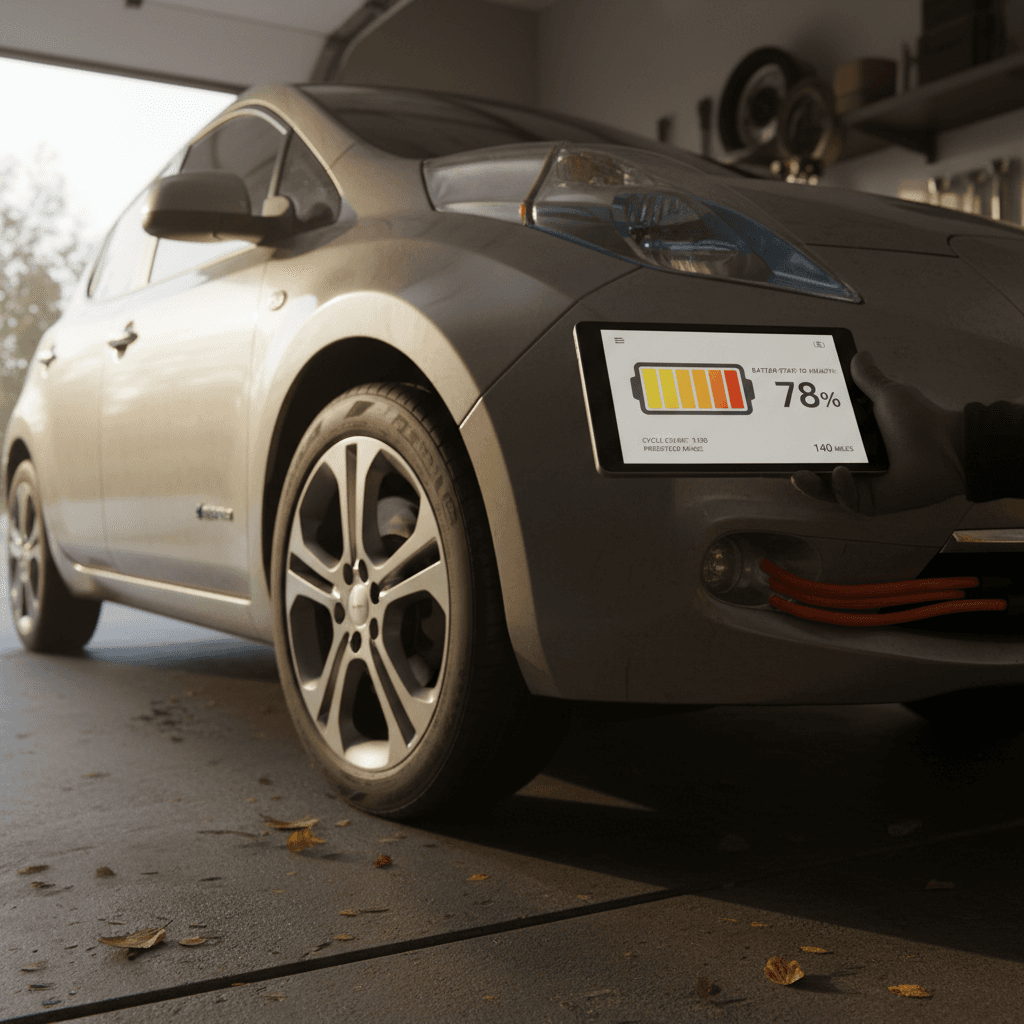
If you’re wondering what the best car to buy pre owned is in 2025, you’re not alone. New‑car prices are sky‑high, EV incentives keep changing, and reliability data looks like a bowl of alphabet soup. The good news: a smartly chosen used car, especially the right hybrid or electric, can give you years of low‑drama driving for far less money than a comparable new model.
Quick take
Why pre‑owned cars are so attractive in 2025
Why the smart money is going used
You’re shopping used now because the math finally makes sense. High new‑car prices, sophisticated driver‑assist tech that has filtered down into older models, and the emergence of long‑lasting hybrids and EVs mean the value sweet spot has shifted firmly into the pre‑owned lane. The trick is picking something that will age gracefully, on the road and on your repair bills.
How to think about the “best car to buy pre owned”
Start with your use case
Before you fall in love with a specific model, map your life onto the car. How many miles do you drive in a normal week? Do you have home charging, or will you rely on public stations? Do you need three rows, or are you just commuting solo with the occasional airport run?
If most of your driving is under 60 miles a day and you have a driveway or garage, a used EV jumps to the top of the list. If you road‑trip endlessly in remote areas, a hybrid or efficient gas SUV may be the better call.
Then rank what matters
- Reliability: Will it go 10–15 years without becoming a money pit?
- Total cost of ownership: Purchase price, fuel or electricity, insurance, tax incentives, and maintenance.
- Safety & tech: Modern driver‑assist features (automatic emergency braking, lane‑keeping, blind‑spot monitoring).
- Resale value: Some models lose half their value in three years; others lose less than a third.
Once you’ve done that homework, the list of “best cars to buy pre owned” narrows itself quickly.
A simple rule of thumb
Most reliable pre‑owned gas and hybrid cars
Let’s start with the traditionalists. Reliability studies still show that conventional gas cars and hybrids, especially from Japanese brands, are the safest long‑term bets. If you want something that will just start, run, and ignore drama for a decade, these are the usual suspects.
Gas & hybrid all‑stars worth hunting for
These are the cars boring people buy, and then quietly keep for 15 years.
Toyota Prius (2017–2022)
The automotive cockroach, in the best way. A well‑cared‑for Prius routinely racks up 200,000+ miles. You get 40–50 mpg, rock‑solid hybrid hardware, and hatchback practicality. Not exciting, intensely sensible.
Toyota RAV4 Hybrid (2018–2020)
If you want SUV seating height without SUV fuel bills, the RAV4 Hybrid is the sweet spot. Excellent reliability data, comfortable ride, and enough cargo room for real life. A textbook example of why Toyota dominates used‑car rankings.
Mazda CX‑9 & CX‑5 (2018–2021)
Mazda’s crossovers show up in long‑term reliability and longevity lists, combining upscale interiors with a bit of driving joy. Think of them as the enthusiast’s family hauler, still very sensible, just less beige.
Watch the model‑year details
Best pre‑owned electric cars in 2025
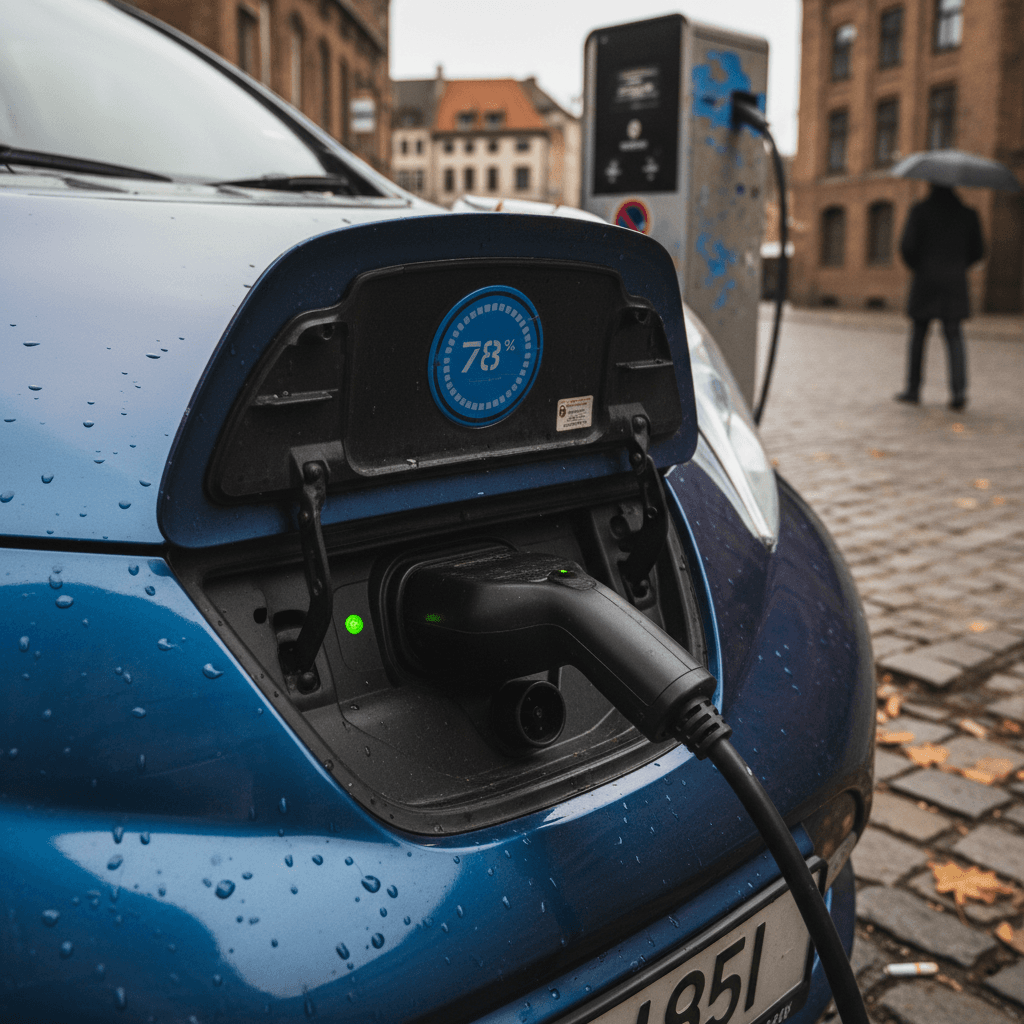
Now we get to the fun part. Used EVs are where the deals have really opened up. Early depreciation, shifting incentives, and a flood of new models mean you can now buy serious electric hardware for used‑Corolla money, if you choose wisely and pay attention to battery health.
Standout pre‑owned EVs to target in 2025
Real‑world pricing will vary by miles and condition, but this gives you a sense of what the best used EVs look like on paper.
| Model | Why it’s a standout | Typical used price* | EPA/real‑world range |
|---|---|---|---|
| Kia Niro EV (2019–2022) | Massive depreciation with solid range; excellent value if you don’t need a huge cabin. | ≈ $12,000–$18,000 | ~212 miles |
| Hyundai Kona Electric (2019–2022) | Compact, efficient, and often still under warranty; great for city and suburb duty. | ≈ $14,000–$20,000 | ~230 miles |
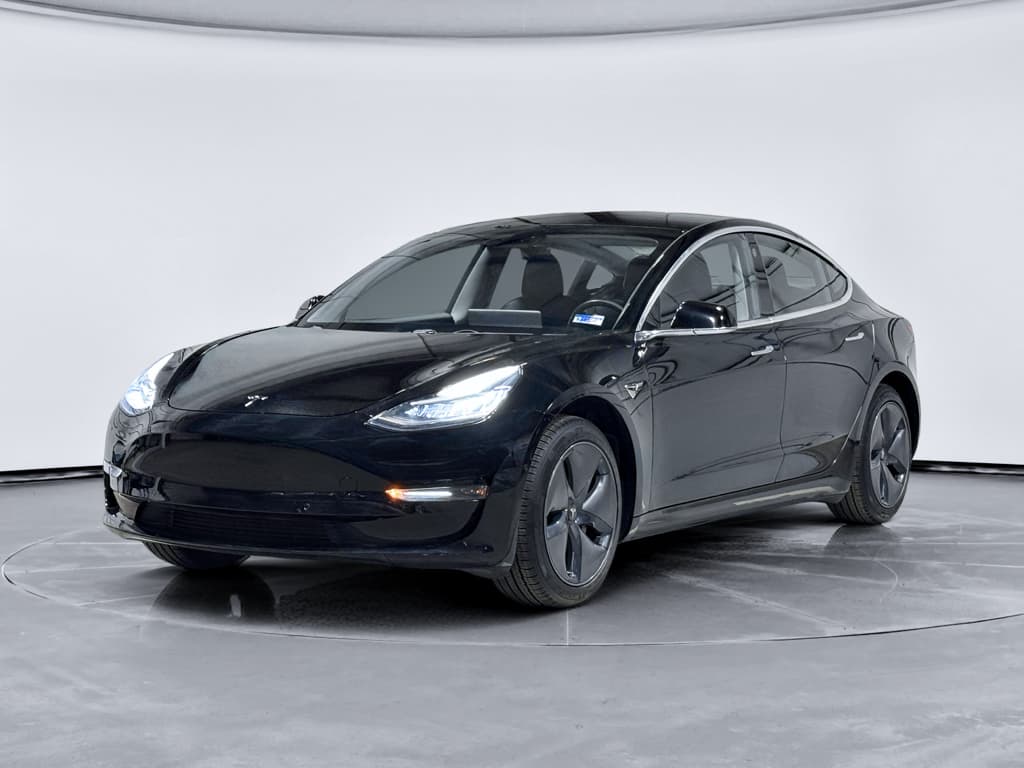
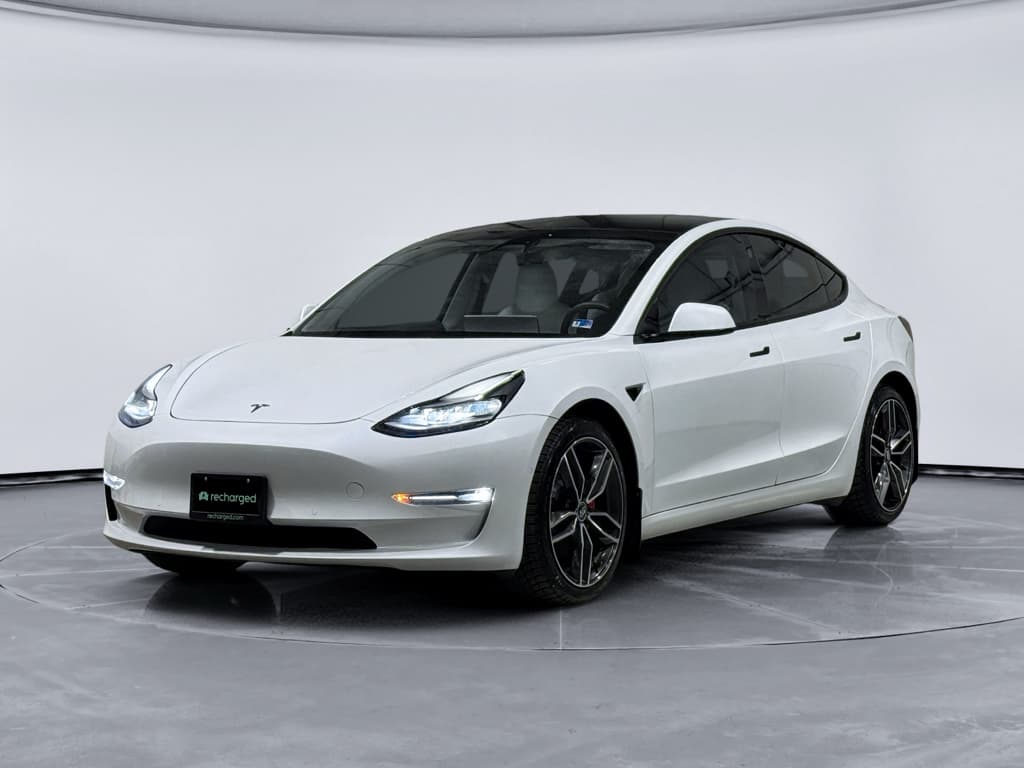
| Tesla Model 3 RWD/AWD (2018–2022) | Still the reference point for range, charging network access, and over‑the‑air updates. | ≈ $20,000–$30,000 | ~250–330 miles |
| Volkswagen ID.4 (2021–2023) | Spacious family crossover with decent range and comfortable ride; big discounts used. | ≈ $23,000–$30,000 | ~240–260 miles |
| Hyundai Ioniq 5 (2022–2023) | Ultra‑fast charging, distinctive design, and a lounge‑like cabin. | ≈ $28,000–$38,000 | ~220–275 miles |
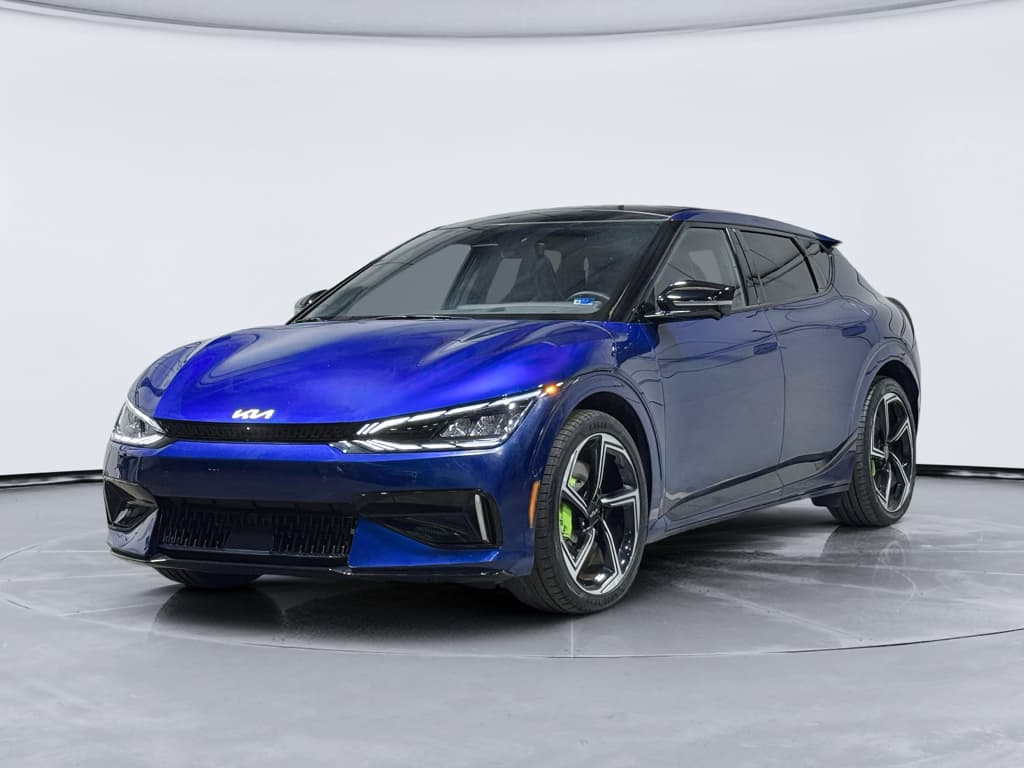
| Kia EV6 (2022–2023) | Sportier cousin to Ioniq 5 with equally impressive charging speeds. | ≈ $27,000–$38,000 | ~225–275 miles |
Approximate U.S. used‑market pricing and ranges as of late 2025.
If you want pure value…
If you prefer a more polished experience, the Tesla Model 3 still defines the segment: strong range, access to the Supercharger network via NACS, and a cabin that feels convincingly modern. Hyundai’s Ioniq 5 and Kia’s EV6, meanwhile, offer the fastest charging of the bunch and the most livable interiors, especially for families.
Battery health: what matters most on a used EV
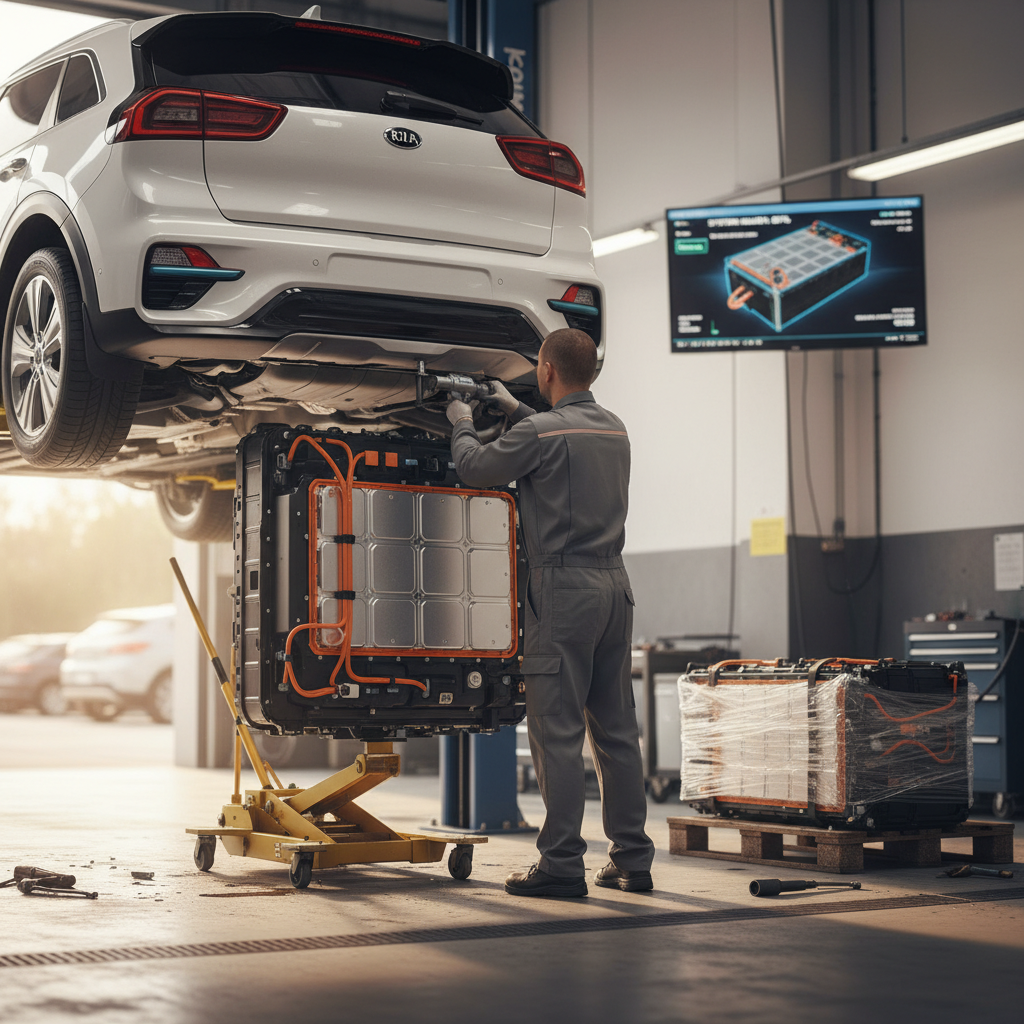
With EVs, the battery pack isn’t just another component; it’s the beating heart and half the car’s value. Two identical‑looking used EVs can be worlds apart if one has 95% of its original capacity and the other has 75%. You wouldn’t buy a phone whose battery dies at lunch; don’t do it with a 4,000‑lb phone on wheels.
Four battery red flags to watch for
If you see these, walk away, or negotiate like a shark.
1. Rapid DC fast‑charging history
Occasional DC fast‑charging is fine. Living on it, especially in hot climates, can accelerate degradation. Heavy road‑trip use with constant 150 kW sessions is worth investigating.
2. Extreme heat climates
EVs that spent their life baking in desert sun, especially without active battery cooling, are more likely to have lost capacity early.
3. Inconsistent range reports
If the seller’s claimed range, the dash estimate, and independent battery scans all disagree, that’s a problem. Range should be repeatable in similar conditions.
4. No documentation
Missing service records, absent charging logs, and a seller who can’t explain how the car was used are all reasons to slow down.
The most expensive surprise
Every EV on Recharged ships with a Recharged Score Report, which includes verified battery‑health diagnostics, real‑world range, and charging history where available. Think of it as the blood work that tells you how healthy the car really is, not just how it looks in photos.
Price brackets: what you get at each budget
- Under $15,000: Older compact gas sedans (Hyundai Elantra, Honda Civic), earlier Toyota Prius, and first‑generation small EVs like the Nissan Leaf or Chevy Spark EV. Great for short commutes; watch EV battery capacity carefully.
- $15,000–$25,000: Sweet spot for late‑teens Toyota Prius and RAV4 Hybrid, Mazda CX‑5, and workhorse pickups like older Toyota Tacoma. In the EV world, this buys you a Kia Niro EV, Hyundai Kona Electric, or early Tesla Model 3 with higher miles.
- $25,000–$35,000: Newer‑shape crossovers (RAV4 Hybrid, CR‑V Hybrid, Mazda CX‑9), plus better‑spec Tesla Model 3, Volkswagen ID.4, and some Hyundai Ioniq 5 / Kia EV6 examples.
- $35,000+: Near‑new EVs, premium SUVs, and lightly used three‑row family haulers. Here you’re choosing more on taste, performance, and options than on basic value.
Think in terms of monthly cost, not sticker shock
Checklist: how to test‑drive and inspect any pre‑owned car
9 things to do before you say yes
1. Pull the history report
Run a vehicle‑history report to look for accidents, title issues, odometer rollbacks, or lemon buy‑backs. For EVs, also note how many owners it’s had and where it lived.
2. Check for remaining warranty
Hybrids and EVs often carry longer battery and drivetrain warranties than you’d expect. A 5‑ or 8‑year battery warranty with time left is real peace of mind.
3. Inspect tires and brakes
Uneven tire wear hints at alignment or suspension issues. For EVs, remember that instant torque can chew through tires faster, new rubber isn’t cheap.
4. Cold‑start or cold‑boot the car
On gas and hybrid cars, start it cold and listen for rough idles or smoke. On EVs, pay attention to warning lights at startup and any error messages in the infotainment system.
5. Test every button and screen
Modern cars are computers. Verify that the infotainment, cameras, sensors, and driver‑assist features (ACC, lane‑keeping, blind‑spot) all work as advertised.
6. Drive your real route
Don’t just loop the block. Take it on the highway, up a hill, and over a few rough patches. For EVs, watch consumption and projected range over 15–20 miles.
7. Listen for wind and suspension noise
Excessive wind roar, clunks over bumps, or steering that wanders can point to accident repairs or worn components you’ll soon be paying for.
8. Have a trusted mechanic or EV specialist inspect it
A pre‑purchase inspection is cheap insurance. For EVs, choose someone familiar with high‑voltage systems and common issues on your specific model.
9. Get numbers in writing
Out‑the‑door price, any promised repairs, and the exact warranty terms should all be documented. Don’t rely on a handshake and a smile.
How Recharged helps with used EVs
Buying a used EV shouldn’t feel like defusing a bomb with a YouTube tutorial. Recharged was built to take the guesswork out of the process so you can focus on whether you like the car, not whether the battery is a ticking time bomb.
What you get when you buy a pre‑owned EV through Recharged
Less squinting at range estimates, more confidence.
Recharged Score Report
Every vehicle includes a Recharged Score with verified battery health, charging data where available, and fair‑market pricing analysis. It’s like a lab report for the car’s most expensive component.
Trade‑in & selling options
Already own a car? You can trade in, get an instant offer, or consign your vehicle. That flexibility matters if you’re moving from gas to electric and want to keep things simple.
Nationwide delivery & expert support
Recharged handles financing, paperwork, and nationwide delivery, with EV‑specialist support from start to finish. You can even visit the Experience Center in Richmond, VA if you prefer to see cars in person.
Ready to find your next EV?
Browse VehiclesWhy this matters for you
FAQ: best car to buy pre owned
Frequently asked questions
Bottom line: choosing your best pre‑owned car
If you strip away the marketing noise, the best car to buy pre owned is the one that quietly does everything you need, costs less to run than your old ride, and doesn’t ambush you with repair bills. For many shoppers, that’s a Toyota hybrid. For others, it’s a sensibly priced used EV like a Kia Niro EV, Hyundai Kona Electric, or Tesla Model 3 with a clean battery bill of health. Define your use case, respect the data, and insist on transparency, especially around battery health, and you’ll end up with a car that feels less like a compromise and more like a life upgrade.