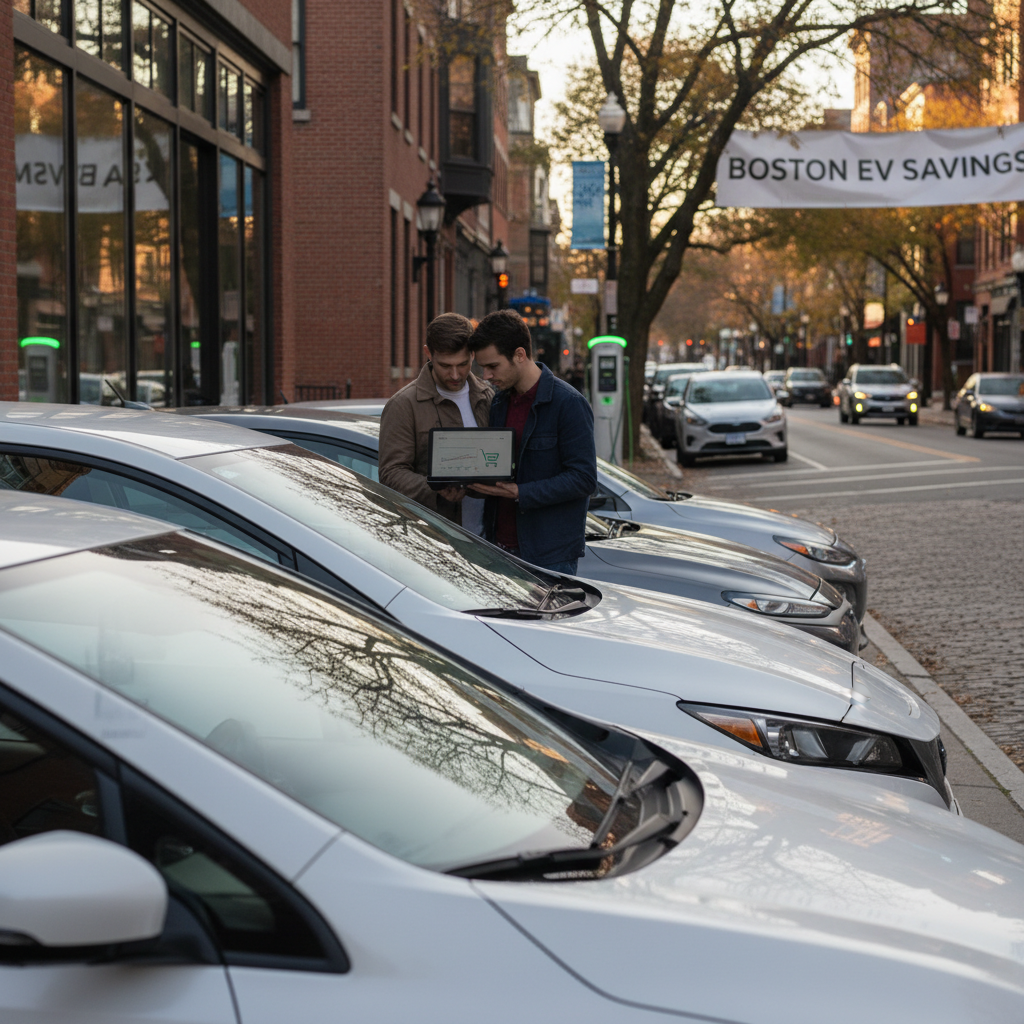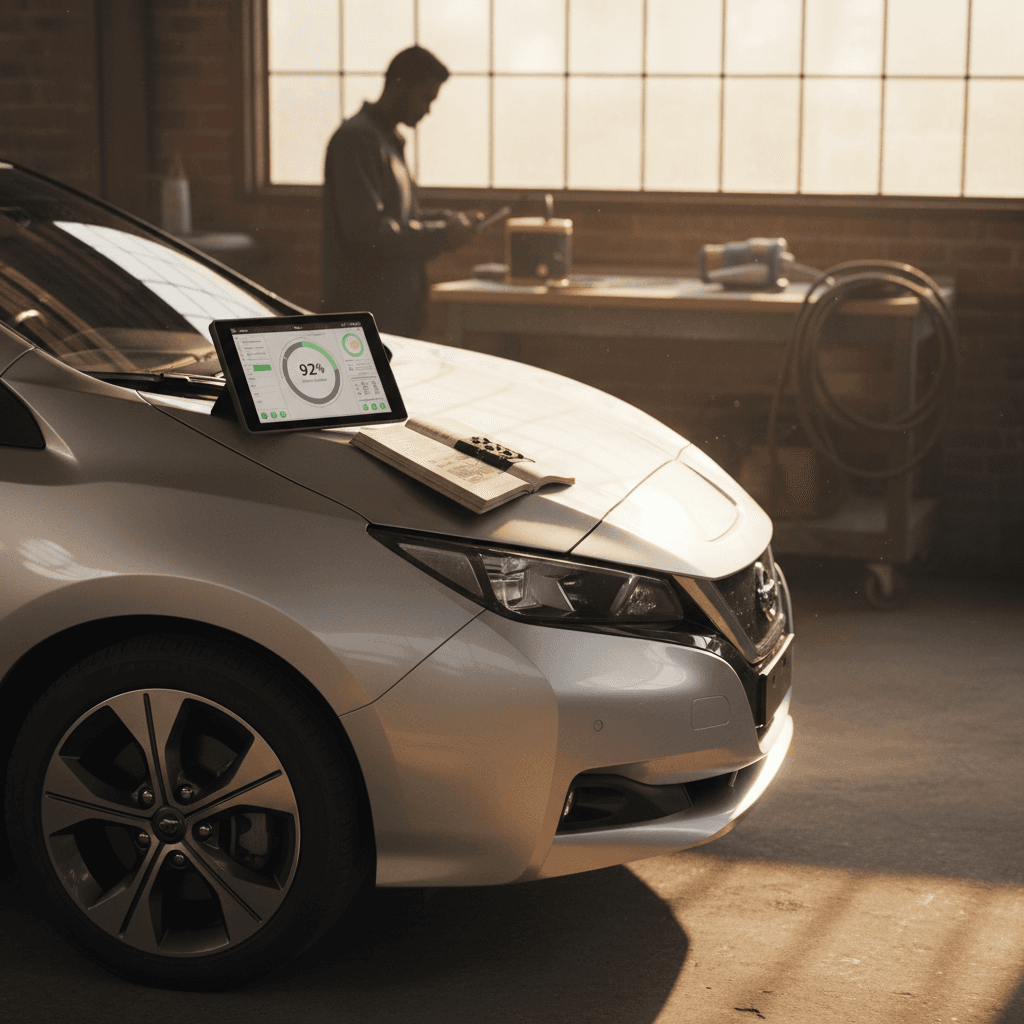
When people type “best best car” into a search bar, what they really want isn’t a list of trophies and awards. They’re asking a more practical question: “What’s the absolute best car for me right now?” In 2025, with used electric vehicles becoming more affordable and mainstream, the real “best best car” is usually a smartly chosen used EV that fits your life, your budget, and your charging reality.
Why this guide focuses on used EVs
What Does “Best Best Car” Really Mean in 2025?
Ask ten people what the best car is and you’ll get ten different answers: longest range, quickest 0–60, roomiest back seat, lowest payment. The phrase “best best car” captures an even higher bar, the car that nails value, reliability, comfort, and running costs all at once. For most buyers today, that sweet spot is a well‑chosen used EV with verified battery health and a price that already reflects the steepest depreciation.
Why Used EVs Are Today’s “Best Best Car” Candidates
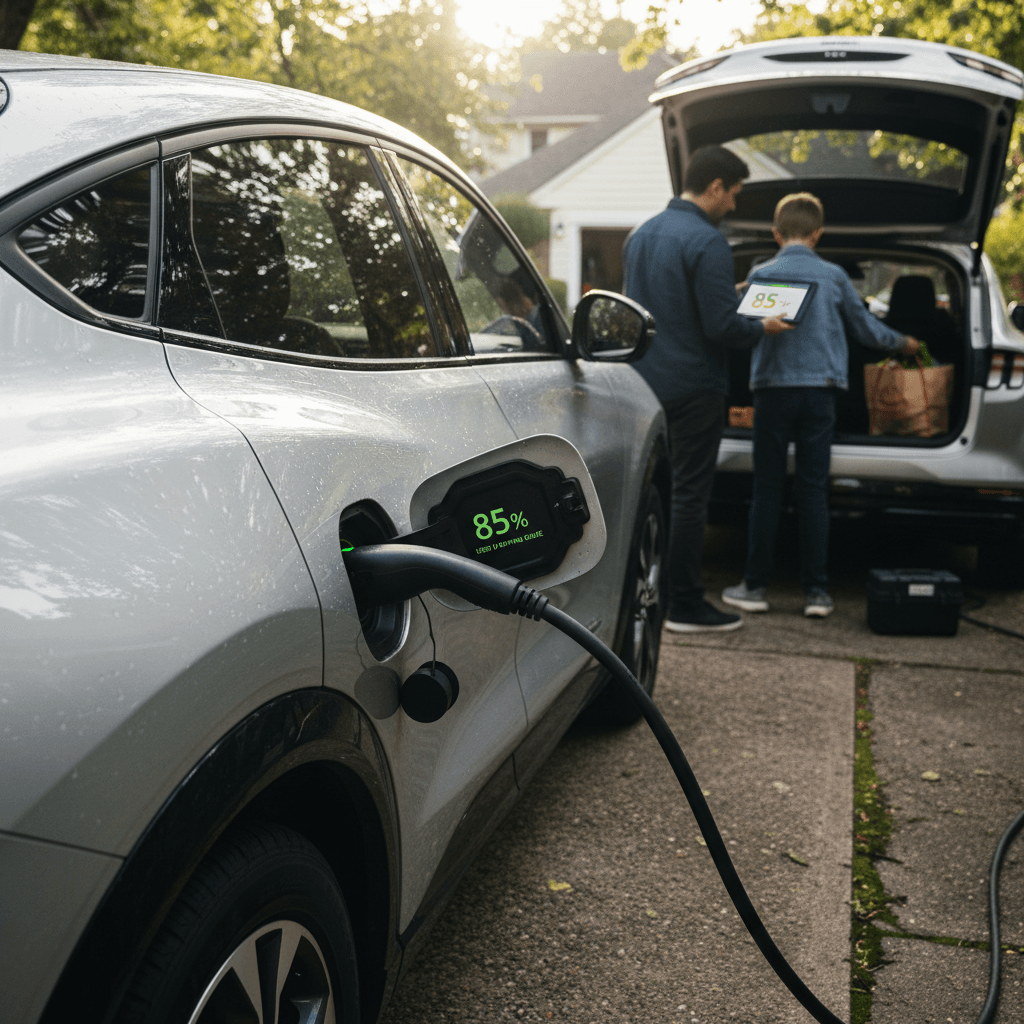
Step 1: Start With You, Not the Car
Before you look at badges or horsepower, get crystal clear on how you’ll actually use the car. The same Tesla Model Y that’s perfect for a family road‑trip warrior might be overkill for a city commuter who mostly parallel‑parks and drives 25 miles a day.
Three Common “Best Best Car” Profiles
Figure out which one sounds most like you before you shop
1. The Daily Commuter
You mostly drive to work, run errands, and visit friends.
- Daily miles: typically under 60
- Parking: street or small driveway
- Priority: low running costs, easy to park
Best fit: Compact hatchbacks and crossovers like a Nissan Leaf, Chevy Bolt EV, Kia Niro EV, or Hyundai Kona Electric.
2. The Family Hauler
You’re juggling kids, car seats, pets, and gear.
- Daily miles: mix of school runs and weekend trips
- Parking: driveway or garage
- Priority: safety, space, easy child‑seat installs
Best fit: Roomy crossovers and three‑row SUVs like the Tesla Model Y, Kia EV9, Hyundai Ioniq 5, or VW ID.4.
3. The Road‑Trip Explorer
You care about weekends away and long highway drives.
- Daily miles: modest, but frequent longer trips
- Charging: comfortable using public fast chargers
- Priority: range, charging speed, comfort
Best fit: Long‑range models like a Tesla Model 3 or Y, Hyundai Ioniq 5, Kia EV6, or Polestar 2.
Pro tip: write your must‑haves
The “Best Best Car” Shortlist: Top Used EVs for 2025
There’s no single winner, but a few used EVs consistently rise to the top for value, range, and everyday livability. Think of these as your shortlist of best best car candidates, you’ll pick from them based on your profile and budget.
Standout Used EVs to Consider in 2025
Approximate U.S. used‑market positioning as of late 2025. Actual prices and specs vary by year, trim, and mileage.
| Model | Role | Approx. Used Price* | Est. EPA Range (mi) | Best For |
|---|---|---|---|---|
| Kia Niro EV | Value all‑rounder | From low $10Ks for earlier years | ≈212 | Budget‑minded commuters who still want real‑world range |
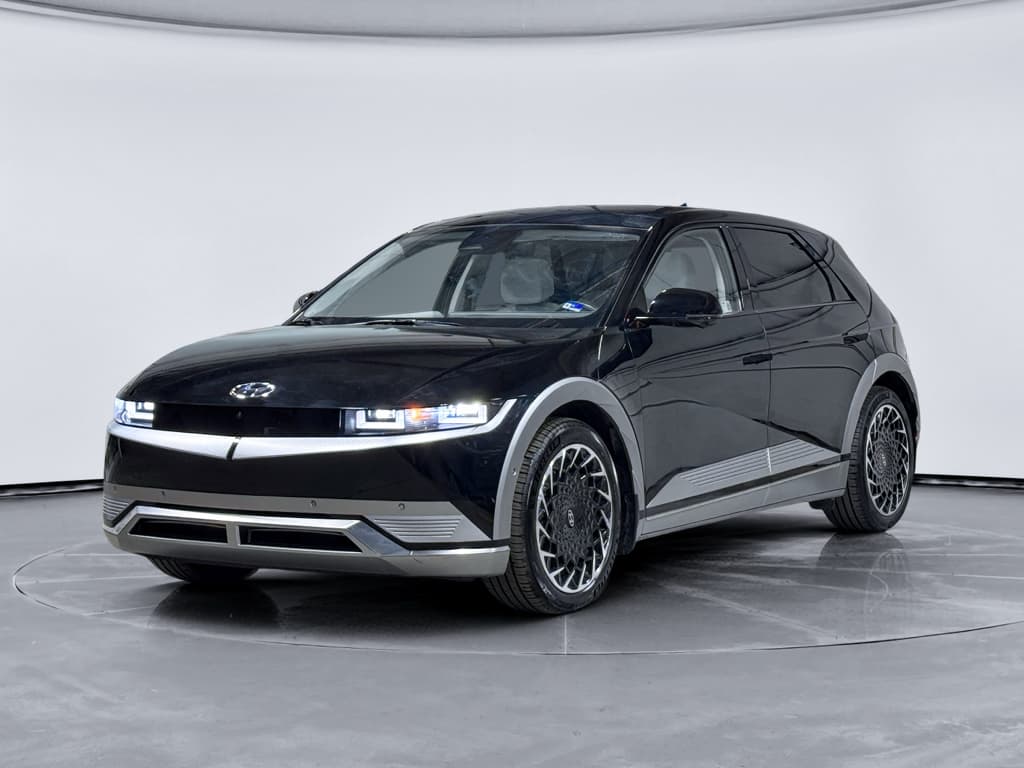
| Hyundai Ioniq 5 | Family crossover star | From low–mid $20Ks for early builds | ≈220–303 | Families who want space, style, and fast charging |
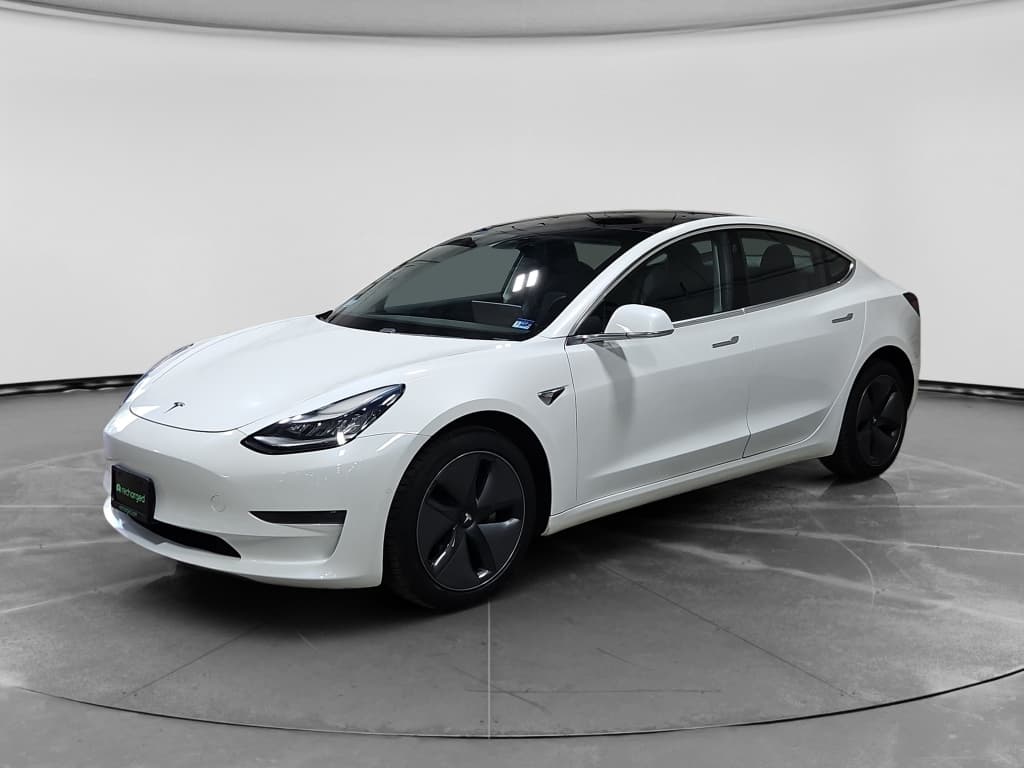
| Tesla Model 3 | Range/value benchmark | From around $20K for earlier RWD cars | ≈240–358 | Drivers who road‑trip or rely on Superchargers |
| Tesla Model Y | Top‑selling family EV | Mid–high $20Ks and up | ≈260–330 | Families needing space, range, and strong resale |
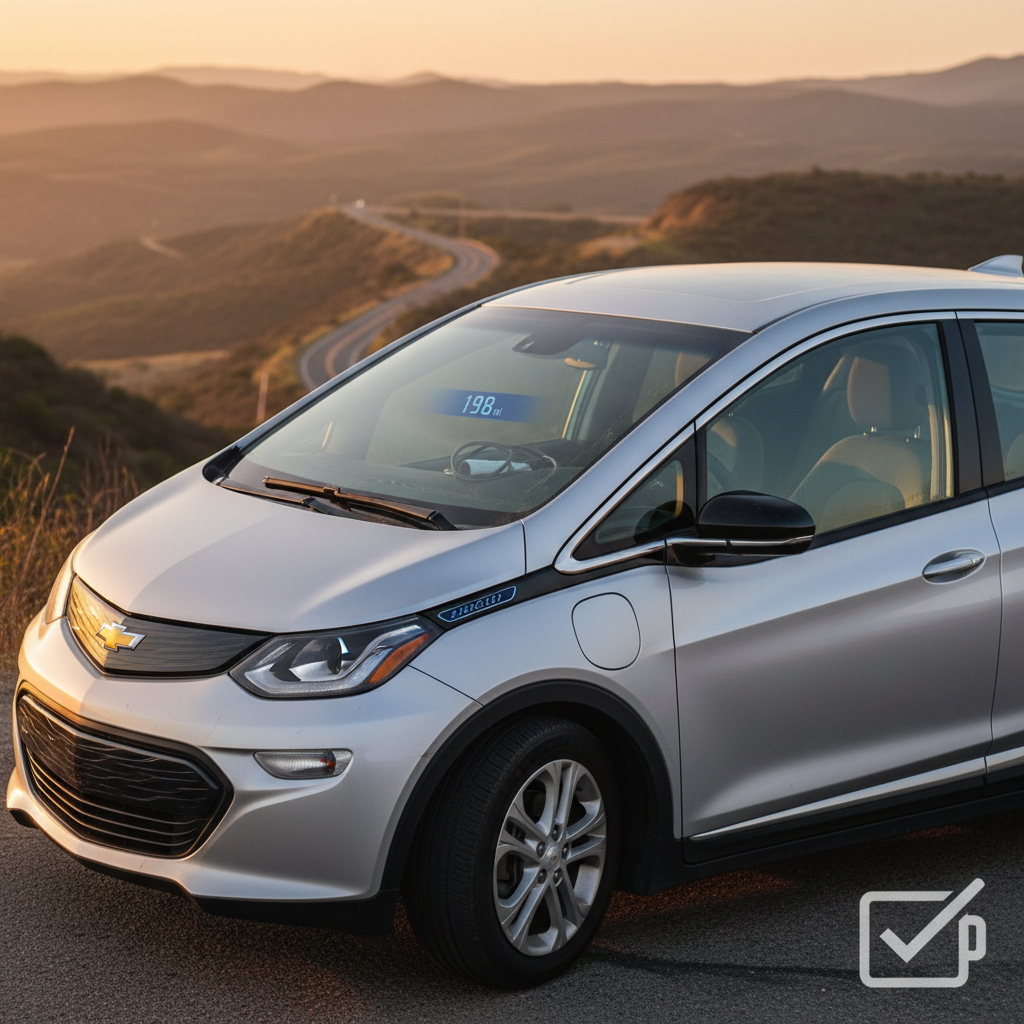
| Chevrolet Bolt EV/ EUV | Compact bargain | Teens–low $20Ks | ≈200–259 | City drivers and first‑time EV buyers |
| Volkswagen ID.4 | Comfortable crossover | Low–mid $20Ks | ≈209–275 | Shoppers wanting a relaxed, SUV‑like feel |
| Kia EV6 | Sporty all‑rounder | Mid–high $20Ks and up | ≈225–310 | Drivers who want style and very quick DC fast charging |
These models balance price, range, and practicality particularly well in the used market.
Watch the model year, not just the badge
Range, Battery Health, and Longevity
In an EV, the battery pack is the heart of the car and the most expensive component. That’s why the real best best car isn’t just the one with the biggest number on the window sticker, it’s the car whose battery still delivers trustworthy range and performance years down the road.
How much range do you actually need?
Most drivers dramatically overestimate their daily needs. The average American commute is under 40 miles round‑trip. Even allowing for errands, a car with a real‑world 180–220 miles of usable range is enough for many households, especially if you can charge at home overnight.
- Under 60 miles/day: Many compact EVs will work well.
- 60–120 miles/day: Look for 220+ mile rated range.
- Frequent road trips: 260+ miles of range plus fast DC charging is ideal.
Why battery health matters more than original range
Two identical EVs can perform very differently after 5–7 years. One might still deliver 95% of its original range; another might be down 15–20% due to harsher use or climate.
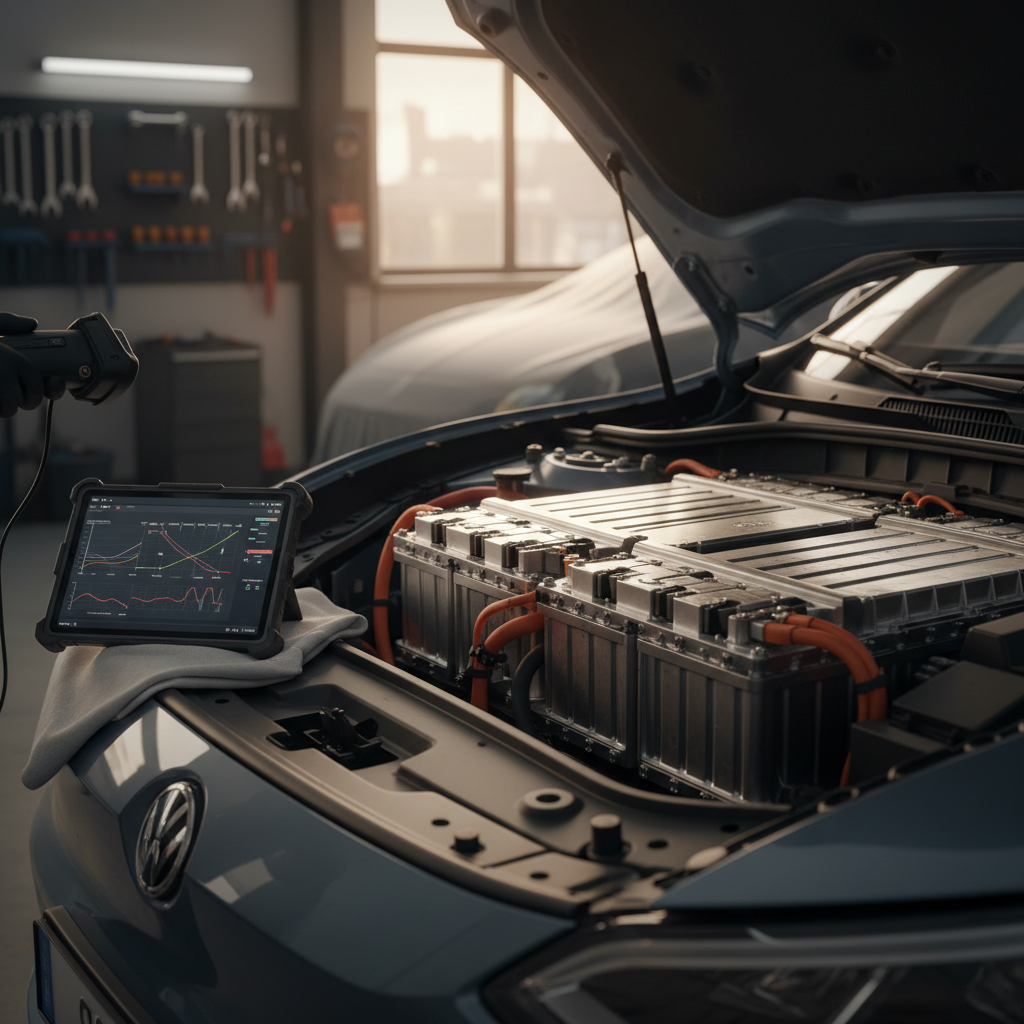
That’s why you want objective battery data, not just a test drive and a guess. A proper battery‑health report looks at usable capacity, fast‑charge history, and cell balance to predict future performance.
How Recharged reduces battery risk
Total Cost of Ownership: What the “Best” Car Really Costs
Sticker price is just the opening bid. The real “best best car” keeps adding up in your favor over years of payments, charging, insurance, and maintenance. EVs shine here, but only if you pick a car that fits your financial reality as well as your lifestyle.
Where EVs Can Save You Money
Why a slightly more expensive car up front can be the cheaper choice overall
Energy vs. fuel costs
Electricity is typically cheaper per mile than gasoline, especially if you can charge at home during off‑peak hours.
- Home charging can cut “fuel” costs by 50–70% vs. gas.
- Fast‑charging only? Budget more, but still often cheaper than gas.
Maintenance and repairs
EVs have fewer moving parts than gas cars, no oil changes, spark plugs, or exhaust systems.
- Brake wear is often lower thanks to regeneration.
- Focus your inspection on tires, suspension, and software history.
Insurance and taxes
Insurance can be higher on some EVs because of parts costs, while others are in line with comparable gas models.
State incentives, HOV lane access, and local tax breaks can tilt the equation in your favor, check your state’s current EV policies.
Depreciation and resale value
Because many EVs depreciated quickly from new, buying used lets you skip the steepest part of that curve.
Well‑known models with strong charging support, like Tesla Model 3/Y, Hyundai Ioniq 5, or Kia EV6, often hold value better over time.
Run the numbers, not just the payment
How to Test‑Drive and Inspect a Used EV
A quick spin around the block won’t tell you if a used EV is truly your best choice. You’re evaluating not just how it feels today, but how it’s likely to age. Here’s how to use your test drive and inspection wisely.
Key Things to Check on a Used EV
1. Battery state of health
Ask for a recent battery‑health report, not just a dashboard range estimate. You want to see how much usable capacity remains and whether there are signs of abnormal degradation.
2. Charging history and compatibility
Confirm the car’s DC fast‑charging speed, connector type (CCS, NACS, or CHAdeMO), and whether it supports the networks you’ll use. Test a Level 2 charge if possible to make sure everything connects and charges as expected.
3. Software and service records
Look for a clean history of over‑the‑air updates (if applicable) and regular service. On some brands, major feature updates, or missed updates, can dramatically change the driving and charging experience.
4. Tires, brakes, and suspension
EVs are heavy and can be hard on tires and suspension components. Check for uneven wear, vibrations, or clunks over bumps that may point to upcoming repair bills.
5. Interior practicality
Sit in every seating position, fold the rear seats, and load a stroller or golf bag. The best‑driving car in the world isn’t your “best best car” if your family and stuff don’t fit comfortably.
6. Noise, ride, and ergonomics
On your test drive, pay attention to wind and road noise, seat comfort, and how intuitive the controls feel. You’ll notice those details every day long after the 0–60 time stops impressing you.
Don’t skip a professional EV inspection
How Recharged Makes Finding Your “Best Best Car” Easier
If all of this sounds like a lot to keep straight, that’s because modern car shopping is complicated, especially with EVs. Recharged exists to simplify that process so you can focus on choosing the car that truly fits your life.
What Recharged Brings to the Table
Why many shoppers find their “best best car” faster with expert help
Verified battery health
Every vehicle comes with a Recharged Score Report that includes advanced battery diagnostics, so you know exactly what you’re buying, and what kind of range to expect years from now.
Fair, transparent pricing
Recharged benchmarks each car against nationwide data to ensure fair market pricing. You see how the price compares to similar EVs, instead of wondering if you’re overpaying.
EV‑specialist support
From first question to final paperwork, you can talk with EV specialists who understand charging, incentives, and model‑to‑model tradeoffs, not just generic sales scripts.
Nationwide delivery
Found your “best best car” in another state? Recharged can arrange nationwide delivery, so you’re not limited to what’s sitting on a local lot.
Flexible ways to sell or trade
Already own an EV? You can get an instant offer, trade‑in value, or list on consignment through Recharged, then roll that value into your next car.
Fully digital experience
Browse, finance, and complete paperwork online, or visit the Recharged Experience Center in Richmond, VA if you prefer to see vehicles in person.
Ready to find your next EV?
Browse VehiclesChecklist: How to Choose Your Own “Best Best Car”
Use this quick checklist to turn a vague “best best car” search into a concrete short list you can test‑drive and compare. Think of it as a road map from search bar to driveway.
Your 8‑Step “Best Best Car” Plan
1. Define your primary use case
Are you mainly commuting, hauling family, or taking frequent road trips? Write down your top two or three use cases so every candidate has to prove itself against the right job.
2. Set a realistic total budget
Decide on a comfortable monthly payment and estimate insurance and charging costs. This prevents you from falling in love with a car that quietly blows up your budget.
3. Decide your minimum acceptable range
Based on your daily miles and trip patterns, pick a minimum range that feels comfortable. For many drivers, that’s between 200 and 260 miles of EPA‑rated range.
4. Choose your charging plan
Will you install a Level 2 charger at home, rely on workplace charging, or lean on public fast charging? Your answer affects which models and connector types make the most sense.
5. Build a short list of 3–5 models
Mix and match: maybe a Kona Electric as the value play, an Ioniq 5 as the family pick, and a Model 3 as the road‑trip option. Comparing a small set deeply beats skimming ten cars shallowly.
6. Compare battery health and warranty
For each candidate, look at battery‑health data and remaining factory warranty. A cheaper car with a tired pack is rarely the true best choice.
7. Test‑drive back‑to‑back
Schedule drives of your top choices within a day or two of each other so impressions are fresh. Pay close attention to noise, comfort, visibility, and how confident you feel behind the wheel.
8. Sleep on it, then decide
Don’t let pressure or FOMO make the decision for you. After the test drives, sleep on it. The car you’re still thinking about the next morning, and that still fits your budget on paper, is likely your real “best best car.”
FAQ: “Best Best Car” and Used EV Buying Questions
Frequently Asked Questions
Bottom Line: Finding the “Best Best Car” for You
The truth is, there’s no universal trophy for the best best car. What exists instead is a smart process: know how you drive, set a realistic budget, pick the right class of vehicle, and insist on clear battery‑health and pricing data. Do that, and your odds of landing in the right used EV go way up.
If you’d rather not navigate all of that alone, Recharged is built for exactly this moment in the market, where used EVs can offer exceptional value, but only if you choose carefully. With verified battery diagnostics, transparent pricing, EV‑savvy guidance, and nationwide delivery, Recharged makes it much easier to turn “best best car” from a vague search into the electric car that fits your life from day one.