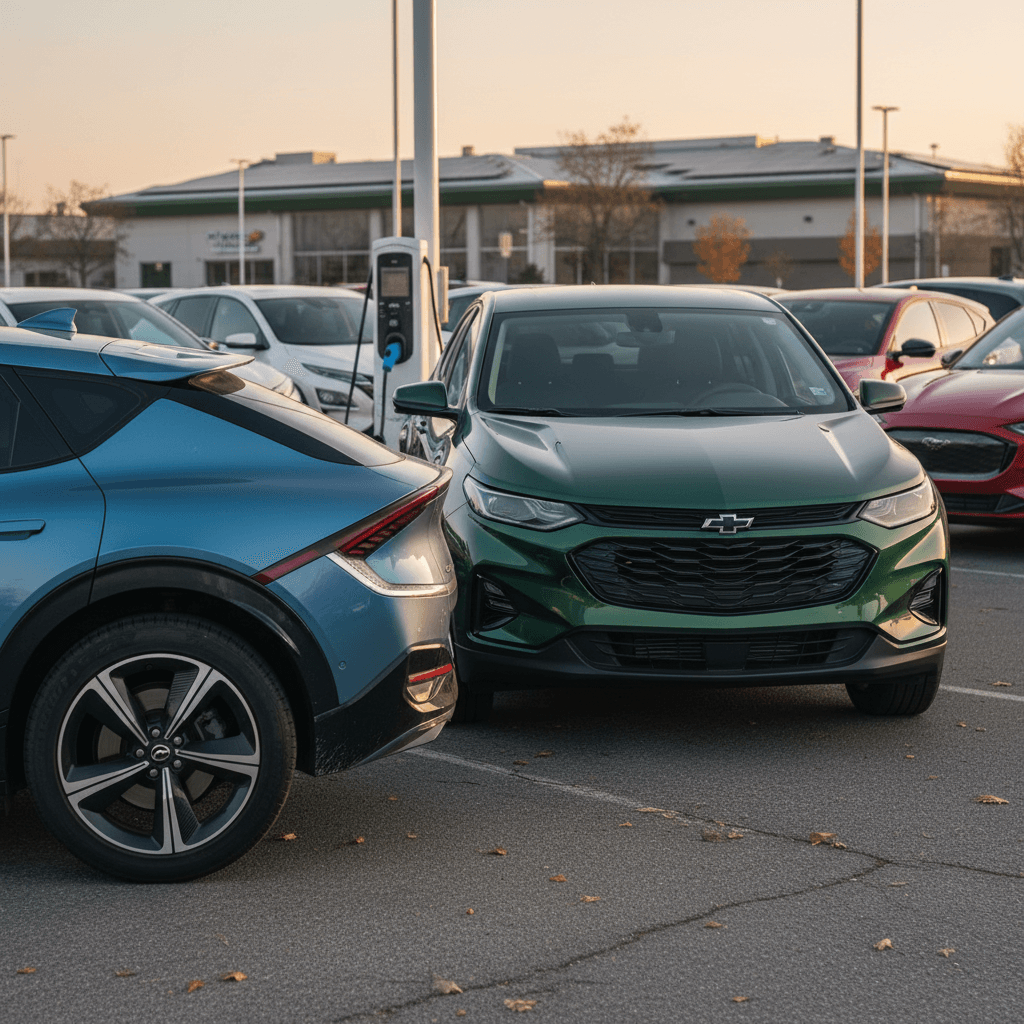
You don’t have to be a tech billionaire, or cosplay as one, to drive an electric SUV anymore. The best affordable electric SUVs in 2025 are finally priced within shouting distance of mainstream crossovers, especially once you factor in fuel and maintenance savings. And if you’re willing to buy used, the deals get genuinely compelling.
A quick note on 2025 pricing
Why affordable electric SUVs are finally mainstream
For years, electric SUVs were silicon-valley sculpture: gorgeous, costly, and slightly impractical. That’s changed. Mainstream brands like Chevrolet, Hyundai, Kia, Volkswagen, Nissan, and Toyota now build electric SUVs aimed at regular buyers, not just early adopters. At the same time, a wave of 2021–2023 models is hitting the used market, which is where the real affordability lives.
EVs are growing up, even as incentives fade
Tax credits aren’t what they were
How much do affordable electric SUVs really cost?
When people say “affordable electric SUV,” they usually mean one of two things: a new electric SUV under roughly $45,000, or a used electric SUV that undercuts a comparable new gas model once you factor in financing and running costs.
Typical price bands for affordable electric SUVs (US, 2025)
Approximate transaction ranges before taxes and fees. Local markets and incentives vary.
| Category | New or used | Typical price range | Examples |
|---|---|---|---|
| Entry-level new EV SUV | New | $34,000–$40,000 | Chevy Equinox EV, Hyundai Kona Electric |
| Mid-tier new EV SUV | New | $40,000–$48,000 | VW ID.4, Nissan Ariya, Ford Mustang Mach-E |
| Value-focused used EV SUV | Used | $22,000–$32,000 | Earlier Hyundai Ioniq 5, Kia EV6, VW ID.4 |
| Premium used EV SUV | Used | $30,000–$40,000 | Cadillac Lyriq, Audi Q4 e-tron, Volvo XC40 Recharge |
Use this as a sanity check when you’re browsing listings, outliers deserve extra scrutiny.
Think in monthly cost, not just sticker
Best affordable electric SUVs 2025: New models to watch
Let’s start with the new stuff. If you want the smell of fresh plastics and the comfort of a full factory warranty, these are the standout affordable electric SUVs to keep on your radar in 2025.
New electric SUVs that hit the value sweet spot
All of these start around the mid-$30Ks to low-$40Ks before options.
Chevrolet Equinox EV
Why it’s interesting: After a price cut, the Equinox EV has become a value hero among compact electric SUVs, with an entry price around the mid-$30,000s and a long estimated range in base form.
- Approx. base price: low-to-mid $30,000s
- EPA range: over 300 miles on certain trims
- Strengths: Space, range-for-dollar, familiar Chevy dealer network
- Watch for: Early production availability and real-world charging speeds.
Hyundai Kona Electric
Why it’s interesting: The redesigned Kona Electric is a small SUV with big-car tech and a friendly price tag.
- Approx. base price: mid-$30,000s
- EPA range: around 200–260 miles depending on battery and trim
- Strengths: Easy to park, modern interior, good DC fast-charging for the price
- Watch for: Rear-seat space is snug; best for singles, couples, or small families.
Volkswagen ID.4
Why it’s interesting: VW’s ID.4 has matured into a very normal, very livable everyday family SUV that happens to be electric.
- Approx. base price: low-$40,000s for better-equipped trims
- EPA range: roughly 250–275 miles
- Strengths: Roomy cabin, comfortable ride, improving software
- Watch for: Option creep; it’s easy to wander into “not-so-affordable” territory.
Nissan Ariya & Toyota bZ4X
Why they’re interesting: Both target the affordable end of the EV crossover market, prioritizing comfort and safety over ludicrous acceleration numbers.
- Approx. base prices: high-$30,000s to low-$40,000s
- EPA range: roughly 220–260 miles
- Strengths: Quiet cabins, generous safety tech, familiar brands
- Watch for: Conservative DC fast-charging speeds; not ideal if you road-trip constantly.
Shortcut: shop lightly used instead
Standout used electric SUVs: Best value picks
If you’re shopping with a sharp pencil, you should be looking hard at used electric SUVs. Depreciation has been… ambitious. That’s bad news for first buyers, great news for you.
Hyundai Ioniq 5 & Kia EV6
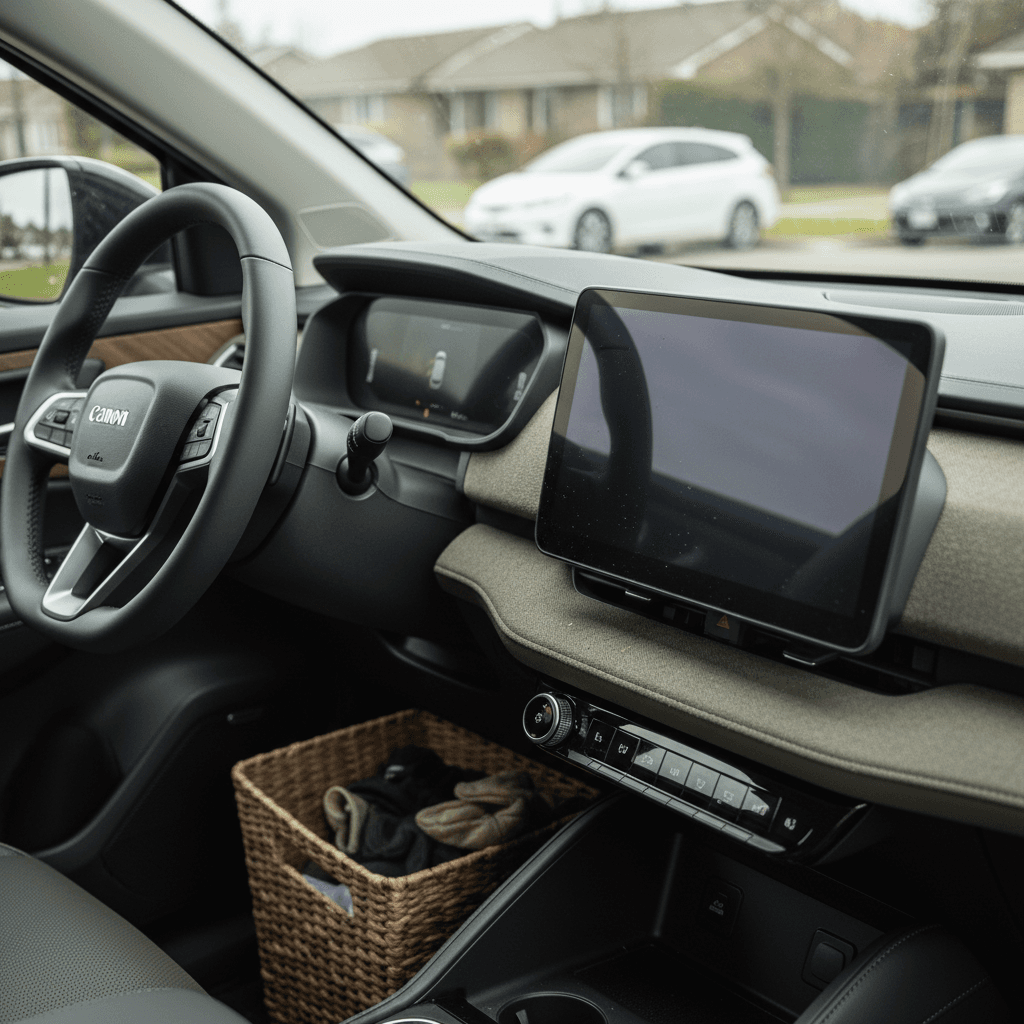
Once the darling of the EV press, the Hyundai Ioniq 5 and its swoopy cousin, the Kia EV6, are now turning up on used lots at prices far below their original MSRPs.
- Why they’re great used: Long-range variants, ultra-fast 800V charging, and generous warranties.
- Ideal buyer: Anyone who wants modern tech and design without paying new-car money.
- Watch for: Higher-mileage rides used heavily on fast chargers, battery health matters.
Volkswagen ID.4, Nissan Ariya, Cadillac Lyriq
These three represent the sensible, quietly excellent used choices, and in the Lyriq’s case, an affordable way into luxury EV ownership.
- ID.4: Spacious, family-friendly, and increasingly common as a used buy.
- Ariya: Comfortable, refined, and often priced aggressively to move.
- Lyriq: A legitimate luxury SUV now showing up in the high-$20K to low-$30K range in some markets.
- Watch for: Early-build software quirks; make sure updates have been applied.
Don’t ignore battery health
Range and charging: What you actually need
When you’re cross-shopping affordable electric SUVs, it’s easy to get hypnotized by the big number on the window sticker: range. 300 is obviously better than 250, right? On paper, sure. In real life, most households are driving 30–50 miles a day and charging at home overnight.
How much range do you really need?
1. Daily commute under 40 miles
You’ll be fine with any EV SUV that offers around 220+ miles of range. You’ll charge at home a couple of nights a week and forget about gas stations entirely.
2. Mix of city and suburban errands
Aim for 240–260 miles of EPA range for extra buffer. That gives you room for cold weather, detours, and the occasional unplanned trip.
3. Frequent highway road-tripper
Here, range and charging speed both matter. Look for 270+ miles of range and DC fast charging that can reliably add 150+ miles in 30 minutes or so.
4. Apartment or condo living
If you don’t have guaranteed home charging, prioritize models that charge faster on public DC fast chargers and check charging options near your home and office before you buy.
Level 2 home charging is the real luxury
Ownership costs: EV SUVs vs gas SUVs
Sticker price gets all the attention; running costs pay the quiet bills. Affordable electric SUVs tend to win the long game because electricity is cheaper than gasoline per mile, and there’s no oil, spark plugs, or exhaust system to maintain. Brakes even last longer thanks to regenerative braking.
Where EV SUVs save you money
- Fuel: Home charging often equates to paying the equivalent of $1–$2 per “gallon.”
- Maintenance: Fewer moving parts, no oil changes, fewer trips to the shop.
- Time: No weekly gas-station routine. You plug in at home and do literally anything else.
Where EV SUVs can cost more
- Insurance: Can be slightly higher, depending on the model and your location.
- Financing: Higher upfront price means you should shop loan terms carefully.
- Depreciation: New EVs can lose value faster, another argument for buying used.
Run a side‑by‑side monthly comparison
How to shop smart for an affordable electric SUV
Shopping for an electric SUV isn’t wildly different from shopping for any other car, but there are a few EV‑specific traps you’ll want to sidestep. Think of this as your EV SUV buyer’s playbook.
Smart steps when buying an affordable electric SUV
1. Start with your use case, not the badge
Be ruthlessly honest about how you drive. Long road trips or mostly local errands? Kids and car seats, or just you and a laptop bag? That determines your minimum range and space needs.
2. Decide new vs used early
If you want the latest tech and plan to keep the car a long time, new can make sense. If you’re value‑driven or want to minimize depreciation risk, narrow your search to 1–3‑year‑old used SUVs.
3. Demand a real battery health report
This is non‑negotiable on a used EV. A healthy pack is the foundation of the car’s value. Recharged’s vehicles include a Recharged Score Report, which uses diagnostics to verify battery health and remaining life.
4. Check charging options near home and work
Use charging apps to scout your neighborhood and commute. A few reliable Level 2 or DC fast chargers nearby can make apartment EV ownership totally workable.
5. Test‑drive with your real life in the car
Bring the stroller, hockey gear, or dog crate. Make sure the SUV works for your actual life, not the photo shoot version.
6. Compare offers digitally
With platforms like Recharged, you can compare vehicles, financing, and trade‑in values entirely online, and have an EV delivered to your driveway without spending a Saturday in a showroom.
Why buying used through Recharged can save you more
If you’re hunting for the best affordable electric SUVs, the intersection of “used” and “verified” is where the value lives. That’s the lane Recharged was built for.
How Recharged makes affordable EV SUV shopping easier
Less guesswork, more transparency.
Verified battery health
Every SUV on Recharged comes with a Recharged Score Report that measures real battery health and performance, not just what the dash says on a good day.
That means you can compare two used EVs the way you’d compare two phones with different battery cycles.
Fair market pricing & financing
Recharged benchmarks each vehicle against current market data so you’re not overpaying just because EV pricing is volatile.
You can also explore financing online and see how a used electric SUV stacks up against your current payment.
Digital buying & delivery
Shop, trade in, and finance from your couch. Recharged can give you an instant offer or consignment option for your current car and arrange nationwide delivery of your next EV SUV.
Ready to find your next EV?
Browse VehiclesThinking about trading in?
Frequently asked questions about affordable electric SUVs
Affordable electric SUV FAQ
Bottom line: Choosing the right affordable electric SUV
The best affordable electric SUV isn’t the one with the biggest battery or the splashiest touchscreen; it’s the one that quietly disappears into your life and makes every gas station look faintly medieval. For some buyers, that’s a new Chevrolet Equinox EV or Hyundai Kona Electric. For others, it’s a used Hyundai Ioniq 5, Kia EV6, Volkswagen ID.4, or Cadillac Lyriq bought after someone else paid the steepest part of the depreciation curve.
If you want the math to work in your favor, start with how you drive, decide quickly whether new or used makes more sense, and insist on transparent battery health data. That’s where Recharged comes in: a marketplace built specifically for used EVs, complete with verified battery diagnostics, fair pricing, expert EV support, and nationwide delivery. Do that, and an affordable electric SUV stops being an experiment, and becomes just a better way to drive.