If you’re shopping for an electric vehicle, the phrase “battery warranty” is going to show up everywhere. Eight years, 100,000 miles, 70% capacity, it sounds reassuring, but what does it actually mean for you, especially if you’re buying used? This guide breaks down EV battery warranties in plain English so you know what’s covered, what isn’t, and how to protect yourself in 2025 and beyond.
EV batteries last longer than most people think
Why your EV’s battery warranty matters
Your EV’s high‑voltage battery is the single most expensive component in the car. Depending on the model, a replacement pack can easily run $5,000–$20,000 or more before labor. That’s why understanding the battery warranty matters just as much as knowing the range or 0–60 time, especially if you’re considering a used EV.
Three reasons battery warranty should be on your checklist
Whether you’re buying new or used, these are the stakes.
Protection from big repair bills
A solid battery warranty shields you from rare but expensive failures, things you couldn’t reasonably predict in a test drive.
Resale value and financing
Lenders and buyers are more confident when there’s substantial warranty left on the pack. It can improve loan terms and resale value.
Real‑world confidence
Knowing the pack is protected for a set time and mileage lets you use the car as intended instead of obsessing over every charge cycle.
Quick rule of thumb
Battery warranty basics: years, miles, and capacity
Most modern EVs and hybrids sold in the U.S. come with a separate high‑voltage battery warranty on top of the normal bumper‑to‑bumper and powertrain coverage. At a high level, these warranties share a common structure, but the details matter.
- Time limit: Usually 8–10 years from the in‑service date (when the car was first sold or leased).
- Mileage cap: Commonly 100,000 miles, but some brands go to 150,000+ miles on certain models.
- Capacity guarantee: The battery must retain at least 60–70% of its original capacity during the warranty period, or it may qualify for repair or replacement.
- Defect coverage: Manufacturing defects, internal shorts, failed modules, and similar issues are covered, subject to exclusions.
EV battery warranty landscape in 2025
Capacity is different from range
What an EV battery warranty actually covers
Battery warranties are aimed at faults that are the automaker’s responsibility, not the owner’s. In practice, coverage falls into two big buckets: defects and excessive degradation.
1. Defects and outright failures
This includes things like:
- Failed modules or cells
- Internal shorts or isolation faults
- Battery management system (BMS) failures
- Coolant leaks into the pack
If the pack can’t safely operate at all, it’s typically a straightforward warranty claim, as long as the car is within the time and mileage limits.
2. Capacity loss beyond the guarantee
Most mainstream EVs now promise a minimum capacity (often 70%) during the warranty period. If your pack falls below that threshold under normal use, the manufacturer may:
- Replace the entire pack
- Replace modules and rebalance the pack
- Apply software updates after hardware repairs
The exact remedy is up to the automaker, but your cost should be zero if the claim is approved.
Good news for used shoppers
What EV battery warranties don’t cover
If the fine print feels long, it’s because automakers are crystal‑clear about what they’re not on the hook for. Ignoring these exclusions is one of the fastest ways to have a claim denied.
Common battery warranty exclusions
The exact list varies by brand, but these themes show up everywhere.
Environmental extremes
Long‑term exposure to extreme heat or cold, especially if the car warns you about battery temperature and you ignore it, can be grounds for denial.
Abuse or improper use
Using non‑approved fast chargers, repeated full‑throttle track use, or ignoring critical warnings can all be cited as misuse.
Collision or physical damage
Accident damage, flood exposure, or underbody impacts are handled by insurance, not the battery warranty.
Unauthorized modifications
Third‑party battery repairs, aftermarket cooling mods, or attempts to open the pack will usually void coverage.
Don’t over‑interpret exclusions
Battery warranty comparison by brand
While federal rules set a floor, brands compete on how far they go beyond it. Here’s a high‑level snapshot of how some popular EV makers structure their battery warranties for recent model years. Always check the exact booklet for the VIN you’re considering.
Sample battery warranty terms (recent U.S. models)
Representative coverage for common EVs as of 2025. Exact terms can vary by trim, model year, and region.
| Brand | Example models | Years / miles | Capacity guarantee |
|---|---|---|---|
| Tesla | Model 3, Model Y | 8 yrs / 100k–120k mi | 70% |
| Tesla | Model S, Model X, Cybertruck | 8 yrs / 150k mi | 70% |
| Hyundai / Kia | IONIQ 5, IONIQ 6, EV6 | 10 yrs / 100k mi | 70% |
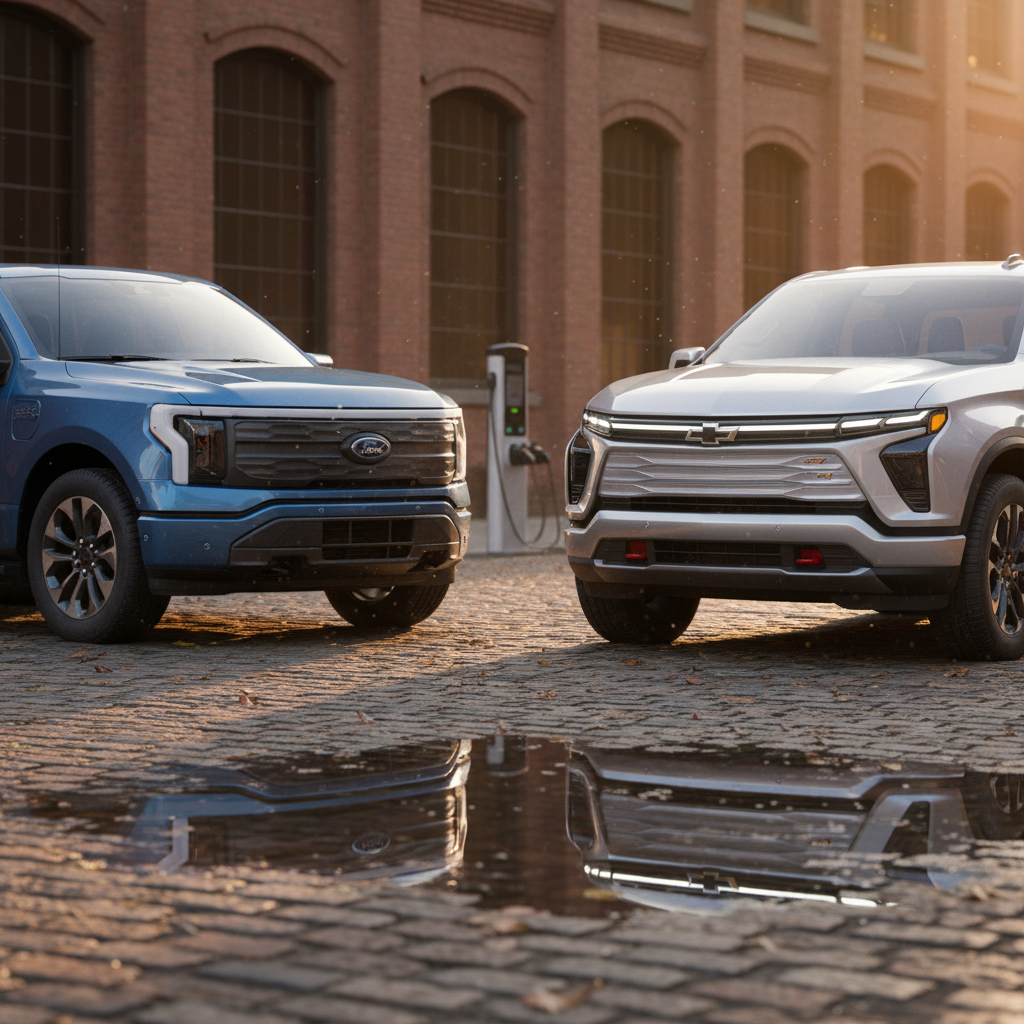
| Ford | Mustang Mach‑E, F‑150 Lightning | 8 yrs / 100k mi | 70% |
| GM (Chevy) | Bolt EV / EUV | 8 yrs / 100k mi | 60–70% depending on year |
| Nissan | Leaf, Ariya | 8 yrs / 100k mi | Around 70% |
| Rivian | R1T, R1S | 8 yrs / 175k mi | 70% |
| Mercedes‑Benz | EQS, EQE | Up to 10 yrs / 155k mi | 70% |
Use this as a starting point, not a substitute for the official warranty booklet.
Why miles matter as much as years
Used EVs: how battery warranty works for second owners
If you’re buying a used EV, the good news is that most high‑voltage battery warranties are tied to the car, not the first owner. That means you inherit whatever time and mileage are left, as long as the warranty is transferable and the car hasn’t been branded as salvaged or heavily modified.
Used EV battery warranty checklist
1. Verify in‑service date
The clock starts when the car was first sold or leased, not the model year. A 2021 car first sold in late 2022 has more warranty remaining than one sold in early 2021.
2. Confirm remaining mileage
Compare the current odometer reading against the battery warranty’s mileage cap. A low‑mileage car can have years of coverage left even if it’s older.
3. Ask about salvage or major repairs
Many automakers void battery coverage on cars with salvage titles, flood history, or unapproved high‑voltage repairs.
4. Check transferability rules
Some brands have special rules or paperwork for transferring coverage. Make sure previous owners didn’t void the warranty with modifications.
5. Get objective battery health data
Capacity‑based warranties only trigger below a threshold. A <strong>third‑party battery health report</strong> helps you see where that car sits on the degradation curve today.
Where Recharged fits in
How to read (and not misread) a battery warranty
Battery warranty booklets are written by lawyers for engineers, which is just about the worst combination for shoppers. A few key sections tell you almost everything you need to know once you know where to look.
- Locate the high‑voltage battery section. It’s usually separate from the general powertrain warranty.
- Find the time and mileage limits. Note which comes first, and whether different trims have different limits.
- Look for the capacity retention clause. This is where you’ll see language like “not less than 70% of original capacity.”
- Read the exclusions. Pay attention to any language around fast charging, towing, or driving in extreme temperatures.
- Check claim procedures. Some brands require a capacity test or specific diagnostic process before approving repairs.
Don’t confuse range with warrantable degradation
Extending battery life beyond the warranty
Even the best battery warranty eventually expires, but that doesn’t mean your EV suddenly becomes a liability. The same habits that keep degradation slow during the warranty period will keep the pack healthy well into its second decade.
Five habits that preserve your battery (and range)
You don’t need to obsess, just avoid the extremes.
Charge moderately
Use Level 2 charging for most daily use and reserve DC fast charging for road trips. There’s nothing wrong with fast charging, but avoiding only fast charging is kinder to the pack.
Avoid sitting at 0% or 100%
Short trips at high or low state of charge are fine. Long storage is where it matters. If you’re parking for weeks, aim for 40–60% SOC.
Watch temperature extremes
Whenever you can, park in shade or a garage. Let the car precondition the battery before fast charging on very hot or cold days.
Drive smoothly
Hard launches are fun and allowed, but constant drag‑race starts and panic stops heat the pack and motor more than necessary.
Use the app tools
Most EVs let you schedule charging, limit max state of charge, and precondition. Use those tools instead of charging to 100% every night.
Keep software and service up to date
Firmware updates often refine thermal management and charging behavior. Periodic inspections can catch coolant or sealing issues early.
Think in decades, not years
How Recharged helps you de-risk battery warranties
Battery warranties are only as useful as your understanding of them, and your confidence in how the previous owner treated the car. That’s where a purpose‑built used EV marketplace like Recharged changes the equation.
1. Verified battery health, not guesswork
Every vehicle on Recharged comes with a Recharged Score Report that includes battery health diagnostics. Instead of staring at a range estimate and guessing, you see data based on pack telemetry and expert analysis.
That’s crucial for capacity‑based warranties: if a pack is already close to its threshold, that’s a very different risk profile than one with minimal degradation.
2. Transparency, pricing, and support
Recharged combines battery health, remaining warranty, and current market conditions into fair pricing guidance, whether you’re buying, selling, or trading in.
- Financing options tuned for used EVs
- Trade‑in and instant offer tools for your current car
- Nationwide delivery and a fully digital experience
- Access to EV specialists who live and breathe this stuff
Experience before you decide
EV battery warranty FAQ
Frequently asked questions about EV battery warranties
The bottom line on EV battery warranties
A modern EV battery warranty is less about looming failure and more about downside protection. The typical 8‑year/100,000‑mile (or better) coverage exists because failure rates are low and automakers are confident enough to put real money behind that confidence. Your job as a shopper is to understand the terms, avoid obvious pitfalls, and insist on transparency about battery health, especially when buying used.
If you’d rather not decode all of this on your own, that’s exactly what Recharged is built for. Every used EV on the platform comes with a Recharged Score Report, fair market pricing, and EV‑specialist support from first click to delivery. That way, the phrase “battery warranty” becomes a source of confidence, not a source of anxiety.