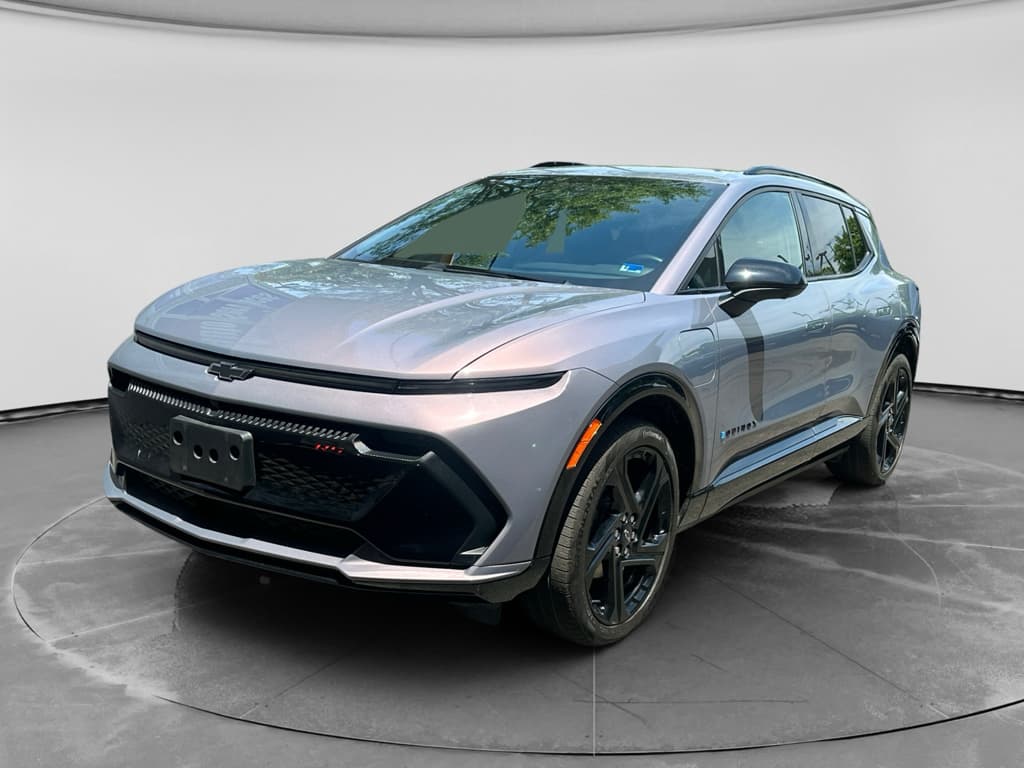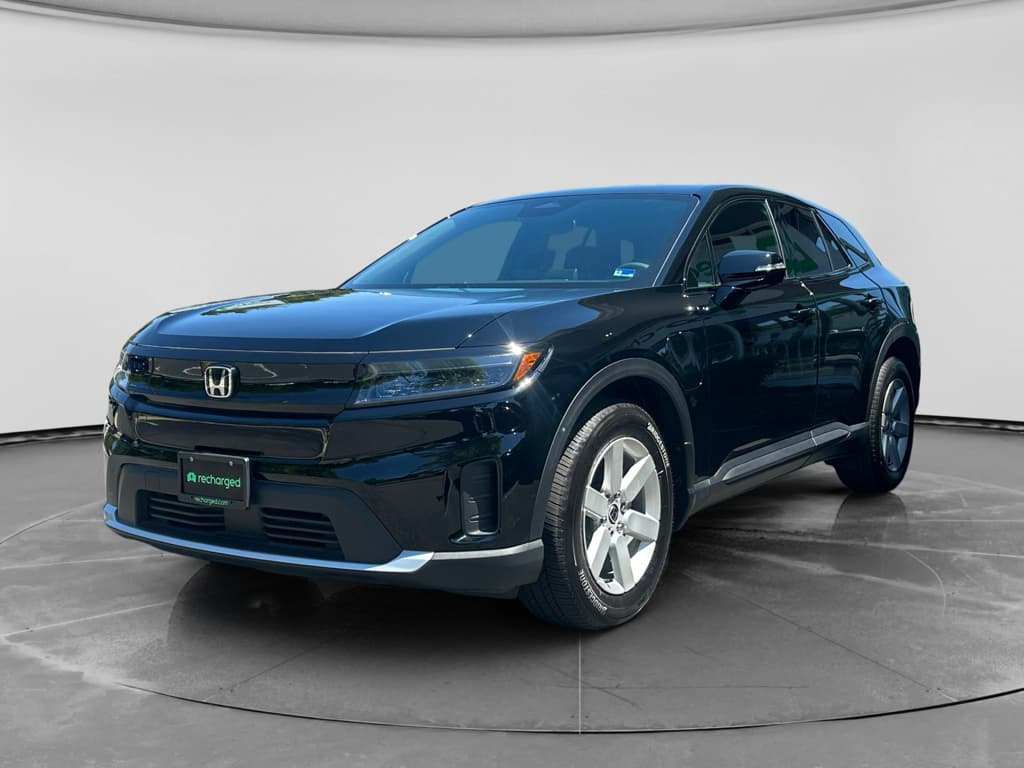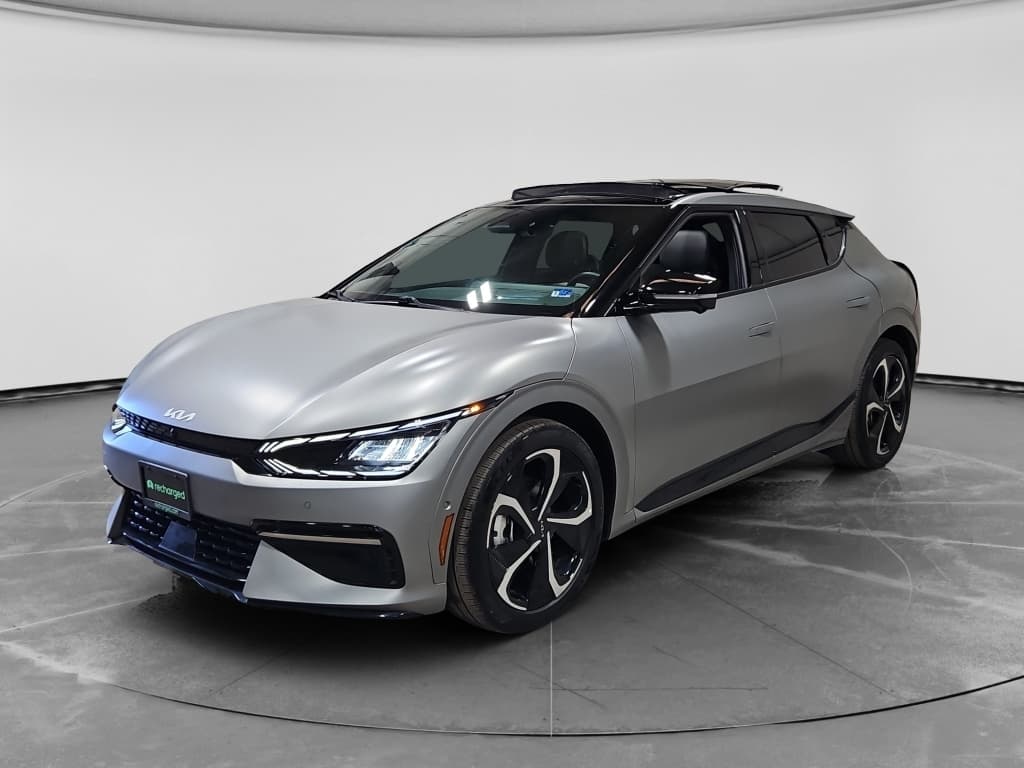
Battery powered cars, also called battery electric vehicles or BEVs, have gone from science project to rush-hour background noise in barely a decade. In 2024 Americans bought around 1.3 million battery electric cars, about 8% of all new vehicles sold, and more than 70 BEV models are on offer in 2025. Yet most drivers are still on the fence: curious, a little skeptical, and understandably confused by the mix of hype and backlash.
Why this guide matters now
What are battery powered cars, really?
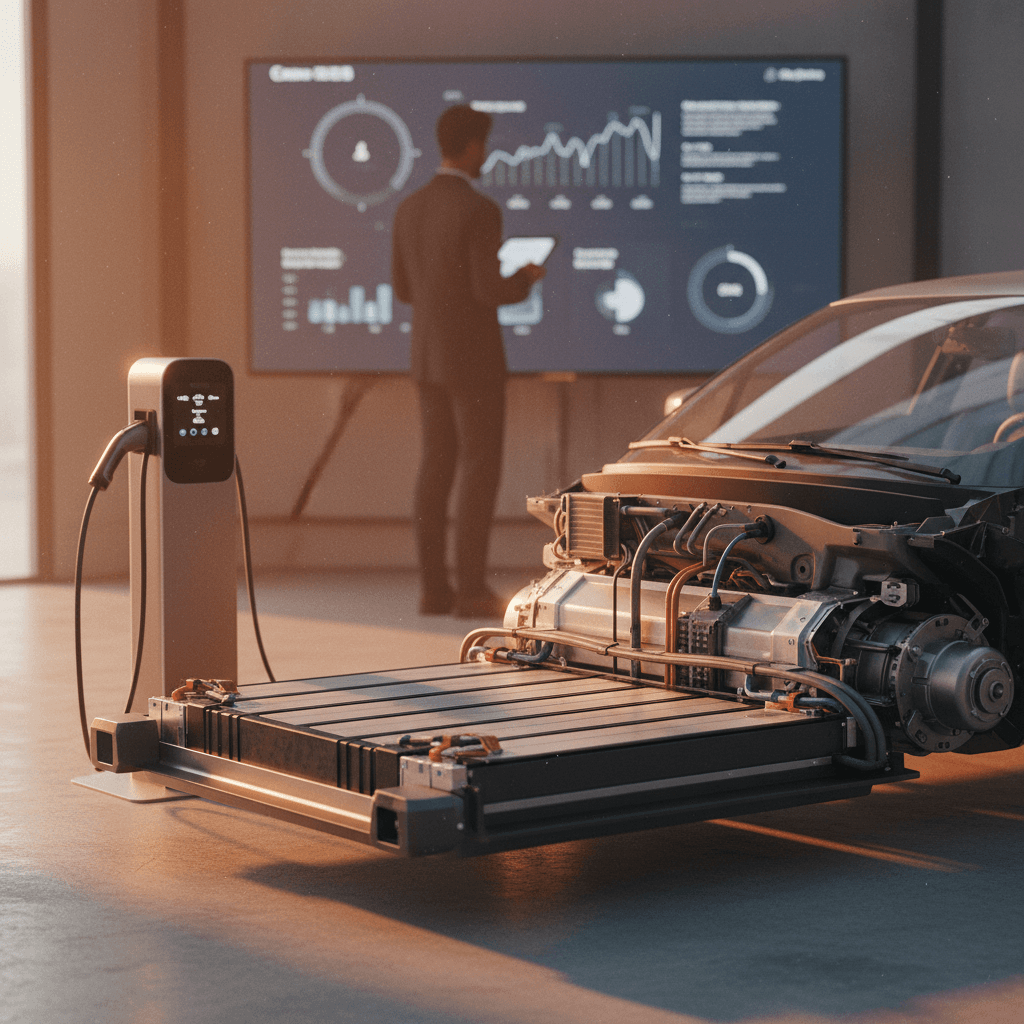
A battery powered car is driven entirely by an electric motor and a high‑voltage battery pack. There’s no gasoline engine, no exhaust, no oil changes, just a big lithium‑ion (or lithium iron phosphate) pack under the floor and an electric drivetrain turning the wheels.
- Also called battery electric vehicles (BEVs)
- Plug in to charge, don’t fill up at a gas pump
- Zero tailpipe emissions; overall emissions depend on your local grid mix
- Use lithium‑based batteries similar to what’s in your phone or laptop, scaled up massively
That makes BEVs different from hybrids (which still have gas engines) and plug‑in hybrids (which can do some electric miles but fall back on gasoline for longer trips). When people say “fully electric car,” they mean a battery powered car.
Battery powered cars by the numbers (U.S.)
Quick terminology check
How battery powered cars work (without the jargon)
Gas car: explosions and complexity
- Engine burns fuel in cylinders, creating heat and noise.
- Power goes through a multi‑gear transmission, then to the wheels.
- Hundreds of moving parts: pistons, valves, injectors, exhaust, catalytic converter.
- Regular oil changes, tune‑ups, timing belts, emissions components.
Battery powered car: magnets and electrons
- A large high‑voltage battery pack stores energy.
- An inverter turns DC battery power into AC for the motor.
- The electric motor sends instant torque directly to the wheels.
- Far fewer moving parts: no oil changes, spark plugs, or exhaust system.
The result is a driving experience that feels eerily smooth: instant throttle response, near‑silence in city traffic, and a kind of effortlessness you don’t get from a four‑cylinder working overtime through a 10‑speed gearbox. Once you live with that instantaneous torque, a traditional automatic can feel strangely antique.
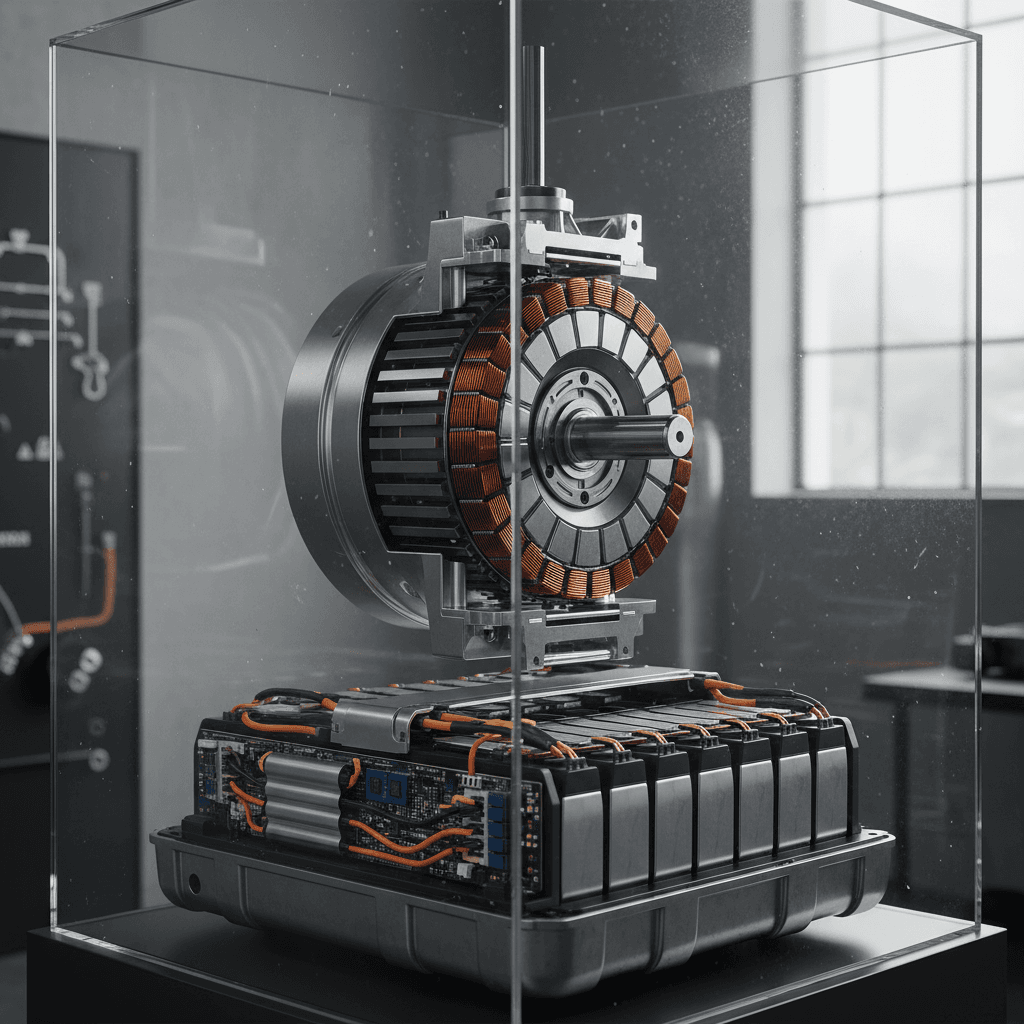
High voltage, low drama
Range: how far battery powered cars actually go
Official range numbers have gotten impressive. In 2025, many mainstream battery powered cars advertise 240–320 miles of EPA‑rated range, with outliers below 200 and above 350. But range is like EPA fuel economy on gas cars: a polite fiction that depends heavily on how and where you drive.
5 things that shrink (or stretch) your EV range
Battery powered cars are efficient, but physics still wins.
Cold weather
High speed
Aggressive driving
Hills & towing
Heating & A/C
Urban vs highway
Rule-of-thumb planning
Charging battery powered cars and living with one day to day
The biggest lifestyle change isn’t range, it’s refueling. With a battery powered car, most of your “fueling” happens at home while you sleep, and public charging is for road trips, apartment dwellers, or those occasional days when life gets weird.
Charging options for battery powered cars
How long it takes to charge, and when each option makes sense.
| Charging type | Power source | Typical speed | Best for |
|---|---|---|---|
| Level 1 | Standard 120V outlet | 3–5 miles of range per hour | Very light drivers, overnight top‑ups, emergencies |
| Level 2 | 240V home or workplace charger | 20–40 miles of range per hour | Daily home charging, most owners’ primary setup |
| DC fast charging | Public fast charger (50–350 kW) | 150–200+ miles in 20–40 minutes | Road trips, highway corridors, time‑sensitive charging |
Charging speeds are approximate and vary by vehicle and temperature.
Home charging is the unlock
Home charging checklist
1. Confirm your electrical capacity
A typical Level 2 setup uses a 40‑ or 50‑amp circuit. Have a licensed electrician confirm your panel can support it safely.
2. Pick the right charger
Look for a 32–48 amp Level 2 charger with a reputable brand, solid warranty, and Wi‑Fi/app features only if you’ll actually use them.
3. Choose a smart location
Mount the charger where the cable easily reaches your charge port without stretching across walkways or exposing it to damage.
4. Schedule off‑peak charging
Most utilities offer cheaper overnight electricity rates. Use your car or charger app to start charging when rates drop.
How long do EV batteries last? Degradation explained
This is the million‑dollar question, and the main reason many shoppers eye used battery powered cars with suspicion. The good news: modern EV packs are aging better than the early doom‑and‑gloom headlines predicted. The bad news: not all batteries, climates, or usage patterns are equal.
What really affects EV battery life
It’s less about miles, more about heat and habits.
Heat and fast charging
High state of charge storage
Mileage and duty cycle
Thermal management & chemistry
“In real‑world fleets, many modern EVs retain 80–90% of their original battery capacity after six to eight years of typical use.”
What this means if you’re buying used
What battery powered cars really cost vs gas cars
Sticker prices for new EVs are still higher on average than comparable gas cars, especially in the U.S., where incentives are in flux and tariffs are adding cost. But that’s only half the ledger. Electricity is usually cheaper than gasoline per mile, and maintenance on a battery powered car can be refreshingly boring.
Running costs: where EVs shine
- Fuel: At common residential electricity rates, many EVs cost the equivalent of paying $1–$1.50 per gallon for fuel.
- Maintenance: No oil changes, timing belts, spark plugs, or emissions failures.
- Brakes: Regenerative braking means pads and rotors last longer.
- Time: Skipping gas stations and quick‑lube shops is its own kind of savings.
Where costs can bite
- Upfront price: New EVs still carry a premium in many segments.
- Insurance: Some models see higher premiums due to expensive components and limited repair networks.
- Public fast charging: Per‑kWh prices on some networks are closer to gas‑equivalent costs, especially at peak times.
- Battery replacement out of warranty: Rare but expensive; five‑figure repairs are not unheard of.
Total cost of ownership beats monthly payment
Buying a used battery powered car: what to look for
The most interesting corner of the EV world right now isn’t the latest 600‑horsepower crossover; it’s the used market, where off‑lease Teslas, Chevy Bolts, Hyundai Ioniqs, and others are suddenly within reach of regular budgets. Here, the usual used‑car worries, hidden accidents, sketchy sellers, collide with a new one: Is the battery still healthy?
Used battery powered car inspection checklist
1. Demand a real battery health report
You wouldn’t buy a house without an inspection; don’t buy an EV without a clear view of remaining battery capacity and fast‑charging history. Tools like the <strong>Recharged Score</strong> use diagnostics to verify battery health instead of guessing from the dash display.
2. Check DC fast charging history
Frequent fast charging isn’t an automatic deal‑breaker, but a car that lived on highway fast chargers in a hot climate deserves extra scrutiny.
3. Look at software and recall status
Confirm the car has current software and that any battery‑related recalls have been addressed. Software updates can affect range, charging behavior, and battery longevity.
4. Inspect tires and brakes
EVs are heavy and torquey. Uneven tire wear can point to alignment issues; extremely worn pads on a low‑mileage EV may signal aggressive driving or mostly highway miles with little regen.
5. Test realistic range
On the test drive, reset the trip computer, drive a known distance, and compare energy use and projected range. It doesn’t need to match the original window sticker, but it should be consistent and reasonable.
6. Confirm charging compatibility
Make sure the plug type, onboard charger speed, and included cables match how you’ll actually charge at home and on the road.
Where Recharged fits in
Ready to find your next EV?
Browse Vehicles2025 reality check: EV policies, incentives, and market mood
If it feels like the national conversation about battery powered cars turned from breathless hype to dour skepticism almost overnight, you’re not imagining it. In 2024 EVs hit roughly 8–10% of U.S. new‑car sales, but by mid‑2025 market share had slipped slightly even as absolute sales hit new records. At the same time, federal incentives have been scaled back and tariffs are nudging prices up.
- Federal tax credits for new and used EVs are scheduled to expire early, cutting support that helped close the price gap with gas cars.
- New tariffs on imported EVs and battery components are pushing some sticker prices higher.
- Charging infrastructure is expanding, but unevenly; urban and coastal regions are better served than rural corridors.
- Consumer sentiment has cooled from 2023 peaks, with more shoppers gravitating toward hybrids as a middle step.
Time‑limited incentives
Think local, not national
Is a battery powered car right for you?
Great candidates for battery powered cars
- You can install (or already have) Level 2 charging at home.
- You drive under 80–120 miles most days, with occasional longer trips.
- You live in a region with at least decent public charging options.
- You prefer quick acceleration, quiet driving, and modern tech.
- You’re planning to keep the car long enough to benefit from lower running costs.
Situations where a BEV can be a stretch
- You can’t charge at home and nearby public chargers are scarce or unreliable.
- You regularly tow or haul heavy loads long distances.
- Your winters are severe, parking is outdoors, and your range needs are tight even in good weather.
- You replace vehicles quickly and mainly care about lowest possible payment today.
- You have only one vehicle and do frequent cross‑country trips with tight schedules.
One smart way to experiment
Battery powered cars: FAQ
Frequently asked questions about battery powered cars
Battery powered cars aren’t magic, and they’re not the villain of the week either. They’re a different trade‑off: higher upfront complexity in exchange for lower daily friction, cleaner local air, and a driving experience that makes a gas engine feel like yesterday’s technology. The key is fit. If your lifestyle, charging situation, and budget line up, a battery powered car can be the most satisfying vehicle you’ve ever owned, especially if you buy with clear eyes about battery health and long‑term costs. And if you decide a used EV is the right way in, Recharged is here to make that first step simple, transparent, and a little bit exciting instead of stressful.