Battery operated vehicles are no longer niche experiments. They now range from full-size electric cars and delivery vans to scooters, bikes, golf carts, and neighborhood shuttles. If you’re trying to understand where they fit into everyday life, and whether a battery powered vehicle is right for you, this guide breaks down how they work, the main types, costs, and what to watch for, especially if you’re looking at used EVs.
EVs are moving into the mainstream
What are battery operated vehicles?
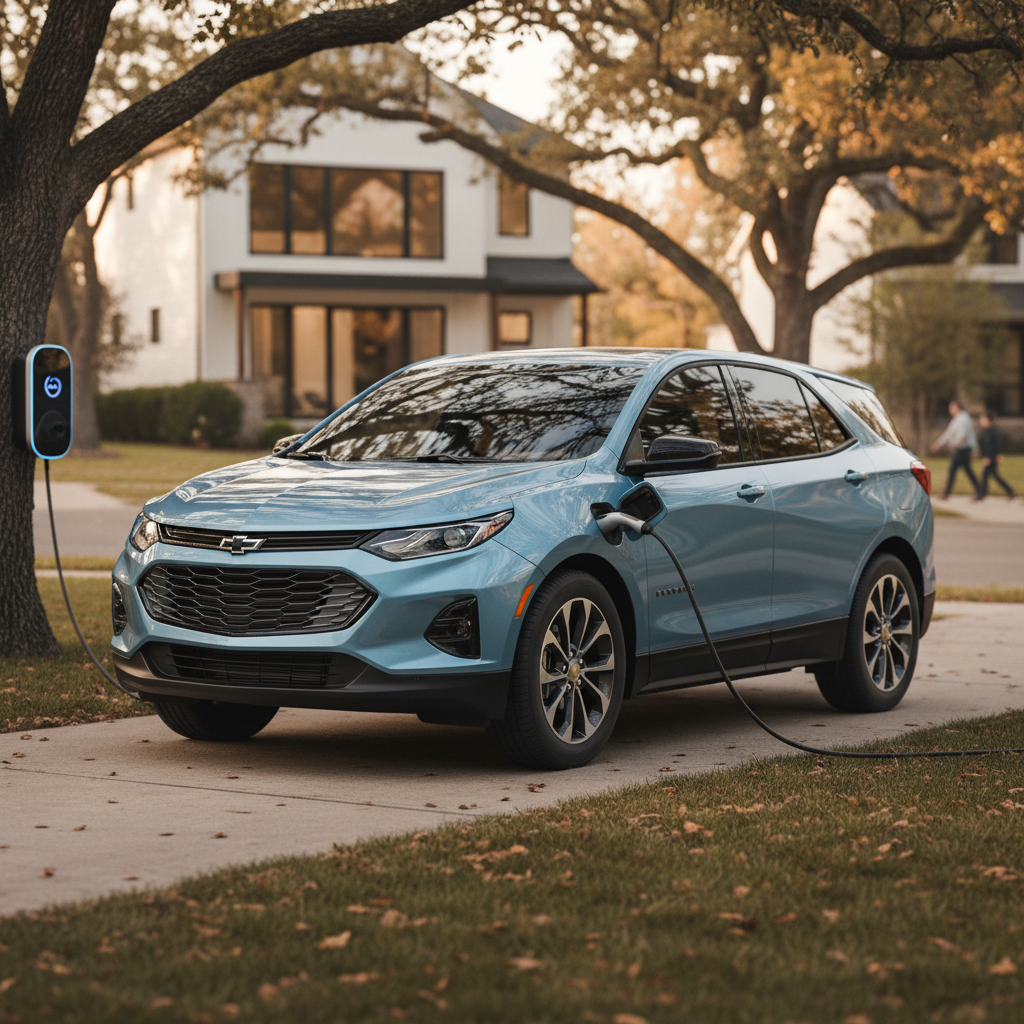
A battery operated vehicle is any vehicle that uses a rechargeable battery pack as its primary energy source instead of burning gasoline or diesel. The battery powers one or more electric motors that drive the wheels, propellers, or other moving parts. You plug the vehicle into electricity to recharge it, rather than filling it at a fuel pump.
- Passenger cars and SUVs (battery electric vehicles, or BEVs)
- Plug‑in hybrid vehicles that combine a battery and gas engine
- Light commercial vans and last‑mile delivery vehicles
- Two‑ and three‑wheelers like e‑bikes and e‑scooters
- Low‑speed vehicles such as golf carts and neighborhood electric vehicles (NEVs)
- Specialty equipment: forklifts, campus shuttles, warehouse tugs, and more
Terminology to know
Main types of battery operated vehicles
The major categories of battery operated vehicles
From full-size family cars to small urban runabouts, there’s likely a battery powered option that fits how you move.
Battery electric vehicles (BEVs)
These are 100% electric cars, SUVs, and vans. They run only on a rechargeable battery and electric motor, no gas engine, no tailpipe.
- Popular examples: Tesla Model 3/Y, Hyundai Ioniq 5, Ford Mustang Mach‑E.
- Best for: Daily commuting, families, and road‑trip drivers with access to DC fast charging.
Plug‑in hybrids (PHEVs)
PHEVs combine a smaller battery and electric motor with a gasoline engine.
- Drive short trips on electricity; engine kicks in for longer drives.
- Useful if you want electric driving but lack reliable charging infrastructure.
Micro‑mobility and low‑speed EVs
Think e‑bikes, e‑scooters, golf carts, and neighborhood electric vehicles.
- Perfect for short trips, campuses, resorts, or dense cities.
- Low operating costs and easy parking, but limited speed and range.
How battery operated vehicles work
Main components
- Battery pack: Stores electrical energy, usually in lithium‑ion cells, similar to a larger, more robust laptop or phone battery.
- Inverter: Converts DC energy from the battery into AC power for the motor (in most EVs).
- Electric motor: Turns electrical energy into motion. Delivers instant torque, which is why EVs feel so quick from a stop.
- Onboard charger: Manages power flow when you plug into Level 1 or Level 2 charging.
From outlet to wheels
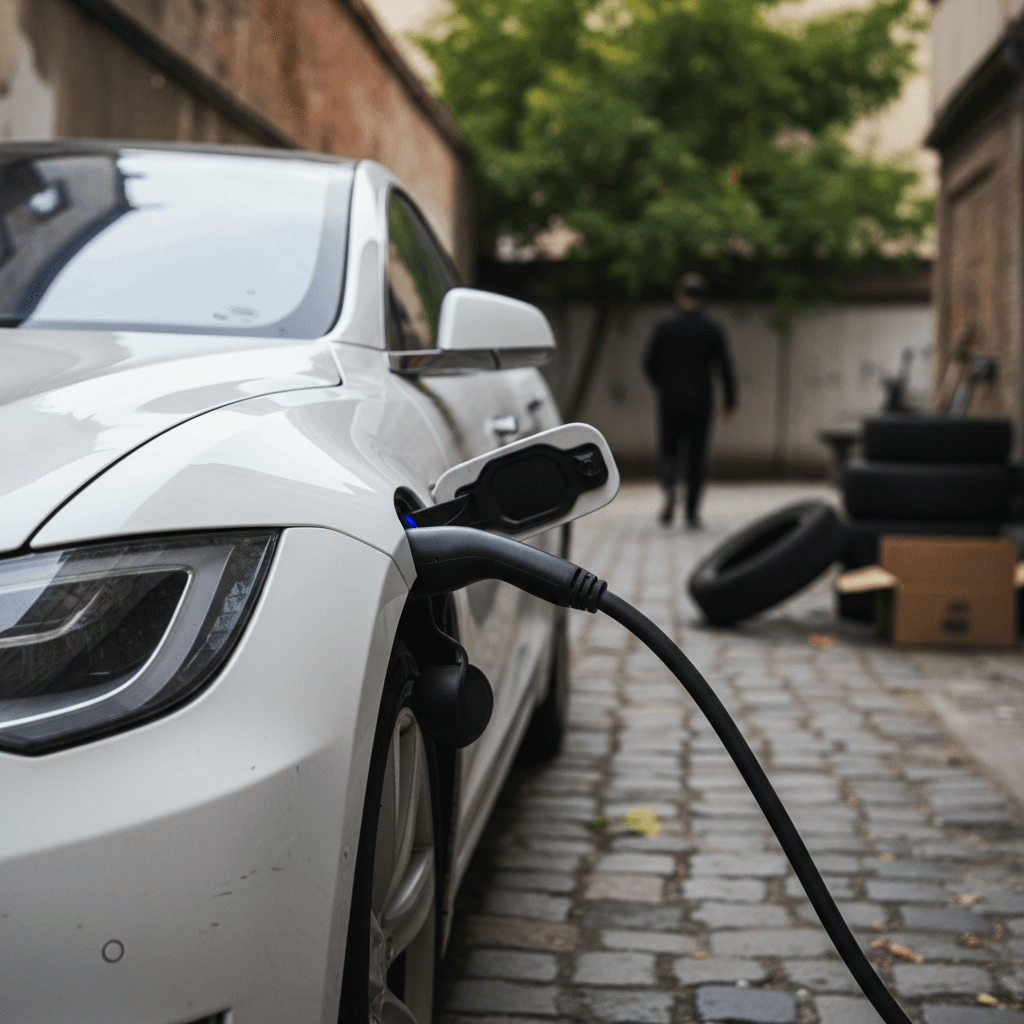
- You plug the vehicle into a home charger or public station.
- Electricity flows into the battery, controlled to protect cell health.
- When you drive, the inverter and motor draw energy from the battery to move the vehicle.
- When you brake, regenerative braking recovers some energy and feeds it back into the battery, extending range.
The result is a smoother, quieter drive than most gasoline cars, with fewer moving parts to maintain.
Benefits of battery operated vehicles
Why battery operated vehicles are gaining ground
- Lower running costs: Electricity is typically cheaper per mile than gasoline, and EVs have fewer parts that need service, no oil changes or spark plugs.
- Quiet, smooth driving: Instant torque and a single-speed transmission make city driving surprisingly relaxing.
- Reduced local emissions: Battery operated vehicles eliminate tailpipe emissions where you drive, helping urban air quality.
- Home “refueling”: With a driveway or garage, you can leave home each day with a full battery without visiting a gas station.
- Growing model choice: From compact hatchbacks to three‑row SUVs and delivery vans, the EV lineup has expanded dramatically since 2020.
Used EVs are a sweet spot
Limitations and common misconceptions
Key trade‑offs to understand
- Charging access: Apartment dwellers or people without off‑street parking may find home charging difficult. Relying solely on public charging can work, but it takes planning.
- Road‑trip planning: DC fast charging is expanding, but on some long routes you’ll need to map charging stops in advance and allow extra time.
- Cold‑weather range: In very cold climates, winter driving can temporarily reduce range, especially at highway speeds.
- Towing and heavy loads: Many EVs can tow, but range drops faster than in light‑duty driving. That matters if you tow often over long distances.
- Upfront price: Even with falling battery costs, new EVs can still be more expensive than comparable gas cars, though used EV pricing is becoming very competitive.
Myths vs. reality
Battery life, range, and degradation
Battery life is usually the biggest concern shoppers have about battery operated vehicles, and for good reason. The battery pack is the single most expensive component, and you can’t easily “see” its health just by looking at the car. The good news: real‑world data from early EVs shows that most packs hold up better than early skeptics expected.
- Range: New mainstream EVs commonly offer 220–320 miles of EPA‑rated range, with some higher‑end models exceeding 350 miles. Used EVs from earlier generations may have 80–150 miles.
- Degradation: It’s normal for a battery to lose a small percentage of capacity over time. The rate depends on age, mileage, temperature, charging habits, and chemistry.
- Warranty coverage: Most automakers provide 8‑year / 100,000‑mile (or more) battery warranties against excessive degradation.
- Modern chemistries: Many newer EVs use lithium iron phosphate (LFP) batteries, which trade some energy density for strong cycle life and tolerance of frequent fast charging.
Driving habits that protect your battery
If you’re shopping used, battery health is where a standard used‑car checklist falls short. Services like the Recharged Score battery diagnostics use direct data from the car to estimate remaining battery capacity and compare it against similar vehicles, giving you a clearer view than a simple test drive can provide.
Charging options for battery operated vehicles
Every battery operated vehicle needs a way to charge, but the right setup depends on where you live, how far you drive, and what type of vehicle you choose. Think of charging as a mix of home, workplace, and public options rather than a single solution.
Common charging levels for battery operated vehicles
How long it takes to charge and where you’ll typically find each option.
| Charging level | Typical power | Where you find it | Use case | Approx. miles of range added per hour* |
|---|---|---|---|---|
| Level 1 | 120V household outlet | Any standard outlet | Overnight charging for plug‑in hybrids or low‑mileage drivers | 2–5 |
| Level 2 | 240V, 16–48 amps | Home wallbox, workplaces, destinations | Primary solution for most EV owners with off‑street parking | 15–35 |
| DC fast charging | 50–350 kW | Highway corridors, major shopping areas | Road trips, quick top‑ups on the go | 150–200 in ~30 minutes for many newer EVs |
Actual charging times vary by vehicle, battery size, temperature, and charger power.
Safety reminder for home charging
If you can’t install home charging, a battery operated vehicle can still work. You’ll want to map out nearby Level 2 and DC fast chargers, understand pricing, and choose a vehicle with enough range so that charging fits naturally around your routine instead of dictating it.
What battery operated vehicles really cost to own
Sticker price is only part of the story. To understand the economics of battery operated vehicles, you need to look at total cost of ownership: purchase price, financing, energy, maintenance, insurance, and resale value.
Cost factors for battery operated vehicles
Why many drivers find that EVs become cheaper over time, especially in the used market.
Energy and maintenance savings
- Electricity vs. gas: Many U.S. drivers spend less per mile on home charging than on gasoline, particularly in regions with moderate power rates.
- Less routine service: No oil changes, timing belts, or exhaust systems. Brake pads can last longer thanks to regenerative braking.
Upfront price and incentives
- New EV incentives: Depending on income, vehicle, and where you live, federal or state programs can reduce purchase or lease cost.
- Used EV value: As more EVs come off lease, used pricing is becoming increasingly competitive with similar gas vehicles.
Run the numbers for your situation
Buying a used battery operated vehicle
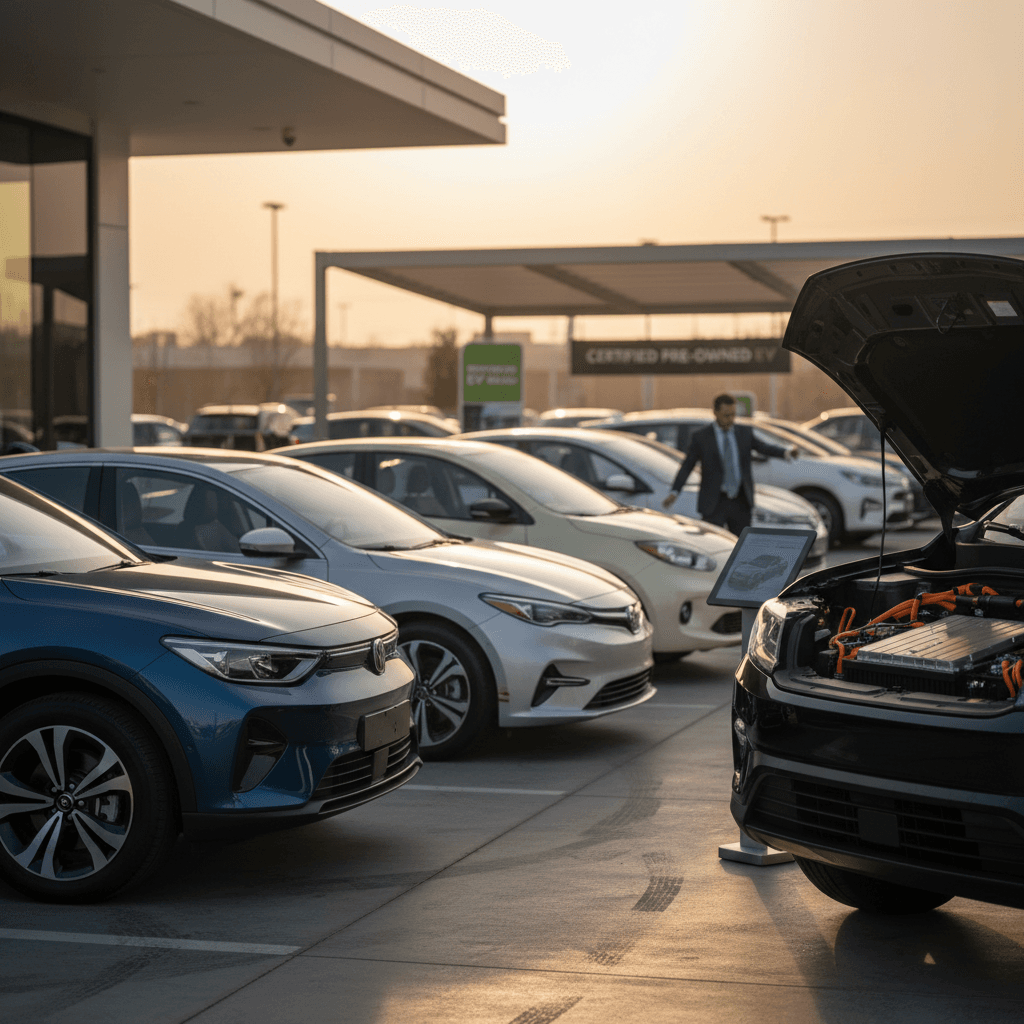
The used market is often the smartest place to start with battery operated vehicles. You avoid the steepest new‑car depreciation, and you can step into a well‑equipped EV for the price of a mid‑trim gasoline car. But you also face questions you never asked when buying used before, especially about battery health and charging history.
Checklist for shopping used battery operated vehicles
1. Confirm your charging plan first
Before you fall in love with a specific car, make sure you understand where and how you’ll charge it, at home, work, or nearby public stations.
2. Match range to your real driving
Look at your past few months of driving. If you rarely exceed 80–120 miles in a day, a modest‑range used EV could work well and save you money.
3. Get objective battery health data
Ask for a <strong>professional battery report</strong> rather than relying only on the dashboard gauge. At Recharged, every vehicle includes a Recharged Score Report with verified battery health so you know what you’re buying.
4. Review warranty and recalls
Check how much of the original battery and powertrain warranty remains and whether any major recalls have been addressed.
5. Inspect charging equipment
Confirm that the portable charge cable and, if included, home wallbox are in good condition and compatible with your electrical setup.
6. Take a long test drive
Drive the car in the conditions you’ll use it, highway speeds, hills, or city traffic, to see real‑world efficiency and comfort.
Why consider a marketplace built for EVs
How Recharged makes EV ownership easier
If you decide a battery operated vehicle fits your life, the next challenge is finding the right one at the right price, and feeling confident about the battery. That’s exactly the problem Recharged was built to solve.
What you get when you shop battery operated vehicles with Recharged
Support from research to driveway delivery.
Recharged Score battery diagnostics
Every EV on the platform comes with a Recharged Score Report that includes verified battery health, range estimates, and pricing analysis. You’re not guessing; you’re buying with data.
Nationwide, digital‑first buying experience
You can browse, finance, and complete paperwork entirely online, then have your vehicle delivered nationwide. An Experience Center in Richmond, VA is available if you prefer to see vehicles in person.
Financing, trade‑ins, and flexible selling options
Recharged offers financing, trade‑in evaluations, instant offers, or consignment options if you’re selling an EV, plus EV‑specialist support to guide you through charging, incentives, and ownership questions.
Ready to find your next EV?
Browse VehiclesBattery operated vehicles: FAQ
Frequently asked questions about battery operated vehicles
Is a battery operated vehicle right for you?
Battery operated vehicles now cover far more than early‑adopter Teslas and campus shuttles. Whether you’re considering an electric car for family duty, a plug‑in hybrid as a bridge solution, or an e‑bike to replace short trips, there’s likely a battery powered option that fits your life.
The decision comes down to three questions: How will you charge? How far do you really drive? And how long do you plan to keep the vehicle? If you have reasonable access to charging and drive a fairly predictable pattern, the combination of lower running costs, quieter driving, and maturing used‑EV prices makes battery operated vehicles compelling.
If you’re ready to explore specific vehicles, you can start browsing used battery operated cars and SUVs, review each model’s Recharged Score battery report, and run payments with financing options, all in one place. That way you’re not just buying an EV; you’re buying clarity about how it will perform years down the road.