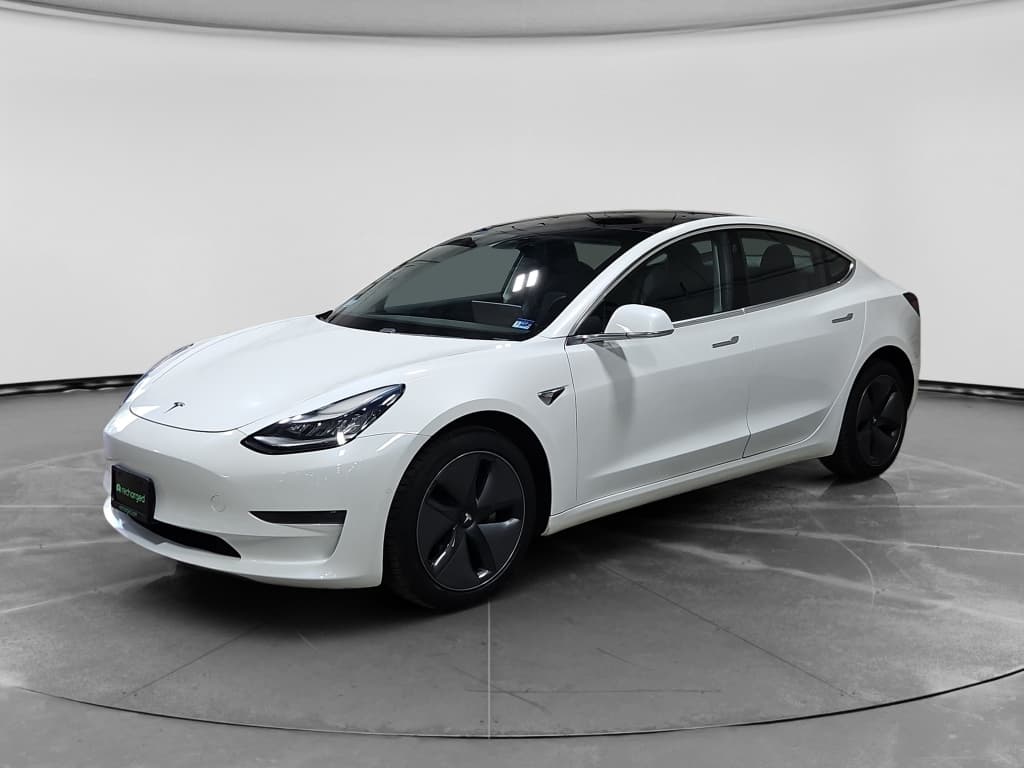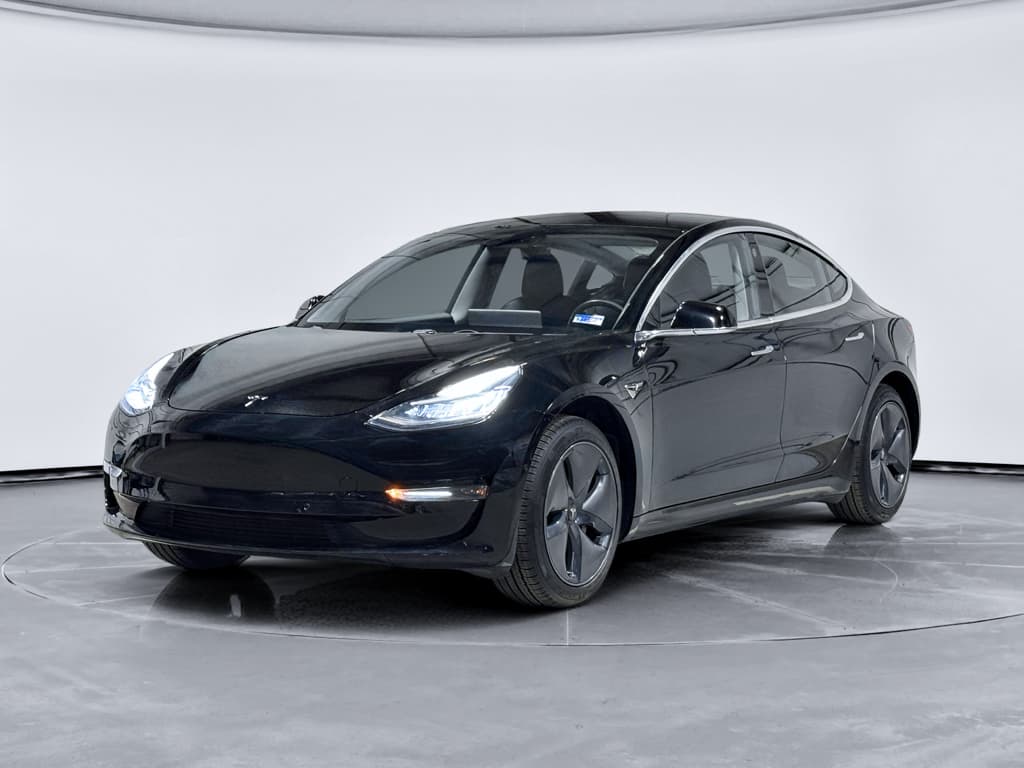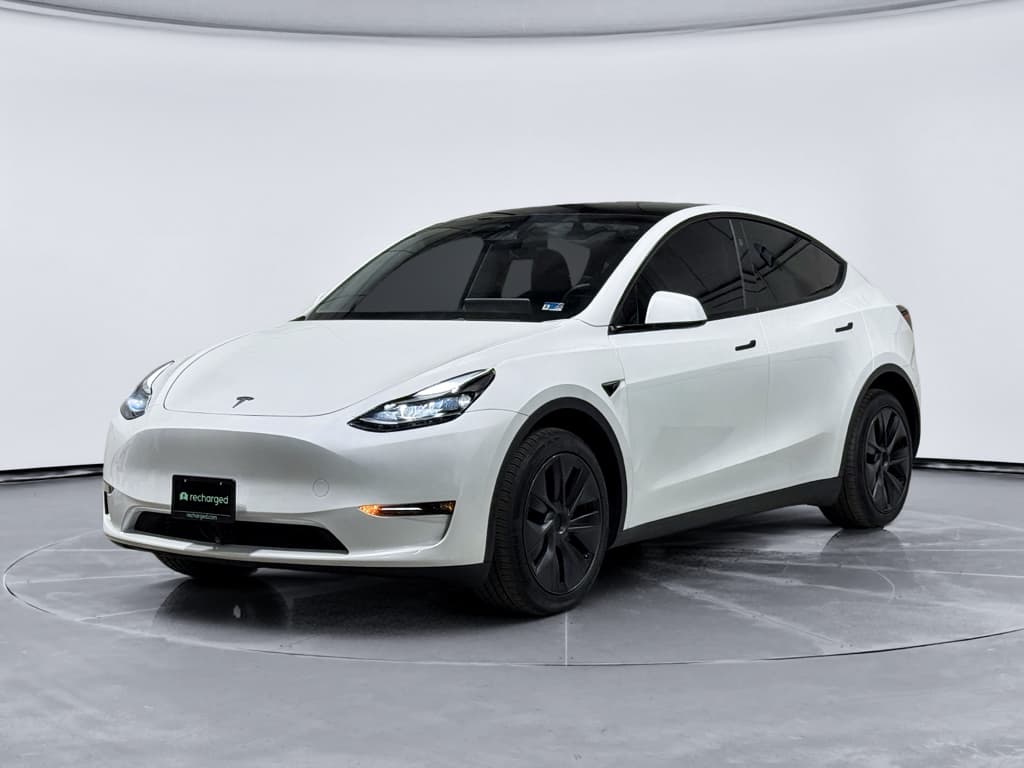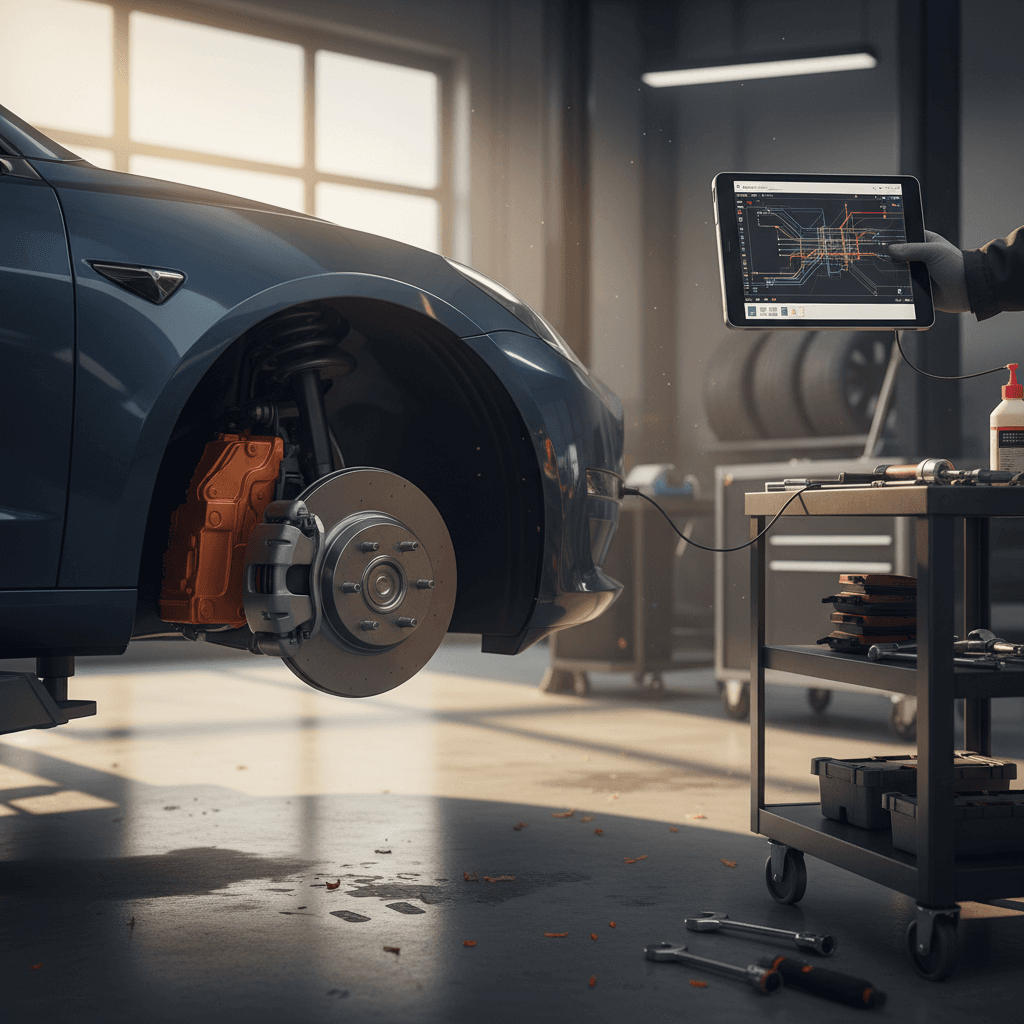
If you’re considering a Tesla, especially a used one, the first ownership question that usually comes up is: what’s the average Tesla maintenance cost per year? The brand’s sales pitch is simple: fewer moving parts, no oil changes, and lower upkeep than a gas car. That’s broadly true, but it doesn’t mean “maintenance‑free,” and the details matter when you’re planning a budget.
Quick answer
Average Tesla Maintenance Cost at a Glance
Typical Tesla Maintenance Costs (U.S., 2025)
Those numbers are averages, not guarantees. Your actual Tesla maintenance cost per year will depend heavily on mileage, how aggressively you drive, climate (road salt and heat both matter), and, especially, how often you replace tires.
Why Teslas Are Cheaper to Maintain Than Gas Cars
Far fewer wear items
- No engine oil, spark plugs, timing belts, or multi‑speed transmission.
- No exhaust system, catalytic converters, or emissions equipment to service.
- Regenerative braking means brake pads and rotors often last 80,000–100,000+ miles.
Software‑centric, condition‑based service
- Tesla doesn’t use old‑school 10k‑mile service packages.
- Instead, the car monitors itself and the official schedule focuses on a short list of periodic checks.
- Most updates arrive over the air, not in a service bay.
If you open the Model 3 or Model Y owner’s manual, the official service schedule is surprisingly short. Tesla suggests items like a brake fluid health check every 4 years, cabin air filter replacements every 2 years, wiper blades annually, and tire rotations every ~6,250 miles. That’s a very different world from a gas sedan with recurring oil changes, transmission services, and spark‑plug intervals.
Key mindset shift
Average Tesla Maintenance Cost by Model
Let’s translate those concepts into realistic numbers. To keep things apples‑to‑apples, we’ll stick to typical U.S. driving, about 12,000–15,000 miles per year, and focus on routine maintenance and wear items, not accidents or major out‑of‑warranty failures.
Average Yearly Tesla Maintenance Cost by Model (2025 Snapshot)
Estimates assume normal driving, mixed city/highway, and a blend of DIY and service‑center work. Does not include insurance, registration, charging, or accident repairs.
| Model | Typical years covered | Est. yearly maintenance | 5‑year total | Comments |
|---|---|---|---|---|
| Model 3 | Years 1–5 | ≈ $500–$600 | ≈ $2,500–$3,000 | Lower‑cost tires than S/X, simple suspension; tire wear is the biggest variable. |
| Model Y | Years 1–5 | ≈ $550–$650 | ≈ $2,750–$3,250 | Slightly heavier than Model 3, so budget a bit more for tires. |
| Model S | Years 1–5 | ≈ $600–$700 | ≈ $3,000–$3,500 | Bigger, heavier car with more expensive rubber and parts. |
| Model X | Years 1–5 | ≈ $650–$750 | ≈ $3,250–$3,750 | The heaviest Tesla with complex doors; plan for higher tire and out‑of‑warranty repair risk. |
These are high‑level planning numbers rather than guarantees for any specific car.
Don’t confuse maintenance with repairs
Typical Annual Tesla Service Items and Costs
To understand where that $500–$700 per year actually goes, it helps to break out the common items you’ll see across most ownership cycles. You won’t pay for each item every year; some are every 2–4 years, some are mileage‑based, and some are truly “as needed.”
Common Tesla Maintenance Items
These are the usual suspects you’ll see on Model 3, Y, S, and X over time.
Tire rotations
Interval: ~6,250 miles or when tread difference hits 2/32".
Cost: $50–$100 per visit at a shop; sometimes included by tire retailers.
Because Teslas are quick and heavy, regular rotations are essential if you want to avoid burning through a set of tires in 20,000 miles.
Tires themselves
Interval: 25,000–40,000 miles for most owners; high‑performance or aggressive driving can cut that down.
Cost: $800–$1,500 per set depending on model and tire choice.
This is often the single largest maintenance expense for a Tesla.
Wipers & washer fluid
Interval: About once a year in most climates.
Cost: $30–$60 for blades; washer fluid is negligible.
Easy DIY job, or a quick line item at a service center.
Cabin air filters
Interval: Every 2 years on most U.S. cars.
Cost: $50–$150 depending on whether you DIY and which filter type you choose (standard vs HEPA).
Brake fluid & brake service
Interval: Brake fluid check every 4 years, plus annual caliper cleaning in salty winter climates.
Cost: $150–$250 for brake fluid service; another $100–$200 if you need caliper cleaning done by a shop.
Misc. checks & updates
Most software updates are over‑the‑air and free. Hardware checks (suspension, seals, sensors) typically happen if you report an issue in the app.
Budget a few hundred dollars every few years for minor fixes outside of warranty.
High‑mileage reality check
Long-Term (5–10 Year) Tesla Maintenance Costs
Short ownership windows can hide the real cost picture. What matters more is whether a Tesla stays cheap to maintain over 5–10 years, the time horizon where many gas cars start needing major work. That’s where Teslas have, so far, looked strong on routine maintenance but more mixed on repairs.
Rough 5–10 Year Tesla Maintenance Outlook
High‑level planning ranges for a single owner keeping a Tesla 5–10 years from new, assuming normal driving and no major collisions.
| Ownership window | Typical mileage | Likely maintenance spend | What’s usually included |
|---|---|---|---|
| First 5 years | 60,000–75,000 miles | ≈ $2,500–$3,500 | Tires (1–2 sets), rotations, cabin filters, wipers, brake fluid check, minor fixes. |
| 10 years total | 120,000–150,000 miles | ≈ $4,000–$6,000 | Multiple sets of tires, more brake work, some suspension bushings or alignment work, occasional electronic fixes. |
These ranges blend routine service and some out‑of‑warranty wear items, but not rare catastrophic failures.
Battery & drive unit are usually not maintenance items
Maintenance Costs for Used Teslas: What Changes?
If you’re shopping used, which is where Recharged focuses, the averages still apply, but the risk profile shifts. Routine items remain inexpensive; the wildcard is out‑of‑warranty repairs on things like air suspension, door hardware, or high‑tech features.
What usually stays cheap
- Tires, rotations, filters, wipers cost roughly the same whether the car is new or 5 years old.
- Regenerative braking still reduces pad and rotor wear compared with gas cars.
- Basic drivetrain has fewer wear items than an aging ICE engine and transmission.
Where costs can jump
- Out‑of‑warranty suspension components, control arms, or air‑suspension parts on S/X.
- Complex hardware like Model X falcon‑wing doors or older MCU screens.
- Collision repairs; EV body work is often pricier than for a comparable gas sedan or SUV.
Used Tesla Buyer’s Maintenance Checklist
1. Check remaining factory warranties
Confirm how much battery, drive‑unit, and basic bumper‑to‑bumper coverage is left. That heavily influences your risk of major repair costs.
2. Review service and tire history
Look for documentation of tire replacements, alignments, brake fluid checks, and any suspension work. Uneven tire wear often hints at alignment or suspension issues.
3. Inspect for curb rash and wheel damage
Teslas are over‑represented in curb‑rash photos for a reason. Damaged wheels can lead to vibration, slow leaks, and extra suspension wear if ignored.
4. Ask about climate and road‑salt exposure
Cars from heavy‑salt states may need more frequent brake caliper service and underbody inspection. That’s worth factoring into your maintenance budget.
5. Get an independent EV‑savvy inspection
A shop that understands Teslas can spot early signs of component wear, coolant leaks, or seal issues long before they become four‑figure repair bills.
Where Recharged fits in
Ready to find your next EV?
Browse VehiclesHow Tesla Maintenance Costs Compare to Gas Cars
You’ll often hear that EVs are cheaper to maintain than gas cars. That’s generally correct, but the gap isn’t infinite, and it can be narrowed (or widened) by how and where you drive. Still, across big datasets, Teslas sit near the top of the pack for low maintenance and repair spend.
Tesla vs. Gas Car: Maintenance in Practice
What changes when you swap cylinders for cells.
Typical gas car (over 10 years)
- Multiple oil and filter changes (20–30+ services).
- Transmission and coolant services.
- Belts, spark plugs, fuel system cleaning.
- More complex exhaust and emissions hardware to maintain as the car ages.
- Common budget: $7,000–$10,000+ in maintenance/repairs for many brands.
Typical Tesla / EV (over 10 years)
- No engine oil, spark plugs, or traditional transmission service.
- Far fewer moving parts in the drivetrain.
- Most service dollars go to tires, brakes, and suspension wear.
- Brand‑level studies show roughly $4,000–$6,000 over 10 years for many Tesla owners.
The nuance behind the averages
How to Budget for Tesla Maintenance
If you want a simple, conservative rule of thumb, you can think in terms of a monthly reserve. Rather than guessing as you go, set aside a predictable amount and let routine costs draw from that fund.
Practical Tesla Maintenance Budget Plan
1. Start with $50–$75 per month
For most Model 3 and Model Y owners driving 10,000–15,000 miles per year, setting aside $50–$75 per month (≈ $600–$900 per year) comfortably covers typical maintenance, including tire rotations and eventual tire replacement.
2. Adjust for heavier or performance driving
If you have a Performance variant, tow regularly, or enjoy brisk acceleration, bump your reserve to <strong>$80–$100 per month</strong> to account for faster tire and brake wear.
3. Add a separate “oh‑no” fund for repairs
Maintenance and repairs are not the same thing. Keep another <strong>$500–$1,000</strong> as a general buffer for unexpected out‑of‑warranty issues, especially on older S/X models.
4. Watch for tire wear and wheel alignment
Uneven wear is a sign that an alignment or suspension component may be off. Catching this early can save you from burning through a $1,200 set of tires in 15,000 miles.
5. Use the Tesla app and DIY when sensible
Scheduling service through the Tesla app keeps minor issues from becoming major. At the same time, simple jobs, wipers, cabin filters, are DIY‑friendly and can cut your yearly maintenance costs noticeably.
6. If you’re financing, bake costs into the decision
When you shop on Recharged, think about your total monthly cost: payment, charging, <strong>and</strong> a maintenance allowance. That gives you a more realistic picture than just comparing sticker prices.
FAQ: Average Tesla Maintenance Cost
Frequently Asked Questions About Tesla Maintenance Costs
So, Is a Tesla Worth It on Maintenance Costs?
If you strip away the hype, the average Tesla maintenance cost story is pretty straightforward: for everyday owners, Teslas tend to be substantially cheaper to maintain than comparable gas cars, especially over a 5–10 year horizon. You’ll spend far less on routine engine‑related service and more on tires and a small set of periodic checks. The real wildcards are accident repairs and out‑of‑warranty hardware issues, risks that exist with any modern, tech‑heavy vehicle.
If you’re shopping used, that’s where a transparent view of battery health, service history, and pricing matters more than ever. At Recharged, every vehicle comes with a Recharged Score Report so you can estimate not just what the car costs today, but what it’s likely to cost you to keep it on the road. Combine that with a realistic maintenance budget, say $50–$100 per month, and you’ll have a much clearer, calmer picture of what Tesla ownership really looks like.