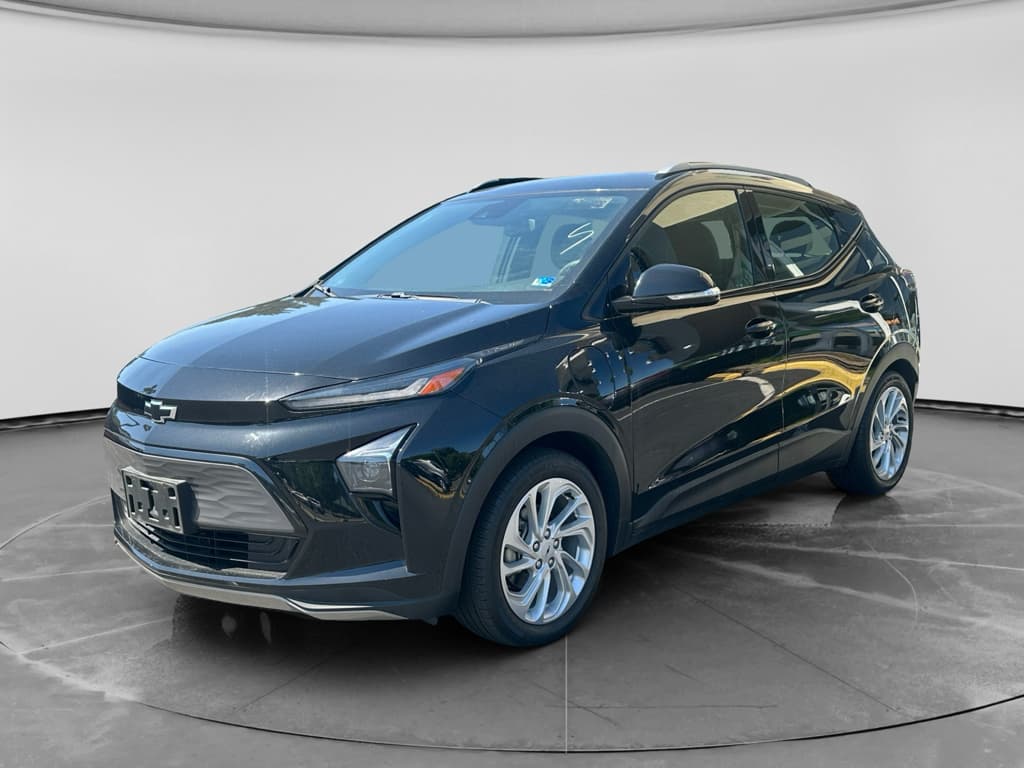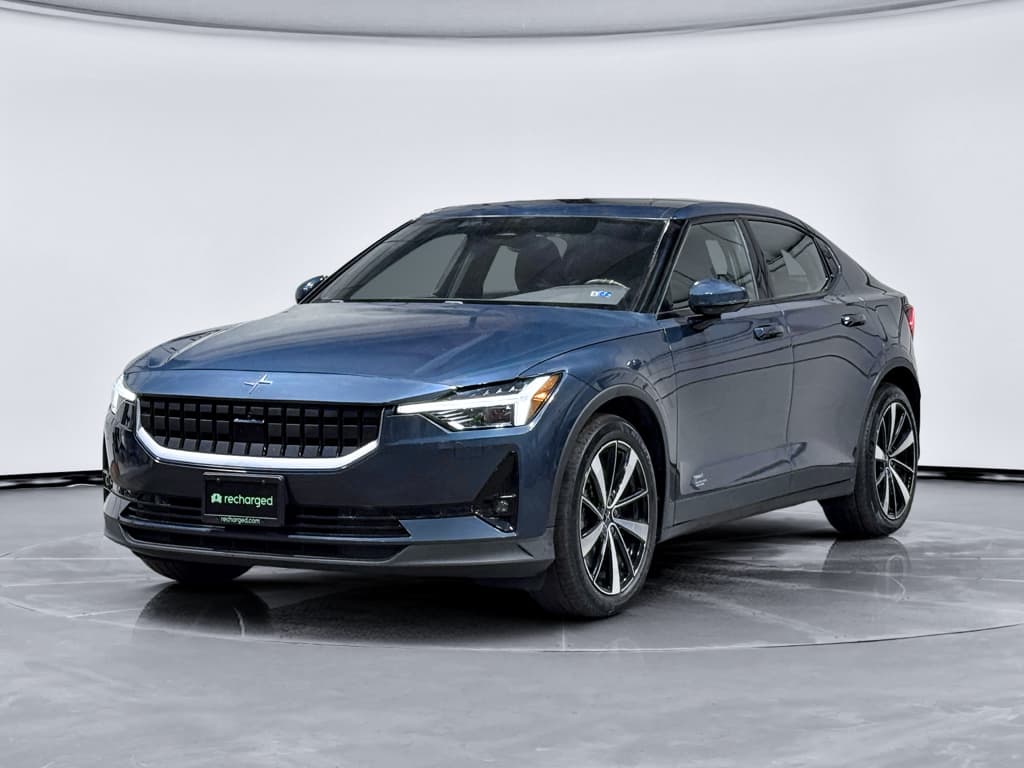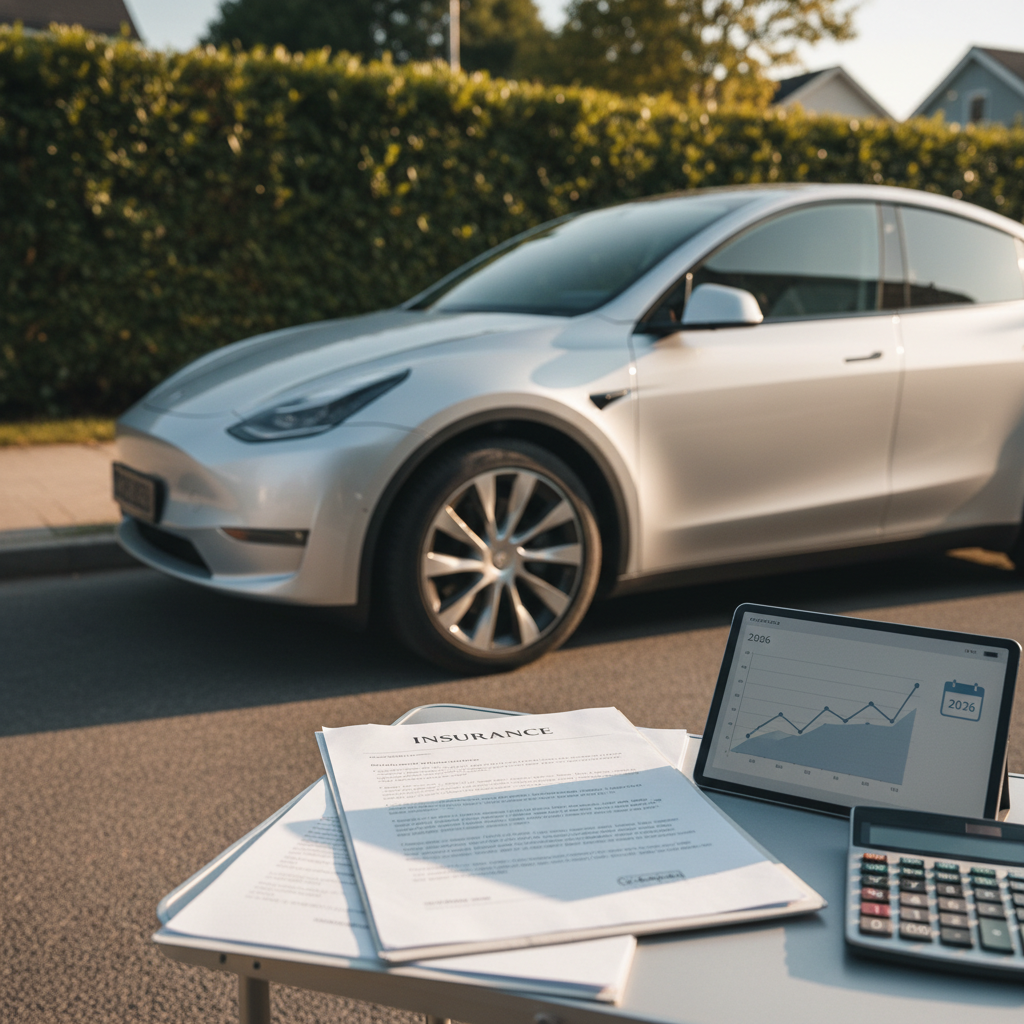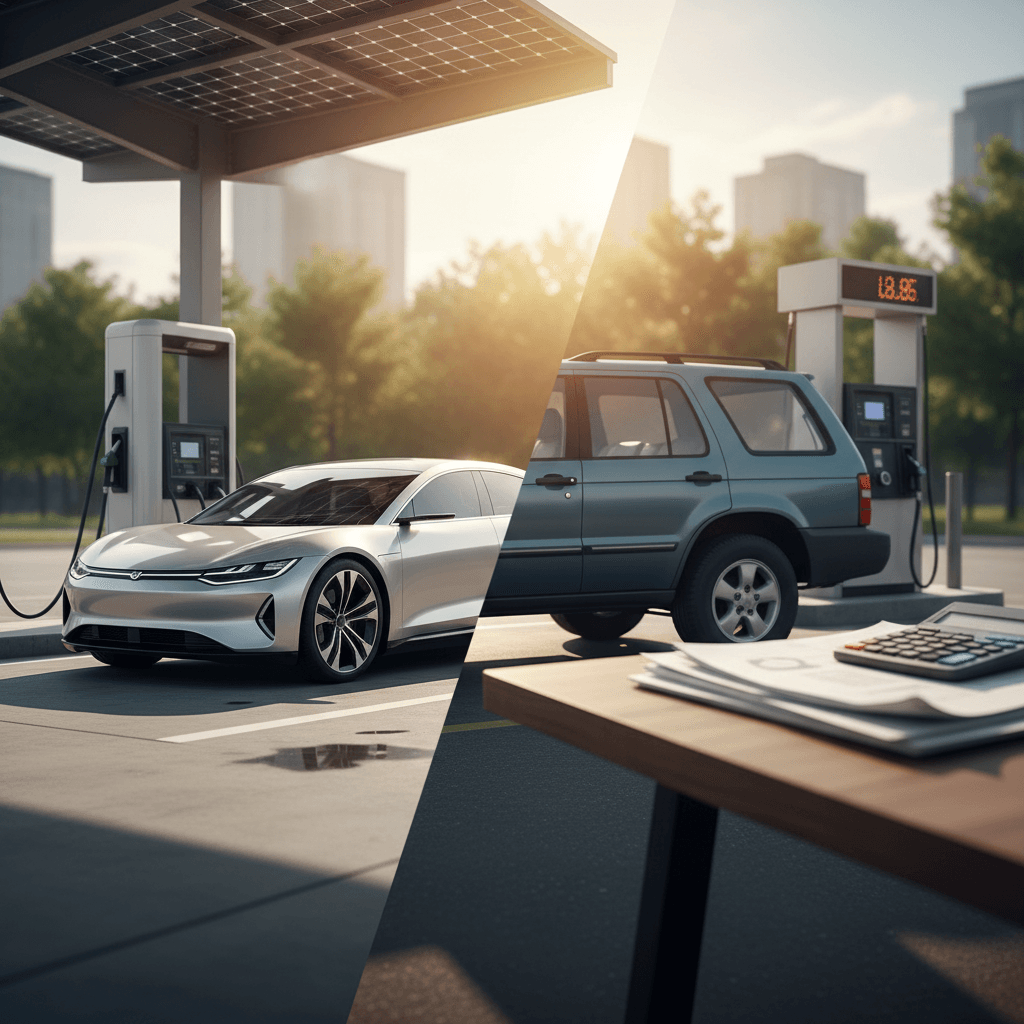
When people ask about the average price of an electric car vs gas car, they’re usually staring at a window sticker and wondering, “Am I really saving money, or just paying extra for tech?” The honest answer: the EV often looks more expensive on day one, but the story flips once you factor in incentives, fuel, and maintenance over a few years.
Sticker price vs real price
Why EV vs gas prices feel so confusing
You’re not imagining it: comparing the price of an electric car and a gas car is confusing because you’re juggling four different cost buckets at once, purchase price, incentives, running costs, and resale value. Gas cars usually win the upfront round, while EVs quietly win rounds two, three, and four.
- Upfront purchase price (MSRP or out-the-door price)
- Tax credits and rebates that lower the effective EV price
- Fuel costs: gasoline vs electricity over time
- Maintenance, repairs, and how fast each car depreciates
Don’t compare extremes
Average purchase price: electric car vs gas car in 2025
New vehicle price snapshot for 2025 (U.S.)
On paper, the average new electric car in 2025 still tends to cost a few thousand dollars more than the average new gas car. A lot of that comes from where the action is: EVs are heavily represented in crossovers and premium trims, while gas cars still dominate the bargain end of the market.
In real life, you’re probably not buying "the average car." You’re choosing between, say, a compact crossover EV and a similarly sized gas SUV. In those apples-to-apples matchups, the EV might run $2,000–$7,000 higher on MSRP before incentives, but that’s before you even touch tax credits or fuel savings.
Used EVs are the great equalizer
How tax credits and incentives change the picture
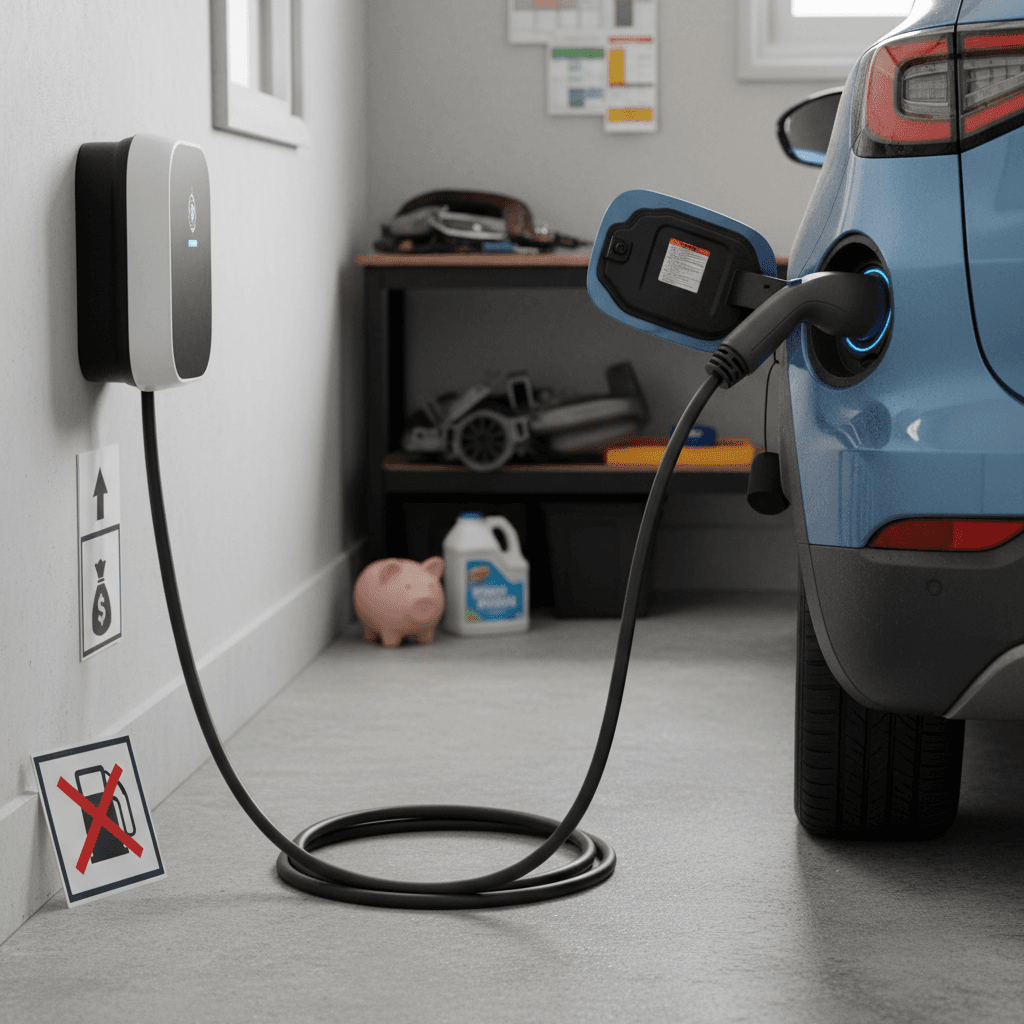
EVs get a price lever gas cars simply don’t have: federal and state incentives. Depending on what and how you buy, these can wipe out much or all of the sticker-price premium.
Key incentive types that lower EV prices
Not all apply to every buyer, but when they do, the math changes fast.
Federal clean vehicle credit
Many new EVs qualify for a federal tax credit, which effectively cuts the price if you meet income and vehicle requirements.
State & local rebates
Some states, utilities, and cities offer extra rebates or bill credits, for buying an EV or installing a home charger.
Used EV incentives
Lower-priced used EVs may qualify for their own federal or local incentives, a big help if you’re shopping pre-owned.
Why incentives matter more than ever
Fuel costs: electricity vs gasoline over 5 years
This is where EVs quietly go to work for your wallet. Gas prices bounce around. Electricity is usually steadier, especially if you charge mostly at home. Over five years, many EV drivers save thousands of dollars on fuel compared with a comparable gas car.
Simple gas car fuel math
- Annual miles: 12,000
- Average fuel economy: 30 mpg
- Gas price example: $3.50 per gallon
You burn about 400 gallons a year. At $3.50, that’s around $1,400 per year in fuel, or roughly $7,000 over five years, before prices spike on holiday weekends.
Simple EV electricity math
- Annual miles: 12,000
- Efficiency: ~3 miles per kWh
- Home electricity: $0.15 per kWh (illustrative)
You use about 4,000 kWh per year. At $0.15, that’s roughly $600 per year, or about $3,000 over five years. Public fast charging can cost more, but most drivers still do the majority of charging at home.
Fuel savings, in plain English
Maintenance and repairs: where EVs really pull ahead
Under the skin, an EV is a much simpler machine. There’s no oil to change, no exhaust system, no spark plugs, no timing belt, and far fewer moving parts. That doesn’t make it maintenance-free, but it does tilt the odds in your favor.
Typical routine maintenance: EV vs gas car
These are broad patterns, not quotes from a service department, but they capture the direction of the costs.
| Item | Gas car (5 years) | EV (5 years) | Notes |
|---|---|---|---|
| Oil changes | 8–10 services | 0 | One of the biggest recurring service costs simply disappears with an EV. |
| Brake service | Pads often replaced once | Often minimal wear | Regenerative braking reduces pad wear significantly. |
| Engine-related repairs | Possible | Not applicable | No engine, no spark plugs, no transmission fluid service. |
| Battery & cooling | Not applicable | Possible diagnostics | Modern EVs manage the pack carefully; battery health reports help you verify condition on a used EV. |
| Fluids, filters, misc. | Regular | Less frequent | Cabin filters and tire rotations still apply to both. |
Fewer wear items and fluids usually mean lower lifetime service bills for EVs.
Budget for tires
Insurance and fees: the often-overlooked bucket
Insurance is the wild card. Some carriers rate EVs a little higher because of expensive battery packs and newer tech; others treat them similarly to gas cars in the same price range. Registration fees also vary by state, some charge extra for EVs to make up for lost gas-tax revenue, others offer discounts.
The takeaway: don’t assume insurance will be dramatically higher or lower just because it’s an EV. Get real quotes on the specific VINs you’re considering. That way you’re comparing total monthly cost, not just payment and fuel.
Resale value and depreciation: EV vs gas
Depreciation, the slow, steady "evaporation" of your car’s value, is often the single biggest cost of ownership, bigger than fuel or maintenance. Both EVs and gas cars lose value over time, but they don’t always behave the same way.
How EV and gas depreciation differ
Same rule for both: buy used, let someone else pay for year one.
Gas cars
Gas models often follow a more predictable curve: heavy drop in the first 2–3 years, then a slower slide. Popular, fuel-efficient models tend to hold value best.
EVs
Early EVs dropped faster because of range anxiety and rapid tech improvements. Newer EVs with solid range and verified battery health are holding value more consistently.
Battery health matters more than mileage
Total cost of ownership examples: EV vs gas, side by side
Let’s pull the big pieces together with a simple five-year example. These aren’t quotes; they’re ballpark numbers that show how the different cost buckets interact.
Illustrative 5-year cost comparison
Compact crossover EV vs similar gas crossover, bought new, driven 12,000 miles per year.
| Category | Gas crossover | Electric crossover | What to watch |
|---|---|---|---|
| Purchase price (before incentives) | $40,000 | $45,000 | EV looks $5,000 more expensive at first glance. |
| Incentives | $0 | −$3,500 | EV credit and/or local rebates shrink the effective gap. |
| Effective purchase price | $40,000 | $41,500 | Now the price difference is closer to $1,500. |
| Fuel (5 years) | ~$7,000 | ~$3,000 | Home charging advantage; heavy fast-charging use narrows the gap. |
| Maintenance & repairs | ~$4,000 | ~$2,500 | Fewer fluids and wear items on the EV side. |
| Insurance & fees | Similar ballpark | Similar ballpark | Get actual quotes for your ZIP and models. |
| Estimated resale value | $20,000 | $21,000 | Condition, mileage, and battery health heavily influence these numbers. |
| Rough 5-year cost to own | ~$31,000 | ~$26,000 | Fuel + maintenance savings help the EV catch and pass the gas car. |
Even when the EV starts with a higher sticker price, fuel and maintenance savings can narrow, or erase, the gap over time.
What this example shows
Saving more with used EVs and battery health reports
If you really want to bend the cost curve in your favor, look at the used EV market. Here, the early depreciation is already baked into the price, and you still get most of the fuel and maintenance savings.
Smart moves when shopping for a used EV
1. Focus on real-world range
Look for used EVs that still offer enough range for your daily life with a comfortable buffer, typically your commute plus 30–50%.
2. Ask for a battery health report
A report like the <strong>Recharged Score</strong> shows verified battery health and pack diagnostics, not just a dashboard guess.
3. Compare to a similar gas car
Don’t compare a used EV crossover to a brand-new gas compact. Match segment, size, and feature level so the cost comparison is fair.
4. Estimate charging mix
Think about how much you’ll charge at home, at work, and on public fast chargers. The more home charging, the bigger your savings.
5. Run your own 5-year math
Use a simple spreadsheet or online calculator to combine purchase price, incentives, fuel, maintenance, and an estimate of resale value.
Where Recharged fits in
How to decide if an EV or gas car is cheaper for you
By now you’ve seen that there’s no single "average" story. The cheapest choice for a city commuter who can charge at home is very different from the best option for a high-mileage rural driver with no driveway. But you can answer the EV vs gas question for your life with a few key steps.
- Estimate your annual mileage and typical driving pattern (city, highway, mix).
- Check which incentives apply to you for new or used EVs in your state.
- Compare 2–3 specific EVs with 2–3 specific gas cars of similar size and equipment.
- Get real insurance quotes on actual VINs for both EV and gas candidates.
- Run a five-year total cost estimate using conservative fuel prices and realistic maintenance assumptions.
- Decide how long you plan to keep the car, EV advantages grow the longer you own it.
Make it real with actual cars
FAQs: average price of electric car vs gas car
Frequently asked questions about EV vs gas prices
Bottom line: when is an EV cheaper than a gas car?
If you only look at the sticker, the average price of an electric car vs gas car still tilts slightly in favor of gasoline, especially new. But the more you zoom out, the clearer the picture becomes: incentives, fuel savings, and lower maintenance can make a well-chosen EV the cheaper car to own over five years or more.
You’re in the driver’s seat here. If you have a place to plug in, drive a typical amount of miles, and plan to keep the car awhile, an EV often wins the total-cost-of-ownership race. If you’re curious how that looks in the used market, you can explore Recharged’s inventory of used EVs, each with a Recharged Score battery health report, fair-market pricing, and support from EV specialists who live and breathe this math every day.