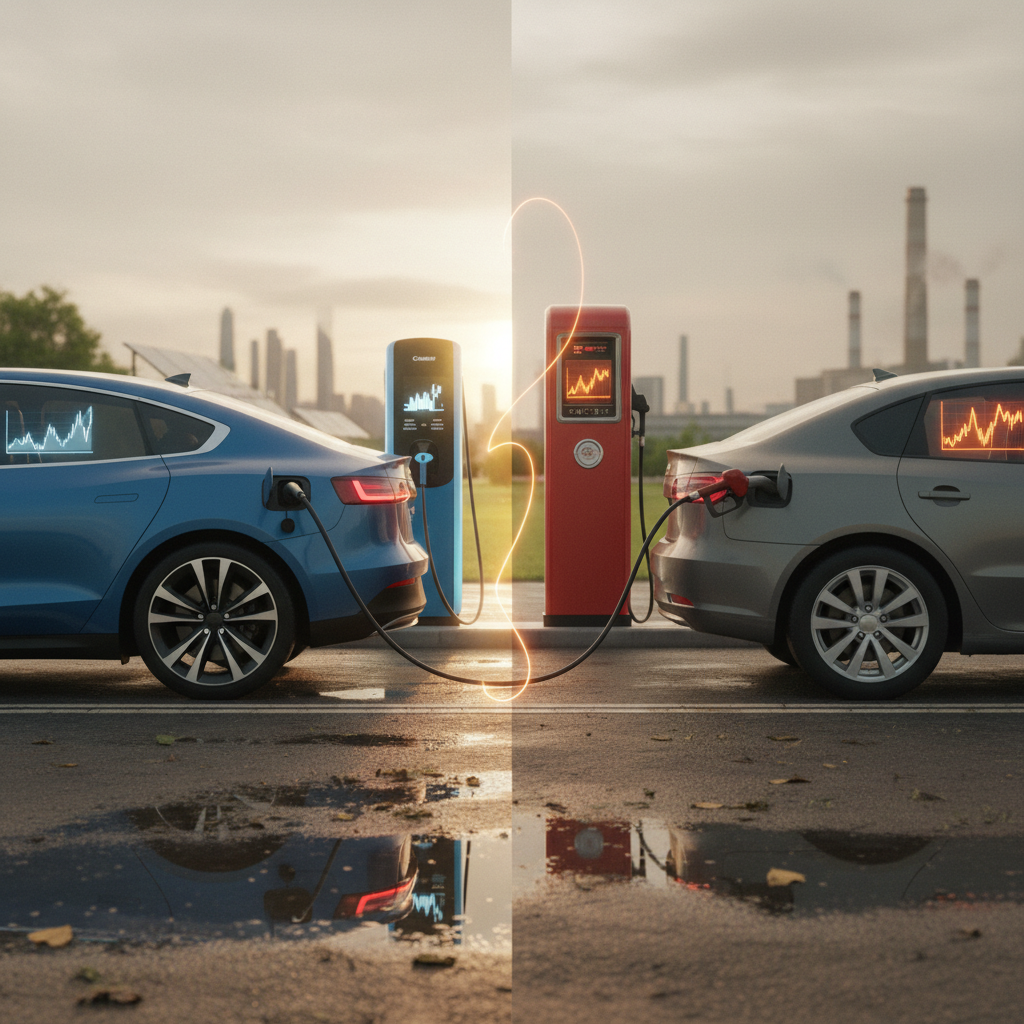
You’ll hear a lot of numbers tossed around for the average electric vehicle price, and they rarely agree. One report says new EVs average almost $60,000, another says the gap with gas cars has nearly closed, and used EV listings are all over the map. If you’re just trying to figure out what you should expect to pay in 2025, it can feel like noise instead of guidance.
The short answer
What “average electric vehicle price” really means
Before we talk about dollar figures, it helps to untangle what “average price” actually refers to. Most headlines are talking about the average transaction price (ATP), what buyers really pay after discounts and incentives, not just the MSRP on the window sticker. And those averages can shift quickly as incentives come and go, or as more affordable EVs enter the mix.
- Average transaction price (ATP): the actual price buyers pay at the dealership, including options and discounts.
- MSRP: the manufacturer’s suggested retail price, the starting point, not the final bill.
- New vs. used: New EV averages will be higher because they reflect the latest tech and longer-range models. Used EV averages tend to be lower and more volatile as early EVs age and new models hit the used market.
- Segment mix: Luxury SUVs and trucks can skew the average up, even if affordable hatchbacks and sedans exist underneath that headline number.
Look past the single number
Current average EV prices: new vs. used
Snapshot: Average EV prices heading into 2025
As of late 2024, one analysis of transaction data pegged the average new EV price at about $55,500 when the overall new-car average was just under $49,800. In early 2025, another major report estimated new EVs closer to $59,000 at a time when the overall new-vehicle ATP was roughly $47,500, widening the gap again as incentives shifted.
On the used side, prices have cooled dramatically. A wave of off-lease Teslas and other early adopters trading up to newer models has pushed average used EV asking prices into the high $20,000s, sometimes even lower. For the first time, the average used Tesla price has dipped below the average for the overall used-car market, signaling just how mainstream used EVs have become.
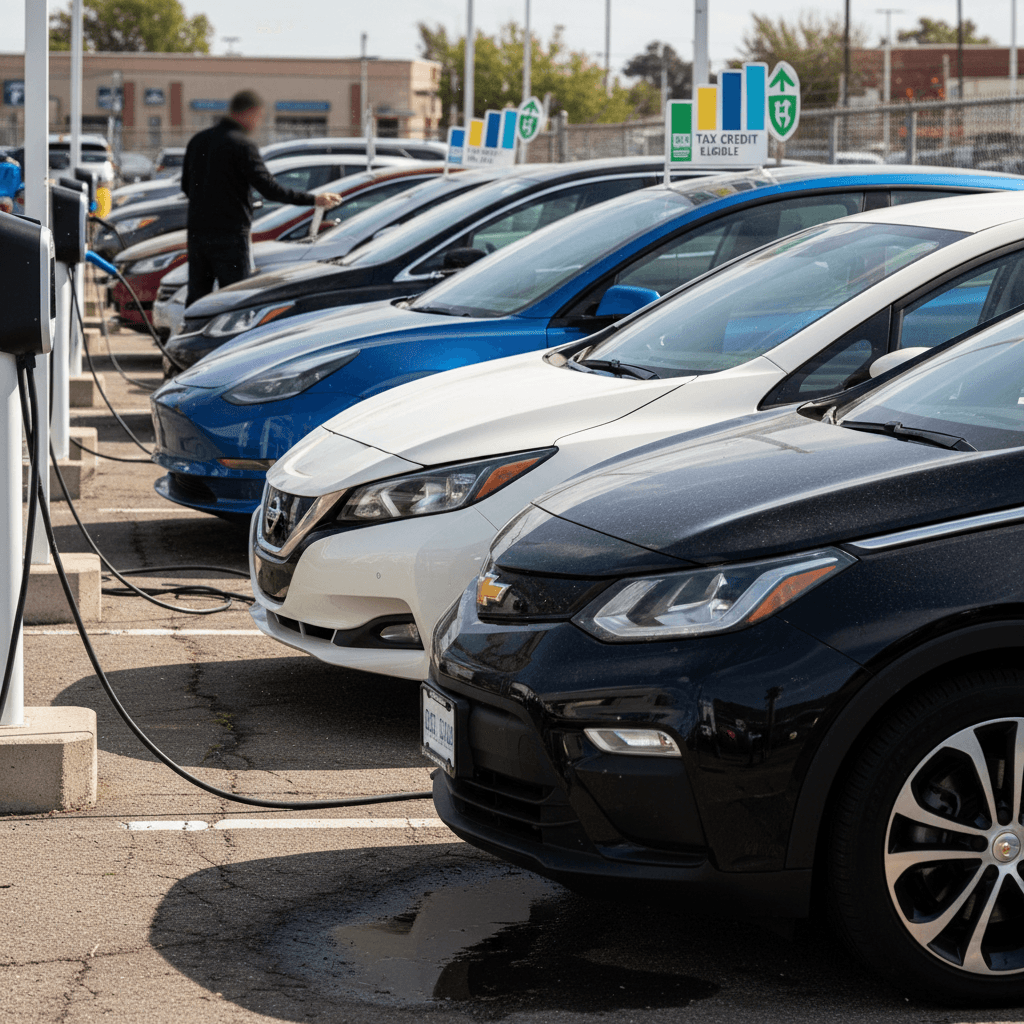
How EV prices compare to gas cars in 2025
If you’re cross-shopping a hybrid, a gas crossover, and an EV, the big question is simple: how much more does an EV really cost? The answer has changed fast over the last few years.
EV vs. gas car pricing at a glance
The gap is smaller than it used to be, but it’s not gone yet.
New vehicle gap
In 2023–2024, new EVs typically cost 8–16% more than the average new vehicle. In early 2025, some months saw EVs priced nearly 25% higher as incentives shifted and luxury models dominated sales.
Used vehicle gap
Used EVs are often cheaper than comparable gas cars now. As more EVs enter the used market, average prices have dropped faster than the overall used-vehicle average.
Total cost over time
Even when the purchase price is higher, lower fuel and maintenance costs mean your lifetime cost can favor EVs, especially if you charge at home and keep the car for several years.
Mind the incentives cliff
Why EV prices have fallen since 2018
A few years ago, EVs were mostly expensive tech showcases. Since then, the market has done what it always does when competition heats up: prices come down. Industry-wide studies show that inflation-adjusted EV prices have dropped about 25% since 2018. At the same time, the price gap between EVs and gas cars in the U.S. has narrowed from around 50% in 2021 to roughly 15% by 2023, even if it bounces around month to month.
- Battery costs are falling. Improvements in cell chemistry, manufacturing scale, and sourcing have lowered the cost per kilowatt-hour, making long-range EVs less expensive to build.
- More models, more competition. In 2018 you had a handful of EV options; by 2025, there are dozens, from $30,000 city cars to six-figure luxury SUVs. Competition puts real pressure on pricing.
- Tesla’s price cuts shook the tree. Aggressive price cuts from Tesla in 2023–2024 forced other automakers to sweeten incentives or adjust MSRPs, which dragged down the average EV price overall.
- Automakers are chasing volume, not just bragging rights. Early EVs were halo cars; today, brands need EV volume to meet regulations and justify investments, which encourages more accessible pricing.
EVs aren’t a boutique product anymore. Price cuts, new competition, and used inventory have pushed electric cars squarely into the mainstream, especially on the pre-owned side.
Price ranges by EV type and segment
“Average price” is helpful, but you don’t shop for an average car, you shop for a hatchback that fits in your garage or an SUV that swallows hockey gear. Here’s how typical 2025 price ranges shake out in the U.S. market, based on advertised MSRPs and transaction trends.
Typical 2025 U.S. EV price ranges by segment (new)
Approximate base MSRPs for popular EV segments in late 2025. Individual trims and options can push prices higher.
| Segment | Example models (2025) | Typical new-price band |
|---|---|---|
| Entry compact / hatchback | Chevrolet Bolt, Nissan Leaf, Fiat 500e | $28,000 – $32,000 |
| Mainstream compact / midsize sedan | Tesla Model 3, Hyundai Ioniq 6 | $36,000 – $45,000 |
| Small crossover / SUV | Hyundai Kona Electric, Kia Niro EV, VW ID.4 | $33,000 – $45,000 |
| Midsize crossover / SUV | Tesla Model Y, Hyundai Ioniq 5, Ford Mustang Mach-E | $38,000 – $55,000 |
| Pickup truck | Ford F-150 Lightning, Chevy Silverado EV, Tesla Cybertruck | $55,000 – $80,000+ |
| Luxury sedan / SUV | BMW i5, Mercedes EQE, Cadillac Lyriq, Lucid Air | $60,000 – $110,000+ |
These ranges are directional, not quotes, always check current pricing for specific models.
Why your quote may not match the table
Key factors that move EV prices up or down
If you’re wondering why one EV is $18,000 and another is $78,000, it’s not just brand snobbery. Four big factors tend to drive the average electric vehicle price.
What really drives EV pricing
1. Battery size and range
Bigger batteries cost more. A 200-mile EV with a smaller pack will almost always be cheaper than a 320-mile EV, even if everything else looks similar.
2. Segment and size
A compact hatchback or sedan will be cheaper than a three-row SUV or a full-size pickup, whether it’s electric or gas. EVs follow the same size/price ladder we’ve known for decades.
3. Brand and positioning
Premium brands price for luxury, not just electrons. A luxury EV may share components with a mainstream cousin but carry a much higher MSRP and ATP.
4. Incentives and timing
Limited-time cash incentives, dealer discounts, and changing tax-credit rules can move prices thousands of dollars in a single month. The ATP can look very different before and after those programs change.
5. Interest rates and payments
Higher interest rates can make the same EV feel more expensive, even if the sticker hasn’t moved. That’s why many buyers focus on monthly payments, not just MSRP.
6. Used market supply
When a popular model comes off lease in big numbers, think Tesla Model 3 or Model Y, used prices can fall quickly, pulling the average EV price down with them.
How much should you budget for a used EV?
For many shoppers, the question isn’t “What’s the average electric vehicle price?” but rather “How much do I really need to spend for a solid used EV?” The encouraging news in 2025 is that a reliable, modern used EV no longer requires a luxury-car budget.
Rough budget tiers for used EVs
- Under $20,000: Older, shorter-range EVs (often 2017–2020) such as early Nissan Leafs or first-generation Bolts. Great second cars or commuter runabouts if you’re realistic about range.
- $20,000–$28,000: Sweet spot for many used mainstream EVs, including prior-generation Model 3s, Kona Electrics, and Niro EVs, often with 200+ miles of range.
- $28,000–$35,000: Newer, longer-range EVs and small crossovers with more tech, driver-assist features, and fresher interiors.
Where Recharged fits in
On Recharged, you’ll generally see used EVs running from the high teens to the mid–$40,000s, depending on age, mileage, and battery health. Every vehicle includes a Recharged Score Report with verified battery diagnostics and fair market pricing, so you can see how your pick stacks up against the wider market, not just guess from a single listing.
If you’re trading in a gas car or another EV, Recharged also offers an instant offer or consignment option to help you move out of your current ride and into an electric one with less friction.
Don’t skip the battery health check
Saving money beyond the sticker price
Even if the average electric vehicle price is higher than a comparable gas car, that’s only the first chapter of the cost story. EVs tend to save you money quietly, month after month.
Where EVs pay you back
These savings won’t show up on the sticker, but they will show up over time.
Lower fuel cost per mile
Electricity is usually cheaper per mile than gasoline, especially if you charge at home overnight. Over several years, that can mean thousands of dollars saved compared with a similar gas car.
Less routine maintenance
EVs don’t need oil changes, timing belts, or exhaust-system repairs. You’ll still buy tires and cabin filters, but the maintenance schedule is generally kinder to your wallet.
Potential incentives and perks
Even as some national tax credits wind down, many states and utilities still offer rebates, discounted home charging rates, or HOV-lane access that add real value.
Beware of cheap-but-worn batteries
Frequently asked questions about average EV prices
Average electric vehicle price: FAQs
Bottom line: What today’s average EV price means for you
Average electric vehicle price statistics are helpful, but they’re not the whole story. In 2025, new EVs still carry a premium over gas cars on paper, yet used EVs have quietly become some of the best values on the lot. Prices have dropped sharply since 2018, and the real action is in pre-owned models where you can get modern range and tech for a surprisingly approachable budget, if you know how to read between the lines.
If you’re ready to put real numbers to your curiosity instead of chasing headlines, start browsing used EVs on Recharged. You’ll see fair, data-driven pricing, verified battery health via the Recharged Score, and options for financing, trade-in, instant offer or consignment, and nationwide delivery. That way, “average EV price” becomes less of a mystery and more of a starting point for finding the electric car that actually fits your life and your wallet.