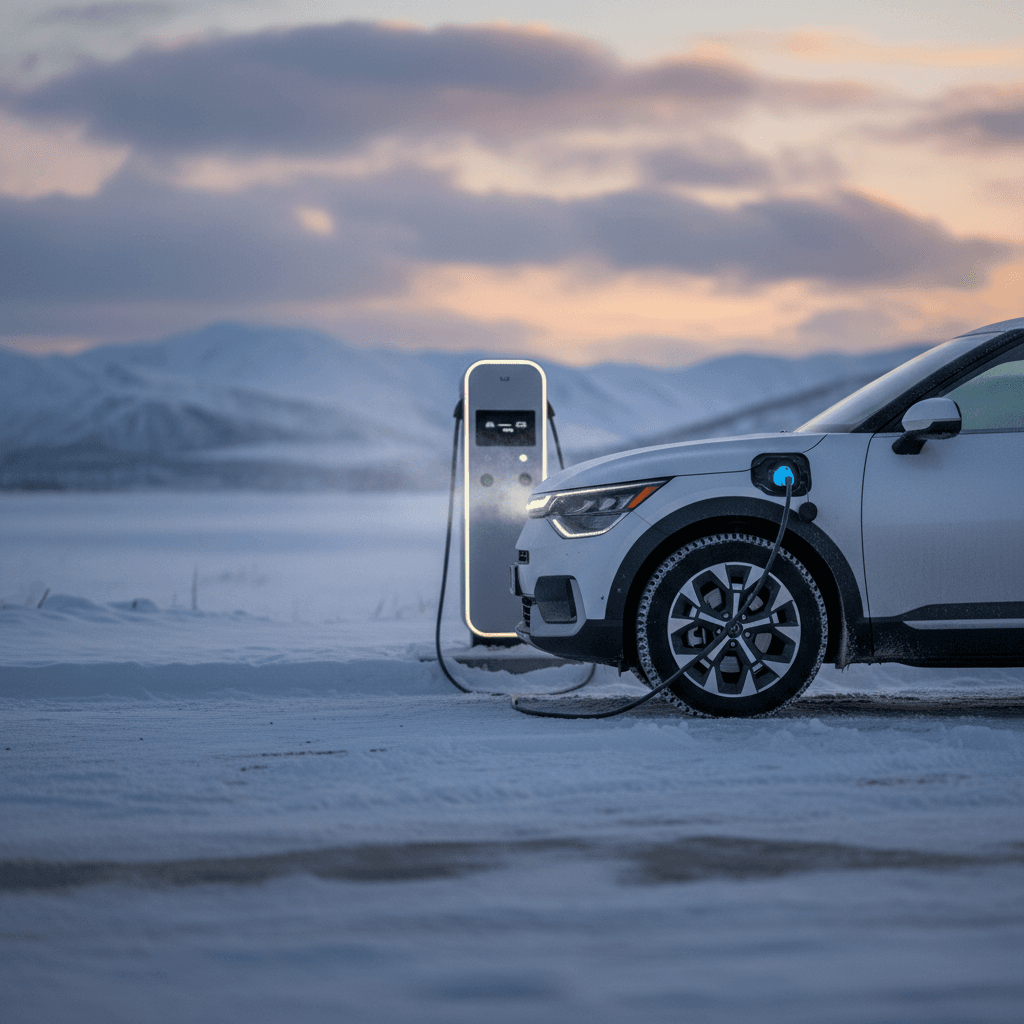
If you own or are shopping for an Audi Q4 e-tron, you’ve probably heard mixed stories about winter range loss. Some drivers report losing a third of their range when it gets really cold. Others say the Q4 does fine as long as you treat it right. The truth sits somewhere in the middle, and once you understand what’s going on, winter driving becomes a lot more predictable.
EV winter range in one sentence
Audi Q4 e-tron winter range: the short version
- In mild winter (around 32°F / 0°C), many Audi Q4 e-tron owners see roughly 10–20% range loss versus summer driving, assuming moderate speeds and mixed driving.
- In real cold (single digits °F or below, lots of highway, heavy heater use), it’s realistic to plan on 25–35% less usable range for the Q4 e-tron.
- Large independent studies of EVs in freezing weather show an average 20% range loss across models, with vehicles that use efficient heat pumps, like the e-tron family, typically performing better than average.
- If you routinely drive long winter highway trips at 70–75 mph with a warm cabin, mentally treat your Q4’s EPA range as a summer number and apply a winter discount depending on how harsh your climate is.
Don’t panic over one bad trip
How much winter range loss to expect
Typical winter range loss for modern EVs
The Audi Q4 e-tron shares its platform with the Volkswagen ID.4, but real-world data and owner reports suggest it behaves more like the original Audi e-tron SUV in winter: not perfect, but generally better than the worst offenders when equipped and driven thoughtfully. In moderate cold, many Q4 drivers report losing roughly a fifth of their range. In harsher, sustained cold, think long freeway trips in the teens, you should build plans around losing roughly a third of the headline number.
Temperature bands to plan around
Why the Audi Q4 e-tron loses range in winter
Four main culprits behind winter range loss
They all affect the Q4 e-tron, just like every other EV
Cold battery chemistry
Cabin heating demand
Aerodynamic drag & snow
Driving profile & short trips
The Audi Q4 e-tron isn’t uniquely vulnerable to winter. In fact, compared with some mainstream EVs that lack sophisticated thermal management, it’s reasonably well equipped. But when you pile together a cold battery, high HVAC demand, and faster highway speeds, your energy use per mile can jump 30–50%, and your estimated range follows that curve.
Heat pump, trims, and options: what your Q4 has matters
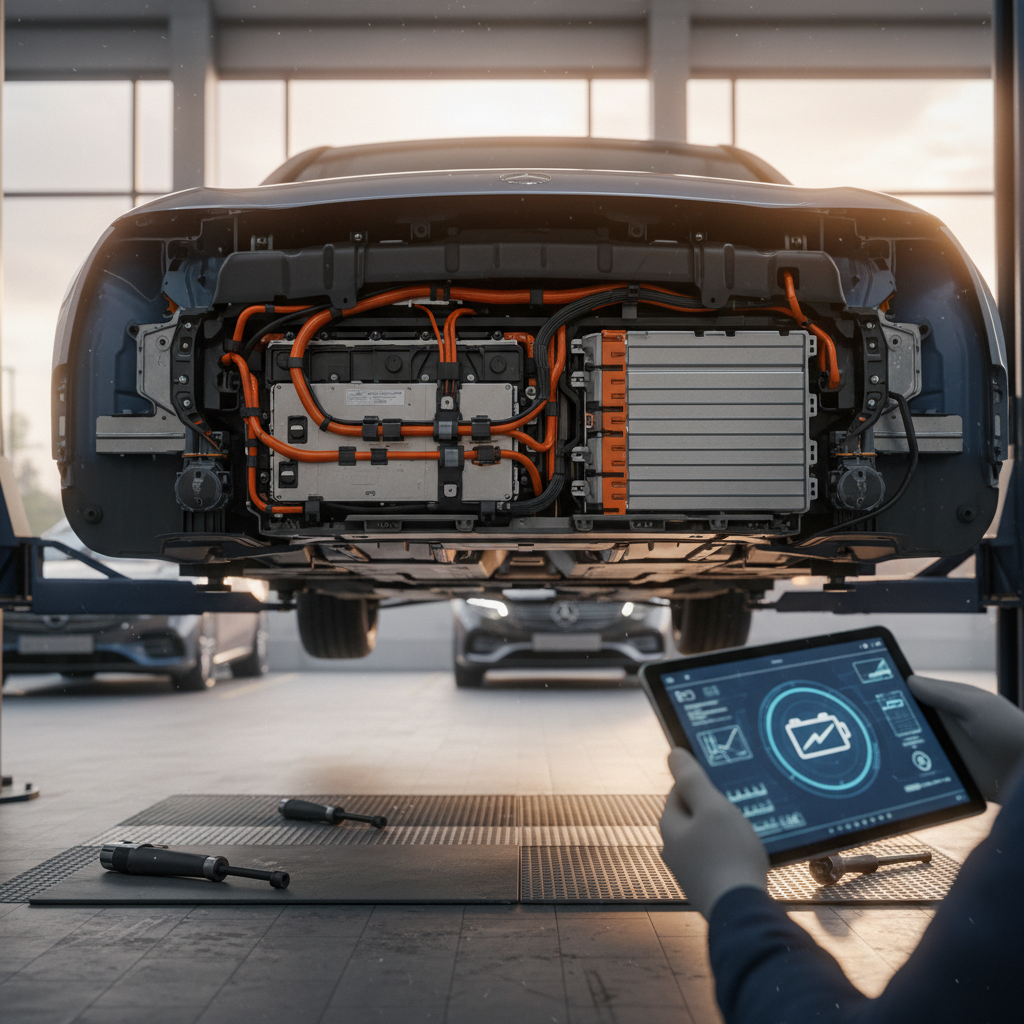
On many markets and model years, the Audi Q4 e-tron’s heat pump is optional, bundled in cold‑weather or efficiency packages rather than standard across the board. That matters because independent data across EV brands shows heat‑pump cars retaining roughly 8–10 percentage points more range in freezing conditions than similar models without one.
How equipment affects Q4 e-tron winter range
Not all Q4s are built the same for cold weather. Here’s how key features influence winter performance conceptually.
| Feature | What it does in winter | Practical impact on range |
|---|---|---|
| Heat pump HVAC | Uses a refrigerant cycle to move heat instead of generating it with resistive elements. | Cuts cabin‑heating energy use, helping you retain more range on every cold drive. |
| Battery preconditioning | Warms the pack before departure or fast charging. | Reduces early‑trip inefficiency and speeds up DC charging in the cold. |
| Heated seats & wheel | Warm you directly with a fraction of the energy a full cabin heater uses. | Let you lower cabin temperature a couple of degrees while staying comfortable. |
| Winter tires | Softer compound and more aggressive tread for grip in snow and ice. | Slightly higher rolling resistance; you trade a bit of range for better traction and safety. |
Always check your specific VIN or build sheet to confirm options like a heat pump or heated windshield.
Buying used? Ask one question immediately
Real-world winter range examples for Audi Q4 e-tron
Scenario 1: Suburban commuter in a mild winter
Setup: Q4 e-tron with heat pump, mixed suburban driving around 30–45 mph, temps around 30–35°F, garage parked, 19‑inch wheels, driver uses heated seats and keeps cabin at 68°F.
What owners report: Energy use runs maybe 10–20% higher than summer. If your EPA‑rated range is around 265 miles, you might realistically see 210–235 miles on a full charge in these conditions.
Scenario 2: Highway-heavy day in real cold
Setup: Q4 e-tron, mostly 70–75 mph interstate driving, temps in the teens, car parked outside overnight, cabin at 70–72°F with frequent defrost.
What’s realistic: Expect consumption to climb significantly. The same 265‑mile EPA number can drop to an effective 170–190 miles of usable, comfortable range. That’s ~25–35% loss, in line with what many EVs see in harsh winter highway use.
Ignore the first 5–10 miles of the guess‑o‑meter
12 ways to cut Q4 e-tron winter range loss
Practical steps you can take today
1. Precondition while plugged in
Use the myAudi app or in‑car timers to warm the cabin and, when supported, the battery while you’re still connected to home power. That way, grid electricity, not your battery, does the heavy lifting.
2. Prioritize seat and wheel heaters
Heated seats and steering wheel use far less energy than blasting hot air. Keep cabin temps a little lower and lean on the contact heaters for comfort.
3. Avoid short, back-to-back cold starts
Lots of two‑mile trips from a cold soak are brutal for efficiency. Combine errands when possible so the Q4 can stay warm and efficient once everything is up to temperature.
4. Watch your speed on the highway
Aerodynamic drag rises quickly above 65 mph. Backing off from 75 to ~65 mph can save a surprising amount of range in winter, especially into a headwind.
5. Clear snow from the car and wheels
Packed snow in wheel wells and underbody plastics increases drag and rolling resistance. Brushing the car thoroughly is worth a few extra minutes.
6. Use Eco or efficiency modes
Audi’s efficiency modes tame throttle response, optimize climate settings, and can slightly reduce top speed, small tweaks that add up to extra miles in the cold.
7. Keep tires properly inflated
Cold air shrinks tire pressure. Check your PSI regularly and keep it within spec; low pressure increases rolling resistance and hurts both range and safety.
8. Don’t obsessively top up to 100%
For daily driving, 70–90% is usually enough, even in winter. Save 100% charges for days when you genuinely need the full pack for a longer trip.
9. Park indoors or out of the wind
A simple garage or sheltered parking spot keeps the car warmer overnight, reducing how much energy is spent just getting the battery and cabin up to temperature.
10. Use scheduled departure
Set a departure time so the Q4 finishes charging and warming right before you leave. That improves both comfort and initial efficiency in cold weather.
11. Plan conservative margins on road trips
In January, don’t plan to arrive at chargers with 3–5% remaining. Use 15–20% buffers until you know exactly how your Q4 behaves in your climate and driving style.
12. Learn your Wh/mi
Spend a few weeks watching your average Wh/mi in winter. Once you know your real‑world number, you can back‑into a realistic range estimate instead of trusting the default display.
Good news: most winter loss is controllable
Smart winter charging and preconditioning strategy
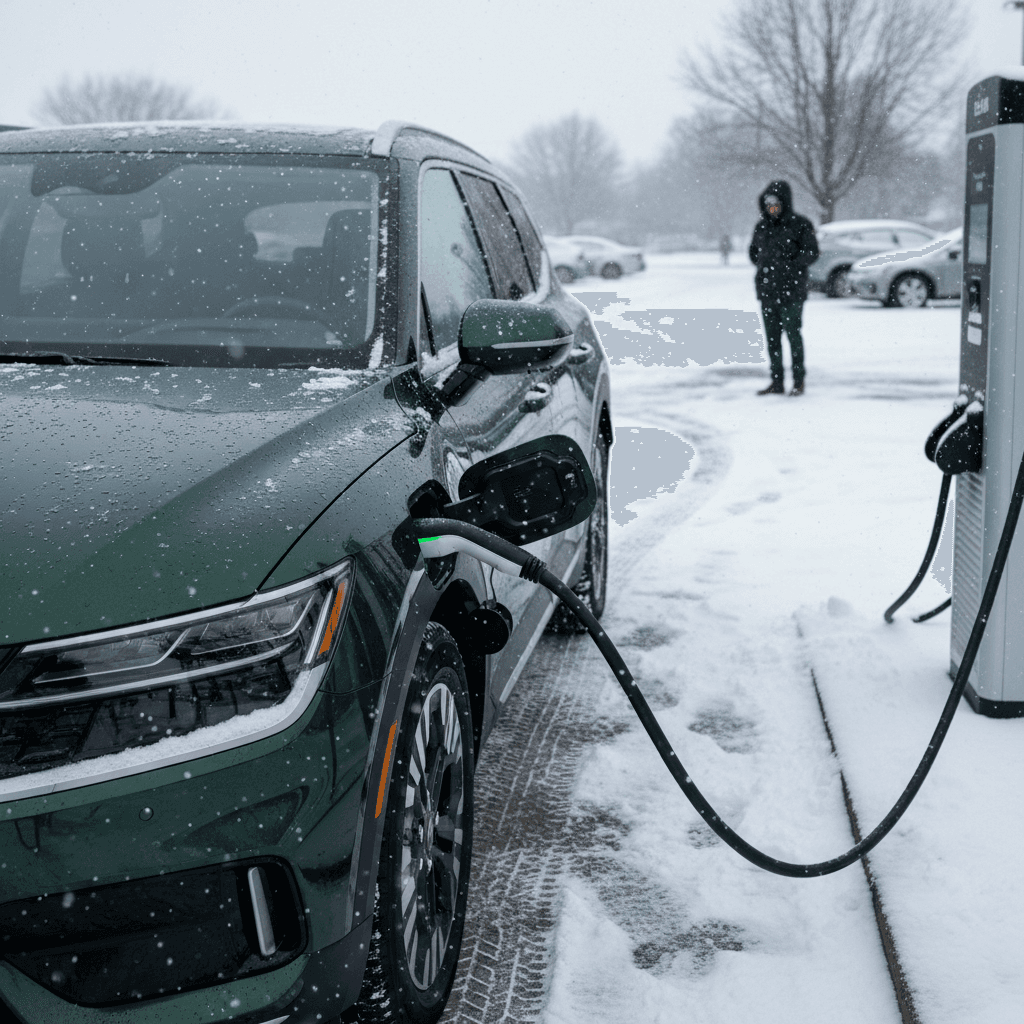
Cold weather doesn’t just shorten how far the Audi Q4 e-tron can drive, it also slows down how fast it can charge, especially at DC fast chargers when the battery is cold-soaked. A little planning makes a big difference, particularly if you live in the northern U.S. or Canada.
At home
- Leave the car plugged in overnight when it’s very cold. The Q4 can manage its own pack temperature and you’ll wake up with a warmer, happier battery.
- Use scheduled charging so the car finishes charging just before departure, which warms the pack and reduces early‑trip losses.
- If your utility has off‑peak rates, time your charging to save money while still finishing near your departure time.
On the road
- When navigating to a DC fast charger using the built‑in nav, your Q4 may precondition the battery on the way, improving initial charge speeds.
- Expect DC charging curves to be slower in very cold weather, especially if you start charging with a low state of charge and a cold pack.
- Plan slightly longer stops in deep winter, or charge a bit more frequently with higher arrival state of charge.
Don’t fast-charge a freezing-cold pack from 0%
Does winter abuse the battery? What actually hurts pack health
Every EV owner eventually asks whether winter driving is damaging the battery. Cold weather itself is not the enemy, in fact, heat tends to be worse for long‑term lithium‑ion health. But certain winter habits can add stress if you repeat them daily.
Winter habits: good, neutral, and bad for your Q4’s battery
Use this to sanity-check your routine
Generally good
- Charging to ~70–80% for daily use.
- Leaving the car plugged in on very cold nights.
- Preconditioning while plugged in.
- Occasional 90–100% charges for trips.
Mostly neutral
- Charging to 90% in winter if you drive daily and don’t let it sit.
- Using DC fast charging occasionally on trips.
- Parking outside in moderate winter cold.
Best to minimize
- Leaving the Q4 at 100% for days in sub‑freezing temps.
- Frequently deep‑cycling from nearly 0% to 100% plus DC fast charging.
- Storing the car for weeks at a very low state‑of‑charge.
If your driving pattern means you truly need 90% every morning in winter, that’s okay, especially if you’re actually driving most of that energy each day. Just avoid letting the car sit at 90–100% for long stretches, and use 60–80% targets during milder months when you can.
Buying a used Audi Q4 e-tron for a cold climate
If you’re cross‑shopping used EVs and live in a place with real winters, Upper Midwest, New England, mountain states, the Audi Q4 e-tron can be a sensible choice if you buy the right spec and verify battery health. That’s exactly where a transparent marketplace like Recharged is designed to help.
Cold-climate checklist for a used Q4 e-tron
Questions to ask before you sign
1. Does it have a heat pump?
2. What’s the real battery health?
3. How and where was it used?
4. Does its winter range actually meet your needs?
How Recharged makes winter planning easier
Ready to find your next EV?
Browse VehiclesAudi Q4 e-tron winter range loss: FAQ
Common questions about Audi Q4 e-tron winter range
Key takeaways for living with a Q4 e-tron in winter
The Audi Q4 e-tron will not deliver its brochure range on a dark January morning, and neither will any other EV. But if you assume roughly 15–25% loss in normal freezing weather and up to around a third in serious cold, you’ll be in the right ballpark, and you’ll know how to adapt. Precondition while plugged in, lean on the heat pump and seat heaters, tame your highway speeds, and give yourself realistic arrival buffers on road trips.
If you’re considering a used Q4 e-tron for life in the snow belt, or deciding whether to keep yours for another lease cycle, the key questions are simple: Does its real winter range cover your life, and is the battery still healthy? That’s where transparent data matters. With Recharged, every EV comes with a Recharged Score battery and range report, fair pricing, financing, trade‑in options, and nationwide delivery, so you can pick an EV that fits your winters, without guessing.