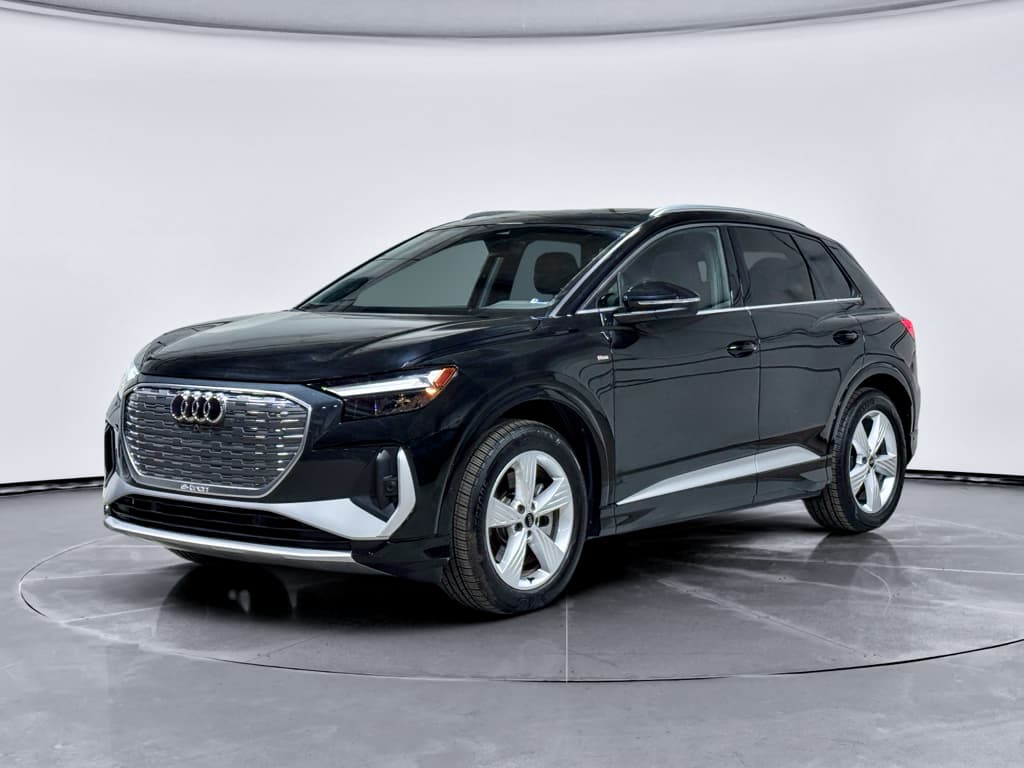
If you’re trying to decode what an Audi Q4 e-tron KBB value really means, whether you’re selling one or shopping used, you’re not alone. Luxury EV prices have swung wildly over the last few years, and the Q4 e-tron has seen its share of discounts and incentives. KBB is a solid starting point, but it’s only part of the story.
Quick takeaway
Audi Q4 e-tron KBB value at a glance
Q4 e-tron value snapshot (recent KBB-style data)
On KBB, you’ll see several different values for an Audi Q4 e-tron: trade‑in, private party, and dealer retail or “Fair Purchase Price.” Each one assumes a different situation and margin. The important thing is understanding which number applies to you, and how it compares with what similar Q4 e-trons are actually selling for in your area.
How KBB calculates Audi Q4 e-tron value
Kelley Blue Book doesn’t simply pull a number out of thin air. For the Audi Q4 e-tron, KBB mixes data from recent sales transactions, asking prices, auctions, incentives, and economic trends. Then it layers in adjustments for equipment, condition, mileage, and location to estimate what’s “fair” for a given configuration.
- Year & trim: A 2022 Q4 50 e-tron Prestige will be valued very differently than a 2025 Q4 45 Premium.
- Mileage: KBB typically assumes 12,000 miles per year. Being far above or below that moves the value accordingly.
- Condition: “Outstanding” vs. “Fair” condition can swing the number by thousands of dollars.
- Options: Packages like Prestige, upgraded wheels, and driver-assistance bundles can increase value.
- Market supply & demand: If dealers are discounting heavily or lots of Q4s sit on the lot, KBB’s Fair Purchase Price trends downward.
Don’t skip the details
Current Audi Q4 e-tron KBB values by year and trim
Exact KBB values change weekly, but recent data paints a clear picture of where used Audi Q4 e-tron prices tend to fall. Think of the numbers below as national ballparks based on KBB-style pricing and similar tools, not guarantees for your specific VIN or ZIP code.
Recent Audi Q4 e-tron used price ballparks (national averages)
Approximate KBB-style “Fair Purchase Price” or appraisal ranges for common Q4 e-tron configurations, assuming average mileage and good condition. Always check KBB directly for your exact vehicle.
| Model year & trim (example) | Original MSRP (approx.) | Recent used value range* | Notes |
|---|---|---|---|
| 2022 Q4 50 e-tron Prestige | ≈$58,700 | High $20ks–low $30ks | Early-build models have seen steep EV-style depreciation, especially if mileage is above average. |
| 2023 Q4 50 e-tron Prestige | ≈$64,000 | Low–mid $30ks | Newer software and tech help these hold value slightly better than 2022s. |
| 2024 Q4 40/50/55 Premium | ≈$51k–$56k | High $20ks–low $30ks | KBB shows 2024 Q4 e-tron pricing starting around the high‑$20k mark for base trims from dealers. |
| 2024 Q4 55 Prestige | ≈$63k | Low–mid $30ks | Top trims command a premium but still reflect luxury‑EV depreciation. |
| 2025 Q4 45/55 (new) | ≈$51k–$56k | New: often a few thousand below MSRP | For brand‑new Q4s, KBB Fair Purchase Price can sit $3k–$5k under sticker, depending on incentives. |
These figures are rounded; taxes, fees, and regional demand will move your real number up or down.
Where these numbers come from
Audi Q4 e-tron depreciation: what the numbers say
Electric luxury SUVs have been on a roller coaster, and the Q4 e-tron is no exception. The pattern that’s emerging in 2024–2025 data is sharp early depreciation and then a slower slide as prices normalize.
Typical Audi Q4 e-tron value curve
Early hit, then a long, gentle glide
Years 0–3: The big drop
For early Q4 e-tron model years, it’s common to see values fall by 40–50% of original MSRP in the first three years. Launch‑year 2022 Prestige models, for example, often trade in the high‑$20ks by 2025 despite sticker prices near $60k.
Years 4–7: Slower fade
Once the first owners have absorbed that initial hit, depreciation usually slows. From here, what matters most is battery health, software updates, and maintenance history rather than the calendar alone.
Why this is good news for buyers
KBB value vs. real-world market prices
KBB is trying to land in the sweet spot between what sellers want and what buyers will realistically pay. But in a fast‑moving EV market, the “right” number can lag a little behind reality, especially for models like the Q4 e-tron that have seen factory discounts and strong lease incentives.
When KBB runs high
- Dealers are long on inventory and offering heavy discounts.
- Tax credits or lease cash effectively lower real-world prices.
- Local demand for luxury EVs is soft, so listings sit unsold.
In these cases, you may find asking prices below KBB Fair Purchase Price, and you still might negotiate down.
When KBB runs low
- Local supply of Q4 e-trons is tight (popular regions or colors).
- Vehicles with rare options or exceptionally low miles command a premium.
- High energy prices or HOV perks make EVs more desirable in your area.
Here, sellers may stick closer to their number, and clean, low‑mile examples can trade above KBB.
How Recharged helps
7 things that move Audi Q4 e-tron KBB value up or down
Key value drivers for the Audi Q4 e-tron
1. Model year & powertrain updates
Later years often bring more range, efficiency, and software improvements. For example, Audi’s shift from the 50 to the 55 drivetrain improved power and range, helping newer Q4s hold value better than early builds.
2. Trim level & options
Prestige and higher-output versions (50/55) usually carry several thousand dollars in extra value over base Premium 40/45 models at the same age and mileage. Panoramic roof, premium audio, and driver‑assist packages also add value.
3. Mileage vs. age
KBB assumes “normal” usage around 12,000 miles per year. A three‑year‑old Q4 e-tron with 20,000 miles will typically price above the KBB midpoint, while one with 60,000 miles will land below it.
4. Battery health & fast‑charging history
KBB doesn’t directly see your battery state of health, but the market does. A Q4 that’s fast‑charged constantly and shows reduced real‑world range will be harder to sell at book value than one with healthy range and documented care.
5. Accident and service history
A clean CARFAX and complete service records support the high end of the KBB range. Structural damage, airbag deployments, or spotty maintenance push value toward the bottom.
6. Color, wheels, and interior
Desirable colors and wheel packages can nudge your Audi Q4 e-tron KBB value higher in practice, especially on the private‑party market. Oddball combos tend to sit longer and invite harder negotiation.
7. Local incentives and fuel prices
If your state or utility offers strong EV incentives, or gas prices spike, demand for used EVs rises, and real‑world prices may surge ahead of KBB until the data catches up.
How to improve your Q4 e-tron’s trade-in or resale value
You can’t turn a 2022 into a 2025, but you can absolutely influence where your Audi Q4 e-tron falls within the KBB range. Think of KBB’s number as a spectrum; your job is to earn the top end.
Practical ways to beat the book
Small moves that add up to real money
Make it look like “Excellent”
Detail the car inside and out, fix curb‑rashed wheels, and address small cosmetic issues. Most Q4 e-trons are valued assuming “Good” condition, if yours genuinely looks “Excellent,” you justify being above mid‑book.
Organize your paperwork
Print or save a digital folder with every service record, tire receipt, and software update. A tidy history reassures buyers and dealers that your Q4 has been cared for, which supports stronger offers.
Document real-world range
Buyers care about range more than raw mileage. Note your typical highway and city range at common state‑of‑charge levels. Tools like the Recharged Score can quantify battery health and help you defend a higher price.
Avoid these value killers
Using KBB value when shopping for a used Q4 e-tron
If you’re a buyer, KBB is your baseline, not your ceiling. For the Audi Q4 e-tron, especially 2022–2024 models, there’s often room between KBB’s Fair Purchase Price and what a motivated seller will accept, particularly if the car has higher miles or sits on the lot longer than expected.
Smart KBB‑based buying strategy
- Look up the exact year, trim, and typical mileage on KBB.
- Check several active listings in your area for similar Q4 e-trons.
- Note whether the market is above or below KBB’s Fair Purchase Price.
- Adjust for condition: a rougher car should be priced under book.
- Negotiate with KBB data in hand, but be guided by actual local supply and demand.
Red flags to walk away from
- Price sits at or above top‑of‑book but the car has accidents or incomplete history.
- Real‑world range is well below what similar Q4 e-trons report.
- Seller resists pre‑purchase inspection or third‑party battery health check.
- The deal relies heavily on “EV hype” rather than real data.
Let the car, not the story, set the price
How Recharged pricing compares to KBB for the Q4 e-tron
Recharged and KBB are both trying to answer the same basic question: What is this car worth? KBB leans heavily on historical transactions and broad market data. At Recharged, we add a layer that matters a lot more for EVs than gas cars: verified battery health.
KBB vs. Recharged on a used Audi Q4 e-tron
Two views of the same vehicle
KBB perspective
KBB gives you a range based on year, mileage, options, and typical condition. It’s an excellent way to avoid obviously bad deals and to frame negotiation, but it can’t see your specific Q4’s battery health or software state.
Recharged perspective
Every Audi Q4 e-tron we list includes a Recharged Score Report with battery diagnostics, charging history signals, and fair market pricing tied to current EV trends. That means you’re not guessing whether the car deserves the top or bottom of the KBB range, you can see why it’s priced where it is.
Ready to find your next EV?
Browse VehiclesLooking to buy or sell a Q4 e-tron?
Audi Q4 e-tron KBB value: FAQ
Frequently asked questions
Bottom line: making KBB work for you
The Audi Q4 e-tron KBB value is a powerful tool, but it’s not the whole truth. Luxury EVs like the Q4 live at the intersection of fast‑moving tech, changing incentives, and evolving buyer expectations. That means book value is the starting bid, not the final hammer price. If you combine KBB data with real market research, a careful eye on battery health, and a willingness to walk away from cars that don’t add up, you can turn the Q4’s depreciation story into a smart‑money opportunity, whether you’re buying or selling.
If you’d like help turning those numbers into a real‑world deal, Recharged is built for exactly this moment in the EV market. Every Audi Q4 e-tron we list comes with a Recharged Score Report, fair market pricing grounded in current data, and EV‑specialist support from trade‑in to nationwide delivery, so you’re never negotiating blind against a single KBB number again.