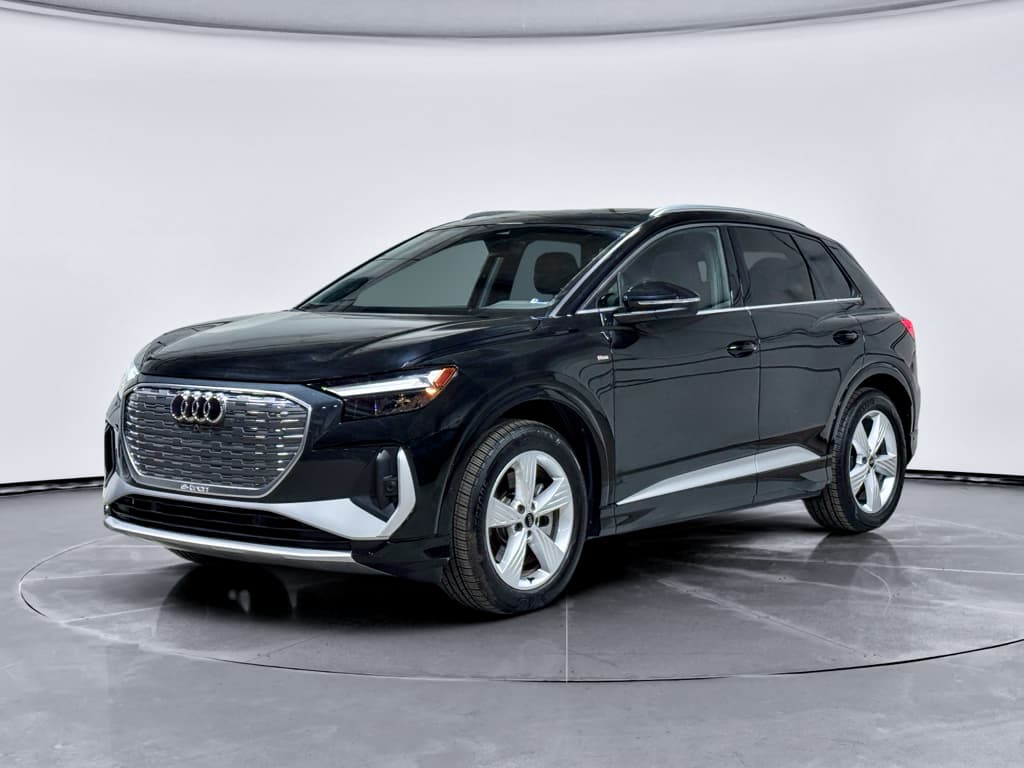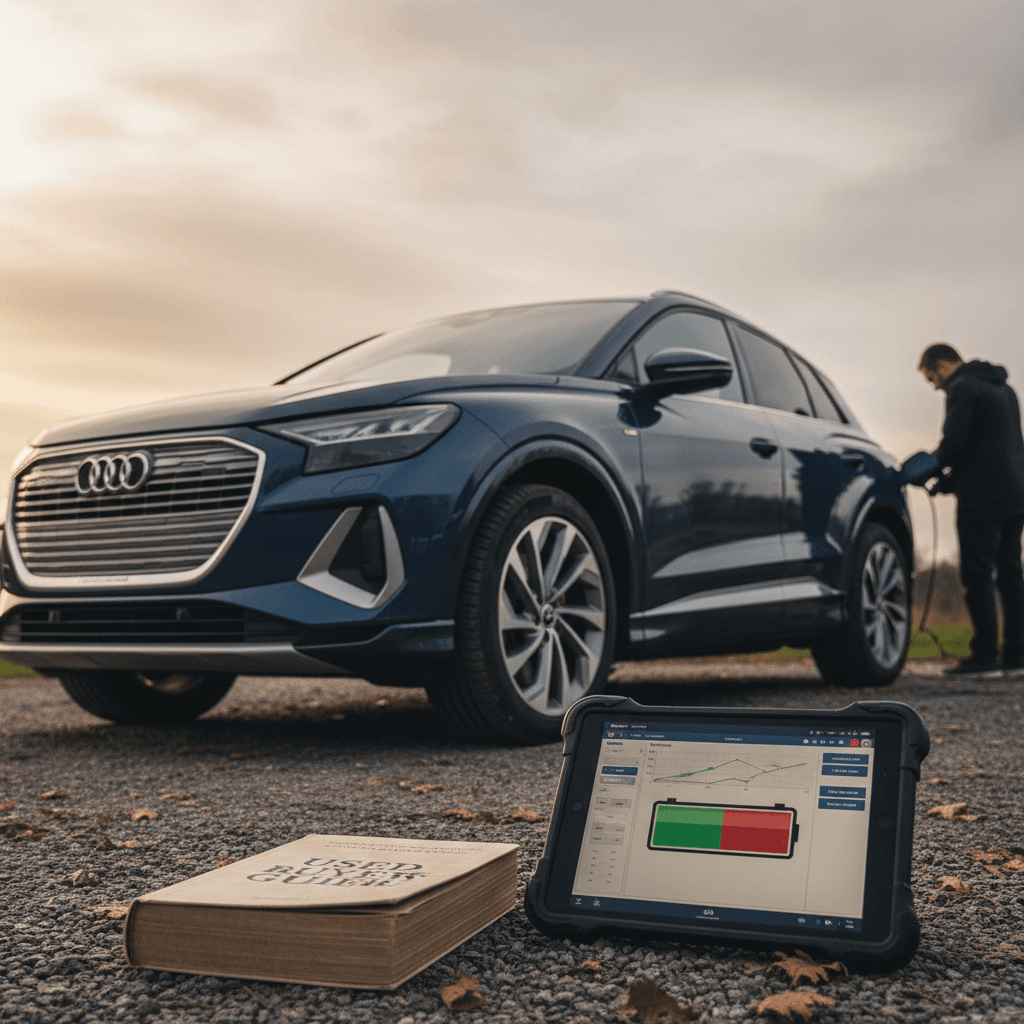
If you’re eyeing a used Audi Q4 e-tron, you’re probably wondering what the real-world ownership story looks like: which issues are common, how serious they are, and what it costs to fix them. This guide breaks down the most important Audi Q4 e-tron common problems and fixes so you can shop confidently and avoid an expensive mistake.
Model years covered
Audi Q4 e-tron reliability snapshot
Overview: Audi Q4 e-tron reliability at a glance
On paper, the Audi Q4 e-tron has a lot going for it: mature MEB platform, shared parts with the VW ID.4, and above‑average inspection pass rates in Europe. Real‑world owner feedback paints a mostly positive picture but highlights a few recurring themes, software quirks, inconsistent DC fast‑charging behavior, and parts wait times for high‑voltage components in rare cases.
Where the Q4 e-tron tends to be solid
- Electric drivetrain and motors are generally robust with few catastrophic failures reported.
- Body, suspension and lighting systems perform well in early inspection data.
- Interior build quality is strong, with few squeaks/rattles complaints compared to some rivals.
Where issues show up
- Software glitches triggering warning lights or limp mode that require dealer updates.
- DC fast‑charging sessions that slow or stall earlier than expected.
- Isolated high‑voltage battery module or charger component failures with long part lead times.
How Recharged helps you see past the shine
Drivetrain strengths: What the Q4 e-tron gets right
Before diving into problem areas, it’s worth noting that the Q4’s basic EV hardware, motors, single‑speed gearbox, and core battery pack design, has held up well so far. The shared MEB architecture means Audi isn’t reinventing the wheel; it’s using a platform deployed in hundreds of thousands of vehicles across VW, Skoda and Cupra brands.
Key reliability positives
These aren’t usually where your money goes when things break.
Proven EV platform
Stable battery chemistry
Above‑average inspection results
What this means for used buyers
Recalls to know: Rollaway risk and software updates
By early 2025, Volkswagen Group had announced a recall covering around 60,000 VW ID.4 and Audi Q4 e-tron models in the U.S. for a software defect tied to the brake control unit. In certain 2022–2023 vehicles, the instrument cluster might fail to show the "N" (Neutral) position, increasing the risk of a rollaway if the parking brake isn’t set.
Major Audi Q4 e-tron recall to date (U.S.)
Always run the VIN through NHTSA or Audi’s recall site before buying used.
| Issue | Model years affected | Symptom | Fix | Cost to owner |
|---|---|---|---|---|
| Gear indicator / rollaway risk | 2022–2023 Q4 e-tron & Sportback | "N" not displayed when in Neutral; vehicle could roll if parking brake not applied | Dealer software update to brake control unit | $0 (safety recall) |
Information current as of March 2025; future campaigns may be added.
Don’t ignore the recall
When you shop used, ask for a service printout showing completed campaigns. If you’re buying through Recharged, that recall status is surfaced for you as part of the vehicle’s Recharged Score Report so you don’t have to chase paperwork.
Charging problems and fixes
Charging‑related complaints are one of the most visible Audi Q4 e-tron common problems. They rarely point to a dead vehicle, but they can turn routine stops into headaches, and, in a used car, they’re easy to miss during a quick test drive if you don’t actually plug in.
- DC fast‑charging sessions that ramp up, then stall or taper earlier than expected (for example, lingering at 80% or bouncing around power levels).
- Error messages like "Charging system fault" when using specific public chargers, sometimes leaving the charge cable latched until the car times out or is manually released.
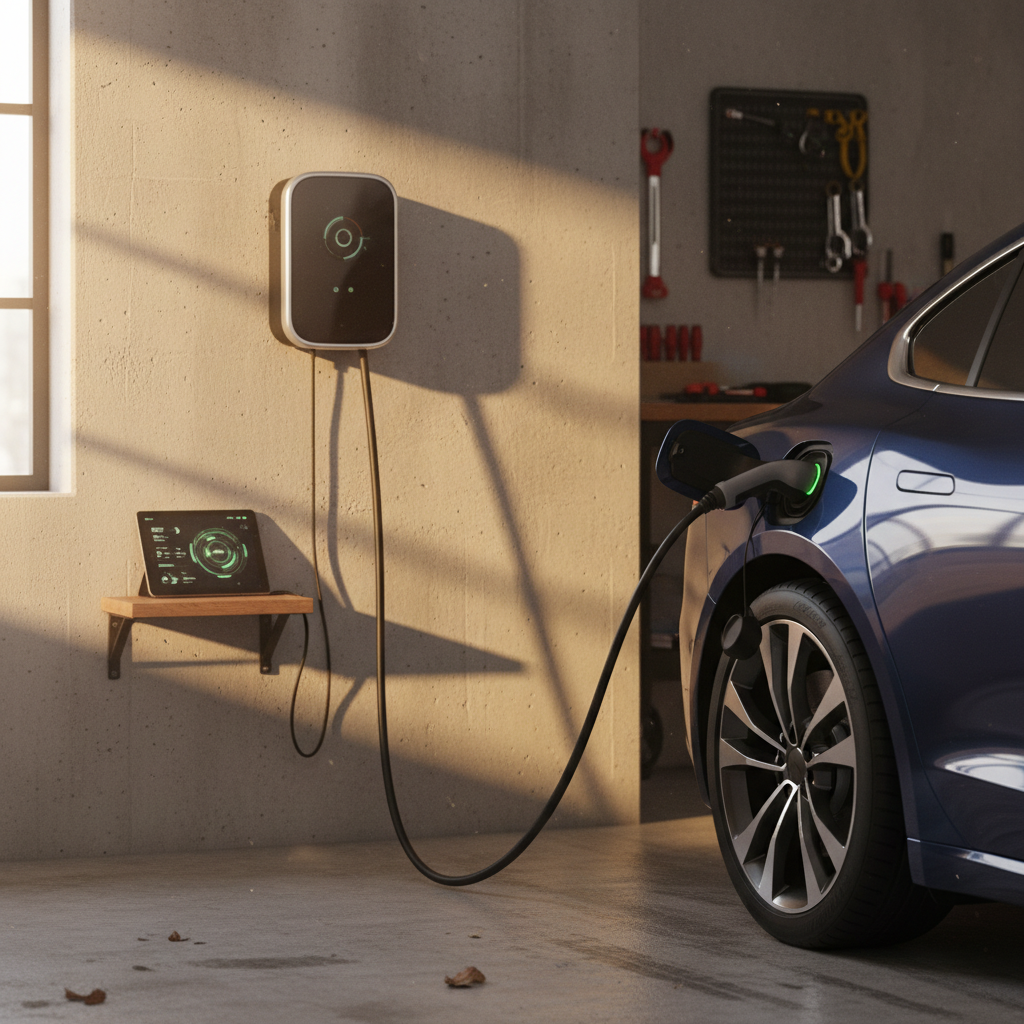
- Home AC charging failures traced to charge schedules, charge‑limit settings, or onboard charger quirks rather than a bad wall unit.
Common charging problems and practical fixes
1. "Charging system fault" at public stations
Often linked to communication hiccups between specific networks and the car. Try unplugging, waiting 30–60 seconds and reconnecting. If it recurs only on one network, it may be a station issue. If you see it on multiple networks, get an Audi dealer to scan for software updates or TSBs.
2. Charge cable stuck in port
Use the charge‑port release button or emergency mechanical release in the trunk area (check the owner’s manual for location). Locking/unlocking the vehicle can also trigger a release. If this happens repeatedly, ask a dealer to inspect the locking mechanism and update charging software.
3. Slow or inconsistent DC fast charging
Verify state of charge: many Q4s taper heavily after ~80%. Compare the station’s nameplate rating to the power you’re seeing. If speeds are far below expectations on multiple stations, have the dealer check for battery‑management software updates and run a battery health check.
4. Home charging starts/stops unexpectedly
Double‑check scheduled charging and charge‑limit settings in the MMI and app. Disable schedules for a few days and see if behavior improves. If not, test with a different EVSE. Still flaky? Have the onboard charger and charge port inspected.
Used‑car move: Always do a live charge test
Software glitches and infotainment issues
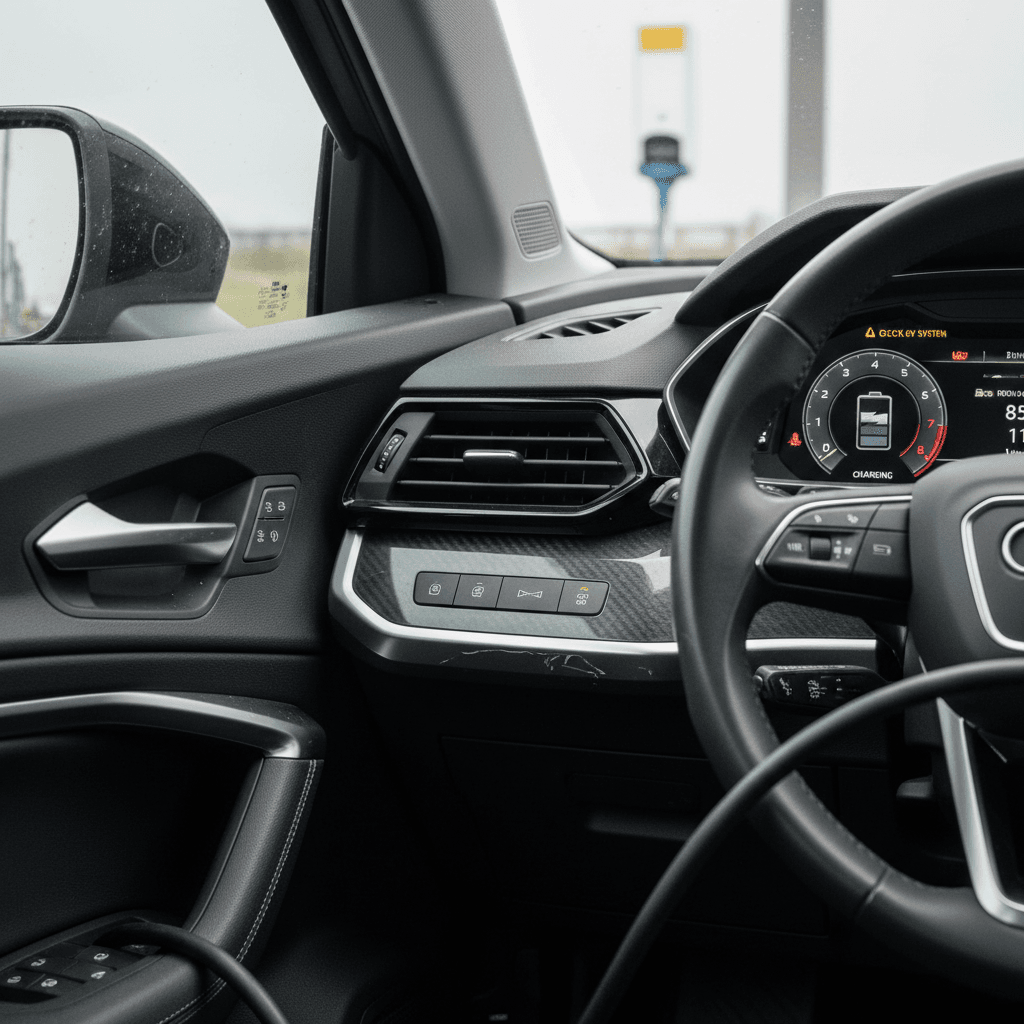
If there’s a single thread tying many Q4 complaints together, it’s software. Owners have reported episodes where multiple warnings light up at once, the vehicle throws a cascade of error messages on startup, or the infotainment and myAudi app refuse to play nice.
Typical software and connectivity issues
Annoying? Yes. Usually fixable? Also yes.
Warning-light "storms"
myAudi app login problems
Connectivity dropouts
How dealers usually respond
What to check on a test drive
1. Start the car several times
If you see a wall of warnings more than once, note exactly what appears and ask for documentation of any prior software updates or control‑unit replacements.
2. Pair your phone and test the app
Connect CarPlay/Android Auto, make a call, stream audio, and log into the myAudi app. If basic tasks fail, ask whether the vehicle has the latest software and whether Audi Connect is active.
3. Look for missing menu items
If key menus like data‑plan or charging settings are missing, that can point to incomplete provisioning or software misconfigurations that need dealer attention.
4. Ask for a fault‑code scan
At Recharged, we run a dealer‑grade scan as part of the Recharged Score. If you’re buying elsewhere, ask the seller or an independent EV shop to pull fault codes before you sign.
Battery health and high-voltage component issues
Widespread, systemic battery failures haven’t materialized for the Q4 e-tron the way they have for some early EVs. That said, high‑voltage components are expensive, and there are scattered reports of individual modules or onboard chargers needing replacement, sometimes with long wait times for parts.
What owners have reported
- Isolated cases of high‑voltage charger or battery modules needing replacement on relatively new vehicles, occasionally with parts on national backorder.
- Charging‑related errors that turned out to be faulty modules inside the pack, not just software.
- Range loss that felt worse than expected, later tied to older software or tire/wheel setups rather than a failing battery.
Why it matters for used buyers
- High‑voltage repairs can quickly climb into the four‑figure or even five‑figure range out of warranty.
- Waiting weeks or months for parts is as painful as the repair bill.
- Strong documentation and a third‑party battery health report become much more valuable as the vehicle ages.
Don’t guess on battery health
- Ask for any paperwork showing battery or high‑voltage component replacements, including part numbers and dates.
- Compare the vehicle’s displayed full‑charge range to EPA estimates, factoring in wheel size, tire type, temperature and driving history.
- Avoid heavily modified vehicles (non‑OEM wheels/tires, suspension) unless you can verify that range and ride quality are still acceptable.
Brakes, suspension, and typical wear items
Traditional wear items on the Q4 e-tron, brakes, tires, bushings, aren’t major outliers, but they’re still worth a close look, especially because EVs are heavier than equivalent gas models.
Common wear observations on used Q4 e-trons
Not "problems" in the recall sense, but costs you should budget for.
Tire wear
Brake condition
Suspension components
Ask for a lift inspection
Pre‑purchase checklist for a used Audi Q4 e-tron
Putting all of this together, here’s a practical checklist you can use to separate solid Q4 e-trons from future headaches. Bring it with you, or, if you’re shopping online, ask the seller to confirm each item in writing.
Used Audi Q4 e-tron pre‑purchase checklist
Confirm recall and software status
Run the VIN through NHTSA and Audi’s recall site. Ask for a dealer printout showing the rollaway‑risk update and other campaigns are complete.
Get a battery health report
Request a recent, third‑party battery diagnostic, not just a screenshot of range. On Recharged, this is built into the Recharged Score so you see pack health up front.
Do a real charging session
Plug into at least one Level 2 (and ideally one DC fast charger) during the evaluation. Watch for errors, unusual tapering, or stuck connectors.
Scan for fault codes
A dealer or EV‑savvy shop can scan all modules for stored or pending faults, even if no warnings are currently lit. This is cheap insurance.
Inspect tires, brakes, and underbody
Check for uneven tire wear, rusty or heavily grooved rotors, and any impact damage to the battery enclosure or underbody panels.
Verify app and connectivity
Log into myAudi, test remote functions, and confirm live services work. If the car won’t connect properly, ask the seller to resolve it before purchase.
Review service history
Look for documentation of any high‑voltage repairs, control‑unit replacements, or repeated visits for the same complaint. Pattern problems are your cue to dig deeper.
Clarify remaining warranty
Understand how much factory EV/battery warranty is left and whether it transfers. This can make a borderline car acceptable, or a clean one a fantastic value.
How Recharged handles this list for you
Ready to find your next EV?
Browse VehiclesWhen to walk away vs. when a fix is simple
Usually fixable with modest effort
- Occasional charging hiccups that disappear after reseating the plug or occur only on one network.
- Infotainment glitches likely solvable with a software update and proper myAudi setup.
- Minor warning‑light events fully documented and resolved with control‑unit updates.
- Normal wear items like tires, pads, rotors or 12‑volt battery replacement.
Consider walking away
- Repeated high‑voltage errors, limp‑mode events or charge‑port faults with no clear, documented fix.
- Evidence of battery module or charger replacement plus ongoing issues afterward.
- Seller refuses a pre‑purchase inspection, battery health test or VIN‑based recall check.
- Significant underbody or battery‑tray damage from impacts or off‑road use.
Remember: EV repairs cluster at the top end
FAQ: Audi Q4 e-tron common problems
Frequently asked questions about Audi Q4 e-tron problems
Bottom line: Is a used Audi Q4 e-tron worth it?
The Audi Q4 e-tron doesn’t have a single fatal flaw that should scare off used buyers. Instead, its risk profile is about software maturity, charging behavior, and the cost of rare high‑voltage repairs if you pick the wrong example. Go in with your eyes open: verify recalls, demand battery health data, and make charging performance part of your test drive, not an afterthought.
If you do that homework, the Q4 e-tron can deliver exactly what it promises on paper: a refined, compact premium EV that’s comfortable to live with every day. And if you’d rather have that legwork done for you, shopping Q4 e-trons through Recharged means every candidate already comes with a Recharged Score Report, expert EV support and optional nationwide delivery, so you can focus on whether the car fits your life, not whether it hides an expensive surprise.