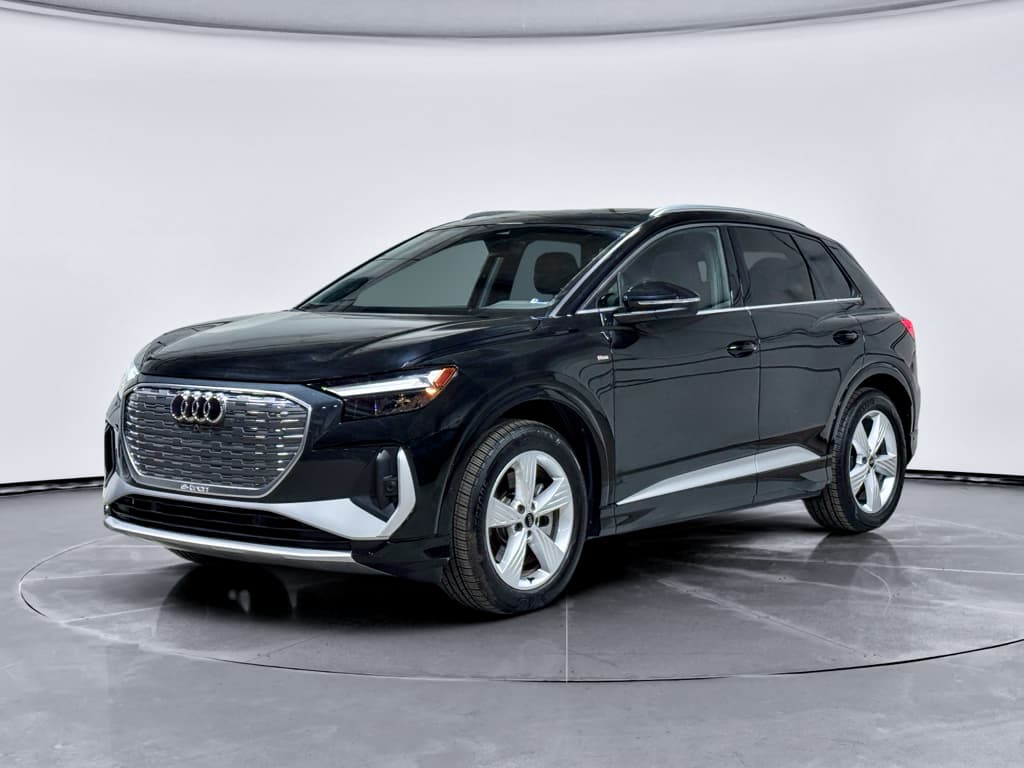
If you like fast, comfortable German sedans, the **Audi e-tron GT vs Audi A7 cost comparison in 2026** is probably on your mind. On paper, the A7 looks cheaper to buy, while the e-tron GT promises much lower “fuel” and maintenance costs. The real question is simple: over the next five years, which one is actually easier on your wallet?
Quick take
Audi e-tron GT vs Audi A7: who this 2026 cost comparison is for
This guide is written for shoppers in **2026** who are cross‑shopping a **luxury EV (Audi e-tron GT)** against a **luxury gas hatchback (Audi A7)**. You might be looking at: - A new or nearly new A7 vs a lightly used e-tron GT - Stepping out of an A7 lease into an EV - Wondering if EV savings are real once you add insurance and depreciation We’ll walk through **purchase price, fuel vs electricity, maintenance, insurance, and real‑world depreciation**. Then we’ll look at how the **used e-tron GT market** and services like **Recharged** can tilt the math in your favor.
Sticker price: 2026 pricing and early depreciation
Exact 2026 MSRPs will depend on trim and options, but current 2024 pricing gives us a solid baseline to work from. For simplicity, we’ll focus on **well‑equipped, mid‑trim models** that a typical buyer would choose.
Typical 2024–2025 pricing baseline (U.S.)
Approximate new MSRP and early used values for Audi e-tron GT and Audi A7 as of early 2026, based on mainstream trims and average equipment levels.
| Model (2024–2025 baseline) | New MSRP (approx.) | Typical 2–3 year used price in 2026* | Early depreciation feel |
|---|---|---|---|
| Audi e-tron GT Premium Plus | $108,000 | $60,000–$70,000 | Steep; luxury EVs drop quickly |
| Audi e-tron GT Prestige/RS | $115,000+ | $70,000–$80,000+ | Even steeper for high‑spec cars |
| Audi A7 Premium/Premium Plus 55 TFSI | $71,000–$80,000 | $45,000–$55,000 | Moderate; traditional luxury sedan |
| Audi A7 higher trims | $80,000+ | $55,000–$60,000+ | Similar pattern as other German sedans |
Real‑world transaction prices vary by region, incentives, and dealer discounts, but the relative gap between e-tron GT and A7 is consistent: the EV starts higher but also depreciates faster.
Depreciation is your friend, if you buy used
If you’re shopping **new in 2026**, an A7 will almost certainly **cost tens of thousands less** than an e-tron GT on the window sticker. But if you’re open to a **2–3‑year‑old e-tron GT**, the gap narrows dramatically, and the EV’s **running‑cost advantage** starts to matter a lot more.
Fuel vs. electricity costs: how much you really spend to drive
This is where the e-tron GT begins to claw back its higher purchase price. We’ll use **reasonable 2026 U.S. assumptions**, and you can adjust mentally for your own situation.
Key 2026 cost assumptions (you can tweak for your situation)
These are realistic, middle‑of‑the‑road numbers for many U.S. drivers.
Annual mileage
12,000 miles per year
About the U.S. average for many commuters. If you drive more, the e-tron GT’s fuel savings get even better.
Gasoline price
$3.75 per gallon
Typical national blended price assumption for premium‑fuel users in 2026. A7 55 TFSI prefers premium.
Electricity price
$0.15 per kWh at home
Plenty of U.S. utilities are still in this range for residential off‑peak power.
Audi e-tron GT energy use
Real‑world owners and official data suggest highway‑heavy drivers often see around 40 kWh per 100 miles (about 2.5 mi/kWh) in mixed use. That’s a fair planning number for a quick, heavy luxury EV.
At 40 kWh/100 miles, driving 12,000 miles per year uses about 4,800 kWh of electricity annually.
Audi A7 fuel economy
The 55 TFSI A7 is a turbocharged gasoline car. Depending on your mix of city and highway driving, a realistic average is around 24 mpg.
At 24 mpg, 12,000 miles per year works out to about 500 gallons of gasoline.
Estimated annual “fuel” cost: e-tron GT vs A7 (2026 assumptions)
Home charging is the lever
Maintenance and repairs: EV simplicity vs gas complexity
Under the skin, an e-tron GT is **much simpler mechanically** than an A7. No engine oil, spark plugs, timing chains, or multi‑gear automatic transmission. But it’s also packed with high‑end suspension, brakes, and electronics, so this isn’t a cheap car to maintain either way.
Typical maintenance patterns: e-tron GT vs A7
Same luxury badge; very different service menus.
Audi e-tron GT
- No oil changes or engine‑related tune‑ups.
- Less brake wear thanks to regenerative braking.
- Periodic brake fluid, cabin filters, tires, and coolant checks.
- High‑performance tires can wear quickly and are not cheap.
- Out‑of‑warranty repairs on air suspension or electronics can be pricey.
Audi A7 (gas)
- Regular oil changes, spark plugs, filters.
- Automatic transmission fluid services over the long haul.
- More consumables: belts, exhaust, emissions components.
- Same story on tires, brakes, and suspension costs.
- Turbo and emissions‑system issues can be expensive out of warranty.
Looking at multi‑year cost‑to‑own data for similar Audi models, a **luxury EV like the e-tron GT generally spends less on routine maintenance but similar or slightly more on repairs if you keep it deep into the out‑of‑warranty years**. Over a **five‑year horizon**, it’s reasonable to expect the **e-tron GT to save you several hundred to a couple thousand dollars in maintenance vs an A7**, mainly by skipping engine and transmission service.
The big fear: battery replacement
Insurance, taxes, and fees: where costs look surprisingly similar
Insurance and registration costs vary dramatically by state, age, credit tier, and driving record, so any blanket statement will miss someone. But when you compare **like‑for‑like values**, the gap between an e-tron GT and an A7 is usually **smaller than people expect**.
- **Insurance:** all else equal, insurers rate on vehicle value, repair cost, safety, and claims data. A $70,000 used e-tron GT and a $55,000 A7 often price in the same ballpark; the EV may run higher because of parts cost, but it’s not night‑and‑day.
- **Registration/fees:** some states charge modest extra EV fees; others offer reduced registration or lane perks. The differences rarely swing the entire cost‑of‑ownership equation by themselves.
- **Taxes:** remember that on a used e-tron GT you’re paying sales tax on a **much lower post‑depreciation value** than the original owner did. That’s a quiet but real savings.
Five-year total cost estimates: e-tron GT vs A7
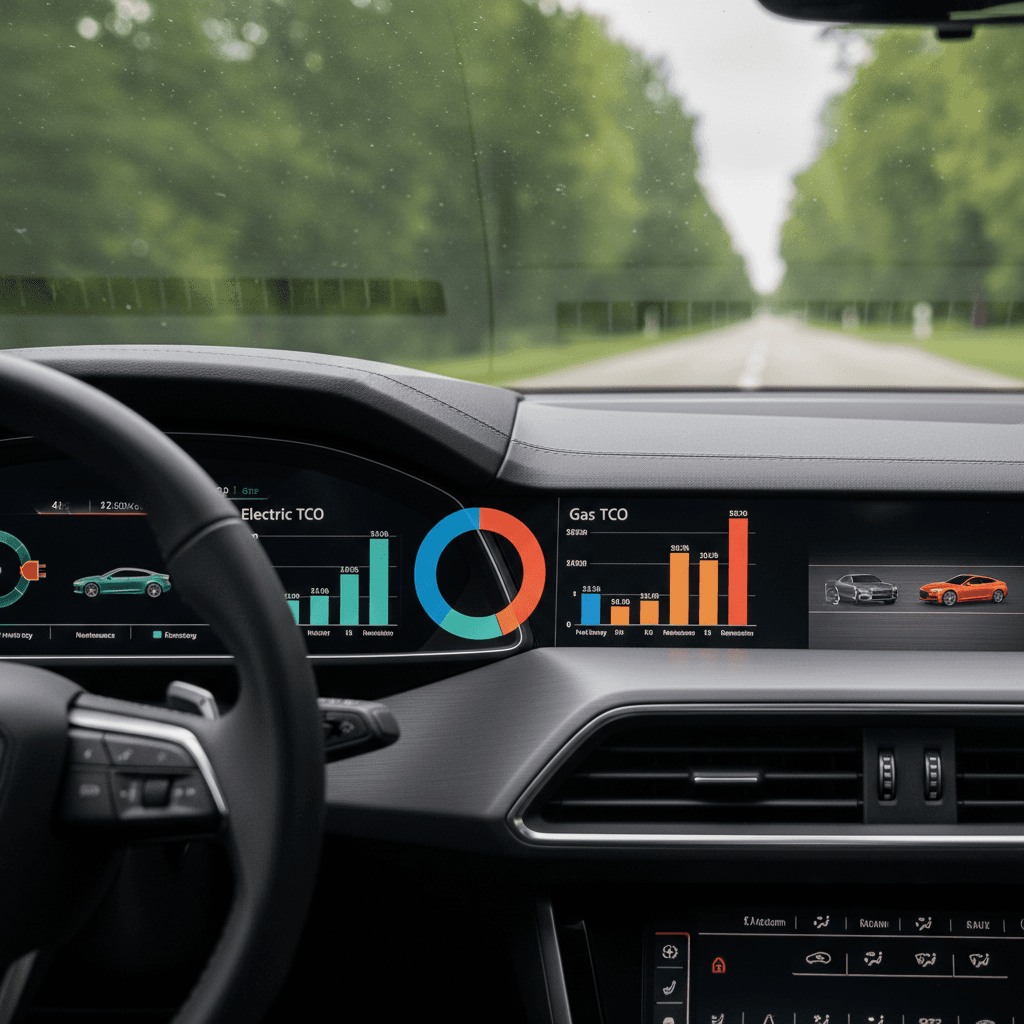
Now let’s pull this together into simple **five‑year “typical driver” scenarios**. These aren’t precise financial models, but they will show you **which direction the money flows**.
Illustrative 5‑year cost outlook (bought in 2026, kept to 2031)
Simplified, rounded estimates for a typical U.S. driver at 12,000 miles/year, assuming mostly home charging for the e-tron GT and average fuel costs. Numbers are directional, not a quote.
| Cost category (5 years) | Used 2023–24 e-tron GT bought in 2026 (~$65k) | New 2026‑ish Audi A7 or late‑model 2024 bought in 2026 (~$75k) |
|---|---|---|
| Purchase price + sales tax | ≈$69,000 out the door | ≈$80,000 out the door |
| Estimated value after 5 years | ≈$35,000–$40,000 | ≈$30,000–$35,000 |
| Depreciation hit | ≈$30,000–$34,000 | ≈$40,000–$45,000 |
| Energy (fuel/electricity) | ≈$3,600 (electricity) | ≈$9,400 (gasoline) |
| Routine maintenance | ≈$4,000–$5,000 | ≈$5,000–$6,000 |
| Repairs (out of warranty; highly variable) | ≈$3,000–$5,000 | ≈$3,000–$5,000 |
| Approximate 5‑year running costs (energy + maint + repairs) | ≈$10,600–$15,400 | ≈$17,400–$20,400 |
| Approximate 5‑year total cost (depreciation + running costs) | ≈$40,600–$49,400 | ≈$57,400–$65,400 |
Because the e-tron GT starts more expensive but saves on fuel, the best way to make it competitive is to let someone else take the initial depreciation and buy used.
The surprising result
Used market reality by 2026: which is the better value?
By 2026, the **used Audi A7** market is mature and predictable: buyers understand gas luxury sedans, and values track closely with mileage and condition. The **used e-tron GT** market is newer and a bit more nervous, many buyers still worry about battery life, charging, and long‑term reliability.
Why used e-tron GTs often look like bargains
- High original MSRPs combined with rapid early depreciation.
- Smaller pool of buyers comfortable with EVs helps push used prices down.
- Plenty of low‑mileage, lease‑return cars hitting the market by 2026.
- Real‑world range in the low‑to‑mid‑200‑mile zone is enough for most commuters.
Why some shoppers still default to the A7
- Gasoline feels familiar, no learning curve, no charging planning.
- Perceived risk around EV batteries and charging infrastructure.
- Some regions still lack robust DC fast‑charging coverage.
- Dealers may be more comfortable servicing and selling what they’ve known for years.
How Recharged changes the used‑EV math
Charging and lifestyle costs: home vs public
There’s one more cost bucket that doesn’t fit neatly into a spreadsheet: your **time and convenience**. For an e-tron GT, that largely comes down to where you charge.
e-tron GT charging patterns and what they cost
Your charging mix can strengthen, or weaken, the EV cost advantage.
Mostly home charging
Best case financially. Level 2 home charging at 10–20¢/kWh keeps energy costs very low. You plug in, wake up topped off, and rarely visit a gas or charging station.
Mixed home + public
If you add some DC fast charging on trips, your average cost per mile rises but usually still undercuts gasoline, especially if most daily miles start at home.
Mostly public fast charging
At roughly 35–50¢/kWh for fast charging, costs can approach or even exceed gas on a per‑mile basis. This is where the A7 can regain some ground.
Apartment and condo living
How Recharged helps with a used e-tron GT
If you decide the **numbers favor an e-tron GT**, the next hurdle is finding the right car and verifying its health. That’s where **Recharged** comes in.
- Every vehicle includes a **Recharged Score Report** with verified battery health, so you’re not guessing about the most expensive component in the car.
- Our pricing tools focus on **fair‑market value** in the real 2026 used‑EV market, not just book values that may lag behind reality.
- EV‑specialist advisors can help you compare **e-tron GT vs other used EVs** if you’re still on the fence.
- You can handle everything in a **fully digital retail experience**, with nationwide delivery and an Experience Center in Richmond, VA if you want to see vehicles in person.
- If you’re coming out of a gas car like an A7, Recharged can help with **trade‑in, instant offer, or consignment**, so you don’t leave money on the table.
Checklist: which Audi is cheaper for you?
Personal checklist: Audi e-tron GT or Audi A7?
1. How many miles do you drive per year?
If you’re at **12,000 miles/year or more**, the e-tron GT’s electricity advantage really starts adding up. Low‑mileage drivers see smaller fuel savings, making the simpler A7 math more appealing.
2. Can you install home charging?
Home Level 2 charging at fair utility rates is the **single biggest factor** in making an e-tron GT cheaper to run. No reliable home charging and heavy DC fast‑charging use? The A7 may win on hassle and, in some cases, cost.
3. Are you willing to buy used?
A **2–3‑year‑old e-tron GT with a strong battery‑health report** can undercut the total cost of a brand‑new A7. If you insist on buying new, the A7 will usually keep the upper hand on total cost.
4. How long do you plan to keep the car?
Over **three years or less**, depreciation dominates and the A7’s lower new price can be safer. Over **five years or more**, the e-tron GT’s fuel and maintenance savings have time to compound.
5. Is performance part of the equation?
If you want something that looks like it rolled out of a concept‑car studio and accelerates like a supercar, the **e-tron GT delivers an experience the A7 simply doesn’t**. That emotional value matters to many buyers, especially when the cost gap narrows on the used market.
6. How do you feel about EV tech and change?
If you enjoy new tech and don’t mind learning about charging and apps, the e-tron GT is rewarding. If you just want to turn the key, fill with fuel anywhere, and never think about it, the A7 remains the lower‑friction choice.
FAQ: Audi e-tron GT vs Audi A7 cost questions
Common questions about Audi e-tron GT vs Audi A7 costs
Bottom line: 2026 Audi e-tron GT vs Audi A7 cost comparison
When you strip away the emotion and look strictly at the **numbers for 2026**, a pattern emerges. A **new Audi A7** is usually cheaper to buy and easier for most people to understand, but a **carefully chosen used Audi e-tron GT** can be **less expensive to own over five years**, especially if you drive a lot, mostly charge at home, and let someone else take the first owner’s depreciation hit.
If you want low‑friction, gas‑station familiarity and plan to keep the car only a few years, the **A7 makes solid financial sense**. If you want cutting‑edge performance, a quieter commute, and lower running costs, and you’re open to a **2–3‑year‑old EV with a documented battery‑health report**, the **e-tron GT starts to look like the smarter long‑term buy**.
Either way, it pays to run the math with your real mileage and energy prices. And if you do lean toward the e-tron GT or another used EV, **Recharged** can help you compare options, verify battery health with the **Recharged Score**, arrange financing and trade‑in, and even deliver nationwide, so you can enjoy the car you really want without guessing what it will cost you down the road.