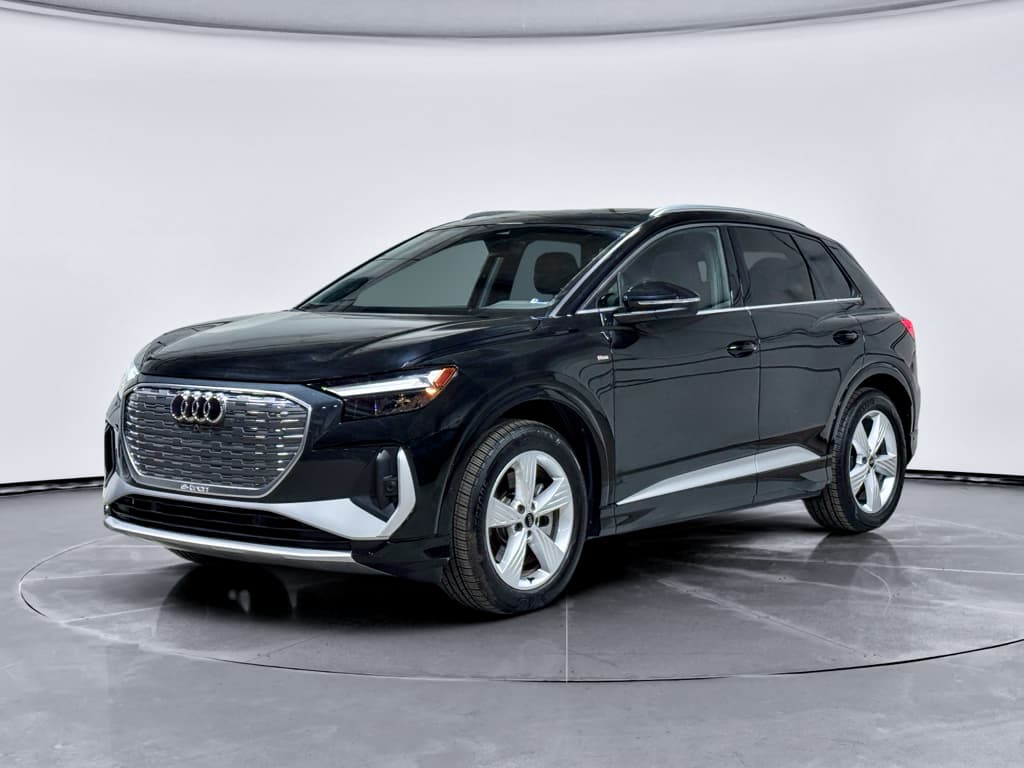
If you’re eyeing an Audi e-tron GT, especially on the used market, it’s natural to wonder: how long does the e-tron GT battery actually last, and what happens as it ages? Battery lifespan is the single biggest factor in long‑term ownership costs and real‑world range, so it pays to understand what you’re getting into.
Quick answer
Audi e-tron GT battery basics
The Audi e-tron GT (and RS e-tron GT) uses a large, liquid‑cooled lithium‑ion NMC battery pack mounted in the floor. Early U.S. cars (2021–2024) ship with about 93.4 kWh gross and ~83–84 kWh usable capacity, while the updated 2025+ models move to a pack around 105 kWh gross and ~97 kWh usable, improving efficiency and range.
- Battery chemistry: nickel‑manganese‑cobalt (NMC) lithium‑ion
- Pack size: ~93–105 kWh gross depending on model year
- Usable capacity: ~83–84 kWh on early cars, ~97 kWh on 2025+ updates
- Architecture: 800‑volt pack for very fast DC charging
- Thermal management: active liquid cooling and heating with preconditioning
Audi also builds the e-tron GT pack using modules and individual cells that can be serviced, rather than a single sealed unit. That matters for lifespan because in many cases a few weak modules can be replaced instead of swapping the whole pack.
Audi e-tron GT battery at a glance
Battery lifespan: how long can an e-tron GT pack last?
To translate specs into real‑world lifespan, you need to think in years, miles, and usable range rather than abstract chemistry. Modern NMC EV packs from major OEMs are routinely lasting longer than their original 8‑year warranties, and the e-tron GT is built to compete in that same league.
Typical Audi e-tron GT battery lifespan expectations
Assuming normal use and decent charging habits
0–5 years
Minimal impact. Most owners will see only a small drop in usable range, often in the low single digits, as the pack “settles.”
5–10 years
Noticeable but manageable. A well‑cared‑for e-tron GT will typically retain the majority of its usable capacity, though you may lose one fast‑charging stop on long trips.
10–15+ years
Use‑case dependent. Heavy DC fast‑charging or abuse shows up here. Light‑use cars can still be very usable; hard‑driven cars may see more pronounced range loss.
For most owners, that translates to a pack that can comfortably deliver 150,000–250,000 miles of life before degradation feels like a reason to consider major repair or replacement. Many cars will go further, especially those that spend most of their life on AC charging and aren’t regularly run to 0% or 100%.
EV battery degradation is non‑linear
Warranty coverage: what Audi promises
In the U.S., modern Audi e-tron models, including the e-tron GT, come with a high‑voltage battery limited warranty of 8 years or 100,000 miles (whichever comes first). This covers defects in materials and workmanship; in some markets, Audi also specifies capacity thresholds for certain e-tron models over time.
Audi e-tron GT battery warranty snapshot (U.S.)
Always confirm details in your specific model year’s warranty booklet, but this is the general pattern for modern Audi EVs sold in the U.S.
| Item | Coverage |
|---|---|
| Battery type | High‑voltage traction battery (HV battery) |
| Duration | 8 years from in‑service date |
| Mileage limit | 100,000 miles (whichever comes first) |
| What’s covered | Defects in materials or workmanship; pack or module replacement if required |
| What’s not guaranteed | Returning the pack to 100% of original usable capacity |
| Transferable? | Typically yes, to subsequent owners while in effect |
High‑voltage battery warranty focuses on years and miles, not a specific capacity figure in most U.S. documentation.
Don’t confuse warranty with expected lifespan
Real‑world degradation: what owners are seeing
Because the e-tron GT launched for the 2021 model year, we now have several years of real‑world data from early cars plus insights from tools that read the pack’s state of health. Overall, we’re seeing a pattern that lines up with other premium EVs: modest early degradation, then a slower taper.
Years 1–3
- Many owners report 2–5% capacity loss in the first couple of years.
- Some used cars show state‑of‑health in the 90–95% range after ~20,000–40,000 miles.
- Daily DC fast‑charging or constant 100% charging can push these numbers higher.
Years 4–8 and beyond
- With mostly home Level 2 charging and moderate mileage, you’d expect a slow, steady decline, not a cliff.
- Heavily used highway commuters or cars that live on DC fast chargers can show faster range loss by this point.
- Individual weak modules can sometimes be replaced without touching the whole pack.
What we see at Recharged
5 factors that shorten e-tron GT battery life
The e-tron GT pack is designed to be robust, but it’s not magic. Certain habits and conditions will make any lithium‑ion pack age faster. If you understand these, you can avoid most of the damage.
- Frequent DC fast‑charging at very high power. The e-tron GT can charge extremely quickly on 800‑volt DC fast chargers. That’s a great road‑trip perk, but relying on fast charging as your daily routine puts more thermal and chemical stress on the cells.
- Regularly charging to 100% and letting it sit. Topping to 100% before a trip is fine. Parking at 100% for days, every week, is not. High state of charge accelerates degradation.
- Deep discharges to very low state of charge. Running the pack down near 0% on a regular basis forces the cells into a less comfortable operating window and can increase wear over time.
- Extreme heat and cold without preconditioning. Audi’s thermal management does a lot of work behind the scenes, but repeatedly fast‑charging a cold pack, or baking the car in desert heat while unplugged, is still asking more of the chemistry.
- High annual mileage with aggressive driving. Piling on 25,000+ miles per year with lots of full‑throttle launches and high‑speed driving means more full charge cycles in fewer calendar years, so you’ll hit the same degradation milestones sooner.
Heat is the silent battery killer
How to extend your e-tron GT battery lifespan
The good news: you have a lot of control over how long your Audi e-tron GT battery lasts. A few small changes in daily routine can easily add years of useful life and keep more of your original range.
Everyday habits to protect your e-tron GT battery
1. Use a daily charge limit
If your schedule allows, set a <strong>charging target around 70–80%</strong> for routine driving and only charge to 90–100% before longer trips. This keeps the pack away from the most stressful high‑SOC zone most of the time.
2. Favor Level 2 over DC fast charging
Make <strong>home or workplace Level 2 charging</strong> your default. Save DC fast chargers for actual road trips or rare situations when you’re short on time. Slower, cooler charging is much easier on the battery.
3. Arrive at high SOC right before departure
If you need 100% for a long drive, use a scheduled charge so the car finishes charging <strong>near your departure time</strong> instead of sitting full for hours.
4. Precondition while plugged in
On very hot or cold days, use the preconditioning feature while the car is connected to power. That way the pack uses grid energy, not battery energy, to get into its ideal temperature window.
5. Don’t obsess over 0–100% readouts
Relying on rough dash estimates can lead to over‑correcting. Focus on <strong>good habits over time</strong> rather than chasing a specific number on a smartphone app or online forum.
6. Keep software up to date
Audi sometimes refines charging profiles and thermal management via software updates. Keeping the car updated ensures you benefit from the latest battery‑care logic.

Think in averages, not single events
Battery repair, replacement, and costs
Full battery failures on e-tron GTs are rare so far, but as the fleet ages, it’s reasonable to ask what happens if things go wrong. Audi designed the pack with independent modules that can be replaced, meaning not every issue requires a complete battery swap.
Repair vs. replace: what to expect
Actual pricing varies by dealer, market, and parts availability
Module‑level repair
In cases where only one or a few modules are weak, Audi or a specialist shop may be able to replace individual modules. This can cost several thousand dollars instead of five figures, depending on labor and parts.
Full pack replacement
Replacing the entire pack is rare and typically only done under warranty or after major damage. Out of warranty, a complete pack can run into the tens of thousands of dollars installed, which is why warranty coverage and good habits matter so much.
As more Audi EVs age, expect an aftermarket ecosystem of specialist battery repair shops and module‑level refurbishers, similar to what we’re already seeing for earlier e-tron SUVs and other brands’ EVs. That can dramatically improve economics versus full pack replacement.
How Recharged helps de‑risk used EV batteries
Ready to find your next EV?
Browse VehiclesBuying a used Audi e-tron GT: battery checklist
If you’re shopping for a used e-tron GT, battery health should be right at the top of your checklist, alongside accident history and service records. Here’s a structured way to evaluate lifespan risk before you sign anything.
Used e-tron GT battery due diligence
1. Verify in‑service date and mileage
Confirm when the car was first put into service and its current odometer reading. This tells you how much of the <strong>8‑year/100,000‑mile</strong> battery warranty remains and whether the usage pattern is aggressive for its age.
2. Ask for a battery health report
Look for a <strong>state‑of‑health (SOH)</strong> reading from a reputable diagnostic tool or a dealer printout. On a relatively young car, a SOH in the low‑to‑mid 90s is common; materially lower numbers warrant questions about usage.
3. Review charging history if available
Some cars and third‑party tools can summarize how often the vehicle was <strong>DC fast‑charged vs. home charged</strong>. A car that mostly lived on fast chargers may have more degradation than one that stuck to Level 2.
4. Check displayed range vs. EPA rating
On a full charge, compare the indicated range to the original rating for that model year. Remember that winter tires, climate use, and driving style affect this, but a big gap can be a red flag worth investigating.
5. Inspect for software updates and recalls
Ask whether the car is current on <strong>software updates</strong> and any battery‑related service campaigns. These can improve charging behavior and thermal management.
6. Lean on third‑party expertise
If you’re buying through a private party or non‑EV dealer, consider an <strong>independent battery inspection</strong> or shop through a platform like Recharged, where battery diagnostics and pricing transparency are built in.
FAQ: Audi e-tron GT battery lifespan
Common questions about Audi e-tron GT batteries
Key takeaways for current and future owners
The Audi e-tron GT’s battery is a centerpiece of the car: big, powerful, and engineered to go the distance. With its 800‑volt architecture, active thermal management, and module‑based design, there’s every reason to expect a decade or more of solid service for owners who stick to sane charging habits.
If you’re already an owner, focus on the controllables: Level 2 charging, moderate daily charge limits, preconditioning, and up‑to‑date software. If you’re shopping used, don’t settle for guesswork, insist on a clear view of battery health and a price that reflects it. Platforms like Recharged exist precisely to make that easy, combining battery diagnostics, fair‑market pricing, financing, and even nationwide delivery so you can enjoy an e-tron GT for years to come without losing sleep over the pack.