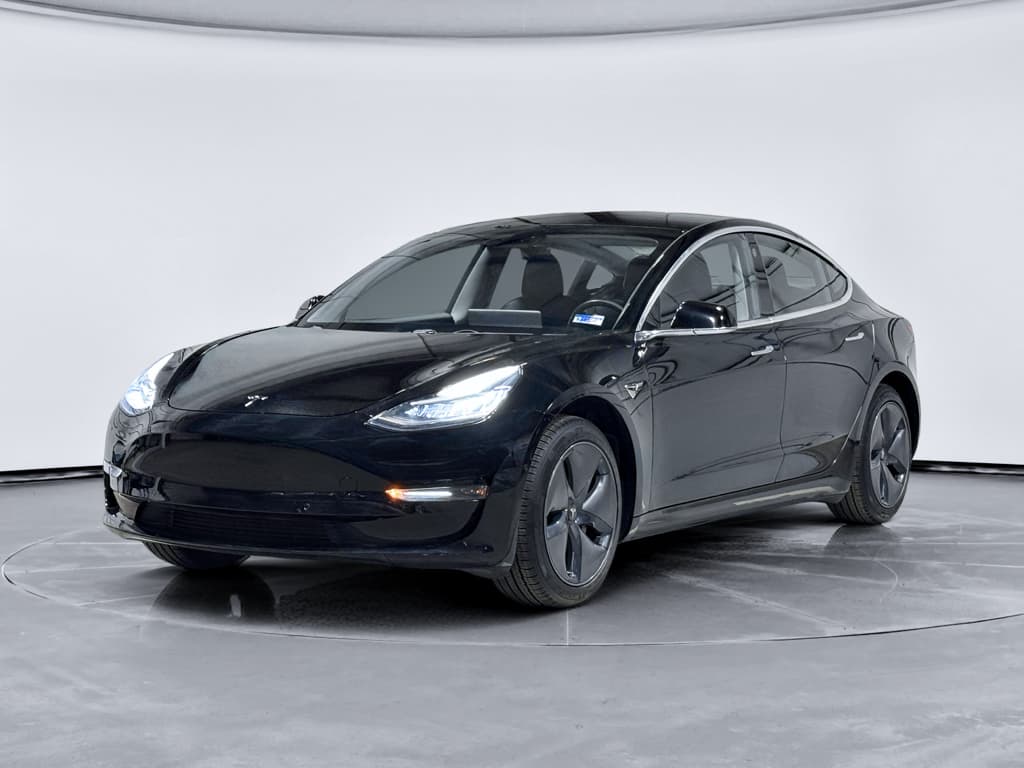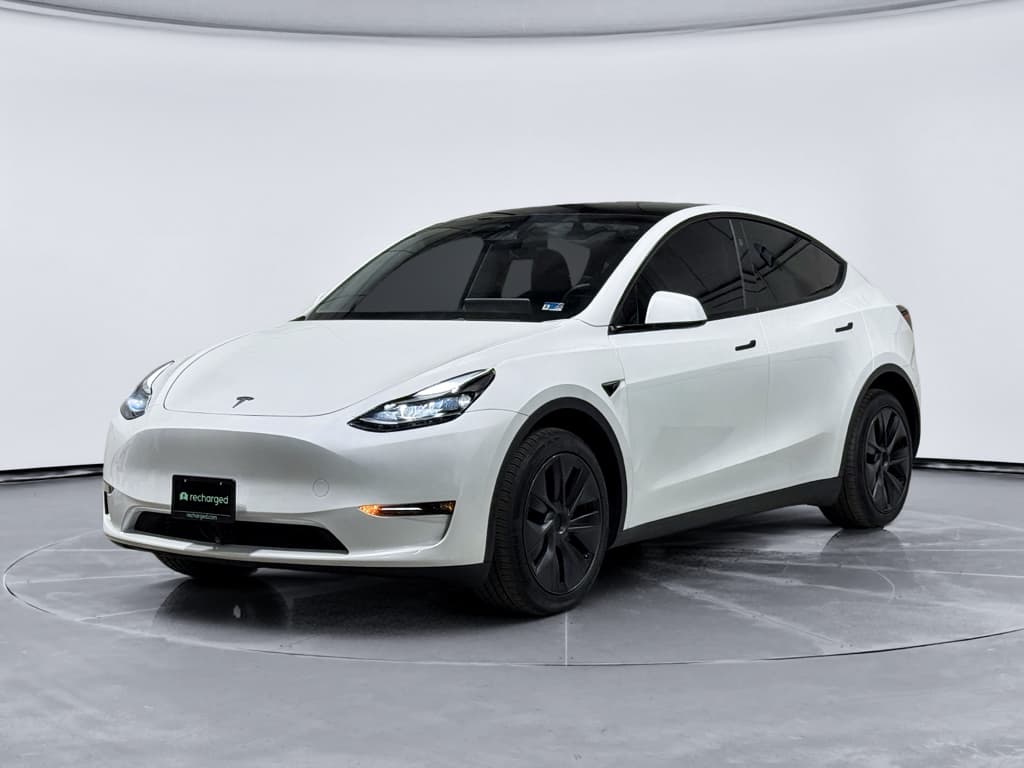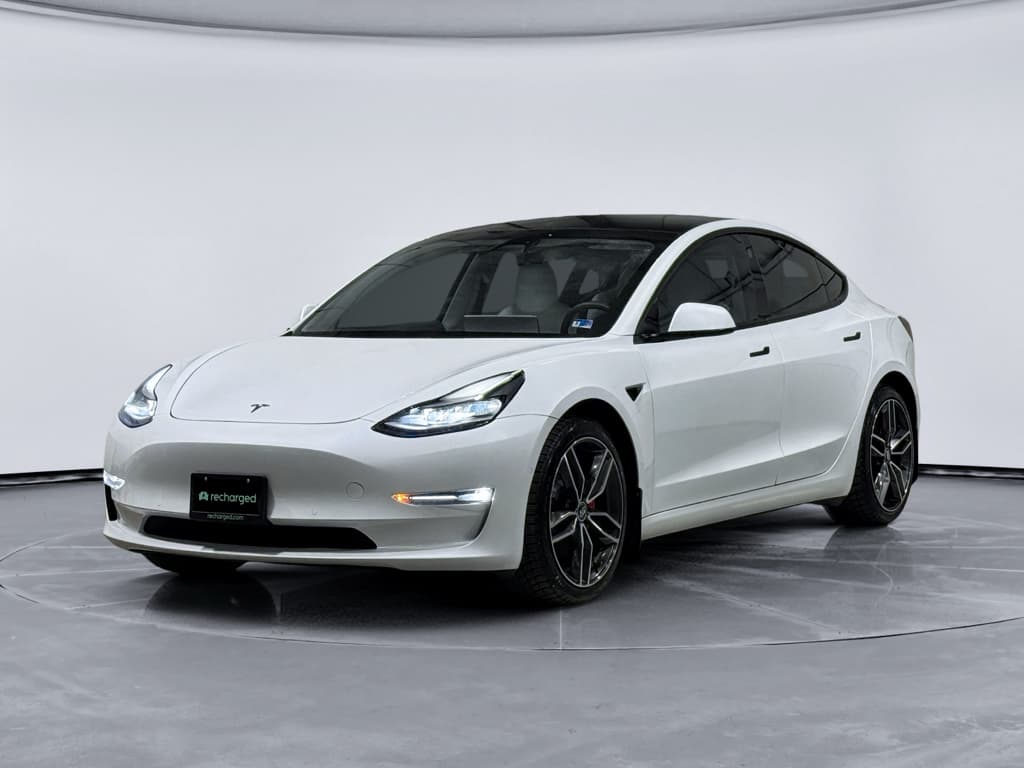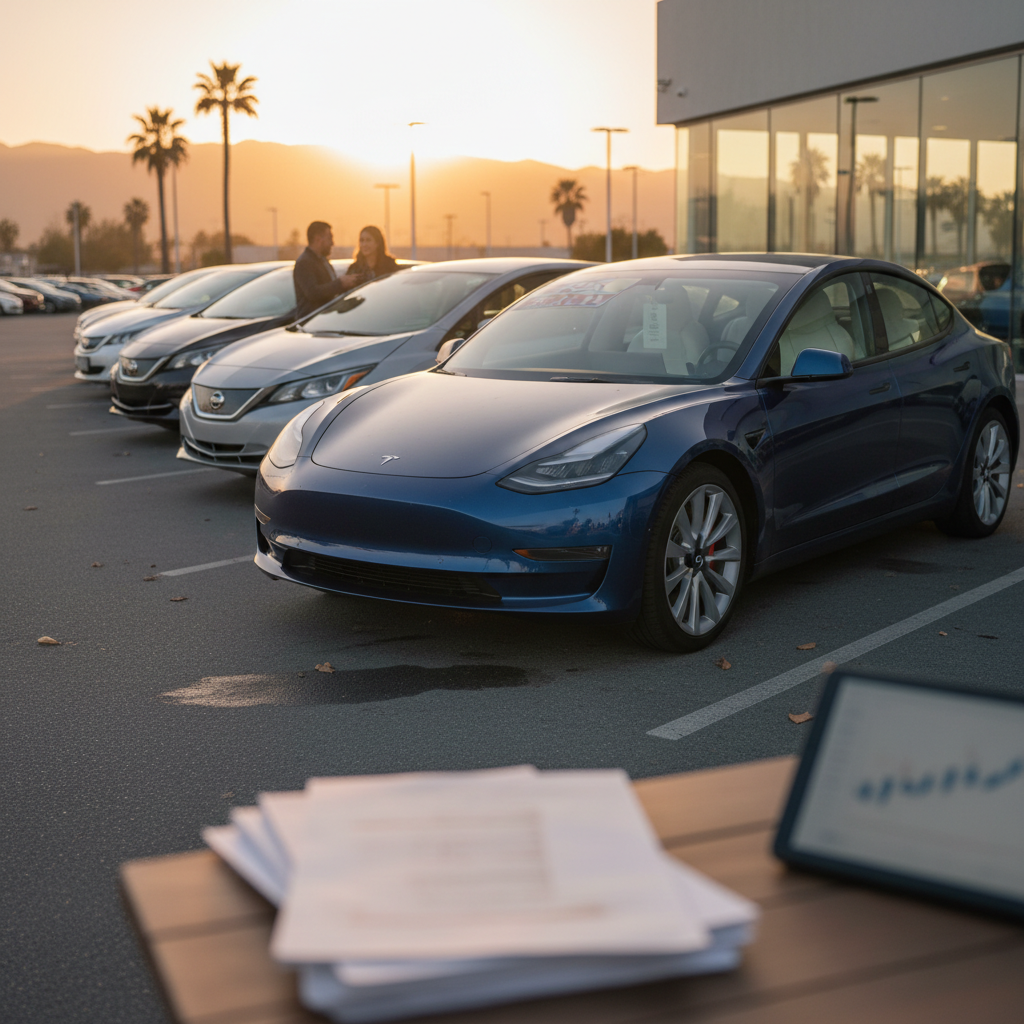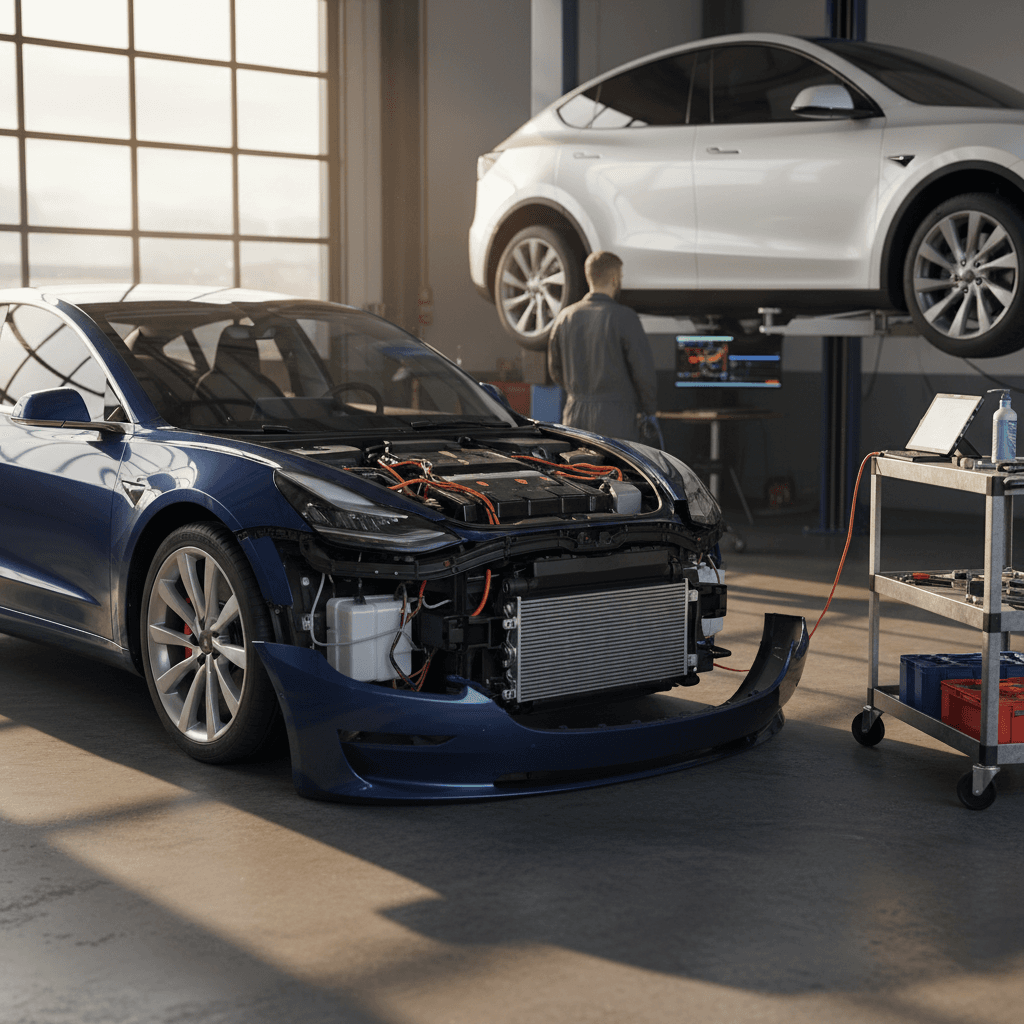
If you’re wondering “are Teslas expensive to maintain?”, the honest answer is: routine maintenance is surprisingly cheap, but certain repairs can be very expensive. Day‑to‑day, most Tesla owners spend less than a comparable gas‑car owner. The big wildcards are collision damage, wheels and tires, and rare out‑of‑warranty failures like a battery pack.
Headline takeaway
Are Teslas Expensive to Maintain? The Short Answer
The good news
- No oil changes, spark plugs, timing belts, or emissions systems.
- Fewer moving parts than a gas engine, so fewer wear items.
- Regenerative braking means pads and rotors can last well over 100,000 miles with normal driving.
- Factory estimates put annual maintenance for many Tesla models in the $250–$650 range, depending on model and mileage.
The catch
- Collision repairs, glass, and body work on Teslas can be significantly more expensive than on many mainstream cars.
- Out‑of‑warranty battery or drive‑unit failures are rare but costly if they happen.
- Tesla uses large, performance‑oriented tires that can wear quickly and aren’t cheap to replace.
- Insurance is often higher than for an equivalent non‑EV.
Don’t confuse "low maintenance" with "low cost in every scenario"
Why Tesla Maintenance Looks Different From Gas Cars
Tesla’s maintenance profile starts with design. An internal‑combustion engine has hundreds of moving parts in the drivetrain; an electric motor has a handful. There’s no oil system, exhaust, turbocharger, or transmission with dozens of gears. That means fewer things to service on a schedule and fewer failure modes as the vehicle ages.
Key differences in Tesla vs gas‑car maintenance
Here’s where Teslas save you money, and where they don’t
No engine oil
Battery & electronics focused
Regenerative braking
Scheduling service is app‑based
Typical Tesla Maintenance Costs by Model
Estimated annual maintenance cost by Tesla model
These ranges are broad because driving style, climate, and mileage matter. A gently driven rear‑wheel‑drive Model 3 on 18‑inch wheels will be much cheaper to keep in tires and brakes than a Model X on 22‑inch performance rubber that lives in pothole country.
Common Tesla maintenance items and typical cost ranges
These are the kinds of maintenance items you should budget for in the first 8–10 years of ownership.
| Item | Typical Interval | Approximate Cost (USD) | Notes |
|---|---|---|---|
| Cabin air filter | 2–3 years | $75–$200 | More if you use a HEPA or premium filter. |
| Brake fluid check | 2–3 years | $100–$200 | Often just inspection; full flush costs more. |
| Tire rotation/balance | 6,000–10,000 miles | $60–$150 | Depends on whether you use a tire shop or Tesla. |
| New tires (set of 4) | 25,000–40,000 miles | $800–$1,600 | Performance sizes and 20–22" wheels cost more. |
| Wiper blades | 1–2 years | $40–$90 | DIY is easy and cheaper. |
| Wheel alignment | As needed | $150–$250 | Worth doing after potholes or curb hits. |
| 12V/low‑voltage battery | 4–7 years | $200–$500 | Newer Teslas with lithium low‑voltage batteries should last longer. |
Real invoices vary by region, tire size, and whether you use Tesla Service or an independent EV shop.
Maintenance vs Repairs: Where Tesla Costs Can Spike
When people say “Teslas are expensive to maintain,” they’re usually reacting to repair stories, not routine upkeep. Two areas stand out: collision damage and out‑of‑warranty component failures.
The three big cost buckets for Tesla owners
Routine service is predictable; repairs are not
Routine maintenance
Collision & body work
Out‑of‑warranty failures
Why insurance matters more with a Tesla
Are Tesla Battery Replacements Really That Expensive?
The most common fear you’ll hear is, “Won’t I have to spend $20,000 on a new battery?” Battery packs are the most expensive single component in a Tesla, but two things are true at once: replacements are costly, and they’re also relatively rare within the warranty period.
2025 estimated out‑of‑warranty Tesla battery replacement costs
Approximate parts + labor estimates for full pack replacements in 2025.
| Model | Estimated Cost (USD) | Battery Size | Notes |
|---|---|---|---|
| Model 3 Standard Range | $12,000–$14,000 | ~55 kWh | Includes pack and labor. |
| Model 3 Long Range | $14,000–$16,000 | ~75–82 kWh | Higher capacity pack costs more. |
| Model Y Long Range | $14,000–$16,500 | ~75–82 kWh | Similar pack to Model 3 LR. |
| Model S (pre‑2022) | $18,000–$22,000 | ~85–100 kWh | Larger legacy packs, higher labor. |
| Model X (all years) | $20,000–$25,000 | ~90–100 kWh | Biggest, heaviest packs in the lineup. |
These numbers are for worst‑case, full‑pack replacements. Many issues can be handled with module repairs at lower cost.
Battery warranty basics
For used‑Tesla shoppers, the key question is not “Will I definitely need a battery?” but “How healthy is this specific battery?” The difference between a well‑cared‑for pack and one that’s been abused with constant fast charging and high‑SOC storage can be thousands of dollars in future risk.
Tesla Maintenance vs Gas Cars: Real-World Comparison
Looking at the big picture, Teslas tend to be cheaper to maintain but similar or higher to repair compared with a conventional gas car. That distinction matters a lot if you drive a lot of miles but rarely crash, or vice versa.
Routine costs: advantage Tesla
- Industry data suggests a typical gas car owner spends roughly $1,200 per year on maintenance, repairs, and tires.
- For popular Tesla models, 10‑year maintenance totals often pencil out closer to $3,000–$4,000, or about $30–$40 per month on average.
- Electric powertrains also avoid many big‑ticket repairs like head gaskets, transmission rebuilds, and emissions‑system failures.
Repair shocks: potential edge to gas cars
- Independent shops and aftermarket parts are more plentiful for common gas models, which can keep collision and cosmetic repair costs lower.
- Teslas use extensive aluminum and complex castings in their bodies, which can drive up body‑shop time and total‑loss decisions.
- Insurance pricing already bakes some of this in, another reason Tesla owners see higher premiums in many ZIP codes.
Big‑picture economics
Are Used Teslas More Expensive to Maintain?
Used Teslas add two layers of complexity: unknown history and expiring warranties. Costs don’t automatically explode once the odometer rolls past a magic number, but your risk profile changes.
What actually drives used‑Tesla maintenance costs
Four questions to ask before you buy
Age & mileage
Battery health
Climate & usage
Service and accident history
How Recharged helps with used Teslas
7 Ways to Keep Tesla Maintenance Costs Low
Practical ways to reduce Tesla maintenance costs
1. Drive smoothly and avoid potholes
Hard launches and heavy braking don’t just burn energy, they also wear tires, brakes, and suspension faster. With the instant torque EVs offer, gentle inputs pay off.
2. Protect your wheels and tires
Performance wheels look great but are easy to curb and bend. Consider smaller‑diameter wheels with higher‑profile tires, and rotate/align on schedule to maximize life.
3. Use fast charging strategically
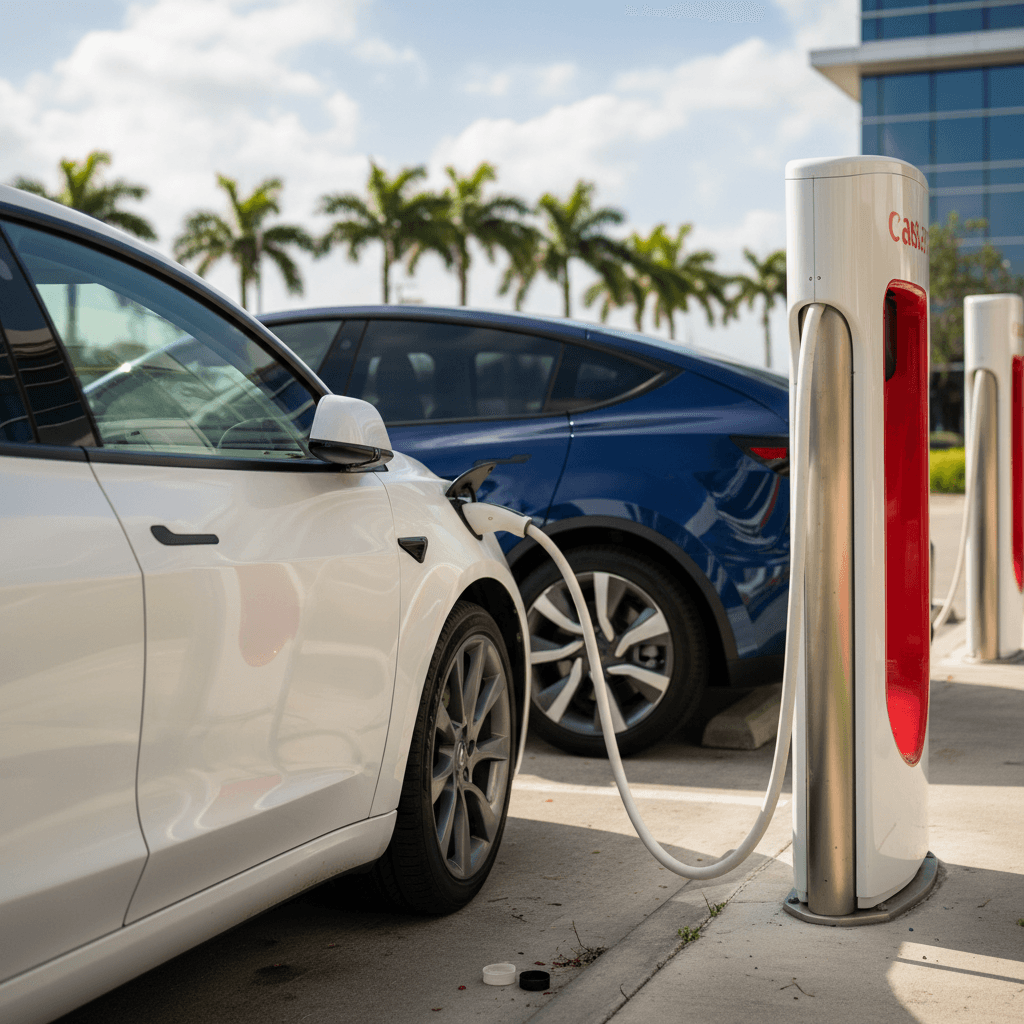
Public DC fast charging is fine, but relying on it daily and frequently charging to 100% can accelerate battery degradation. Home Level 2 charging with a daily limit around 70–90% is easier on the pack.
4. Keep software up to date
Over‑the‑air updates can improve efficiency, thermal management, and reliability. Installing updates promptly ensures you’re benefiting from Tesla’s latest fixes and optimizations.
5. Don’t skip basic inspections
Even without oil changes, it’s worth having brakes, tires, suspension, and fluids inspected on a reasonable schedule, especially before long trips or after hitting major road hazards.
6. Shop smart for tires and glass
You don’t have to buy everything from Tesla. Many tire shops now understand EV applications, and independent glass shops can often replace windscreens for less, just insist on proper calibration of cameras and sensors.
7. Choose the right used Tesla
When buying used, prioritize a car with documented service history, clean accident history, and verified battery health. Marketplaces like <strong>Recharged</strong> are built around making that data transparent.
So…Is a Tesla Worth the Maintenance Costs?
If your definition of “expensive to maintain” is “Do I have to spend a lot every year just to keep it running?”, then no, Teslas are generally cheaper to maintain than comparable gas cars. Where owners get burned is in edge cases: hard‑driven performance models that chew through tires, poorly insured collision damage, or rare but costly out‑of‑warranty failures.
The smarter way to think about it is risk management. Choose the right car, verify its battery and accident history, budget realistically for tires and insurance, and you’ll likely find that a Tesla’s maintenance story is a net positive. And if you’re looking at a used Tesla, buying through a platform like Recharged, with transparent battery‑health data, pricing, and EV‑specialist support, can significantly reduce the chances that your “cheap to maintain” EV surprises you with a four‑figure repair.