If you’re wondering “are electric vehicles safe?”, you’re not alone. EVs pack big batteries, move almost silently, and come with new tech that can feel unfamiliar. The good news: the latest crash data and safety ratings show that many electric vehicles are among the safest cars on the road today. The nuance is where the interesting story lies, especially around batteries, fires, repairs, and buying used.
Bottom line up front
How safe are electric vehicles overall?
What recent safety data says about EVs
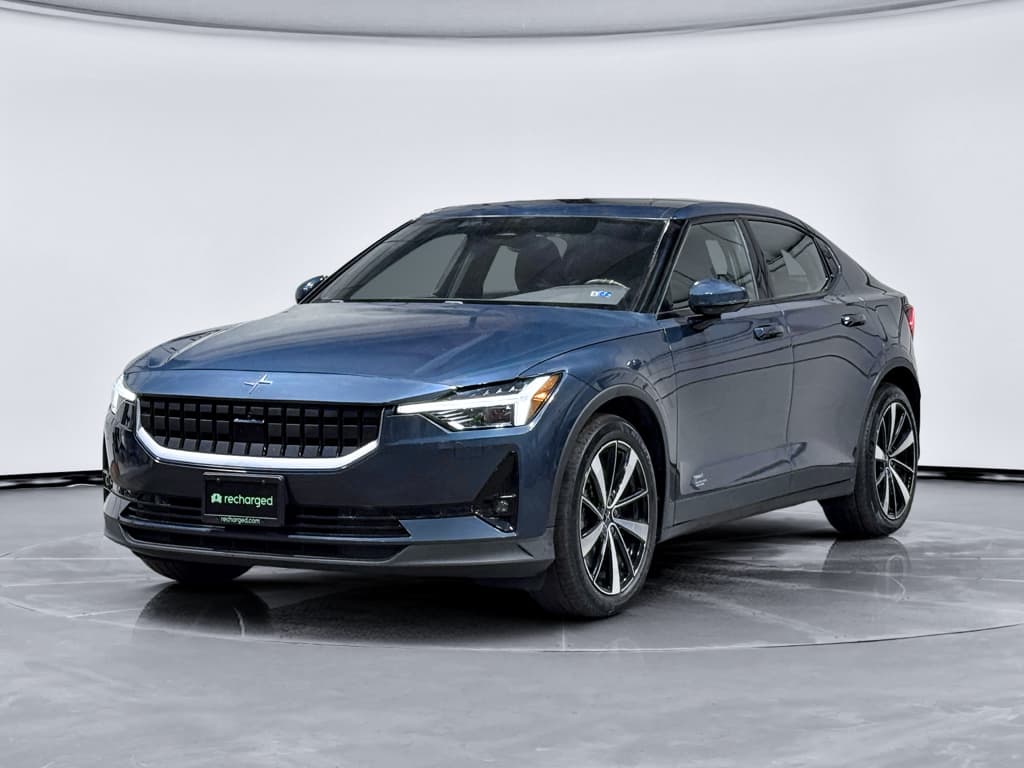
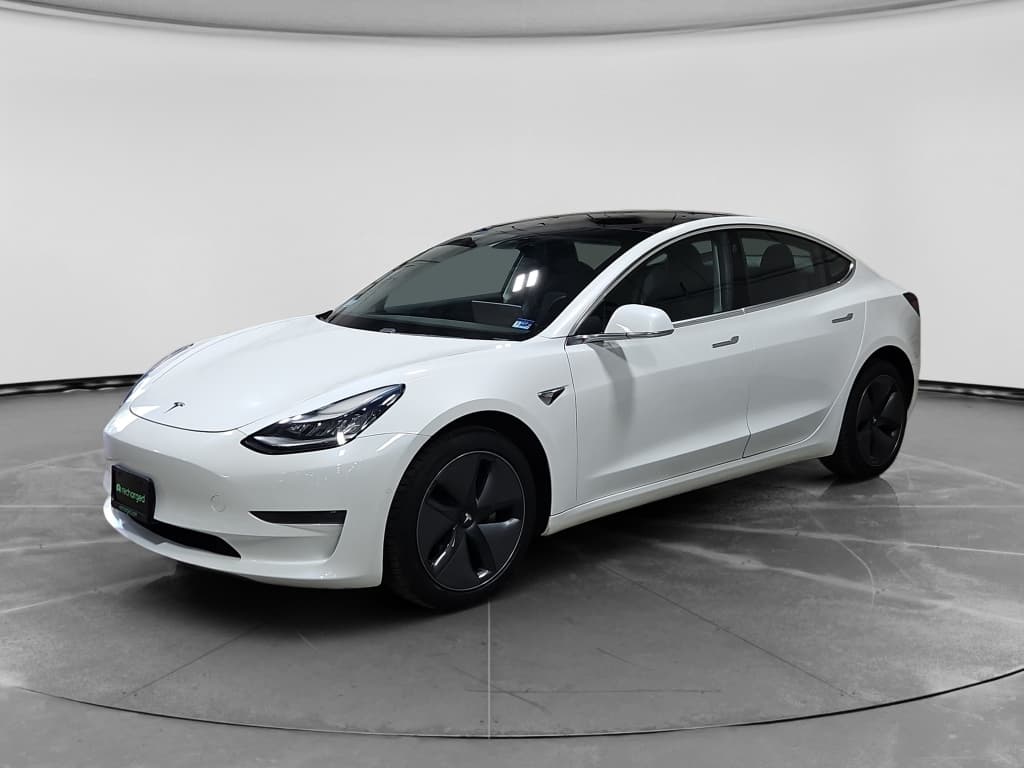
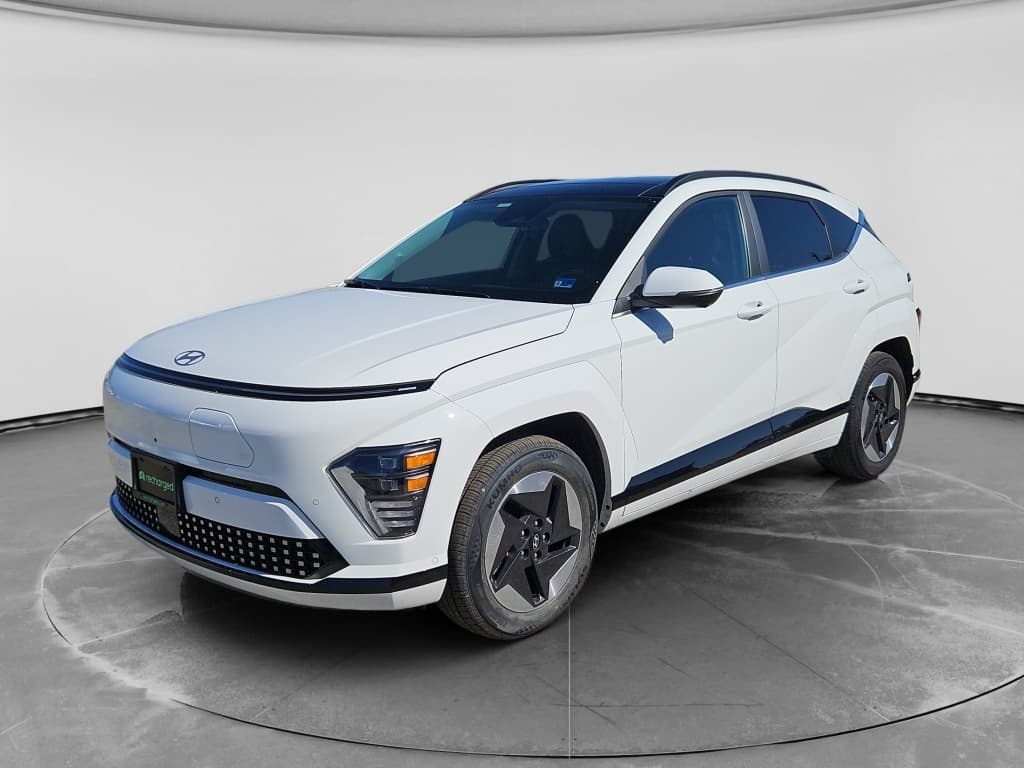
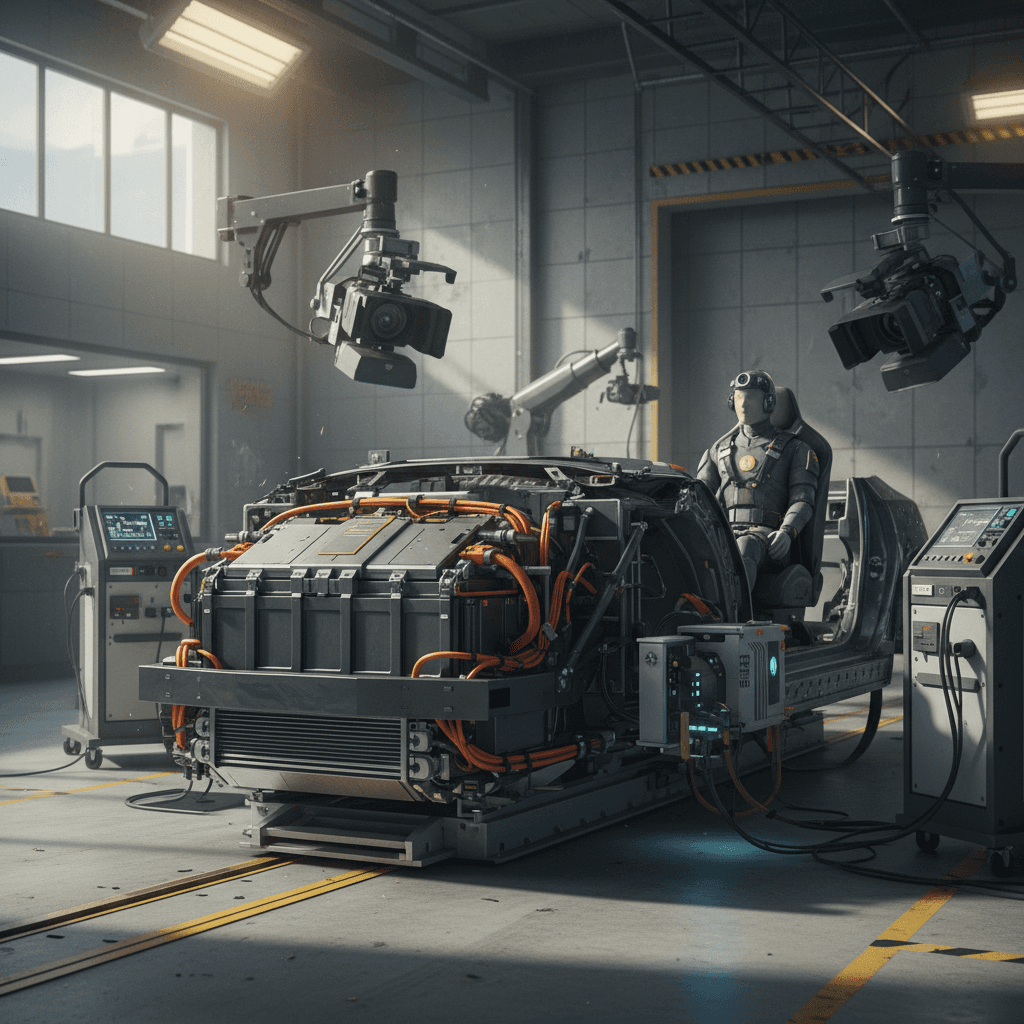
Two independent U.S. bodies do the heavy lifting on crash safety: the Insurance Institute for Highway Safety (IIHS) and the National Highway Traffic Safety Administration (NHTSA). Their most recent rounds of testing show that many mainstream EVs, Hyundai Ioniq 5 and 6, Genesis GV60 and Electrified GV70, Subaru Solterra, Kia EV9, Rivian R1S, and the 2025 Tesla Model Y, to name a few, earn top-tier ratings under increasingly strict criteria.
Those ratings aren’t handed out lightly. To earn Top Safety Pick+, a vehicle has to ace small- and moderate-overlap front crash tests, updated side-impact tests, and show strong performance in pedestrian crash-prevention and headlight evaluations. Several EVs now meet or exceed those marks, making them excellent choices if crash safety is a top priority.
Safety varies by model
Why EVs often perform so well in crashes
Design advantages that help EV safety
The electric layout opens up some powerful safety tricks.
Low center of gravity
Rigid battery structure
Always-on safety tech
Different “engine bay,” similar mission
Instead of a block of cast iron and accessories, EVs have motors low in the chassis and power electronics tucked away. That lets engineers design larger front crumple zones and carefully manage how crash forces travel around the cabin.
In many recent IIHS tests, EVs have shown excellent control of intrusion into the passenger space, which is exactly what you want when the worst happens.
The flip side: weight and speed
The same battery that makes an EV stable also makes it heavy. A midsize electric SUV can weigh as much as a full‑size gas SUV. In a crash with a lighter vehicle, the heavier one tends to protect its own occupants better than the people in the lighter one.
That’s not unique to EVs, it’s basic physics, but it’s worth remembering: the safest road is one where everyone is attentive, regardless of drivetrain.
Battery fires and high-voltage risks
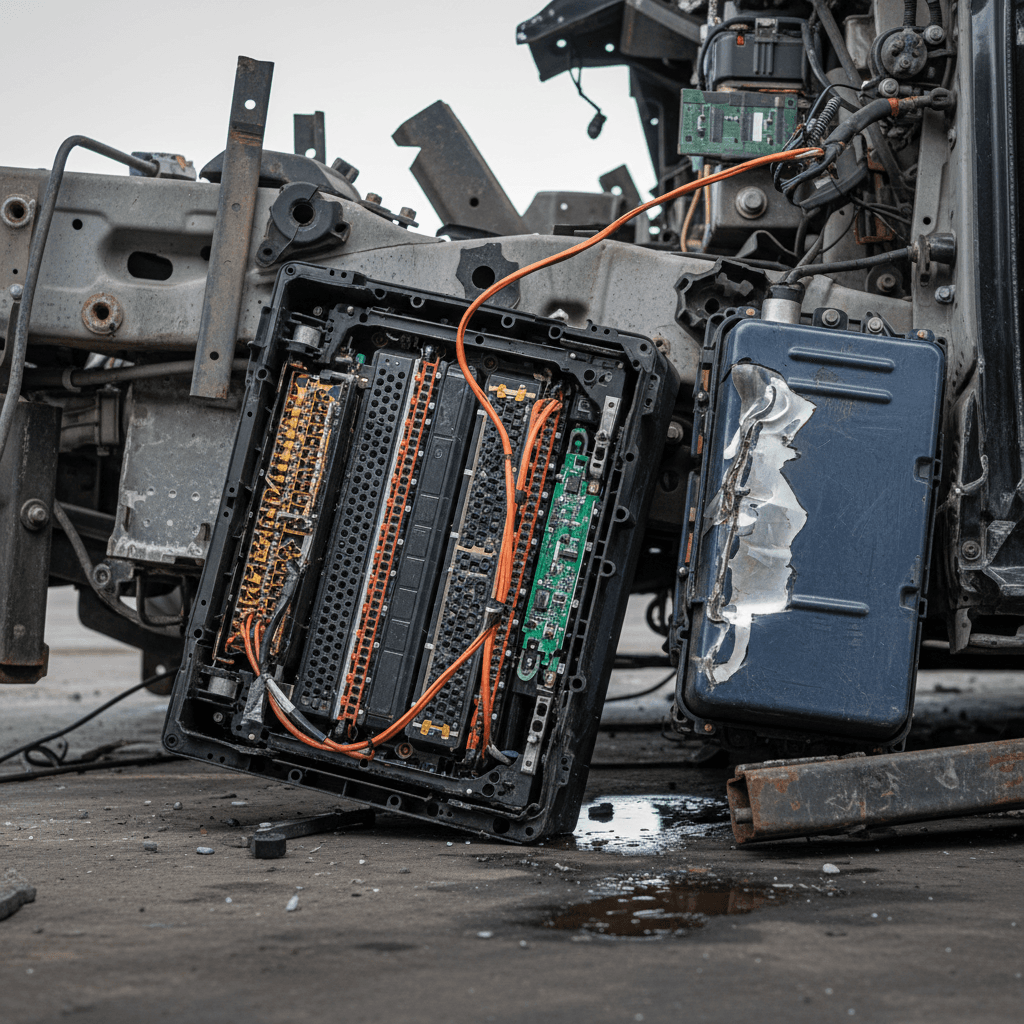
When people ask whether electric vehicles are safe, they’re usually thinking about battery fires. Videos of EVs burning make headlines, and terms like “thermal runaway” sound alarming. It’s important to separate how often these events occur from how dramatic they look when they do.
- Current data suggests EVs catch fire less often than gas vehicles per vehicle on the road, but long-term statistics are still evolving as EV adoption grows.
- An EV fire can be harder for firefighters to extinguish because a damaged battery cell can reignite hours or days later.
- High-profile recalls, like battery-related recalls for certain Porsche Taycan and Audi e-tron GT models, or saltwater exposure guidance after hurricanes, reflect regulators and manufacturers actively tightening safety margins.
What actually causes EV battery fires?
How EVs manage battery and high-voltage safety
A lot of engineering happens behind the scenes so you don’t have to think about 400–800 volts while you drive.
Crash-triggered disconnects
Thermal management systems
Practical safety tips for battery health
Pedestrian safety and quiet EVs
One genuine concern about electric vehicles is that they’re very quiet at low speeds. That’s great for comfort, but less great for people who rely on sound, especially pedestrians who are blind or have low vision, kids, and distracted phone-scrollers stepping off the curb.
To address this, the U.S. now requires most new EVs and hybrids to emit an artificial pedestrian warning sound at low speeds, often below about 19 mph. If you’ve ever heard a futuristic whir or hum as an EV rolls by in a parking lot, that’s the rule at work.
Too quiet is now a recall issue
- Many modern EVs combine these sounds with automatic emergency braking and pedestrian detection to reduce collision risk in parking lots and urban streets.
- Larger electric SUVs, like any large SUV, still sit high and have thick pillars. Cameras, parking sensors, and 360° views are worth seeking out if you do a lot of city driving.
- As an EV driver, you should assume people can’t hear you coming. Drive parking lots like everyone else is distracted, because they probably are.
Survivability, repairs, and insurance realities
Crash tests tell you how well a vehicle protects you in an impact. There’s another side to the safety conversation: what happens after a crash. Here, EVs introduce a few wrinkles around repairs and insurance that are worth understanding.
What happens after an EV crash?
Safety isn’t just about avoiding injuries, it’s about what comes next.
Structural protection can total a car
Specialized repair skills
Insurance trends
From a pure safety standpoint, the repair story is double-edged: you benefit from conservative rules about when a damaged battery pack should sideline a car, but you may pay higher insurance in exchange. When you shop, it’s smart to get an actual quote for your short list of EVs instead of assuming they’ll be cheaper, or more expensive, than a comparable gas car.
EV safety in extreme weather and flooding
Electric vehicles go through rigorous water-ingress and corrosion testing, and they’re designed to be safe to drive in the rain, through car washes, and in typical storms. You don’t have to worry about getting shocked in a puddle. Where things get more serious is deep flooding and especially saltwater exposure.
- Floodwater, especially saltwater, can bridge parts of the high-voltage system and damage the battery pack.
- After major hurricanes, officials have documented a number of EVs catching fire days or weeks after being submerged, as contaminated battery modules short internally.
- Gas cars suffer in floods too: fuel leaks, corrosion, contaminated electronics, and hydro-locked engines can all create fire and safety risks. The common thread is depth and duration of submersion.
What to do if your EV is flooded
Is a used electric vehicle safe to buy?
A used EV can absolutely be a safe buy, in fact, some of the safest EVs on the road are a few years old now. But with high-voltage batteries and complex driver‑assistance tech in the mix, you want more than a quick test drive and a Carfax report.
What you’d check on any used car
- Crash history: Has it been in a serious collision? Multiple airbags deployed? That’s important on any vehicle, but especially on one with sensitive battery protection structures.
- Title status: Salvage or flood branding is a huge red flag for EVs. Walk away from any EV with an unclear history here.
- Airbag and seatbelt systems: Dash lights should be off, and any recalls for restraint systems should be closed out.
Extra checks that matter more on EVs
- Battery health: Instead of guessing from the range display, look for a quantified battery-health report or diagnostic.
- High-voltage recalls: Make sure any battery, charger, or inverter recalls have been completed.
- Charging behavior: Does it DC fast‑charge normally? Does it throw errors at Level 2? Odd behavior can hint at deeper issues.
Where Recharged fits in
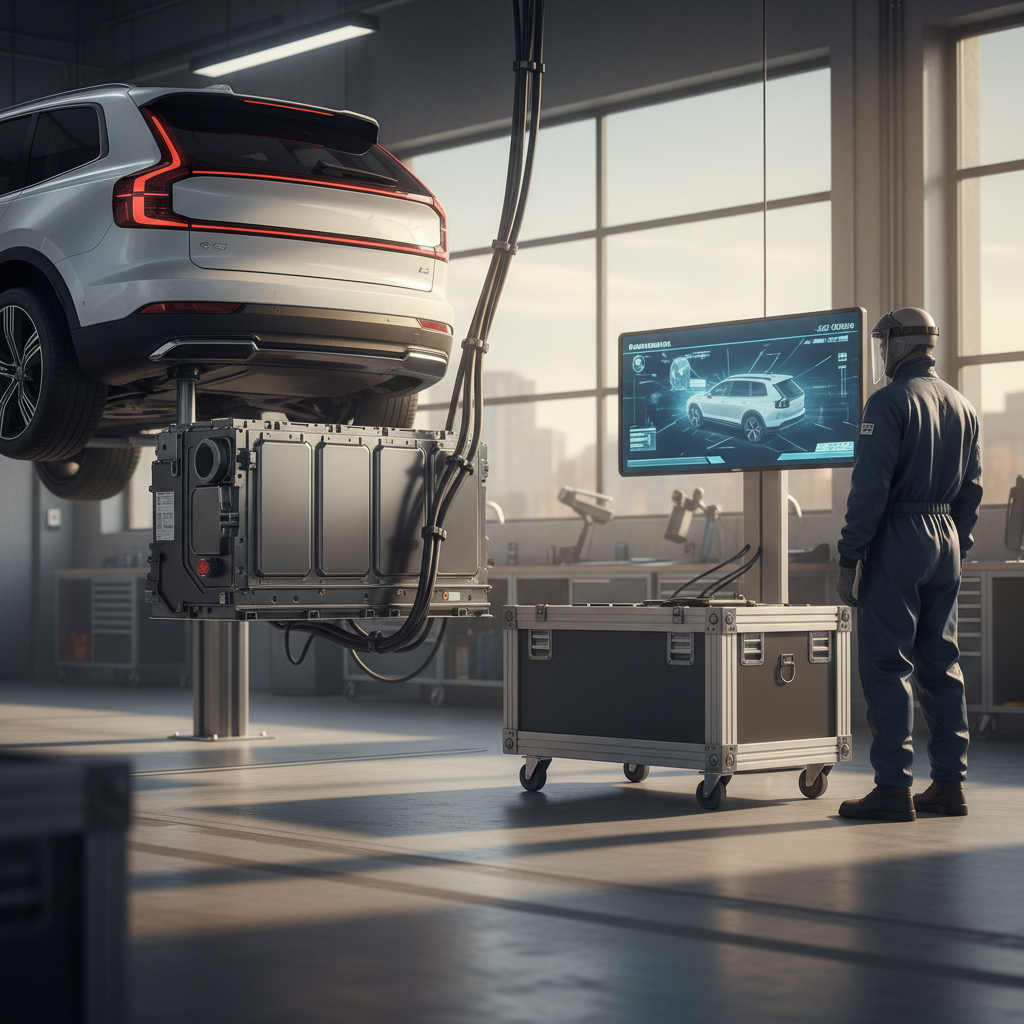
How Recharged evaluates EV safety and battery health
Because EV safety hinges so much on battery condition and how the car has been used, Recharged leans heavily on data rather than gut feel. The goal is to make it easier for you to answer, “Is this specific EV safe and sensible for my family?” instead of relying on generic EV talking points.
Inside the Recharged Score
How we translate a complex EV into an easy-to-read safety-minded report.
Battery health diagnostics
History & recall checks
Model-level safety context
Ready to find your next EV?
Browse VehiclesThe safest car is the one that fits your life, has a clean history, and gives you the information you need to drive it confidently.
EV safety checklist for shoppers
10 quick safety checks before you sign
1. Look up crash test ratings
Search IIHS and NHTSA for the exact year, make, and model. Favor vehicles with Top Safety Pick/Top Safety Pick+ and 5‑star overall ratings where possible.
2. Verify open recalls
Run the VIN through the manufacturer or NHTSA recall tool. Any open safety recalls, especially battery or charging related, should be addressed before or as part of the sale.
3. Inspect for flood or major damage
Check for musty smells, mismatched carpet or interior panels, corrosion on fasteners, or water lines in the trunk. On Recharged, this is part of the Recharged Score review.
4. Ask for battery health documentation
Don’t be shy about asking how the battery was tested and what the results mean in plain English. If you’re buying through Recharged, your report will spell this out clearly.
5. Test all safety systems
On a test drive, verify that lane-keeping, adaptive cruise, blind‑spot monitoring, and automatic emergency braking operate as expected, and that no warning lights remain on.
6. Try multiple types of charging
If possible, plug into a Level 2 charger and, for newer EVs, a DC fast charger. Watch for error messages, abnormal noises, or overheating cables.
7. Check tires and brakes
EVs are heavy, and worn tires or underserviced brakes hurt both safety and range. Look for even tread wear and make sure regenerative braking transitions smoothly to friction brakes.
8. Review insurance quotes
Before you fall in love, get real insurance quotes on your top EV candidates. That helps avoid surprises and lets you compare safety and cost realistically.
9. Consider your driving environment
If you drive mostly in cities, prioritize pedestrian detection, surround‑view cameras, and good low‑speed visibility. If you live in snow country, look for AWD and strong stability control.
10. Factor in expert support
Having EV‑savvy help, whether it’s a trusted mechanic or an EV‑focused retailer like Recharged, can make ownership safer and less stressful, especially in your first electric car.
EV safety FAQ
Frequently asked questions about EV safety
So, are electric vehicles safe? The short answer is that many of today’s EVs are among the safest vehicles you can buy, provided you choose a well-rated model, understand how battery and repair issues work, and avoid cars with murky histories. Whether you’re buying your first EV or trading into your third, take the time to review crash tests, ask hard questions about battery health, and lean on experts who live and breathe this technology. That’s exactly the role Recharged was built to play, so you can enjoy the quiet, quick, low‑emission drive of an EV with full confidence in its safety.