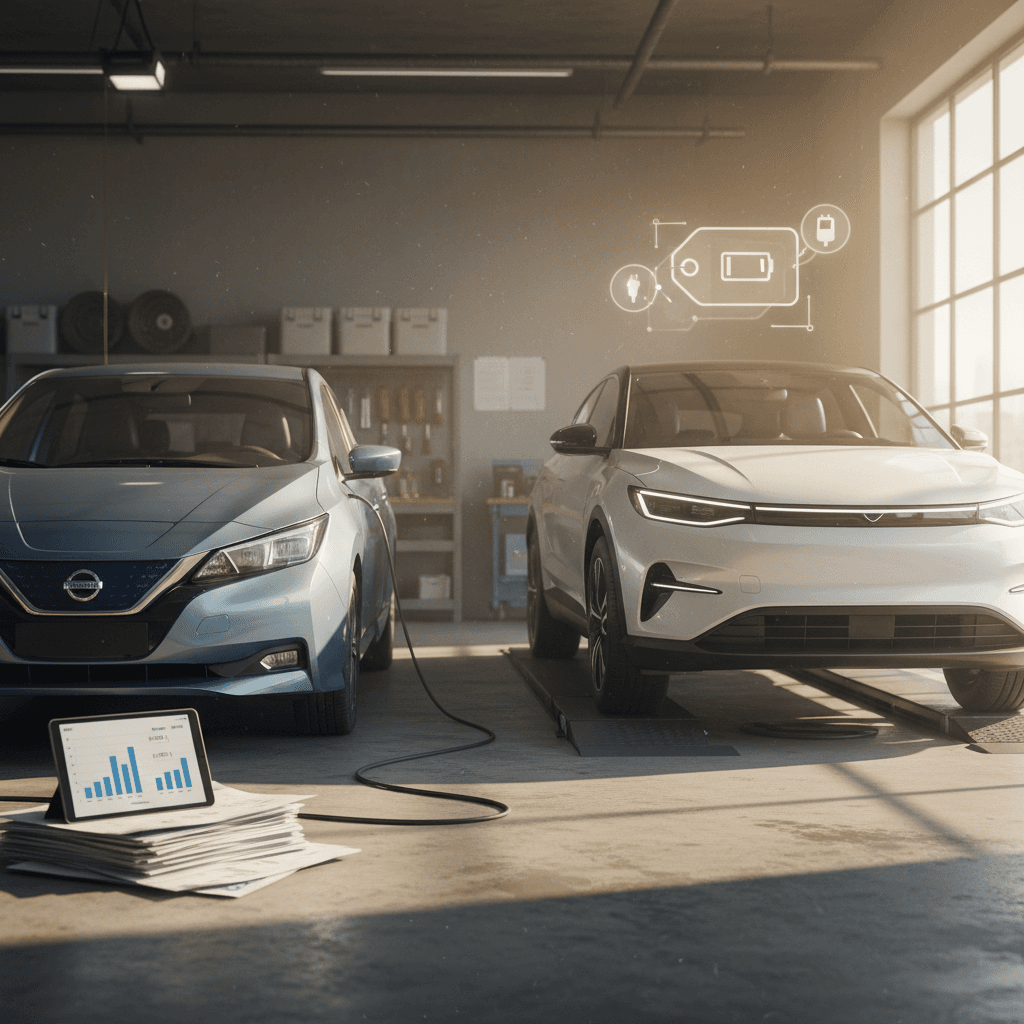
You’ll hear two completely different stories about electric cars. One camp says electric vehicles are more expensive and only make sense for the wealthy. The other insists EVs “pay for themselves” in fuel savings. The truth in 2025 is more nuanced: some EVs are cheaper to own than gas cars, some are more expensive, and a lot depends on what you buy, how you drive, and whether you go new or used.
Why this matters now
Short answer: are electric vehicles more expensive?
Upfront price: usually higher
New EVs still tend to cost more than comparable gas vehicles at the sticker level. In 2025, many mainstream EVs carry roughly a $3,000–$8,000 purchase premium over similar gas models, although discounting and leasing can narrow that gap.
Lifetime cost: depends on the model
Multiple 2024–2025 cost-of-ownership analyses show a split picture. Roughly half of current EVs are cheaper to own over five years than comparable gas cars once you include fuel, maintenance, and incentives, while the other half are still more expensive because of higher purchase price and depreciation.
- If you buy new and choose the wrong EV, it can cost more over 5 years than a comparable gas car, mostly due to depreciation and financing a higher sticker price.
- If you buy used, especially from a seller that verifies battery health, an EV is often cheaper to own than a similar used gas car.
- If you drive a lot of miles and can mostly charge at home, an EV’s fuel and maintenance savings stack up quickly.
Where Recharged fits in
How much more do EVs cost to buy in 2025?
New EV vs gas sticker prices (2025 ballpark averages)
Those ranges are broad, but they capture the reality that purchase price remains the single biggest cost disadvantage for EVs. Even as battery costs fall and manufacturers discount slow-selling EVs, many electric models are still a few thousand dollars more expensive than their gasoline peers.
On the other hand, the EV market is increasingly bifurcated. Some mainstream models are heavily discounted or qualify for attractive leases. Luxury EVs often compare well against equally expensive luxury gas cars, and a number of them already have lower five-year ownership costs than their gasoline counterparts due to fuel and maintenance savings.
Don’t compare a Model Y to a Corolla
Fuel vs electricity: where EVs claw back money
When you look beyond the sticker, energy is where EVs start to earn their keep. Gasoline in the U.S. has bounced around the $3 per gallon mark in recent years. A typical gas sedan getting about 30 miles per gallon costs roughly 10–11 cents per mile to fuel at that price.
A reasonably efficient EV uses about 3–4 miles per kWh. With average U.S. residential electricity around the mid-teens (cents per kWh), that’s usually 3–5 cents per mile when you charge at home, roughly half, and sometimes a third, of the per‑mile fuel cost of gas.
Simple fuel cost comparison (illustrative)
Example annual energy costs at 12,000 miles per year. Your local gas and electricity prices will move these numbers up or down.
| Vehicle type | Efficiency assumption | Energy price | Cost per mile | Annual energy cost (12,000 miles) |
|---|---|---|---|---|
| Gas sedan | 30 MPG | $3.25/gal | $0.11 | $1,320 |
| Gas SUV | 24 MPG | $3.25/gal | $0.14 | $1,680 |
| EV sedan | 3.5 mi/kWh | $0.14/kWh | $0.04 | $480 |
| EV SUV | 3.0 mi/kWh | $0.14/kWh | $0.05 | $560 |
EVs tend to be cheaper to “fuel,” especially for home chargers.
Public fast charging can change the math
Maintenance: why EVs usually win big
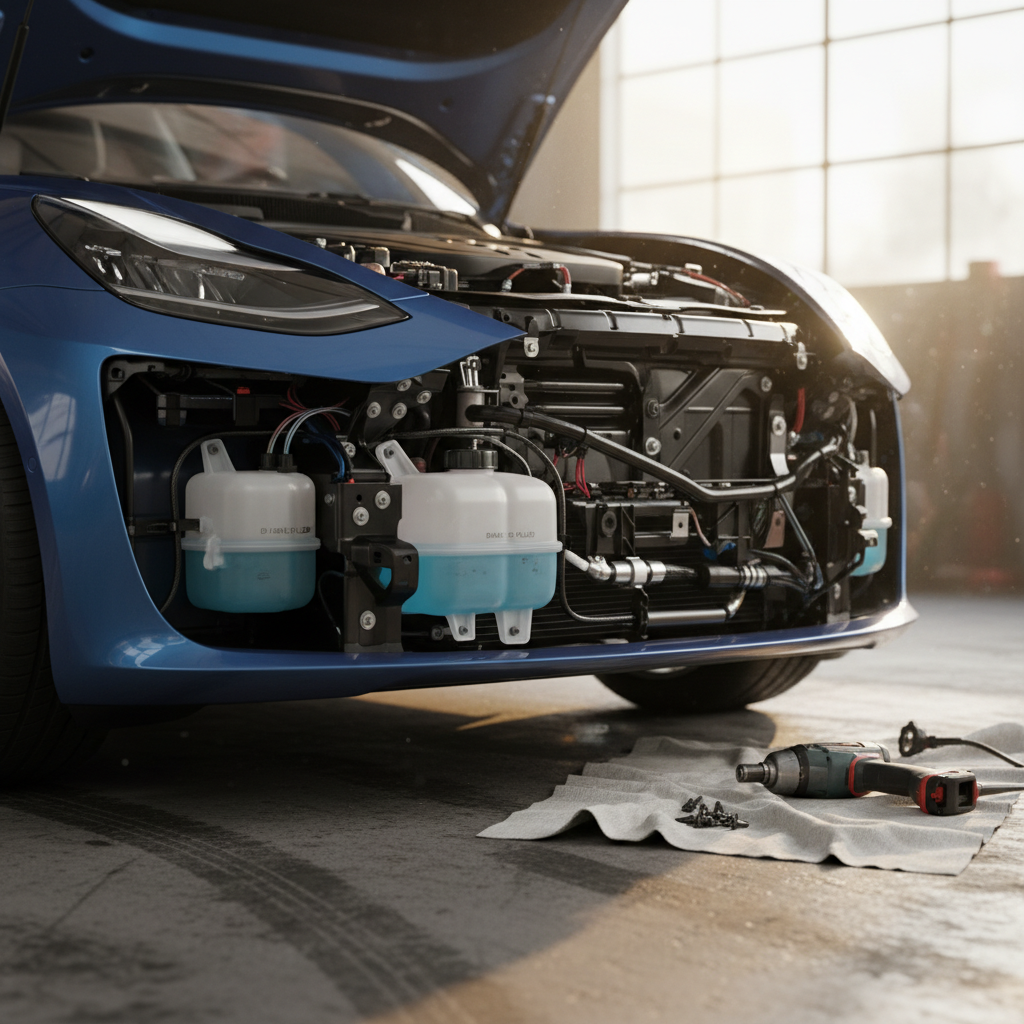
Maintenance is the other category where EVs have a structural advantage. Electric cars have far fewer moving parts than internal combustion vehicles. There’s no engine oil, spark plugs, timing belt, exhaust system, or complex multi-speed transmission to service. Regenerative braking also stretches out brake pad life.
Typical annual maintenance cost comparison
Real-world ranges will vary by model, mileage and region.
Gas car (mid-size)
- Regular oil changes
- Engine tune-ups and fluids
- Exhaust & emissions repairs
- More frequent brake service
Typical annual maintenance: roughly $900–$1,800.
EV (mid-size)
- No oil changes or tune-ups
- Fewer fluids to service
- Brakes last longer thanks to regeneration
- Mostly tire rotations, filters and inspections
Typical annual maintenance: roughly $150–$300.
Different studies put the maintenance savings at 40–70% lower annual spend for EVs versus equivalent gas cars. Over 8–10 years of ownership, that can add up to many thousands of dollars that quietly offset some of the higher upfront cost.
The elephant in the room: battery replacement
Insurance, registration and other “overhead” costs
This is the category that surprises a lot of first‑time EV shoppers. Because EVs can be expensive to repair after a collision and often require specialized body shops, insurance premiums tend to be higher than for comparable gas cars. Various analyses in 2024–2025 have pegged the difference at roughly 20–25% on average, though the gap is highly model- and driver-dependent.
- Some insurers price EVs conservatively because they’re still learning real-world repair costs.
- Higher-value vehicles (which many EVs are) naturally carry higher comprehensive and collision premiums.
- If you live in a state that adds special EV registration fees to replace gas tax revenue, your annual registration may be a bit higher than for a comparable gas car.
How to keep insurance costs in check
Depreciation: the hidden swing factor
Depreciation, the value your car loses over time, is where a lot of the “are EVs more expensive?” debate actually gets decided. For new vehicles, depreciation is typically the single largest ownership cost, bigger than fuel or maintenance.
Recent cost-of-ownership studies comparing dozens of EVs against gas counterparts show a mixed picture. On the plus side, EVs almost always win on fuel and usually on maintenance. On the downside, many EVs, especially mainstream models, are still losing value faster than similar gas cars, partly because technology is moving quickly and new models are heavily incentivized.
What recent studies are finding
Why used EVs look so good
Tax credits and incentives: big if you qualify
Federal and state incentives have been a huge part of the EV cost story. As of late 2025, federal rules have tightened and political winds are shifting, but many new EVs still qualify for some level of tax credit or lease incentive. On the used side, federal credits are scheduled to sunset, but certain state and utility programs continue to offer rebates on vehicles or home chargers.
How incentives affect whether an EV is “more expensive”
Always confirm current eligibility before you buy; rules and programs change frequently.
New EV tax credits
For qualifying buyers and models, a federal tax credit can effectively cut the up‑front price of a new EV by several thousand dollars, turning a higher sticker into a similar or even lower net price than a comparable gas car.
Used EV incentives
Some markets still offer smaller credits or rebates on used EVs or on home charger installation. These don’t change the long‑term math as dramatically but can shave hundreds off your first year of ownership.
State & local policies
On top of federal policy, states may offer rebates, reduced registration fees, carpool lane access, or special electricity rates that further tilt the cost equation in favor of EVs.
Policy is a moving target
Why used EVs can be cheaper than used gas cars
If you’re focused on whether electric vehicles are more expensive for you, the most important distinction might be new versus used. Many of the headlines about high EV ownership costs are based on new-vehicle data. In the used market, the story can flip.
What’s already baked in
- Much of the steep early depreciation has already happened, so you’re paying far less than the original MSRP.
- You still benefit from low fuel and maintenance costs, which matter more as a share of total cost on a cheaper car.
- Software updates can keep many EVs feeling modern longer than equivalent gas cars.
What you still need to watch
- Battery health is crucial; a degraded pack can reduce range and value.
- Older fast‑charging tech may be slower than on new EVs.
- Out‑of‑warranty repairs can be expensive on some brands if you pick the wrong car.
How Recharged lowers your risk
Ready to find your next EV?
Browse VehiclesHow to run your own EV vs gas cost comparison
5 steps to decide if an EV is really more expensive for you
1. Nail down your real alternatives
Don’t compare a compact gas sedan to a luxury EV SUV. Pick the actual gas car you’d buy and an EV that matches on size, performance and features.
2. Estimate your annual miles and energy costs
Use your real annual mileage and local gas and electricity prices. If you can mostly charge at home on a standard residential rate, assume the EV will be around half the cost per mile of gas.
3. Compare maintenance expectations
Look up recommended service intervals for both vehicles. EVs will likely need far less routine service over 5–10 years; factor that into your budget.
4. Include insurance and fees
Get real quotes for both vehicles with the same coverage and deductibles. Check whether your state has extra EV registration fees or EV‑friendly electricity plans.
5. Think about how long you’ll keep it
If you tend to replace cars every 2–3 years, depreciation matters even more. If you keep cars 8–10 years and drive a lot, fuel and maintenance savings dominate the picture.
Use TCO comparisons, not just payment calculators
Common myths about EV costs
Myths vs reality: the cost of going electric
Separating price anxiety from real cost drivers.
“EVs are always more expensive”
Not true anymore. A growing share of EVs, especially in the luxury segment, are already cheaper to own over five years than comparable gas vehicles, even before you factor in local incentives.
“Electricity is getting too expensive”
Public fast charging can be pricey, but home charging remains much cheaper per mile than gasoline almost everywhere in the U.S. That’s where most EV miles are driven.
“Batteries all die at 8 years”
Real‑world data show many EV packs retaining useful range well beyond their 8–10‑year warranties. Degradation is gradual, not a cliff, though verifying battery health on a used EV is still essential.
“EV maintenance is just as bad”
EVs eliminate entire categories of routine service. While some parts (like tires or certain repairs) can be pricey, the overall maintenance burden is substantially lower for most drivers.
“You’ll never recoup the higher price”
It depends. High‑mileage drivers who keep vehicles longer and charge at home often do recoup the price premium, sometimes with thousands to spare. Short‑term, low‑mileage drivers may not.
“Used EVs are a minefield”
Battery health and warranty coverage matter, but with transparent diagnostics and realistic pricing, used EVs can be some of the best bargains in the market right now.
FAQ: Are electric vehicles more expensive?
Frequently asked questions about EV costs
Bottom line: when an EV is (and isn’t) more expensive
So, are electric vehicles more expensive? On the window sticker, usually yes. But when you zoom out to total cost of ownership, purchase price, fuel, maintenance, insurance, depreciation and incentives, the answer becomes, “it depends on the EV, the gas car you’re comparing it to, and how you’ll use it.” For high‑mileage drivers who can charge at home and plan to keep their vehicles for years, many EVs are already cheaper to own than gas options. For low‑mileage or short‑term buyers, especially in models with heavy depreciation, an EV can still end up costing more overall.
If you want to tilt the odds in your favor, focus on the used market, insist on clear battery health data, and run a realistic total cost comparison rather than just looking at monthly payments. That’s exactly the problem Recharged was built to solve, helping you find a used EV where the numbers, not just the marketing, make sense.