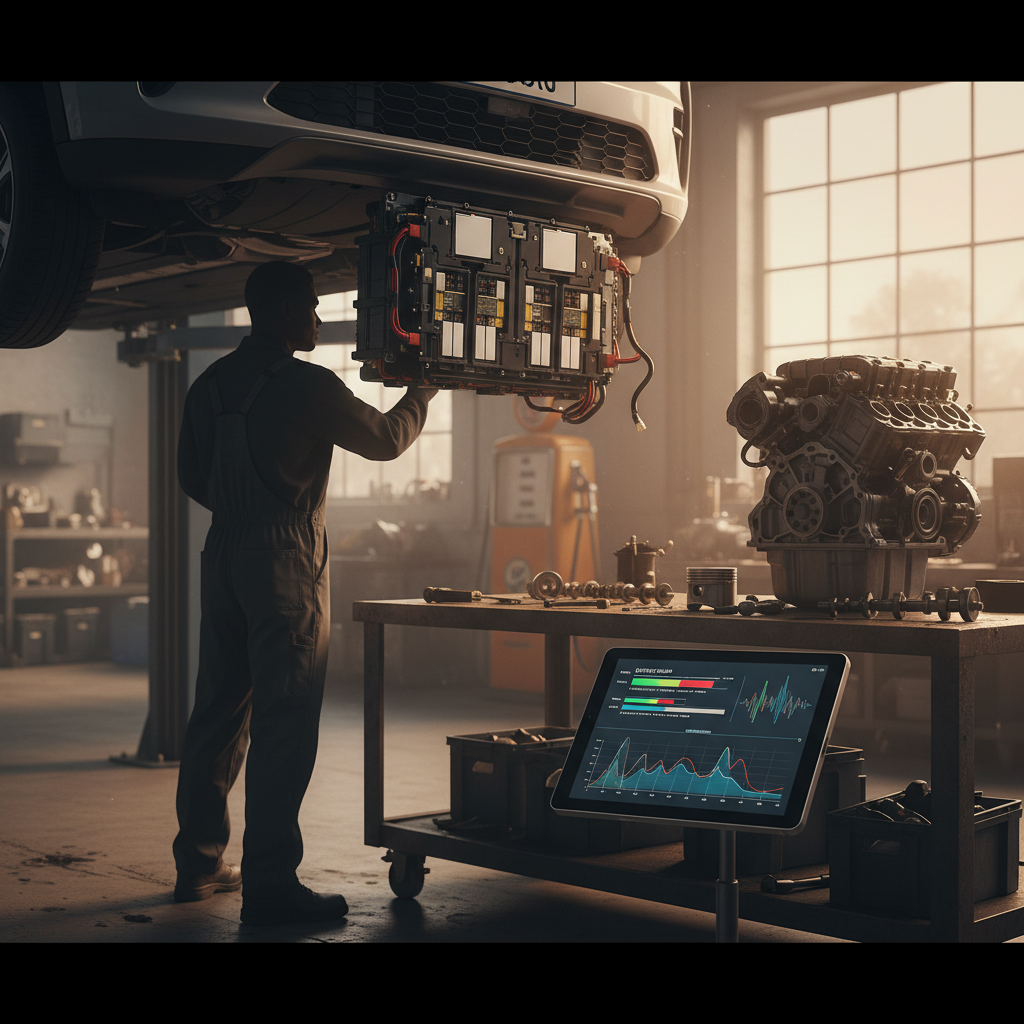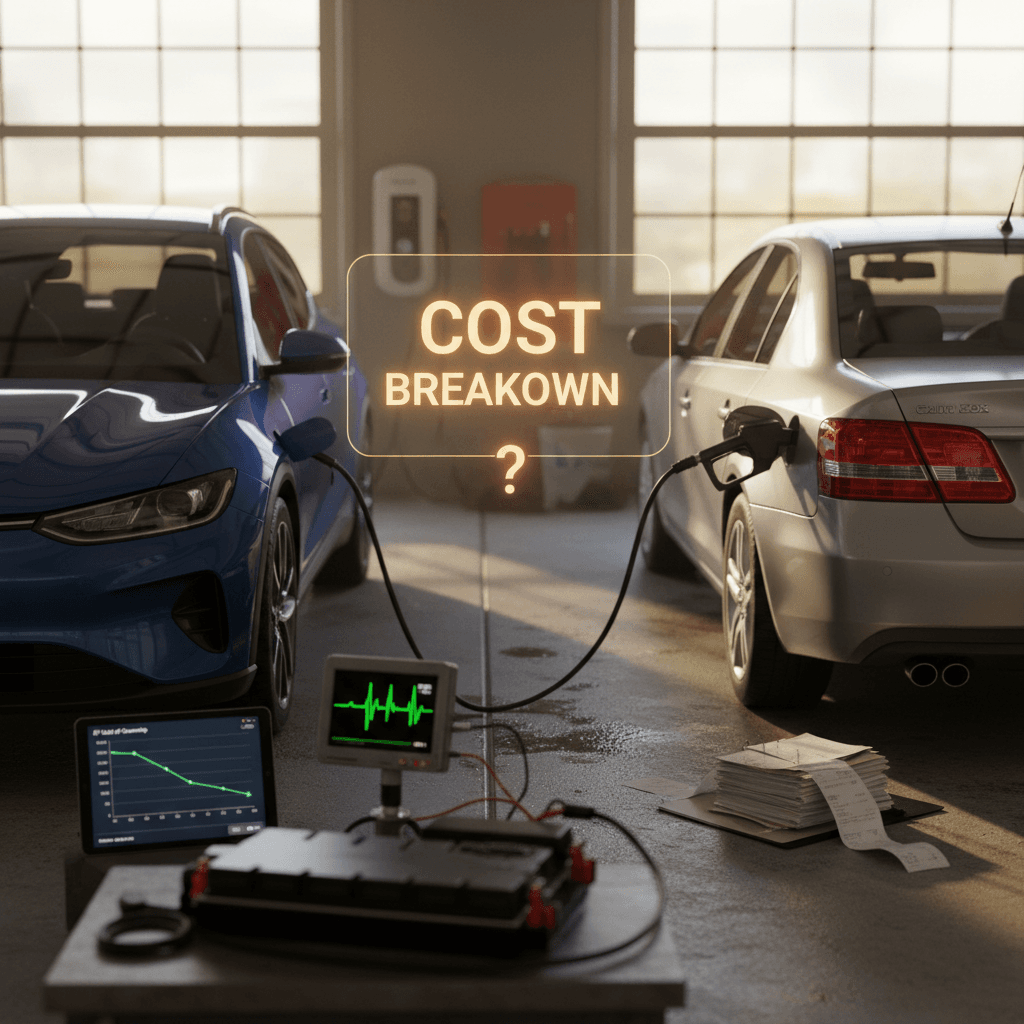
You’re not alone if you’re wondering whether electric cars are more reliable than gas cars. EVs promise fewer moving parts and no oil changes, but you also hear about software bugs, charging issues, and expensive battery packs. In 2025, the honest answer is nuanced: EVs can be more dependable to live with in some ways, but traditional gas cars still win in others, especially when you look at brand‑new models.
Quick context
Short answer: Are electric cars more reliable than gas cars?
For newer vehicles (last 3–4 model years)
Across the industry, recent surveys show that new EVs currently have more reported problems than new gas-only cars. Owners report issues with charging hardware, in-car tech, and sometimes build quality, especially on first- and second-generation EV models.
If your only question is, “Will a brand-new EV have fewer problems than a brand-new gas car?” the current data still leans slightly toward gas cars and conventional hybrids for trouble-free ownership in the first few years.
Over the life of the car
Mechanically, EVs have a big advantage: no engine, no transmission, and far fewer wear items. Over time, that usually means fewer mechanical failures and lower routine maintenance. Once early software and hardware bugs are sorted, many EVs can be extremely dependable day to day.
So in the long run, a well-sorted EV from a reliable brand can absolutely be as reliable or more reliable than a comparable gas car, especially when you factor in maintenance.
Big-picture takeaway
How we actually measure car reliability
Before we crown a winner, it helps to understand how reliability is measured. Organizations like Consumer Reports and major insurance and repair-data firms track hundreds of thousands of vehicles and look at problems across areas like:
- Powertrain: engine, motor, transmission, drive units
- Electrical and electronics: screens, cameras, sensors, driver-assistance systems
- HV battery and charging: onboard charger, DC fast-charging hardware, charge port
- Climate and comfort: HVAC, seats, interior rattles, door seals
- Body and structure: paint, trim, sunroof, tailgates
- Collision and repair data: how often cars are in the shop and what those repairs cost
Reliability is not just “Does it start?” It’s how often it needs unscheduled repairs, how serious those repairs are, and how much they cost, especially once the factory warranty runs out.
What the latest data says in 2025
EV vs gas car reliability: where things stand
So, on paper, new EVs still have more reported problems, driven mostly by software, infotainment, and charging equipment, not motors or battery packs suddenly dying. At the same time, EVs are cheaper to keep serviced and, so far, major battery failures are rarer than many people fear.
Why this data is a moving target
Where electric cars are more reliable than gas cars
Day to day, living with an electric car can feel more dependable and drama‑free than a gas car, especially as the miles add up. Here’s where EVs really shine.
Electric-car reliability advantages
Fewer moving parts, fewer things to break
Far fewer moving parts
No oil changes or tune‑ups
Regenerative braking
Smooth driveline
Predictable maintenance costs
Strong component warranties
Where gas cars still have a reliability edge
If EVs are so simple, why do the reliability surveys still favor gas cars and conventional hybrids? It comes down to maturity and complexity in other areas.
Why gas cars still look better in some surveys
It’s not about engines never breaking, it’s about familiarity and refinement
New tech vs proven platforms
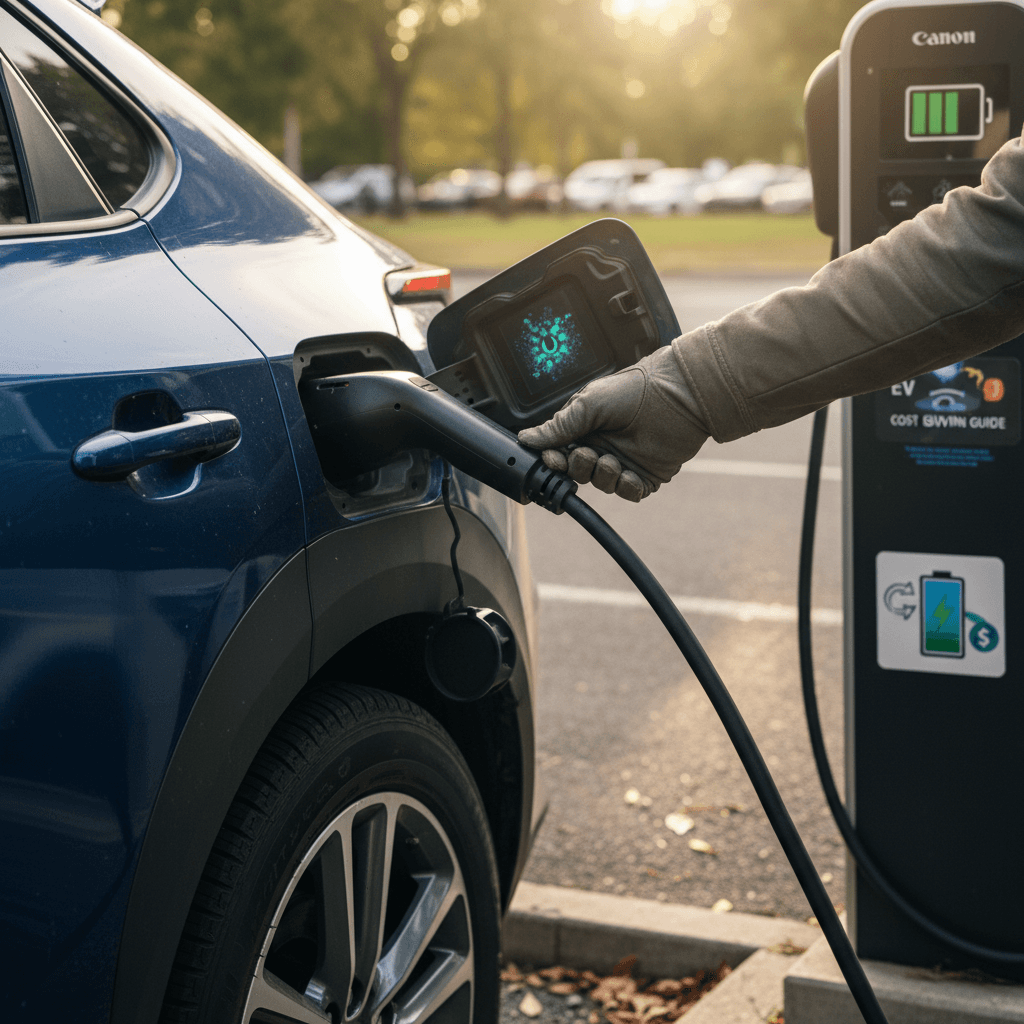
Charging hardware headaches
In-car electronics and driver assists
Repair shop readiness
Watch the first model years
Battery health: the big reliability question for EVs
For many shoppers, battery health is the reliability question: “Will the pack suddenly die and cost me $15,000?” The good news is that, in the real world, catastrophic pack failures are rare, and most EVs show gradual, manageable degradation instead of sudden death.
- Most modern EV batteries are designed to last 10–15 years or well over 150,000 miles in typical use.
- You’ll usually see gradual range loss (for example, an original 250‑mile car might be down to 220–230 miles after many years).
- Ultrafast DC charging and extreme heat can accelerate degradation, especially if the car is frequently charged to 100%.
- If a module fails early, it often shows up while the battery is still under warranty, and the manufacturer will repair or replace it.
How Recharged measures battery health
That said, batteries are expensive enough that they dominate the reliability conversation. A failing fuel pump on a gas car hurts; a failing pack on an out‑of‑warranty EV can be a deal‑breaker. This is why battery transparency is so important when buying used.
Maintenance and repair costs: reliability you can feel in your wallet
You don’t just care about how often a car breaks, you care about how much it costs when it does. Here’s how EVs and gas cars compare on ongoing costs.
Typical cost patterns: EV vs gas car
High-level view of how electric and gas cars differ once you start adding miles.
| Category | Battery-electric EV | Gas car |
|---|---|---|
| Scheduled maintenance | Lower: fewer items (no oil, fewer filters, no timing belt) | Higher: regular oil, filters, belts, plugs |
| Brake wear | Lower: regenerative braking extends pad life | Higher: friction brakes do most of the work |
| Unscheduled repairs | Often fewer major mechanical failures, but more software/charging issues early on | Fewer tech glitches, more classic mechanical issues as miles climb |
| Collision repairs | Higher: specialized labor, battery safety checks, parts costs can be steep | Generally lower and widely understood by shops |
| Long-term ownership | Strong if battery stays healthy; fewer major wear items long-term | Strong, but more big-ticket engine/transmission repairs as the car ages |
Actual numbers vary by model and region, but the patterns are consistent.
Think in <strong>total cost</strong>, not just repair bills
Used electric car vs used gas car: what’s more reliable?
A lot of shoppers are comparing a used EV to a used gas compact or SUV in the same price range. Reliability calculus changes a bit in the used market.
Where a used EV can be a safer bet
- Lower-mileage drivetrains: Motors and single-speed gearboxes often show very little wear even when the odometer is high.
- Less neglected maintenance: There’s no such thing as skipped oil changes, so previous owners can’t quietly sabotage the engine the way they can on a gas car.
- Simpler inspections: A good scan of the battery, charging system, and high‑voltage components tells you a lot quickly.
Where a used gas car still feels safer
- Cheap, known repairs: Any independent shop can handle most issues, often with used or aftermarket parts.
- No giant battery question mark: You don’t worry about a five‑figure pack replacement after warranty.
- Plenty of history: Mechanics have decades of experience with common failures on popular gas models.
How Recharged de‑risks used EV reliability
Ready to find your next EV?
Browse VehiclesChecklist: How to shop for a reliable electric car
10 steps to pick a dependable EV
1. Prioritize mature models
Look for EVs that have been on the market a few years with solid reliability records. Facelifts and software updates are fine; avoid very first‑year, clean-sheet designs if bulletproof reliability is your top priority.
2. Research brand and model reliability
Check owner surveys and expert reviews, focusing on <strong>charging system, electronics, and battery</strong> issues. Some EVs are rock‑steady; others are still sorting out early bugs.
3. Get verified battery health data
Don’t accept “it charges fine” as proof. Use a seller that provides <strong>battery state-of-health</strong> readings and fault-code scans, like the Recharged Score report on every EV listed on Recharged.
4. Review charging history and habits
Ask how the previous owner charged: mostly home Level 2 and partial charges are ideal. Heavy use of 100% fast charges in hot climates can accelerate battery wear.
5. Confirm remaining warranty coverage
Many EV batteries and drive units are covered for <strong>8 years or more</strong>. Know the in‑service date and exact warranty terms so you understand how long you’re protected.
6. Inspect tires, brakes, and suspension
EVs are heavy and quick, which can be hard on tires and suspension. Check for uneven wear, worn bushings, and tired shocks, these are still classic reliability items, even on an EV.
7. Test all charging options
During a pre‑purchase inspection, plug into both Level 2 and (if possible) DC fast charging. Make sure the car communicates properly and charges at expected speeds, with no warning lights.
8. Stress-test the tech
Spend time with the <strong>infotainment, cameras, Bluetooth, and driver‑assist features</strong>. Many owner complaints center on software glitches, not motors or batteries.
9. Look for clean history and quality repairs
Check for major accident damage, especially to the battery area. If the car has been in a significant collision, confirm that all necessary high‑voltage checks and repairs were done by qualified shops.
10. Buy from an EV‑savvy seller
Dealers and marketplaces that specialize in EVs, like Recharged, tend to understand battery health, charging, and software updates, and can guide you through questions that traditional dealers may not be equipped to answer.
FAQ: EV vs gas car reliability
Frequently asked questions
Bottom line: Should you trust an electric car?
If we reduce everything to a scoreboard, gas cars and conventional hybrids still look more reliable on paper for brand‑new models in 2025. They’re mature, well‑understood, and less burdened by bleeding-edge software. But that’s not the whole story.
Electric cars trade some early‑generation tech headaches for extremely simple mechanical guts and dramatically lower routine maintenance. Once the early bugs are worked out, many EVs settle into a quietly dependable life of plug‑in, drive, repeat, without the oil leaks, transmission slips, or exhaust rust that plague aging gas cars.
So are electric cars more reliable than gas cars? Today, the fairest answer is: a good EV can be just as reliable as a good gas car, and often cheaper to keep on the road, if you choose wisely. That means picking the right model, paying attention to battery health, and buying from people who actually understand these cars.
If you’re ready to explore a used EV with transparent battery data and expert guidance, browsing Recharged is a smart next step. You can compare vehicles side by side, see each car’s Recharged Score Report, and get help from EV specialists who live and breathe this technology, so reliability becomes a known quantity, not a roll of the dice.