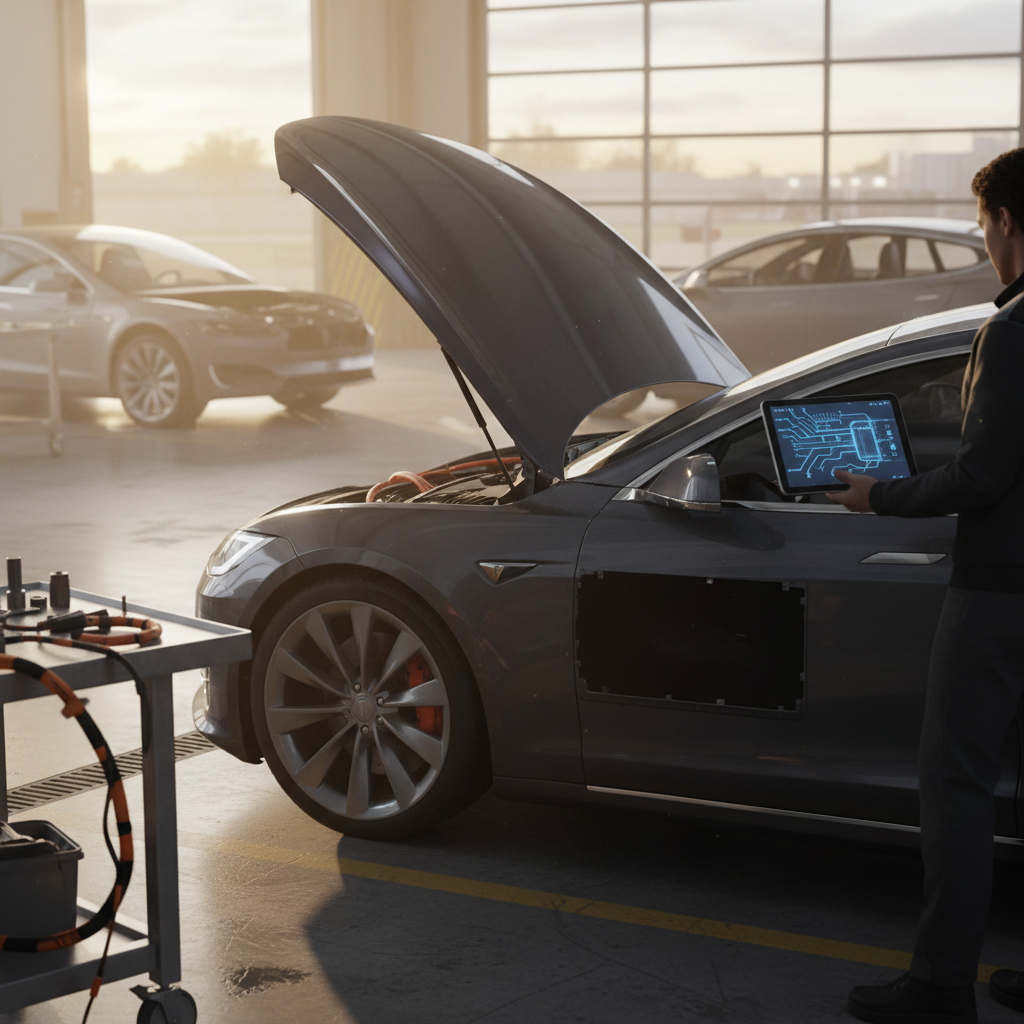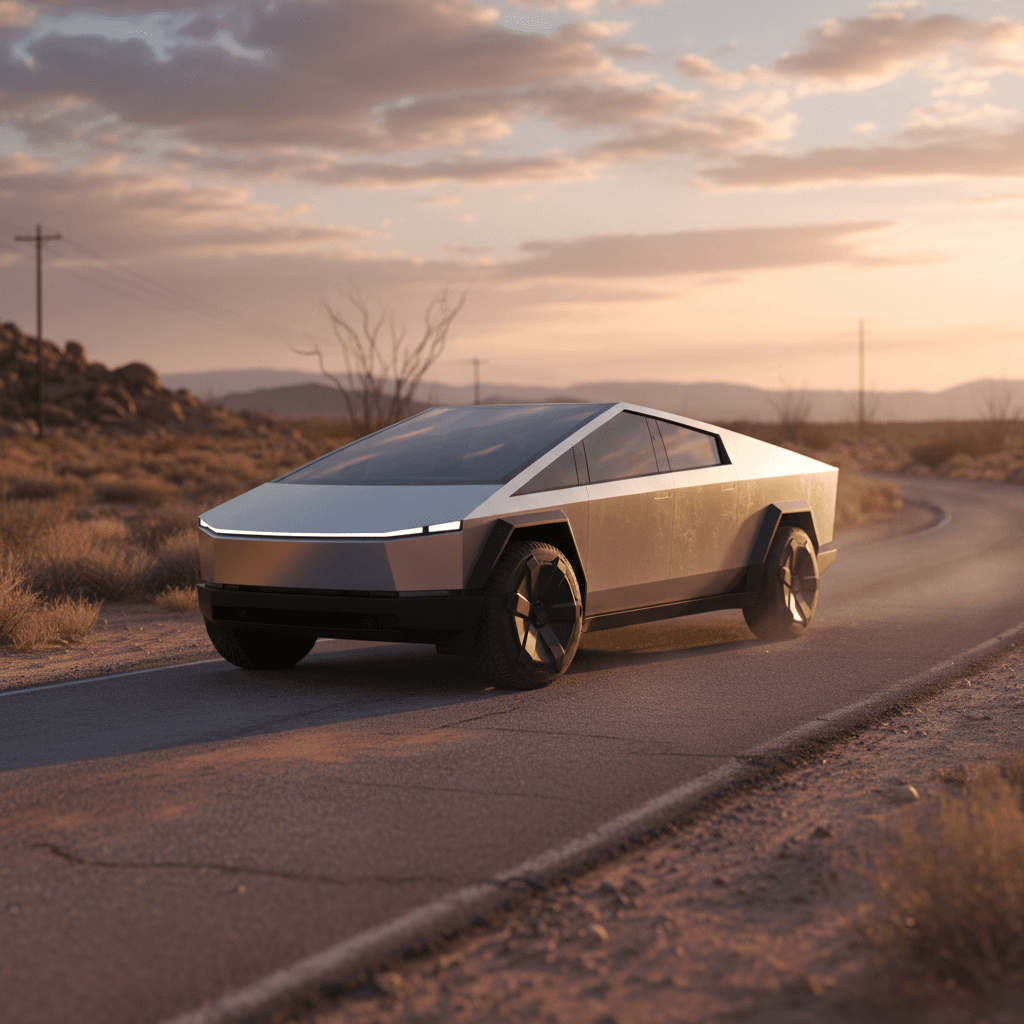
If you’re new to EVs, it’s easy to wonder: are all Tesla cars electric, or does Tesla quietly sell a few gas or hybrid vehicles somewhere in the lineup? The short version: every Tesla you see on the road today, new or used, is a pure battery‑electric vehicle (BEV), with no gas engine and no hybrid system.
Key takeaway
Short answer: Are all Teslas electric?
Yes. All Tesla vehicles are fully electric. The company was founded in 2003 specifically to build battery‑electric cars, starting with the first‑generation Roadster that entered production in 2008 as a highway‑legal electric sports car. Since then, Tesla has expanded into sedans, SUVs, a pickup and even a Class 8 truck, still with no internal‑combustion engines anywhere in the portfolio.
- No Tesla has a gasoline or diesel engine.
- Tesla doesn’t sell traditional hybrids or plug‑in hybrids (PHEVs).
- Every Tesla on sale today is powered solely by one or more electric motors and a lithium‑ion battery pack.
Don’t be misled by terms like “range extender”
Why Tesla only builds electric vehicles
Tesla’s entire business is built around battery‑electric vehicles and clean energy products, from cars and trucks to solar and stationary storage. The company’s mission is famously centered on “accelerating the world’s transition to sustainable energy,” and that’s reflected in a lineup that excludes combustion engines entirely.
Why Tesla skipped gas and hybrids
Three strategic reasons Tesla stayed pure EV from day one
Brand & mission
Tesla positioned itself as an all‑electric brand from launch. A gas or hybrid model would conflict with its core identity and climate‑focused mission.
Engineering focus
By skipping engines and transmissions, Tesla could focus R&D on batteries, motors and software, gaining an early lead in EV efficiency and performance.
Ecosystem play
A pure‑EV lineup supports investments in Superchargers, home energy and storage, tying vehicles into a broader clean‑energy ecosystem.
What this means for you
Current Tesla lineup: Every fully electric model
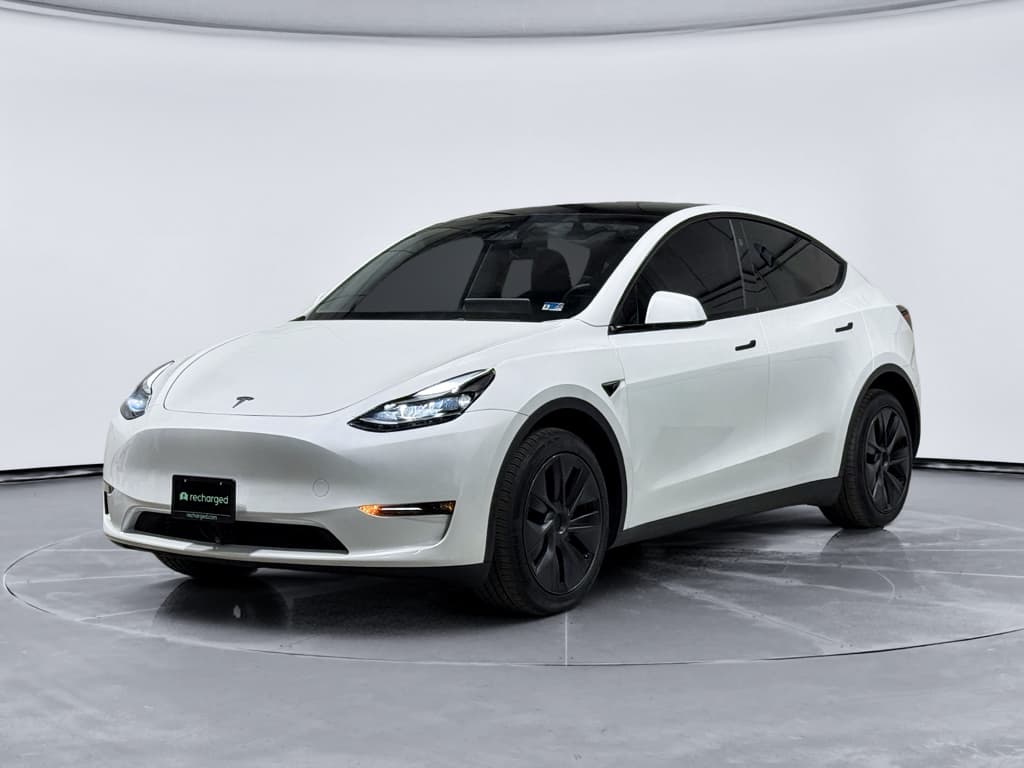
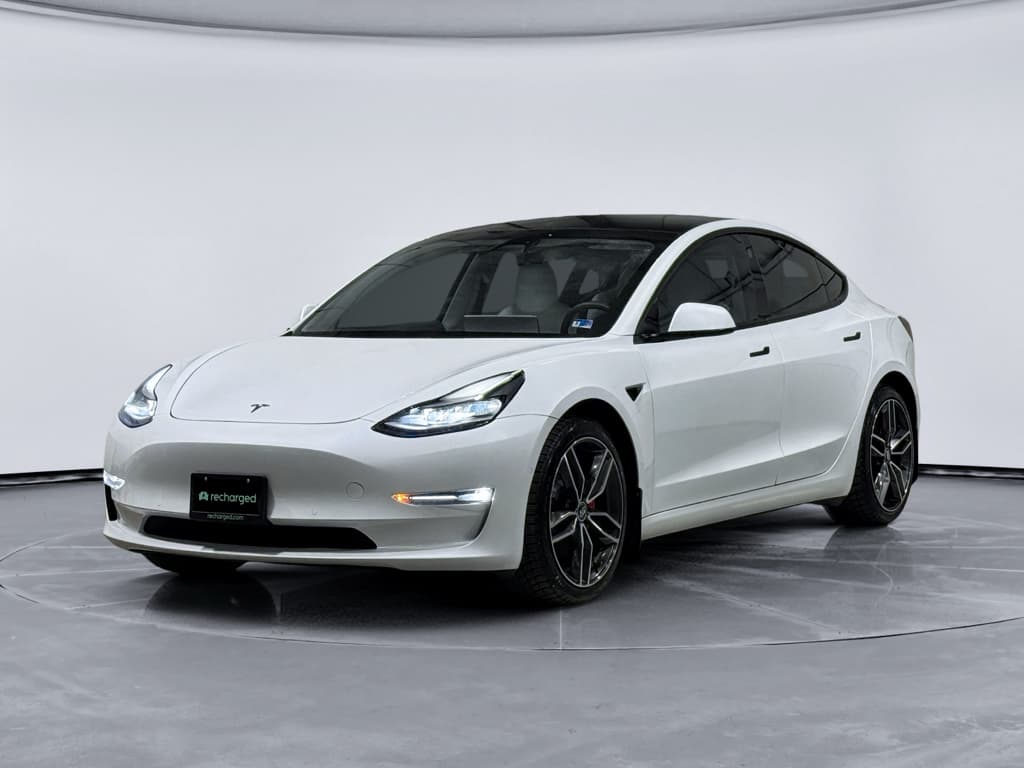
In 2025, Tesla’s passenger‑vehicle lineup revolves around four familiar nameplates, Model S, Model 3, Model X, and Model Y, plus the newer Cybertruck. All are battery‑electric and use either one, two, or three electric motors depending on trim.
Tesla’s core EV lineup at a glance
Model 3 & Model Y: Tesla’s volume EVs
For most buyers, the Model 3 sedan and Model Y crossover are the entry points into the Tesla ecosystem. They share much of their underlying hardware, including electric motors and battery technology, but come in different body styles, 3 is a low sedan, Y rides higher with more cargo space.
Both are available in single‑motor rear‑wheel‑drive and dual‑motor all‑wheel‑drive configurations, with long‑range variants designed to maximize battery range between charges.
Model S & Model X: Flagship electric vehicles
Model S and Model X sit at the top of Tesla’s passenger lineup as larger, more premium EVs. They offer longer ranges, higher‑end interiors, and performance‑oriented Plaid versions with extremely quick 0–60 mph times.
Both are still all‑electric, just like their smaller stablemates, no gas engines hiding under the floor, just more battery and more power.
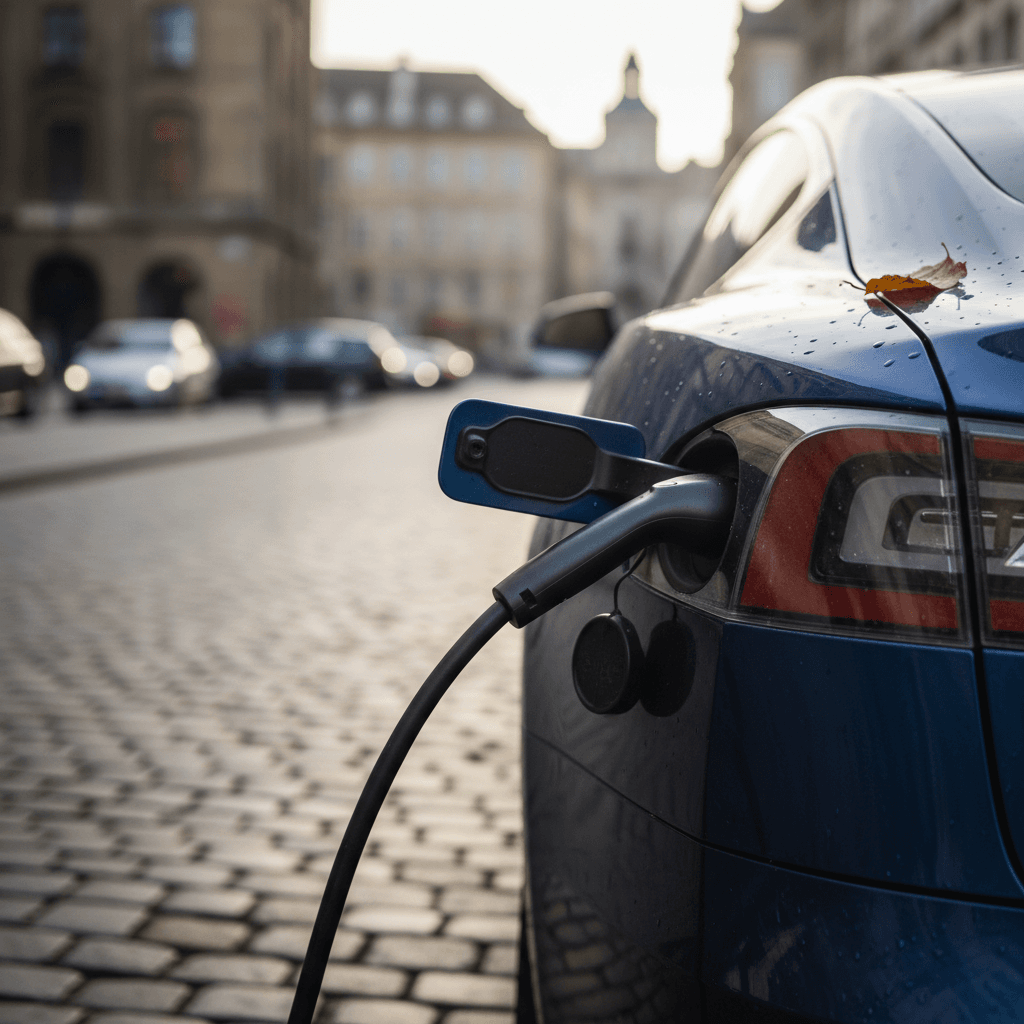
What about the Cybertruck?
Upcoming and special Tesla EVs
Beyond its core passenger cars, Tesla builds or has announced several specialized EVs that underline the brand’s commitment to electricity only, no diesel or gas options even in commercial applications.
Beyond the core lineup
These vehicles are electric too
Tesla Semi
The Tesla Semi is a battery‑electric Class 8 tractor designed for freight hauling, powered by three electric motors and a large battery pack. It’s built to replace diesel semis with lower operating costs and zero tailpipe emissions.
New Tesla Roadster
The next‑generation Tesla Roadster is an upcoming all‑electric sports car with eye‑catching performance targets and a large battery pack. Like the original 2008 Roadster, its powertrain is fully electric.
Cybercab / Robotaxi
Tesla has also unveiled the Cybercab concept, a small, two‑passenger self‑driving EV meant for future robotaxi service. Even in this autonomous future vision, propulsion remains 100% electric.
Consistency across segments
Tesla vs hybrids and plug‑in hybrids
If you’re coming from brands like Toyota, Ford, or BMW, you’re used to decoding model names: some trims are conventional gas, others are hybrids, others are plug‑in hybrids. With Tesla, that complexity disappears because there is no gas option at all.
How Tesla compares to hybrids and PHEVs
Think of Tesla as an EV‑only brand, while many competitors straddle both fossil fuel and electric worlds.
| Type | Power source | Typical brands | Does Tesla offer it? |
|---|---|---|---|
| Gasoline car | Gas engine only | Toyota, Honda, Ford, BMW | No |
| Hybrid (HEV) | Gas engine + small battery, can’t plug in | Toyota Prius, Honda CR‑V Hybrid | No |
| Plug‑in hybrid (PHEV) | Gas engine + chargeable battery | Toyota RAV4 Prime, Ford Escape PHEV | No |
| Battery‑electric vehicle (BEV) | Battery + one or more electric motors | Tesla, Hyundai Ioniq 5, Chevy Equinox EV | Yes – this is every Tesla |
Tesla keeps things simple by only building BEVs, while other automakers offer mixed lineups.
You can’t run a Tesla on gas
Charging a Tesla: What you need to know
Because all Teslas are electric, charging is a core part of ownership. The good news: daily charging is straightforward, and the combination of home charging plus Tesla’s Supercharger network makes road‑tripping practical for most drivers.
- Home charging: Most owners charge overnight using a Level 2 wall connector or a 240‑volt outlet, adding dozens of miles of range per hour.
- Public Level 2: Workplace and destination chargers top you up while you’re parked for longer stretches.
- DC fast charging: Tesla Superchargers can add significant range in 15–30 minutes, especially on newer models.
Thinking about home charging?
Buying a used Tesla: What to look for
Knowing that all Tesla cars are electric narrows your powertrain choices, but you still need to evaluate battery health, charging history, and pricing, especially on the used market, where condition can vary widely.
Used Tesla buying checklist
1. Verify battery health
Battery capacity and fast‑charging behavior are central to Tesla ownership. A detailed health report helps you understand how much range you’re realistically getting today compared with when the car was new.
2. Review charging habits
Cars that lived mostly on home Level 2 charging typically see gentler long‑term battery wear than vehicles that were fast‑charged multiple times a week.
3. Inspect software & features
Tesla leans heavily on software. Confirm that key features, Autopilot options, connectivity, heated seats, match the listing and that the car is on up‑to‑date firmware.
4. Check for accident and repair history
EVs are still cars. Review any collision repairs, panel gaps, and warning lights just as you would with a gas vehicle.
5. Compare pricing to the broader EV market
Used Tesla prices have shifted as more EV brands enter the market. Compare against similar EVs and factor in incentives, charging access, and your real‑world driving needs.
How Recharged can help
Ready to find your next EV?
Browse VehiclesFAQ: Are all Tesla cars electric?
Frequently asked questions about Tesla and electricity
Bottom line: Are all Tesla cars electric?
If you’re wondering “are all Tesla cars electric?” the answer is easy to remember: yes. Tesla built its brand on battery‑electric vehicles and has never offered a gas, diesel, or hybrid model, whether you’re talking about a compact Model 3, a family‑friendly Model Y, a Cybertruck, or even the Tesla Semi.
For you as a shopper, that simplifies things. Choosing a Tesla is effectively choosing to go all‑in on electric. From there, it’s about picking the right body style, range and price, and making sure the specific used car you’re considering has a healthy battery and honest pricing. That’s exactly where a marketplace like Recharged can help, with verified battery diagnostics, transparent pricing and EV‑savvy advisors to guide you from first click to final delivery.