Search for “all EV vehicles” today and you’ll drown in lists, specs, and alphabet soup, BEV, PHEV, NACS, CCS, Ultium, and more. This guide cuts through the noise and gives you a clear, 2025-focused view of all EV vehicle types, which models matter most, and how to shop the growing used EV market with confidence.
Quick note before we start
What People Really Mean by “All EV Vehicles”
When shoppers say they want to see all EV vehicles, they usually mean one of three things: 1. A simple explanation of the different kinds of electric vehicles. 2. A sense of which EV body styles exist today (cars, SUVs, trucks, vans). 3. A short list of key models in each category so they’re not starting from zero. That’s exactly how this article is structured: first the big categories, then the major segments, then a focus on how to actually pick the right EV, especially if you’re looking at the used market.
Three common reasons people search for “all EV vehicles”
Most shoppers fall into one of these camps
“I’m just trying to understand EVs.”
You’re early in the journey and want plain‑English definitions of BEV vs. hybrid vs. plug‑in hybrid.
“I want to know what’s out there.”
You’re cross‑shopping gas and electric and need to see which EV body styles actually fit your life.
“I’m ready to buy, help me choose.”
You’re comparing range, charging, and price, often looking hard at the used EV market for value.
The Main Types of EVs Explained
Before you look at all EV vehicles by model name, it helps to sort them by drivetrain type. Almost every electrified vehicle on sale in the U.S. today falls into one of four buckets:
Core types of electrified vehicles
How EV types differ in fuel, range, and who they’re best for
| Type | What it means | Fuel source | Typical electric range | Best for |
|---|---|---|---|---|
| BEV (Battery Electric Vehicle) | Runs only on electricity; no gasoline engine. | Electricity only | 180–320+ miles | Drivers who can charge at home or work and want maximum fuel savings. |
| PHEV (Plug‑in Hybrid) | Gas engine plus chargeable battery; can drive electric for short trips. | Electricity + gasoline | 20–60 miles EV + gas backup | Households with one car, longer trips, or limited charging access. |
| HEV (Conventional Hybrid) | Battery assists gasoline engine but can’t plug in. | Gasoline (self‑charging battery) | N/A – no plug‑in capability | Drivers prioritizing MPG but not ready for plugging in. |
| FCEV (Fuel‑Cell EV) | Runs on electricity generated from hydrogen. | Hydrogen | 300+ miles | Niche markets near hydrogen stations (mostly California). |
Most shoppers comparing all EV vehicles are really deciding between BEVs and PHEVs.
A practical rule of thumb
EV Body Styles: From Small Cars to Big Trucks
Smaller EVs: Hatchbacks & compact SUVs
At the entry end of all EV vehicles you’ll find compact hatchbacks and small crossovers. These are usually the most affordable EVs to buy and run, and they fit urban life well.
- Examples: Chevrolet Bolt (first generation and upcoming reboot), Nissan Leaf, Hyundai Kona Electric, Kia Niro EV.
- Typical range: roughly 220–275 miles in newer BEVs.
- Great for: city commuters, first‑time EV drivers, households with multiple cars.
Larger EVs: SUVs, pickups, and vans
On the other end, you have three‑row SUVs, electric pickups, and commercial vans. These are where automakers are investing heavily in 2024–2025.
- Examples SUVs: Tesla Model Y, Hyundai Ioniq 5, Honda Prologue, Kia EV9, Cadillac Lyriq.
- Examples trucks/vans: Ford F‑150 Lightning, Rivian R1T, Tesla Cybertruck, Chevrolet BrightDrop vans.
- Great for: families, towing/hauling, fleet and delivery use.
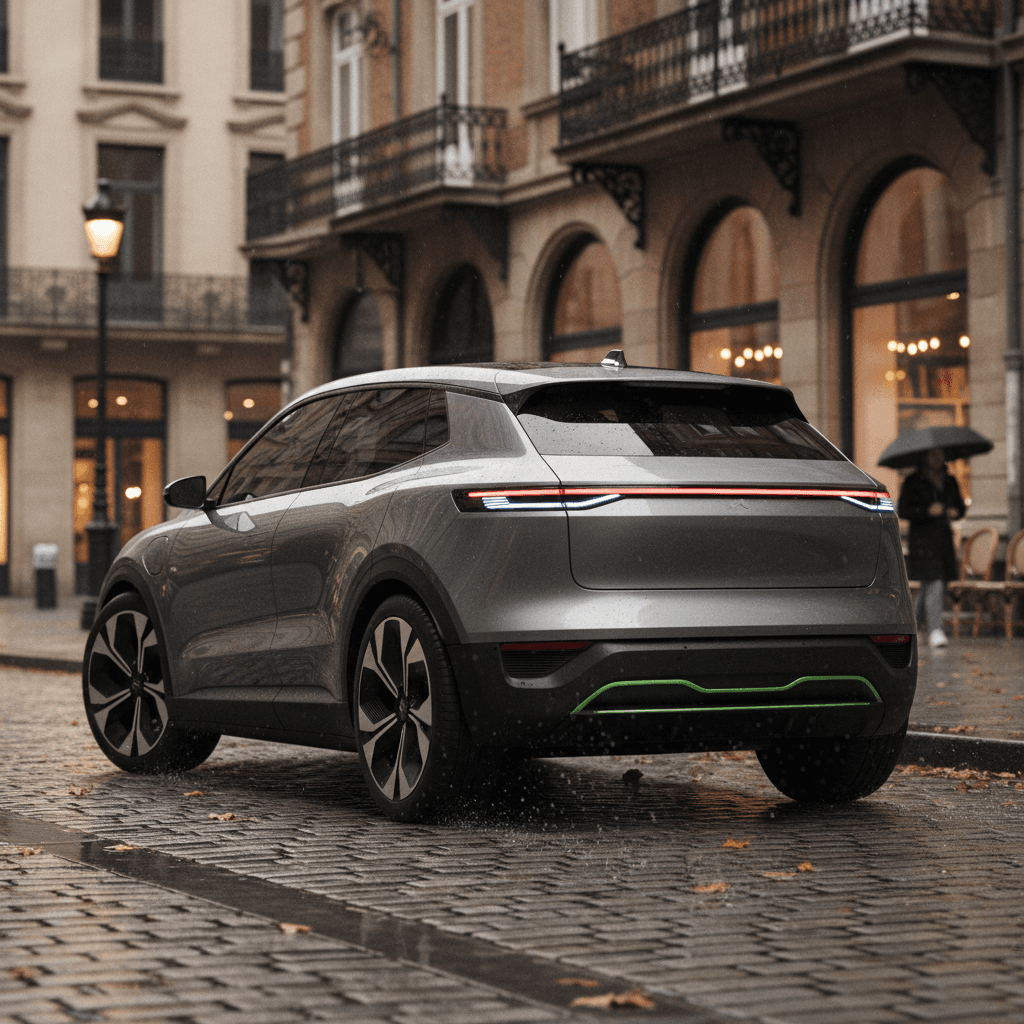
Notable 2024–2025 EV Models by Segment
A truly exhaustive VIN‑level list of all EV vehicles would run for pages and be out of date tomorrow. Instead, here’s a high‑level view of representative EV models you’re likely to see on U.S. roads and in the used market through 2025.
Smaller & more affordable EVs
Good starting points if you’re cost‑conscious
Chevrolet Bolt
Once a value benchmark and returning in an updated form for the 2027 model year. Earlier Bolts offer strong range per dollar on the used market, with DC fast‑charging and a compact footprint.
Nissan Leaf
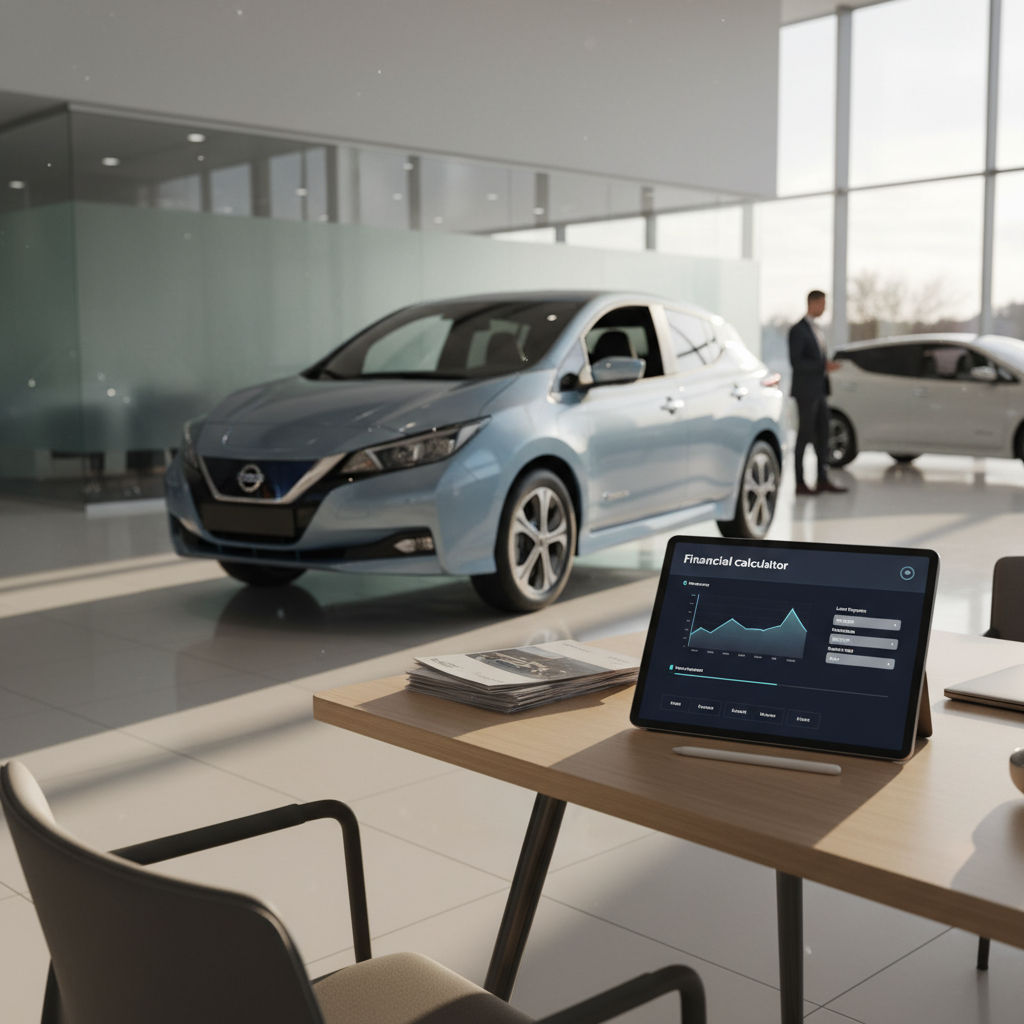
One of the original mass‑market EVs. Earlier models have shorter range and use CHAdeMO fast‑charging, but later Leafs improved battery size. Often very affordable used.
Hyundai Kona Electric & Kia Niro EV
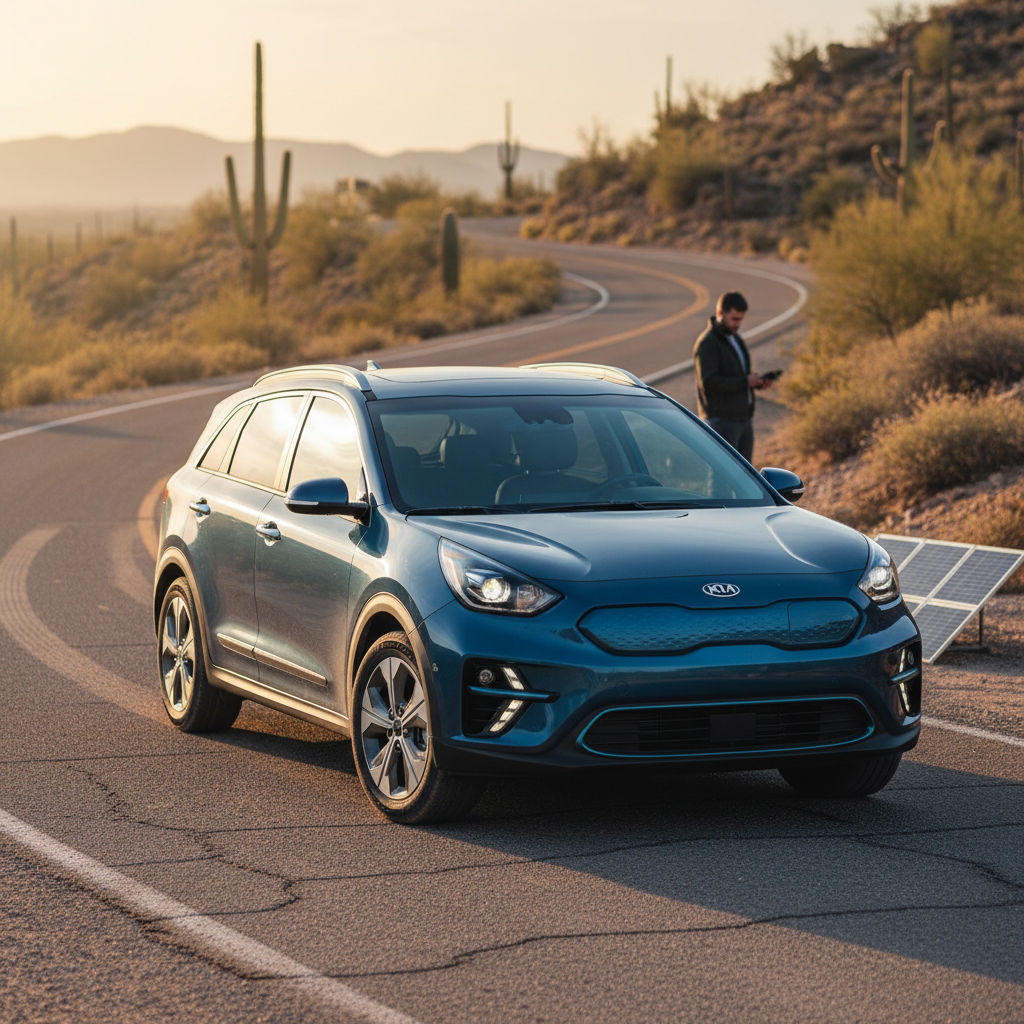
Compact crossovers with respectable range and efficiency. Popular choices for buyers who want a small SUV shape rather than a hatchback.
Mainstream electric SUVs
The heart of today’s EV market
Tesla Model Y
The best‑selling EV globally for several years. Strong range, huge charging network access, and constant over‑the‑air updates, but interior minimalism and ride quality aren’t for everyone.
Hyundai Ioniq 5 / Kia EV6
Standout styling, fast DC charging, and competitive range. Their 800‑volt architecture means very quick highway top‑ups when stations cooperate.
Honda Prologue & Acura ZDX
Newer entries based on GM’s Ultium platform. They target the heart of the mid‑size SUV segment, appealing to shoppers coming from Honda and Acura crossovers.
Three‑row SUVs, trucks, and vans
Bigger EVs for families and work
Ford F‑150 Lightning & Rivian R1T
Electric pickups with strong towing capability and massive torque. Expect higher prices and more range impact when towing or hauling.
Chevrolet BrightDrop & commercial vans
Electric delivery vans from GM and others serve the commercial side of all EV vehicles. Range and payload matter most here, with fleet charging to match.
Kia EV9 and other three‑row SUVs
Three‑row electric SUVs are emerging quickly, giving larger families a way into EVs without sacrificing seats.
Model lists change fast
How Many EV Vehicles Are Actually on the Market?
The EV landscape in North America
The big picture: the U.S. has moved from a handful of quirky EVs a decade ago to a market where nearly every major automaker sells at least one plug‑in model. That means more choice, but also more homework if you’re trying to compare all EV vehicles in a meaningful way.
Charging, Connectors, and Range: What Matters Day to Day
When shoppers compare all EV vehicles, they usually discover that charging and range matter more than 0–60 times. Here are the key pieces to understand.
Charging basics to compare across EVs
1. Charging levels (how fast it fills)
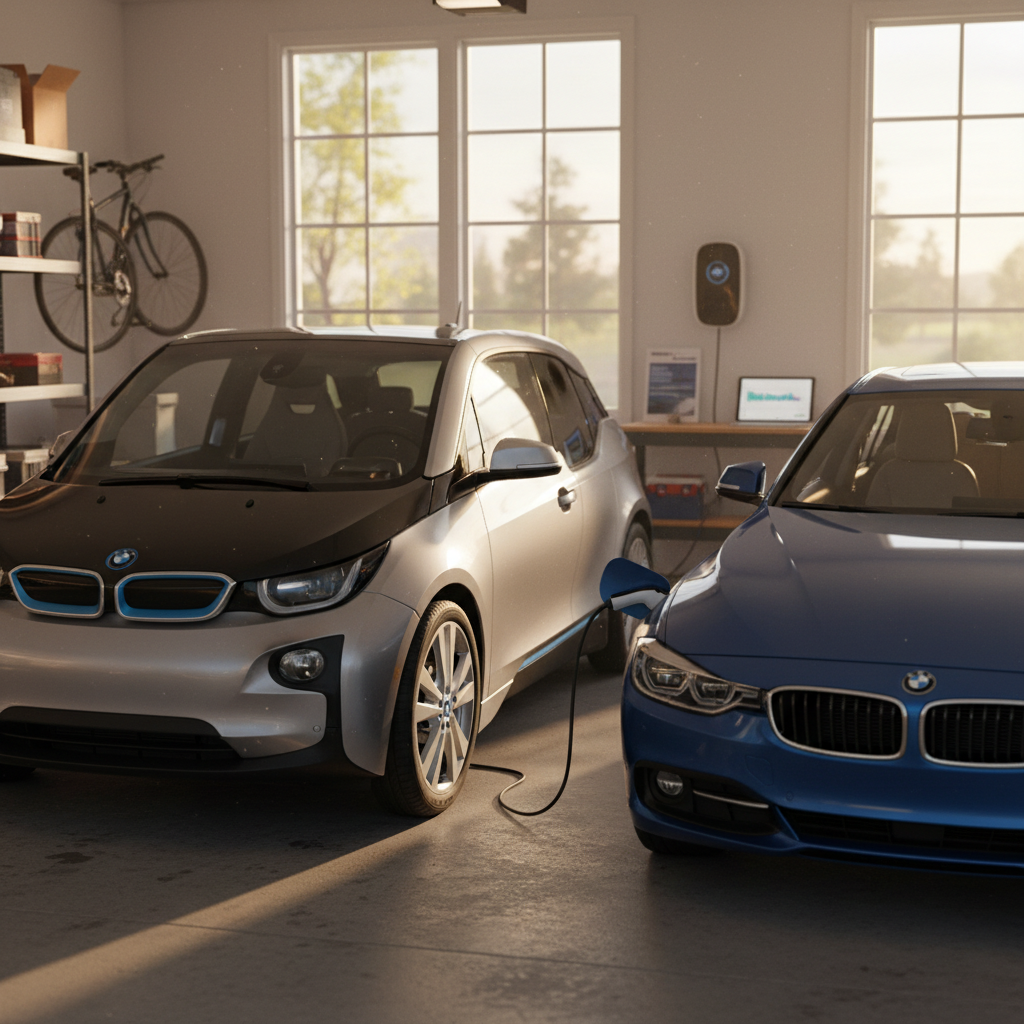
Level 1 uses a regular 120‑volt outlet and adds only a few miles of range per hour, fine for very light use. Level 2 uses a 240‑volt circuit at home or in public and typically adds 20–40 miles per hour. DC fast‑charging is the highway option, taking many modern EVs from about 10–80% in 25–45 minutes.
2. Connectors (what plug it uses)
Most older U.S. EVs use <strong>CCS</strong> or <strong>CHAdeMO</strong>, while newer models increasingly adopt <strong>NACS</strong>, the North American Charging Standard popularized by Tesla. Over the next few years, expect more new EVs to ship with NACS ports while supporting adapters for older infrastructure.
3. Real‑world range vs. rating
EPA range ratings assume mixed driving in mild weather. Cold temperatures, high speeds, and heavy loads can cut range noticeably. When comparing all EV vehicles, treat range like you treat MPG on gas cars: it’s a guide, not a guarantee.
4. Home charging access
Owning an EV is dramatically easier if you can plug in where you park overnight. If you rent or rely on street parking, prioritize models with faster DC charging and consider how reliable public infrastructure is in your area.
Think in daily miles, not just battery size
New vs. Used EVs: Why the Used Market Is So Active
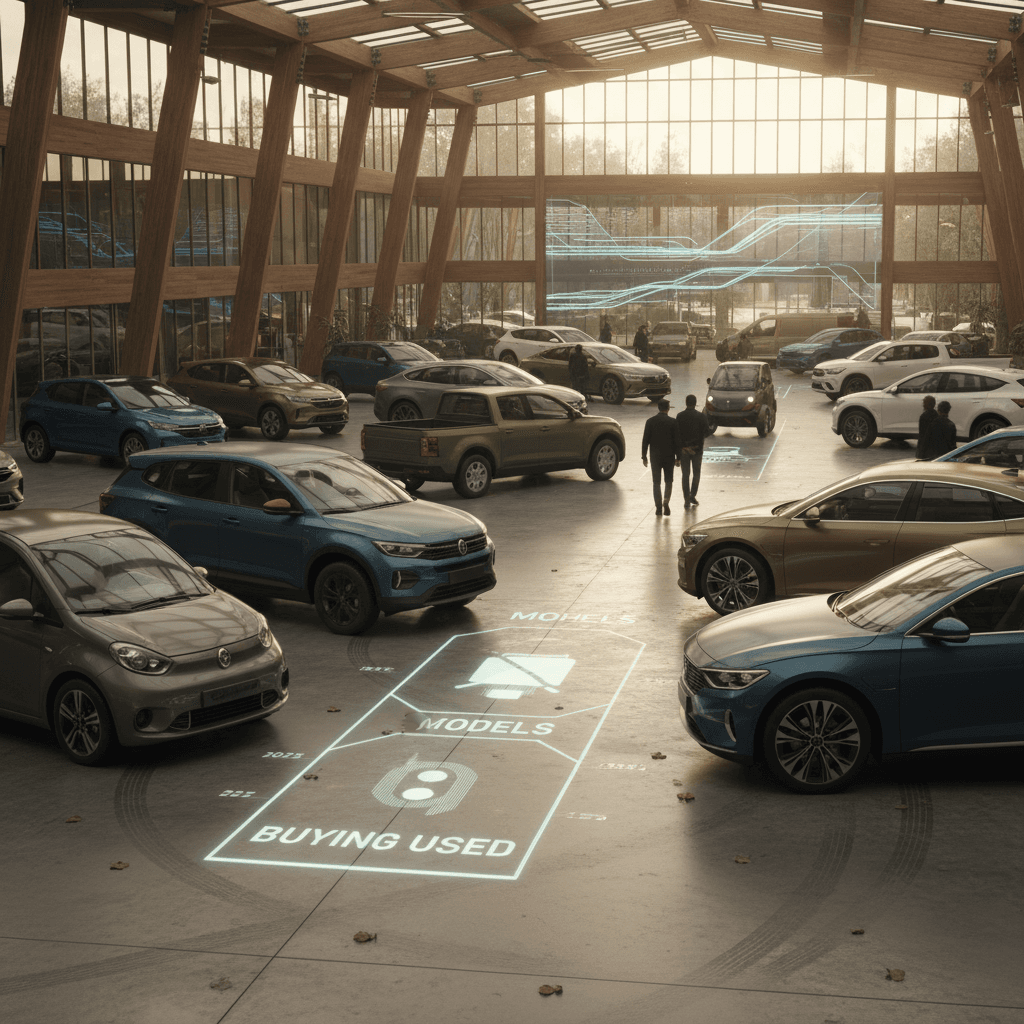
With average new‑car prices pushing past $50,000 and new EV transaction prices often higher than that, many shoppers are turning to used electric vehicles to control monthly payments. At the same time, thousands of leased EVs from 2021–2023 are returning to the market, especially from brands like Tesla, Hyundai, Kia, and Ford.
Why new EVs still appeal
- Latest tech and safety: Freshest driver‑assist features, infotainment, and efficiency improvements.
- Full warranty: Peace of mind, especially on battery and electric‑drive components.
- Tax incentives: Depending on the model and rules in place at purchase time, some EVs qualify for federal or state incentives applied at the point of sale.
Why used EVs have momentum
- Lower upfront cost: Depreciation has already done its work, especially on early‑adopter models.
- Range is often enough: A 230‑mile EV that’s a few years old may cover your real‑world needs at a far lower price.
- More transparency: Tools like the Recharged Score battery health report make it easier to see how a used EV’s pack has held up.
The catch: you can’t see battery health just by looking
How to Compare All EV Vehicles Like a Pro
Once you understand the types and segments, the next step is building a simple comparison framework. Instead of trying to memorize every model year and trim, focus on a handful of core questions.
Nine questions to narrow down all EV vehicles
1. What body style do you actually need?
Start with lifestyle, not logo. Do you truly need a three‑row SUV, or would a two‑row crossover or hatchback work? Smaller EVs are easier to park, usually cost less, and can be more efficient.
2. How many miles do you drive on a typical day?
Be honest about your daily routine. If you rarely exceed 70–80 miles, a shorter‑range BEV or PHEV might work fine, and expand your used options.
3. Where will you charge most of the time?
Home garage, driveway, workplace, or public stations? Your answer influences whether fast DC charging is mission‑critical or simply nice to have.
4. Which connector and charging network matter to you?
As more automakers adopt NACS, access to former Tesla Supercharger sites is expanding. Meanwhile, networks like Electrify America, EVgo, and others support CCS and, in some cases, NACS adapters.
5. How important is brand ecosystem?
Some buyers care about one‑brand ecosystems with integrated apps and energy products, while others prioritize traditional dealer service networks. Decide how much this matters before you shop.
6. What’s your budget, including home charging?
Factor in the cost of a Level 2 home charger and installation when comparing new and used EVs. A slightly cheaper car that needs expensive electrical work can erase your savings.
7. Do you need towing or all‑wheel drive?
Not all EVs tow, and range drops when they do. If towing or snow traction is essential, filter your list accordingly and pay close attention to official tow ratings.
8. How long do you plan to keep the car?
Longer ownership stretches the value of lower running costs but also makes battery health more important. If you keep cars 8–10 years, focus on models with solid reliability records and good thermal management.
9. What’s the battery health on any used EV you’re considering?
Ask for a <strong>formal battery health report</strong>, not just a guess. This is where platforms like Recharged differentiate themselves from traditional used‑car lots.
Buying a Used EV: How Recharged Helps
If you’re exploring all EV vehicles with an eye toward the used market, the biggest unknown is usually the battery. That’s the heart of the car, and the most expensive component to replace. Recharged is designed to remove as much of that uncertainty as possible.
What makes Recharged different for used EVs
Battery transparency, fair pricing, and EV‑specialist help
Recharged Score battery report
Every EV on Recharged comes with a Recharged Score Report that includes verified battery health diagnostics, so you can compare used EVs on more than just miles and model year.
Fair market pricing
Recharged benchmarks each vehicle against the broader EV market, factoring in battery health, features, and local demand, so pricing is grounded in real data, not guesswork.
End‑to‑end EV guidance
From explaining charging to discussing tax incentives and trade‑ins, Recharged’s EV specialists walk you through the process. You can finance, trade in, or sell your EV and arrange nationwide delivery through a mostly digital experience.
Ready to find your next EV?
Browse VehiclesFrom first question to final delivery
FAQ: All EV Vehicles
Frequently Asked Questions About All EV Vehicles
Bottom Line: Making Sense of All EV Vehicles
“All EV vehicles” is a moving target, new models arrive, older ones exit, and charging standards are evolving quickly. But you don’t need a perfect, frozen‑in‑time spreadsheet to make a smart decision. If you understand the main EV types, pick the right body style, and focus on range, charging, and battery health, you’ll instantly turn a sea of options into a short, workable list.
If a used EV is on your radar, make battery transparency non‑negotiable. A verified health report, fair pricing, and expert EV guidance can be the difference between a bargain and a bad surprise. That’s exactly the gap Recharged is built to fill, so you can shop all EV vehicles that fit your life, not just the ones that happen to be sitting on a traditional lot this weekend.