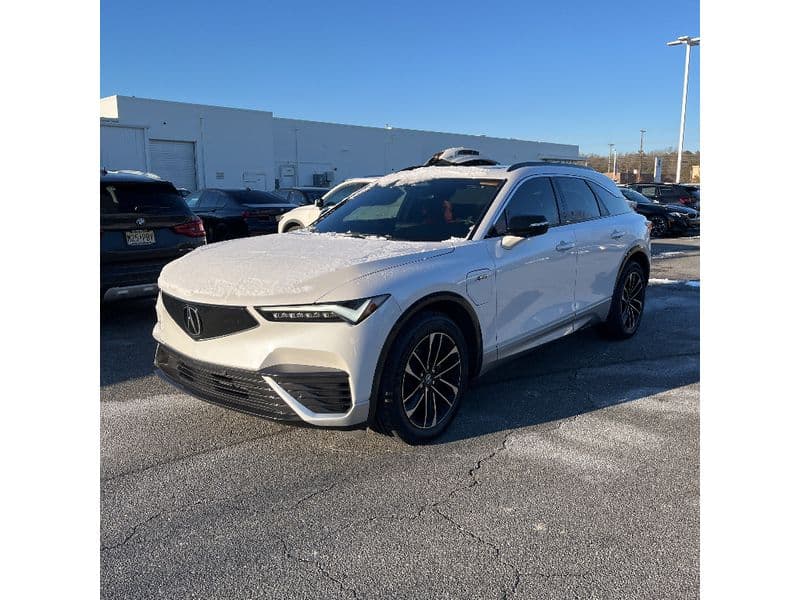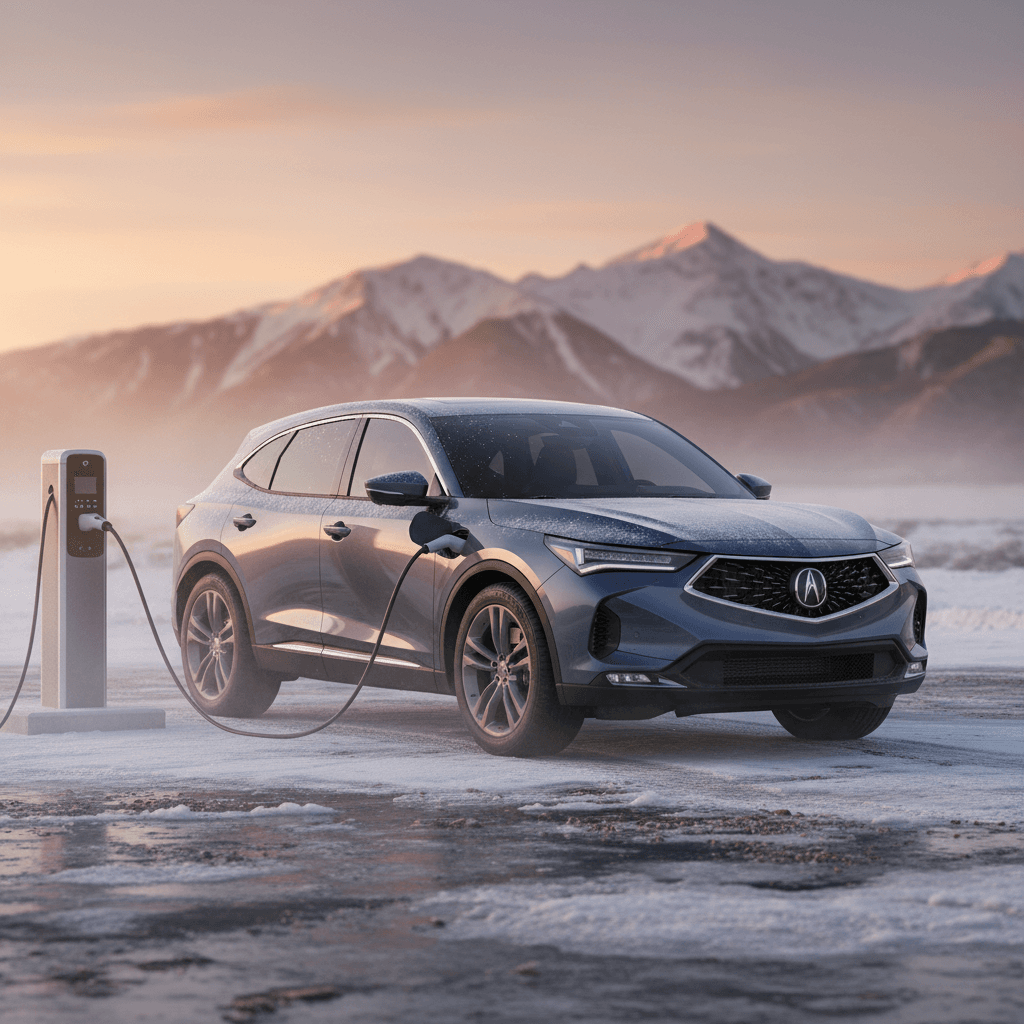
If you’re eyeing an Acura ZDX or you already have one in the driveway, range in cold weather is probably at the top of your worry list. The good news: the ZDX starts with solid EPA numbers. The catch: like every EV, winter can trim a big chunk off that range, especially on short, frigid trips with the heat cranked.
Quick answer
Acura ZDX EPA range: your warm-weather starting point
Before you talk about the Acura ZDX range in cold weather, you need to know the official starting point. The EPA estimates are based on mixed driving in mild conditions, and they’re the benchmark every winter estimate builds from.
2024 Acura ZDX EPA-rated range by trim
Official EPA ratings for the Acura ZDX, which serve as your best-case range in mild weather.
| Trim | Drivetrain | EPA-rated range (mi) | Battery (usable) |
|---|---|---|---|
| ZDX A-Spec RWD | Single motor, rear-wheel drive | 313 | ~102 kWh |
| ZDX A-Spec AWD | Dual-motor, all-wheel drive | 304 | ~102 kWh |
| ZDX Type S | Dual-motor, all-wheel drive | 278 | ~102 kWh |
Use these EPA ratings as your baseline, then apply winter adjustments for your climate and driving patterns.
Think in terms of percentage, not miles
Typical EV winter range loss benchmarks
How cold weather affects Acura ZDX range
The ZDX rides on GM’s Ultium platform and uses a large ~102 kWh pack. That gives Acura a solid efficiency base, but physics still wins in winter. Three big forces work against your range when temperatures drop:
- Cold batteries are less efficient. Lithium-ion chemistry doesn’t like low temperatures, so the pack can’t accept or deliver energy as easily. The ZDX’s thermal management system fights this, but it costs energy.
- Cabin and battery heating drain the pack. Unlike a gas SUV that uses waste engine heat, your ZDX has to spend battery energy to warm the cabin, seats, steering wheel, and sometimes the battery itself.
- Road conditions and air density add drag. Snow, slush, and heavier, denser winter air force the motors to work harder, especially at highway speeds. Winter tires also add rolling resistance.
Short winter trips are the worst
Realistic winter range for each Acura ZDX trim
Let’s translate the EPA numbers into realistic cold-weather range bands. These are directional estimates based on what we see across modern EVs with similar battery sizes and efficiency, not guarantees, but they’ll get you into the right planning ballpark.
Acura ZDX winter range estimates by trim
Approximate ranges on a full charge with climate control, assuming a healthy battery.
ZDX A-Spec RWD
EPA: 313 mi
- Cool (40–55°F): ~270–290 mi
- Typical winter (15–32°F): ~210–250 mi
- Deep cold (<0°F): ~170–210 mi
Highway speeds and short trips trend toward the low end of each band.
ZDX A-Spec AWD
EPA: 304 mi
- Cool (40–55°F): ~265–285 mi
- Typical winter (15–32°F): ~205–245 mi
- Deep cold (<0°F): ~165–205 mi
AWD adds traction and performance but costs some efficiency.
ZDX Type S (AWD)
EPA: 278 mi
- Cool (40–55°F): ~240–255 mi
- Typical winter (15–32°F): ~185–225 mi
- Deep cold (<0°F): ~150–185 mi
The sportier Type S trades a bit of range for performance tuning and tires.
Why these are ranges, not promises
City vs. highway: why winter range varies so much
Two ZDX owners can see totally different winter range on the same day. The main reason is how and where they drive. The car’s thermal management and the physics of drag behave very differently in town vs. on the interstate.
Stop-and-go, short trips
- Big chunk of energy goes into warming the cabin and pack over and over.
- Lower average speeds keep aero drag down, which helps slightly.
- Lots of braking lets the ZDX use regenerative braking to recapture some energy.
- Net effect: range loss can look brutal on paper, especially if you’re only driving 3–5 miles at a time.
Long highway runs
- Car warms up once and stays warm, so HVAC overhead is spread out over more miles.
- High speeds increase aero drag, especially in cold, dense air.
- Less regen because you’re not on the brakes as often.
- Net effect: winter loss is often more moderate on long highway trips than on lots of short city hops, assuming the roads are clear.
Watch your efficiency, not just your GOM
Charging your Acura ZDX in cold weather
Range is only half the winter story. The other half is how your ZDX charges when it’s cold. Like most modern EVs, the ZDX includes battery preconditioning to help it fast-charge more consistently in winter, but cold still matters.
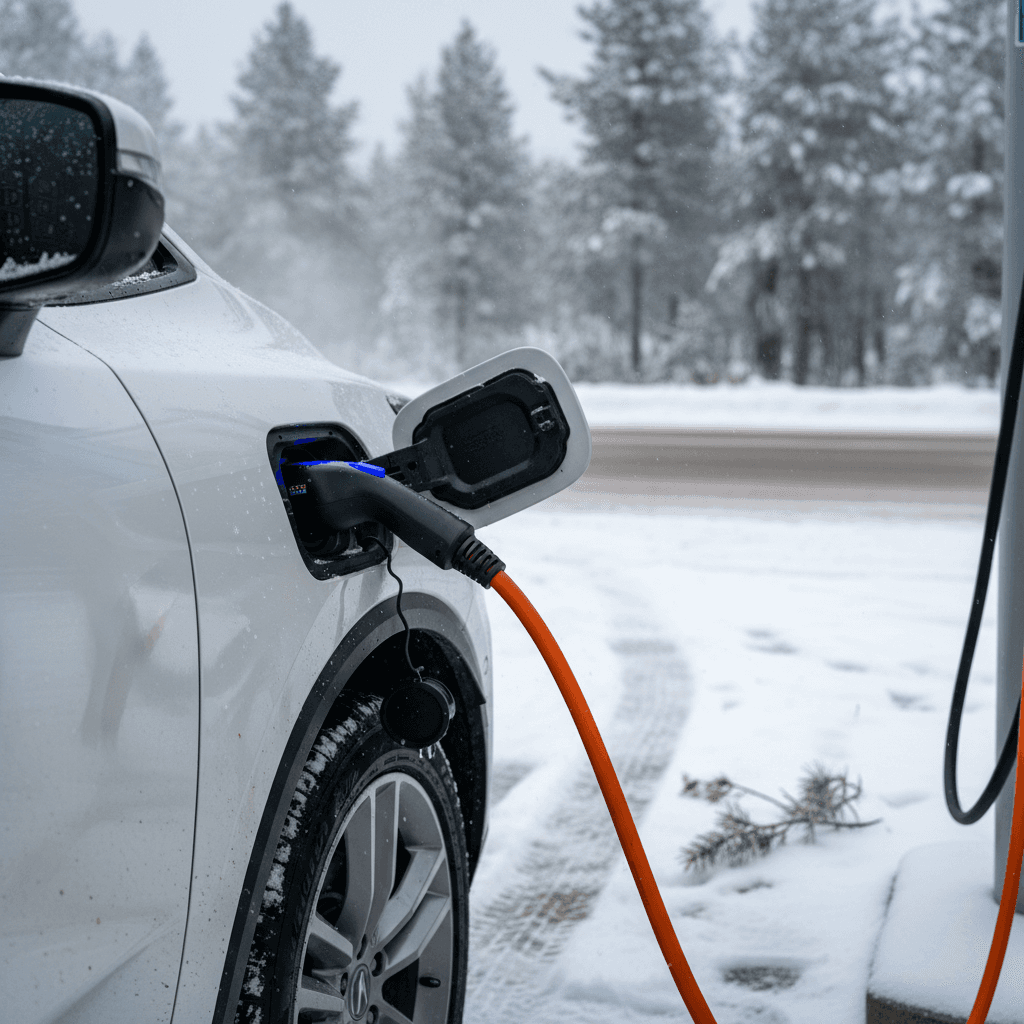
- DC fast charging (public): Acura quotes peak DC speeds up to roughly 190 kW on the ZDX. In mild temps, that can add around 80 miles in about 10 minutes on an A-Spec. In deep cold, if the pack isn’t warmed, you may see lower peaks and longer charge times.
- Battery preconditioning: Using built-in navigation to route to a DC fast charger typically prompts the ZDX to preheat the battery, which can restore most of that charging performance even on cold days.
- Level 2 home charging: At 240V, winter has less impact on speed, but if the pack is ice-cold, the car may spend energy warming the battery before taking full power. Overnight, you’ll still wake up with a full pack in most home-charging scenarios.
Don’t arrive at fast chargers with a frozen pack
Nine ways to reduce winter range loss in a ZDX
You can’t beat physics, but you can work with it. Here are practical steps that make a noticeable difference in Acura ZDX range in cold weather, without turning your drive into a science experiment.
Cold-weather ZDX optimization checklist
1. Precondition while plugged in
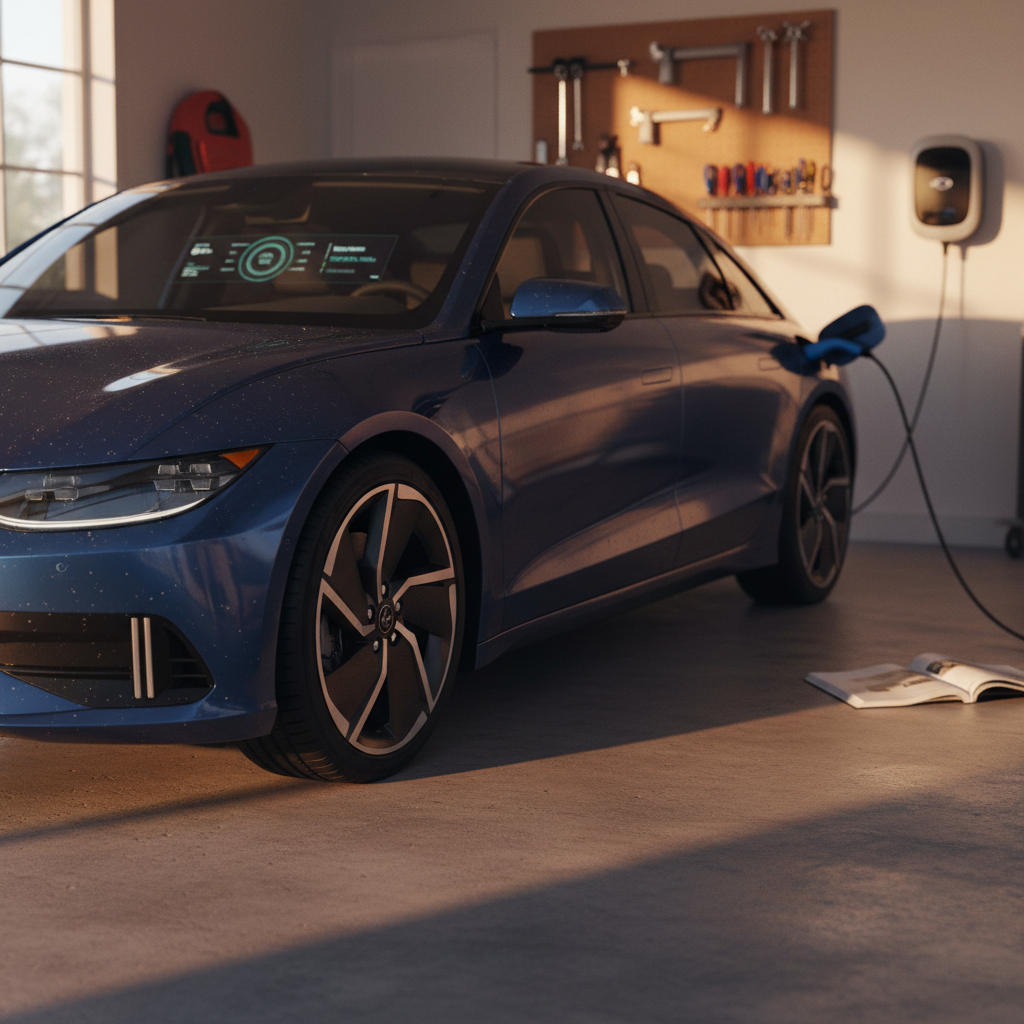
Use the Acura app or in-car settings to warm the cabin and battery <strong>before</strong> you leave while the ZDX is still charging. That way, grid power, rather than your battery, does most of the heavy lifting.
2. Rely on seat and wheel heaters
Heated seats and steering wheel use <strong>far less energy</strong> than pumping hot air. You can often keep the cabin a few degrees cooler and stay just as comfortable.
3. Dial back highway speeds
Above about 65 mph, aero drag climbs rapidly, especially in dense, cold air. Dropping from 75 to 65 mph can add <strong>tens of miles</strong> of winter range in a ZDX.
4. Use Eco or range-focused drive modes
Let the software help. Eco-oriented modes usually soften throttle response, adjust HVAC behavior, and can slightly reduce peak power draw from the battery.
5. Combine errands into one warm trip
Instead of several short, cold starts, chain your errands together. A <strong>single 40-minute outing</strong> is easier on range than four 10-minute drives with repeated warmups.
6. Keep tires properly inflated
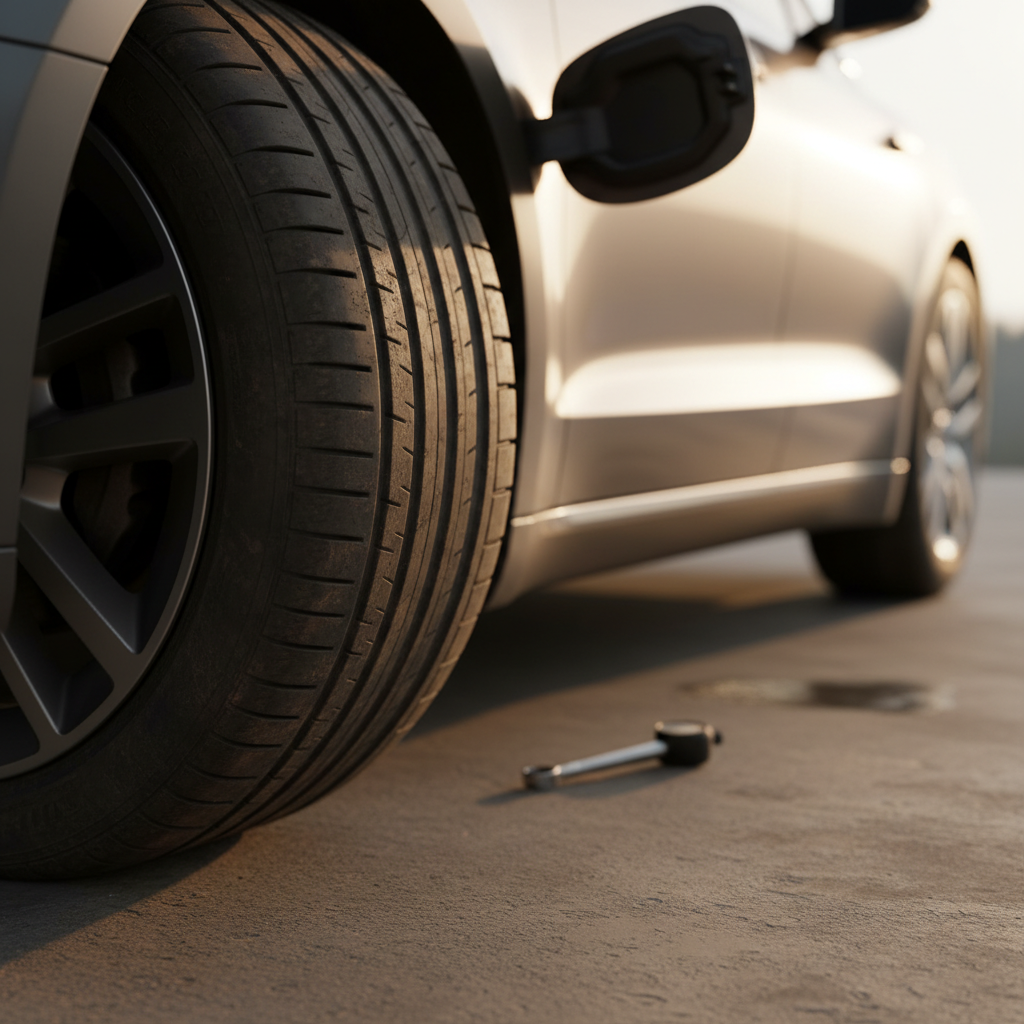
Cold air drops tire pressure. Underinflated tires increase rolling resistance and cut range. Check pressures regularly and set them to the door-jamb spec when cold.
7. Use scheduled departure
If your ZDX supports it, set a daily departure time. The car can finish charging and precondition just before you leave, giving you a <strong>warm cabin and pack</strong> without a big initial range hit.
8. Watch extra weight and roof accessories
Snow gear, cargo carriers, and roof boxes all add drag or mass. Remove them when you don’t need them, especially for highway trips where aero drag dominates.
9. Leave a healthy buffer on trips
In winter, don’t plan to arrive at a charger or home with 1–2% remaining. Aim for a <strong>15–20% buffer</strong> until you’ve built confidence in how your ZDX behaves in your conditions.
Battery health & long-term cold-climate ownership
Cold weather affects your ZDX in two different ways: short-term range loss and long-term battery health. The first is noticeable; the second is more subtle, but it matters if you’re buying a ZDX to keep or you’re shopping used.
- Short-term: Range drops while the pack and cabin are cold, then rebounds as things warm up. Once temperatures rise, your car’s usable range should mostly return.
- Long-term: Repeated exposure to extreme cold isn’t as hard on batteries as repeated extreme heat, but frequent fast charging on a cold pack, or storing the car at 100% for long periods, can still accelerate degradation over years.
- Good news for ZDX owners: Modern thermal management (like what’s on Ultium-based vehicles) is designed to keep the pack in a healthy temperature window most of the time, even in winter. You’ll see efficiency losses, but that doesn’t necessarily mean rapid permanent degradation.
How Recharged factors in winter and battery health
Ready to find your next EV?
Browse VehiclesUsed Acura ZDX shopping: winter-range checklist
If you’re looking at a used Acura ZDX, especially in a cold-weather state, you want to know not just how it performed when new, but how it’ll behave for you now. Here’s a quick checklist to bring to any test drive or listing review.
Winter-focused used ZDX buyer checklist
Confirm the trim and EPA rating
Verify whether it’s an <strong>A-Spec RWD, A-Spec AWD, or Type S</strong>. Use the EPA rating from earlier as your baseline, then mentally knock off 20–35% for typical winter use.
Ask for recent real-world efficiency
If possible, review trip data in the car or in screenshots from the owner. Look at <strong>mi/kWh or kWh/100 mi</strong> in winter months to anchor your expectations.
Check for fast-charging behavior
On a test-drive day that’s at least cool, stop at a DC fast charger if you can. See whether the car preconditions the battery and how quickly it ramps up charge speed once plugged in.
Inspect tires and wheel size
Bigger wheels and aggressive winter tires can cost range. Decide whether the performance or styling trade-off is worth the hit in your climate and use case.
Review battery health documentation
Look for a <strong>third-party battery health report</strong> or, on Recharged, the Recharged Score battery section. A healthy pack means your real-world winter range will sit closer to the estimates in this guide.
Map your daily and worst-case routes
Take your longest regular winter drive and overlay the adjusted ranges from this article. Make sure there’s a comfortable margin to get there and back, or to a reliable charger, even on the coldest days.
Acura ZDX winter range: FAQ
Frequently asked questions about Acura ZDX range in cold weather
Key takeaways for Acura ZDX range in cold weather
The Acura ZDX starts from a strong position: EPA range up to 313 miles on A-Spec RWD and a big, modern battery shared across the lineup. Like every EV, though, winter cuts into that number. For most owners, planning around 20–35% winter range loss in normal cold and up to the mid-40% range in severe, short-trip conditions will keep unpleasant surprises off the table.
If you’re shopping new or used, focus on how each trim’s adjusted winter range lines up with your real life, daily commuting, worst-case storms, weekend trips, and ski runs. A little planning around preconditioning, charging, and driving style goes a long way toward making the ZDX feel predictable and capable year-round.
And if you’re considering a used Acura ZDX, buying through a marketplace that understands EVs matters. Recharged pairs every listing with a Recharged Score Report, financing options, trade-in support, and EV specialists who can walk you through what winter range will actually look like for the car you’re considering, so you can head into your first cold season with eyes open and confidence high.