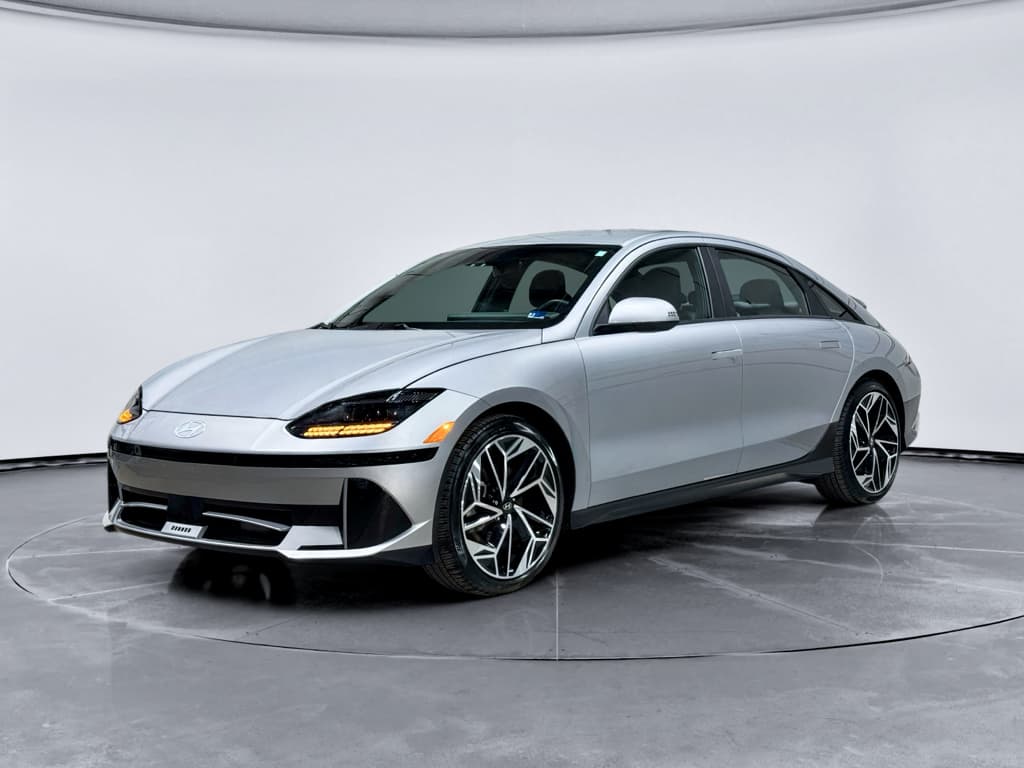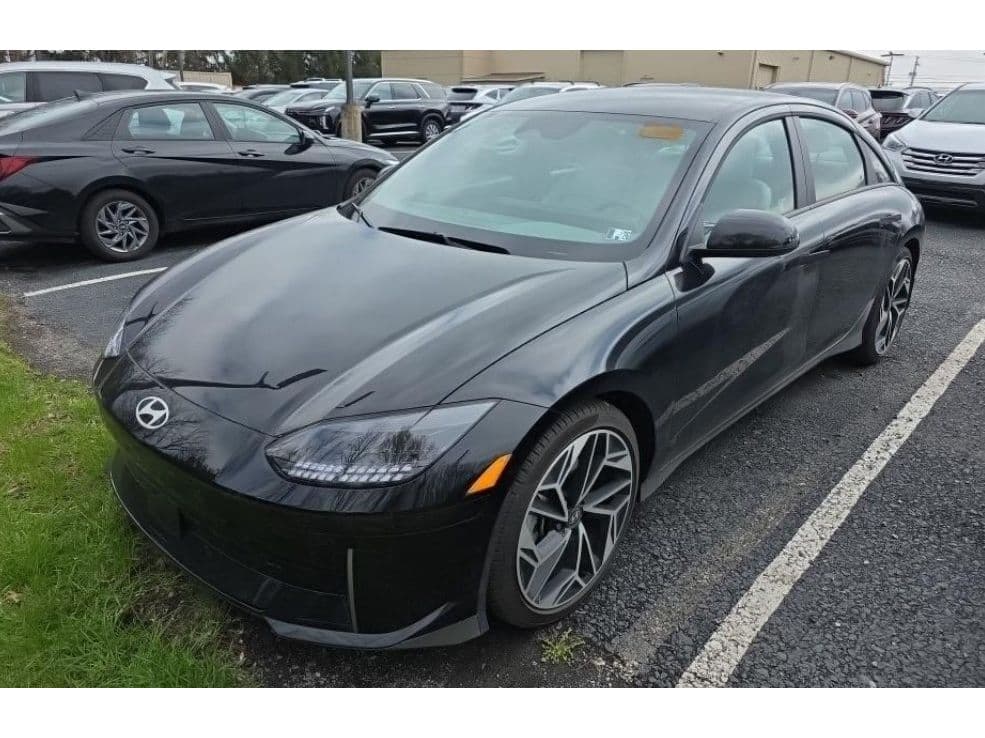
If you’re eyeing a 2025 Hyundai IONIQ 6, reliability is probably near the top of your checklist. The sleek electric sedan is still relatively new, so long-term data is limited, but we already have a meaningful picture from earlier model years, owner feedback and Hyundai’s warranty coverage. This guide pulls that together so you can decide if the 2025 IONIQ 6 is a smart, low‑drama EV to own, especially if you’re considering one used.
Quick context
2025 Hyundai IONIQ 6 reliability at a glance
IONIQ 6 reliability snapshot (early data)
On paper, the 2025 Hyundai IONIQ 6 looks like a solid bet for reliability: a robust EV‑specific warranty, a battery platform shared with other successful Hyundai/Kia models, and relatively few serious complaints so far. The main caveat is that it’s still new, so you’re relying on early‑life data and brand track record rather than decade‑long histories.
Where Recharged fits in
How reliable is the Hyundai IONIQ 6 so far?
Because the IONIQ 6 is still relatively fresh, we look at two key signals: owner satisfaction and early repair/recall history. Early 2024 owner reviews show high satisfaction with performance and comfort, with reliability scores typically around 4 out of 5. Complaints tend to focus more on software quirks (wired-only Apple CarPlay/Android Auto on many trims, user interface design) than on hardware failures or getting stranded.
- Owners praise the IONIQ 6 for strong range in real‑world driving, even exceeding EPA estimates when driven carefully.
- Fast DC charging performance remains a highlight, with many drivers seeing very short 10–80% charge times when the battery is properly conditioned.
- So far, there have been very few reports of catastrophic battery or motor failures in early years.
- Some owners note quirks with charging behavior and UI design rather than outright failures, annoyances more than reliability red flags.
Early‑generation caution
Battery life, degradation and range over time
For most EV shoppers, battery reliability is the ballgame. The IONIQ 6 uses Hyundai’s E‑GMP platform and lithium‑ion polymer battery packs that have already seen service in the IONIQ 5 and Kia EV6. Those siblings have shown encouraging early degradation behavior, with many owners still reporting strong range after several years.
- Typical annual degradation on modern liquid‑cooled packs is often in the low single digits in the first few years, then gradually slows. Early E‑GMP reports seem consistent with that pattern.
- The IONIQ 6’s active thermal management helps protect the battery in hot and cold weather, which is critical for long‑term health.
- Hyundai’s battery warranty is structured around keeping the pack above 70% of its original capacity during the warranty period, which sets a floor for acceptable degradation.
- Real‑world efficiency is a strength, especially on rear‑wheel‑drive, 18‑inch‑wheel trims, so minor capacity loss often has less impact on day‑to‑day usability than buyers fear.
What the warranty actually promises
Battery‑friendly habits
Warranty coverage on the 2025 Hyundai IONIQ 6
One of Hyundai’s biggest strengths, and a major reason many shoppers are comfortable with newer Hyundai EVs, is its generous factory warranty. For a 2025 IONIQ 6 in the U.S., you can generally expect the following coverage (check the specific VIN’s booklet for confirmation):
Typical U.S. warranty coverage for a new 2025 Hyundai IONIQ 6
Always confirm with the actual warranty booklet for the car you’re considering, especially if you’re not the first owner.
| Coverage type | Duration | Mileage limit | Notes |
|---|---|---|---|
| New vehicle (bumper‑to‑bumper) | 5 years | 60,000 miles | Covers most components aside from wear items. |
| Powertrain | 10 years | 100,000 miles | On first owner only for many Hyundai models; may be reduced for subsequent owners. |
| High‑voltage battery | 10 years | 100,000 miles | Covers defects in materials/workmanship; capacity floor typically ~70%. |
| Roadside assistance | 5 years | Unlimited miles | Covers towing to nearest Hyundai dealer for covered issues. |
| Anti‑perforation (corrosion) | 7+ years | Unlimited miles | Body sheet metal perforation due to corrosion. |
Hyundai’s EV warranty structure is one of the strongest in the segment, particularly for battery coverage.
Second owner? Read this closely
If you’re purchasing through Recharged, your specialist can help you interpret what’s left of the factory warranty on a specific IONIQ 6 and whether an extended protection plan makes sense based on mileage, age and your driving habits.
Known issues and recalls affecting the IONIQ 6
No modern vehicle is completely recall‑free, and the IONIQ 6 is no exception. The key with any EV is understanding whether the issues are minor annoyances or true safety and reliability concerns, and whether the fixes are simple and permanent.
- Charge‑port door recall (2023–2025): Roughly 30,000 IONIQ 6 vehicles from 2023–2025 have been recalled because the outer charging‑port door panel can detach over time. Dealers fix this by adding adhesive or updated hardware to better secure the door. It’s inconvenient if it happens, but it doesn’t affect drivetrain safety or battery health.
- Assorted software updates: Technical service bulletins (TSBs) have addressed items such as brake‑light logic under strong regenerative braking, distance‑to‑empty calculation, and parking‑brake behaviors. These are typically addressed via software updates at the dealer, sometimes during regular service visits.
- Charging‑network quirks: Some owners report compatibility or handshake issues with specific fast‑charging networks, usually solved with software updates or charger‑side fixes rather than hardware replacement on the car.
Why recalls matter for used buyers
Overall, the early IONIQ 6 recall pattern is fairly mild and typical for a new platform, focused on trim pieces and software behavior, not on fundamental battery or motor defects. That’s encouraging from a reliability standpoint.
Software, tech and charging experience
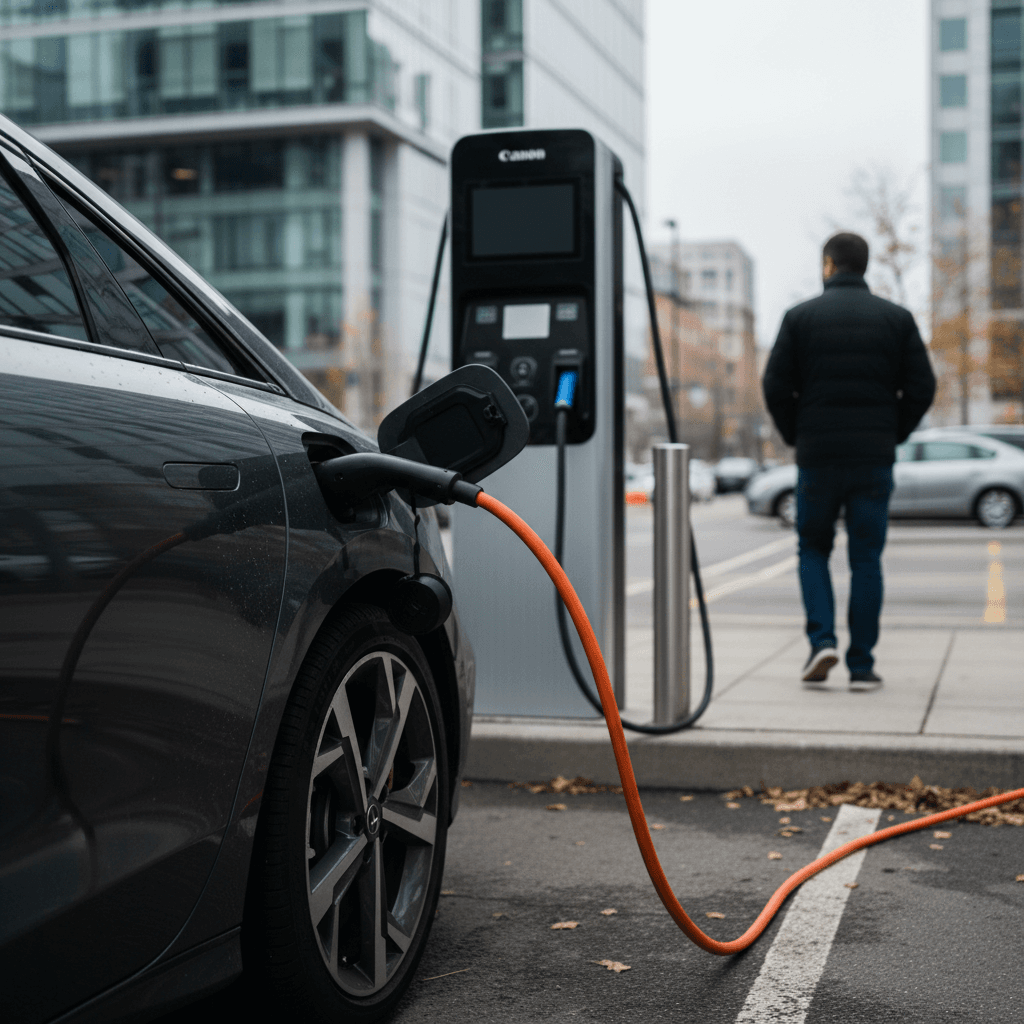
Hyundai has taken a conservative approach to some tech features on the IONIQ 6, and that’s a double‑edged sword. On the plus side, the infotainment system is generally stable and predictable. On the downside, some owners are frustrated by limitations like wired Apple CarPlay/Android Auto on many trims and a user interface that feels dated next to Tesla or some newer rivals.
Strengths
- Stable infotainment: Fewer outright crashes and glitches than some rivals, even if the graphics are conservative.
- OTA and dealer updates: Hyundai has been issuing software updates that improve brake‑light logic, i‑Pedal behavior and range estimates.
- Charging speed: When the battery is properly conditioned and the charger is compatible, the IONIQ 6 remains one of the quickest‑charging EV sedans in its price bracket.
Weak spots
- UI design complaints: Some owners find menus unintuitive and visually bland.
- Limited manual battery pre‑conditioning: Early owners have criticized the lack of simple, manual control over pre‑conditioning for DC fast charging on some trims.
- Feature omissions: Lack of wireless phone projection on many 2025 trims feels out of step with a premium‑priced EV.
Charging‑experience reliability
Maintenance and cost of ownership expectations
From a reliability and cost‑of‑ownership standpoint, one of the IONIQ 6’s biggest advantages is simply that it’s an EV. There’s no engine oil, timing belt, spark plugs or multi‑gear automatic transmission to maintain, fewer moving parts generally means fewer failure points.
What you’ll (mostly) avoid with an IONIQ 6
Compared with a gas sedan, the IONIQ 6 has a shorter list of expensive wear items.
Engine issues
Transmission troubles
Oil & exhaust
Your primary routine maintenance touchpoints in an IONIQ 6 will be cabin air filters, brake fluid at extended intervals, tires (EVs are hard on tires due to weight and torque), and occasional coolant service for the battery/drive systems according to the maintenance schedule.
Regenerative braking helps
How 2025 IONIQ 6 reliability compares to other EVs
When you compare the 2025 IONIQ 6 to other midsize EV sedans, a pattern emerges: Hyundai is trading on strong warranties and conservative engineering rather than bleeding‑edge experimentation. That usually bodes well for reliability.
2025 IONIQ 6 vs key EV sedan rivals: reliability factors
High‑level look at reliability‑relevant factors. Exact scores and owner experiences will vary.
| Model | Battery warranty | Early reliability picture | Notable issues so far |
|---|---|---|---|
| Hyundai IONIQ 6 | 10 yr / 100k mi | Encouraging: few major failures, some recalls and software updates. | Charge‑port door recall; software quirks; UI complaints. |
| Tesla Model 3 (RWD/LR) | 8 yr / 100k–120k mi | Mixed: strong powertrain but build quality and fit‑and‑finish issues more common. | Panel gaps, paint issues, screen/UI glitches, some suspension concerns. |
| Polestar 2 | 8 yr / 100k mi | Limited data; some reports of software bugs and infotainment resets. | OTA update hiccups, occasional 12V and infotainment issues. |
| Kia EV6 | 10 yr / 100k mi | Similar to IONIQ 6: good battery/motor record so far, mostly software TSBs. | Charging‑handshake quirks, occasional infotainment bugs. |
Hyundai leans on warranty strength and mature E‑GMP hardware to build confidence around the IONIQ 6.
Where the IONIQ 6 shines
Buying a used IONIQ 6: reliability checklist
If you’re shopping the used market for a 2023–2025 IONIQ 6, a disciplined inspection process will tell you far more about real‑world reliability than any brochure. Here’s a practical checklist to follow.
Used IONIQ 6 reliability checklist
1. Confirm open recalls and software updates
Run the VIN through a recall lookup and ask the seller for service records. Verify that the charge‑port door recall and any relevant software updates (VCU/BCM, brake‑light logic, DTE calculation) have been completed.
2. Review battery‑health data
Ask for a recent battery‑health readout. On Recharged, the Recharged Score report includes a third‑party diagnostic of pack health so you can see how close the car is to original capacity.
3. Check DC fast‑charging behavior
If possible, test a DC fast‑charge session. Watch that the car charges at expected power levels for its state of charge and temperature, and that no warning lights appear.
4. Inspect charge port and cables
Look closely at the charging door and port area for signs of previous damage or loose panels. Make sure the door opens and latches reliably after the recall fix.
5. Test all driver‑assist and infotainment functions
On your test drive, verify adaptive cruise, lane‑keeping, blind‑spot monitoring, parking sensors, cameras, and all infotainment functions (CarPlay/Android Auto, Bluetooth, navigation) for consistent operation.
6. Look for uneven tire wear or suspension noise
Uneven wear or clunks over bumps can indicate alignment or suspension issues. Not unique to the IONIQ 6, but worth addressing before they become expensive repairs.
Leverage vehicle history and marketplace tools
Frequently asked questions about 2025 IONIQ 6 reliability
2025 Hyundai IONIQ 6 reliability FAQ
Bottom line: Is the 2025 Hyundai IONIQ 6 a safe bet?
Taken as a whole, the 2025 Hyundai IONIQ 6 looks like a well‑engineered EV with an encouraging early reliability story. Its few recalls are manageable and well‑understood, there are no widespread reports of motor or battery failures, and Hyundai’s long EV battery and bumper‑to‑bumper warranties provide a substantial backstop for owners who plan to keep the car for many years.
That doesn’t mean it’s flawless. If a slick, ultra‑modern user interface or wireless phone projection is non‑negotiable, you may find the IONIQ 6 a bit conservative on the tech front. But if your priorities are range, charging speed, warranty depth and everyday dependability, it deserves a spot at the top of your list.
And if you’re weighing a used IONIQ 6, buying through a dedicated EV marketplace like Recharged can tilt the odds even further in your favor. With verified battery diagnostics, transparent pricing and EV‑specialist support from first click to delivery, you get a clearer picture of reliability before you ever sign on the dotted line.