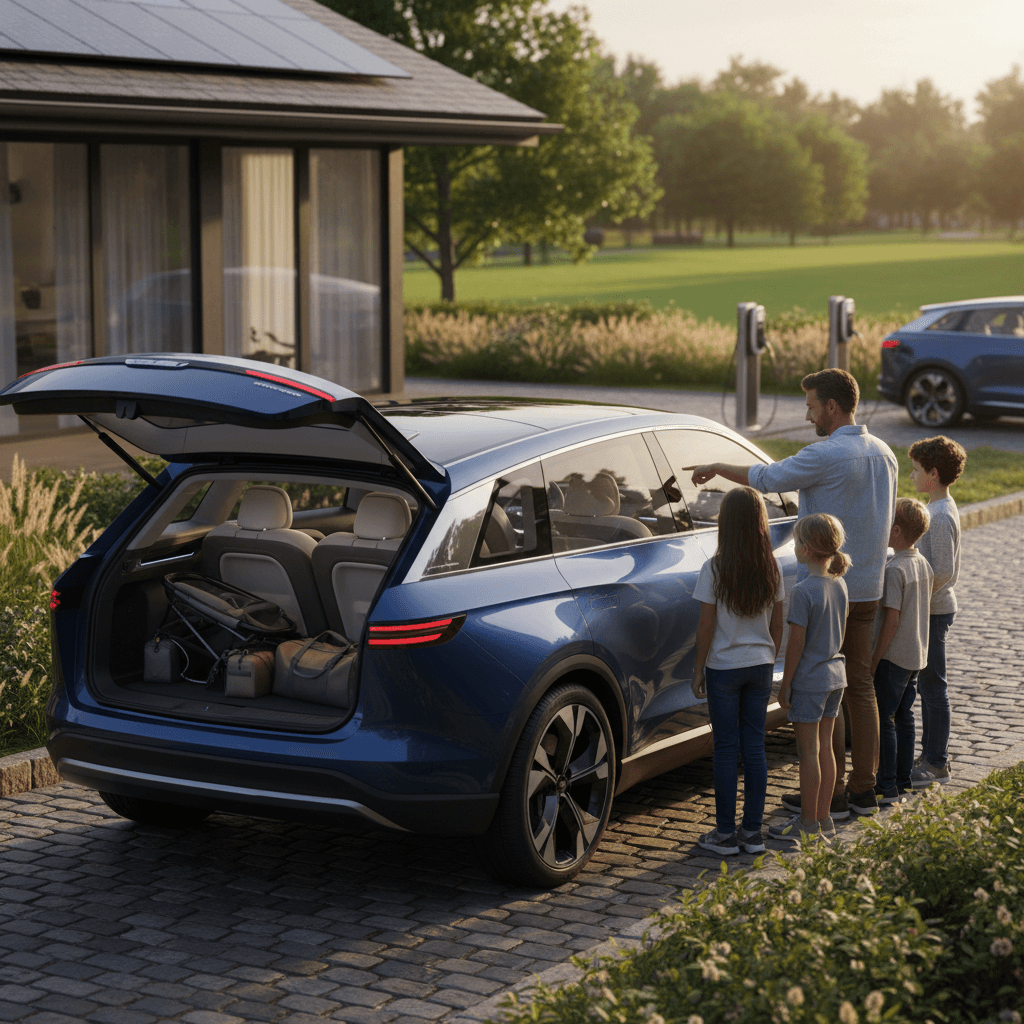
If you’ve got kids, car seats, or a regular carpool rotation, a 7 passenger electric vehicle can feel like the holy grail: all the space and flexibility of a three‑row SUV, without the gas bills or tailpipe emissions. The good news is that by late 2025, there are finally enough 3‑row EVs to make real comparisons, and a growing supply of used options that can save you thousands.
Quick Take
Why 7‑Passenger Electric Vehicles Matter Now
For most households, the move to an EV doesn’t start with a two‑seat city car, it starts with the family workhorse. Automakers have figured this out, which is why we’re seeing a wave of three‑row electric SUVs aimed squarely at families who need space but don’t want to burn gas on every school run and road trip.
Family EV Adoption by the Numbers
Think Long Term
Which 7‑Passenger Electric Vehicles Are Available Today?
Let’s start with the vehicles themselves. Below is a snapshot of prominent 7‑seat and 3‑row electric SUVs either on sale in the U.S. now or with U.S. deliveries starting by the 2026 model year. Always confirm exact seating with the trim you’re looking at, some make the third row optional.
Key 7‑Passenger Electric Vehicles (U.S. Market)
Representative three‑row or 7‑seat EVs with family‑friendly packaging. Specs are approximate and may vary by trim; always verify with the manufacturer window sticker.
| Model | Seating | Approx. Starting Price (USD) | Est. Max Range (mi) | Positioning |
|---|---|---|---|---|
| Kia EV9 | 6 or 7 | $56k+ | ~300 | Mainstream family 3‑row SUV with strong value |
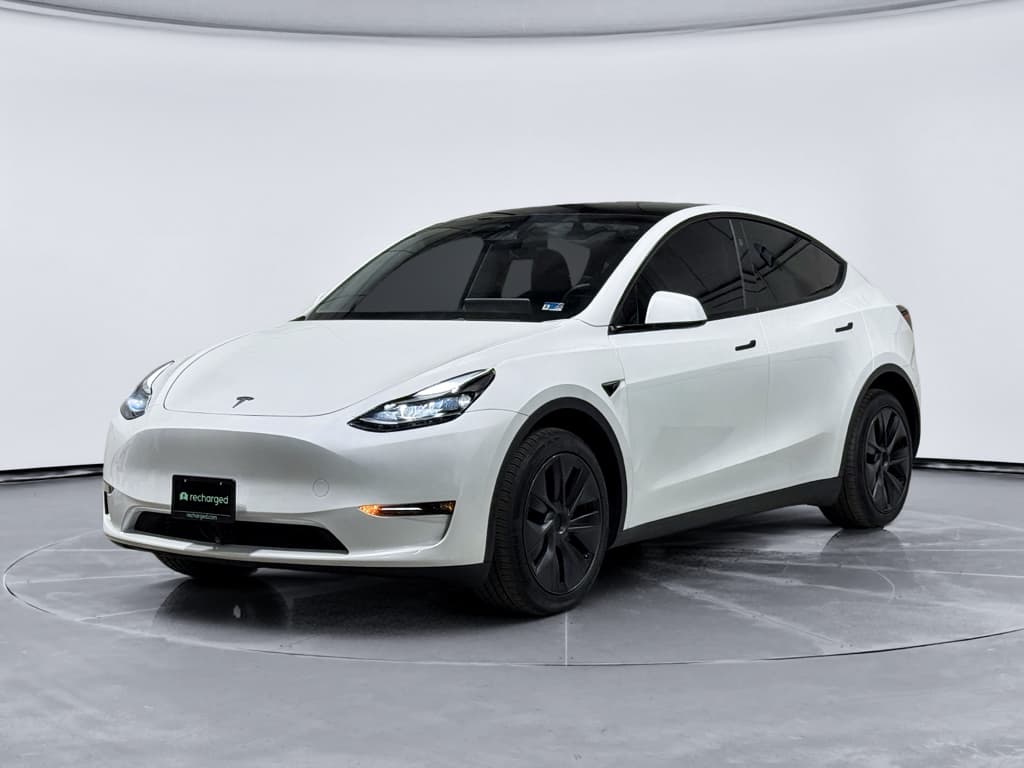
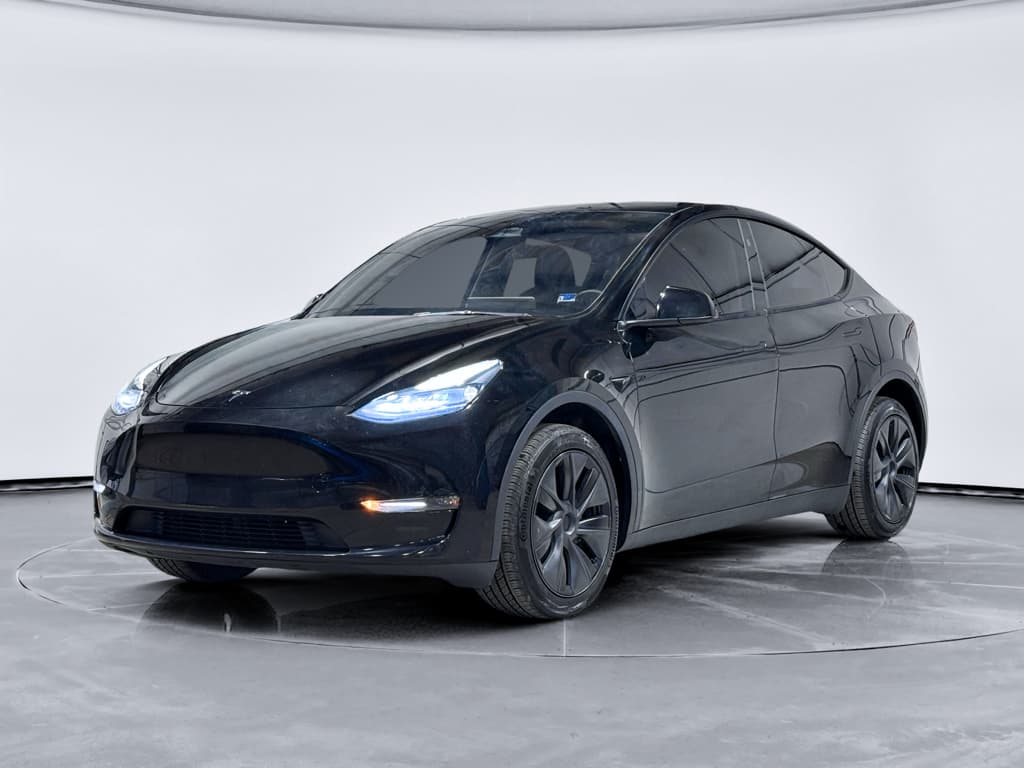
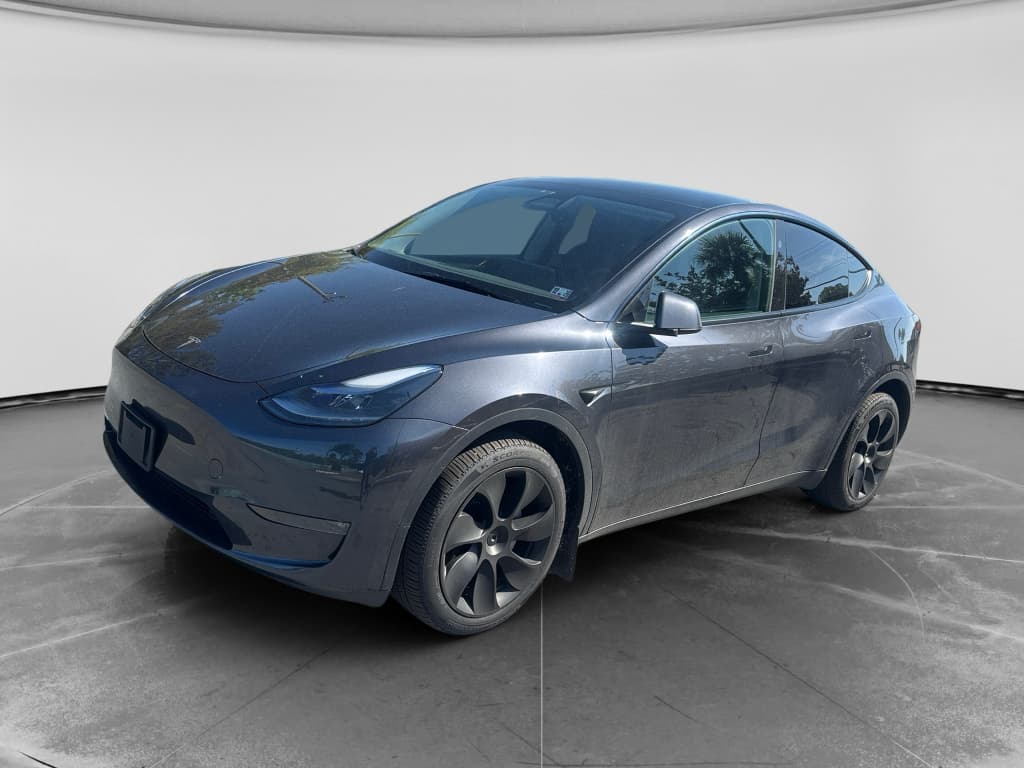
| Tesla Model Y | Up to 7 (optional 3rd row) | $45k+ | ~310 | Compact crossover with tight 3rd row, best for kids |
| Tesla Model X | 6 or 7 | $86k+ | ~330 | Premium performance SUV with Falcon Wing rear doors |
| Rivian R1S | 7 | $77k+ | ~390 | Adventure‑oriented SUV with real off‑road and towing capability |
| Mercedes‑Benz EQS SUV | 6 or 7 (optional 3rd row) | $92k+ | 400+ (tested) | Luxury SUV with optional 3rd row and high‑end tech |
| Kia EV9 (used) | 6 or 7 | Lower as used | Similar | Early used inventory beginning to appear, especially off leases |
| Lucid Gravity | 7 | $95k+ | Up to ~450 | High‑efficiency luxury SUV emphasizing range and tech |
| Cadillac Escalade IQ | 7 | $127k+ | Est. ~460 | Full‑size luxury SUV with huge interior and battery |
| Hyundai Ioniq 9 (upcoming) | 6 or 7 | TBA | 300+ (target) | Mainstream 3‑row SUV aimed at families, U.S. production |
| Mercedes‑Benz EQB | Up to 7 (optional) | $55k+ | ~250 | Compact SUV; third row is occasional‑use only |
Overview of notable 7‑passenger electric vehicles for 2025–2026.
Watch the Fine Print
Space & Comfort: How Usable Are the Third Rows?
On paper, a 7‑passenger electric vehicle sounds great. In reality, not all third rows are created equal. There’s a big difference between a genuinely adult‑friendly three‑row SUV and a compact crossover with a small jump seat in the back.

Third‑Row Comfort: Compact vs. Full‑Size EVs
Ask how often you’ll really use that third row, and who will be sitting there.
Compact Crossovers (e.g., Tesla Model Y, Mercedes EQB)
These vehicles offer an optional third row that’s best for kids or very short trips:
- Limited legroom, think car‑seat age or occasional use.
- Cargo space shrinks quickly with all three rows up.
- Great if you only need seven seats a few times a year.
True 3‑Row SUVs (e.g., Kia EV9, Rivian R1S, EQS SUV)
These are designed from the outset as three‑row vehicles:
- More generous third‑row and second‑row legroom.
- Better access to the back row, often with sliding seats.
- Usable cargo space behind the third row in many trims.
Daily Family Duty
If you’re using all three rows every day, school run, sports, grandparents, prioritize:
- Adult‑tolerable third‑row legroom.
- Easy access for kids and car seats.
- Sufficient cargo room for strollers and bags with all rows up.
Occasional 7‑Seat Needs
If you’re normally a 4–5 person household but want flexibility for occasional extra passengers:
- A compact EV with an optional third row may be enough.
- You get better efficiency and easier parking the rest of the time.
- Consider roof boxes or hitch carriers for holiday trips.
Bring the Measuring Tape
Range, Charging, and Road‑Trip Readiness
Three‑row EVs tend to be big and heavy. That means they need large battery packs, which add cost, but also unlock the kind of range families want for road trips. Today’s 7‑passenger electric vehicles span everything from roughly 250 miles of EPA range up to the mid‑400s, depending on model and wheel/tire choices.
- Mainstream family EVs like the Kia EV9 target around 250–300 miles of range, with relatively fast DC charging to make up the difference on road trips.
- Premium models such as the Mercedes‑Benz EQS SUV, Lucid Gravity, and Cadillac Escalade IQ push into the 400‑mile range bracket, but at luxury‑car prices.
- Adventure‑oriented SUVs like the Rivian R1S balance range with towing and off‑road capability, which can significantly reduce real‑world range when fully loaded.
Charging Reality Check
The other piece is charging access. Many newer 7‑seat EVs either ship with the North American Charging Standard (NACS) connector or include adapters, opening up access to Tesla’s Supercharger network in addition to existing CCS fast‑charging stations. If you’re planning a lot of road trips, especially across less‑dense charging regions, it’s worth looking closely at how your chosen model connects to those networks.
New vs. Used 7‑Passenger EVs
When three‑row EVs first hit the market, you were basically limited to new, expensive models like the Tesla Model X. By late 2025, we’re finally seeing a trickle of used 7‑seat electric vehicles, especially early Model Ys with the third‑row option, and the first wave of Kia EV9s and Mercedes EQB SUVs ending initial leases.
Why Consider New?
- Access to the very latest battery chemistries and charging hardware.
- Full warranty coverage and the latest driver‑assistance suites.
- Potential eligibility for federal and state incentives when purchased new.
Why Consider Used?
- Significant upfront savings versus MSRP, especially on luxury models.
- Rapid depreciation means a 2–3‑year‑old 3‑row EV can be strong value.
- Real‑world history: reviews, recalls, and common issues are better understood.
Where Recharged Fits In
Ready to find your next EV?
Browse VehiclesIf you’re comparing a new 3‑row EV to a used one, think beyond the price tag. A slightly older luxury EV with a healthy battery and strong fast‑charging performance can be a better long‑term buy than a brand‑new but cramped seven‑seater that your family will outgrow in a few years.
Cost of Ownership and Incentives
A 7‑passenger electric vehicle will typically cost more upfront than a comparable gas SUV, but that’s only half the story. Over several years, fuel and maintenance savings often narrow, or even erase, the gap, especially if you can charge mostly at home.
Where the Money Goes on a 3‑Row EV
Big battery, big vehicle, but also big opportunities to save.
Purchase Price
Battery packs are the single most expensive component in an EV, and three‑row SUVs tend to carry large packs. Expect higher MSRPs, especially for luxury models.
Fuel vs. Electricity
Electricity is usually cheaper per mile than gasoline. Families that rack up highway miles in a large SUV can save hundreds to thousands of dollars per year.
Maintenance
EVs skip oil changes and many routine services. Brakes often last longer thanks to regenerative braking, which is a big win on heavy three‑row vehicles.
Don’t Forget Incentives
How to Choose the Right 7‑Passenger Electric Vehicle
Choosing the right 7‑seat EV is less about chasing the biggest battery or fanciest screen and more about finding the package that matches how your family actually lives. Here’s how to think about the decision.
Key Decision Factors for a 7‑Passenger Electric Vehicle
1. How Often Will All Seven Seats Be Occupied?
If you’re running full most days, prioritize true three‑row SUVs like the Kia EV9, Rivian R1S, or Mercedes‑Benz EQS SUV. If seven seats are rare, a compact EV with an optional third row can be enough.
2. Typical Trip Lengths
For mostly local use with occasional longer trips, a 250–280‑mile EV with solid fast‑charging is plenty. If you do frequent long‑distance highway drives, look for 325+ miles of rated range and strong DC fast‑charge curves.
3. Where and How You’ll Charge
Home Level 2 charging makes a big, heavy EV much easier to live with. If you rely on public charging, investigate how your chosen model works with CCS and NACS networks where you drive.
4. Cargo Needs With All Three Rows Up
Three‑row EVs vary wildly in cargo space behind the third row. If you routinely carry strollers, sports gear, or luggage for seven, prioritize depth and height in that cargo well.
5. Budget vs. Luxury
Mainstream models like the Kia EV9 aim for a sweet spot of price, space, and range. Luxury options offer more range and plush interiors but can cost as much as a house in some markets.
6. Software and Driver Assistance
Three‑row EVs are long, heavy vehicles. High‑quality driver‑assistance systems, 360‑degree cameras, and good parking aids can make them much less stressful to drive and park.
Checklist: Shopping for a Used 3‑Row EV
If you’re looking at a used 7‑passenger electric vehicle, whether it’s a Model Y with the third row, a Rivian R1S, or a gently‑used luxury SUV, there are a few items you should absolutely verify before you commit.
Essential Used 7‑Passenger EV Buying Checklist
Verify Battery Health
Ask for a <strong>quantitative battery health report</strong>, not just a seller’s opinion. At Recharged, every vehicle includes a Recharged Score with verified battery diagnostics so you can see estimated remaining capacity.
Confirm Original Battery Warranty
Most EV battery warranties run 8–10 years and 100,000+ miles. Check the in‑service date and mileage to see how much coverage remains, and what’s actually covered.
Inspect Third‑Row Hardware
Make sure the third row folds, latches, and slides correctly. Check for rattles, worn seatbelts, and damage from frequent folding or cargo use.
Check Fast‑Charging Performance
A healthy pack should charge quickly to a certain percentage on a compatible DC fast charger. If possible, do a supervised fast‑charge test or review logged charging data.
Review Prior Usage
Heavy towing, frequent DC fast‑charging, or ride‑share duty can age a pack faster. Ask about prior use and look for service records that match the story.
Evaluate Driver‑Assist Features
Features like adaptive cruise control and lane centering matter more on long trips with a full load of passengers. Make sure the vehicle actually has the options you’re expecting and that sensors and cameras are fully functional.
Avoid the “Mystery Battery”
Recharged was built to remove that guesswork. Our marketplace pairs verified battery diagnostics with expert‑guided support, so you can compare not just price and mileage, but actual pack health across multiple 3‑row EVs.
Frequently Asked Questions About 7‑Passenger EVs
7‑Passenger Electric Vehicle FAQ
Bottom Line: Are 7‑Passenger EVs Worth It?
If you need three rows and want to go electric, the good news is that you no longer have to choose between a single ultra‑luxury model and nothing. From the Kia EV9 and Tesla Model Y to Rivian R1S, Mercedes‑Benz EQS SUV, Lucid Gravity, and Cadillac’s electric Escalade, there’s now a spectrum of 7 passenger electric vehicles that cover everything from mainstream family hauler to six‑figure luxury lounge.
The key is to match the vehicle to your actual life: how often you’ll use the third row, how far you really drive, and where you’ll charge. If you’re leaning toward used, insist on transparent battery health data and a clear view of the vehicle’s history. That’s exactly what Recharged was built for, pairing verified battery diagnostics with expert‑guided support so you can step into a 7‑seat EV that fits your family, your commute, and your budget with eyes wide open.