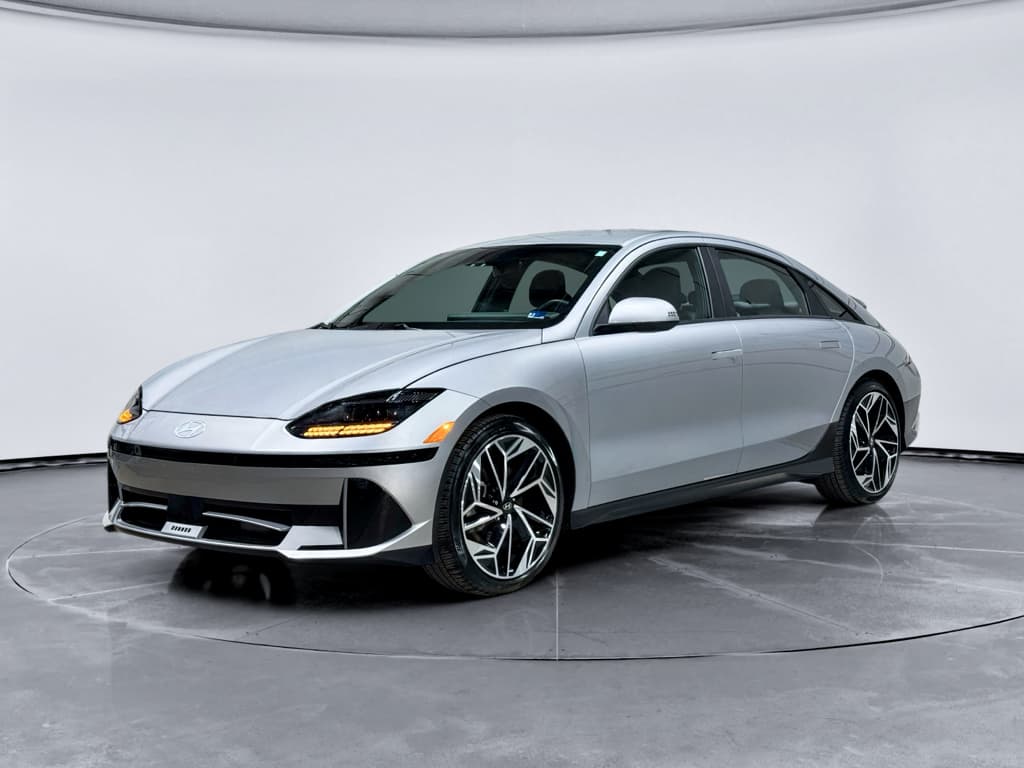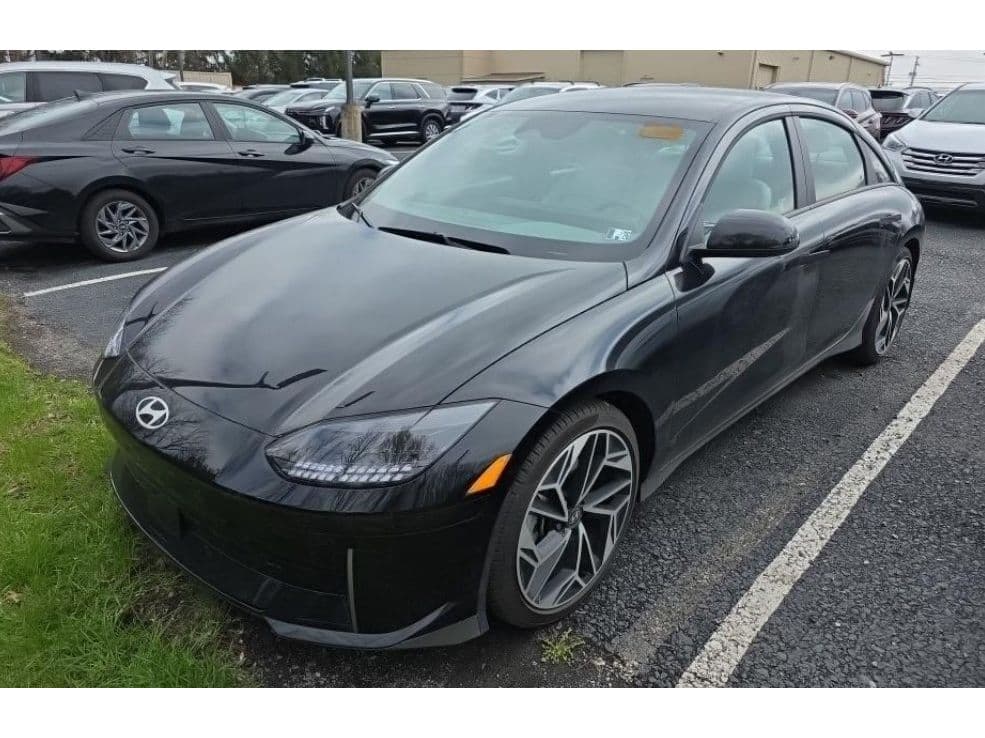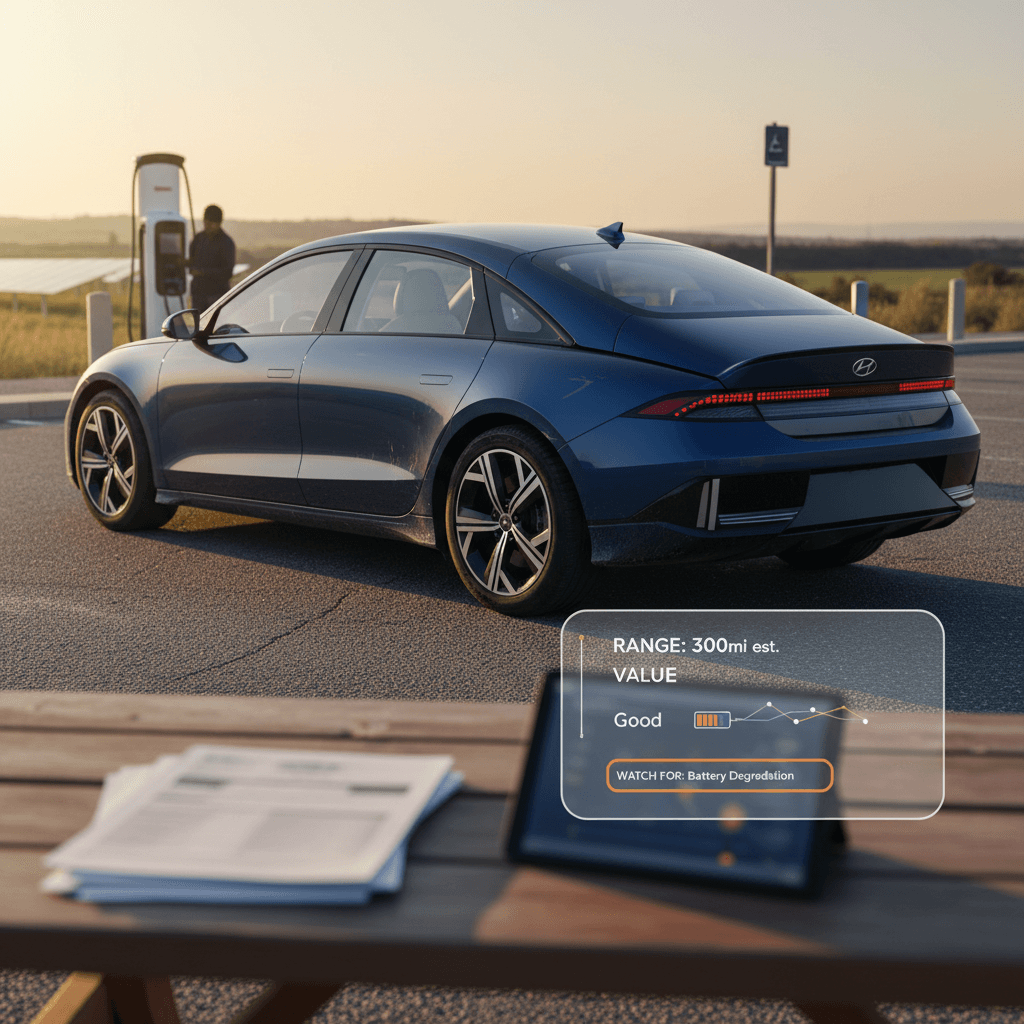
If you’re eyeing a **used 2026 Hyundai Ioniq 6**, you’re shopping one of the most efficient long‑range EV sedans on the market. The Ioniq 6 pairs streamliner styling with serious range, ultra‑fast DC charging and livable tech, but used‑market shoppers also need to think about depreciation, ICCU failures, software updates and Hyundai’s shifting U.S. strategy for the car.
Quick context for 2026 shoppers
2026 Hyundai Ioniq 6 at a Glance (Used)
Key numbers for used 2026 Hyundai Ioniq 6 buyers
The Ioniq 6 rides on Hyundai’s e‑GMP platform, sharing its 800‑volt architecture with the Ioniq 5 and Kia EV6. That gives you **highway‑crush range and some of the best DC fast‑charging behavior in the segment**, even three or four years down the road. As a used buy, the 2026 model year is essentially the latest evolution of a package that debuted for 2023, with software and feature tweaks rather than a ground‑up redesign.
What’s Different for 2026 – And Where You’ll Actually Find One
Trim and feature updates
- Most 2026 Ioniq 6s you’ll see used will be long‑range battery cars, often in better‑equipped SEL or Limited trims.
- Hyundai has leaned into software‑driven updates – OTA updates can tweak driver‑assist behavior, infotainment and even charging logic over time.
- In some global markets, a mild facelift improves aero details and slightly boosts rated range; U.S. shoppers may see these changes later in the model run.
Availability quirks
- Hyundai has signaled that the mainstream Ioniq 6 may be scaled back in the U.S. in favor of the high‑performance N model and new crossovers.
- That means fewer new 2026 builds and more action in the used market for 2023–2025 cars, with a thinner slice of true 2026s.
- Title and model‑year labeling can vary; some cars sold late in 2025 may be titled as 2026s even if hardware is unchanged. Always verify build date on the door jamb.
Model‑year vs build‑date matters
Real-World Range & Efficiency in a Used 2026 Ioniq 6
Range is the Ioniq 6’s calling card. Long‑range rear‑drive trims are rated around **340 miles of EPA range**, and even dual‑motor AWD versions typically live in the 295–320‑mile window when new. Independent testing and owner data show that in mixed driving the car usually comes close to those figures, especially on 18‑inch wheels and at moderate interstate speeds.
- Expect **~260–300 miles** at 70–75 mph in real interstate use for long‑range RWD cars, lower on 20‑inch wheels or in cold weather.
- AWD versions sacrifice some range for traction and power, but still beat many rivals on **mi/kWh efficiency**.
- The slippery body (0.21–ish drag coefficient) helps maintain efficiency even with higher mileage as long as tires and alignment are in good shape.
Cold‑weather reality check
Charging Performance & Home Charging Experience
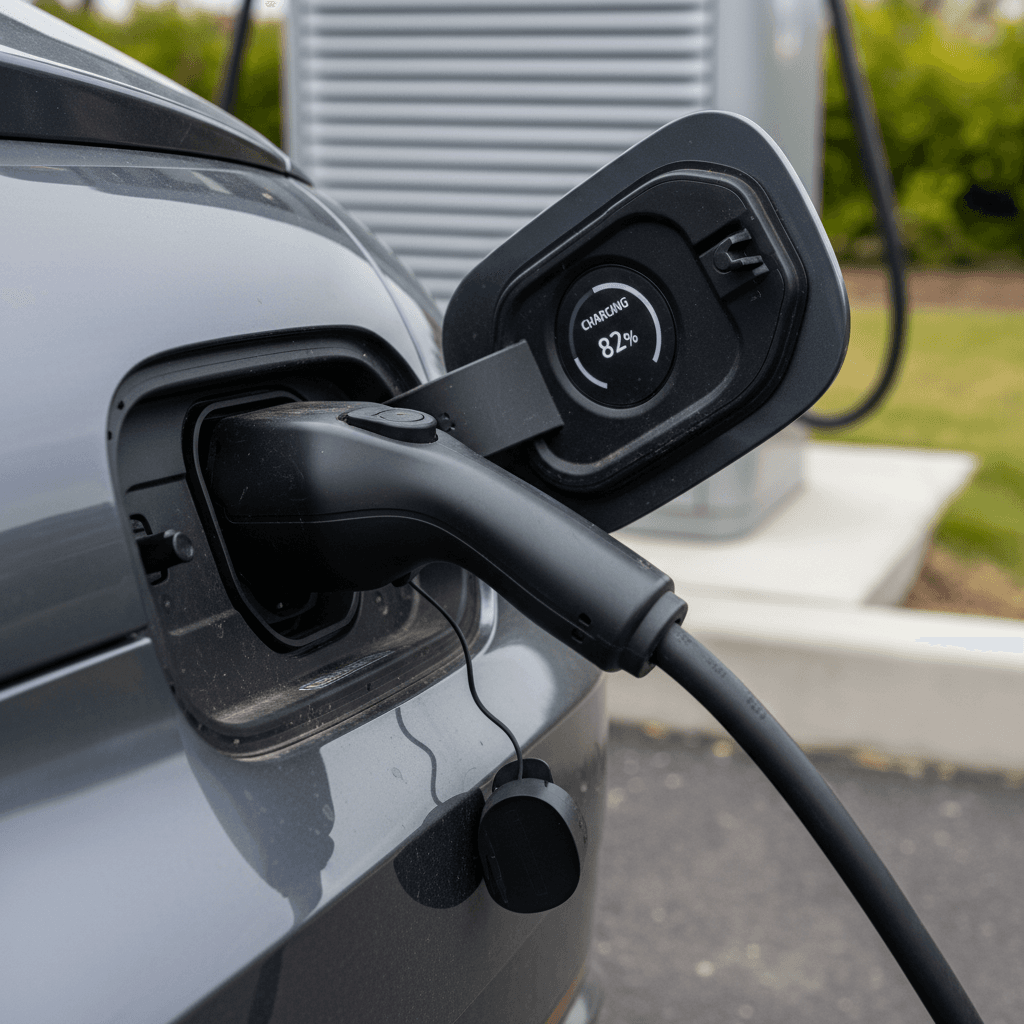
The Ioniq 6 shares the e‑GMP platform’s **800‑volt electrical architecture**, which is a big deal if you road‑trip. On a healthy DC fast charger that can deliver 250–350 kW, you’re looking at a **10–80% session in roughly 18–20 minutes** under ideal conditions. Even on more common 150 kW stations, charge times stay competitive with anything in this price class.
How the 2026 Ioniq 6 charges in the real world
What you can expect when you plug in at home and on the road
DC fast charging
- Peak rates north of 200 kW on 350 kW hardware when conditions are right.
- Flattish charge curve keeps speeds high through the middle of the session.
- Great for long‑distance drivers who don’t want 45‑minute coffee breaks.
Level 2 home charging
- Onboard AC charger around 10–11 kW.
- Roughly 7–8 hours from near empty to full on a 40‑ or 48‑amp Level 2.
- Perfect for overnight top‑ups if you have a 240V circuit.
Portable & included gear
- Standard 120V “granny” cable varies by market and trim.
- Some 2024–2025 cars dropped the bundled portable charger; used 2026s may or may not include it.
- Budget for a quality Level 2 if you’re buying your first EV.
Used‑buyer charging checklist
Driving Experience, Comfort & Tech
On the road, the Ioniq 6 feels more like a premium European sedan than a mainstream Hyundai. The low, swoopy body, long wheelbase and battery mass down low all contribute to a planted, quiet ride. Rear‑drive cars have a relaxed, efficient character, while dual‑motor versions feel legitimately quick, with 0–60 mph in the mid‑4‑second range when new.
Strengths you’ll notice used
- Quiet cabin at highway speeds, especially on 18‑inch wheels.
- Plenty of power for on‑ramps and passing, even in efficiency‑focused trims.
- Traditional stalks and buttons vs the more minimalist approach in some rivals.
- Strong suite of driver‑assist tech (adaptive cruise, lane‑centering) that improves with OTA updates.
Things to test‑drive carefully
- The swoopy roofline can make rear headroom and visibility tight for taller passengers.
- Some owners complain about driver‑assist tuning, nudgy lane‑keeping or inconsistent steering feel.
- Ride quality can get busier on 20‑inch wheels and low‑profile tires.
- Make sure the latest infotainment and map updates are installed; software gaps can show up as lag or glitches.
Where the Ioniq 6 beats a used Model 3
Depreciation, Used Pricing & Value vs Rivals
The Ioniq 6 has already shown the classic EV depreciation curve: steep early drops, then a slower glide. That’s bad news for first owners, and good news if you’re buying used. By the time a 2026 car hits the secondary market, you’re usually looking at **30–45% off original MSRP** in its first three years, depending on trim, mileage and incentives in play when it was new.
How a used 2026 Ioniq 6 stacks up on value
Approximate used‑market positioning vs common alternatives with similar age and mileage.
| Model | Typical age/miles | Used price vs original MSRP | Key strengths | Key trade‑offs |
|---|---|---|---|---|
| 2026 Hyundai Ioniq 6 Long Range RWD | 2–3 yrs / 25k–40k mi | ~35–45% lower | Superb efficiency, fast charging, long warranty | Limited charging‑network brand pull vs Tesla |
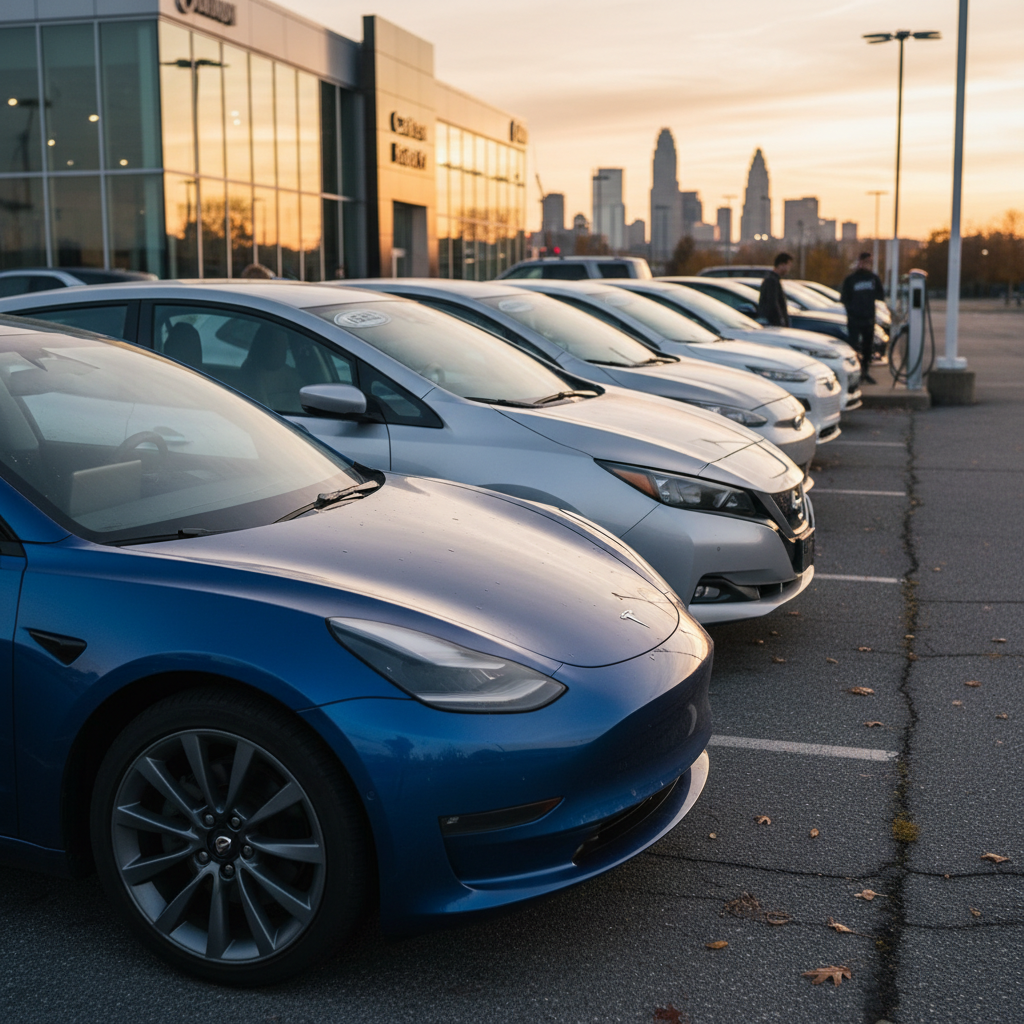
| 2025 Tesla Model 3 Long Range | 2–3 yrs / 25k–40k mi | ~25–35% lower | Supercharger access, software polish, brand | Harsher ride, less traditional controls |
| 2025 Kia EV6 RWD | 2–3 yrs / 25k–40k mi | ~30–40% lower | Hatchback practicality, similar 800V tech | Less aero, slightly lower range |
| 2025 Polestar 2 | 2–3 yrs / 25k–40k mi | ~35–45% lower | Scandinavian design, solid build feel | Efficiency and range trail Ioniq 6 |
Pricing will vary by region, mileage and condition; use this as directional guidance, not a quote.
Look past the headline price
Reliability, Recalls & Known Ioniq 6 Issues
The Ioniq 6 is still a relatively young model, but we have a few years of owner data from 2023–2025 cars that carry over to 2026. Broadly, the drivetrain and battery pack have held up well so far, but there are a few patterns used shoppers should know about.
Common complaints and issues to ask about
1. ICCU (charging control) failures
Some Ioniq‑family cars have suffered failures in the Integrated Charging Control Unit (ICCU), leading to slow charging, no‑charge situations or 12V battery drain. Many cases are covered under warranty or campaign work, ask for documentation that any ICCU‑related recalls or service bulletins were performed.
2. Charge‑port door recall
Early Ioniq 6s were recalled in some markets for charge‑port doors that could fail or detach. Make sure the car you’re considering has had all charge‑port‑related recall work completed and that the door opens/closes smoothly by hand.
3. Software and OTA update lag
Owners frequently report delays or quirks with software updates, navigation bugs, driver‑assist behavior and charging logic. During your test drive, confirm the software is current and that driver‑assist systems behave predictably.
4. Dealer service experience
The hardware isn’t the only factor. A share of Ioniq 6 owners complain about inconsistent EV expertise at some dealerships. Ask the seller where the car has been serviced and whether any repeat visits were required for the same issue.
5. Wheel and tire wear
The Ioniq 6’s weight and torque can be hard on tires. Inspect tread depth, look for uneven wear on inner shoulders and budget for a set of quality EV‑rated tires if the existing set is near the end of its life.
Don’t skip a recall check
Battery Health: What Really Matters on a Used Ioniq 6
Hyundai’s high‑nickel battery packs have generally aged well so far, and the Ioniq 6 benefits from **liquid cooling and conservative thermal management**. After three or four years, many owners are reporting modest degradation, often in the high‑single‑digit percentage range, assuming normal use and charging habits.
How to evaluate Ioniq 6 battery health in the real world
You don’t need a lab, just a methodical test drive and the right data.
Step 1: Look at range vs. SOC
- Fully charge the car and note the indicated range at 100%.
- Compare it to the original EPA figure for that trim and wheel size.
- A small gap is normal; a very large gap could point to degradation or recent cold‑weather driving.
Step 2: Review history and charging habits
- Ask how often the car was fast‑charged vs. home‑charged.
- Look for patterns: always charged to 100% and left sitting, or kept mostly between 20–80%?
- Request service records showing any battery‑related repairs or diagnostics.
What Recharged’s battery reports add
Who a Used 2026 Ioniq 6 Is (and Isn’t) Right For
Is a used 2026 Ioniq 6 the right EV for you?
Best fit: You’ll love it if…
You value **long highway range and fast charging** over SUV‑style ride height.
You prefer a quieter, more traditional cabin layout than a Tesla Model 3.
Your daily driving mix is mostly pavement with occasional bad‑weather trips where AWD (if equipped) is a plus.
You’re comfortable using CCS‑based public fast‑charging networks or plan to charge mostly at home.
Maybe not the best fit if…
You prioritize **Supercharger access** above all and don’t want to think about adapters or multiple apps.
You need easy ingress/egress and a tall seating position, an EV crossover will suit you better.
Rear headroom is critical for adult passengers on every trip.
You live in an area where Hyundai dealer EV support has been poor and you can’t easily reach a stronger store.
How Recharged Helps You Shop a Used Ioniq 6 Smarter
Shopping a used EV sedan is different from buying a used gas Accord, and the 2026 Ioniq 6 is a textbook case. Battery health, DC‑fast‑charge behavior and software history all matter just as much as paint and tires. That’s where Recharged is built to help.
- Every Ioniq 6 on Recharged includes a **Recharged Score Report** with verified battery state‑of‑health, charge‑cycle insights and fair‑market value analysis.
- You can get **expert EV‑specialist support** to talk through trims (SE vs SEL vs Limited, RWD vs AWD) and which configuration best matches your commute and charging options.
- If you’re coming out of a gas car, Recharged can **value your trade‑in** and even give you an instant offer or consignment option to simplify the switch.
- Nationwide delivery and a fully digital purchase flow mean you can shop Ioniq 6 inventory beyond your local Hyundai store, then close the deal online.
Try before you commit
Ready to find your next EV?
Browse Vehicles2026 Hyundai Ioniq 6 Used Buyer FAQ
Frequently Asked Questions About the 2026 Hyundai Ioniq 6 (Used)
Bottom Line: Is a Used 2026 Ioniq 6 a Good Buy?
If you want a sleek electric sedan that sips electrons, crushes highway miles and still feels fresh three or four years on, a **used 2026 Hyundai Ioniq 6** deserves a spot near the top of your list. It isn’t perfect, dealer support can be uneven, ICCU and charge‑port issues are worth screening for, and the sedan body won’t suit every family, but its blend of range, charging speed and comfort is rare at current used prices.
Approach it like a savvy used‑EV shopper: verify battery health, confirm recall work, and think through your charging reality before you fall for the styling. Whether you buy through a private seller, a franchise store or a dedicated EV marketplace like Recharged, doing that homework up front will help you land an Ioniq 6 that stays efficient, comfortable and headache‑free well into its second life.