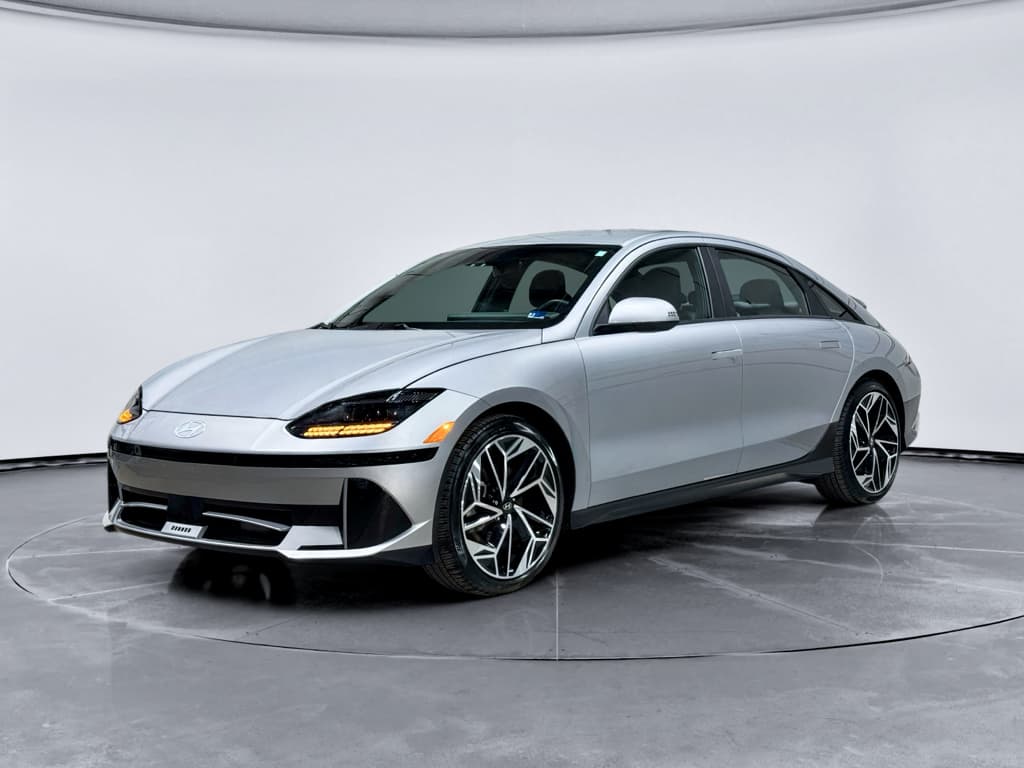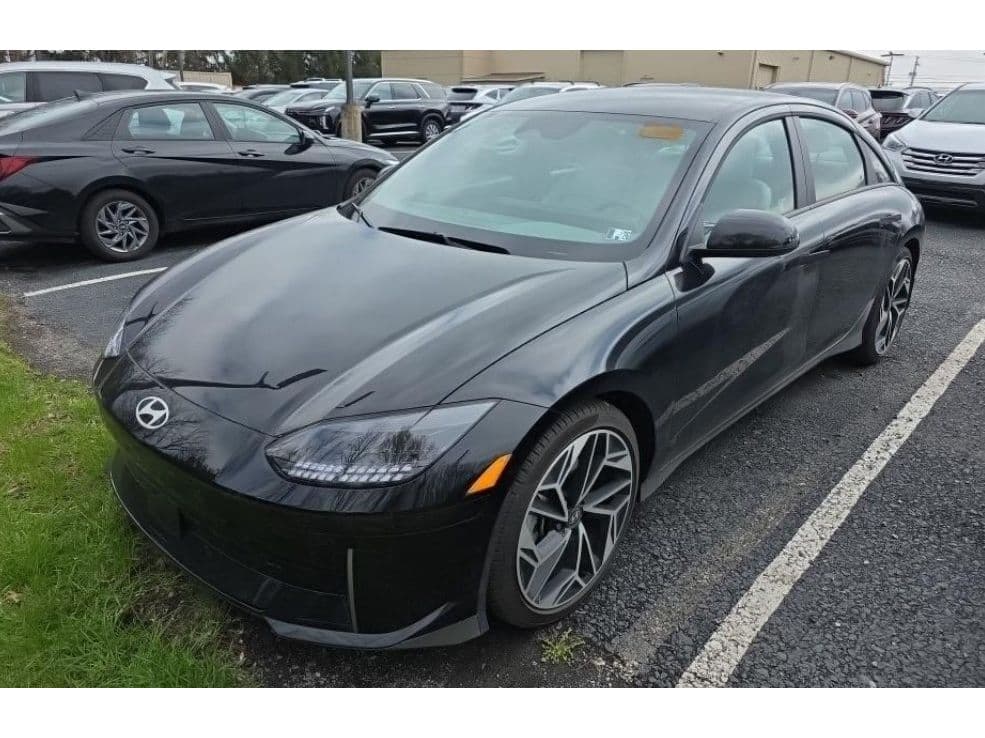
If you’re trying to understand 2026 Hyundai Ioniq 6 problems and fixes, you’ve probably run into a weird reality: the standard Ioniq 6 sedan is being phased out in North America just as used inventory is starting to show up in meaningful numbers. That makes it even more important to understand which issues come from earlier model years, how Hyundai is addressing them, and how you can protect yourself if you’re buying one used.
Quick reality check
Does a 2026 Hyundai Ioniq 6 Even Exist?
Here’s the first curveball: Hyundai has confirmed that the standard Ioniq 6 will not return for the 2026 model year in the U.S. market. The performance-focused Ioniq 6 N may continue in limited form, but the mainstream SE/SEL/Limited trims are effectively sunsetted. In practice, that means when people say “2026 Ioniq 6,” they usually mean one of two things:
- A 2023–2025 Ioniq 6 that was first titled or sold in calendar year 2026 (very common in dealer inventory).
- An Ioniq 6 from the mid-cycle refresh shown in 2025, which may be registered as a late-2025 or early-2026 car depending on market and paperwork timing.
From a problems and fixes standpoint, you should treat a 2026 Ioniq 6 exactly like a late-build 2024 or 2025 Ioniq 6. Same E-GMP platform, same high-voltage hardware, and the same recall and software-campaign history to pay attention to.
2026 Ioniq 6 Reliability at a Glance
Ioniq 6 Reliability Snapshot (2023–2025 Data)
The pattern, not the panic
Major 2023–2025 Ioniq 6 Issues That Matter for 2026
Because the 2026 Ioniq 6 is essentially the same underlying car, the best guide to future problems is the recall and service history from 2023–2025. Here are the big-ticket items you should know about, along with practical fixes.
1. ICCU and 12V Battery Failures
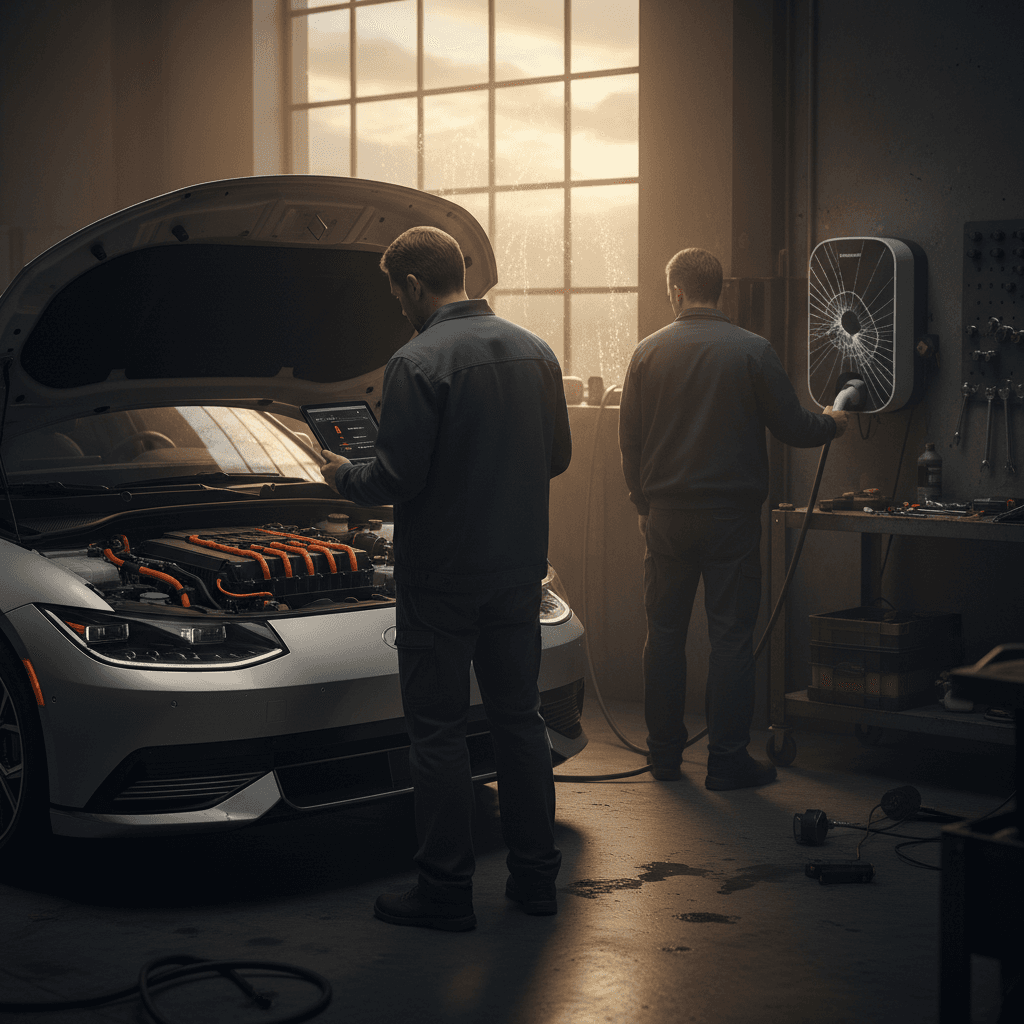
The single most consequential issue on Hyundai’s E-GMP EVs (Ioniq 5, Ioniq 6, Kia EV6, Genesis GV60, etc.) has been the Integrated Charging Control Unit (ICCU) and its relationship with the 12‑volt battery. When the ICCU or its associated DC/DC circuitry misbehaves, it can fail to keep the 12V battery charged. Since every modern EV still relies on a 12V system to boot computers and release the parking pawl, a weak 12V can leave an otherwise full-battery Ioniq 6 bricked in your driveway.
- “Low 12V” warnings followed by the car refusing to start.
- Random no‑start after the vehicle sits for a day or two, even with healthy high‑voltage charge remaining.
- Diagnostic trouble codes tied to the ICCU or DC/DC converter.
- Cars that come back from an ICCU campaign or software update and then experience another 12V event weeks later.
Why this matters for 2026 buyers
ICCU / 12V Issues: Symptoms vs. Fixes
How these failures typically show up, and how they’re addressed in the real world.
Common Symptoms
- Car won’t “ready” or turn on after sitting.
- Dash lights flicker, then go dark.
- Warning messages about low 12V voltage.
- Repeated need for jump-starts or portable boosters.
Typical Fixes
- ICCU inspection under Hyundai service campaigns.
- ICCU fuse and/or control unit replacement.
- 12V battery replacement if it’s been deeply discharged.
- Software updates to charging logic and vehicle sleep behavior.
Hyundai has rolled out multiple service campaigns and software updates to tackle this, and later-build cars tend to be better behaved. But owner reports as late as 2025 still show occasional post-recall 12V failures. That doesn’t make the Ioniq 6 a time bomb, but it does mean you should:
ICCU & 12V: What You Should Do
1. Pull a full Hyundai service history
Ask for printed service records or check the Hyundai owner portal for ICCU or 12V‑related campaigns. You’re looking for recall numbers, campaign codes, and notes about DC/DC or ICCU replacement.
2. Ask directly about 12V failures
Ask the seller if the car has ever needed a jump-start, 12V replacement, or been towed for electrical issues. Evasive or vague answers are a red flag.
3. Get a pre‑purchase diagnostic scan
A proper scan can reveal stored or pending error codes in the ICCU and charging system, even if the dash currently shows no warning lights.
4. Monitor behavior after purchase
For the first few weeks, pay attention to how the car behaves after sitting overnight and after Level 2 or DC fast charging. Early detection beats a surprise no‑start.
2. Charge-Port Door & Charging Interruption Issues
Hyundai has recalled tens of thousands of 2023–2025 Ioniq 6s in the U.S. for charge‑port door and cap issues, including doors that may detach. Separately, certain Ioniq 5 and Ioniq 6 vehicles built between late 2023 and 2024 have seen interrupted or slowed Level 2 charging that required software updates to the Vehicle Charging Management System (VCMS).
How this shows up day-to-day
Charge-Port & Charging Issues: What to Look For
Use this as a quick walkaround and test checklist when evaluating a used Ioniq 6.
| Area | What to Check | What “Good” Looks Like | Potential Fix |
|---|---|---|---|
| Charge-port door | Open/close repeatedly, check for smooth action and secure latch | Door opens with button or gentle press and latches firmly, no wobble | Recall repair or replacement under Hyundai campaign |
| Charge inlet | Inspect for corrosion, bent pins, or excessive wear | Clean contacts, no damage, weather seal intact | Inlet or harness replacement, usually warranty if within coverage |
| Level 2 charging at home | Plug into a known-good 240V charger for at least 15–30 minutes | Charging ramps to expected kW and stays stable | VCMS software update or further diagnosis if charge repeatedly drops |
| Public DC fast charging | Test at a reputable network if possible | Car reaches normal peak rate (given state of charge and temp) and doesn’t repeatedly drop to zero | Software update, connector inspection, or ICCU/DC/DC inspection |
If any of these checks fail, negotiate for repair before you sign, or walk away.
3. Horn and Body Electrical Concerns
A more recent technical service bulletin for the Ioniq 6 extends horn-related warranty coverage to around 10 years/120,000 miles for specific VIN ranges. While a failing horn isn’t a high-dollar repair, it’s part of a broader pattern: Hyundai is quietly cleaning up body electrical gremlins with extended coverage and targeted campaigns rather than splashy recalls.
Practical tip
4. Driver-Assistance Sensors and Nagging Warnings
Hyundai’s driver-assistance suite in the Ioniq 6 is capable, but it’s also chatty. Common complaints include overly sensitive lane-keeping warnings, speed-limit beeps, and forward-collision alerts that feel too conservative. In a minority of cars, misaligned radar or camera sensors can trigger persistent warnings or temporarily disable features until the next drive cycle.
- Frequent beeps and alerts when you’re convinced nothing is wrong.
- Lane centering that “ping-pongs” between markers or disengages abruptly.
- Error messages about SMART CRUISE, LKA, or other assistance features in bad weather or after a windshield replacement.
The good news
5. Everyday Niggles: Wind Noise, Rattles, and Trim
Like many modern aero-focused EVs, the Ioniq 6 can develop wind noise around the mirrors and seals, minor interior rattles, and squeaks from hard plastics over time. These aren’t unique to 2026 cars, but they do tend to show up more clearly once the odometer passes 20,000–30,000 miles.
What’s typical
- Occasional creaks from the dash on rough pavement.
- Wind noise that varies with crosswinds and speed.
- Light buzzing from door panels with loud music.
What’s not
- Persistent, loud rattles over smooth roads.
- Water leaks around doors or trunk.
- Misaligned doors or hatch you can see at a glance.
How to test for this
How Hyundai Is Fixing These Ioniq 6 Problems
Hyundai isn’t ignoring these issues. For 2023–2025 Ioniq 6s that will show up as “2026” cars in the used market, there’s already a paper trail of recalls, service campaigns, and software updates. In most cases, owners don’t pay for these repairs if the car is within warranty and the work is done at an authorized dealer.
Hyundai’s Main Tools for Fixing Ioniq 6 Problems
What’s actually being done behind the scenes, and what it means for you.
Safety recalls
Service campaigns
Software updates
Don’t assume your car is “up to date”
Owner Checklist: Before You Buy a “2026” Ioniq 6 Used
If you’re cross‑shopping a 2026 Ioniq 6 against a Tesla Model 3, Kia EV6, or Hyundai’s own Ioniq 5, your best leverage is information. Here’s a concise, practical checklist you can run through in under an hour.
Used 2026 Ioniq 6 Pre‑Purchase Checklist
1. Verify build year vs. registration year
Check the door‑jamb build sticker and VIN decode. Many “2026” cars are 2024 or 2025 builds that sat on lots. You want the newest build date you can find, all else equal.
2. Run the VIN for recalls and campaigns
Use the NHTSA site and Hyundai’s owner portal to confirm recall completion, especially for ICCU, 12V, charging, and charge‑port door campaigns.
3. Demand full service records
Look for documentation of electrical work, ICCU inspections or replacements, 12V battery replacements, and software updates. Multiple repeat visits for the same issue are a red flag.
4. Test charging in the real world
If the seller allows it, plug into a Level 2 charger for at least 15–20 minutes and watch for stable charging. If possible, do a quick DC fast‑charge test at a reputable network.
5. Scan for diagnostic trouble codes
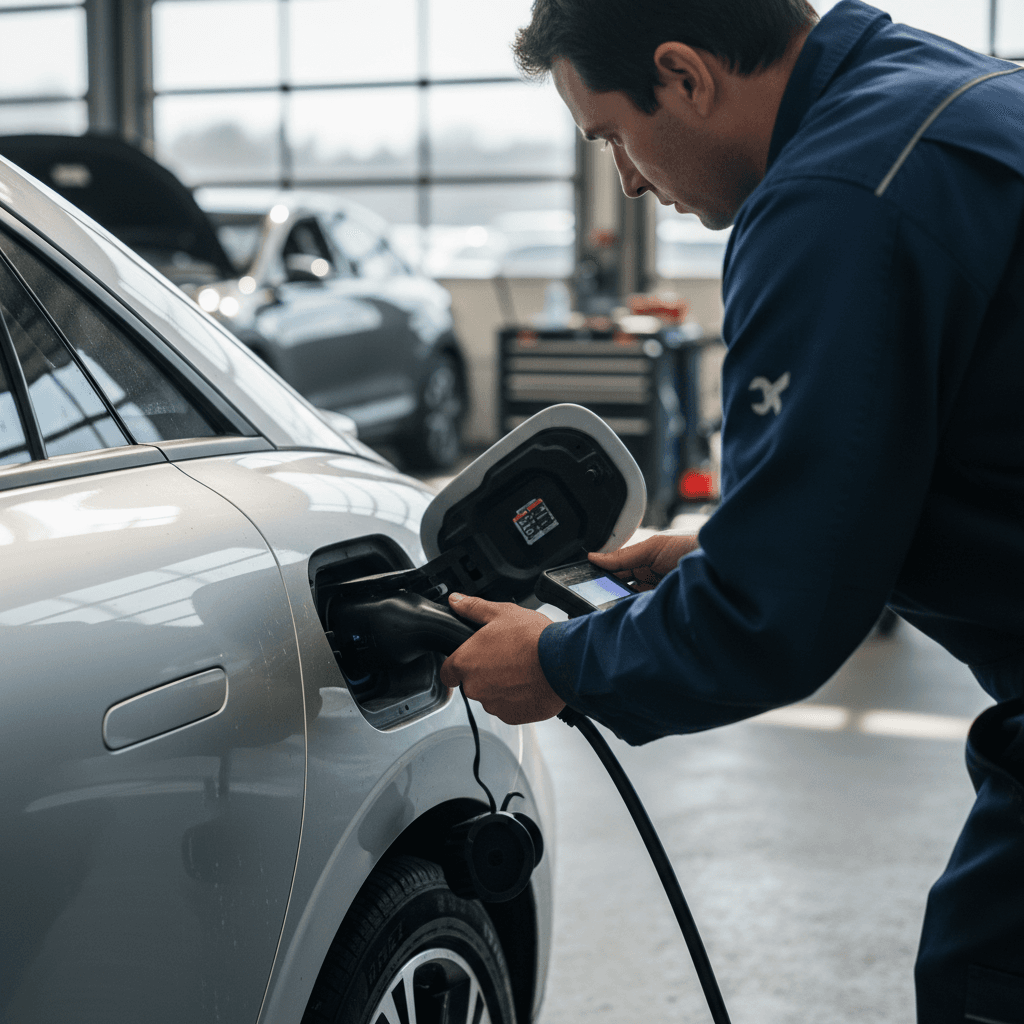
A professional pre‑purchase inspection should include a full OBD scan. Hidden electrical faults can show up here long before they trigger dashboard warnings.
6. Drive it like you’ll actually use it
Highway, rough pavement, parking maneuvers, driver-assistance features on and off. You’re looking for noise, weird behavior, or anything that doesn’t match your expectations from a modern EV.
What Recharged Checks on Every Ioniq 6
If you’d rather not become an amateur service writer just to buy an EV, this is where a specialist marketplace like Recharged changes the equation. Every Ioniq 6 we list goes through a structured evaluation that’s built around the platform’s known failure modes.
Inside the Recharged Score for Ioniq 6
How we de‑risk known Ioniq 6 problem areas for used buyers.
Verified high-voltage & 12V health
Recall, campaign & software status
Charging and port inspection
Transparent pricing & support
Ready to find your next EV?
Browse VehiclesWhy this matters for a 2026 buyer
FAQ: 2026 Hyundai Ioniq 6 Problems and Fixes
Frequently Asked Questions About 2026 Ioniq 6 Problems
Bottom Line: Is a 2026 Ioniq 6 Worth It?
If you want a sleek, aero‑efficient sedan with strong range and fast charging, the Ioniq 6 still makes a compelling case, especially as dealers and owners discount a model that’s quietly exiting the lineup. But the story of 2026 Hyundai Ioniq 6 problems and fixes is really the story of how carefully you separate well‑sorted cars from the unlucky few with unresolved electrical issues.
Focus on ICCU and 12V history, charge‑port and charging behavior, and evidence that recalls and campaigns have actually been done. If you don’t have the time or appetite to manage that yourself, consider shopping through a specialist like Recharged, where every Ioniq 6 comes with battery health diagnostics, a Recharged Score Report, transparent pricing, and EV‑savvy support from first click to delivery.
Do that, and a late‑build Ioniq 6, “2026” badge or not, can be a smart, distinctive alternative to the usual crossover crowd, without turning you into the service department’s most frequent flier.