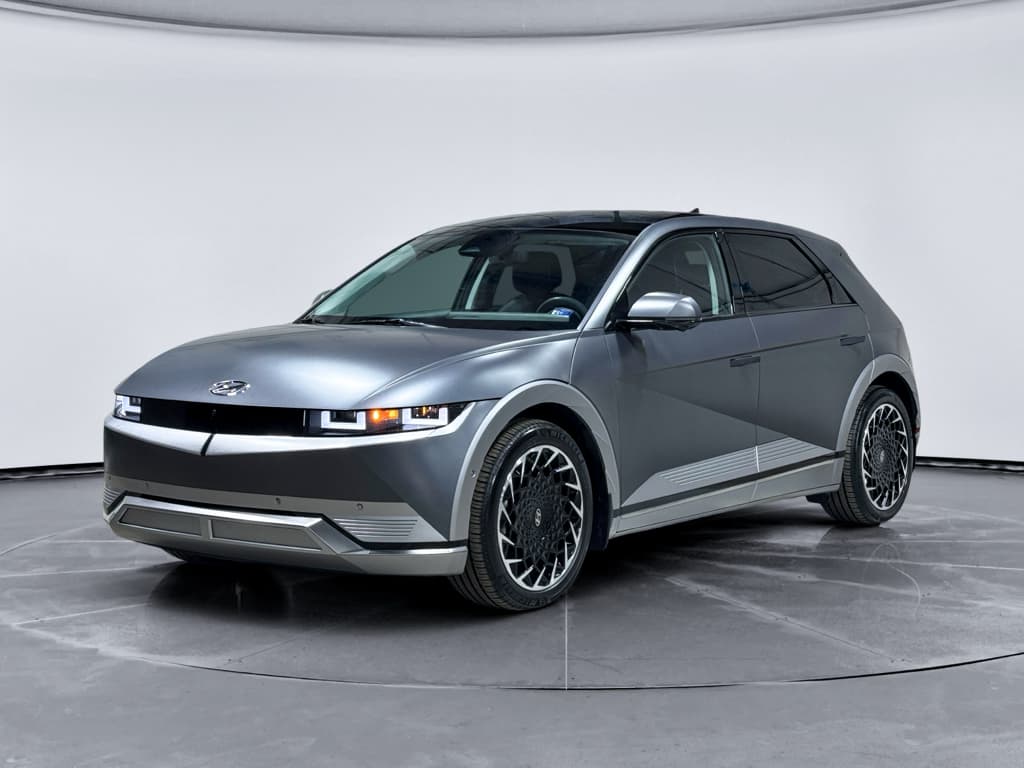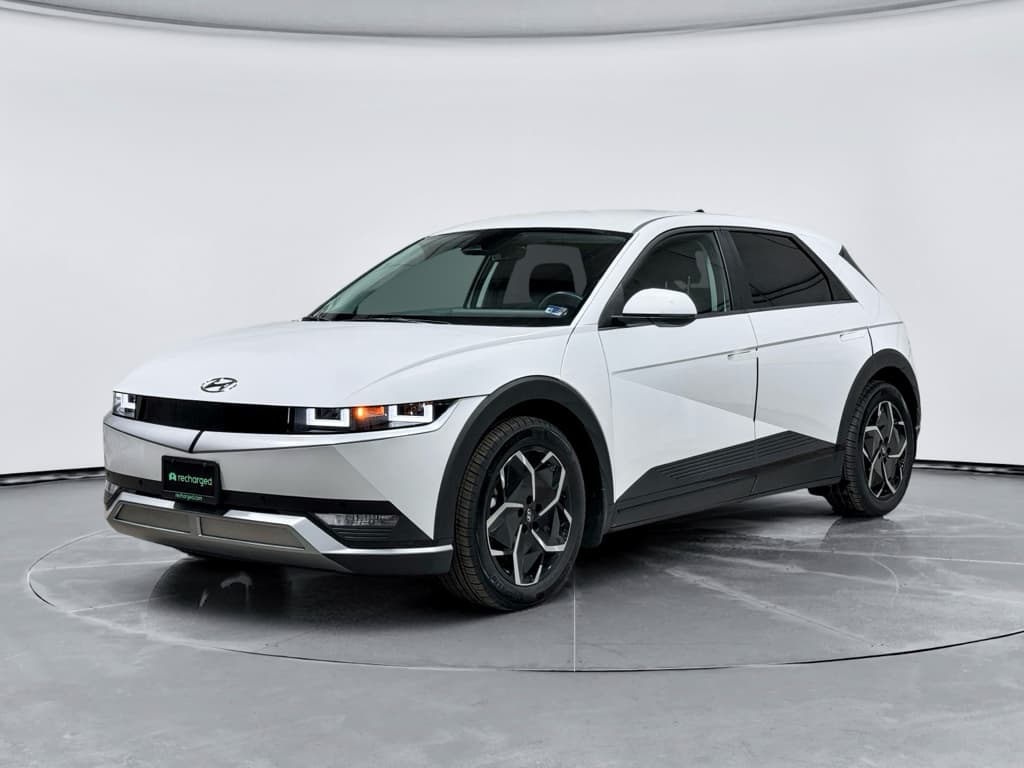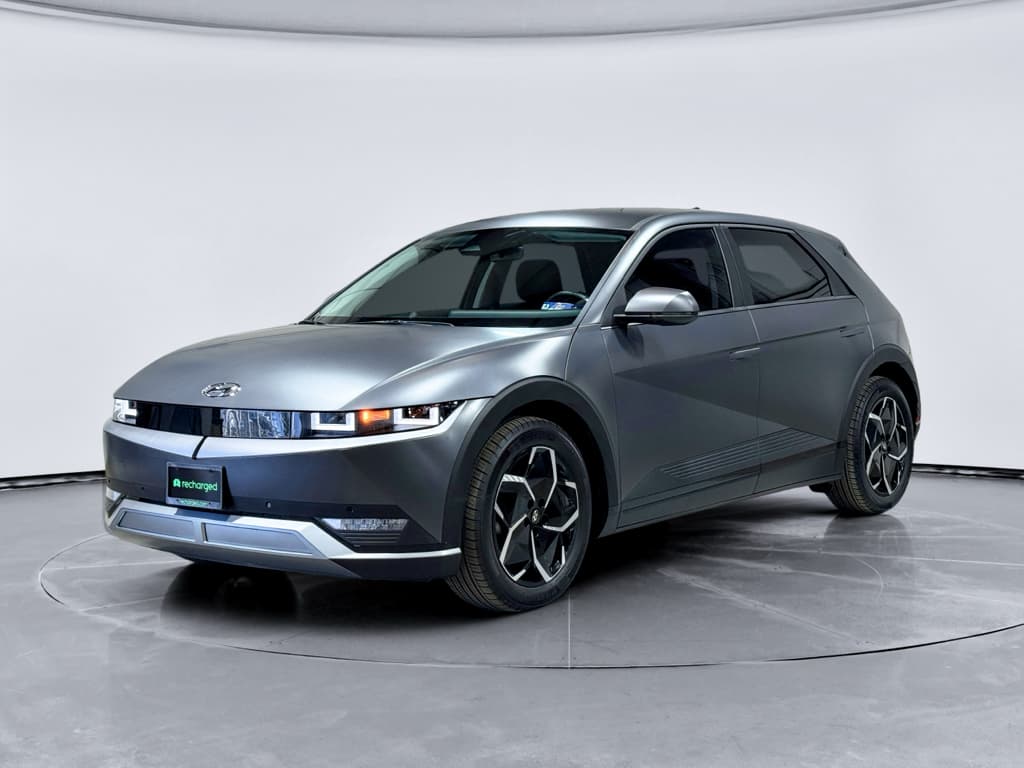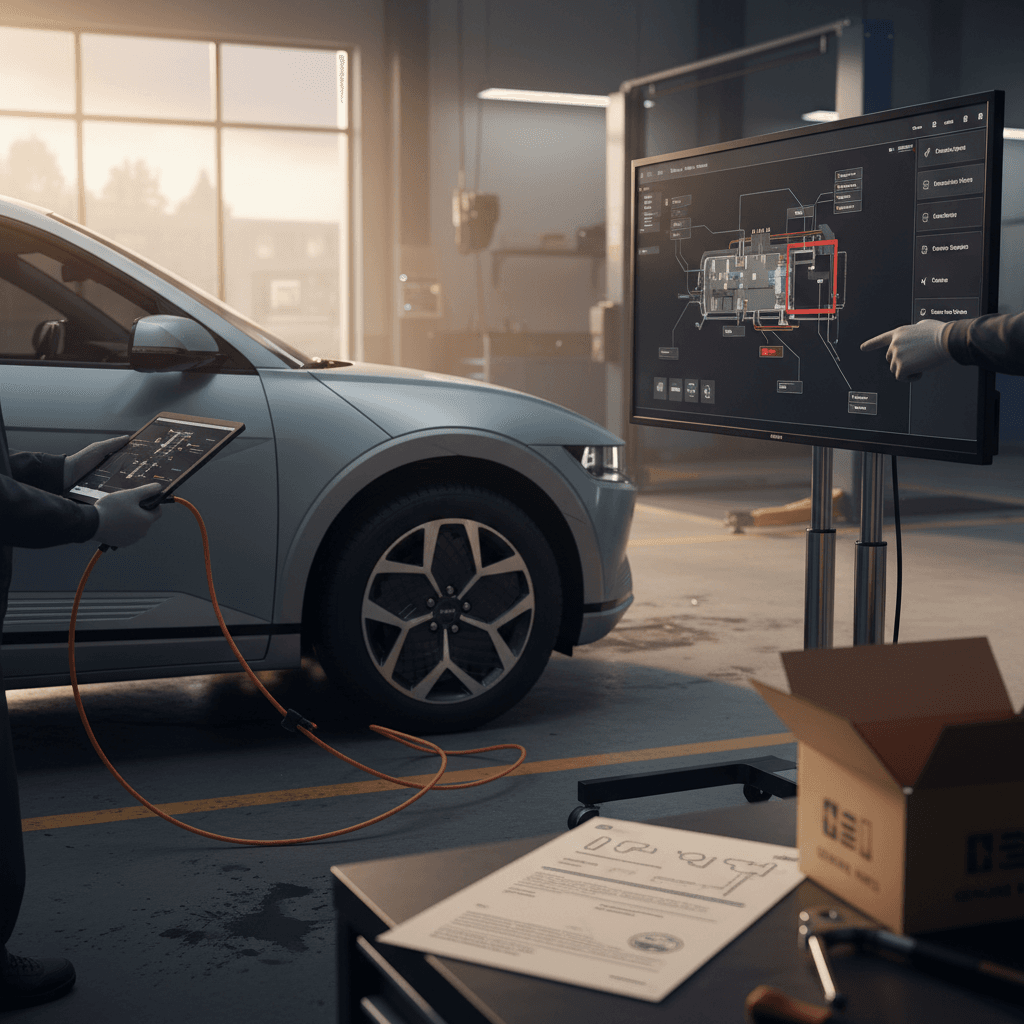
If you’re considering a 2026 Hyundai Ioniq 5, or already have one on order, it’s smart to look up the 2026 Hyundai Ioniq 5 recalls list before you sign anything. The Ioniq 5 has been praised for range and value, but like every relatively new EV platform, it’s seen its share of recall activity and software fixes. This guide walks through what’s publicly known so far about 2026 recalls, how they relate to earlier Ioniq 5 issues, and what owners and shoppers should actually do about them.
Quick snapshot
Overview: 2026 Hyundai Ioniq 5 recalls so far
The 2026 Ioniq 5 rides on Hyundai’s E‑GMP platform and shares a lot of hardware and software with 2022–2025 Ioniq 5s. That’s good for parts commonality, but it also means new recalls in 2025–2026 can sweep in multiple model years at once. Early 2026 documents coming out of NHTSA and Hyundai show safety campaigns that either explicitly include, or are likely to include, some 2026 Ioniq 5 builds, especially around battery/fire‑risk monitoring and instrument‑cluster software behavior.
What we know about Ioniq 5 recall activity
Important context
Current 2026 Hyundai Ioniq 5 recalls list
Because 2026 is the newest model year, NHTSA documents and Hyundai bulletins are still evolving. Instead of pretending there’s a finished, carved‑in‑stone list, it’s more honest, and more useful, to walk through the major recall themes that are either confirmed to touch 2025–2026 Ioniq 5s or are closely related to issues on earlier years that shoppers ask about.
Major recall themes relevant to 2026 Hyundai Ioniq 5
This table summarizes key recall categories that have involved Ioniq 5s up through the 2025–2026 timeframe, and how a 2026 model year might be affected. Always verify exact applicability by VIN.
| Recall theme | Model years referenced in filings | Potential impact on 2026 Ioniq 5 | What the fix generally involves |
|---|---|---|---|
| Battery / high‑voltage system fire‑risk monitoring | 2025–2026 Ioniq 5 noted alongside other E‑GMP models in a battery‑risk campaign | Some 2026 builds may be covered if produced within the affected date range; others may simply inherit updated software from day one | Dealer software update to battery‑management and monitoring logic; in rare cases, inspection or replacement of affected components |
| Charging electronics / ICCU behavior | 2022–2025 Ioniq 5 widely covered by recalls and service campaigns | Hyundai has iterated hardware and software, but underlying architecture remains similar; 2026 models benefit from fixes, yet may appear in future campaigns if new failure data emerges | Software reflash of ICCU/VCMS, 12‑volt support system updates, and sometimes physical component replacement |
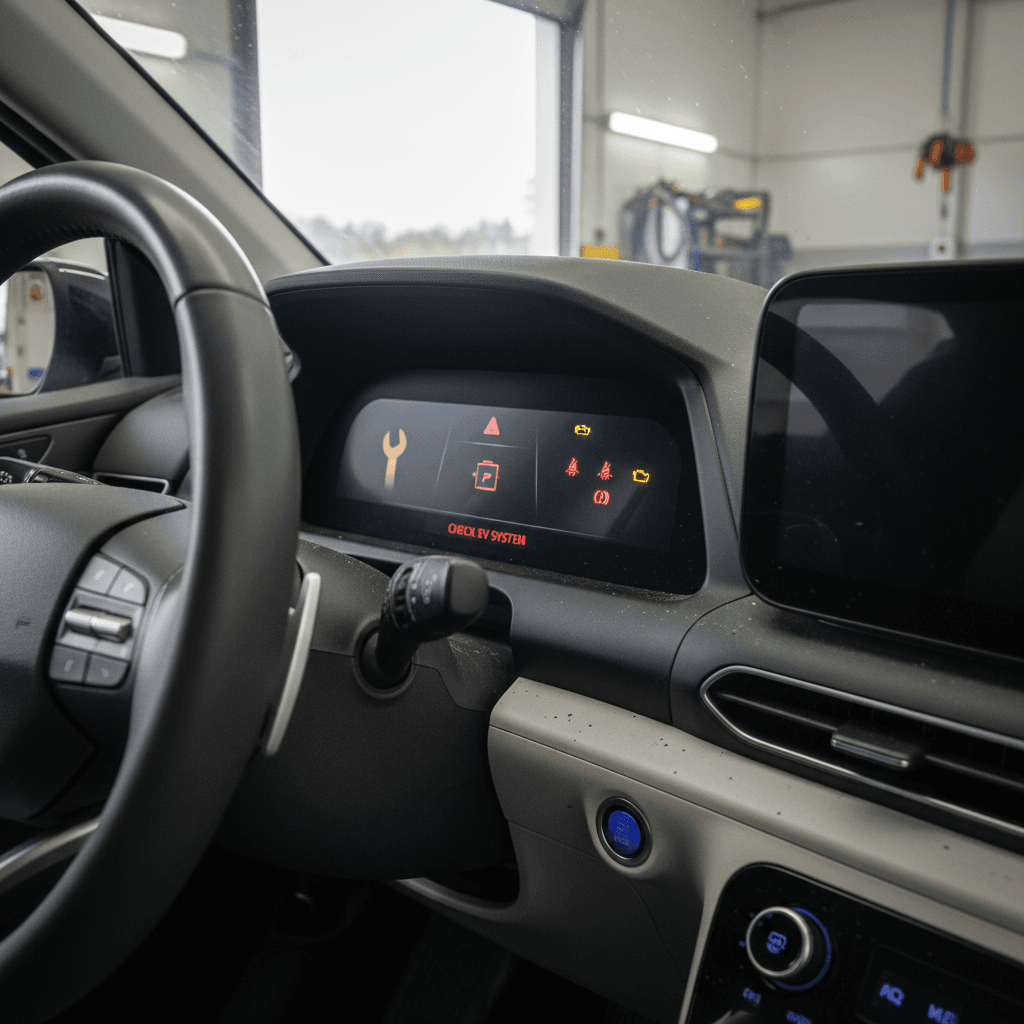
| Instrument‑cluster / warning‑light visibility | 2025–2026 Hyundai models (including Ioniq 5 among several nameplates) cited in instrument‑cluster display campaigns | Certain 2026 Ioniq 5s may require an instrument‑cluster software update to ensure speed and warning lights always display correctly | Reprogramming the instrument‑cluster control unit with updated software; no hardware change in most cases |
| Suspension / chassis hardware | A very small number of 2025 Ioniq 5 units recalled for suspension‑related issues | No broad 2026 campaign yet, but any supplier‑level defect could be extended to later builds if warranted | Inspection of suspension components and replacement of affected parts |
| Performance‑variant software (Ioniq 5 N) | 2025 Ioniq 5 N recalled for left‑foot‑braking and braking‑logic software issues | If Hyundai continues similar performance software into 2026, future campaigns could sweep in late‑built N variants as more data comes in | Dealer software update to the performance braking/traction‑control logic |
Use this table as a guide, then cross‑check your specific 2026 Ioniq 5 on NHTSA.gov or with a Hyundai dealer.
Treat 2026 as an evolution, not a reset
How 2026 recalls connect to earlier Ioniq 5 issues
If you’re coming from owner forums, you’ve probably seen long threads about ICCU failures, mysterious 12‑volt battery deaths, and the occasional horror story about an Ioniq 5 bricking at a charger. Those experiences are real, but the nuance is that Hyundai has been layering on recalls, software updates, and silent running‑changes to reduce the odds of those failures as the platform matures.
Key legacy issues that shaped 2026 Ioniq 5 updates
Understanding these helps you read 2026 recall notices in context.
ICCU & 12‑volt support
Earlier Ioniq 5s saw Integrated Charging Control Unit (ICCU) issues that could leave the car unable to charge or stuck with a dead 12‑volt battery.
Hyundai responded with multiple recalls and software revisions that 2026 builds should already include from the factory.
Charging‑fault behavior
Some owners reported charging sessions that faulted out across different DC fast‑charging networks.
Recall campaigns targeted the electronics and control logic that sit between the high‑voltage pack and charging hardware.
Instrument‑cluster logic
Across several Hyundai and Kia models, instrument‑cluster software could fail to show critical warnings consistently.
Recent recall activity includes software updates that also touch Ioniq 5s built into the 2025–2026 timeframe.
Don’t assume “newer year” means “no issues”
How to check your 2026 Ioniq 5 for open recalls
The only way to know whether your specific 2026 Hyundai Ioniq 5 is affected by a recall is to check its Vehicle Identification Number (VIN). Public articles can point you to likely issues, but NHTSA and Hyundai tie every recall to exact VIN ranges and build dates.
Step‑by‑step: verify open recalls on a 2026 Ioniq 5
1. Find your full 17‑digit VIN
You’ll see it on your registration, insurance card, a sticker on the driver’s door jamb, or at the base of the windshield on the driver’s side.
2. Run the VIN on NHTSA.gov
Go to the official NHTSA recall lookup tool and enter the VIN. This will show federal safety recalls that still need to be performed on that vehicle.
3. Cross‑check with Hyundai
Use Hyundai’s own recall lookup site or call Hyundai customer service with your VIN. Sometimes OEM portals show campaigns or customer satisfaction programs that NHTSA doesn’t list as formal recalls.
4. Ask the servicing dealer for a printout
If you already own the car, ask the service advisor to print the “campaign/recall” screen for your VIN. This shows completed and outstanding work tied to Hyundai’s internal codes.
5. For used shoppers, verify in writing
If you’re buying from a dealer, request documentation that all safety recalls are complete. On a private‑party sale, bring your VIN printout and confirm dates against service invoices.
6. Re‑check every few months
New recalls launch throughout a model year. Put a reminder on your calendar to re‑run your VIN, especially before long road trips.
How Recharged handles recall checks
Ready to find your next EV?
Browse VehiclesWhat to do if your 2026 Ioniq 5 is recalled
Seeing the word “recall” on a new EV can feel ominous, but the process itself is straightforward, and in some ways, it’s a sign that the ecosystem around the Ioniq 5 is doing exactly what it should. Here’s how to respond if your 2026 Ioniq 5 shows an open recall.
- Read the recall notice carefully, paying attention to the described risk (fire, loss of power, warning‑light visibility, etc.) and whether Hyundai recommends you stop driving the vehicle.
- Call your preferred Hyundai dealer’s service department, give them your VIN, and ask what parts or software are required for the repair and how long the visit typically takes.
- Ask whether the dealer anticipates parts delays and whether Hyundai will provide a loaner vehicle or rental coverage if the repair requires the car to stay overnight.
- Document everything, dates of calls, appointments, and any symptoms you experience that relate to the recall description.
- Avoid “stacking” optional work on the same appointment if the recall addresses a serious safety risk; the priority is getting the mandated fix done as soon as possible.
When it’s not safe to wait
Recalls vs service campaigns vs TSBs on the Ioniq 5
Not every fix on a 2026 Ioniq 5 will show up as an official NHTSA safety recall. Hyundai also issues technical service bulletins (TSBs), warranty extensions, and “campaigns” that address serious annoyances or durability problems without rising to the level of a federally reportable safety defect.
Safety recall
- Filed with NHTSA and publicly searchable by VIN.
- Addresses a defect that can create a safety risk, fire, loss of control, missing warnings, etc.
- Repairs must be performed free of charge, even for used‑car buyers.
TSB or service campaign
- Guidance to dealers on diagnosing and fixing issues that may not be strictly “safety” problems.
- May cover things like intermittent charging faults, infotainment bugs, or trim issues.
- Sometimes free during warranty; outside warranty, coverage can vary.
Why this matters for 2026 shoppers
How recalls affect 2026 Ioniq 5 resale value
In the used‑car world, recalls cut both ways. A dramatic headline about a battery or braking recall can depress demand in the short term, but **properly repaired** vehicles can emerge stronger: they’ve had defective components replaced or software improved on the manufacturer’s dime.
The good, the bad, and the opportunity
How 2026 Ioniq 5 recalls can shape used pricing.
Short‑term fear discount
High‑profile recall news can scare some shoppers away from the Ioniq 5, pushing prices down temporarily, especially for cars with incomplete documentation.
Value of a “sorted” car
A 2026 Ioniq 5 with all recall and campaign work completed, plus clean battery‑health data, can be a better long‑term bet than an untouched car built before the fixes existed.
Leverage for negotiation
If you’re looking at a used 2026 Ioniq 5 that still has an open recall, you gain leverage: you’ll be the one investing time and coordination to get it fixed, even if the repair itself is free.
How Recharged bakes this into pricing
Shopping for a used 2026 Ioniq 5: recall checklist
If you’re shopping the used market once 2026 Ioniq 5s start showing up at auction and on dealer lots, you’re effectively buying someone else’s software‑update and recall discipline. Here’s how to stack the odds in your favor.
Used 2026 Hyundai Ioniq 5 recall & reliability checklist
Confirm all safety recalls are closed
Run the VIN through NHTSA and Hyundai’s recall lookup. Ask the seller to provide dealer service records showing completion dates for each campaign.
Look for evidence of software updates
Ask when the last dealer software update was performed. For Ioniq 5s, that typically includes ICCU, instrument‑cluster, and powertrain‑control modules.
Request battery‑health documentation
On a high‑value EV like the Ioniq 5, battery health matters more than almost any other component. Recharged’s listings include a Recharged Score with verified battery‑health data; ask for something similar from any other seller.
Ask about charging behavior history
Probe for past issues with DC fast charging, home charging faults, or unexplained 12‑volt failures. A long paper trail of charging repairs is a yellow flag unless you see clear evidence of successful fixes.
Inspect for signs of collision repairs
Separate from recalls, poorly repaired accident damage can mimic electrical issues, especially around the charge port area. Review Carfax/AutoCheck and look closely at panel gaps and paint texture.
Calculate your true time cost
Even if recall work is free, remember the cost of your time, transportation, and any lost use. If a car needs multiple outstanding campaigns, factor that into the price you’re willing to pay.
2026 Hyundai Ioniq 5 recalls FAQ
Frequently asked questions about 2026 Ioniq 5 recalls
Bottom line on 2026 Ioniq 5 recalls
The 2026 Hyundai Ioniq 5 sits at an interesting moment in the model’s life cycle: early enough that NHTSA and Hyundai are still refining the platform, but late enough that many of the most serious growing pains have already been identified and addressed. Instead of asking whether the Ioniq 5 has ever been recalled, the answer is yes, focus on whether the specific 2026 car in front of you has up‑to‑date software, closed safety campaigns, and clean battery‑health data.
If you want help navigating that due‑diligence work, buying through Recharged gives you a head start: every used EV includes a Recharged Score battery‑health diagnostic, recall and campaign status, expert pricing guidance, and the option for financing, trade‑in, and nationwide delivery. Whether you end up in a 2026 Ioniq 5 or another EV entirely, the goal is the same, an electric car that’s not just exciting on paper, but sorted, safe, and easy to live with in the real world.