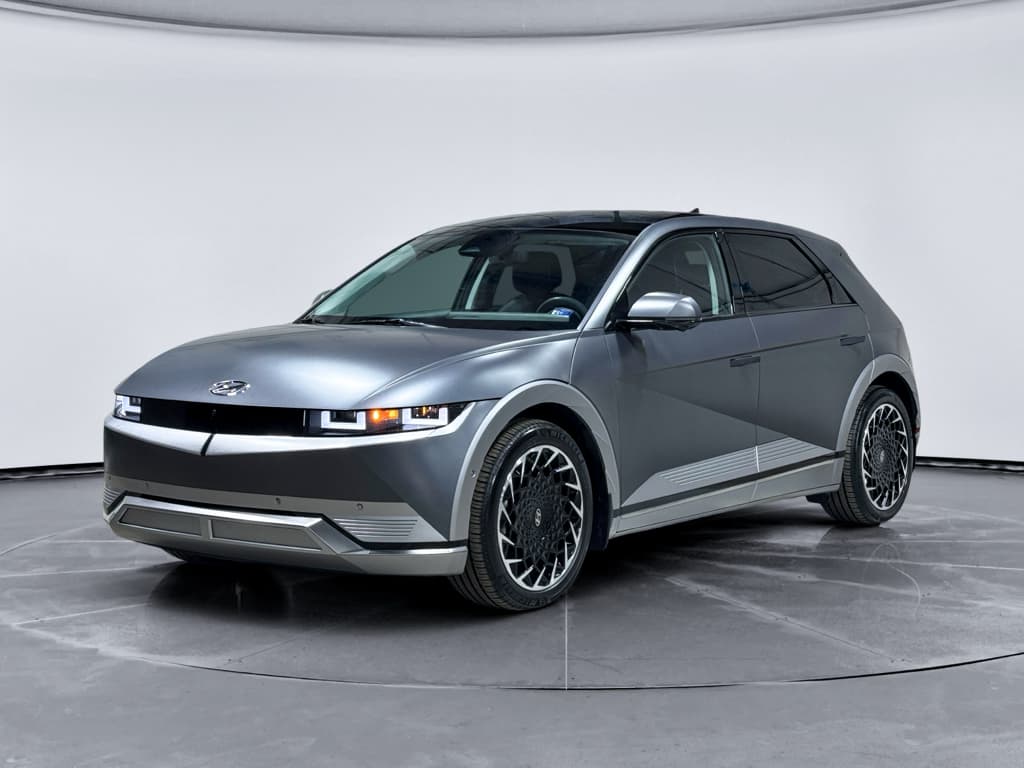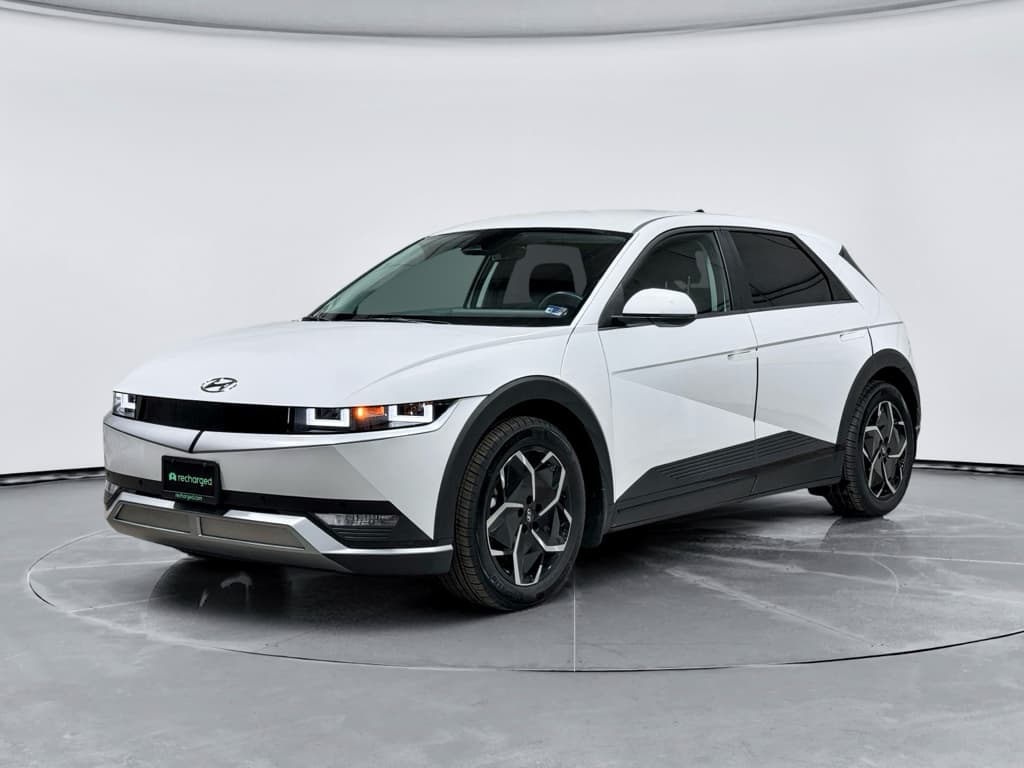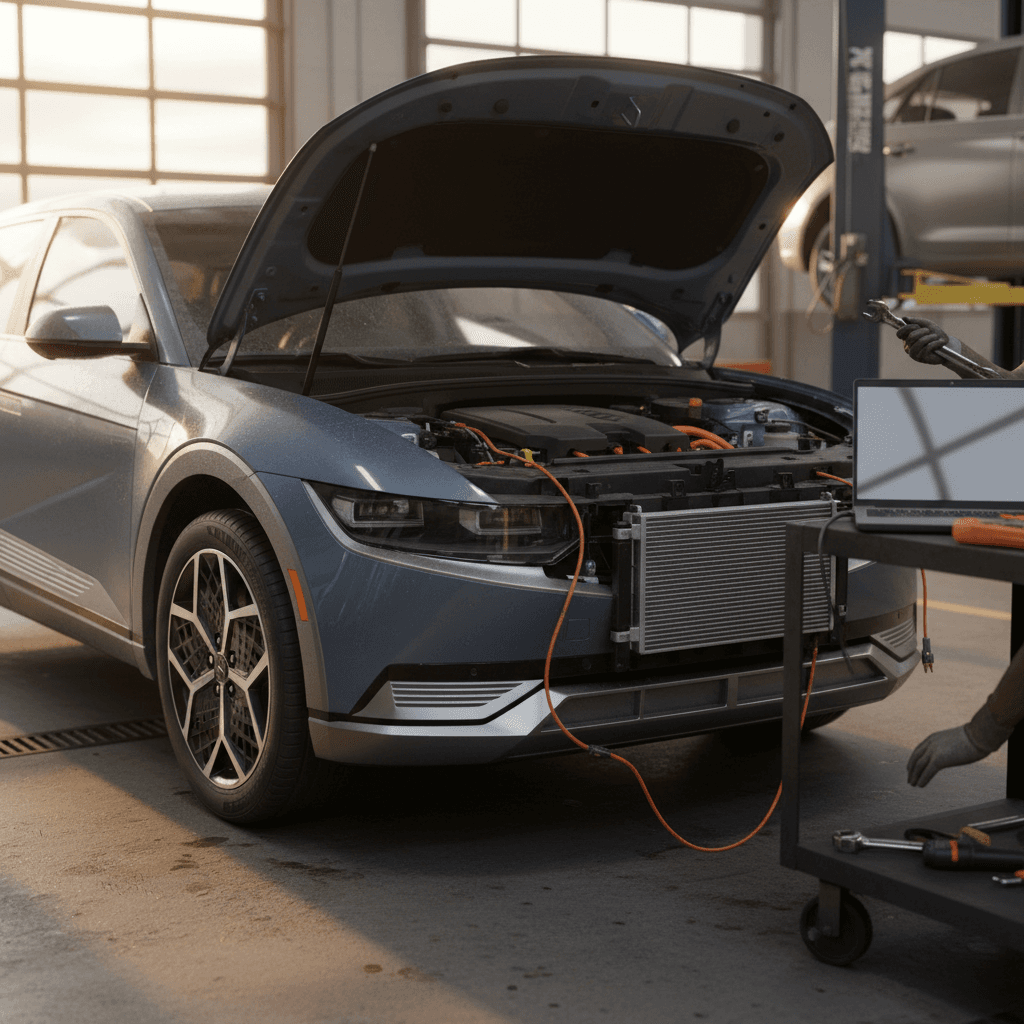
If you’re eyeing a 2026 Hyundai IONIQ 5, or already have one in the driveway, you’ve probably heard the chatter about ICCU failures, dead 12‑volt batteries, and software weirdness. The 2026 IONIQ 5 is still a terrific-driving EV with great packaging and fast charging, but real‑world owner stories show a clear pattern of problems and fixes you’ll want to understand before you sign, sell, or skip.
What this guide covers
2026 IONIQ 5 problems: what we’re seeing so far
By April 2026, the biggest story around the Hyundai IONIQ 5 hasn’t changed: electronics and charging hardware cause more headaches than the battery pack or motors. The same themes that show up on 2022–2025 cars, ICCU failures that strand the car, 12‑volt batteries that give up early, fickle DC fast charging, and buggy software, are still showing up on some 2026s, even as Hyundai rolls out updates and parts revisions.
2026 IONIQ 5: how issues tend to cluster
How this compares to other EVs
ICCU failure: the big reliability headline for 2026
The Integrated Charging Control Unit (ICCU) is the brains and plumbing that manage AC charging and send power from the high‑voltage battery to the rest of the car. When it fails, owners describe a dramatic sequence: warning lights, loss of drive power, and an IONIQ 5 that has to be flat‑bedded to the dealer. This has been the defining problem for IONIQ 5s since launch, and 2026 cars, while improved on paper, are not completely in the clear.
- Sudden loss of power while driving, often with "Check Electric Vehicle System" or similar messages
- Car refusing to go into Drive or Reverse after being parked, even with plenty of range showing
- DC fast charging that starts, then drops to a crawl or stops entirely
- Dealer diagnosis mentioning ICCU, DC/DC converter, or related high‑voltage charging components
Hyundai has been releasing updated parts and software campaigns aimed at extending the life of the ICCU and preventing cascading damage to fuses or wiring. But 2025 and early‑build 2026 owner stories still include fresh ICCU failures, some with only a few hundred miles on the odometer, so this remains the single most important system to vet on any used 2026 IONIQ 5.
Why ICCU failures matter so much
Dead 12V battery and no‑start complaints
The IONIQ 5 uses a conventional 12‑volt lead‑acid battery to wake up the car’s computers, unlock the contactors, and get everything talking. The big high‑voltage pack can be healthy, but if that 12V battery goes flat, the car may act totally dead. Owners of earlier model years reported repeated 12V failures; 2025–2026 cars still show some of the same behavior, especially if they sit for long stretches.
- Car won’t unlock or powers up to a black screen only
- Dash lights flicker and die, or screens reset
- Random warning messages followed by a no‑start condition
- Need for frequent jump‑starts on a relatively new battery
Hyundai dealers often respond by simply replacing the 12V battery under warranty. That can help, but it doesn’t always address the root cause, parasitic draw, a charging logic quirk, or an underlying ICCU or DC/DC converter problem. If your 2026 IONIQ 5 has already chewed through multiple 12V batteries in its first year, it’s time to press for a deeper diagnosis rather than another quick swap.
Quick 12V sanity checks you can do
Charging glitches, software bugs, and infotainment oddities
Most 2026 IONIQ 5 charging complaints are annoying rather than catastrophic. Owners report public DC fast chargers that won’t handshake, charge sessions that start at full speed then fall off a cliff, and home Level 2 sessions that end early with cryptic warnings. Onboard, the EV menus and navigation can behave strangely after software updates, charge limits that reset, schedules that don’t stick, or a system that feels laggy until it’s rebooted.
Common 2026 IONIQ 5 charging and software quirks
Most are fixable with updates, resets, or better charger matching
Picky DC fast charging
Level 2 interruptions
Laggy infotainment
The semi‑good news: Hyundai is aggressive about over‑the‑air and dealer software updates. Many of these quirks improve over time, but they’re also why two IONIQ 5s built weeks apart can feel very different to live with.
Brakes, suspension, and driveability issues
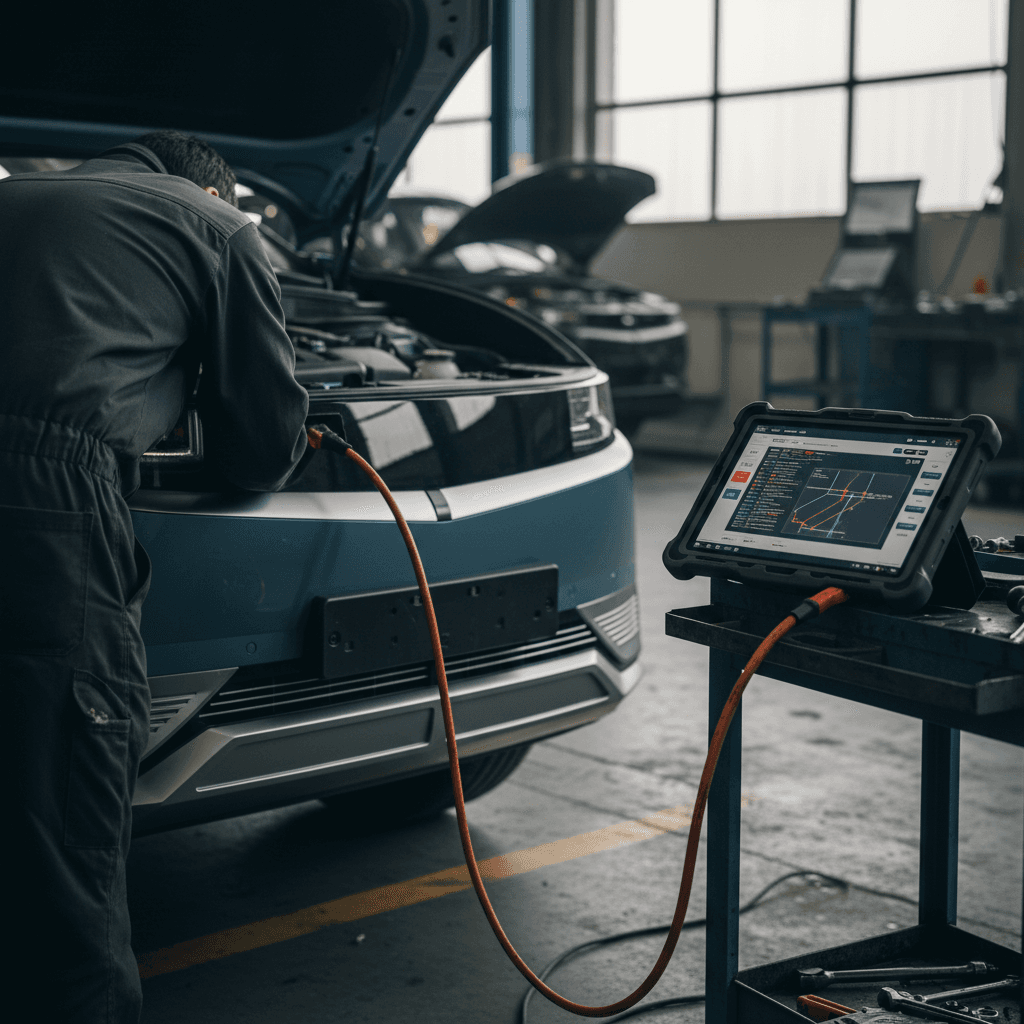
Mechanical complaints on the 2026 IONIQ 5 are less dramatic but still worth noting. A very small batch of 2025 IONIQ 5s drew a recall for insufficiently torqued rear suspension bolts, and isolated owner stories mention clunks, alignment drift, or vague brake feel. Add in the performance‑oriented IONIQ 5 N, which had a separate recall over its left‑foot braking feature, and you have a car that’s still evolving on the dynamics front.
- Steering that pulls or tires with uneven shoulder wear (possible alignment issue)
- Single clunk or pop over low‑speed bumps (bushing or suspension fastener concern)
- Spongy or inconsistent brake pedal feel, especially after aggressive regen use
- Performance models with different brake tuning that feels odd in everyday traffic
Normal EV vs. real issues
Recalls, TSBs, and warranty coverage for 2026 IONIQ 5
As of early 2026, the IONIQ 5’s formal recall history is still relatively light compared with some rivals, but it isn’t spotless. Small campaigns have addressed things like instrument‑cluster software that could blank out, braking behavior on the IONIQ 5 N, and limited‑production suspension build errors. At the same time, Technical Service Bulletins (TSBs) and silent software campaigns continue to target ICCU longevity, charging logic, and infotainment bugs.
2026 Hyundai IONIQ 5: warranty and recall cheat sheet
Always check by VIN on NHTSA or Hyundai’s own site; here’s how coverage generally breaks down for U.S.‑market cars.
| Item | Typical Coverage (U.S.) | What It Means For You |
|---|---|---|
| High‑voltage battery | 10 years / 100,000 miles (original owner, many states) | Defects in the main pack are covered long‑term; outright pack failures this early are rare but serious. |
| EV powertrain (motors, inverter, gearbox) | 5 years / 60,000 miles | Most drive hardware faults on a young 2026 IONIQ 5 should be covered. |
| Basic bumper‑to‑bumper | 5 years / 60,000 miles | Electronics like ICCU, infotainment, and many sensors fall here, critical for early‑life failures. |
| Recalls | No time/mileage limit for safety defects | If there’s an open safety recall, repairs are free at any Hyundai dealer. |
| Software campaigns / TSBs | Varies by bulletin | Sometimes applied only if you complain, so it pays to ask the service advisor to check. |
Use this as a starting point, then confirm details for your specific 2026 IONIQ 5.
How to check your 2026 IONIQ 5 for recalls
How to diagnose and fix common 2026 IONIQ 5 problems
You don’t have to be an engineer to separate minor quirks from genuine red‑flags. Start with symptoms, rule out the basics, then use your warranty and consumer protections when needed. Here’s how to approach the big trouble spots on a 2026 IONIQ 5.
Quick diagnosis playbook for common 2026 IONIQ 5 issues
1. Capture every warning and message
When something goes wrong, safely pull over and take clear photos or video of warning lights and messages. Service departments take you more seriously when you hand them evidence instead of a story.
2. Perform a clean power cycle
Shut the car down fully, step out, lock it, and walk away for 10–15 minutes. Many infotainment and EV menu glitches clear after the systems sleep and reboot.
3. Test and log 12V battery health
If the car is slow to wake or dies frequently, ask the dealer to print a battery‑tester report and to check for DC/DC converter or parasitic‑draw issues, not just swap in another 12V.
4. Try multiple chargers and cables
To separate a picky EV from a bad station, test DC fast charging at more than one brand, and try a different Level 2 EVSE and cable if possible. Consistent failures point back to the car.
5. Ask about ICCU history and software
On any 2026 IONIQ 5, have the dealer run a service history: has the ICCU or related fuses been replaced, and are all EV software campaigns current?
6. Keep a written repair timeline
If the car spends weeks waiting for parts, or returns multiple times for the same complaint, maintain a simple log with dates, mileage, and work orders, this is gold if you ever need lemon‑law help.
When fixes stick
Buying a used 2026 IONIQ 5: problems checklist
Shopping used is where doing your homework really pays off. The 2026 IONIQ 5’s strengths, design, space, efficiency, are the same whether you buy new or used, but the wrong example can strand you at the worst possible time. At Recharged, every IONIQ 5 we list comes with a Recharged Score battery and health report plus a verified service history, but you should still work through a common‑sense problems checklist.
Used 2026 Hyundai IONIQ 5 problems checklist
Walk through these items before you sign anything, private seller or dealer.
Service history & campaigns
- Ask for full service records and warranty repair printouts.
- Look specifically for ICCU replacements, repeated 12V swaps, or charging‑system work.
- Confirm all recall and software campaigns show as completed by VIN.
Battery health & charging behavior
- Check state of health if you have access to a scan report or a Recharged Score.
- Test DC fast charging: does it start quickly and hold speed reasonably?
- Do at least one 0–100% Level 2 session if you can, watching for early shut‑offs.
Road test and noises
- Drive at city and highway speeds, with and without regen set to max.
- Listen for clunks over bumps, whine from the motor, or shudder under braking.
- Make sure the car tracks straight and the steering wheel is centered.
Software and features
- Cycle through every major function: navigation, EV menus, driver‑assist features, cameras.
- Pair your phone and test CarPlay/Android Auto.
- Check for random reboots or frozen screens during a 20–30 minute drive.
Why consider a curated marketplace like Recharged
When to push back, use lemon laws, or walk away
Most 2026 IONIQ 5 owners will never see the worst‑case scenarios you read about online. But a vocal minority genuinely have had cars that spend more time in the shop than at home. The line between “new‑technology teething” and “this car is a problem” is when failures are repeated, unresolved, or keep the vehicle out of service for weeks at a time.
When to escalate hard
- The ICCU or charging system has failed more than once in the first few years.
- The car has been at the dealer for 30+ cumulative days in its first 12–18 months.
- You have 3 or more documented repair attempts for the same safety‑related issue.
- Hyundai or the dealer is unable to give you a clear ETA on critical parts.
Practical next steps
- Keep copies of all repair orders and a simple timeline document.
- Contact Hyundai customer care in writing, not just by phone.
- Research your state’s lemon‑law thresholds for EVs.
- Consult a consumer‑law attorney if you’re approaching those thresholds, many work on a fee‑shifting basis, meaning Hyundai may pay the bill if you win.
Don’t normalize unsafe behavior
FAQ: 2026 Hyundai IONIQ 5 problems and fixes
Frequently asked questions about 2026 IONIQ 5 problems
The 2026 Hyundai IONIQ 5 is one of those cars that owners either adore without reservation or love in spite of a rocky relationship. Its core virtues, comfort, packaging, performance, are undeniable, but the same handful of problem areas keep showing up in the stories of frustrated drivers. If you understand ICCU risks, 12V behavior, and the role of software, you can stack the deck in your favor: pick a well‑documented car, stay current on updates, and hold Hyundai to the promise of its warranty. And if you’d rather have someone else do the hard sorting for you, Recharged exists precisely for this moment in the EV market, where great cars and real‑world problems live side by side, and the right information makes all the difference.