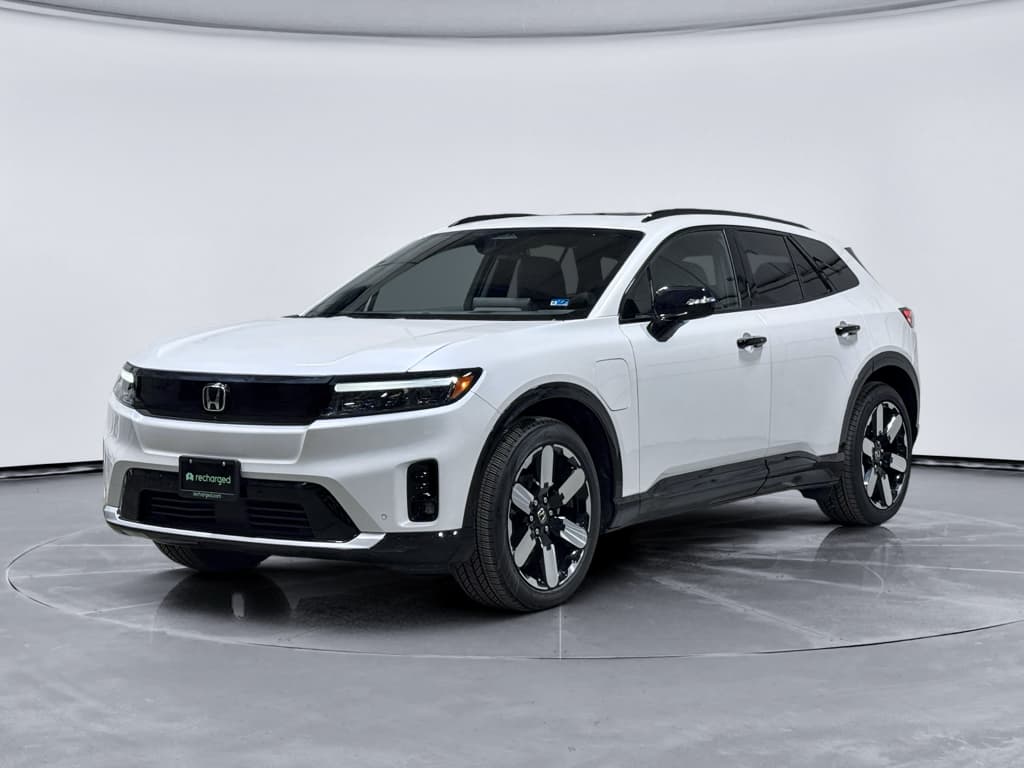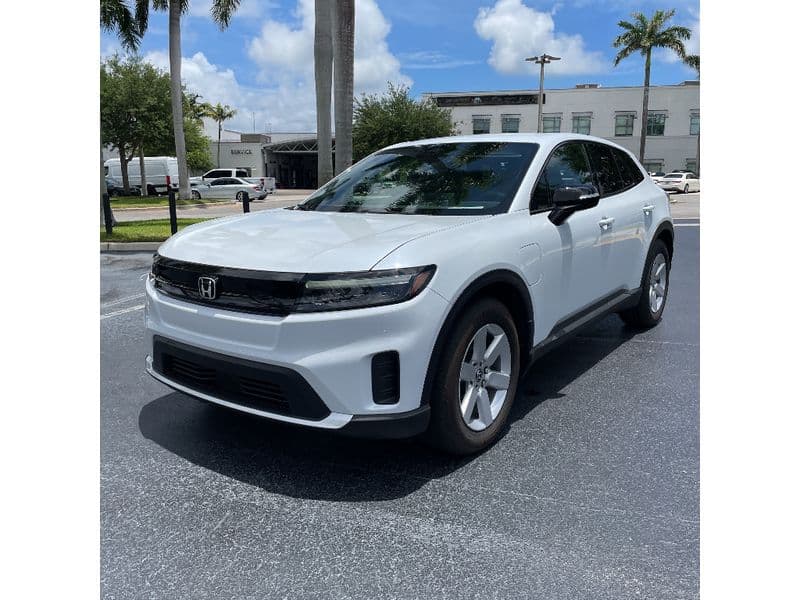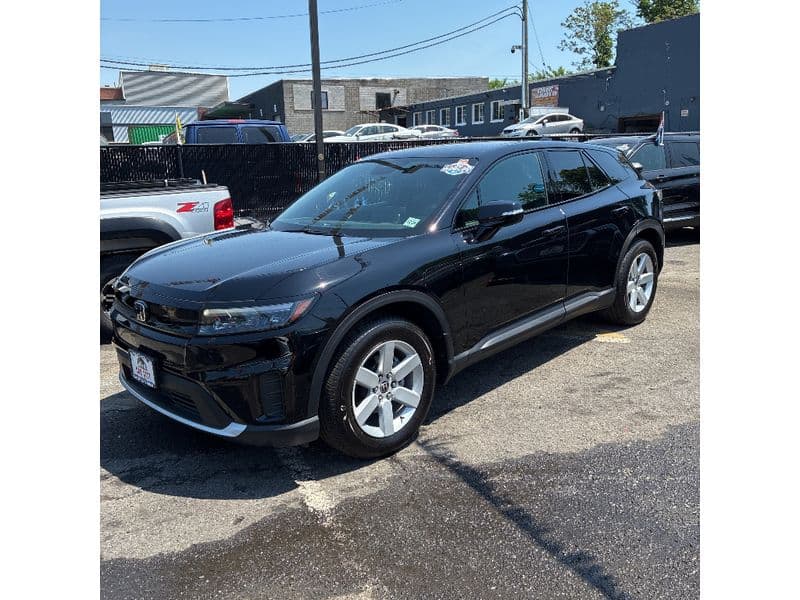
If you’re shopping for a family-size electric SUV, the **2026 Honda Prologue** is probably on your list. Built on GM’s Ultium platform and sized close to a Honda Passport, it promises nearly 300 miles of range, a smooth ride, and familiar Honda practicality. For 2026, Honda refines what it launched in 2024–2025 rather than reinventing it, so understanding the fundamentals of this EV will tell you almost everything you need to know.
Model-year context
2026 Honda Prologue overview
The Prologue is a **mid-size, two-row electric SUV** developed jointly with General Motors. It rides on GM’s BEV3/Ultium platform, the same basic hardware underneath the Chevrolet Blazer EV and Acura ZDX, with an **85 kWh Ultium battery**, single-motor front-wheel drive (FWD) or dual-motor all-wheel drive (AWD), and DC fast charging up to roughly 150–155 kW.([insideevs.com](https://insideevs.com/news/720023/honda-prologue-epa-range-consumption/?utm_source=openai))
Key 2026 Honda Prologue numbers at a glance
For 2026, Honda’s focus is less on changing sheet metal and more on **fine-tuning power and efficiency**. The 2025 update already nudged output up to about 220 hp for FWD and 300 hp for AWD without a big price hike, and 2026 is expected to continue that tune with minor equipment changes and price adjustments rather than a full refresh.([the-sun.com](https://www.the-sun.com/motors/13716136/honda-prologue-electric-vehicle-range-upgrade/?utm_source=openai))
Think ahead to the used market
Powertrain, battery, and real-world range
Every Prologue uses the same **85 kWh Ultium battery pack** with liquid cooling. Earlier EPA numbers give us a clear baseline: about **296 miles for FWD** trims and **273–281 miles for AWD**, depending on wheel size.([insideevs.com](https://insideevs.com/news/720023/honda-prologue-epa-range-consumption/?utm_source=openai)) With the 2025 power bump and expected 2026 carryover, range ratings should stay in that ballpark, with minor variations from tuning and tire choices.
Estimated 2026 Honda Prologue range by configuration
Based on 2024–2025 EPA ratings and 2025 powertrain updates; 2026 figures should be very similar.
| Trim / drivetrain | Battery | Wheels | Estimated EPA range |
|---|---|---|---|
| EX / Touring FWD | 85 kWh | 19-inch | ≈296 miles |
| EX / Touring AWD | 85 kWh | 19-inch | ≈281 miles |
| Elite AWD | 85 kWh | 21-inch | ≈273 miles |
| Any trim (cold weather, heavy load) | 85 kWh | 19–21 inch | Plan for 15–25% less in tough conditions |
Exact 2026 EPA labels may vary slightly by trim and wheel size.
Real-world test results look better than the label
- **Single‑motor FWD**: Best choice for maximum range and price; still plenty quick for daily driving.
- **Dual‑motor AWD**: Adds traction and more punch; small range penalty, especially with 21‑inch wheels.
- **Weight matters**: A loaded Prologue Elite AWD tops 5,200 pounds, so big wheels and aggressive driving will take a bite out of efficiency.([greencarreports.com](https://www.greencarreports.com/news/1142379_2024-honda-prologue-ev-test-drive-review?utm_source=openai))
- **Range sweet spot**: Expect **250–310 miles** between charges in normal mixed driving, depending on trim, speed, and climate.
Charging: home setup and road-trip usability
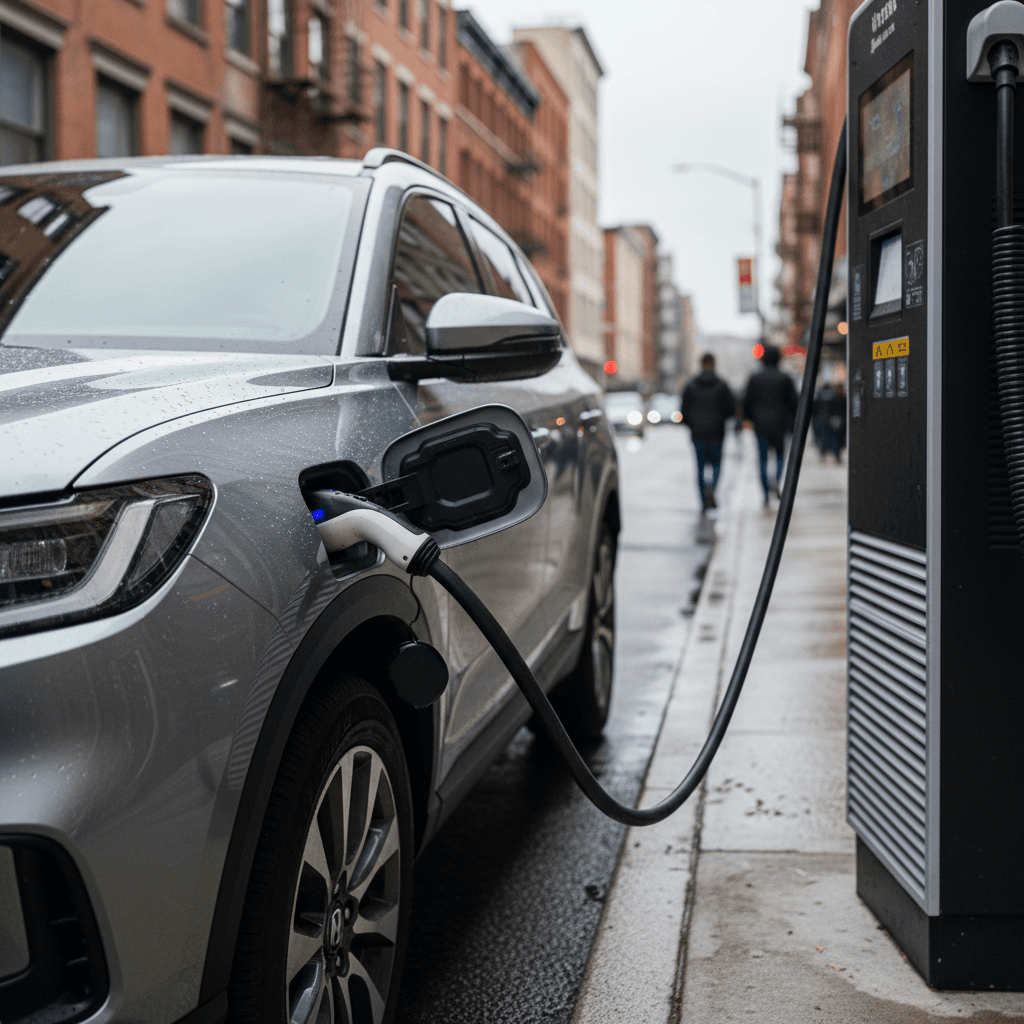
On the charging front, Honda did its homework. The Prologue supports **11.5 kW Level 2 AC charging** for home use and **up to about 150–155 kW DC fast charging** on the road. That means a **full overnight charge at home in roughly 8–9 hours** and a typical **10–80% fast‑charge session in about 35–40 minutes** under good conditions.([auto-features.com](https://auto-features.com/2024-honda-prologue-smart-all-electric-suv-features/?utm_source=openai))
How the 2026 Honda Prologue fits into your charging routine
From 120V trickle charging to highway fast charging, here’s what to expect.
Level 1 (120V)
Useful if you’re visiting family or topping off at a vacation home without a 240V outlet.
- ~1–3 miles of range per hour
- Full charge can take 40–70 hours
- Fine for low‑mileage drivers; not ideal as your only solution
Level 2 (240V) home
This is where the Prologue really shines for daily use.
- 11.5 kW onboard charger
- 0–100% in roughly 8–9 hours
- About 30–35 miles of range per hour of charging
Most owners plug in overnight and wake up to a ‘full tank’ every morning.
DC fast charging
Best for road trips or long days out.
- Peak around 150–155 kW
- 10–80% in ~35–40 minutes
- Roughly 65 miles of range in the first 10 minutes, under ideal conditions
Partner networks like EVgo and Electrify America are integrated into Honda’s apps.
Plan around charging curves, not just peak numbers
If you’re coming from gas, the big shift isn’t just plug vs pump, it’s how you **build charging into your life**. For most Prologue owners, that means installing a Level 2 charger at home and using public DC fast charging for longer trips a few times a year.
Thinking about home charging?
Interior, comfort, and in-car tech
Inside, the Prologue sticks to **Honda’s straightforward, user‑friendly playbook**. You get a clean dash with a landscape‑oriented center screen, a separate digital instrument cluster, physical climate controls, and plenty of storage. Because the battery sits in a flat skateboard under the floor, **interior space rivals or exceeds gas SUVs** in this class, with a generous rear seat and a useful cargo area behind it.
Passenger space
- Adult‑friendly rear seat with good legroom and headroom.
- Flat floor makes the middle seat more usable than in many gas SUVs.
- Quiet cabin at highway speed, thanks to Ultium’s low center of gravity and decent sound insulation.
Cargo and practicality
- Cargo room on par with other mid‑size two‑row SUVs.
- Split‑fold rear seats for larger items.
- No big front trunk (frunk) like some EVs; most storage is in the back and cabin.
Tech features you’ll notice every day
Honda layers in both GM-based and Honda-native technology.
Infotainment & apps
Large central touchscreen with wireless Apple CarPlay and Android Auto on most trims, plus integrated Google built‑in on higher versions.
Driver assistance
Honda Sensing® suite with adaptive cruise control, lane keeping assist, and blind‑spot monitoring is standard or widely available.
Charging & navigation
Built‑in route planning that factors in charging stops, plus integration with networks like EVgo and Electrify America for easier public charging.
GM bones, Honda tuning
Driving impressions: how the Prologue feels on the road
On the road, the Prologue leans toward **calm and confident** rather than sporty. The steering ratio is on the slower side, and curb weight, over 5,200 pounds on some AWD trims, reminds you this is a substantial vehicle. That plays out as a stable, settled feel on the highway, with smooth lane changes and predictable responses. On narrower, rougher backroads, earlier drives found the suspension working harder to keep all that mass composed, and sharper impacts can feel busy.([greencarreports.com](https://www.greencarreports.com/news/1142379_2024-honda-prologue-ev-test-drive-review?utm_source=openai))
- **Acceleration**: FWD versions are perfectly adequate for daily duty; AWD models feel more authoritative merging onto freeways and passing at speed.
- **Ride quality**: Comfortable and controlled on good pavement; larger wheels can add a bit of sharpness over potholes and expansion joints.
- **Noise**: Cabin is pleasantly quiet at typical U.S. highway speeds, though you’ll hear some tire thrum on coarse surfaces.
- **Regen & one‑pedal feel**: Ultium hardware supports strong regenerative braking, and Honda’s tuning makes it natural after a short adjustment period.
Pick wheels with your roads in mind
Trims, features, and 2026 pricing outlook
Honda typically offers the Prologue in **EX, Touring, and Elite** trims, with FWD available on lower trims and AWD standard (or strongly preferred) on top trims like Elite. Early pricing started in the **high‑$40,000s for EX FWD**, stretching into the **upper‑$50,000s for a loaded Elite AWD** before destination charges, and Honda held the line pretty well through the 2025 update even with the added power.([insideevs.com](https://insideevs.com/news/720023/honda-prologue-epa-range-consumption/?utm_source=openai)) While 2026 is likely to see modest price increases, the overall walk from base to top‑trim should feel familiar.
How the 2026 Honda Prologue lineup likely breaks down
Exact 2026 equipment and pricing may vary by region and options, but this mirrors Honda’s recent pattern.
| Trim | Drivetrain | Highlights | Who it fits |
|---|---|---|---|
| EX | FWD or AWD | Smaller wheels, cloth or basic upholstery, solid driver‑assist suite, core infotainment | Budget‑minded buyers who care more about range than extras |
| Touring | FWD or AWD | Nicer interior materials, upgraded audio, more convenience features | Families who want comfort but don’t need every bell and whistle |
| Elite | AWD only | Largest wheels, panoramic roof, most tech and luxury features | Drivers who want a near‑luxury EV SUV and don’t mind paying for it |
Destination charges and local incentives are not included.
Watch effective price after incentives
2026 Honda Prologue vs key rivals
In 2026, the Prologue doesn’t exist in a vacuum. You’ll cross‑shop it against Tesla’s Model Y, Hyundai’s Ioniq 5, Kia’s EV6, Ford’s Mustang Mach‑E, and its platform cousin, the Chevrolet Blazer EV. Each has strengths; the Prologue’s appeal sits in its **balanced range, familiar Honda feel, and Ultium underpinnings**.
Where the Prologue stands out, and where it doesn’t
Compared with other 2‑row electric SUVs you’re likely considering.
Strengths vs Model Y
- More traditional SUV look and cabin layout.
- Physical controls many drivers prefer over all‑screen interfaces.
- Comparable or better EPA range on some trims.
Against Ioniq 5 / EV6
- Similar range, but Hyundai/Kia charge faster thanks to 800V architectures.
- Prologue answers with conservative EPA ratings and Honda’s reputation for long‑term ownership.
Against Blazer EV & Mach‑E
- Shares Ultium tech with Blazer EV but offers a more Honda‑like driving and ownership experience.
- Mustang Mach‑E can feel sportier; Prologue counters with space and a calmer demeanor.
Shopping used or nearly new?
Ownership costs, incentives, and resale outlook
Given its **conservative range ratings and mainstream positioning**, the Prologue is designed to be a long‑term family hauler rather than a tech experiment. Ultium hardware hasn’t been on the road for decades yet, but Honda backs the battery with an **8‑year / 100,000‑mile warranty** typical for modern EVs, and early efficiency data suggests the pack is well‑managed thermally.([auto-features.com](https://auto-features.com/2024-honda-prologue-smart-all-electric-suv-features/?utm_source=openai))
Key cost and ownership factors to weigh
1. Electricity vs fuel savings
If you’re replacing a 20–25 mpg SUV, home charging can dramatically lower your per‑mile energy cost, especially if you can charge overnight on off‑peak rates.
2. Home charging installation
Budget for a 240V circuit and Level 2 charger. In many markets, total install costs land between a few hundred and a few thousand dollars depending on panel capacity and distance from your service panel to the parking spot.
3. Incentives and tax credits
The Prologue has recently qualified for federal EV incentives, and many states add rebates or HOV perks. Check current 2026 rules before you assume a specific credit amount.
4. Insurance and maintenance
Insurance can be higher than an equivalent CR‑V or Passport but lower than many luxury EVs. Routine maintenance (no oil changes, fewer moving parts) should be modest; tires are often the biggest consumable.
5. Resale value and demand
Honda’s brand strength and the Prologue’s mainstream spec sheet should support decent resale, but **battery health will be the single biggest factor**, exactly what Recharged’s battery diagnostics and Recharged Score are built to clarify for future used buyers.
How Recharged can simplify Prologue ownership
Ready to find your next EV?
Browse VehiclesWho the 2026 Honda Prologue is (and isn’t) for
Not every EV fits every driver. The 2026 Honda Prologue is a strong fit if you want an electric SUV that behaves a lot like a **conventional mid‑size Honda**, just with electrons instead of unleaded.
Great fit if you:
- Prefer a familiar, straightforward cabin over a minimalist, screen‑only interface.
- Need real back‑seat space for adults or growing kids.
- Can install Level 2 charging at home or reliably at work.
- Value conservative range ratings and a calm driving character over maximum performance.
Think twice if you:
- Want the absolute quickest charging times (an 800V Hyundai/Kia may suit you better).
- Prioritize sharp handling and sport‑sedan reflexes in your SUV.
- Don’t have access to convenient overnight charging.
- Live where public fast‑charging infrastructure is still very sparse.
2026 Honda Prologue FAQ
Frequently asked questions about the 2026 Honda Prologue
Bottom line: is the 2026 Honda Prologue a good buy?
If you like the idea of an electric SUV but don’t want to live inside a science experiment, the **2026 Honda Prologue** deserves a long look. It offers honest range, straightforward controls, and the sort of day‑to‑day usability Honda has built its reputation on, wrapped around modern Ultium EV hardware. It’s not the quickest charger in the segment, and it won’t thrill drivers hunting for sports‑car reflexes, but as a **family‑first EV** it checks a lot of boxes.
Whether you decide to order a new 2026 Prologue or wait for the first wave of used examples to appear, go in with a clear picture of your **range needs, home‑charging options, and budget**. And when those used Prologues start showing up on Recharged, you’ll be able to compare trims and battery health side by side, with expert EV guidance all the way from research to delivery.